Barot Valley Travel Guide: Himachal Off the Beaten Path
Barot Valley, Himachal: trout fishing, the hydel canal walk, where to stay, and how to plan a quiet weekend away from the Manali crowds.
On this page
Most people who've heard of Bir have never heard of Barot, which is exactly why it's worth the detour. Barot valley Himachal sits about an hour from Bir on the far side of the Dhauladhar ridge, tucked around a British-era hydel canal and the trout-stocked Uhl river, with almost none of the crowds. It's less "checklist destination" and more "place you go to slow down for two days."
Quick answer: Barot is a small hydel-project village 65 km (40 miles) from Bir/Palampur, best known for trout fishing, a flat riverside canal walk, and simple homestays — plan on 1-2 nights, and combine it with Bir or Rajgundha rather than visiting alone.
Where Barot Is and Why It's Different
Barot sits in the Mandi district of Himachal Pradesh, at about 1,900 metres, built around a hydroelectric project that was commissioned in the 1920s. The village itself is small — a cluster of homestays, a fish farm, a couple of dhabas, and the canal that carries water from the Uhl river to the power house downstream.
- No paragliding, no big monastery complex, no market street — Barot's whole appeal is quiet.
- The valley is heavily forested with deodar and walnut, and the air noticeably cools as you descend from Bir into it.
- It works best as a slow add-on to a Himachal trip rather than the sole reason to fly out, which is why we usually pair it with Bir and Rajgundha on the same itinerary — see our Bir, Rajgundha & Barot trip for how we structure the days.
Getting to Barot from Delhi
- By road (direct): Roughly 490–510 km (304–317 miles) and 11-12 hours by car, via Chandigarh, Mandi, and Joginder Nagar. Most groups leave Delhi on a Friday night and arrive by mid-morning Saturday.
- Via Bir/Palampur: If you're already in Bir, Barot is about 65 km (40 miles) and 2.5-3 hours away on a hill road that's scenic but slow — budget the time rather than rushing it.
- By train: The nearest railhead is Joginder Nagar, about 40 km (25 miles) from Barot, connected to Pathankot by the narrow-gauge toy train — a genuinely fun way to arrive if you have an extra day to spare.
- Road condition: The last stretch into Barot is single-lane and winding. It's fine in a sedan in dry weather but gets slippery in the monsoon (July-September), so an SUV is the safer call then.
Things to Do in Barot Valley
- Trout fishing: Barot is one of the few places in Himachal with a government trout hatchery, and licensed fishing on the Uhl river is the single most-talked-about activity here. A day permit is inexpensive and available locally; bring your own tackle or rent basic gear in the village.
- The canal walk: A flat, well-maintained path runs alongside the old hydel canal for several kilometres through pine forest — an easy, low-effort walk that's one of the more underrated things to do in Barot Himachal, especially early morning when the light comes through the trees.
- Rajgundha day trip: Rajgundha valley is reachable from this side too, and worth combining if you want one genuinely remote, off-grid day — read our full Rajgundha valley guide before you go, since the trail needs some planning.
- Local trout meals: Several homestays will cook the fish you catch, or serve farm trout regardless — simple, fresh, and one of the better reasons to eat in rather than hunt for restaurants that don't really exist here.
- Photography: The mix of wooden houses, the canal, and mist rolling down from the ridge makes for some of the calmer, less-Instagrammed shots you'll get on a Himachal trip.
Best Time to Visit Barot
- March-June: Pleasant days, cool nights, good for fishing and walking. This is the busiest window, though "busy" in Barot still means a handful of other travellers.
- September-November: Clear skies post-monsoon, crisp air, arguably the best photography light of the year.
- July-August: Monsoon. The valley turns intensely green but landslides and slippery roads are a real risk — check conditions before committing.
- December-February: Cold and often snowbound at higher points; charming if you're prepared for it, but homestays run basic heating at best.
If you're still deciding when to go, our best time to visit Bir Billing guide covers the same seasonal windows, since Barot and Bir share almost identical weather patterns.
Where to Stay and What It Costs
- Homestays: The main accommodation type in Barot — simple rooms, home-cooked meals, usually run by local families. Expect roughly ₹1,500-3,000 per night per room including meals, depending on season and how close you are to the canal.
- HPTDC/PWD guesthouses: A couple of older government-run options exist with basic rooms; book ahead since availability is limited and unpredictable.
- What's missing: There's no real hotel infrastructure, no ATM you should rely on, and patchy mobile network — carry cash and let people know you'll be offline for a bit.
Frequently Asked Questions
Is Barot valley worth visiting on its own, or should I combine it with Bir?
Barot is small enough that most travellers find one full day plus an overnight is enough on its own. It works best combined with Bir or Rajgundha, since the drive between them is short and the destinations complement each other — quiet river valley versus paragliding and monastery town.
Do I need a permit for trout fishing in Barot?
Yes, a day licence is required and is issued locally through the fisheries department counter in the village — it's inexpensive and straightforward to arrange on arrival, though carrying your own rod and flies saves time if you're particular about gear.
How many days do I need in Barot valley?
One full day covers the canal walk and a fishing session comfortably; two nights lets you add a Rajgundha day trip or simply do nothing, which is honestly the point of coming here.
Is Barot accessible by public transport from Delhi?
Not directly and not easily — there's no direct bus or train to Barot itself. The practical routes are a private cab, a bus to Mandi or Baijnath followed by a local taxi, or the toy train to Joginder Nagar followed by a short cab ride.
Ready for a Quieter Himachal Weekend?
If the idea of trout fishing by a hydel canal, a slow forest walk, and evenings without a phone signal sounds appealing, Barot is best experienced as part of a small, well-planned loop rather than a solo dash. Anna personally hosts the Bir, Rajgundha & Barot trip for groups of up to 12, or browse more Himachal and India destinations if you're still figuring out where this fits into your next trip.
Keep reading
More guides to help you plan the same trip.
Bir Billing Travel Guide: India's Paragliding Capital
Bir Billing, Himachal: paragliding, tea gardens, Tibetan monasteries, the best cafes, and how to plan the trip from Delhi.
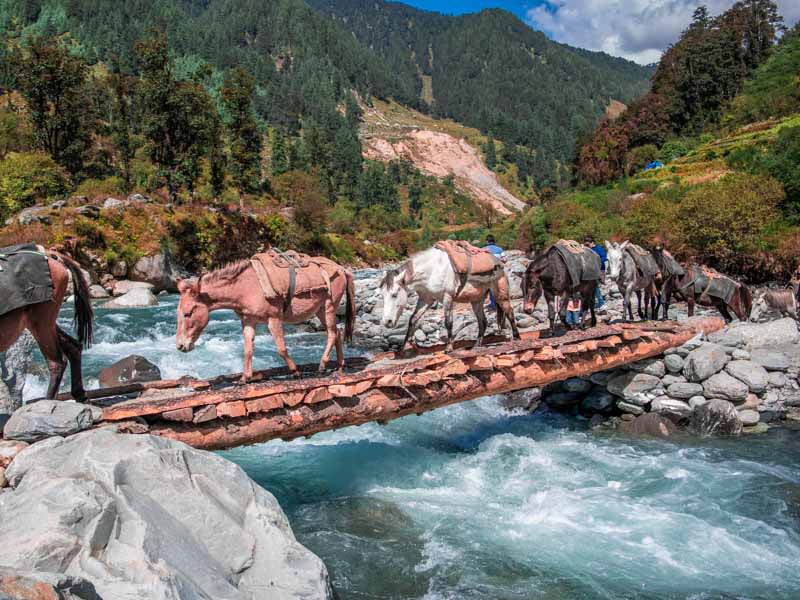
Rajgundha Valley: Himachal's Hidden Trekking Gem
A guide to Rajgundha Valley, Himachal's quiet, off-grid meadow trek near Bir and Barot, with routes, timing, and honest trekking tips.
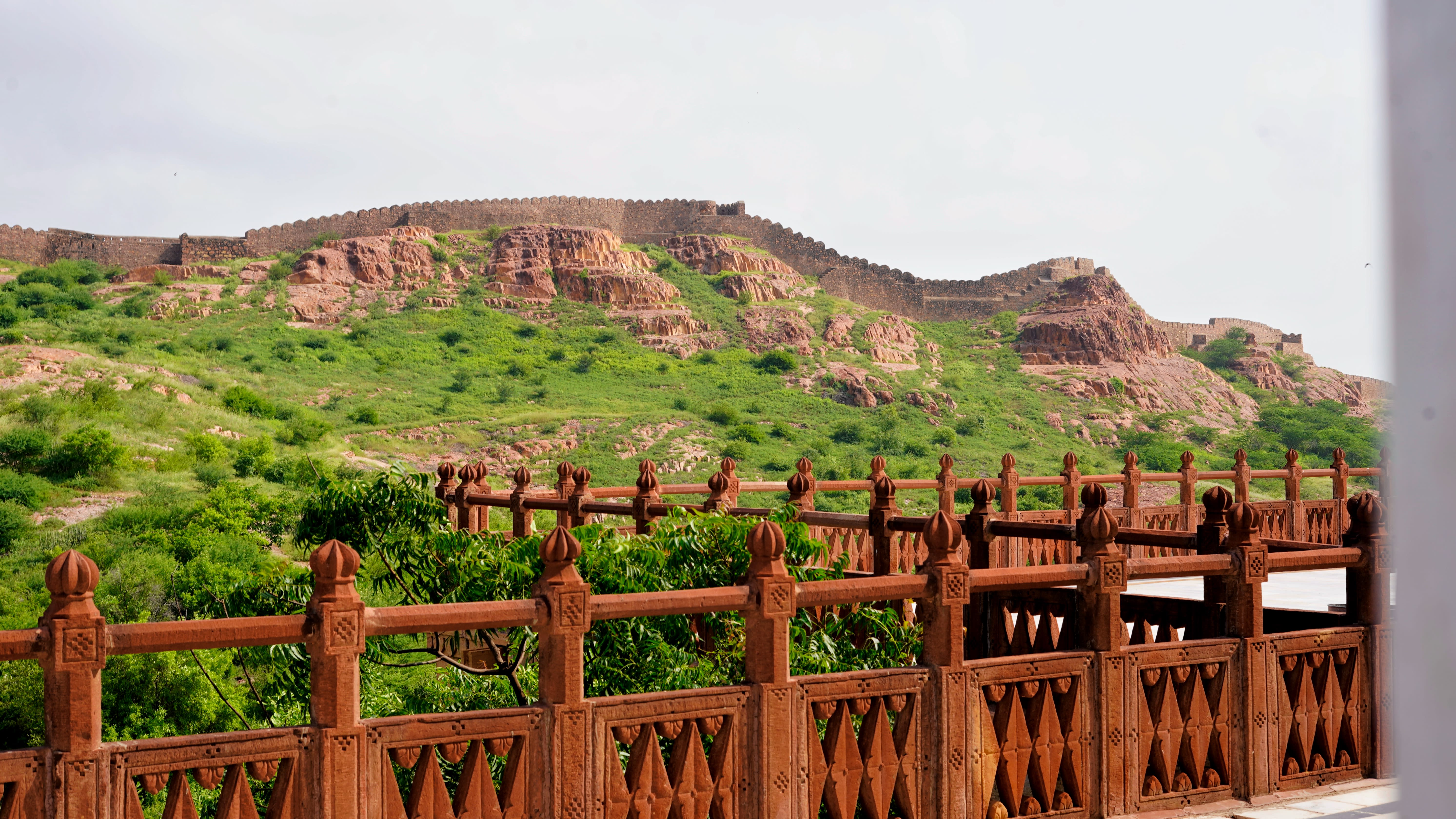
Bir Billing vs Manali: Which Himachal Trip Is Right for You?
Bir Billing vs Manali: a straight comparison of crowds, cost, and what you'll actually do on each Himachal weekend trip.
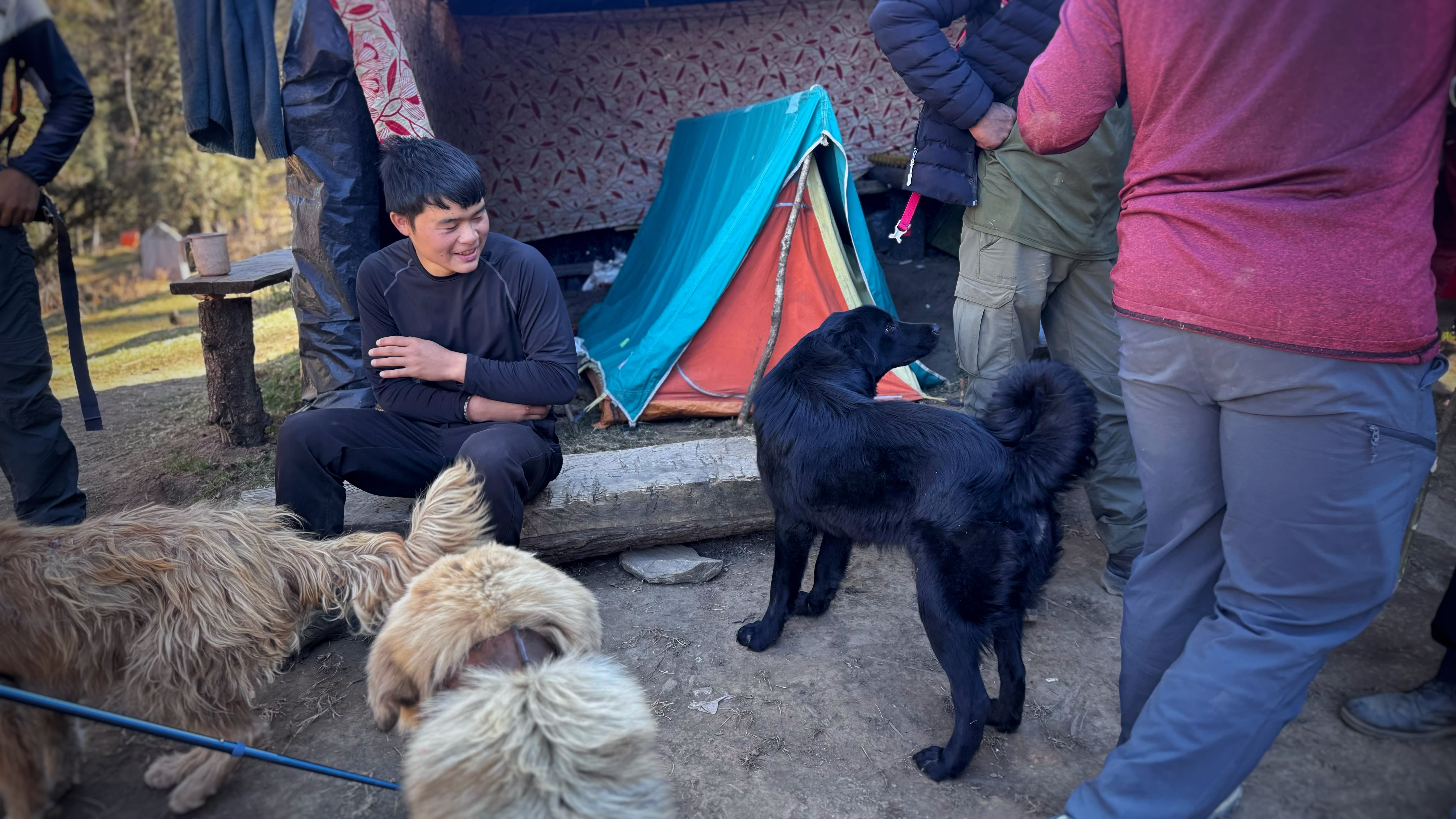
The Best Time to Visit Bir Billing for Paragliding
The best time to visit Bir Billing for paragliding is October to June, when Himachal's thermals and clear skies make for safe, soaring flights.
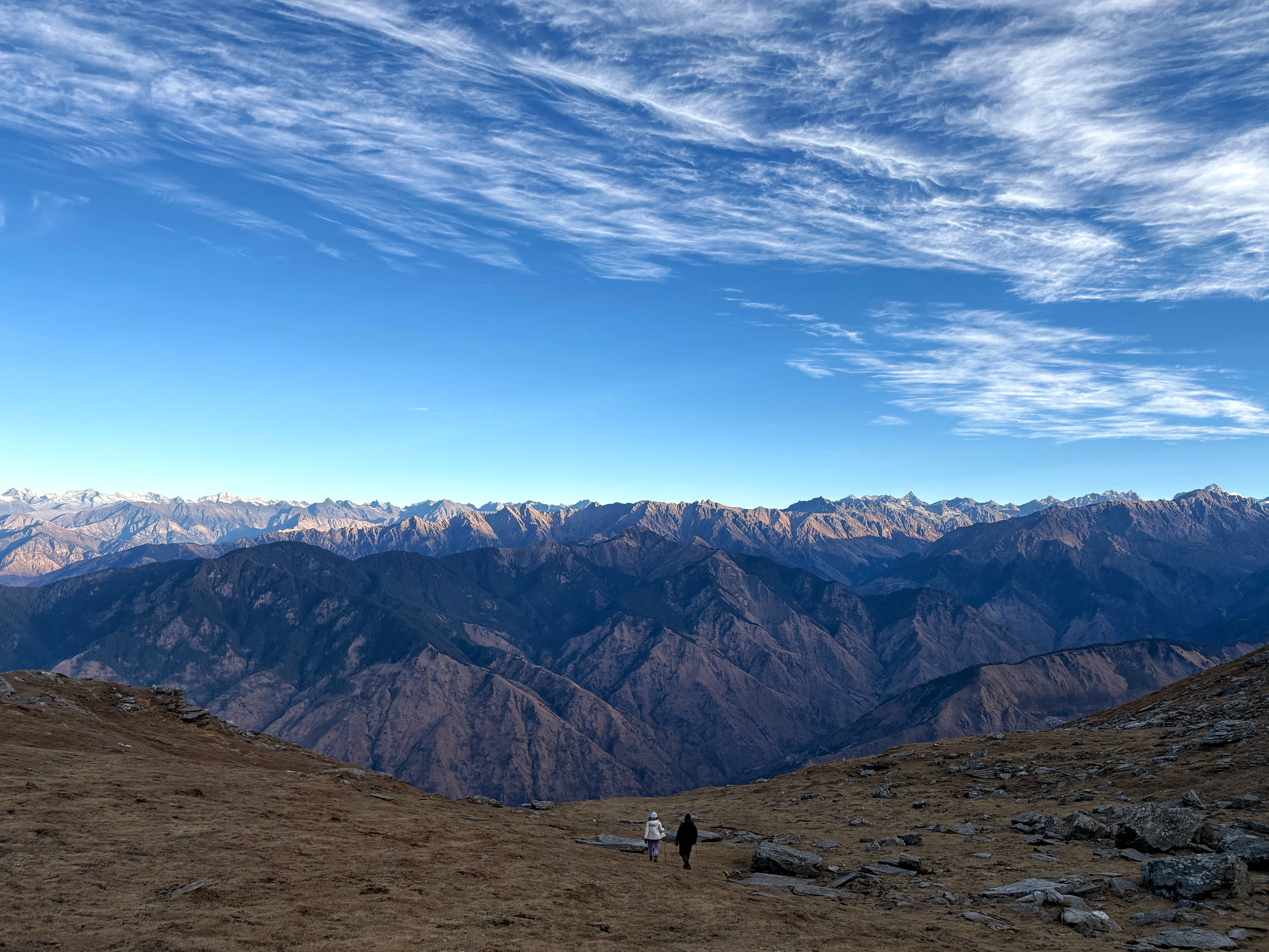
Shimla & Manali: India's Classic Hill Stations
A practical shimla manali guide for US, UK and Europe travellers — when to go, how to get there, what to do, and how the two hill stations differ.
10 Best Weekend Getaways from Delhi
The 10 best weekend getaways from Delhi, from Himalayan valleys to riverside towns, with honest travel times and trade-offs.