Diwali in India: A Traveller's Guide to the Festival
Millions of lamps, fireworks, sweets and family. What Diwali actually celebrates, and what it's like to be in India for it.
On this page
If you see India during just one festival, make it Diwali — the festival of lights. For a few nights every autumn the whole country glows: doorways lined with oil lamps, rooftops strung with fairy lights, fireworks over every skyline, and the smell of sweets in the air. Here's what it is, and what it's like to actually be there.
The one-line version: Diwali is India's biggest, brightest festival — five days celebrating the triumph of light over darkness, marked with lamps (diyas), rangoli, fireworks, feasting and family.
What Is Diwali?
Diwali (or Deepavali, "a row of lamps") is a five-day festival celebrated by Hindus, Jains, Sikhs and Buddhists. At its heart is a simple, universal idea: light over darkness, good over evil, knowledge over ignorance. Homes are cleaned and decorated, debts settled, and the goddess Lakshmi welcomed in for prosperity.
The Five Days of Diwali
- Day 1 — Dhanteras. Buying gold, kitchenware and good fortune for the year.
- Day 2 — Naraka Chaturdashi. Early-morning rituals and the first lamps.
- Day 3 — Lakshmi Puja (main Diwali). The big night — lamps everywhere, prayers to Lakshmi, fireworks.
- Day 4 — Govardhan Puja / Annakut. Feasts and mountains of food offered in temples.
- Day 5 — Bhai Dooj. Honouring the bond between siblings.
How It's Celebrated
Expect diyas (clay oil lamps) and electric lights outlining every home; intricate rangoli patterns in coloured powder on doorsteps; trays of sweets (mithai) shared with neighbours; new clothes; and fireworks that build to a crescendo on the main night. It's loud, warm, generous and deeply communal.
What It's Like to Travel During Diwali
Diwali is a feast for the senses — and a wonderful, if busy, time to travel. A few honest notes:
- Cities sparkle at night; markets are at their liveliest in the run-up.
- Fireworks mean noise and smoke on the main night, especially in big cities.
- Some shops and sights close on the main day as families celebrate at home.
- Book early — it's peak season; trains, flights and hotels fill up weeks ahead.
Travelling with a host who knows the rhythm makes all the difference — you end up inside a celebration rather than watching from the outside.
Where to Experience Diwali
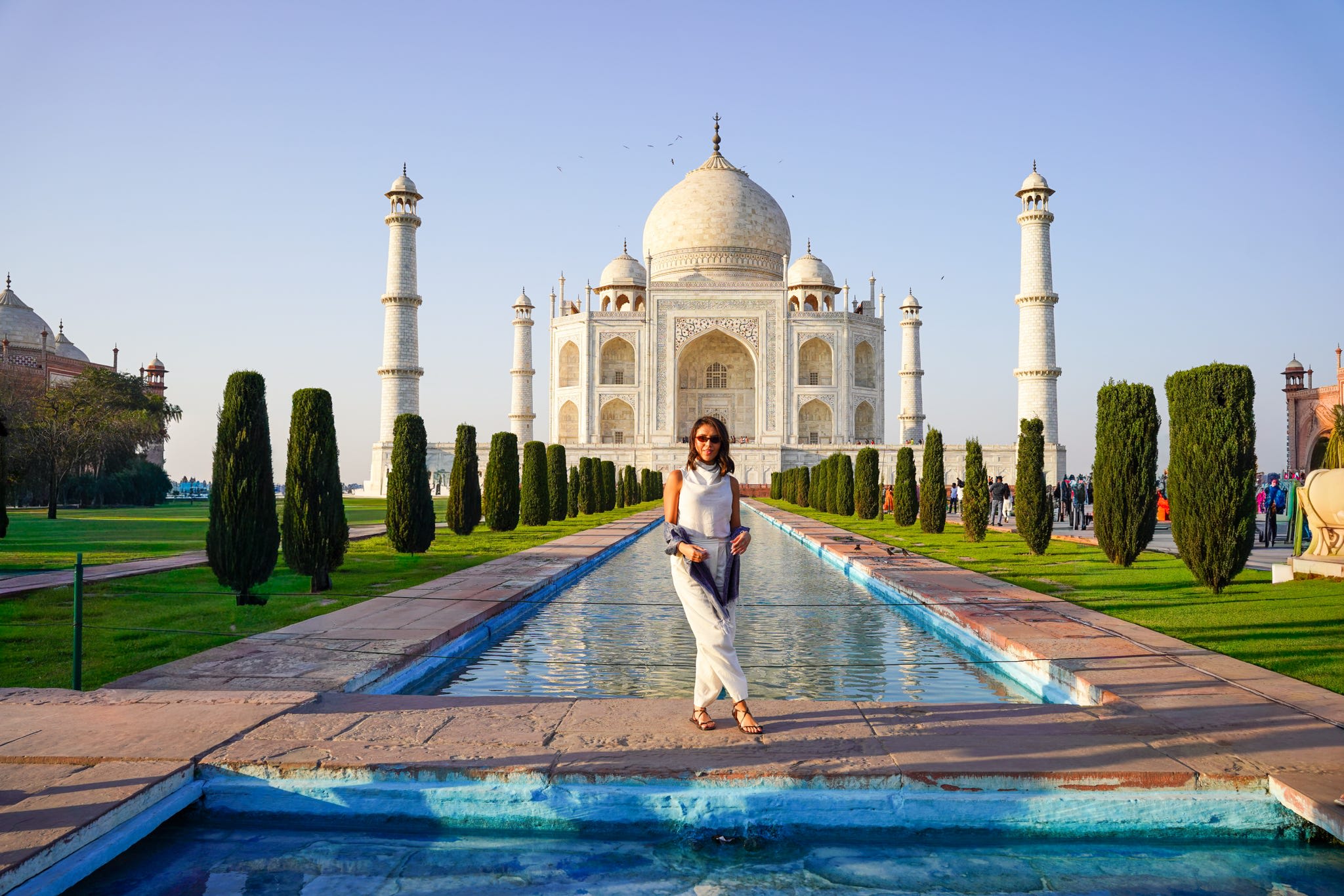
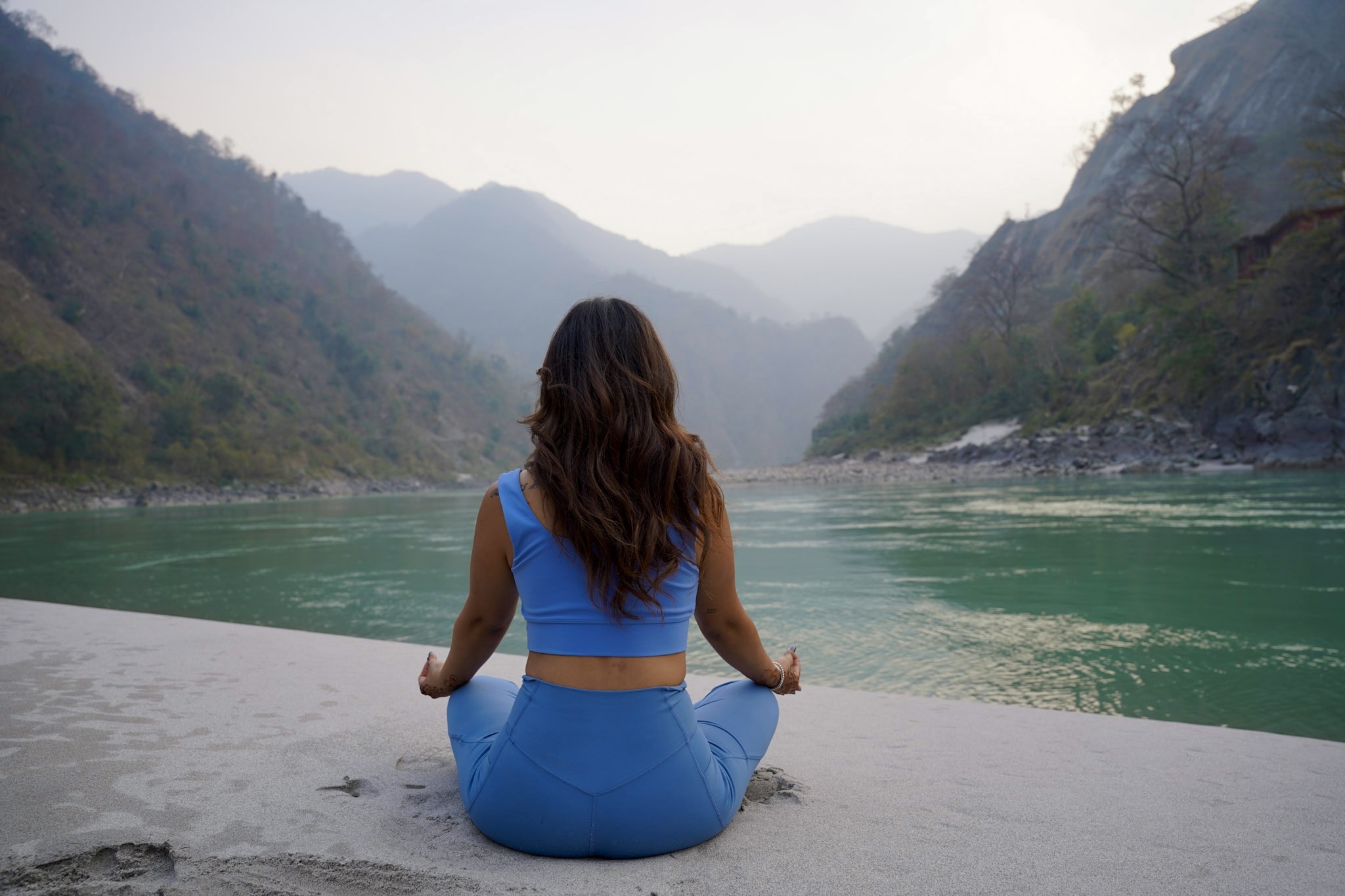
Rajasthan is the showstopper. Jaipur, the Pink City, lights up spectacularly — read our guide to celebrating Diwali in Jaipur. It pairs perfectly with the Golden Triangle and a calm Himalayan finish: our Golden Triangle India: Diwali & Yoga Retreat (11 days, from $1,299) is timed around the festival, then winds down with yoga on the Ganges in Rishikesh.
Frequently Asked Questions
What is Diwali and why is it called the festival of lights?
Diwali is India's biggest festival, celebrated with rows of oil lamps (diyas), candles and electric lights symbolising the victory of light over darkness and good over evil — which is why it's known as the festival of lights.
How long does Diwali last?
Diwali is a five-day festival. The third day, Lakshmi Puja, is the main celebration with the most lamps and fireworks.
Is Diwali a good time to visit India?
Yes — it's one of the most atmospheric times to visit, with cities beautifully lit and a festive buzz everywhere. It's peak season, though, so book flights, trains and hotels well in advance.
Is it safe to travel in India during Diwali?
Yes, with normal precautions. The main night brings crowds, fireworks, noise and smoke in big cities, so plan a comfortable base and avoid the busiest firework spots if you're sensitive to it.
See Diwali With Us
Experience the festival of lights the local way — lamps, sweets and celebration with people who call it home. Browse our Diwali & Yoga Retreat or all upcoming departures.
Keep reading
More guides to help you plan the same trip.
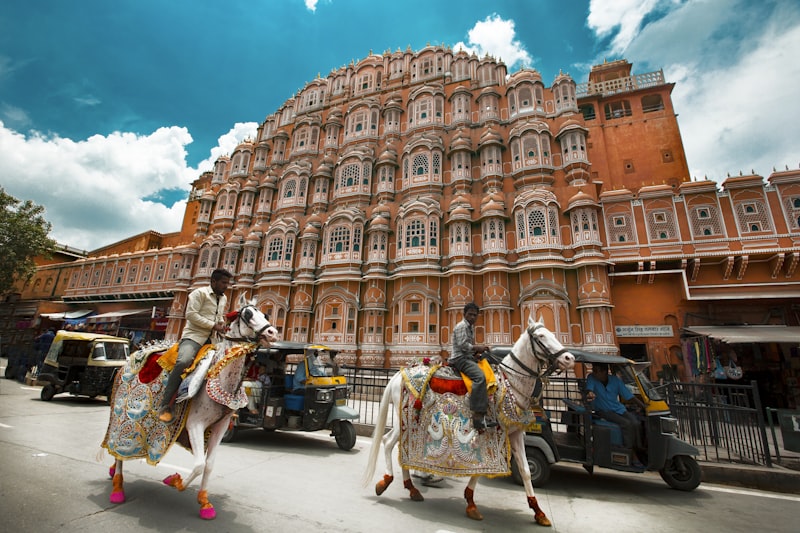
Diwali in Jaipur: The Pink City's Festival of Lights
No city does Diwali like Jaipur. The bazaars, palaces and whole pink-walled old town are wrapped in lights. Here's what to expect and how to experience it.
India's Festival Calendar: Month by Month
A month-by-month Indian festivals calendar for travellers — when Diwali, Holi, and the big regional celebrations fall, and how to plan a trip around them.

When Is Diwali 2026? Dates, Traditions & Where to Celebrate
Diwali 2026 falls in early November. The exact dates of the five days, what happens on each, and the best places to experience it.
The Best Festivals in India for Tourists (Month by Month)
A month-by-month guide to the best festivals in India for tourists, from Diwali and Holi to camel fairs and desert celebrations.
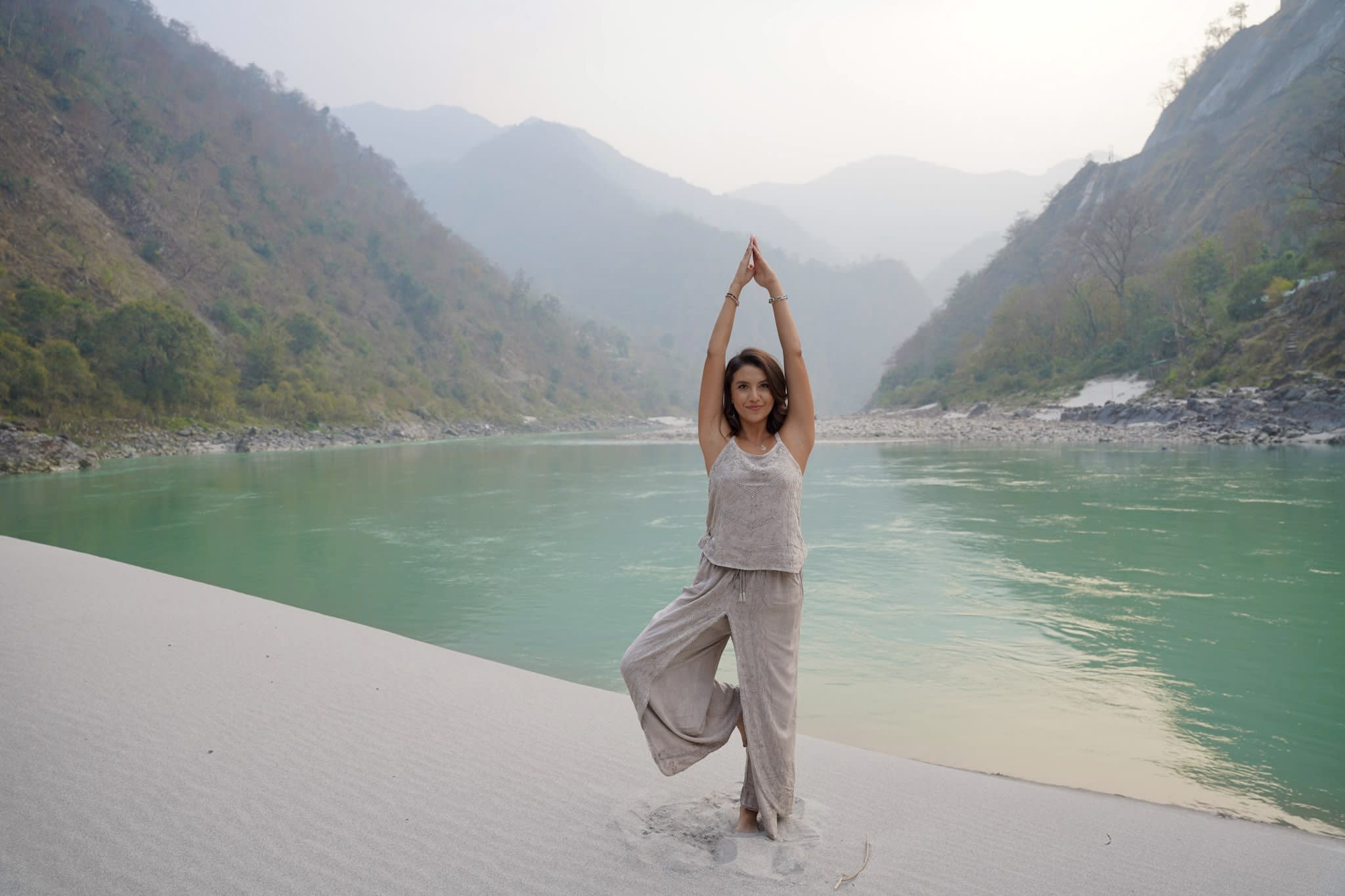
Diwali & Yoga: Why November Is Best for North India
Clear skies, the festival of lights and calm days on the Ganges — November lines up India's best weather with its brightest festival.
Dussehra in India: A Festival Guide for Travellers
What Dussehra celebrates, where to see the best effigy burnings and Ramlila plays, and how to plan a trip around the festival.