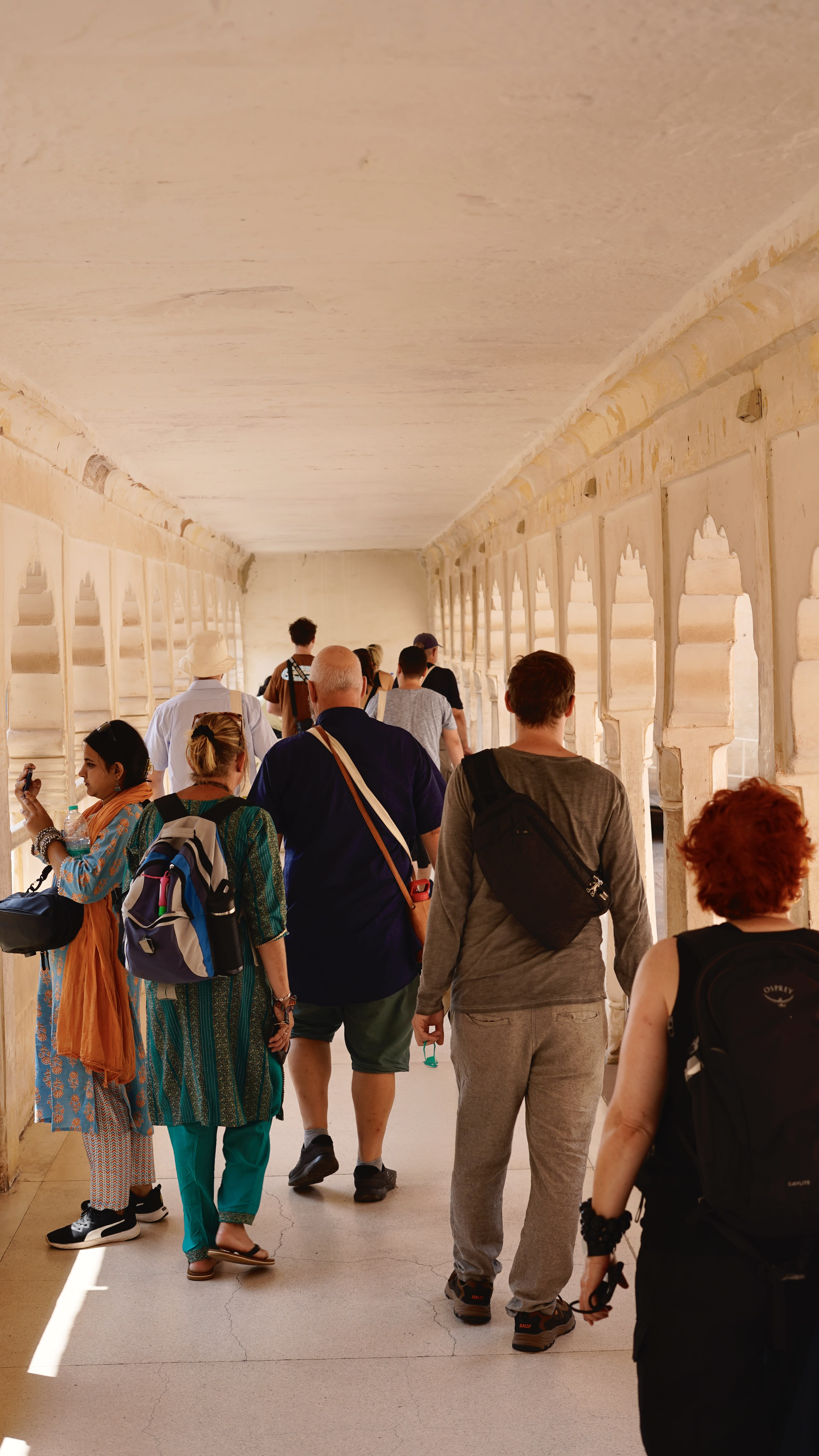
Fatehpur Sikri: The Ghost City Near Agra
Fatehpur Sikri is the red-sandstone Mughal capital abandoned after 15 years — here's how to see it well on a day trip from Agra.
On this page
Fatehpur Sikri is the red-sandstone capital that Mughal emperor Akbar built from scratch in 1571 — and then walked away from just 15 years later, reportedly because the water supply couldn't keep up with the city's growth. What's left is one of the best-preserved Mughal-era complexes in India: courtyards, palaces, and the tallest gateway in the country, all sitting quietly about 40 minutes from the Taj Mahal, with a fraction of the crowds.
Quick answer: Fatehpur Sikri is a UNESCO World Heritage complex 37km/23 miles from Agra, best visited as a half-day add-on to an Agra itinerary — allow 2-3 hours on-site plus roughly an hour each way by road.
Why Akbar Built (and Abandoned) It
Akbar founded Fatehpur Sikri to honor Sufi saint Sheikh Salim Chishti, who had predicted the birth of his son Jahangir. He poured resources into a full imperial capital here for over a decade — palaces, a grand mosque, administrative buildings, all in the same warm red sandstone. Then, sometime around 1585, the court moved on. Historians debate the exact reason; the leading theories are chronic water shortage and shifting military priorities toward the northwest frontier. Either way, the city was never resettled at scale, which is exactly why it survives today looking so intact — nobody built over it.
What to See On-Site
- Buland Darwaza — at 54 meters, the highest gateway in India, built to commemorate a military victory in Gujarat. This is the money shot and worth timing for soft afternoon light.
- Jama Masjid — the working mosque still active today; modest dress and a head covering are expected for everyone.
- Tomb of Sheikh Salim Chishti — a white marble tomb inside the mosque courtyard, a pilgrimage site where visitors tie threads to a marble screen for wishes.
- Diwan-i-Khas — the private audience hall with a single carved central pillar, an unusual and photogenic piece of Mughal engineering.
- Panch Mahal — a five-story, open-sided pavilion believed to have been used by the women of the court, with 176 columns, no two identical.
- Jodha Bai's Palace — the largest residential structure in the complex, blending Hindu and Islamic architectural elements.
Practical Tips for Visiting
- Distance and timing: roughly 37km/23 miles southwest of Agra, about 1-1.5 hours by road depending on traffic. Most people combine it with Agra Fort or a Taj Mahal morning, doing Fatehpur Sikri in the afternoon.
- Guides: hire one at the entrance (official ASI-approved guides wear ID badges) — the site has minimal signage, and a good guide turns it from "old red buildings" into a story.
- Footwear: you'll walk barefoot or in socks through parts of the mosque courtyard, which gets scorching hot midday in summer — carry socks even if it feels unnecessary.
- Local touts: the approach road has persistent shoe-minders and guides-for-hire; a polite firm "no" works, or agree to a price upfront if you do want help.
- Combine wisely: if you're already doing the Golden Triangle, Fatehpur Sikri slots naturally into an Agra day alongside the Taj and Agra Fort — see our things to do in Agra guide for sequencing.
How It Fits Into a Bigger Trip
Fatehpur Sikri rewards travelers who've already ticked off the Taj and want depth over speed. It's not a place to rush — the light on that sandstone changes beautifully across a couple of hours, and the empty courtyards give you room to actually think about what you're looking at, rather than jostling for a photo spot. If you're planning your India route and wondering whether a small-group format handles logistics like this better than going solo, our piece on small-group vs private tours in India breaks down the trade-offs honestly.
On the small-group Golden Triangle tours that stop here, Anna builds in unhurried time: not a tick-box stop between bus and lunch, but an actual couple of hours to wander with a guide who knows the history cold. Group size stays capped at 12, so nobody's waiting on a crowd to move.
Frequently Asked Questions
How far is Fatehpur Sikri from Agra?
Fatehpur Sikri sits about 37km/23 miles southwest of Agra, which typically takes 1 to 1.5 hours by road depending on traffic and time of day. Most visitors combine it with a Taj Mahal or Agra Fort day rather than making it a standalone trip.
Is Fatehpur Sikri worth visiting if I've already seen the Taj Mahal?
Yes — it's a completely different experience, an entire abandoned Mughal capital rather than a single monument, and it draws far smaller crowds. If you enjoy Mughal architecture and history, the contrast between a "living" monument like the Taj and a frozen-in-time capital like Fatehpur Sikri is genuinely worthwhile.
How much time do I need at Fatehpur Sikri?
Plan for 2 to 3 hours on-site to see the main structures — Buland Darwaza, the Jama Masjid, Sheikh Salim Chishti's tomb, and the palace complex — without rushing. Add travel time from Agra on either side.
Do I need a guide at Fatehpur Sikri?
It's strongly recommended, since on-site signage is minimal and the layered history (Sufi shrine, imperial palace, abandoned capital) isn't obvious without context. Official ASI-approved guides are available at the entrance and wear visible ID badges.
Ready to See It in Person?
Fatehpur Sikri is a stop on several of Chalo Folks' small-group Golden Triangle tours, with Anna guiding you through the history at a pace that leaves room to actually absorb it. Browse the dates to see where else this fits into your India itinerary.
Keep reading
More guides to help you plan the same trip.
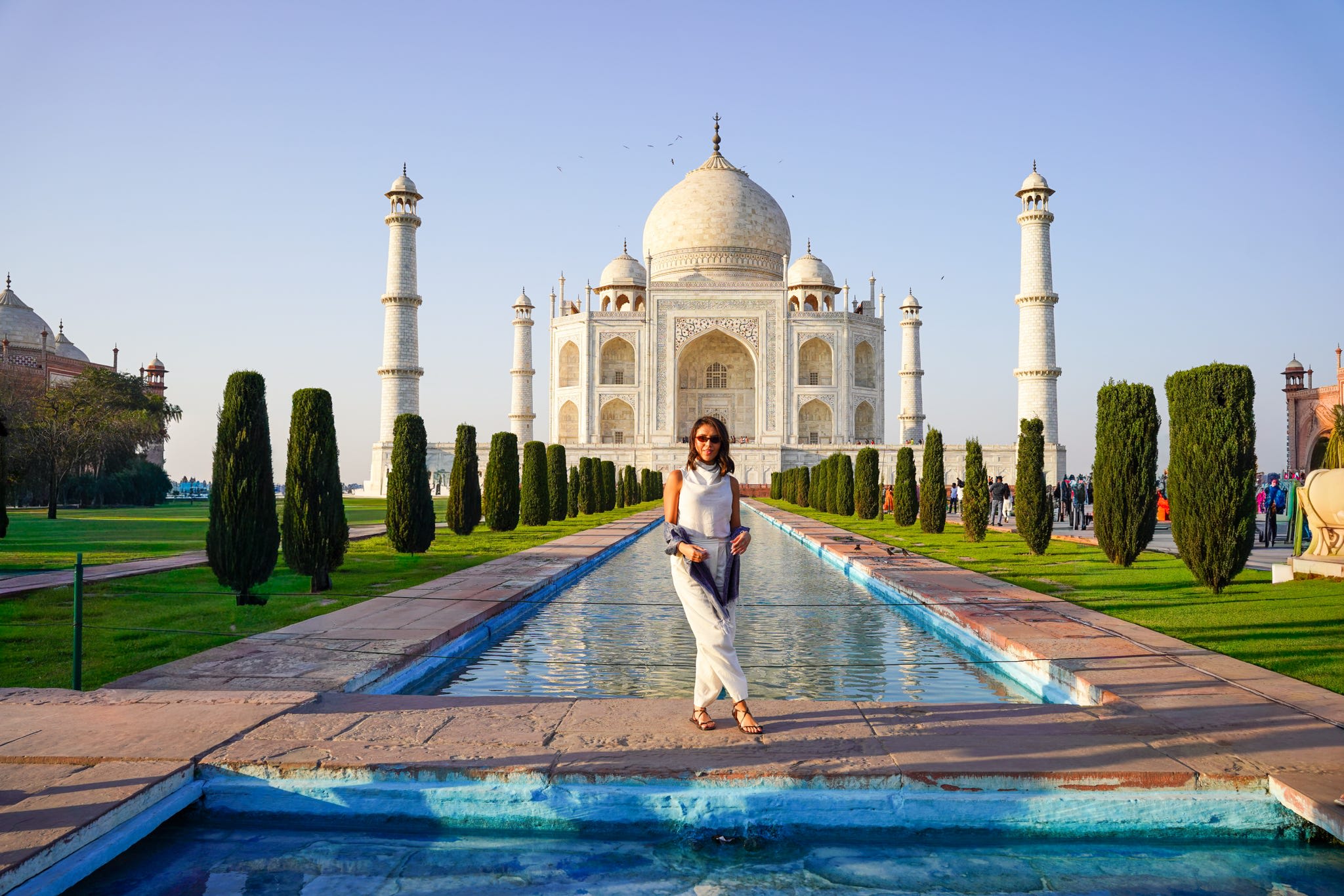
Delhi to Agra: Train, Car or Tour? An Honest Comparison
Delhi to Agra is about 233 km. Real journey times for the Gatimaan, Vande Bharat, expressway car and bus — and which one suits your trip.

The Perfect 4-Day Golden Triangle Itinerary
A realistic 4-day golden triangle itinerary covering Delhi, Agra, and Jaipur without the rushed, exhausting pace.

The Perfect 5-Day Golden Triangle Itinerary
A day-by-day golden triangle itinerary 5 days plan for Delhi, Agra and Jaipur — what to see, skip, and how the pacing actually works.

Golden Triangle 7-Day Itinerary
A relaxed, day-by-day golden triangle 7 day itinerary for Delhi, Agra, and Jaipur — what to see, how to pace it, and where the extra days pay off.
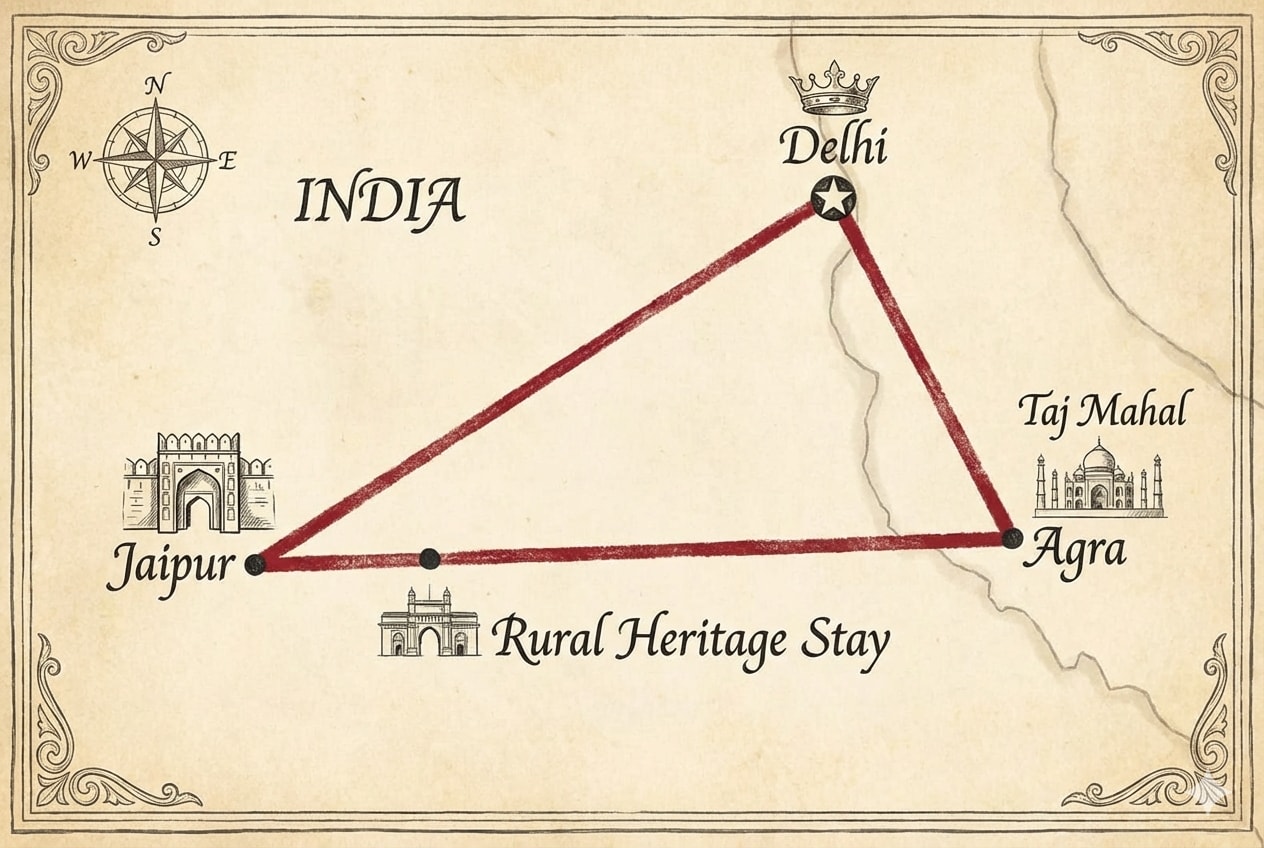
Golden Triangle Itinerary: How Many Days Do You Need?
Three days or ten? An honest day-by-day look at how long Delhi–Agra–Jaipur really takes, and the itinerary that does it justice.

Golden Triangle + Rishikesh: The Ideal 11-Day India Trip
Why 11 days is the sweet spot for pairing Delhi, Agra and Jaipur with the Himalayan foothills — and how to route it without rushing.