Guided vs Independent Travel in India: Which Is Better?
Guided tour or independent travel in India? An honest first-timer's breakdown of cost, logistics, freedom and culture shock.

On this page
Every first-timer we talk to eventually asks the same question: guided vs independent travel india — which one actually makes sense for a country this vast, loud, and layered? We've hosted travellers who tried both, and the honest answer is that it depends less on how adventurous you are and more on how much of your trip you want to spend solving logistics instead of living the moment. This post breaks down the real trade-offs so you can decide with your eyes open.
Quick answer: if this is your first trip to India, or you have 10-14 days and want to see a lot without losing days to research and haggling, a small guided group beats going fully independent — but independent travel can work well if you already have India experience, speak some Hindi, or you're building a slower, one-region trip.
What "Independent Travel" Actually Involves in India
Going independent doesn't just mean booking your own flights. In India specifically, it means you're personally handling:
- Vetting drivers and vehicles for multi-city legs (quality varies wildly between operators)
- Negotiating rickshaw and taxi fares in cities where meters are rarely used
- Booking train tickets on the IRCTC system, which foreign cards and non-Indian phone numbers often struggle with
- Figuring out which restaurants are safe for your stomach without local knowledge
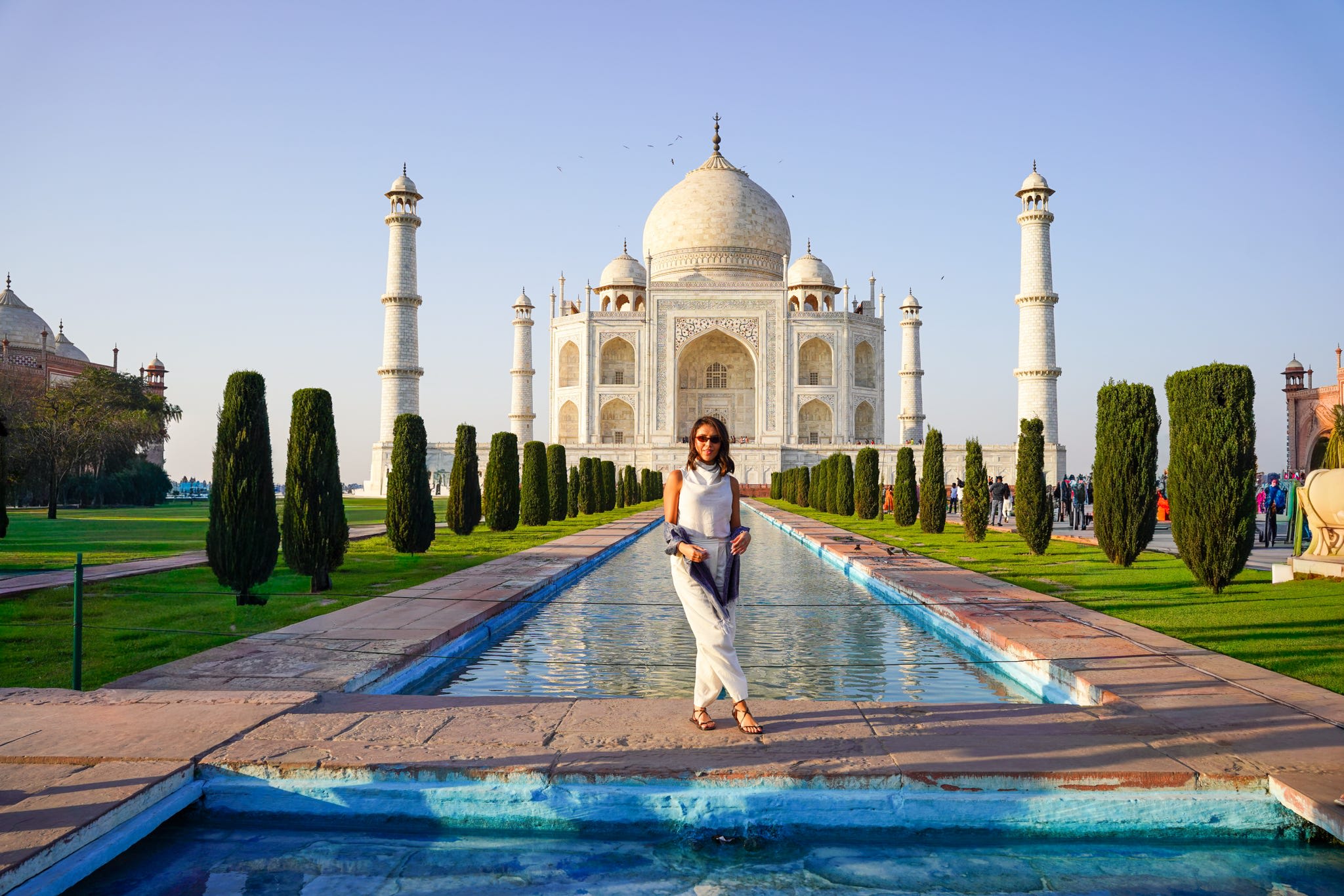
- Timing monument visits around crowds, heat, and closure days (the Taj Mahal is closed on Fridays, for instance)
- Managing a SIM card, cash, and connectivity from day one — see our guide on the best SIM card for India if you go this route
None of this is impossible. Thousands of independent travellers do it every year. But it adds a layer of decision fatigue that can eat into the days you actually wanted to spend at the Amber Fort or watching the Ganga Aarti in Rishikesh.
What a Guided Small-Group Trip Actually Removes
A well-run guided trip doesn't take away your freedom — it takes away the admin. On our Golden Triangle and Rishikesh trips, for example:
- Drivers and vehicles are already vetted, so you're not gambling on a random taxi at 6am
- Entry tickets and monument timing are pre-planned around crowd patterns
- Meals are chosen from places we know are safe and genuinely good, not just convenient
- A host (Anna, in our case) is physically present to answer the "wait, is this normal?" questions that come up constantly in India
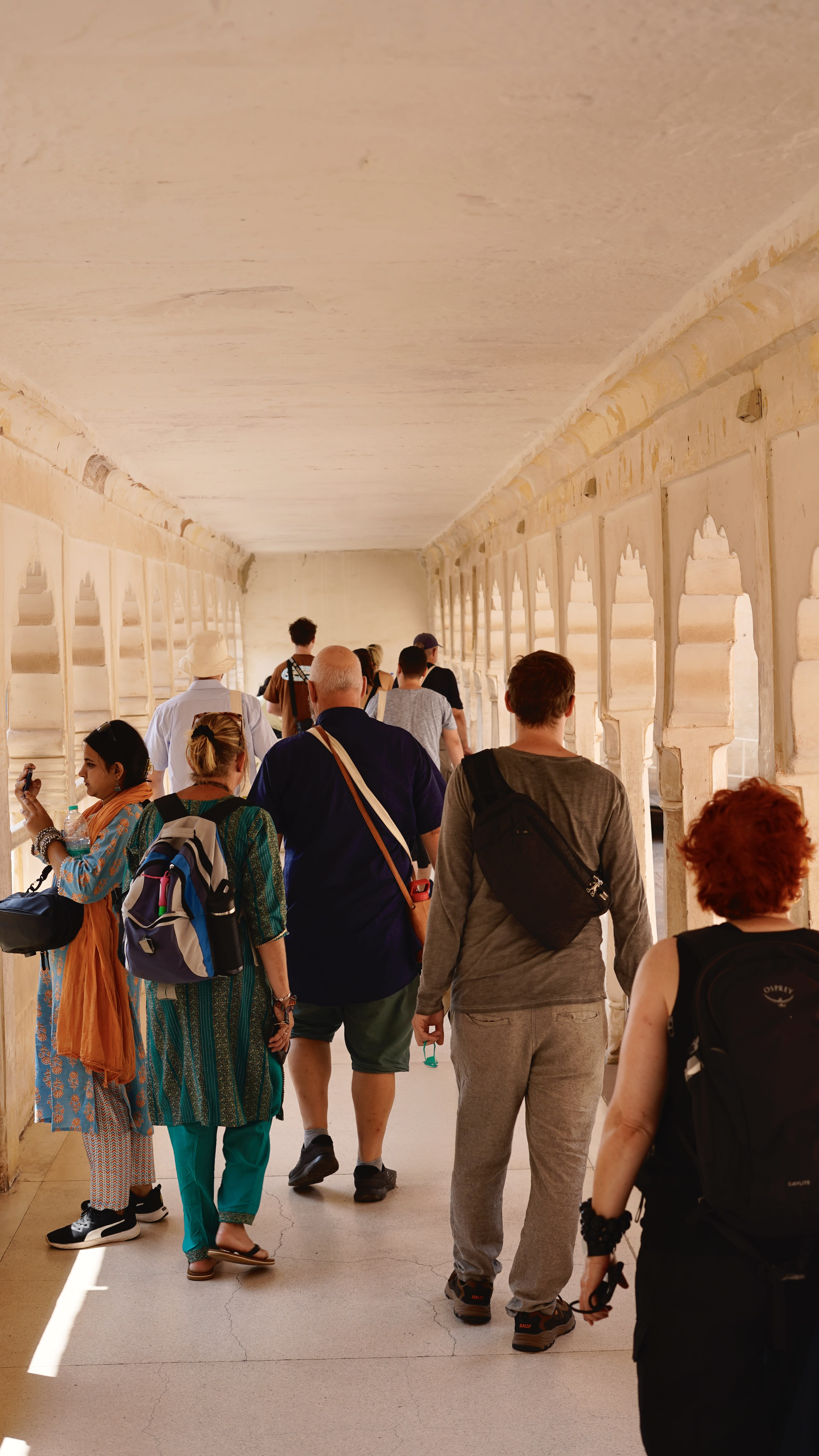
- You're grouped with a maximum of 12 people, so it never feels like being herded through a checklist
The trade-off is real too: guided trips run on a shared schedule, so you have less flexibility to linger an extra hour somewhere or skip a stop entirely.
Cost: Where the Money Actually Goes
Independent travel is often assumed to be cheaper, and it can be — if you're comfortable with budget guesthouses, public transport, and doing your own price comparisons. But once you factor in a private driver for multiple cities, a mid-range hotel, and inevitable mistakes (a wrong-priced tour, a bad meal, a missed train), the gap narrows fast. For a realistic breakdown, see our post on India trip cost for 2 weeks. Guided small-group trips are priced upfront in USD with no surprise add-ons, which a lot of our travellers say is worth the premium on its own.
Safety and Comfort, Especially for First-Timers
This is where the guided-vs-independent question gets personal. If you're travelling solo, especially as a woman, the calculus shifts. A trusted host and a small group change the day-to-day experience meaningfully — not because India is unsafe, but because navigating an unfamiliar culture alone for the first time is simply more tiring. We've written more on this in is India a good first solo trip and group tours for women in India. If you're on the fence, our piece on are small-group tours worth it walks through the honest pros and cons in more depth.
Who Should Actually Go Independent
Guided travel isn't the right call for everyone. Independent travel tends to work well if:
- You've been to India before and already know the rhythm
- You're staying in one region for two weeks or more, rather than covering multiple states
- You speak Hindi or have a local contact who can help with bookings
- You genuinely enjoy the problem-solving side of travel and don't mind occasional wasted time
Frequently Asked Questions
Is India harder to travel independently than other countries?
Yes, generally. Between language variation across states, inconsistent transport reliability, and the sheer density of choices at every monument and meal, India has a steeper independent-travel learning curve than, say, most of Europe or Southeast Asia. It's absolutely doable, just slower to plan well.
Do guided tours in India feel restrictive?
A well-designed small-group trip shouldn't feel like a checklist tour. With a group capped at 12 and a flexible daily structure, there's still room to wander a market on your own or skip an optional stop — the difference is the big logistical decisions are already handled for you.
Can I mix guided and independent travel in one trip?
Yes, and many of our travellers do exactly this — joining a guided leg for the parts of India that are trickiest to navigate (like the Golden Triangle) and then extending independently afterward for a slower stretch in one place, like Rishikesh or Goa.
Which is cheaper, guided or independent travel in India?
It depends on your comfort level. Bare-bones independent travel can be cheaper on paper, but once you add a private driver, decent hotels, and the cost of mistakes, a fixed-price guided trip is often comparable — with far less stress and no surprises.
Ready to Skip the Guesswork?
If you'd rather spend your India trip actually seeing the country instead of researching drivers and haggling over fares, take a look at our small-group departures on the destinations page. Every trip is hosted personally by Anna, capped at 12 travellers, and priced upfront in USD — no hidden fees, no solo logistics to untangle.
Keep reading
More guides to help you plan the same trip.

Are Small-Group Tours Worth It? An Honest Look
Are small group tours worth it for a first trip to India? Here's an honest breakdown of cost, comfort, and what you actually get.
India Group Tours for Women Over 50
A guide to choosing India tours for women over 50, from group size to pacing, safety, and what actually makes a trip comfortable.

Is India a Good First Solo Trip? An Honest Answer
An honest look at whether a first solo trip to India makes sense, and how a small group takes the edge off.

Solo Travel in India: A Complete First-Timer's Guide
A practical, honest guide to solo travel in India for first-timers, covering safety, planning, and when to go it alone versus join a group.

Small-Group vs Private Tour in India: Which to Pick?
The real trade-offs on cost, flexibility, company and experience — so you can pick the right way to tour India.

Is India Safe for Solo Female Travellers? (2026)
The real risks, the precautions that matter, the safest regions, and why a small group can be the sweet spot for solo women in India.