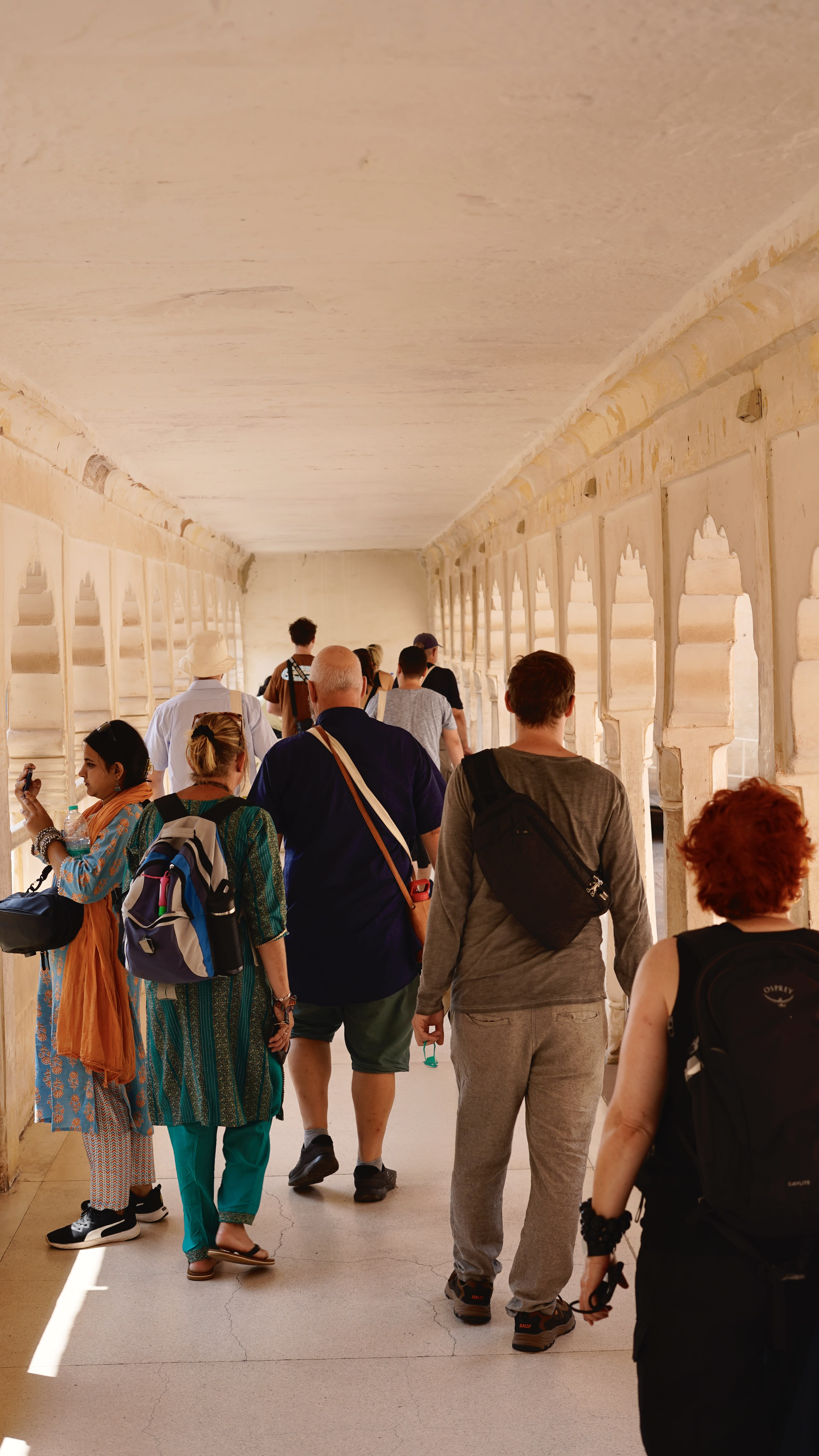
Is Indian Street Food Safe? An Honest Answer
Yes, with rules. How to spot a safe street food stall in India, what to order, what to skip, and how to eat well without getting ill.
On this page
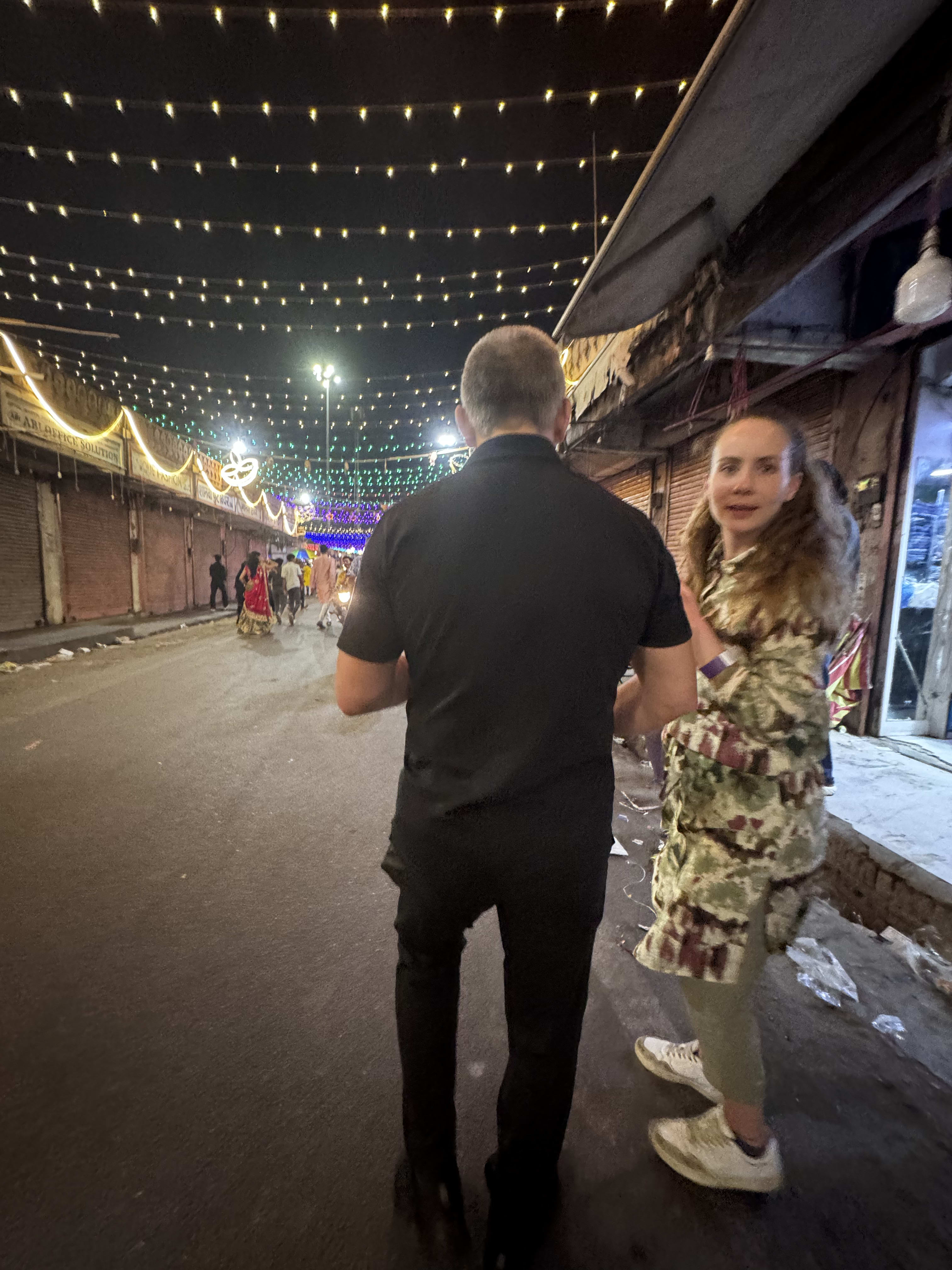
Street food is where India actually happens — the sizzle of a tawa, the smell of frying pakoras, a queue of locals who know exactly which stall to trust. The question every first-time visitor asks us is some version of indian street food safe to eat, and honestly, the answer is yes, most of it, if you know what to look for. This guide covers the simple rules our group leader Anna uses on every trip, so you can eat well instead of eating cautiously.
Quick answer: eat where the queue is long, the food is cooked hot in front of you, and the water/ice is one you can vouch for — skip anything lukewarm, pre-cut, or sitting out.
The Golden Rule: Watch the Cooking, Not the Stall
The single best predictor of a safe meal isn't how clean a stall looks — it's whether your food is cooked to order, at high heat, while you watch.
- Choose stalls where food goes straight from oil or a hot tawa to your plate. Fried, boiled, or grilled-to-order items (samosas, dosas, jalebi, pakoras) are safest because heat kills most pathogens right before serving.
- Avoid food that's been sitting out — pre-made chaat, cut fruit left uncovered, or gravies kept lukewarm in a pot for hours.
- Follow the locals. A stall with a rotating queue of Indian regulars, especially office workers or families, is turning over food fast and fresh. An empty stall aimed only at tourists is a yellow flag.
- Watch the vendor's hands and utensils. Frequent handling of raw cash alongside food isn't ideal, but it's less risky than food that's handled once and then left standing.
Water, Ice, and Drinks
This is where most travellers actually get sick — not the food itself.
- Only drink sealed, bottled water, and check the cap seal is intact before you buy.
- Skip ice unless you know it's made from filtered or packaged water — most reputable juice stalls and hotels use it, but roadside stalls are a gamble.
- Fresh sugarcane juice and coconut water are usually fine from busy stalls, since the coconut is opened in front of you and sugarcane is pressed to order — just ask for no ice.
- Chai is almost always safe — it's boiled milk and water, served hot, and one of the lowest-risk street snacks you can order.
Street Food Worth Trying (and How to Order It Safely)
Some of the best food in India — and some of the dishes covered in our guide to North Indian dishes to try — started life on a cart, not in a restaurant.
- Samosas and kachoris — deep-fried to order, very low risk, look for oil that's clean and hot rather than dark and reused all day.
- Pav bhaji — a buttery vegetable mash cooked on a hot griddle in front of you; ask for it fresh off the tawa.
- Dosas and idlis — steamed or griddled to order, generally a safe and filling choice for breakfast.
- Chaat (bhel puri, sev puri, aloo tikki) — delicious but higher risk because it often involves raw chutneys, cut fruit, and no final cooking step. Order from a stall doing high volume, and go easy on your first day.
- Jalebi and other fried sweets — cooked in bubbling hot syrup and oil, a safe and sweet way to end a food crawl.
Building Up Your Tolerance (Without Wrecking Your Trip)
A little caution in the first 48 hours goes a long way, which is a theme we cover in more depth in how to avoid getting sick in India.
- Ease in gradually. Start with cooked, hot, simple dishes for your first day or two before working up to chaat and raw chutneys.
- Carry basic rehydration salts and a probiotic, just in case — most travellers never need them, but it's cheap peace of mind.
- Don't over-sanitise. Skipping street food entirely often means missing the best meals of the trip. The goal is smart choices, not zero risk.
- Pace yourself with spice, especially if you're not used to chillies — ask for it mild the first time and build up from there.
Travelling With Someone Who Already Knows the Good Stalls
The fastest way to eat well and safely is to go with someone who already knows which vendor in each city is reliable — which is exactly how Anna runs our 10 days in India itinerary and other small-group trips: she takes the group to stalls she's personally vetted over years of visits, so you get the real flavours without the guesswork.
Frequently Asked Questions
Is Indian street food safe to eat for first-time visitors?
Yes, most Indian street food is safe to eat if it's cooked fresh in front of you and served hot. The main risks come from untreated water, ice, and food that has been sitting out, not from the cooking itself.
What street food should I avoid in India?
Be cautious with pre-cut fruit, raw chutneys, food left uncovered or at room temperature, and anything topped with tap water or unclear ice. These are the items most likely to cause stomach upset.
Will I definitely get sick eating street food in India?
No — plenty of travellers eat street food throughout their trip with no issues at all. Sticking to hot, freshly cooked items and sealed water dramatically lowers your risk, and easing in during your first couple of days helps too.
Is it safe to drink chai or fresh juice from a street stall?
Chai is generally very safe since the milk and water are boiled. Fresh juices and coconut water are usually fine from busy stalls, just ask for no ice unless you can confirm it's made from filtered water.
Ready to Taste It for Yourself?
The easiest way to eat your way through India without second-guessing every plate is to travel with a small group that already knows where to go. Browse our upcoming small-group trips at /destinations and let Anna guide you to the stalls, dhabas, and sweet shops that make Indian food the highlight of the trip, not a source of anxiety.
Keep reading
More guides to help you plan the same trip.

Is India Safe for Tourists? A 2026 Reality Check
Wondering is India safe to travel in 2026? Here's an honest, specific breakdown of what to expect, what to watch for, and how to travel smart.
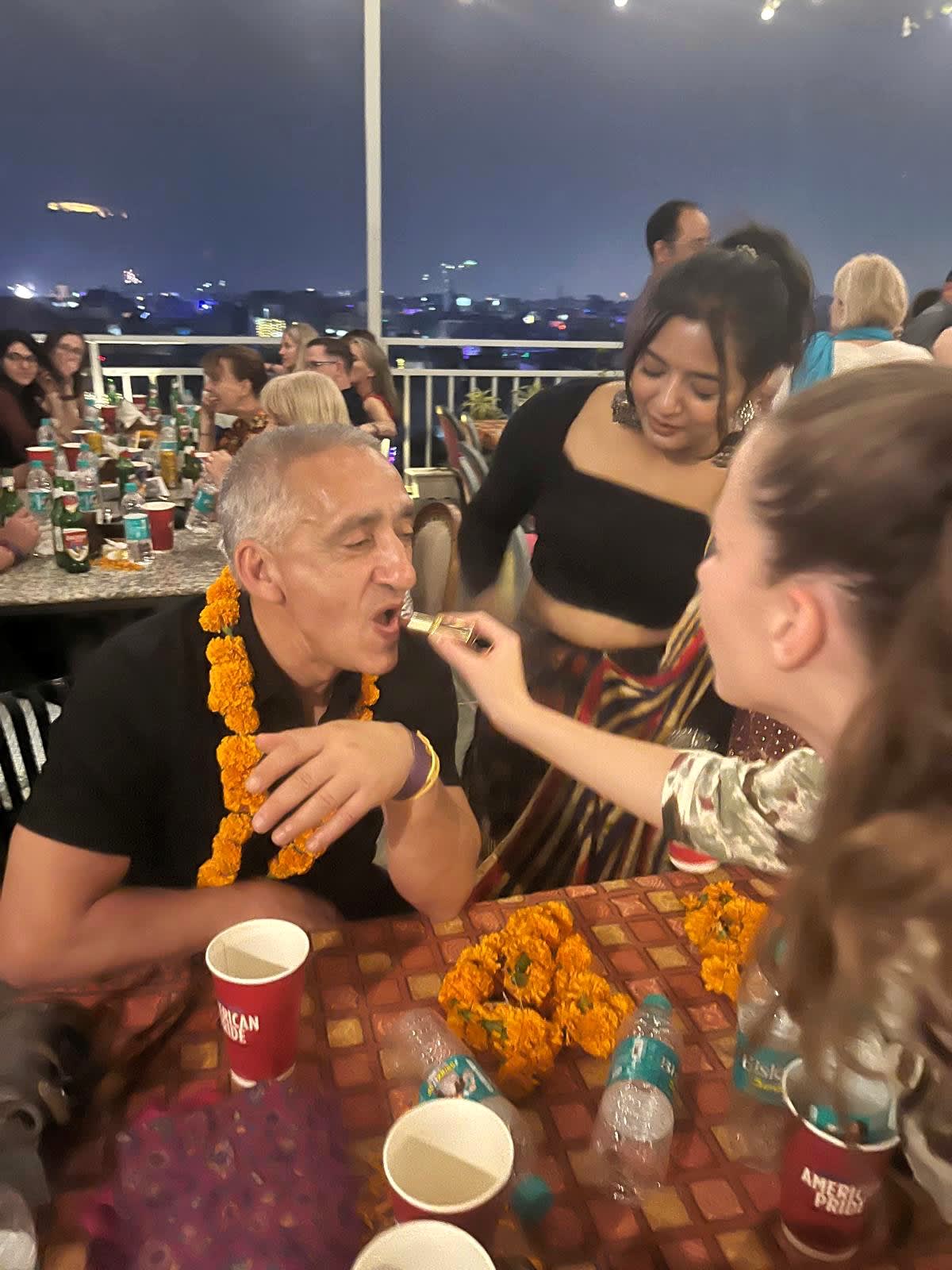
15 North Indian Dishes to Try (and How to Order Them)
The North Indian dishes worth seeking out, from butter chicken to street-side chaat — what each one tastes like and where to eat it.
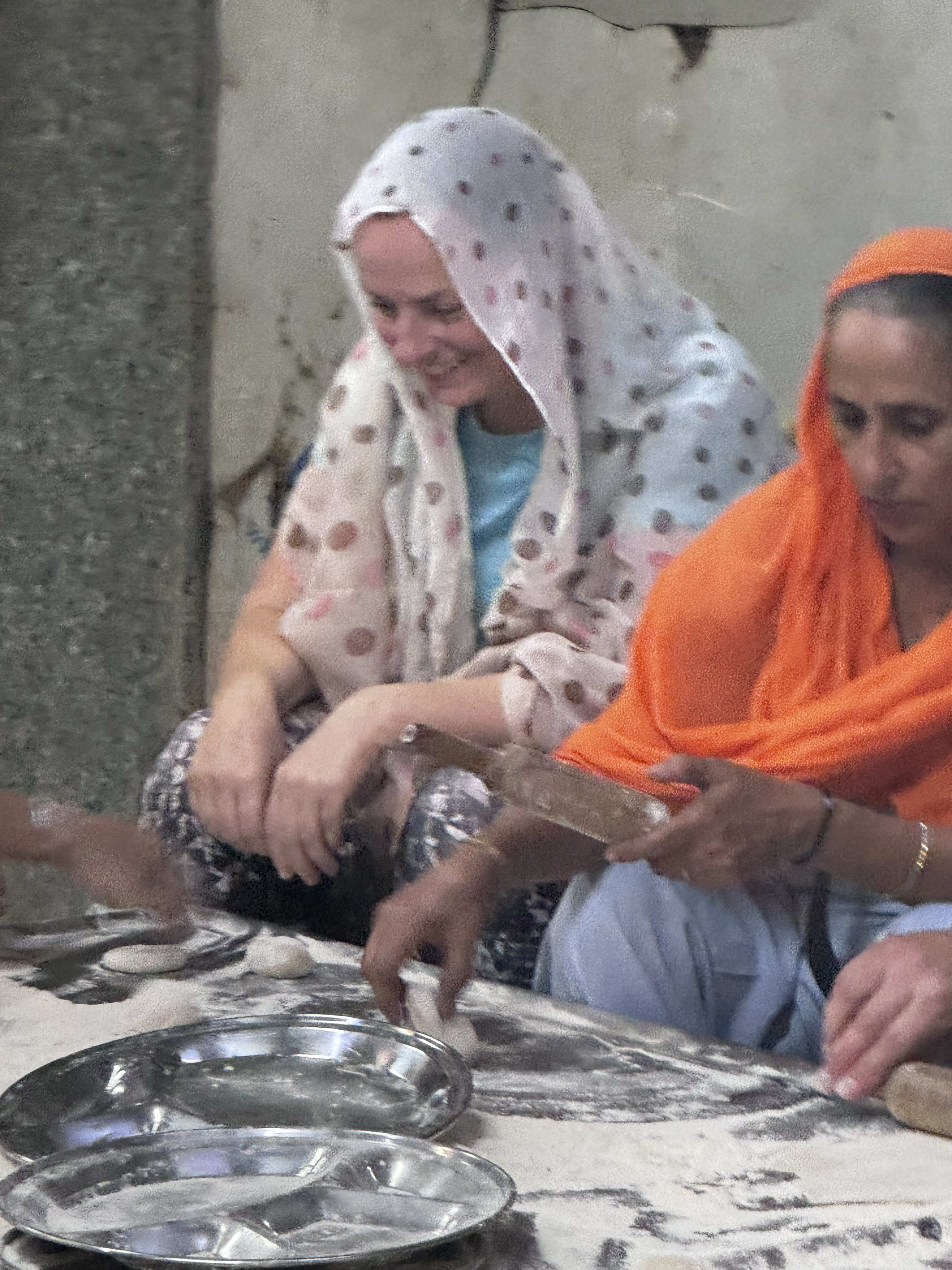
How to Avoid Getting Sick in India (Delhi Belly)
Practical, honest advice to avoid getting sick in India, from water and street food rules to what to pack for Delhi belly.
The Regional Cuisines of India: A Food Map
A traveller's food map of the regional cuisines of India — how the north, south, east, and west each cook differently, and what to eat where.

Is India a Good First Solo Trip? An Honest Answer
An honest look at whether a first solo trip to India makes sense, and how a small group takes the edge off.
Is India Safe for LGBTQ+ Travellers?
An honest, practical look at whether India is safe for LGBTQ+ travellers — the legal picture, how attitudes vary by place, and how to travel comfortably.