Jibhi, Jalori Pass & Shangarh: The Himachal Trip Everyone on Instagram Is About to Take (3-Day Plan from Delhi)
A 3-day Jibhi, Jalori Pass (via Shoja) and Shangarh plan from Delhi: a fort above the clouds, a hidden waterfall and a meadow village.
On this page
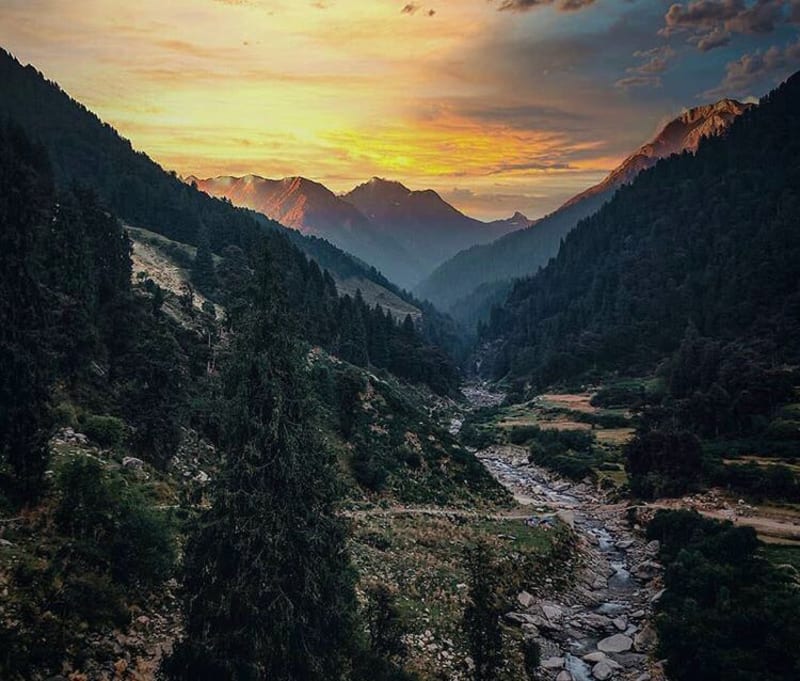
Jibhi has been turning up on travel reels for a couple of years now: timber houses, a stream through the village, cafés with valley views. Shangarh is the one that hasn't hit the feeds yet, a village around a wide meadow ringed by deodar forest, a couple of hours' drive away. Put them together with a hike to the ruined fort above Jalori Pass and you have one of the best three-day trips you can take from Delhi.
Quick answer: Leave Delhi on Thursday night and you can do Jibhi, Jalori Pass and Shangarh in three days. Day 1: reach Jibhi and hike 3 km from Jalori Pass to Raghupur Fort. Day 2: move to Shangarh and walk to a hidden waterfall. Day 3: the Shangchul Mahadev meadow, then drive home overnight. Go between March and mid-December; snow usually closes Jalori Pass from mid-December to March.
Where Jibhi, Shoja, Jalori Pass and Shangarh are
All four sit in the Kullu district of Himachal Pradesh, south of the Kullu–Manali highway and well away from its traffic.
- Jibhi is a village in the Banjar valley, about 8 km from Banjar town, built along a stream with stone-and-timber houses and homestays.
- Shoja is a small village roughly 5 km below Jalori Pass on the road up from Jibhi. If you're planning on your own and want to start the fort hike early, it's the closest place to stay.
- Jalori Pass sits at a little over 3,100 metres on the mountain road that links the Banjar valley with Ani and, further on, Shimla. The trail to Raghupur Fort starts here.
- Shangarh is in the neighbouring Sainj valley. It's best known for its meadow and the timber Shangchul Mahadev temple at its edge.
Getting there from Delhi
Jibhi is roughly 500 km from Delhi, which is 11 to 13 hours by road depending on traffic around Chandigarh and Mandi.
- By bus: take an overnight Volvo towards Manali and get off at Aut, just before the Larji tunnel. From Aut, a taxi to Jibhi takes 1 to 1.5 hours.
- By car: drive via Chandigarh, Bilaspur and Mandi, then turn off the highway at Aut towards Banjar. The last stretch is narrow and steep.
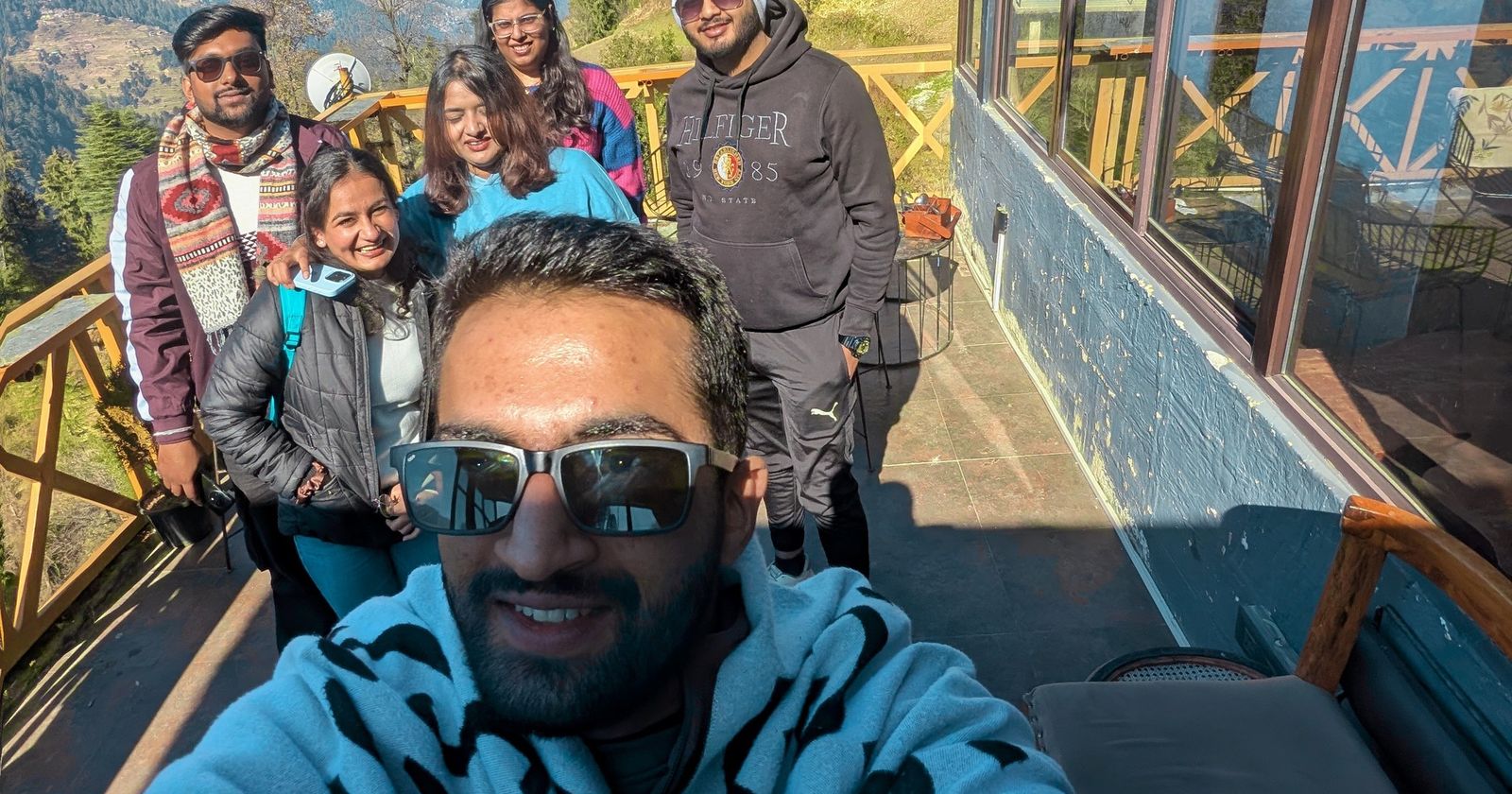
- With a group: our trips leave from Akshardham Metro at night in a private van and drive straight through, so you wake up in the hills.
Whatever you choose, travel overnight. It turns a two-night weekend into three full days in the mountains.
The 3-day itinerary
This is the route our Jibhi · Jalori Pass · Shangarh trip follows, and it works just as well if you're planning it yourself.
Day 0: Delhi to the mountains
Meet in Delhi in the evening and start driving. Snacks, a shared playlist, a dhaba stop around midnight. By the time it gets light, you're in the Banjar valley.
Day 1: Jibhi, Jalori Pass and Raghupur Fort
Check in at Jibhi, freshen up and have an early lunch. Then drive up through Shoja to Jalori Pass, about 12 km of switchbacks.
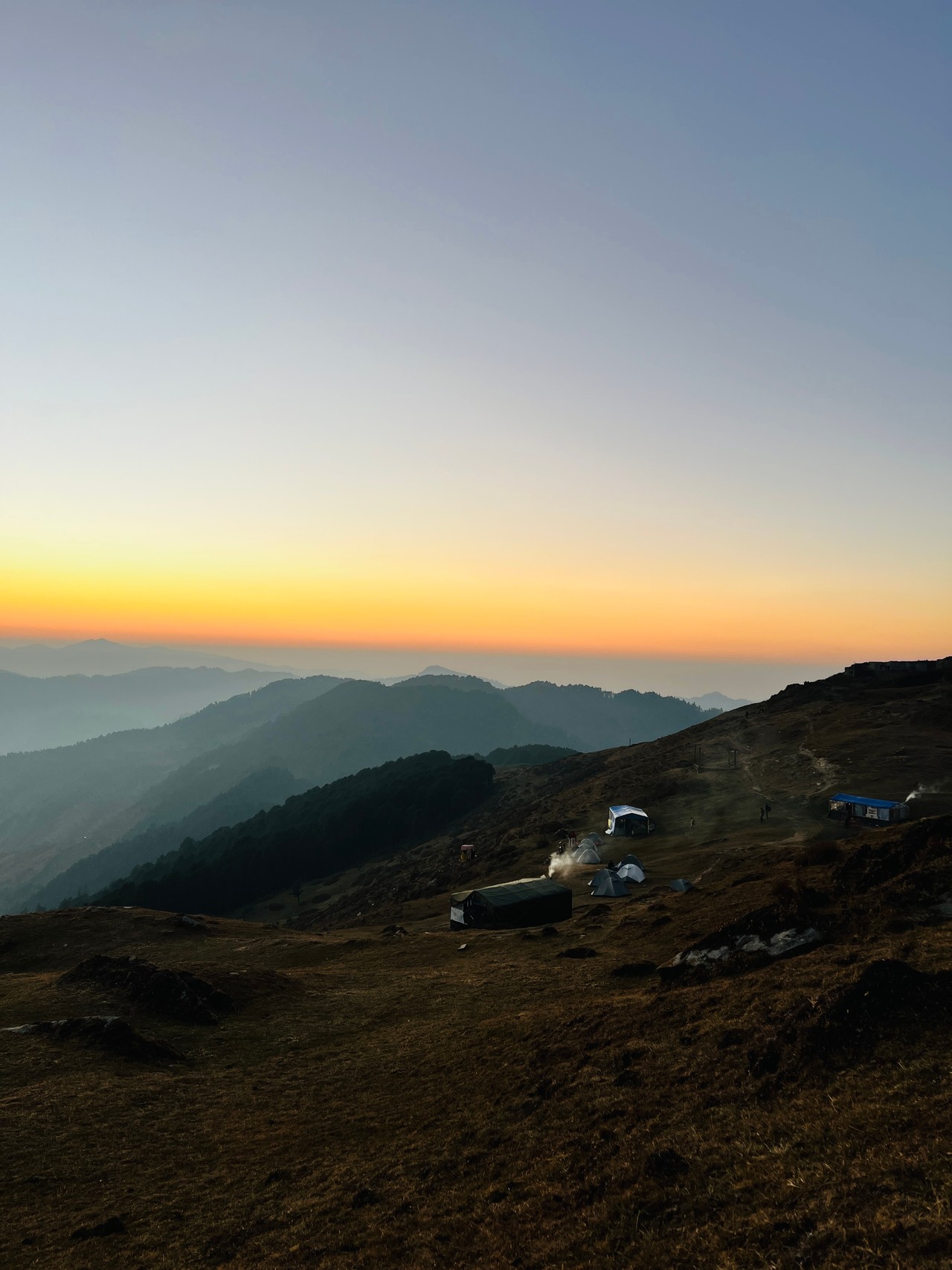
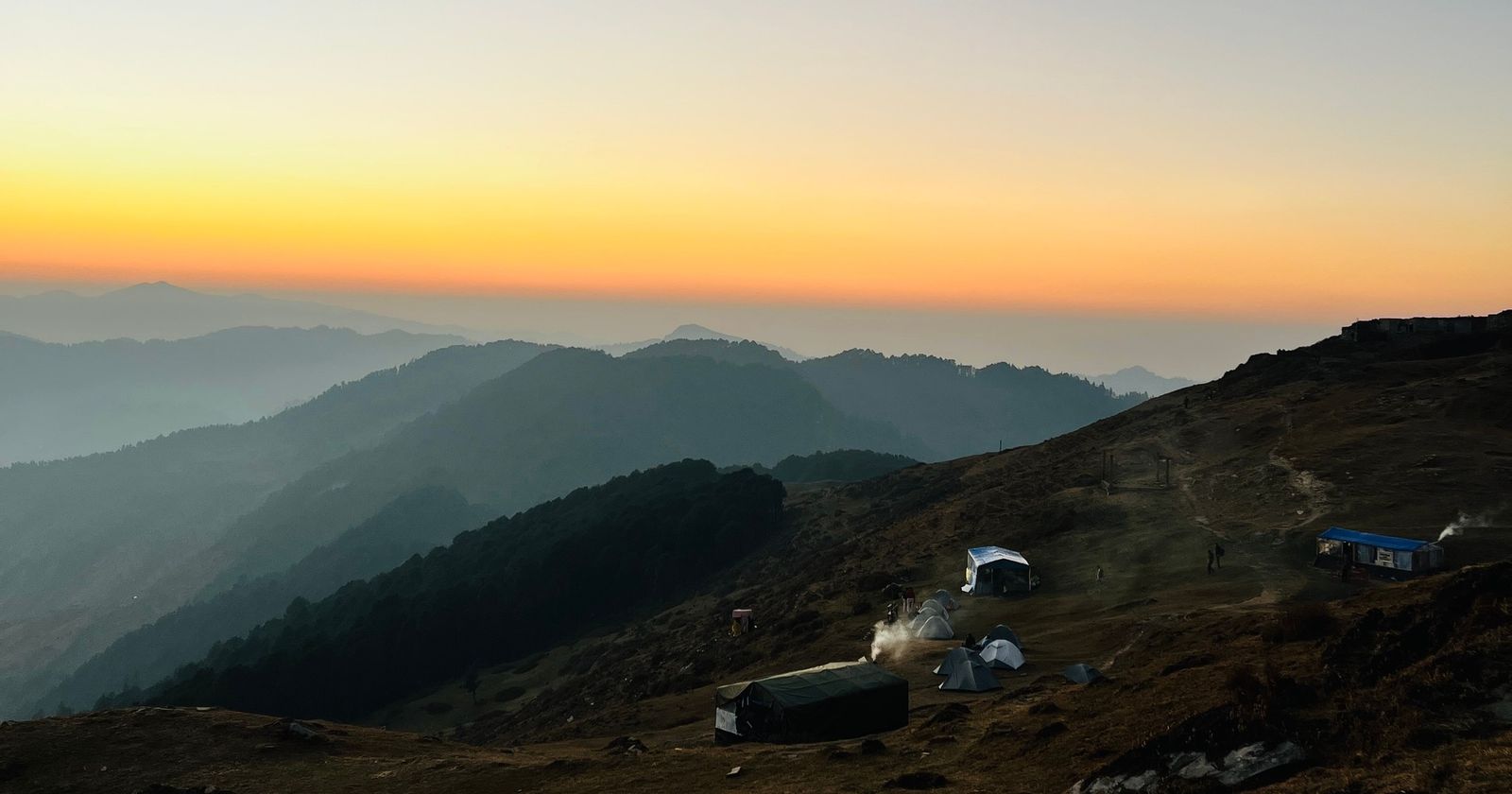
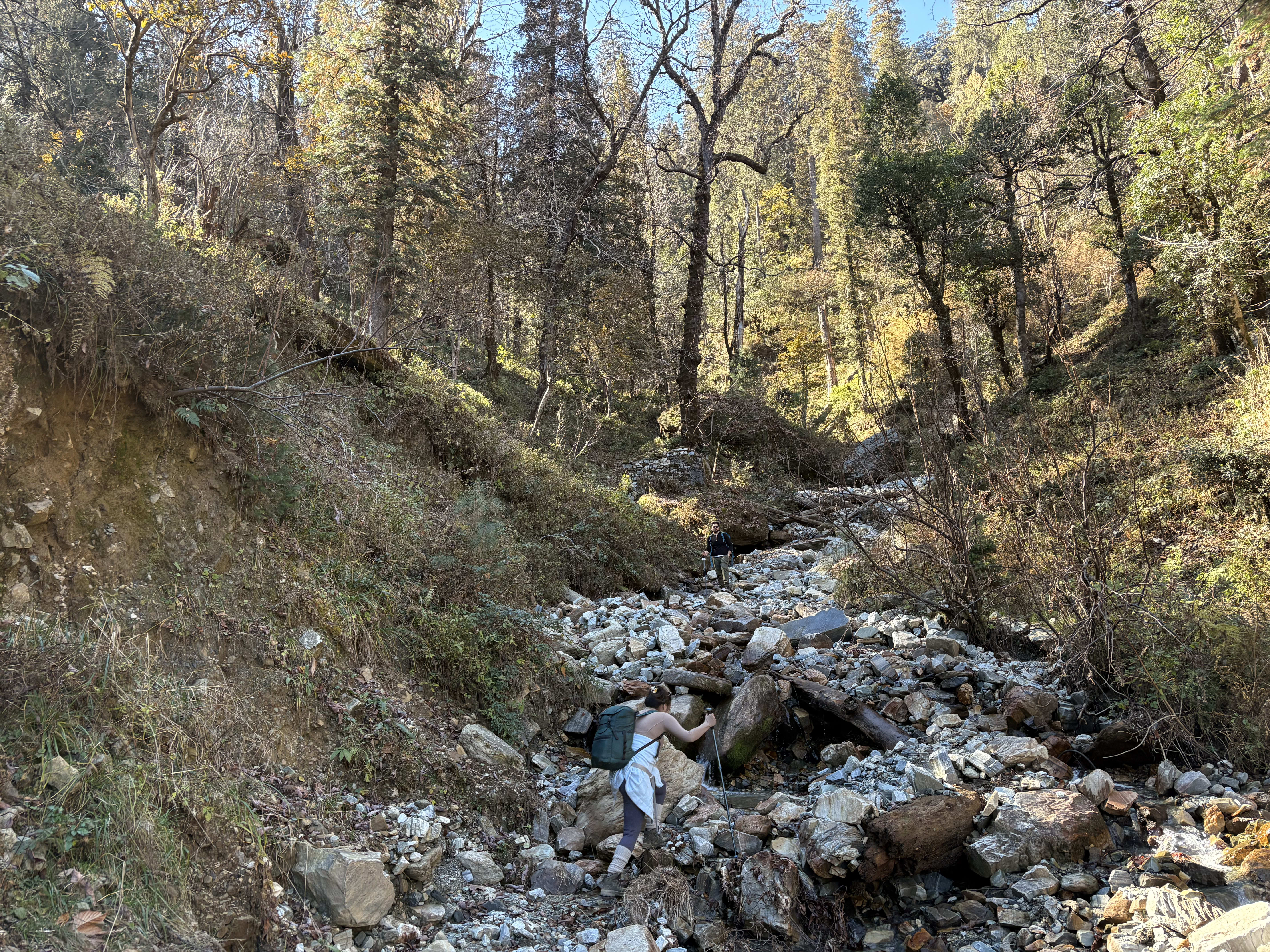
From the pass, the trail to Raghupur Fort climbs about 3 km through oak forest and opens onto a high, grassy ridge with the ruins on top. It's a steady uphill walk rather than a technical trek. Most reasonably active people manage it in an hour to an hour and a half each way, with stops.
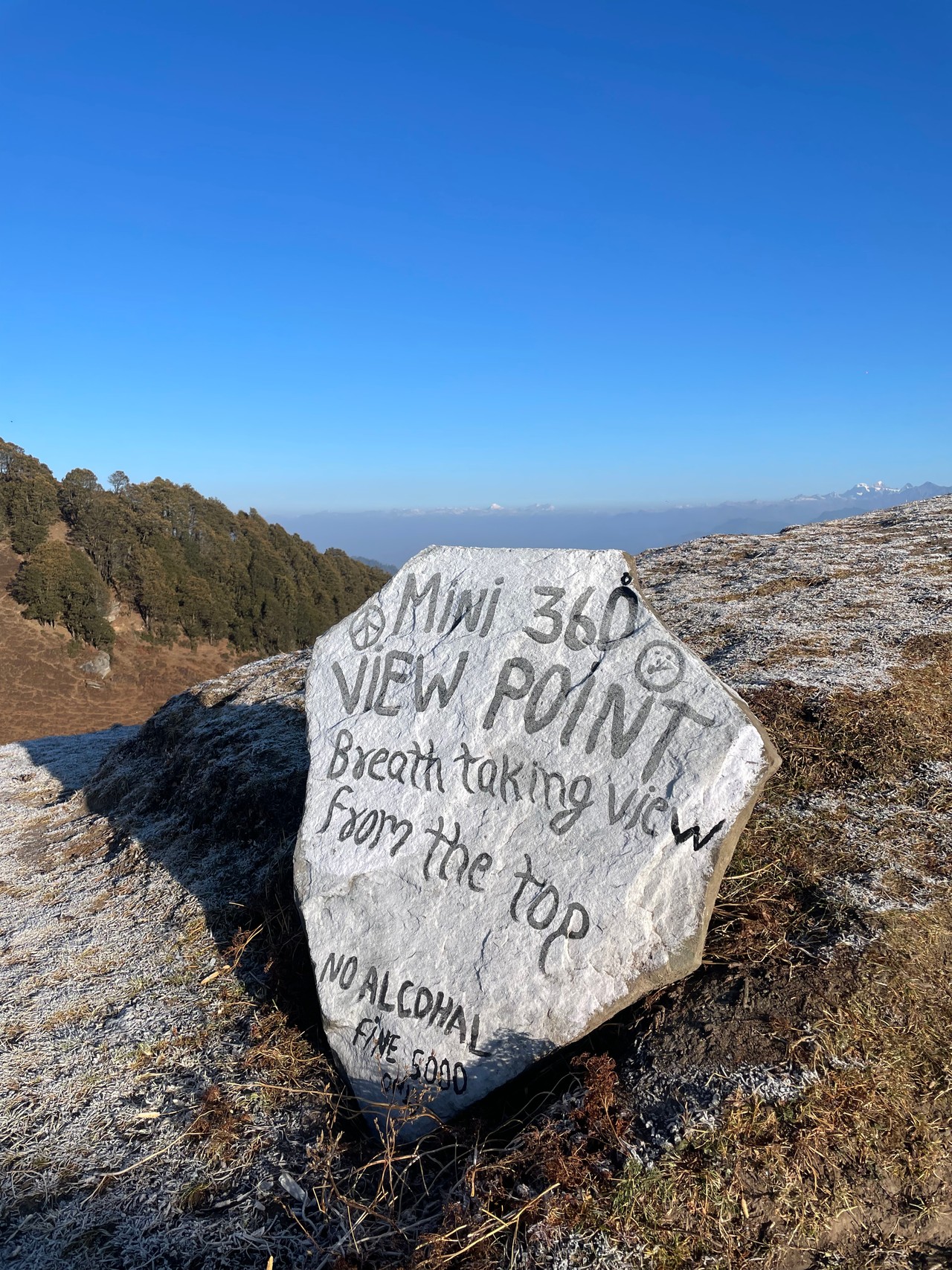
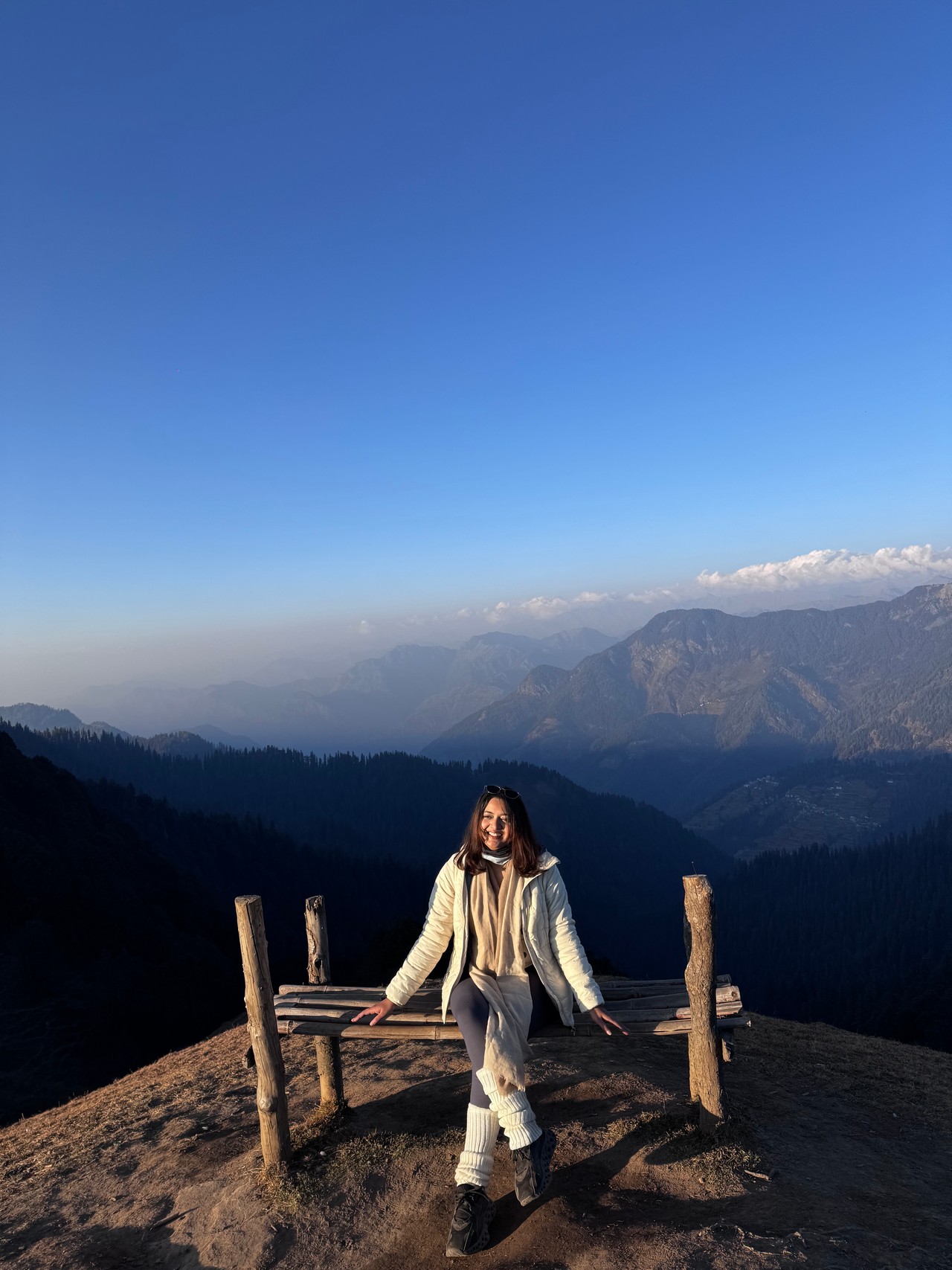
The fort itself is mostly ruins now. You go for the view: on a clear day it's ridge after ridge in every direction, with snow peaks on the horizon. There are swings on the top, a few tea stalls and, inevitably, Maggi. It tastes better at this altitude; we don't make the rules.
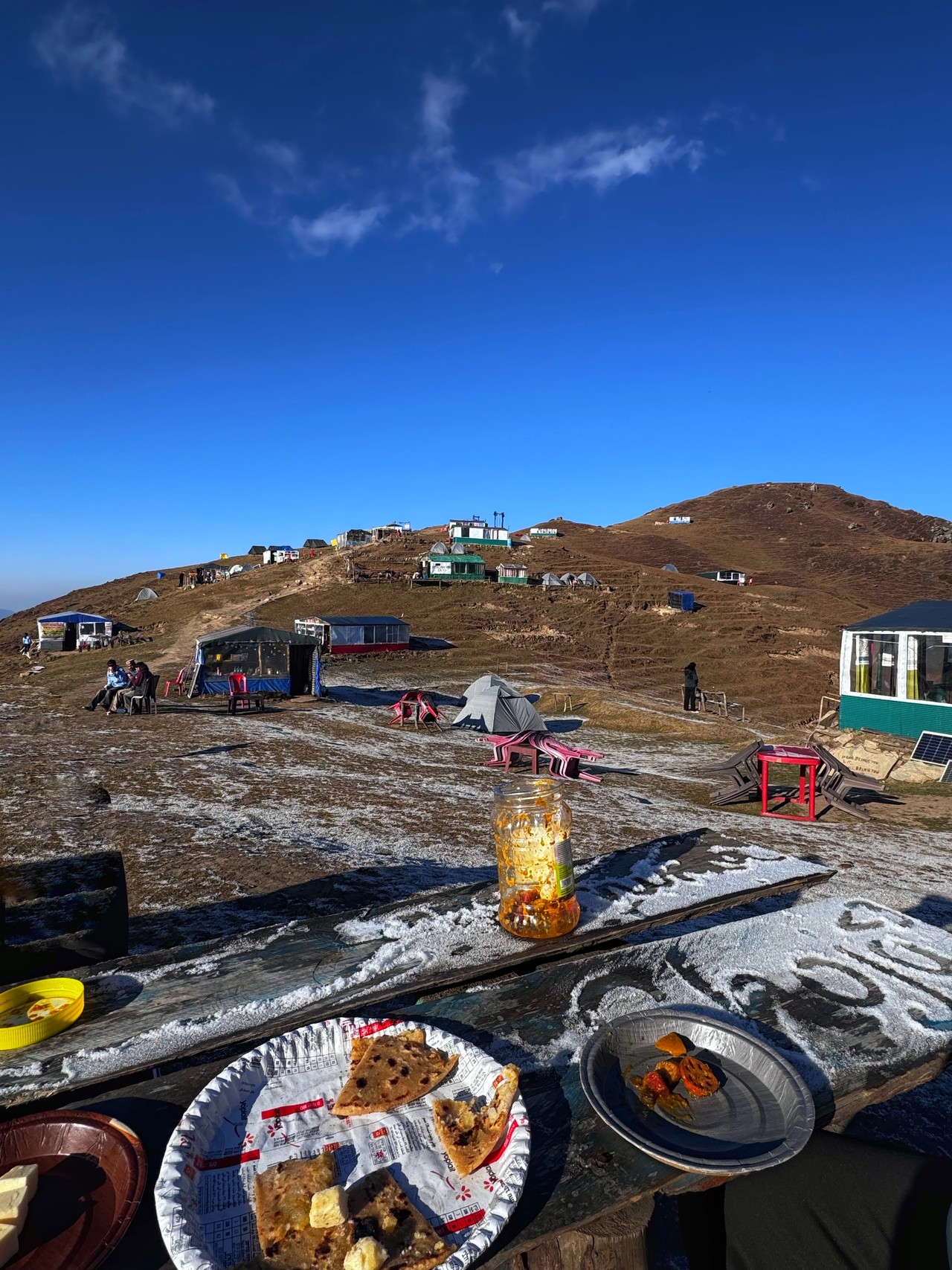
Walk back down before the light goes, drive back to Jibhi, and end the day with dinner and a bonfire.
Day 2: Shangarh and the hidden waterfall
After breakfast, leave Jibhi for Shangarh. The drive goes down through Banjar and round into the Sainj valley, and takes a couple of hours.
Check into a homestay, then walk to a waterfall that you won't find on Google Maps. A local guide leads the way down a forest trail to a pool of very cold water. Jumping in is optional and strongly encouraged.
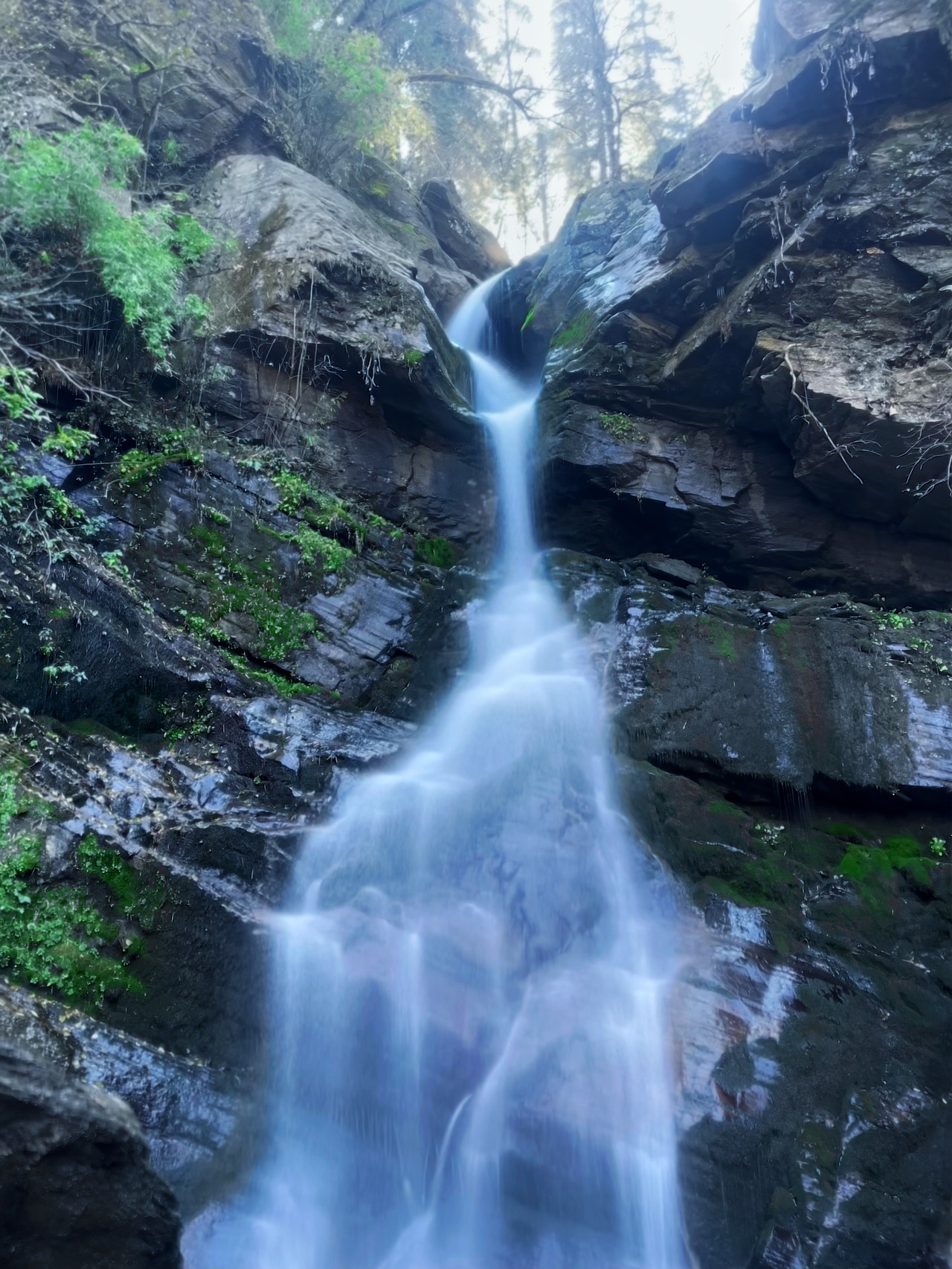
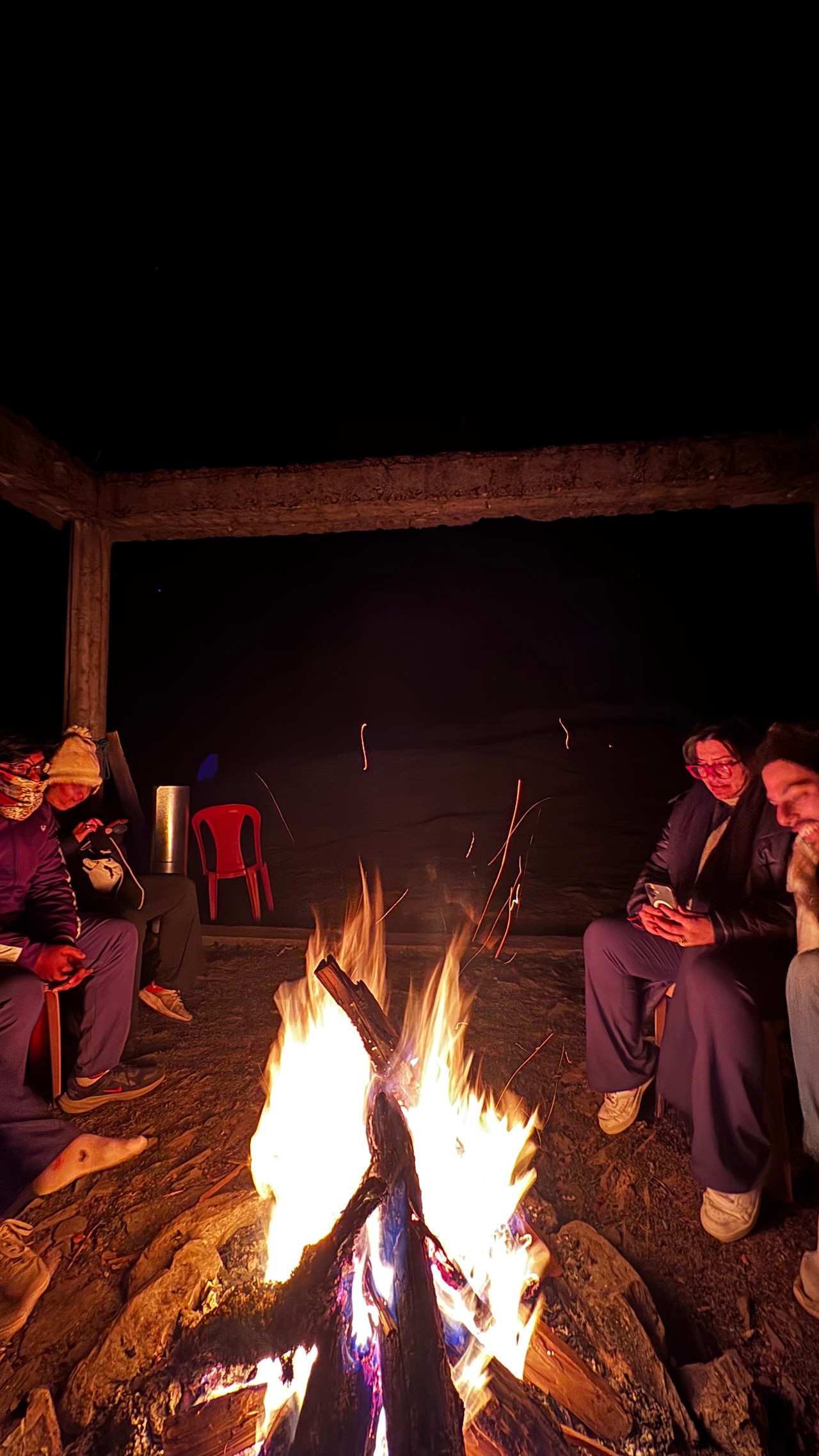
The afternoon is for doing very little. Shangarh is the kind of place where people sit on a wall in the sun for an hour and call it a highlight. In the evening there's dinner and the last bonfire, which is always the night everyone stays up too late.
Day 3: The meadow, a long lunch and the road home
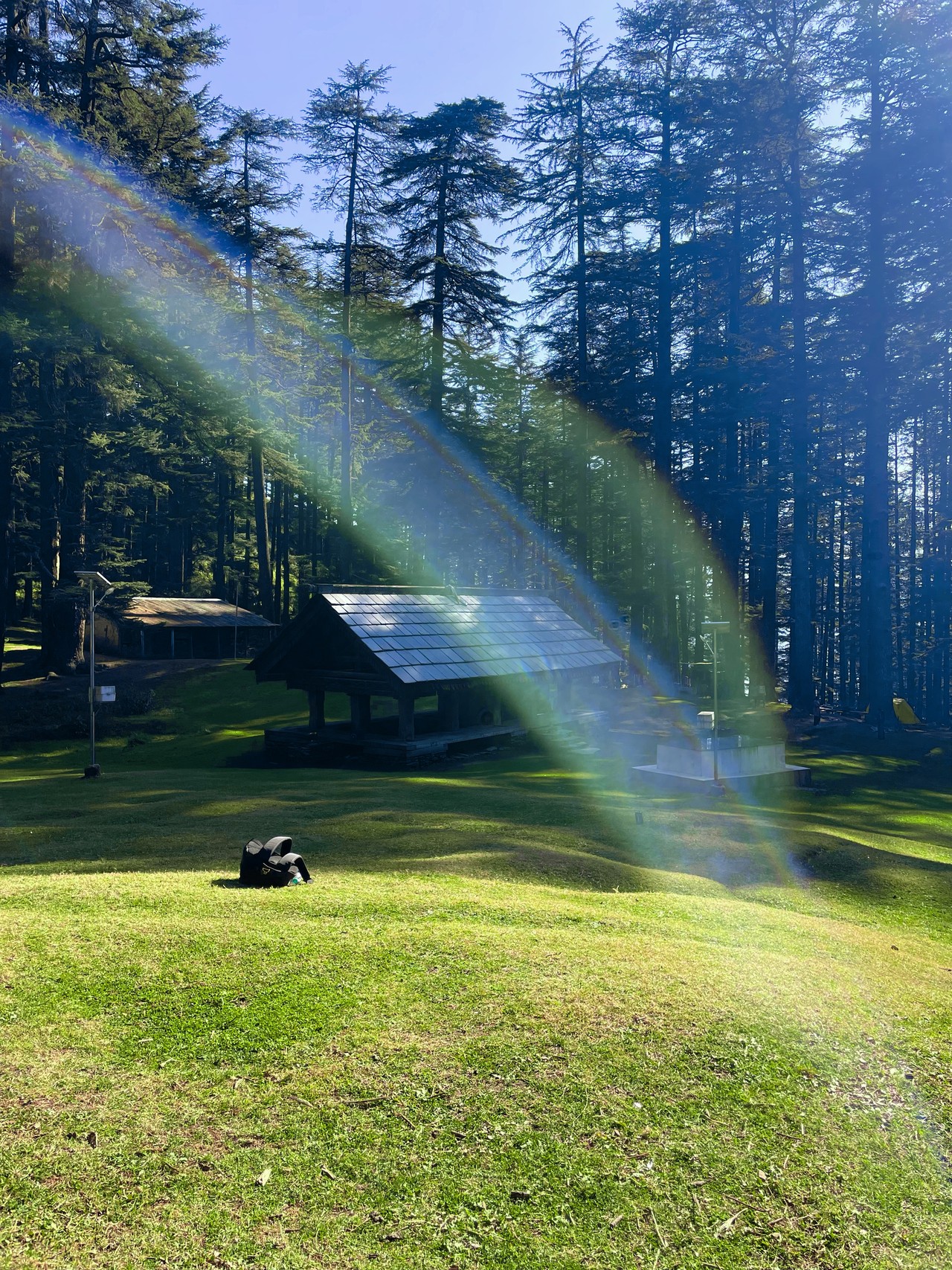
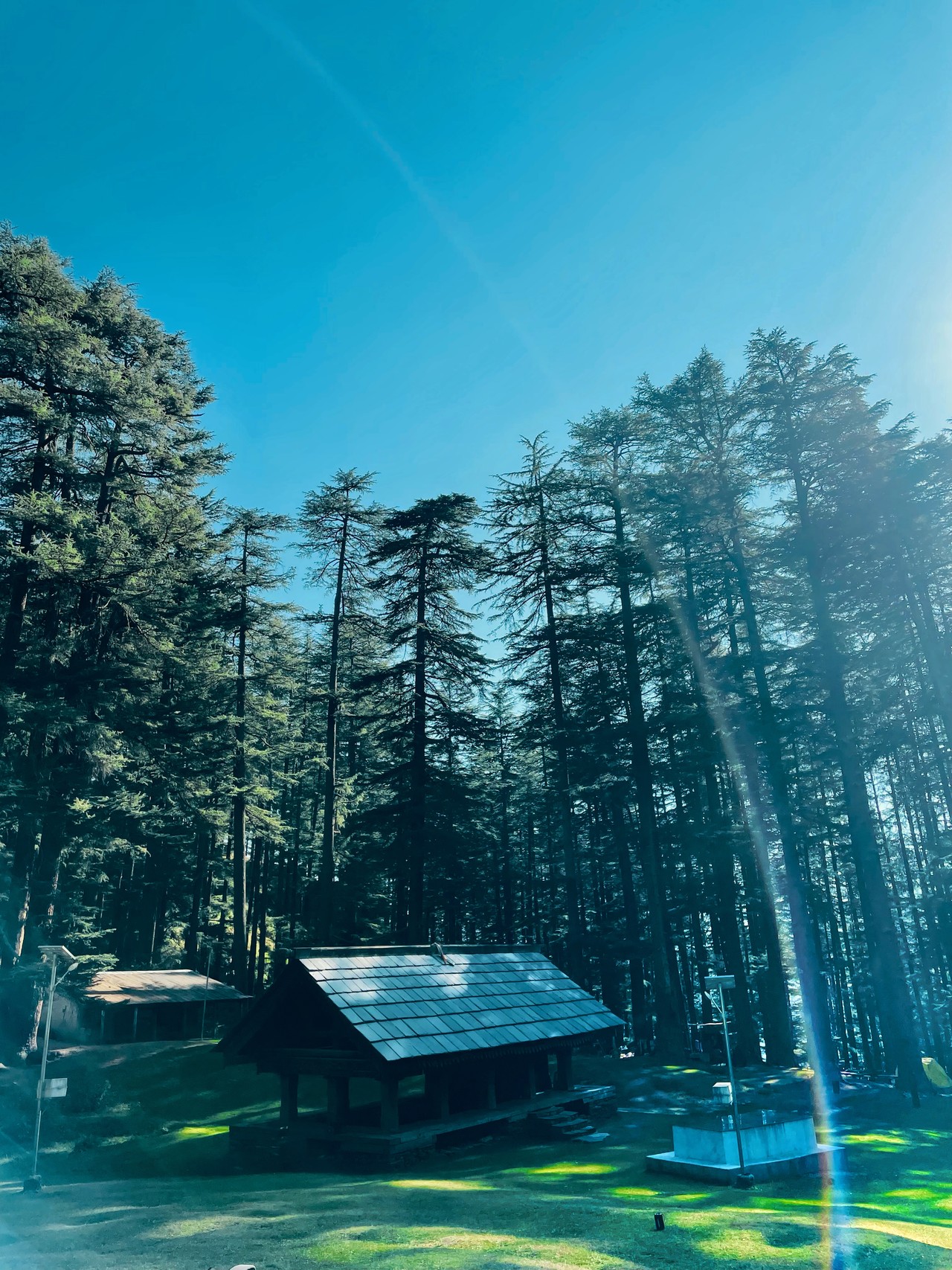
Spend the morning at the Shangchul (Sangchul) Mahadev meadow: a wide, flat clearing ringed by deodars, with the temple at one edge. Locals treat it as sacred ground, so keep your voice down, take your rubbish with you and follow any rules posted there.
Then a last long lunch at a café on the way out, and the overnight drive back. You're in Delhi early the next morning: tired, full of mountain air, with a group chat that won't go quiet.
Also open for invites: Bir · Barot
If you have an extra day
- Serolsar Lake: a mostly level 5 to 6 km walk east from Jalori Pass through forest to a small lake and the Budhi Nagin temple. Do it on the same day as the fort if you start early.
- Jibhi waterfall: a short walk from the village, good for a slow first morning.
- Tirthan valley: the next valley over, with trout streams and the edge of the Great Himalayan National Park. Easy to add on the way in or out.
When to go
- March to June: green, mild and busy at weekends from April. Jalori Pass reopens as the snow clears, usually in March.
- July and August: monsoon. Landslides on the approach roads are common; we'd avoid it.
- September to mid-December: our favourite window. Clear skies, sharp mountain views and cold nights. In November, expect temperatures near freezing after dark at Jalori.
- Mid-December to February: Jibhi gets snow and is cosy, but Jalori Pass is usually shut. Plan a different day 1 if you go in winter.
What to pack
- Warm layers: a thermal base, a fleece and a proper jacket for evenings. Mountain nights are colder than Delhi people expect.
- Shoes with grip for the fort trail and the waterfall path.
- A power bank. Phone signal is patchy around Jalori and Shangarh.
- Some cash. Small stalls and homestays don't always take UPI when the network is down.
- A reusable water bottle, and a bag to carry your rubbish back down.
Doing it yourself vs going with a small group
You can absolutely plan this on your own. The roads are good enough, homestays are easy to find and the hikes don't need permits beyond the entry ticket at Jalori. What a group trip saves you is the logistics: one vehicle for the whole route, the waterfall guide, the bookings and someone who has done the drive before.
And the company. Many people join our trips solo, and the van, the hikes and two bonfires do the rest. If you're curious how that plays out, read what actually happens on a 12-person trip, or start with how invite-only trips work.
Frequently asked questions
Is Jibhi worth visiting?
Yes, especially if you want the Himachal of wooden houses and quiet forests rather than the crowds of Manali. Jibhi is a good base for Jalori Pass, Raghupur Fort, Serolsar Lake and the Tirthan valley, and it is still calm outside long weekends.
How many days do you need for Jibhi and Shangarh?
Three days on the ground is enough for Jibhi, the Raghupur Fort hike and a night in Shangarh. If you leave Delhi on Thursday night and travel back overnight on Sunday, you only need one or two days off work.
How difficult is the Raghupur Fort trek?
It's an easy to moderate hike of about 3 km each way from Jalori Pass, mostly a steady climb through oak forest to an open ridge. There's nothing technical, but the altitude is over 3,000 metres, so walk slowly and carry water.
Can you visit Jalori Pass in winter?
Usually not in deep winter. Snow typically closes the road over Jalori Pass from around mid-December to March. Jibhi itself stays open and often gets snow, so a winter trip is possible without the fort hike.
Where is Shoja, and should I stay there?
Shoja is a small village about 5 km below Jalori Pass on the road from Jibhi. Staying there puts you closest to the fort trail and Serolsar Lake. Jibhi has more stays and cafés, which is why most itineraries, including ours, are based there.
Is Shangarh better than Jibhi?
They're different. Jibhi is a lively village with cafés and a stream through the middle; Shangarh is quieter and wider, built around its meadow. Together they make a better trip than either one alone.
Plan it, or let us
If this is the weekend you've been meaning to take for a year, you have two options: plan it with the itinerary above, or request an invite and let us handle everything from the van to the last bonfire. Either way, go before Instagram finds Shangarh.
Keep reading
More guides to help you plan the same trip.
Bir Billing Beyond Paragliding: A 3-Day Bir & Barot Itinerary from Delhi (and Where Rajgundha Fits)
A 3-day Bir Billing itinerary from Delhi beyond paragliding: a hidden waterfall and cafés in Bir, a wooden cottage in Barot, and where Rajgundha fits.
Group Trips from Delhi That Aren't a 40-Seater Bus: What Small-Group Travel Actually Looks Like
Big bus trips and small group trips from Delhi are different holidays. What small-group travel really looks like, and what to ask before you book.
Barot Valley Travel Guide: Himachal Off the Beaten Path
Barot Valley, Himachal: trout fishing, the hydel canal walk, where to stay, and how to plan a quiet weekend away from the Manali crowds.
Bir Billing vs Manali: Which Himachal Trip Is Right for You?
Bir Billing vs Manali: a straight comparison of crowds, cost, and what you'll actually do on each Himachal weekend trip.

The Perfect 4-Day Golden Triangle Itinerary
A realistic 4-day golden triangle itinerary covering Delhi, Agra, and Jaipur without the rushed, exhausting pace.

The Perfect 5-Day Golden Triangle Itinerary
A day-by-day golden triangle itinerary 5 days plan for Delhi, Agra and Jaipur — what to see, skip, and how the pacing actually works.