Meditation Retreats in India for Beginners
A practical, honest guide to choosing your first meditation retreat in India, from Rishikesh ashrams to short group trips.
On this page
If you've never sat still for longer than ten minutes and the idea of a silent retreat sounds terrifying, you're exactly who this guide is for. A meditation retreat in India doesn't have to mean ten days of silence and 4am wake-up bells — there are gentler, well-guided ways in, especially if you're travelling from the US, UK, EU, or Australia and want structure without the intensity.
Quick answer: for first-timers, a short (3-7 day), guided meditation retreat with a small group and a teacher who speaks your language beats a long solo ashram stay — you get real practice without the culture shock or the risk of quitting on day two.
Why India, Specifically
Meditation is taught everywhere now, so why come here at all?
- Lineage and depth. Many teachers in Rishikesh, Dharamshala, and the Himalayan foothills have practiced and taught for decades, often trained within living traditions rather than certification-course lineages.
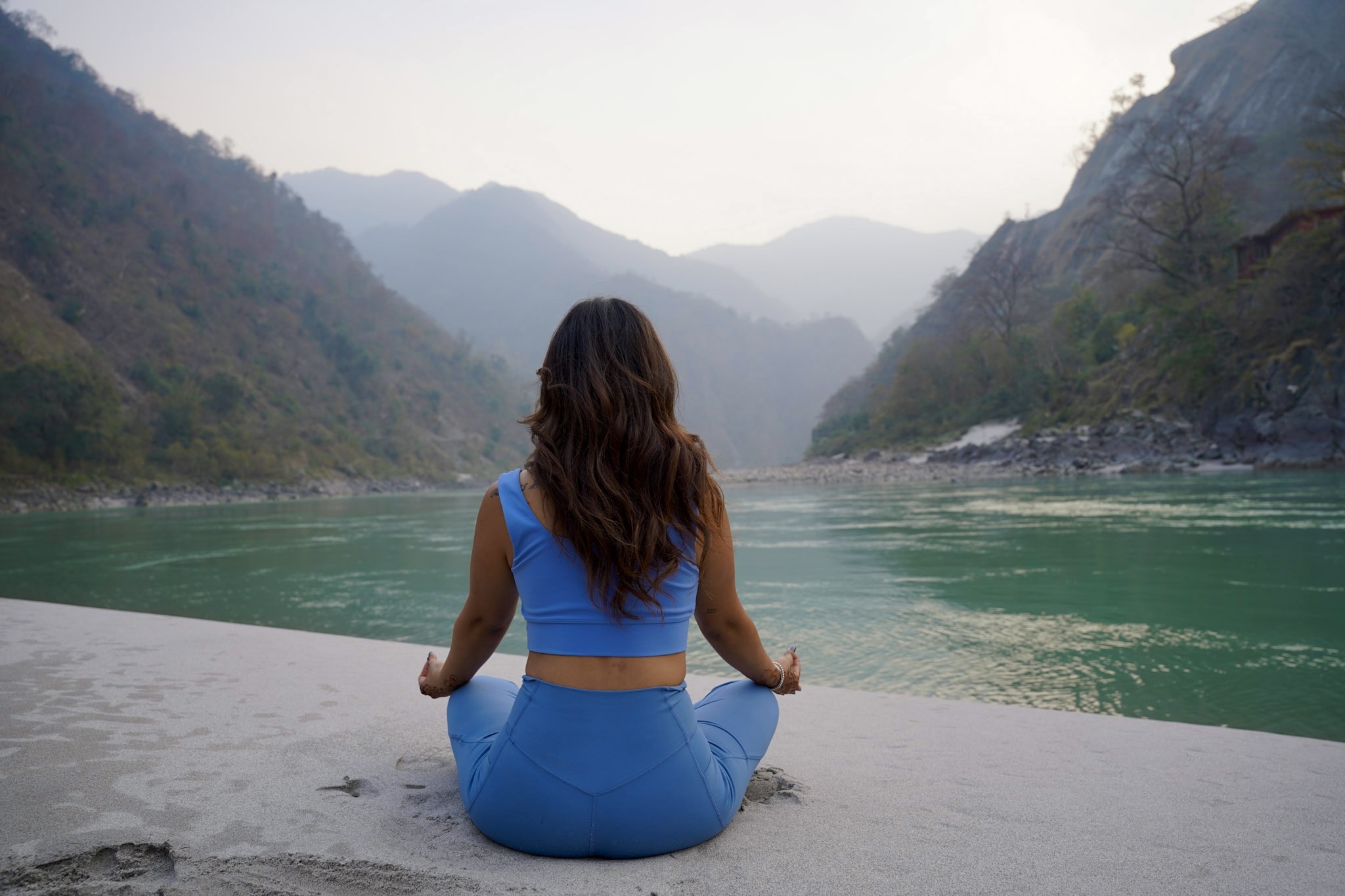
- Environment does real work. Sitting by the Ganges at dawn, or in the hills above Bir, removes the phone notifications and daily triggers that make home practice hard. The setting isn't decoration — it's part of why retreats here tend to "land" faster.
- Cost. A week of guided practice, meals, and accommodation in India typically costs a fraction of an equivalent retreat in Western Europe or North America, even after flights.
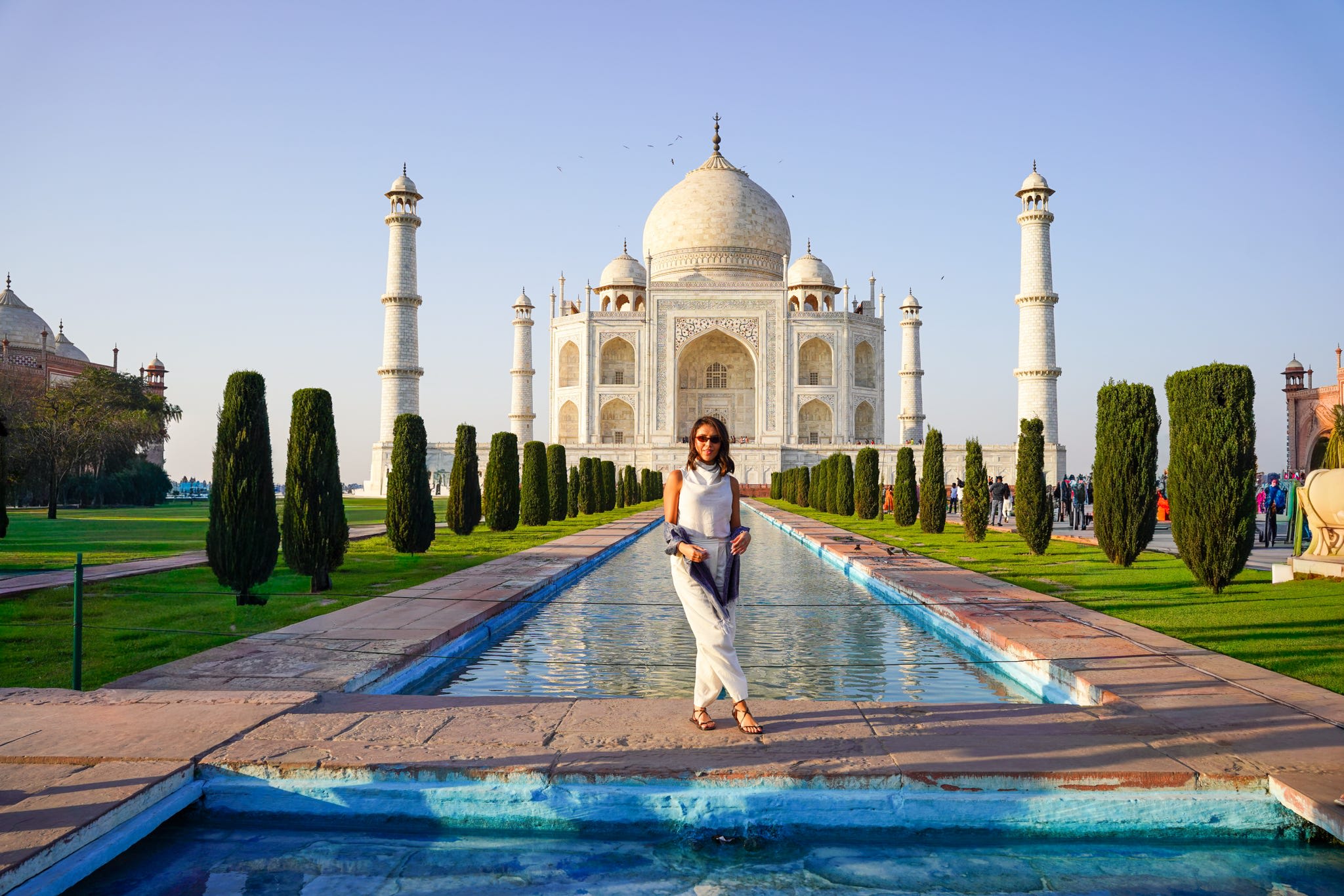
- It pairs naturally with a bigger trip. Most first-timers don't want to fly 16 hours just to sit in one room — combining meditation with a short India itinerary (Delhi, Agra, Jaipur, then Rishikesh) makes the trip worth the flight.
What Beginners Actually Need (Not What Instagram Shows You)
Skip anything promising enlightenment in five days. What actually helps a true beginner:
- Short daily sits, not marathons. Look for programs building from 15-20 minutes up to 45, not throwing you into 90-minute sits on day one.
- A teacher who explains, not just instructs. You want someone who'll answer "why does my mind keep wandering" in plain language, not just say "return to the breath."
- Some structure around the silence. Full noble silence retreats (like 10-day Vipassana courses) are excellent but genuinely hard for beginners — many people struggle through days 3-4. A retreat with light structure, short silent blocks, and optional conversation is a kinder entry point.
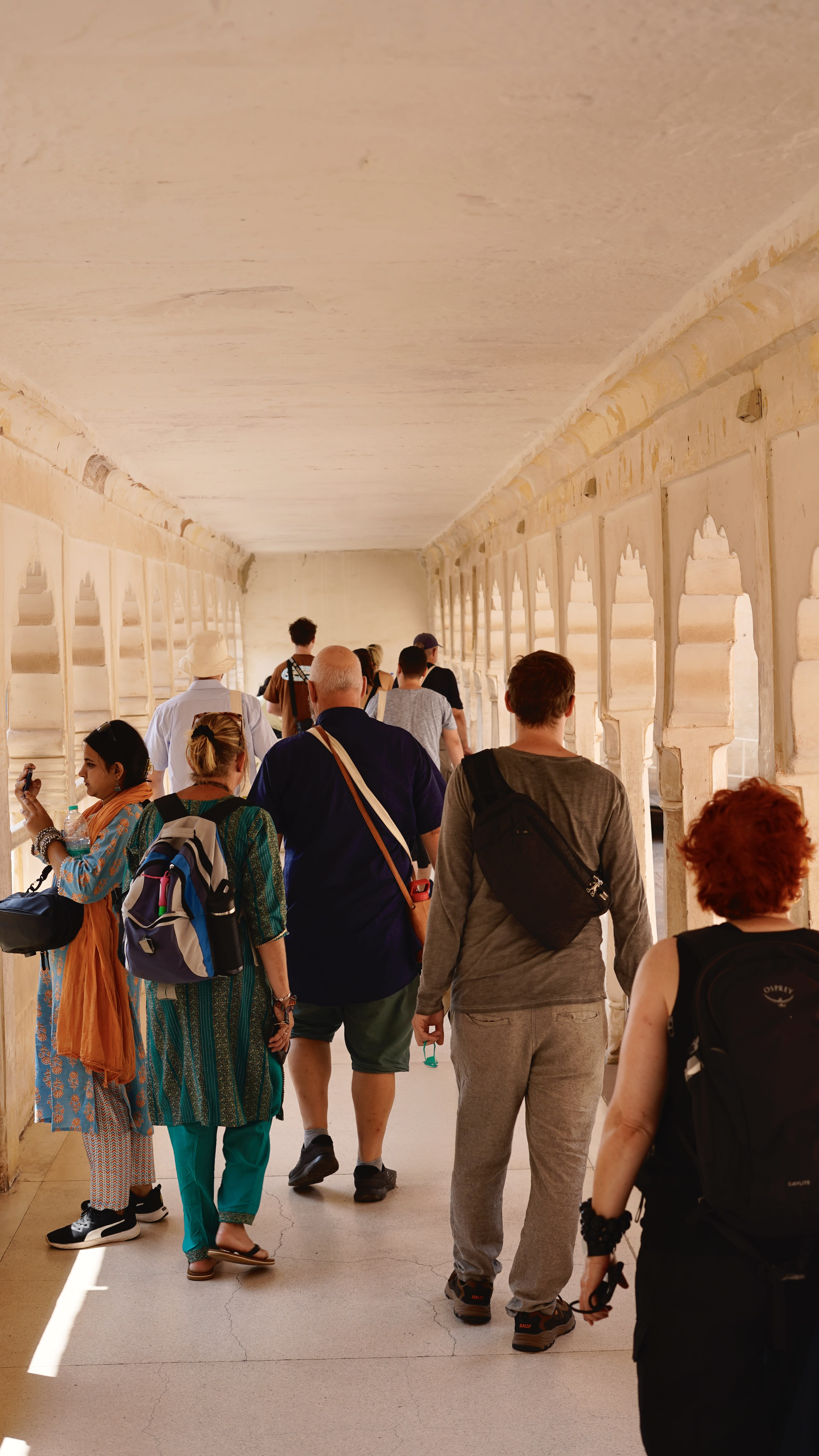
- A small group. In a room of 40, you're anonymous and easy to lose. In a group of 10-12, the teacher notices if your posture is wrecking your knees or if you've checked out mentally.
Rishikesh vs. Other Options
Rishikesh is the obvious answer, and mostly the right one, but it's worth knowing the alternatives.
- Rishikesh — the default choice for good reason: dozens of ashrams, riverside settings, easy to combine with yoga, and well used to international beginners. Read our Rishikesh travel guide before you book anything, since not every ashram here is well run.
- Dharamshala/McLeod Ganj — quieter, more Tibetan Buddhist in flavour, good if you want meditation without the yoga-retreat packaging.
- Bir Billing — a smaller Himalayan meditation hub, less touristy, worth it if you want fewer people and don't mind fewer amenities.
- Rishikesh vs Goa — if you're weighing beach vs. mountains for a wellness trip, we've laid out the honest trade-offs in Rishikesh vs Goa for yoga — the same logic mostly applies to meditation-focused trips.
Solo Ashram Stay vs. a Guided Small-Group Trip
This is the real decision, more than which city.
Booking an ashram directly and going alone works if you're a confident independent traveller, don't mind researching which ashrams are legitimate versus which exist to fill beds, and are comfortable improvising your onward travel. It's cheaper up front, but the vetting burden is entirely on you, and a bad ashram (over-strict, under-taught, or simply disorganised) can sour the whole trip.
Joining a small-group trip with meditation built in costs a bit more but front-loads the vetting: the teacher is already vetted, the schedule is realistic, and you're not troubleshooting logistics alone in a country that's new to you. If you're unsure which route suits you, are small group tours worth it and small group vs private tour India both cover this trade-off in more detail.
Chalo Folks runs trips exactly at this intersection — capped at 12 people, hosted personally by Anna, with real meditation and yoga sessions built into a wider India itinerary rather than being the entire trip. The Golden Triangle, Diwali & Yoga trip in November 2026 (11 days, from $1,299) is a good example: Delhi-Agra-Jaipur plus dedicated yoga and meditation time, timed around Diwali.
Practical Things Nobody Tells You
- Your knees will hurt before your mind calms. Ask any retreat in advance if cushions, chairs, or wall support are available — a good one will say yes without hesitation.
- Jet lag will hijack your first two days. Don't schedule your most demanding sessions on day one or two of arrival.
- "Silent" doesn't always mean silent. Confirm what silence actually means at your chosen retreat — some allow eye contact and gestures, others don't, and this matters if you're claustrophobic in groups.
- Bring layers. Rishikesh mornings by the river are colder than people expect, even outside winter.
- Check what happens after. A one-off retreat with no follow-up guidance often fades within weeks; ask if there's any post-retreat resource or contact.
Frequently Asked Questions
Is a meditation retreat in India suitable for complete beginners?
Yes, provided you choose a program built for beginners rather than an advanced silent course. Look for shorter daily sits, an English-speaking teacher, and a small group size so you get individual guidance rather than getting lost in a crowd.
How long should my first meditation retreat be?
Somewhere between 3 and 7 days is realistic for a first-timer — long enough to build a real habit and feel a shift, short enough that you won't quit halfway through or burn out. Ten-day silent Vipassana courses are valuable but are usually better attempted after you've done a shorter retreat first.
Do I need meditation experience before going?
No. Most reputable beginner retreats assume zero prior experience and start from posture and breath basics. If a program's marketing implies you need prior practice, it's probably not designed for first-timers.
Can I combine a meditation retreat with regular sightseeing in India?
Absolutely, and for most first-time visitors it's the better plan. Pairing a few focused meditation days with Delhi, Agra, and Jaipur sightseeing means the flight is worth it and you're not spending an entire trip in one room.
Ready to Try It, Without Overthinking It
If you'd rather not spend weeks vetting ashrams solo, the Golden Triangle, Diwali & Yoga trip builds guided meditation and yoga into a small-group (max 12) India itinerary hosted personally by Anna, so you get real practice alongside the sights, not instead of them. Browse the full list of upcoming trips if the dates or route don't quite fit and you want to see what else is running.
Keep reading
More guides to help you plan the same trip.
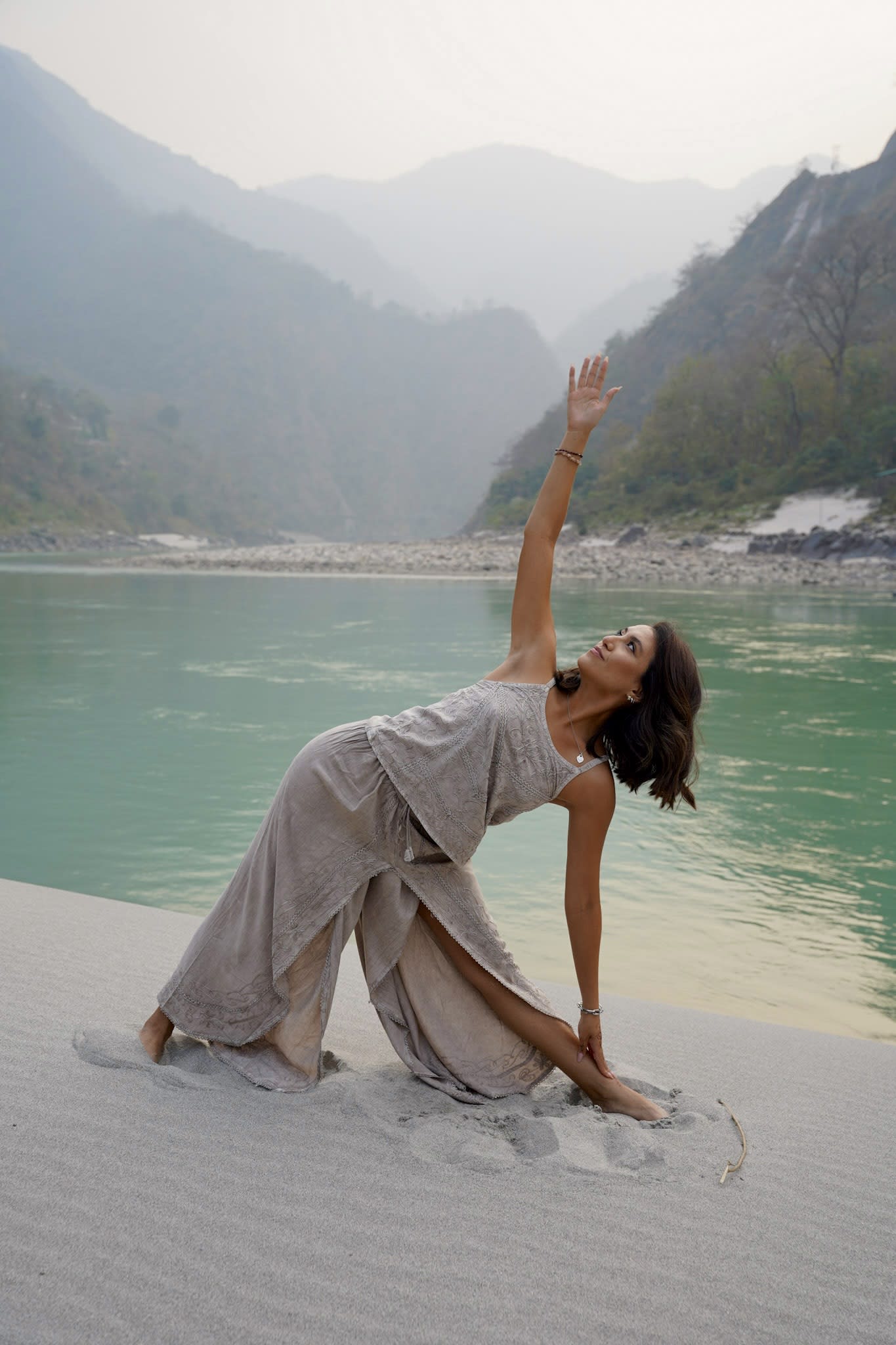
Sound Healing & Meditation in India: A Beginner's Guide
What singing bowls and gongs actually do, where to try sound healing in India, and how it pairs with meditation in the Himalayas.
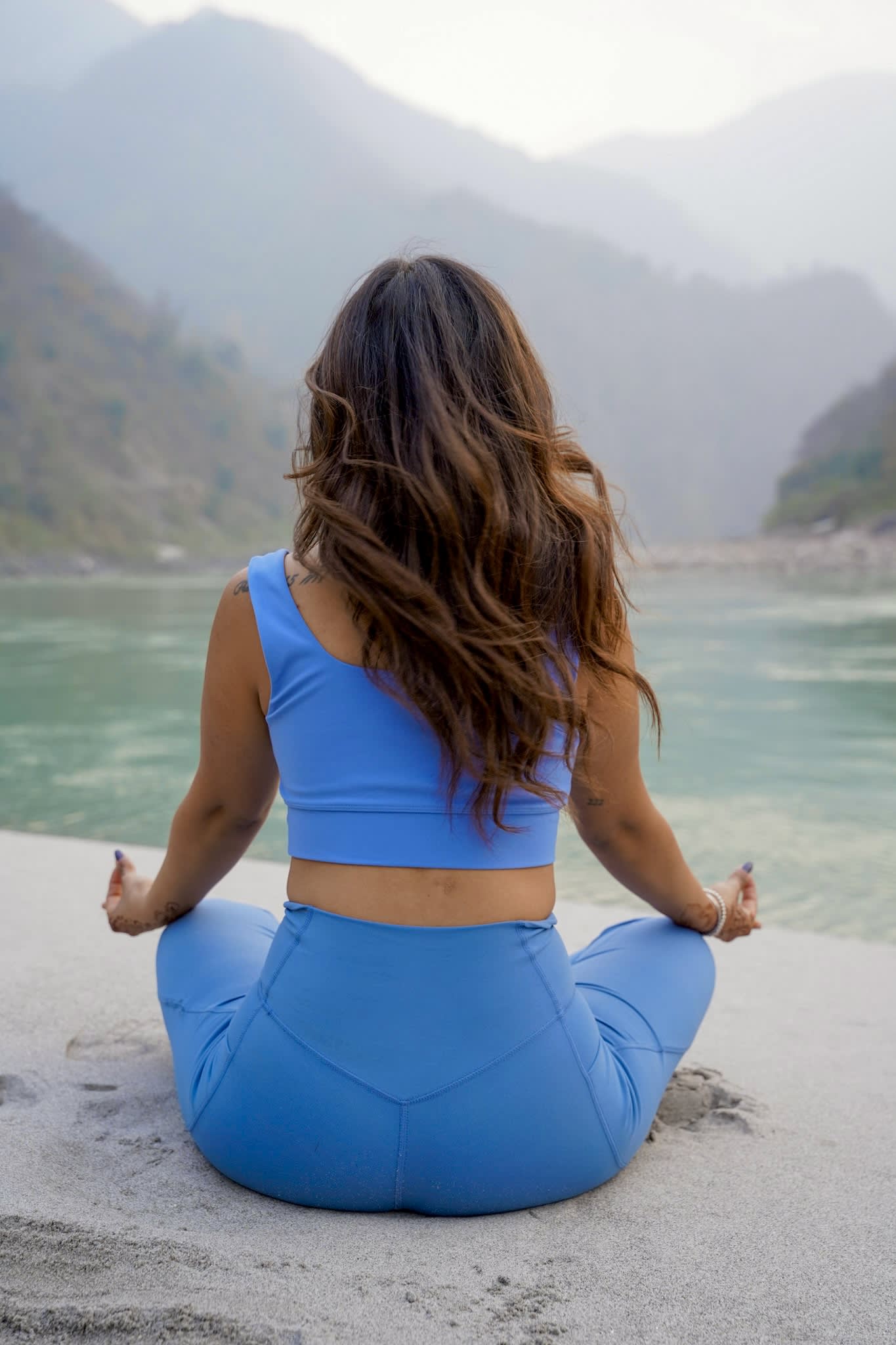
Ayurveda for Beginners: A First-Timer's Guide in India
Your first Ayurveda retreat in India, explained simply: what the treatments involve, what a day looks like, what it costs and what to pack.
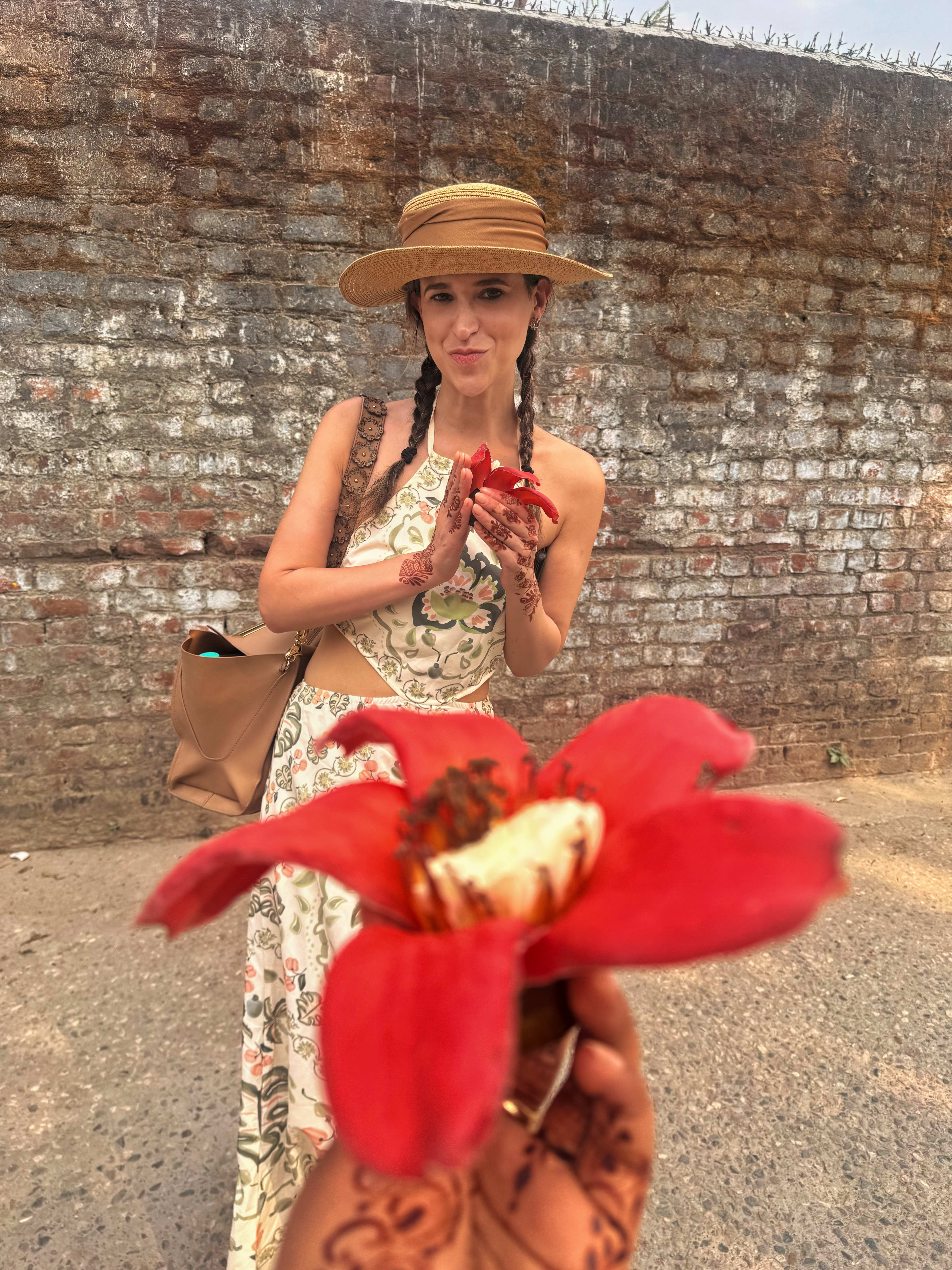
Digital Detox Retreats in India: Unplug in the Himalayas
How a digital detox retreat in India helps you truly unplug — where to go, what a day looks like, and how to ease off screens in the Himalayan foothills.
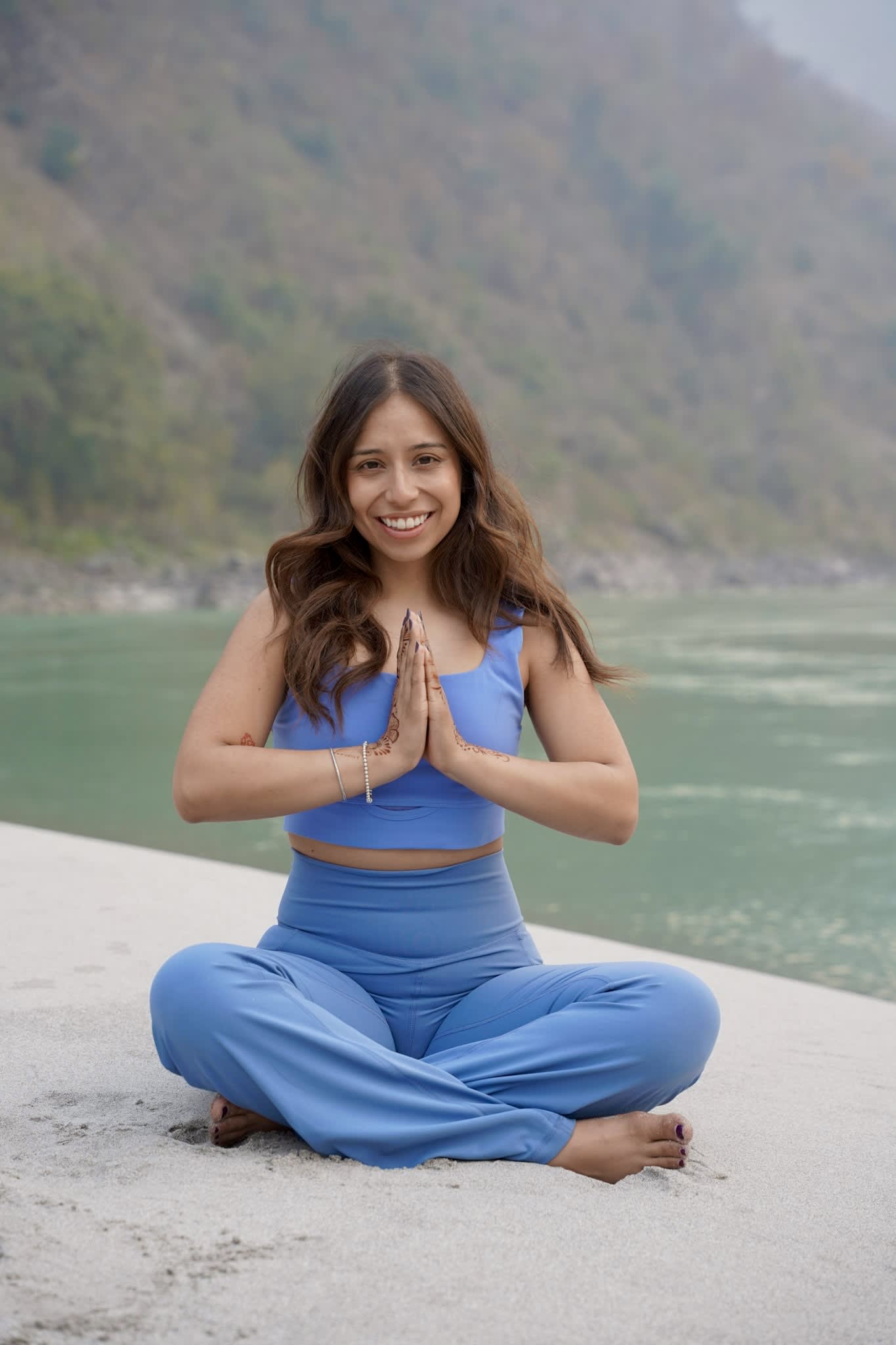
Wellness Retreats in India: Yoga, Ayurveda & Reset
From yoga and Ayurveda to meditation by the Ganges — how to plan an India wellness trip that actually leaves you restored.
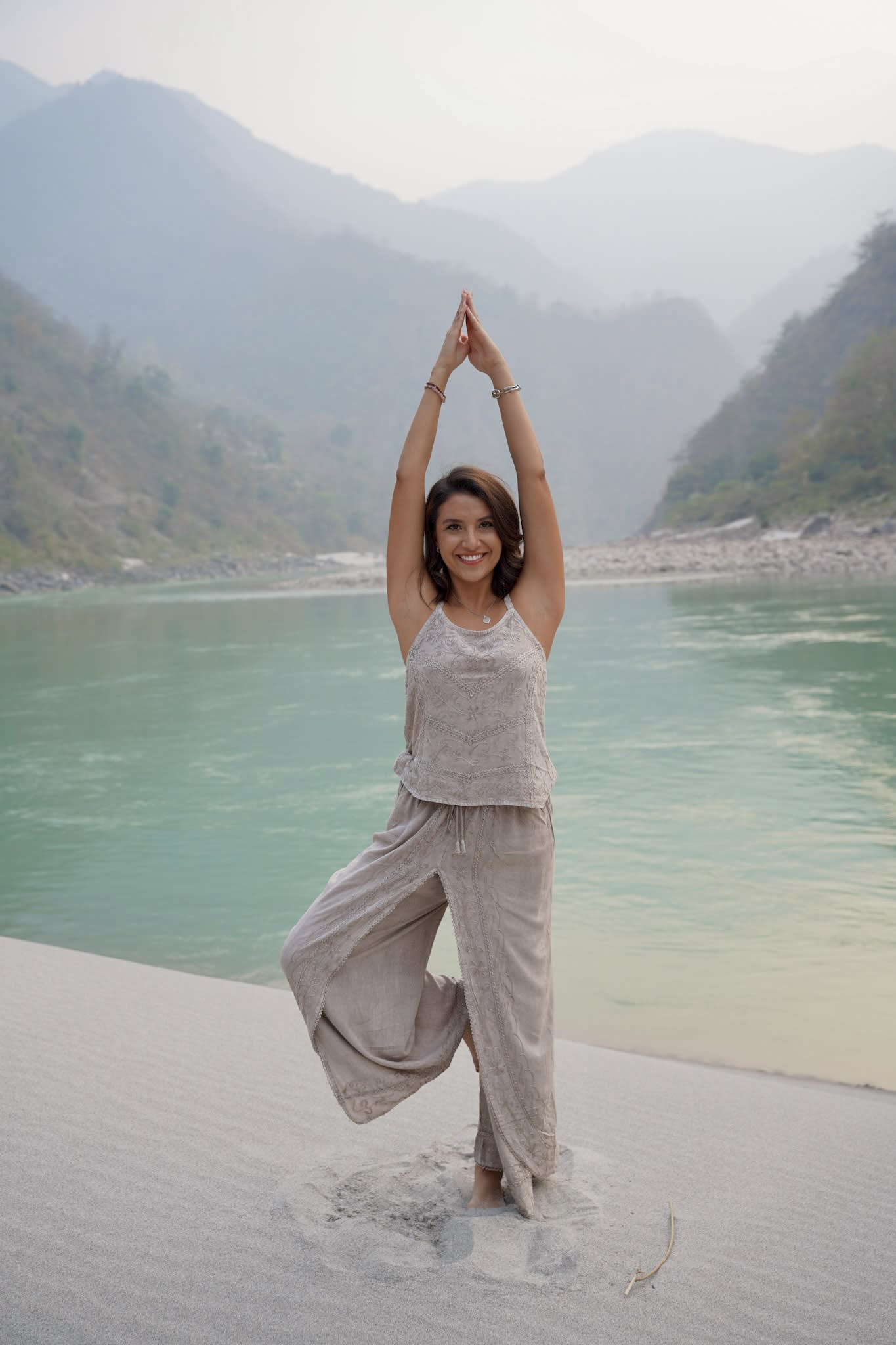
The Best Places for Yoga in India (Beyond Rishikesh)
The best places for yoga in India, from the Himalayan foothills to Mysore and the Goan coast — each region's style, season, and who it suits best.
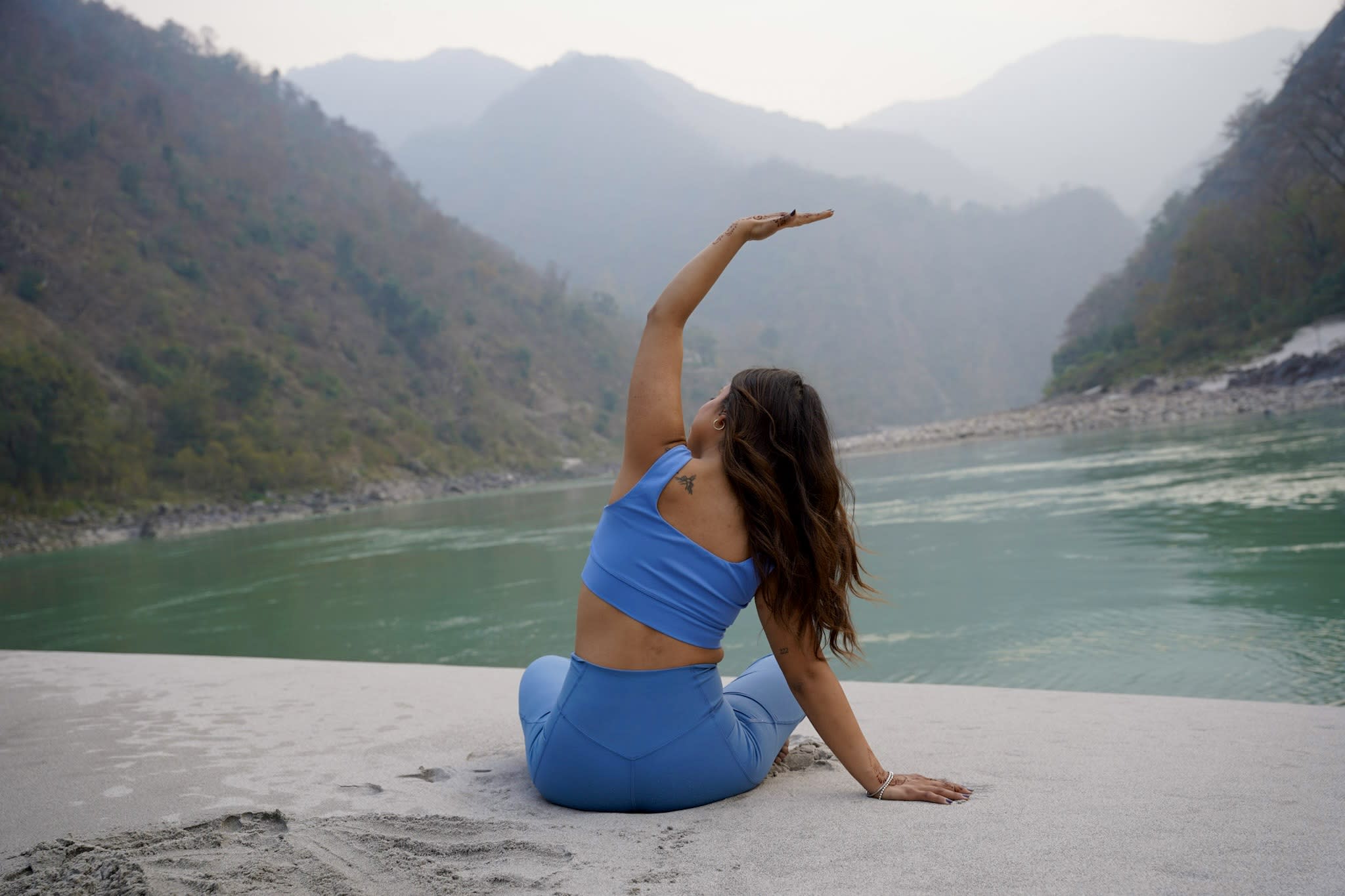
Rishikesh vs Goa for Yoga: Which Should You Choose?
Deciding between Rishikesh or Goa for yoga? Here's an honest comparison of both to help international travellers pick the right fit.