Amber Fort Jaipur: A Complete Visitor's Guide
Everything you need to know before visiting Amber Fort Jaipur, from ticket prices to the best time of day to go.
On this page
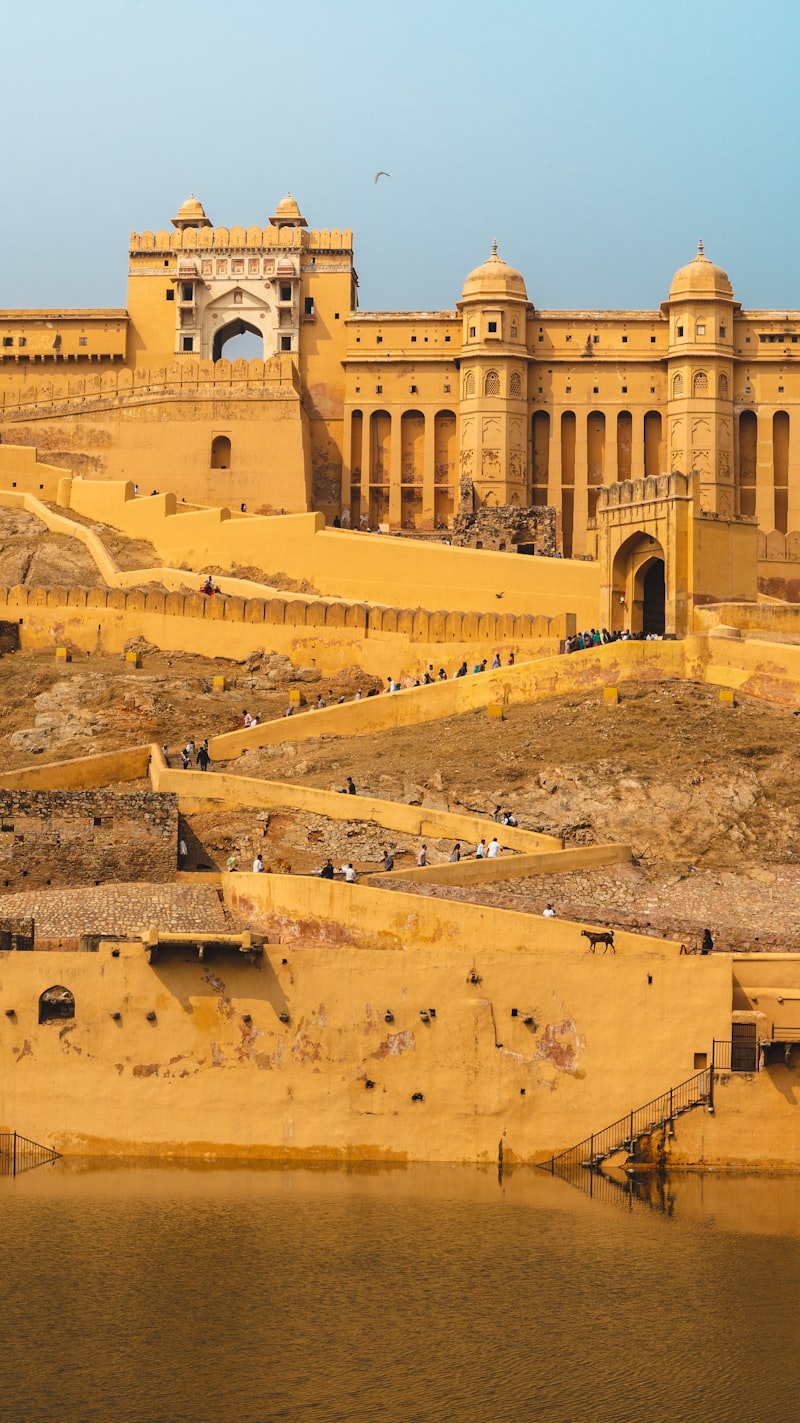
Perched on a ridge above Maota Lake, Amber Fort Jaipur is the single most photographed monument in Rajasthan, and honestly, it earns that reputation. Built from pale yellow and pink sandstone starting in 1592, it's a working example of Rajput military architecture wrapped around some of the most delicate mirror and marble work in India. If you're doing Jaipur in a day or two, this is the one stop you should not rush.
Quick answer: Amber Fort opens 8am-5:30pm daily, entry is roughly ₹100-550 depending on nationality and add-ons, and the best time to visit is right at opening to beat both heat and tour-bus crowds.
Getting There from Jaipur
Amber Fort sits about 11 km (7 miles) north of Jaipur's city center, in the town of Amer. A few practical ways to get there:
- Taxi or Uber/Ola: roughly 25-30 minutes from most Jaipur hotels, and the easiest option if you're short on time.
- Auto-rickshaw: cheaper, a bit slower, and a genuinely fun way to see the road up through Jaipur's outskirts.
- Local bus: the cheapest option from Hawa Mahal or Badi Chaupar, though timings can be unpredictable.
Most travelers combine Amber Fort with a stop at Jal Mahal (the "water palace") on the way, since it sits right on the route and is a quick photo stop rather than a full visit.
Tickets and Timings
Amber Fort is open every day of the year from 8:00am to 5:30pm, with last entry around 5:00pm. Ticket counters get busy, so buying online in advance saves real time on the ground. There are separate fees for the fort itself and for the Sheesh Mahal (Mirror Palace) section, plus optional add-ons like an audio guide or elephant/jeep ride up the ramp. Prices differ for domestic and foreign visitors, and change periodically, so it's worth checking the current rate the week of your trip rather than trusting an old blog post's numbers.
A composite ticket that also covers Jaigarh Fort and the City Palace is usually the better value if you're planning to see more than one Jaipur monument.
What to See Inside
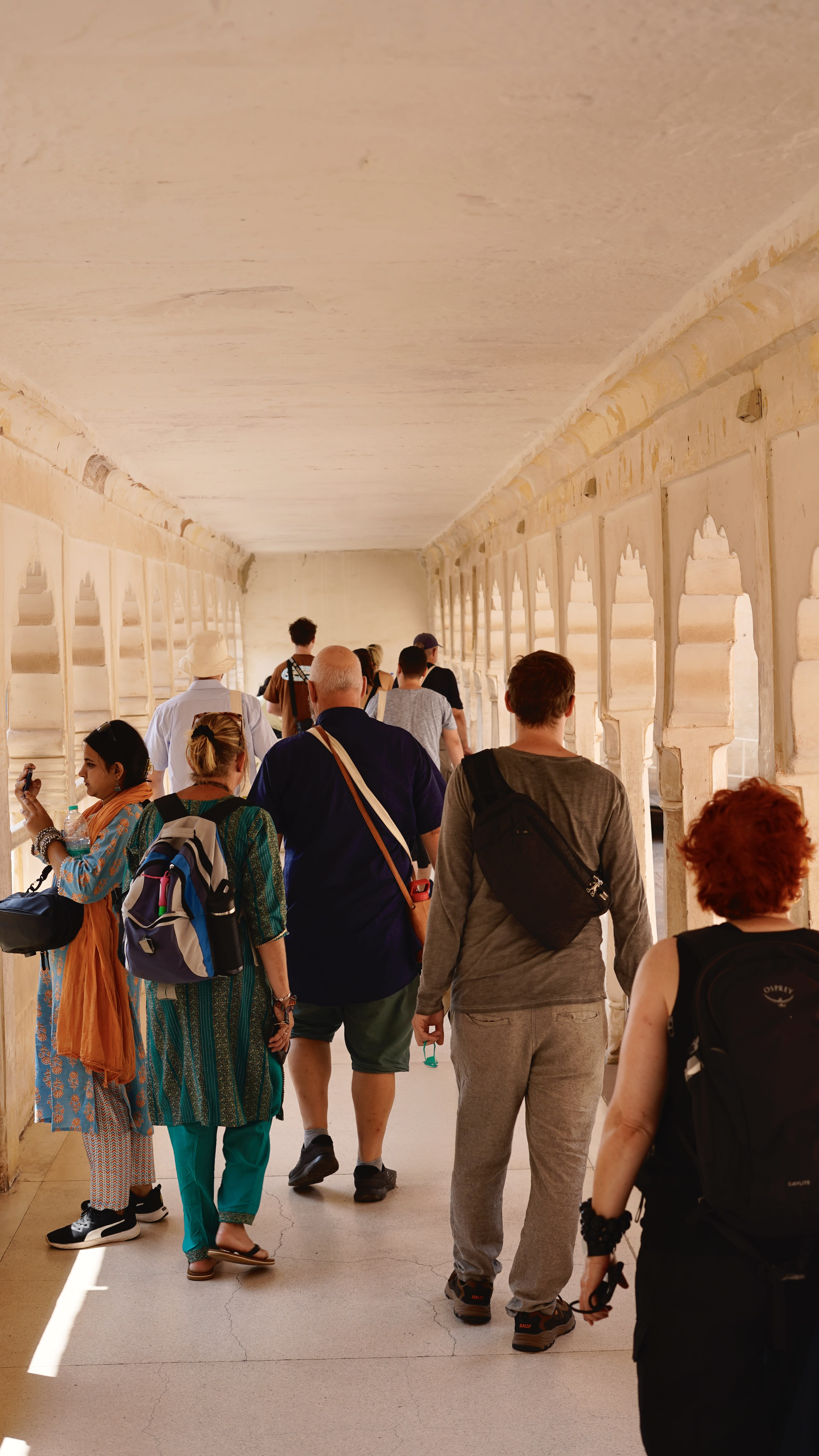
The fort unfolds across four main courtyards, and it's easy to spend two to three hours wandering if you actually read the signage rather than rushing through.
- Sheesh Mahal (Mirror Palace): thousands of convex mirror fragments set into the ceiling and walls — famously, a single candle flame here is said to reflect like a thousand stars.
- Diwan-i-Aam: the Hall of Public Audience, a columned pavilion where the maharaja once heard petitions from ordinary citizens.
- Ganesh Pol: the ornately painted gateway separating the public and private sections of the palace, worth a slow look before you pass through.
- Sukh Niwas: a cooling chamber that used a clever water-channel system to bring down the temperature in Rajasthan's brutal summers, centuries before air conditioning existed.
- Zenana courtyard: the former women's quarters, arranged so the maharaja's multiple wives each had private access to his chambers without crossing paths with each other.
Budget at least 90 minutes for the fort alone, more if you enjoy architecture and Mughal-Rajput history.
Best Time to Visit
Early morning, right at the 8am opening, is genuinely the best window — the light on the sandstone is softer, the courtyards are quieter, and you avoid the midday heat, which in April through June can be brutal by 11am. Late afternoon, an hour or two before closing, is the second-best option and gives you good light for photos from the ramparts.
If you can time your Rajasthan trip around cooler months, this fort (and the rest of the Golden Triangle) is far more enjoyable — see our guide on the best time to visit the Golden Triangle for a month-by-month breakdown.
Elephant Rides: An Honest Note
You'll be offered an elephant ride up the cobblestone ramp to the fort's main gate. We don't book or recommend this as part of our trips. Animal welfare organizations have documented real concerns about how these elephants are kept and worked, and a jeep or the walk up (about 10-15 minutes, not steep) gets you to the same place. It's a small choice, but it's the kind of thing that adds up across thousands of visitors a year.
Nearby: Make a Half-Day of It
Amer town itself is worth 30 minutes beyond the fort — narrow lanes, small shops selling block-printed textiles, and a couple of good rooftop cafes with fort views. Panna Meena ka Kund, a striking stepwell a short walk from the fort, is one of Jaipur's most underrated photo spots and rarely crowded.
If Amber Fort is your highlight, you'll likely enjoy our broader things to do in Jaipur guide, or if you're planning your whole trip, our two days in Jaipur itinerary walks through how to pair it with the City Palace and Hawa Mahal without feeling rushed.
Visiting with Chalo Folks
On our small-group trips, Amber Fort is visited with a local guide who actually knows the history — not a rushed 20-minute walkthrough sandwiched between shopping stops. Our Golden Triangle Diwali & Yoga trip (11 days, from $1,299) includes a proper visit here as part of the Jaipur leg, with groups capped at 12 people so you're not fighting a crowd of forty to hear the guide.
Frequently Asked Questions
How much time should I set aside for Amber Fort?
Plan for two to three hours if you want to see the main courtyards, Sheesh Mahal, and walk through Ganesh Pol without rushing. Add another 30-45 minutes if you also want to walk down through Amer town or visit Panna Meena ka Kund.
Is Amber Fort worth visiting if I've already seen the City Palace?
Yes, they're quite different experiences. The City Palace is still partly a royal residence with museum-style displays, while Amber Fort is a hilltop military-and-residential complex with a completely different scale and atmosphere, plus better views over the surrounding hills and lake.
What should I wear to visit Amber Fort?
Comfortable walking shoes are essential since there's a lot of uneven stone underfoot and some stairs. Light, breathable clothing works well most of the year, and a hat or scarf is worth carrying for sun protection since much of the fort's courtyards are open to the sky.
Can I visit Amber Fort as a day trip without a guide?
Yes, it's straightforward to visit independently by taxi or auto-rickshaw, and signage at the fort is reasonably informative. That said, a knowledgeable local guide adds a lot of context, especially in the Zenana and Sheesh Mahal sections where the history isn't obvious just from looking around.
Ready to See It in Person?
Amber Fort is one of the highlights of our Golden Triangle Diwali & Yoga trip, where it's visited properly with a local guide and enough time to actually take it in. If you'd rather browse other dates and routes first, take a look at our full list of upcoming destinations.
Keep reading
More guides to help you plan the same trip.
Things to Do in Jaipur: The Best of India's Pink City
Hilltop forts, a rose-washed old town, palaces and India's best bazaars — what's worth your time in Jaipur, and how to fit it in.
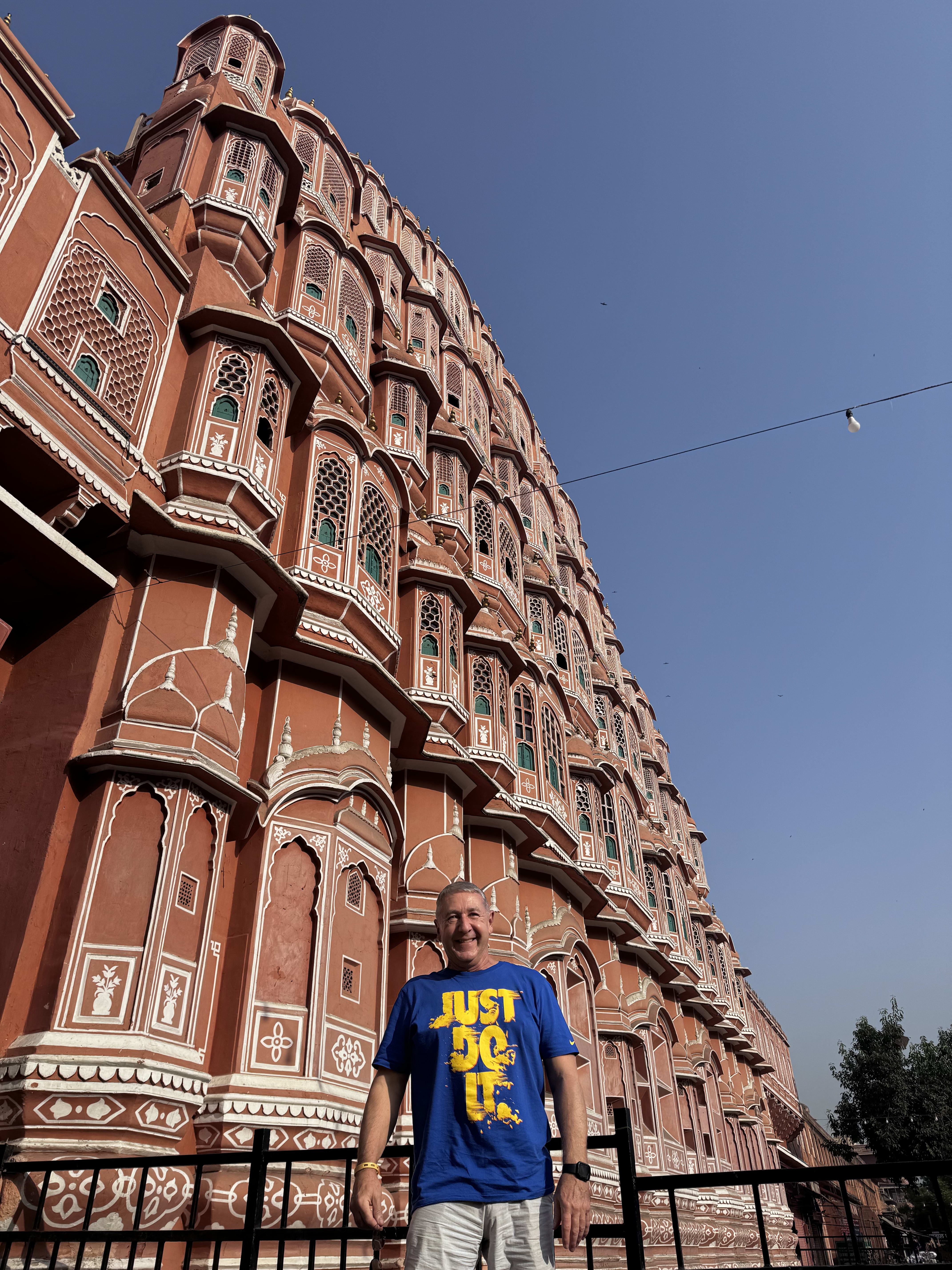
Hawa Mahal Jaipur: History, Tips & Photos
Everything to know before visiting Hawa Mahal Jaipur, from the best photo spots to ticket prices and the honest truth about going inside.
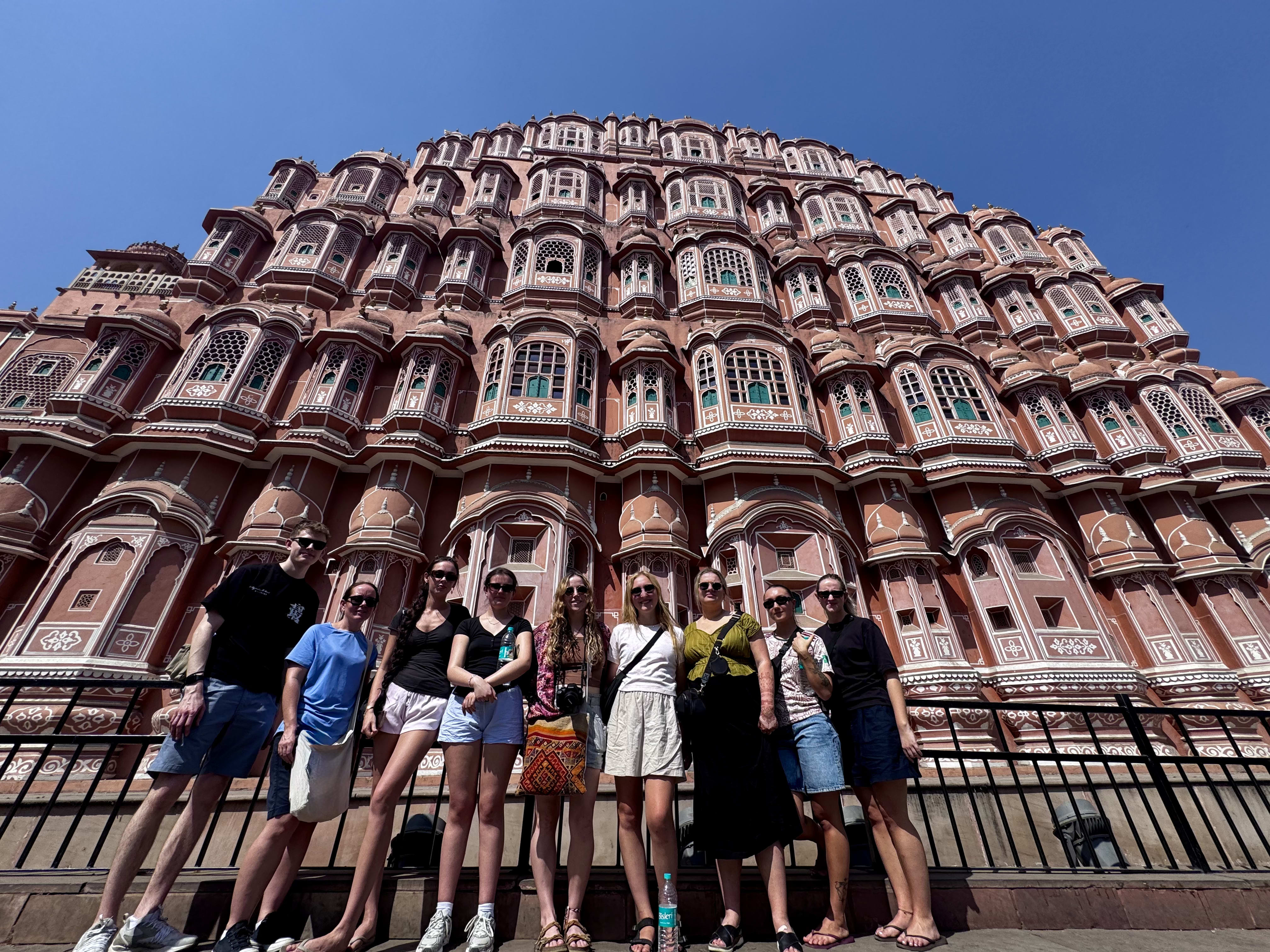
Jaipur in One Day: The Essential Itinerary
Spending Jaipur in one day? Here's the realistic order to see Amber Fort, City Palace, and Hawa Mahal without rushing.
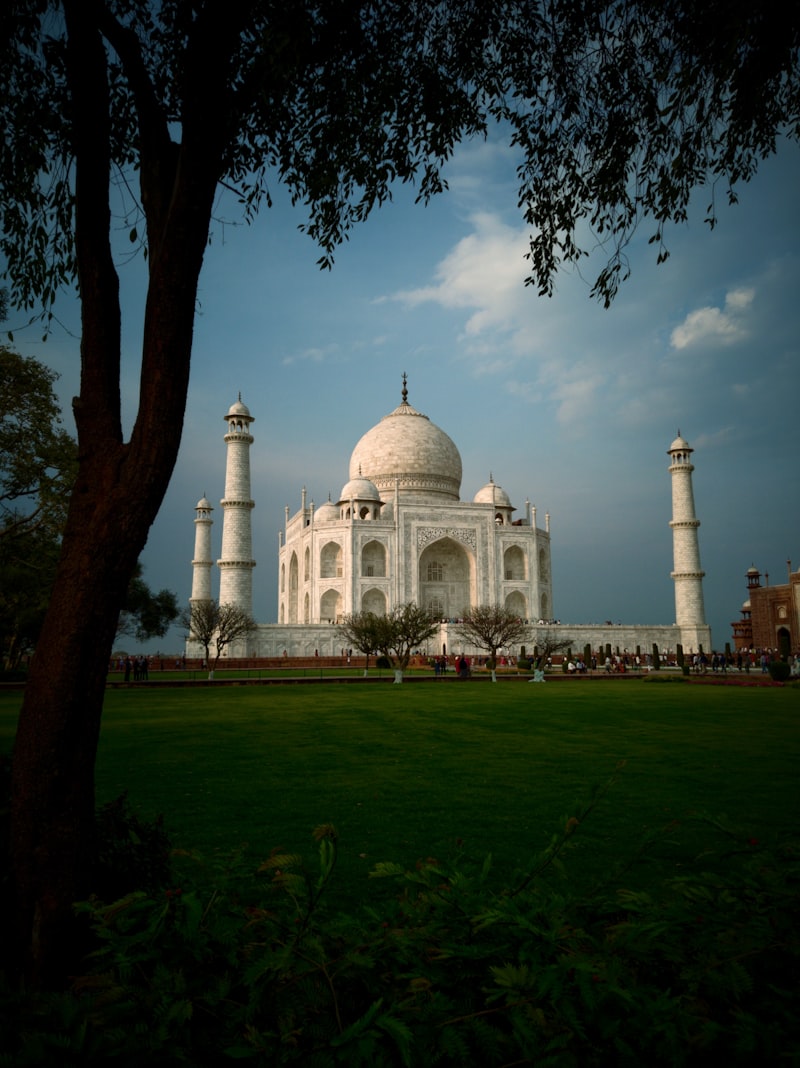
Agra Beyond the Taj Mahal: What Else to See
Discovering Agra beyond the Taj Mahal — Agra Fort, the Baby Taj, Mehtab Bagh and nearby Fatehpur Sikri — so your visit is more than one monument.
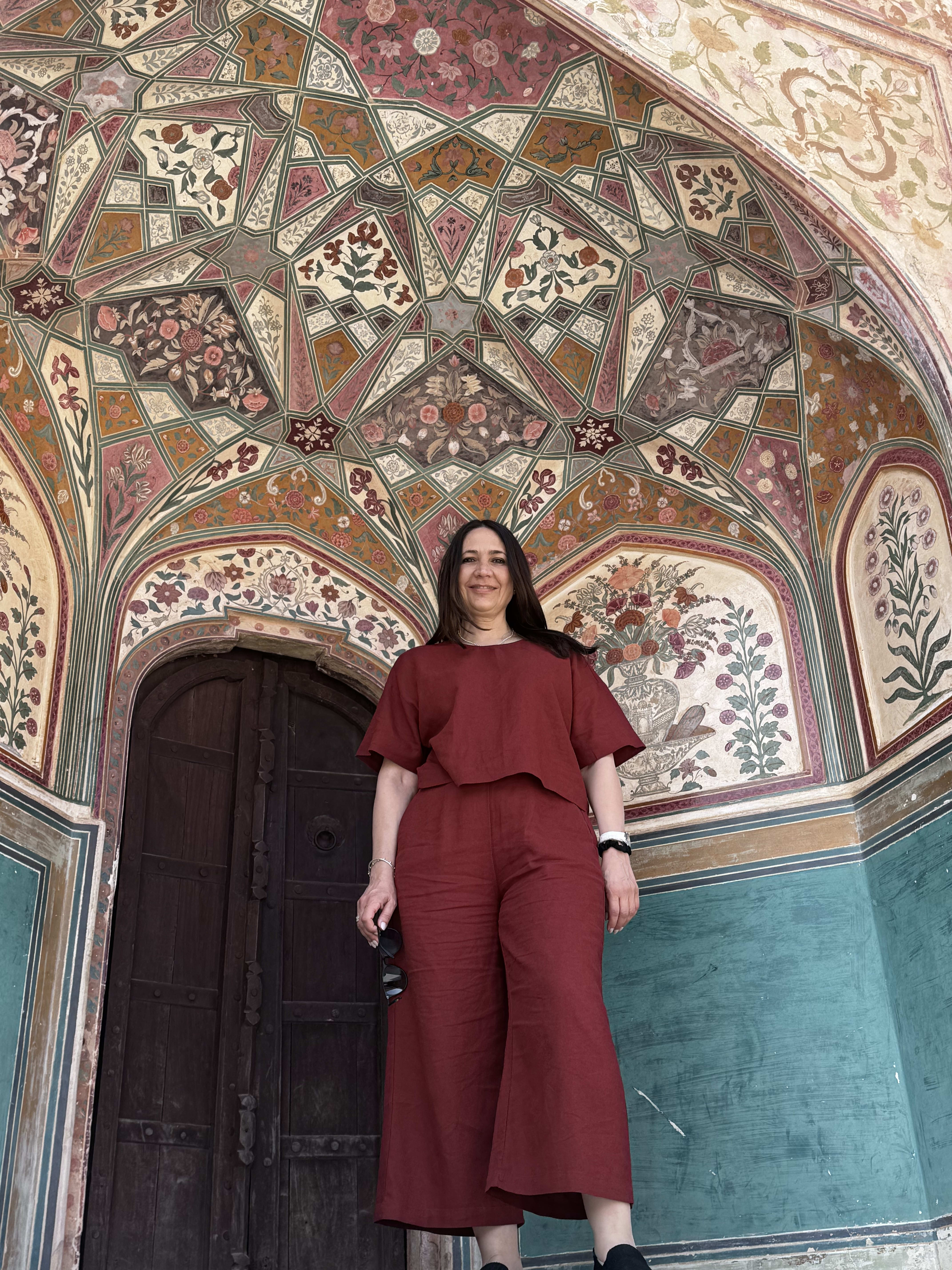
2 Days in Jaipur: The Perfect Pink City Itinerary
A realistic 2 days in Jaipur itinerary covering Amber Fort, the City Palace, bazaars, and food, without the rush.
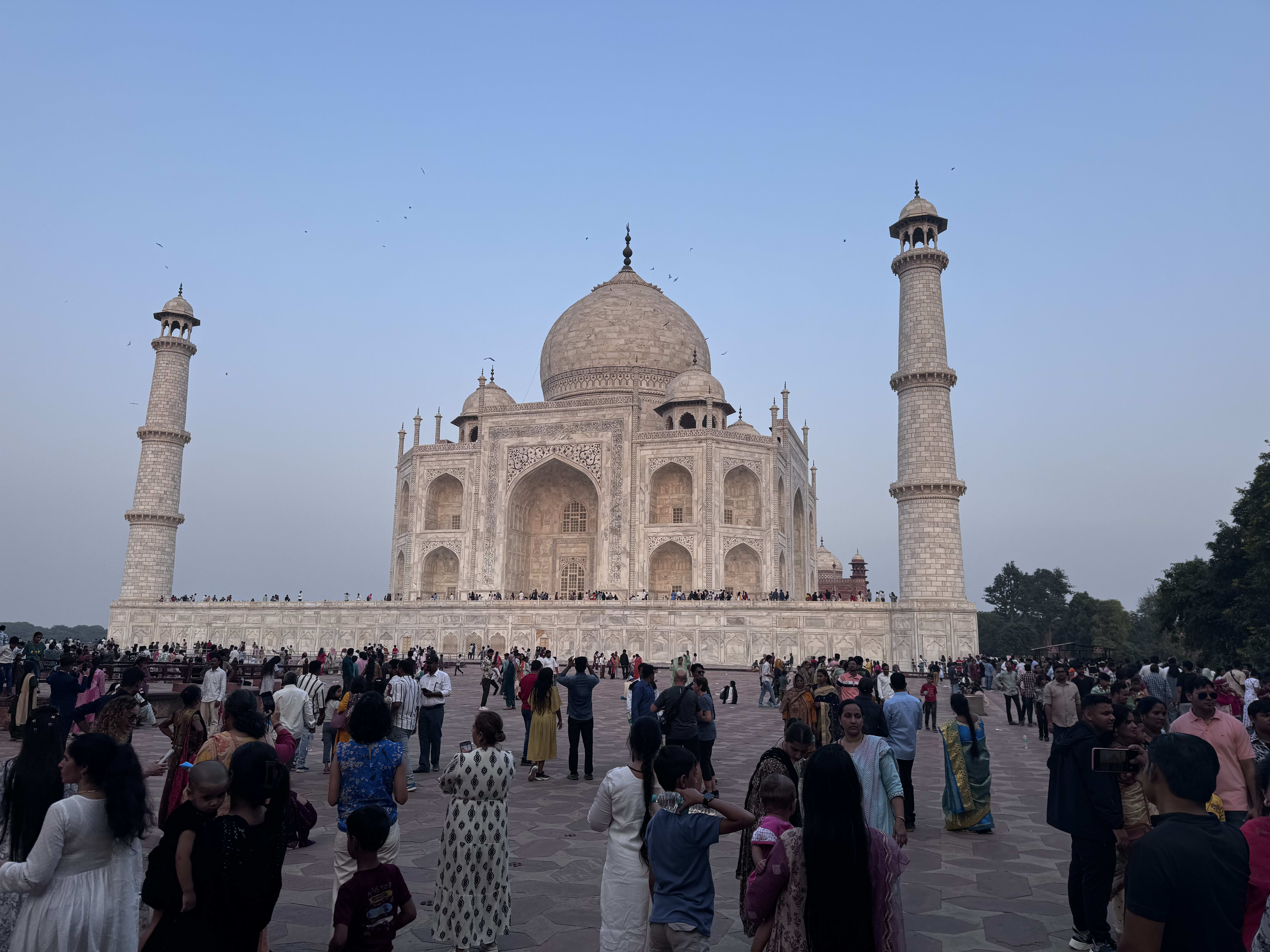
Is the Taj Mahal Worth Visiting? An Honest Guide
Is the Taj Mahal worth it? A straight answer on cost, crowds, timing, and whether one monument justifies the trip to Agra.