Ayurveda vs Yoga Retreat in India: Which Is Right for You?
Ayurveda or yoga retreat in India? The honest differences in daily rhythm, cost, results, and who each one suits — so you pick the right reset.
On this page
India invented both, so it's the one place you don't have to choose blindly — but ayurveda vs yoga retreat is a genuine fork, and picking the wrong one is how travellers end up restless on a detox they didn't want, or sore on a schedule they didn't expect. This guide lays out the honest differences so US and UK travellers can pick the reset that actually fits.
Quick answer: A yoga retreat is movement- and breath-led — daily asana, meditation, and philosophy, energising and social. An ayurveda retreat is treatment- and diet-led — doctor consultations, therapeutic massages, and a tailored cleanse, slower and more medical. Choose yoga to feel stronger and clearer; choose ayurveda to genuinely detox and rebalance.
What a Yoga Retreat Actually Involves
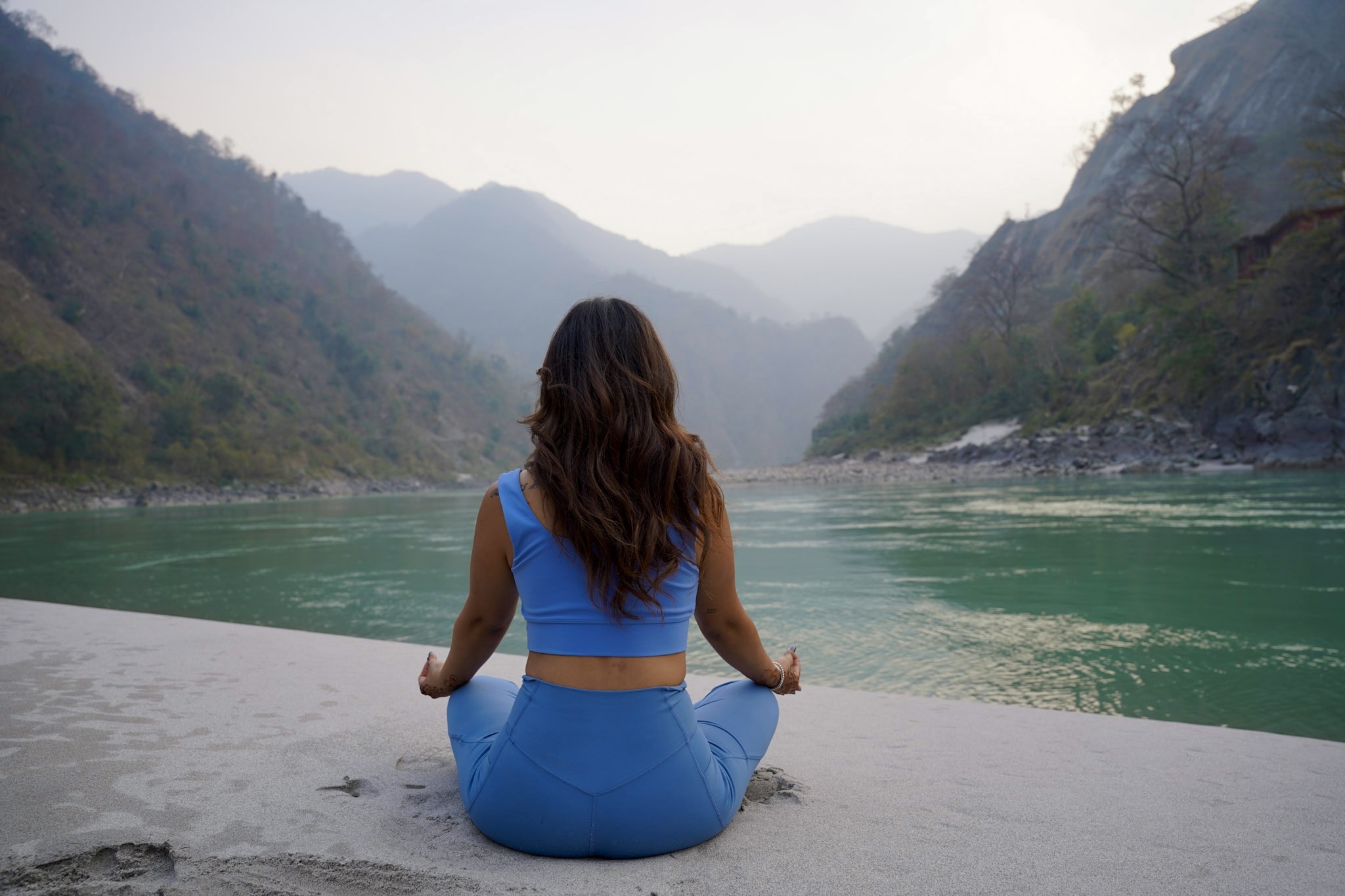
A yoga retreat is built around practice. A typical day looks like sunrise asana, breakfast, a workshop on breathwork or philosophy, free time, an afternoon session, and evening meditation or a sound bath. The mood is active and communal — you'll leave stronger, more flexible, and mentally clearer.
Rishikesh is the global capital of this, and if you're brand new, our yoga retreat India for beginners guide explains what a first retreat is really like, while meditation retreat India for beginners covers the quieter, stiller version. Curious how far it can go? Yoga teacher training in Rishikesh is the deep end.
Best for: travellers who want to feel more energised, build a practice, and enjoy a social, uplifting atmosphere.
What an Ayurveda Retreat Actually Involves
Ayurveda is India's traditional system of medicine, and a true ayurveda retreat is closer to a supervised wellness programme than a holiday. It usually starts with a consultation with an ayurvedic doctor who assesses your constitution (dosha) and designs your stay: a specific diet, herbal preparations, and daily therapies like warm-oil massage (abhyanga), shirodhara (a stream of oil on the forehead), and gentle cleansing.
Panchakarma — a deeper multi-day detox — needs a week or more to do properly and is more medical than relaxing in the middle days. The pace is slow and inward. For a first taste, our ayurveda retreat India for beginners guide sets expectations honestly.
Best for: travellers dealing with burnout, sleep or digestion issues, or anyone wanting a genuine physical reset rather than a workout.
The Honest Differences
| Yoga retreat | Ayurveda retreat | |
|---|---|---|
| Led by | Yoga teachers | Ayurvedic doctors & therapists |
| Daily rhythm | Active — movement, breath, meditation | Slow — treatments, rest, diet |
| Food | Healthy, usually vegetarian | Prescribed to your dosha |
| Feels like | Energising, social | Restorative, inward, medical |
| Ideal length | 3–7 days | 7–14 days for real results |
| You leave | Stronger, clearer | Cleansed, rebalanced |
Cost: What to Budget
Yoga retreats span budget ashram stays to polished boutique programmes, so the range is wide; our yoga retreat Rishikesh cost breakdown gives real numbers. Ayurveda tends to cost more per day because of the doctor supervision and hands-on treatments — and because it's usually longer, the total is higher. For how wellness fits into overall trip spending, see India trip cost for 2 weeks.
Can You Do Both?
Yes — and it's often the best answer. Many programmes blend a yoga foundation with ayurvedic meals and a few signature treatments, which is ideal for first-timers who want energy and rest. The Himalayan foothills around Rishikesh are the classic setting; our Rishikesh travel guide and things to do in Rishikesh show what surrounds a retreat there. If you're torn between the mountains and the coast for this, Rishikesh vs Goa for yoga compares the two.
Do It as Part of a Wider India Trip
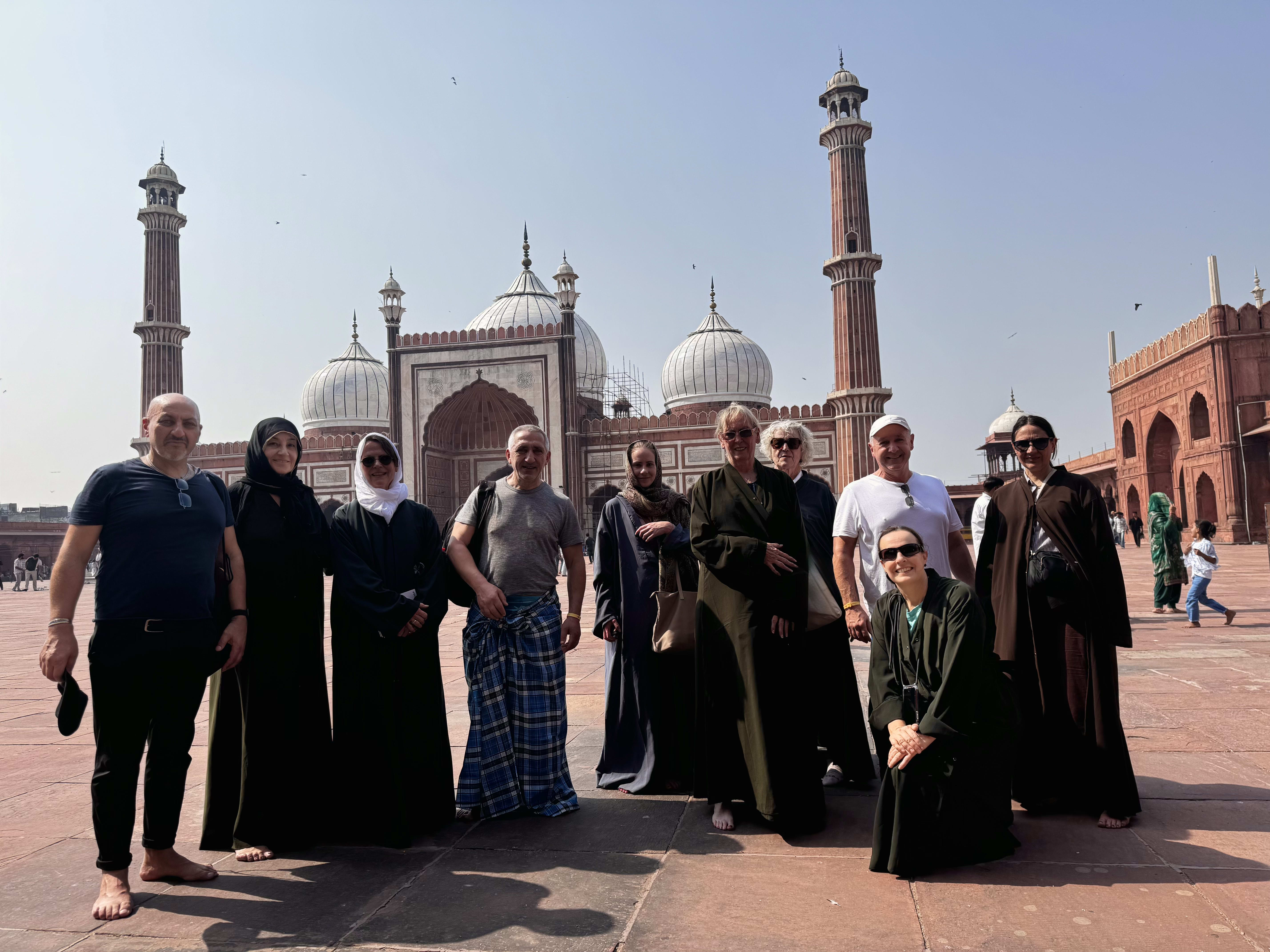
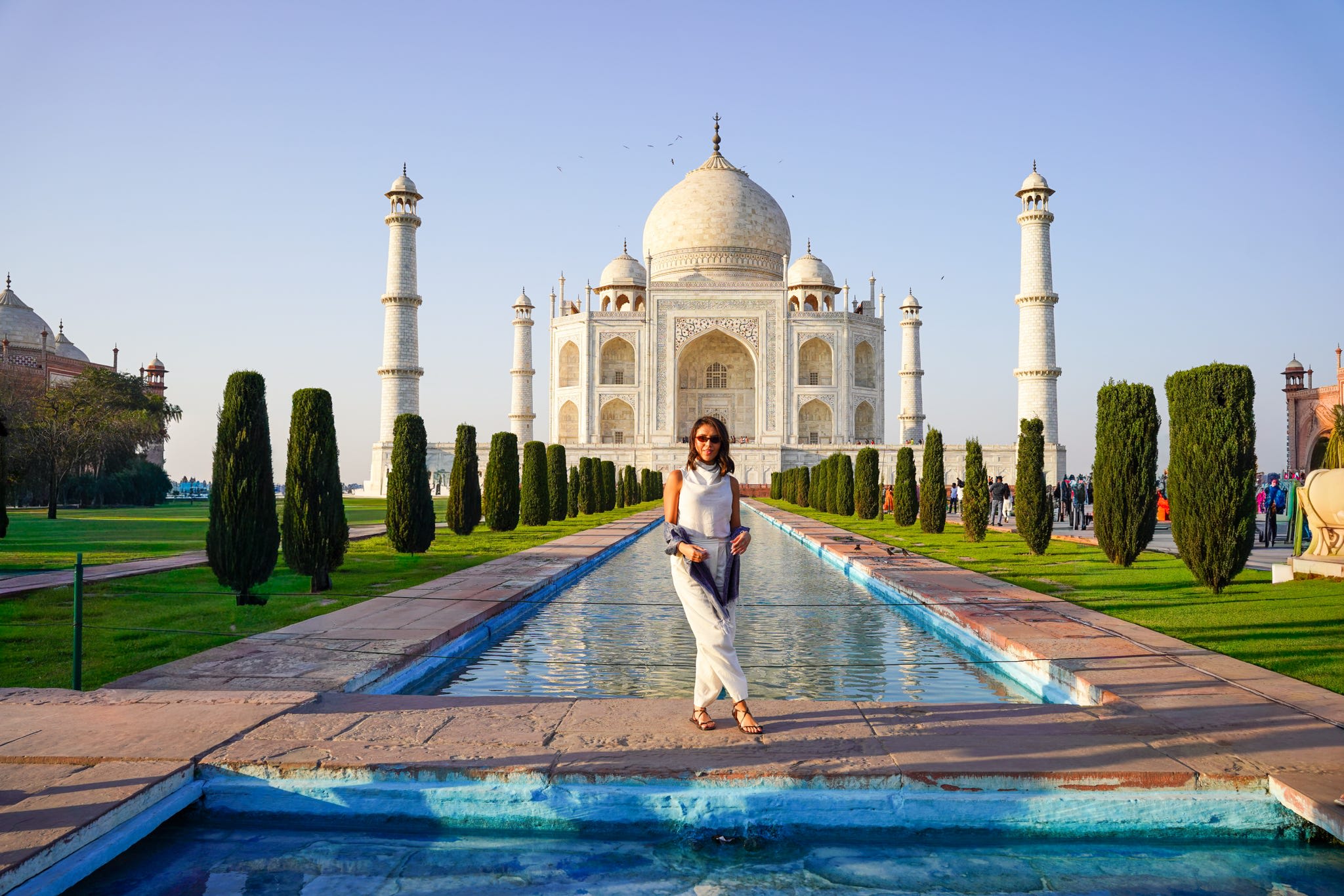
A common regret is flying all the way to India just for a retreat and seeing nothing else — or the reverse, racing through cities with no time to actually exhale. The fix is a trip that does both: culture first, wellness to finish. That's the design of our November departure, the [Golden Triangle India: Diwali & Yoga Retreat, 6–16 November 2026](/destinations/golden-triangle-diwali-yoga-nov-2026) — the Golden Triangle and Diwali's festival energy, followed by a genuine yoga-and-wellness wind-down, hosted personally by Anna, capped at 12 travellers, priced at $1,299 in USD for international guests. See it and other dates on our destinations page.
Frequently Asked Questions
Should I choose an ayurveda or yoga retreat in India?
Choose yoga if you want to feel more energised, build a practice, and enjoy a social, active atmosphere. Choose ayurveda if you want a genuine physical detox and rest, supervised by a doctor, and you have at least a week.
How long does an ayurveda retreat need to be?
For real results, plan on 7–14 days — a proper panchakarma cleanse in particular needs time. Shorter three- or four-day stays give you a taste but not the full reset.
Are these retreats suitable for complete beginners?
Yes. Reputable retreats expect beginners and adapt to your level — gentle yoga classes on one side, a doctor tailoring your ayurveda programme on the other.
Can I combine yoga and ayurveda in one trip?
Absolutely, and many first-timers do. Plenty of programmes blend daily yoga with ayurvedic meals and a few treatments, which balances energy with rest.
Ready to Reset in India?
If culture followed by a real wellness wind-down sounds like your kind of trip, our [Golden Triangle India: Diwali & Yoga Retreat, 6–16 November 2026](/destinations/golden-triangle-diwali-yoga-nov-2026) brings both together — small group, hosted by Anna, priced in USD for international travellers. Browse other dates on the destinations page.
Keep reading
More guides to help you plan the same trip.
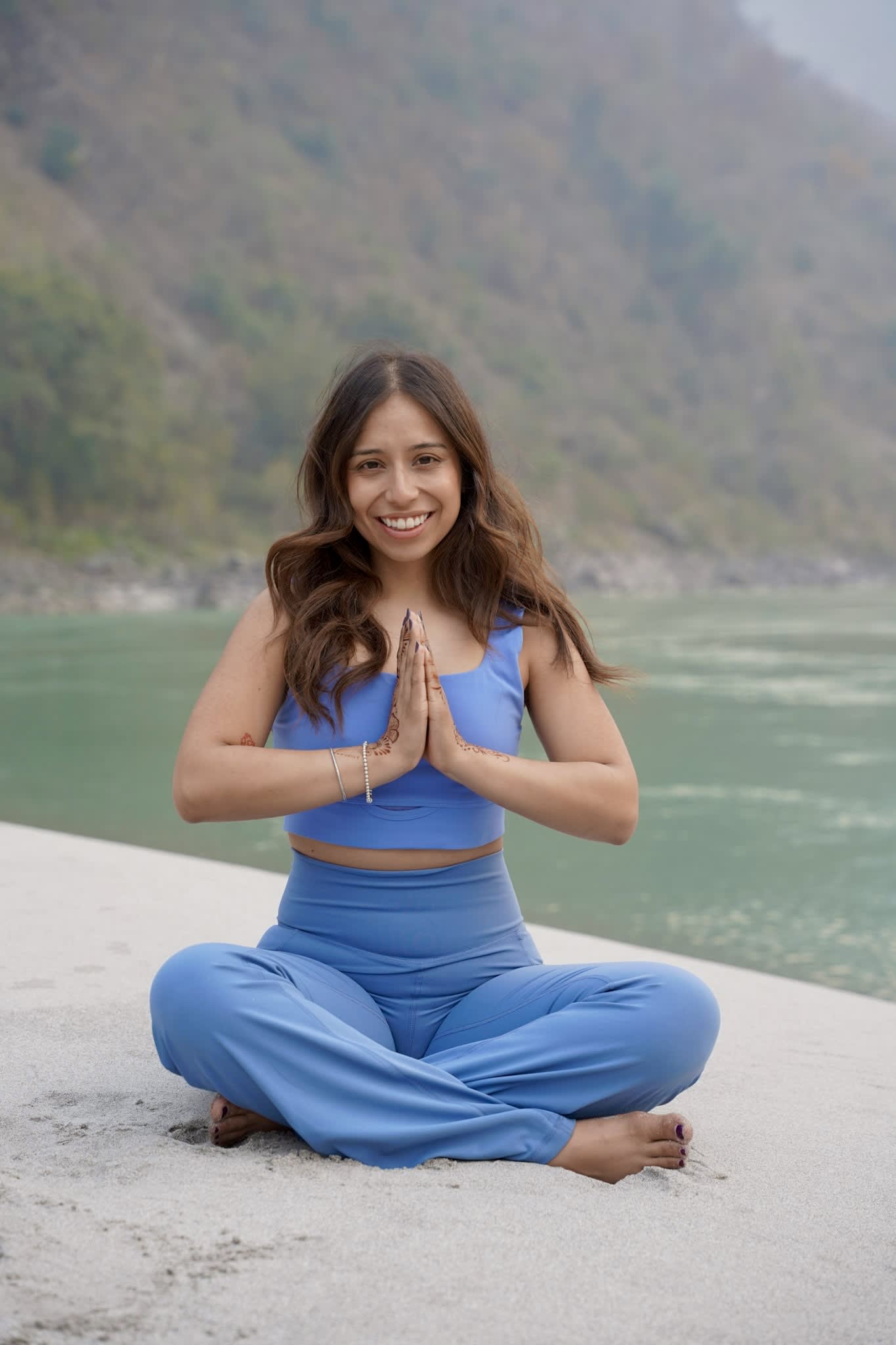
Wellness Retreats in India: Yoga, Ayurveda & Reset
From yoga and Ayurveda to meditation by the Ganges — how to plan an India wellness trip that actually leaves you restored.
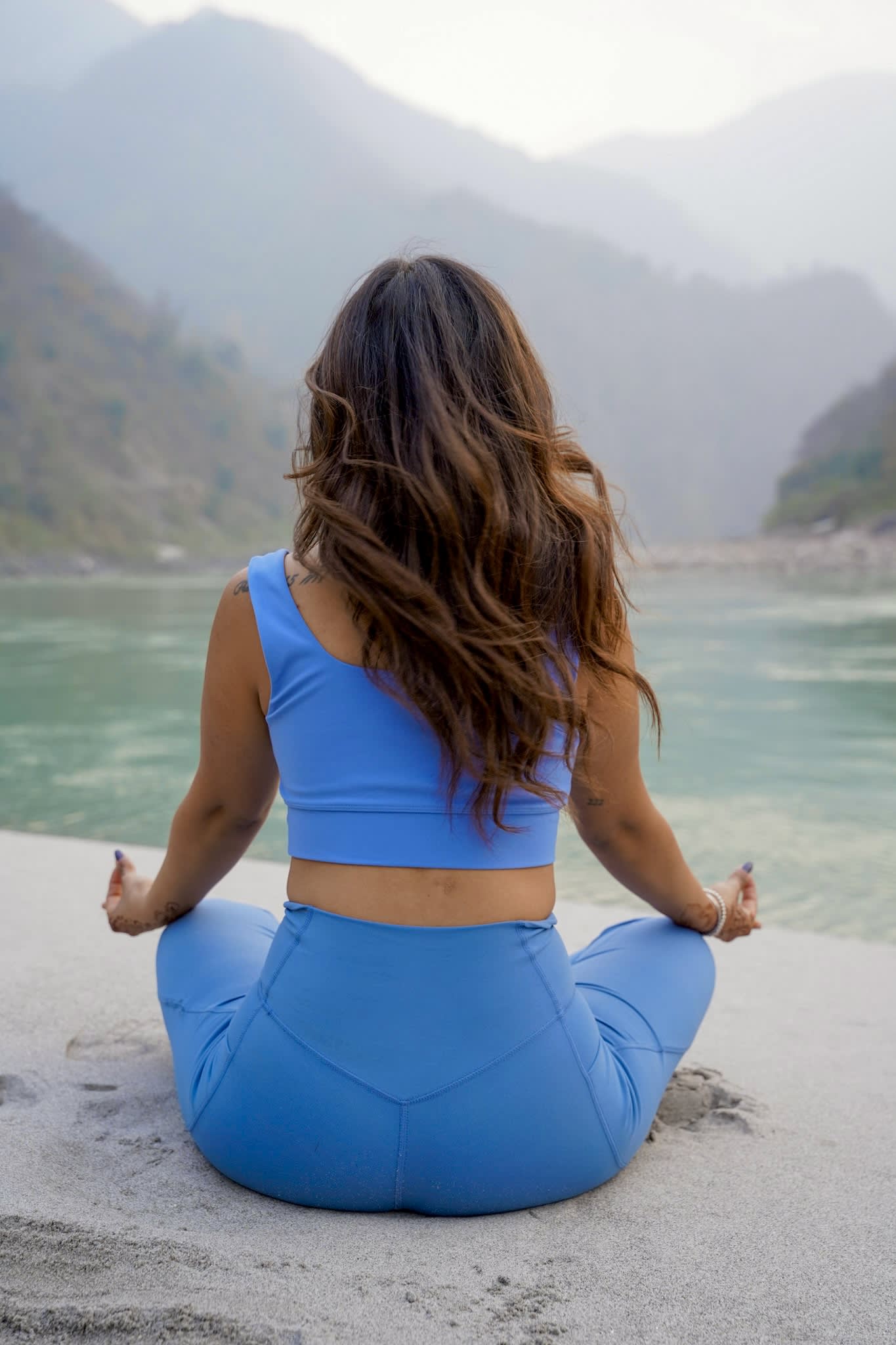
Ayurveda for Beginners: A First-Timer's Guide in India
Your first Ayurveda retreat in India, explained simply: what the treatments involve, what a day looks like, what it costs and what to pack.
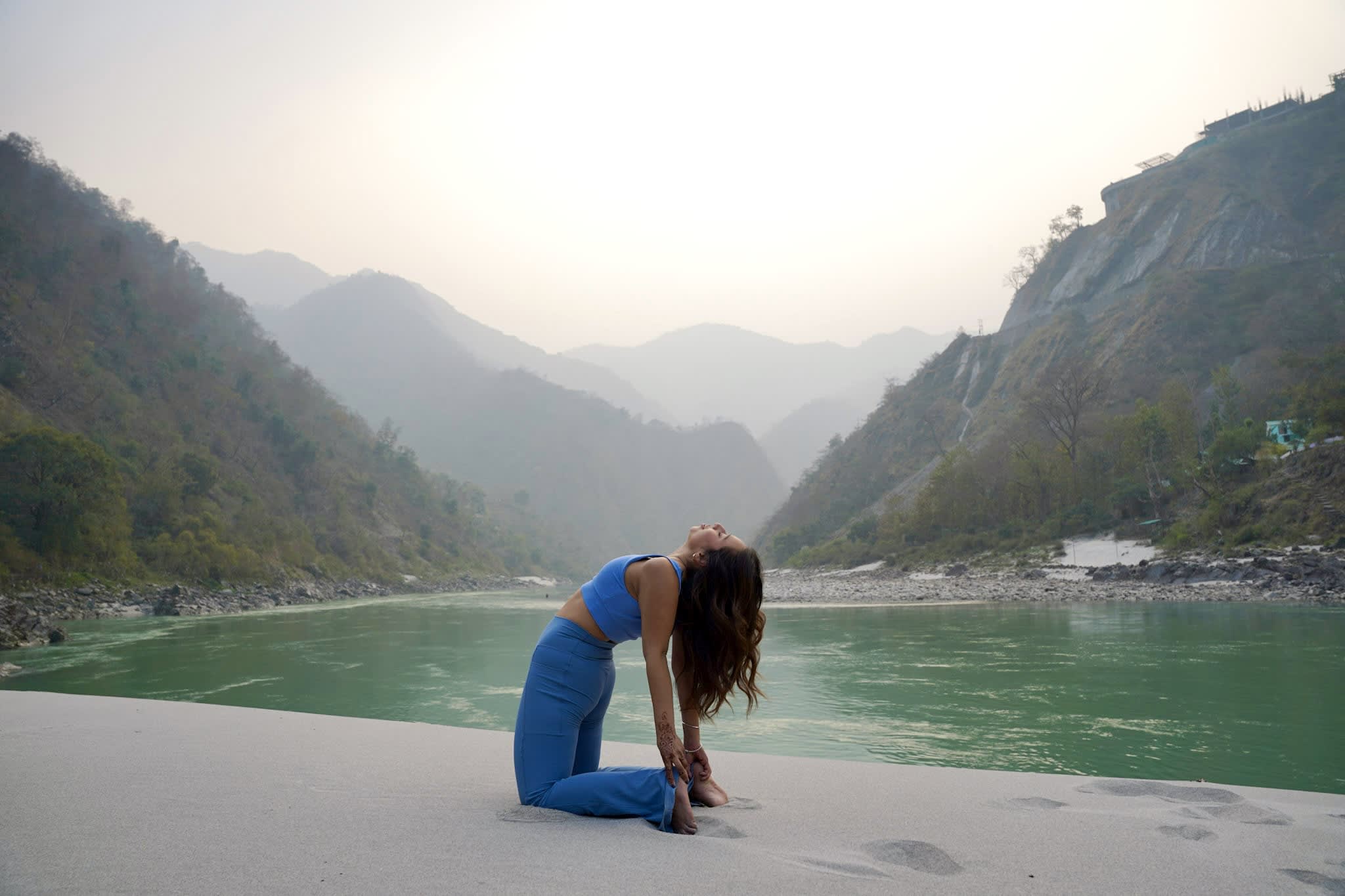
A Beginner's Guide to a Yoga Retreat in India
What a yoga retreat in India actually involves, what to expect as a complete beginner, and how to choose one that suits you.
How Much Does a Yoga Retreat in Rishikesh Cost?
A clear, honest breakdown of yoga retreat Rishikesh cost, from budget ashrams to small-group trips, so you can budget in USD before you book.
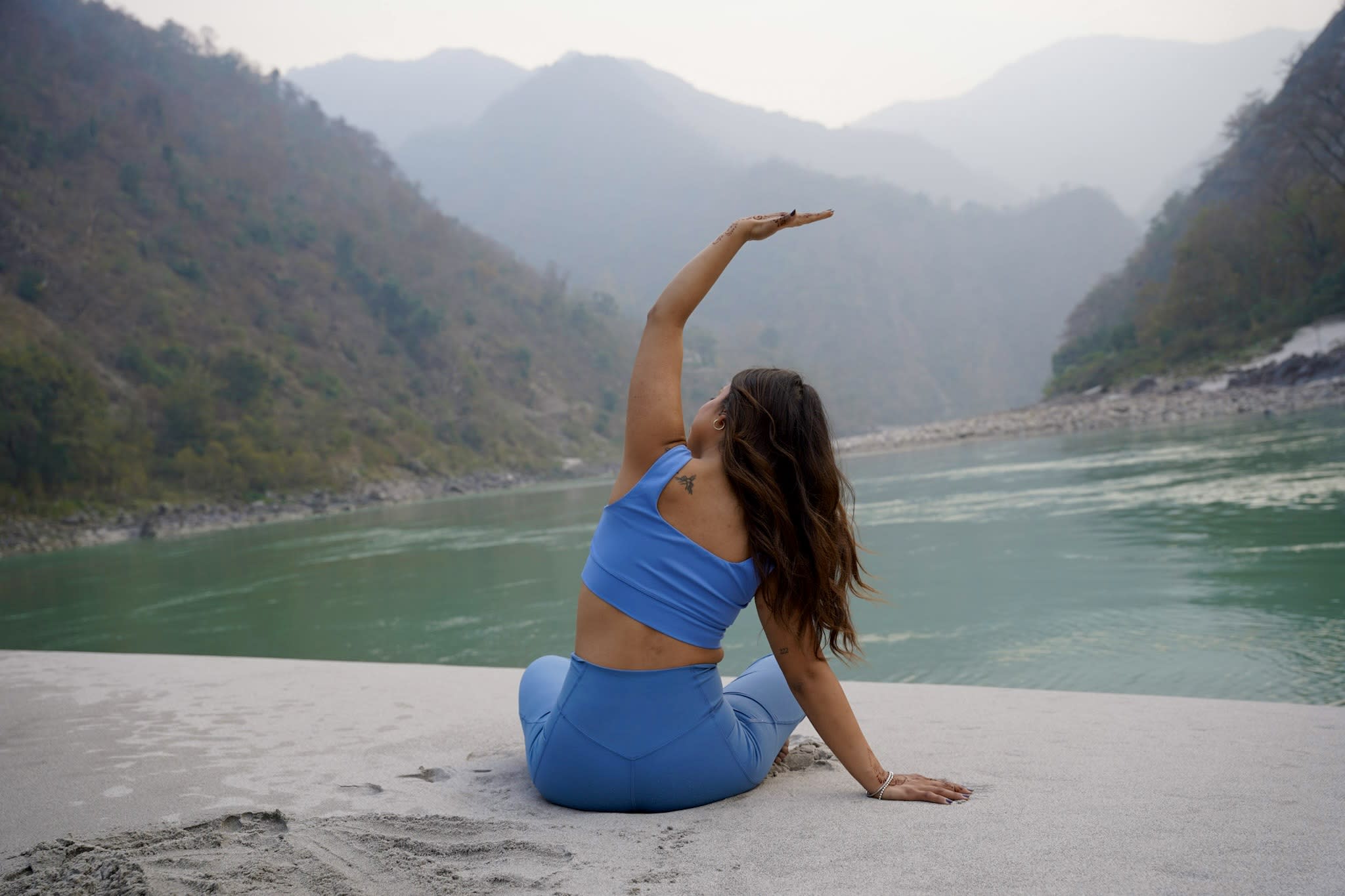
Rishikesh vs Goa for Yoga: Which Should You Choose?
Deciding between Rishikesh or Goa for yoga? Here's an honest comparison of both to help international travellers pick the right fit.
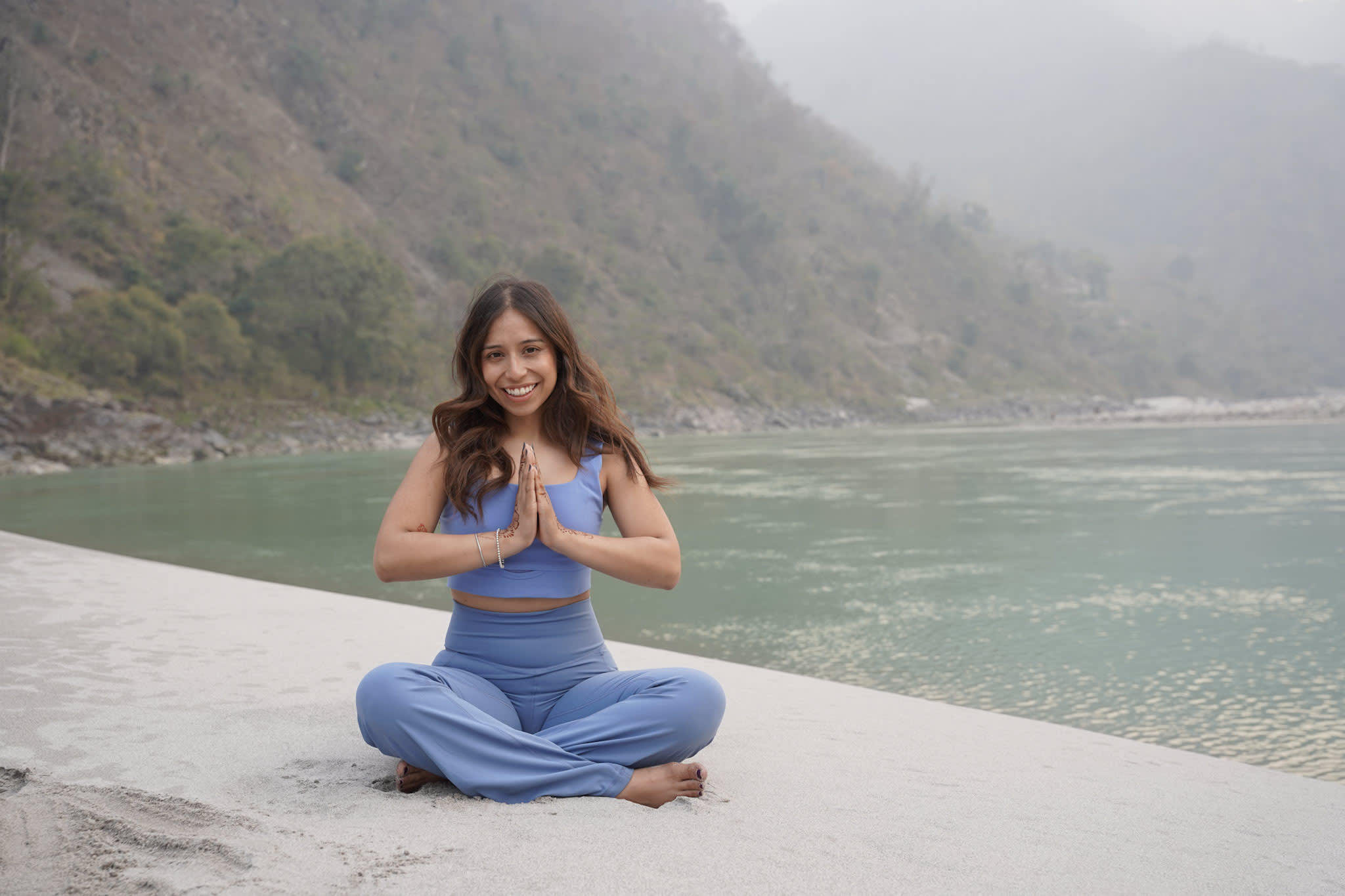
A Wellness Weekend from Delhi: Where to Reset
The best wellness weekend from Delhi — where to go for yoga, Ayurveda, or mountain air, how far each is, and how to reset in two or three days.