200-Hour Yoga Teacher Training in Rishikesh: What to Know
What a 200-hour yoga teacher training in Rishikesh actually involves, what it costs in USD, and how to pick a school that won't burn you out.
On this page
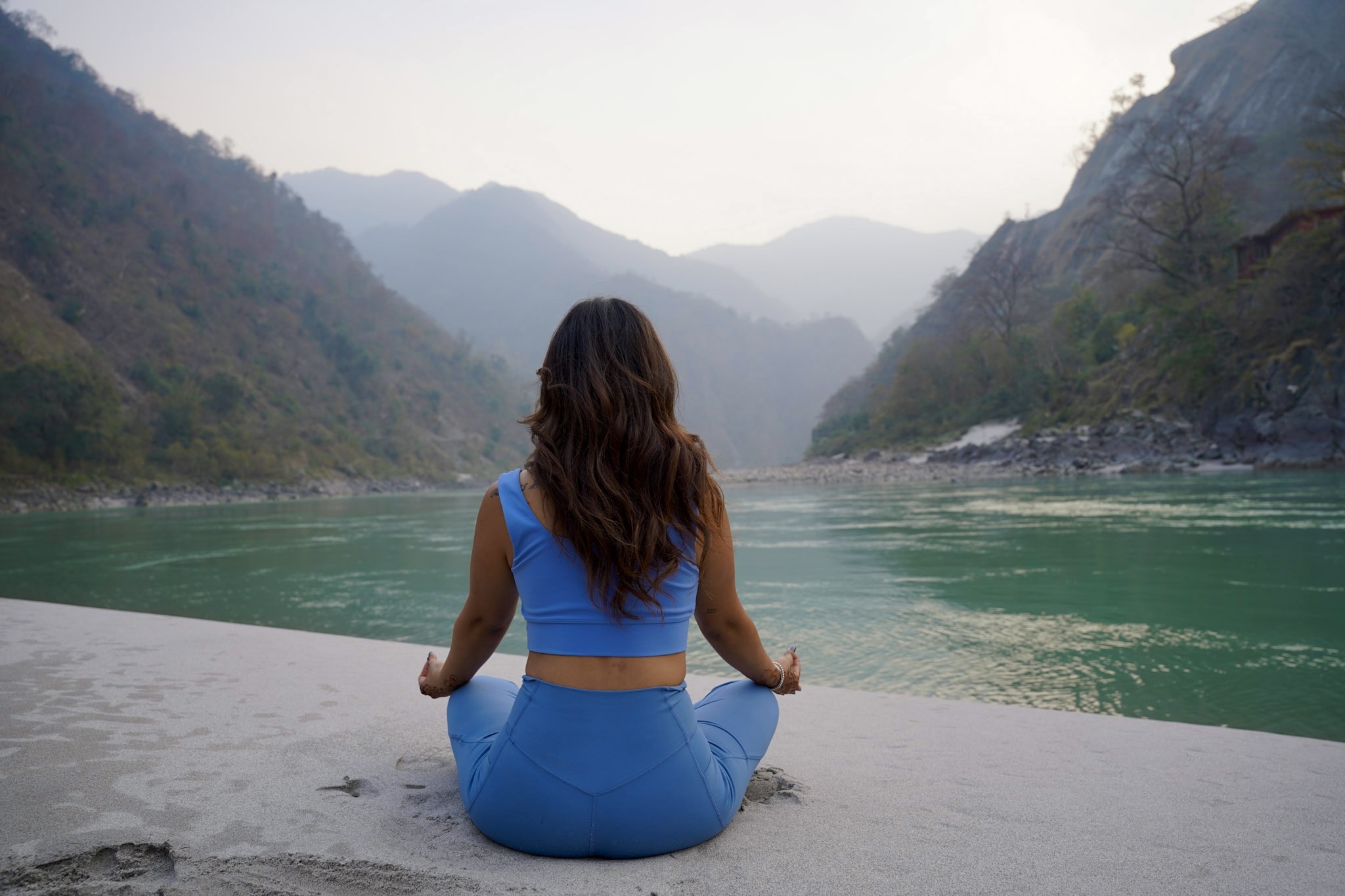
If you've been practising for a couple of years and keep hearing "just do it in Rishikesh," you're not wrong to be curious — a yoga teacher training rishikesh program is one of the most common ways international students get their first certification, and the town genuinely earns the reputation. But not every school delivers what its website promises, and 200 hours is a lot of time and money to spend somewhere that turns out to be a diploma mill. This guide covers what the training actually involves, what it costs, and how to tell a solid program from a rushed one.
Quick answer: a proper 200-hour YTT in Rishikesh runs 21-28 days, costs roughly $900-$1,800 including shared accommodation and meals, and should be Yoga Alliance registered — anything shorter or dramatically cheaper is usually cutting corners on hours or teacher quality.
What a 200-Hour Training Actually Covers
Yoga Alliance's 200-hour standard (the baseline most Western studios recognise when they hire) requires a mix of:
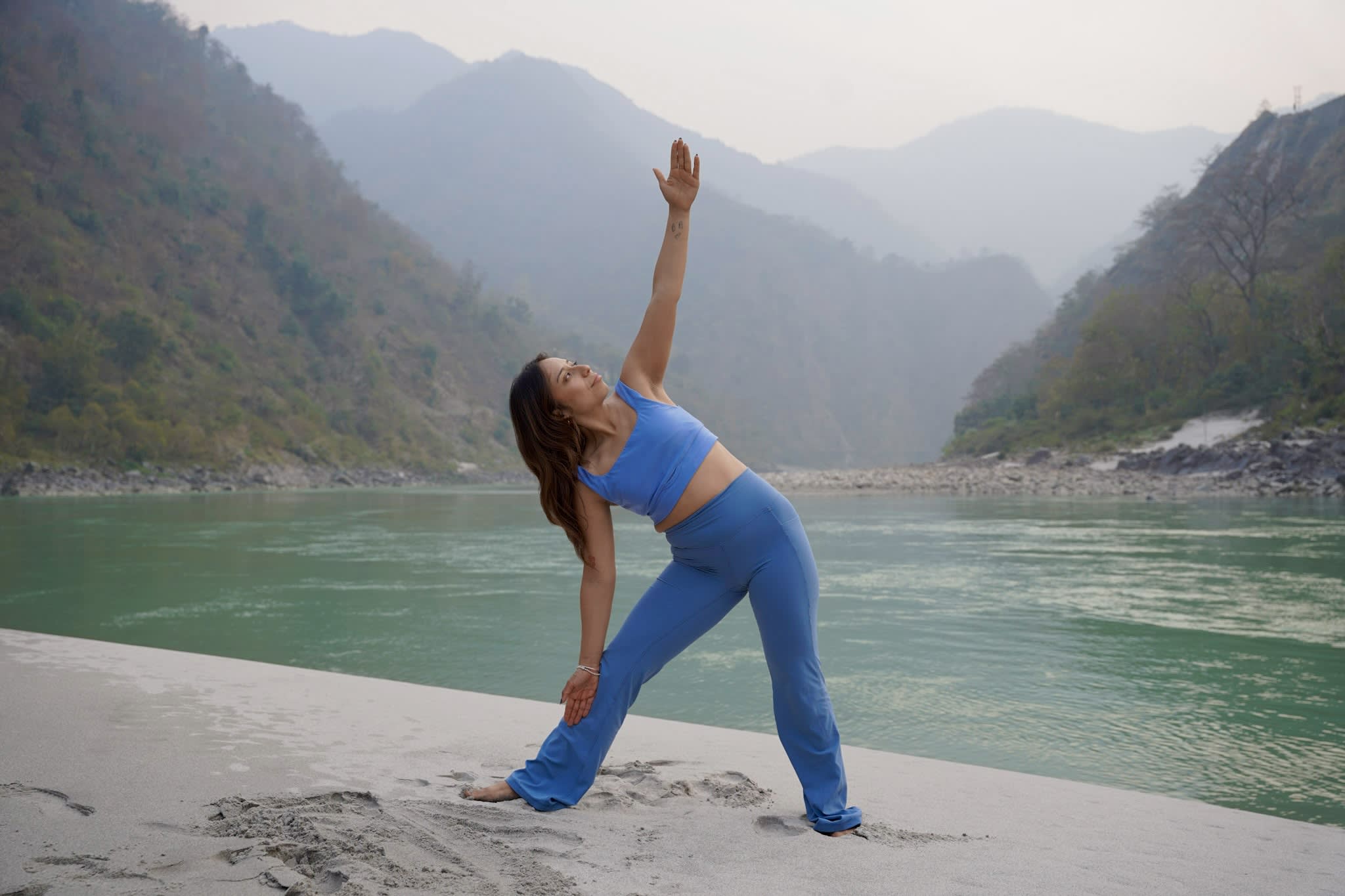
- Asana practice and alignment — usually 2-3 hours a day, split between a strong Hatha or Vinyasa flow and slower alignment-focused sessions.
- Teaching methodology — how to sequence a class, cue safely, and adjust students hands-on and verbally.
- Anatomy and physiology — enough to understand joint mechanics and common injuries, not a medical degree.
- Philosophy and yoga history — readings from the Yoga Sutras and Bhagavad Gita, usually taught as discussion rather than lecture.
- Pranayama and meditation — breathwork techniques and at least some seated meditation practice daily.
- A practicum — you'll teach short segments to your cohort, which is where most people's confidence actually shifts.
If a school's schedule shows mostly asana with a token hour of "philosophy" tacked on, that's a red flag — it's asana bootcamp, not teacher training.
How to Choose a School
This is the part most students get wrong, because every Rishikesh school's website looks identical (river views, "authentic Himalayan wisdom," five-star testimonials). Some things that actually matter:
- Yoga Alliance registration (RYS 200) — verify it directly on Yoga Alliance's site, don't take the school's word for it.
- Lead teacher credentials and tenure — ask how long the specific teacher (not the school) has been teaching, and whether they'll be present for the whole course or rotate out.
- Class size — some schools cram 40+ students into one hall; you won't get corrected on your alignment in a room that size.
- What "included" actually means — accommodation, three meals a day, and study materials should be standard; airport transfer and excursions often aren't.
- Reviews outside the school's own site — Google reviews and yoga-specific forums tend to be more candid than curated testimonials.
If a fully guided introduction to Rishikesh (and to yoga generally) feels like a gentler starting point before committing to a full TTC, our beginner's guide to yoga retreats in Rishikesh is a good first step, and how many days in Rishikesh is worth reading before you commit to a full month away.
Cost and What Drives It
Expect to pay:
- $900-$1,200 for a basic school with shared dorm-style rooms and simple vegetarian meals.
- $1,300-$1,800 for a mid-range program with private or twin rooms and a smaller cohort.
- $2,000+ for boutique programs with named senior teachers, single rooms, and extra Ayurveda add-ons.
The number that moves the price most isn't the certification itself — it's accommodation and group size. A related question worth checking before you book is how these numbers compare to a standard retreat rather than a certification course; our yoga retreat Rishikesh cost breakdown covers that split in detail.
Best Time of Year to Go
Rishikesh's climate genuinely shapes how the training feels, not just the sightseeing around it:
- October to March is peak season — cooler days, clear Himalayan air, and the town at its most lively (this overlaps with Diwali celebrations most years, which we cover in our Diwali festival of lights guide).
- April to June gets hot and dry — manageable for training but less pleasant for the sightseeing days off.
- July to September is monsoon — some schools close, and river levels rise, so double-check operating dates.
For a broader seasonal comparison, see best time to visit Rishikesh.
Before and After the Training
A 200-hour course is intense and most students want a few days either side of it to decompress or explore. Pairing the training with a short Golden Triangle loop (Delhi, Agra, Jaipur) before or after is common, since flights into Delhi are usually the cheapest way in from the US, UK, or Australia. If you'd rather not build that logistics puzzle yourself, our small-group Golden Triangle & Diwali Yoga trip bundles a Rishikesh yoga component with the classic sights and a fixed host, Anna, handling transfers and translation the whole way — useful if a full solo TTC feels like more commitment than you want on a first trip to India. You can browse all our upcoming small-group departures on the destinations page.
Frequently Asked Questions
Is a 200-hour YTT in Rishikesh worth it for a total beginner?
It's doable, but most schools expect at least six months to a year of regular practice beforehand so you're not learning basic poses and teaching methodology simultaneously. If you're newer to yoga, a shorter guided retreat first is usually a better use of your time and money.
Do I need a visa for a month-long yoga course in India?
Yes — most international students use India's e-Visa, which covers tourism-adjacent stays like a YTT. Apply at least a few weeks ahead; our India e-visa guide walks through the process step by step.
Will a Rishikesh 200-hour certification let me teach anywhere?
A Yoga Alliance RYS 200 certification is recognised internationally by most studios and gyms, but some countries or insurance providers have their own additional requirements, so it's worth checking locally before you commit to a specific school.
How many hours a day is the actual schedule?
Most programs run 6-8 hours of structured training a day across six days a week, often starting before sunrise with pranayama or meditation. It's genuinely demanding — treat it like a job, not a holiday.
Ready to Experience Rishikesh Yourself?
If a full teacher training feels like a bigger leap than you're ready for right now, our Golden Triangle & Diwali Yoga trip is a small-group, USD-priced way to experience Rishikesh's yoga culture alongside Delhi, Agra, and Jaipur, capped at 12 travellers and personally hosted by Anna. Browse the full lineup of upcoming small-group trips on our destinations page to find the one that fits your dates.
Keep reading
More guides to help you plan the same trip.
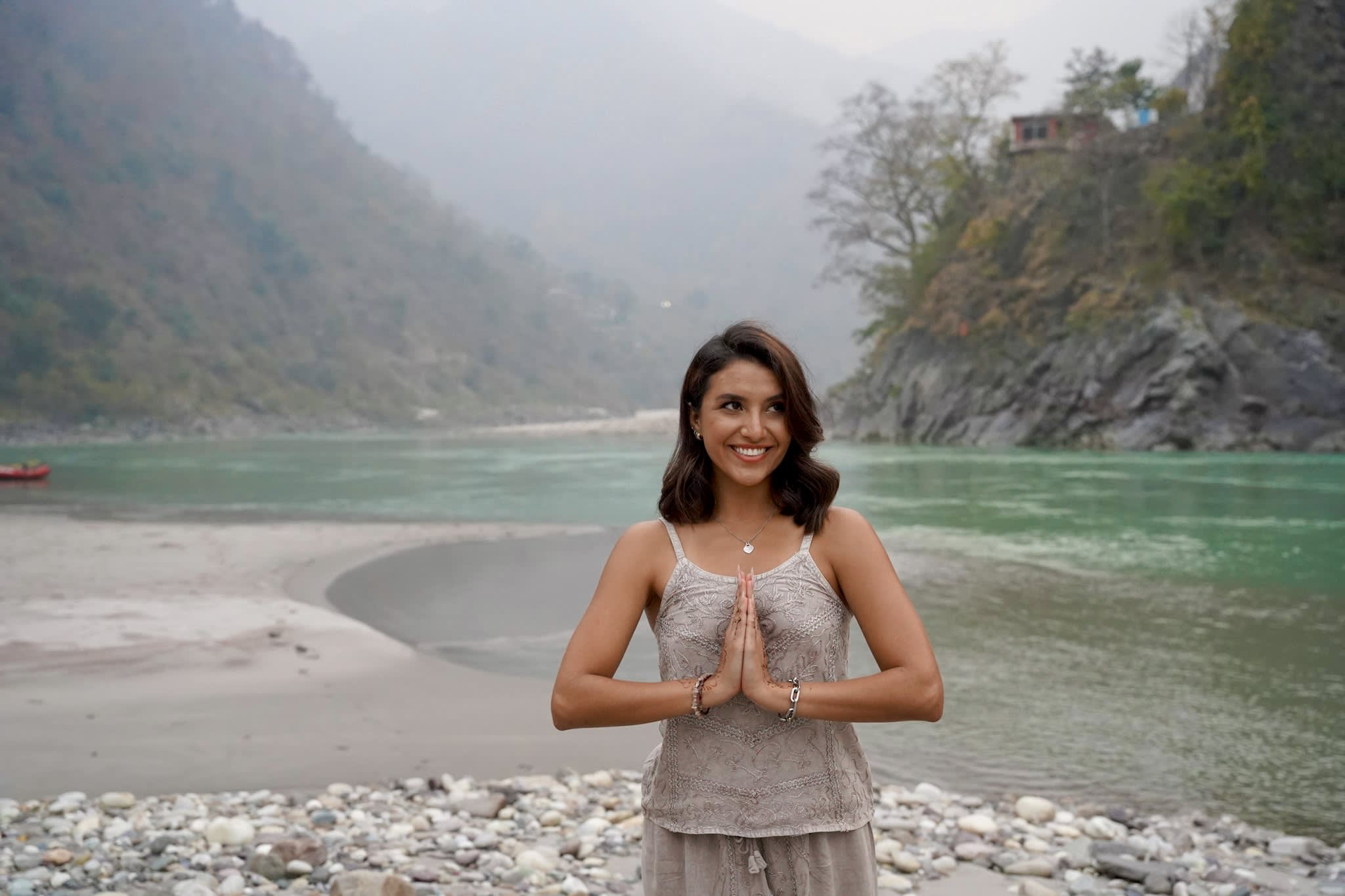
How Much Does a Yoga Retreat in Rishikesh Cost?
A clear, honest breakdown of yoga retreat Rishikesh cost, from budget ashrams to small-group trips, so you can budget in USD before you book.
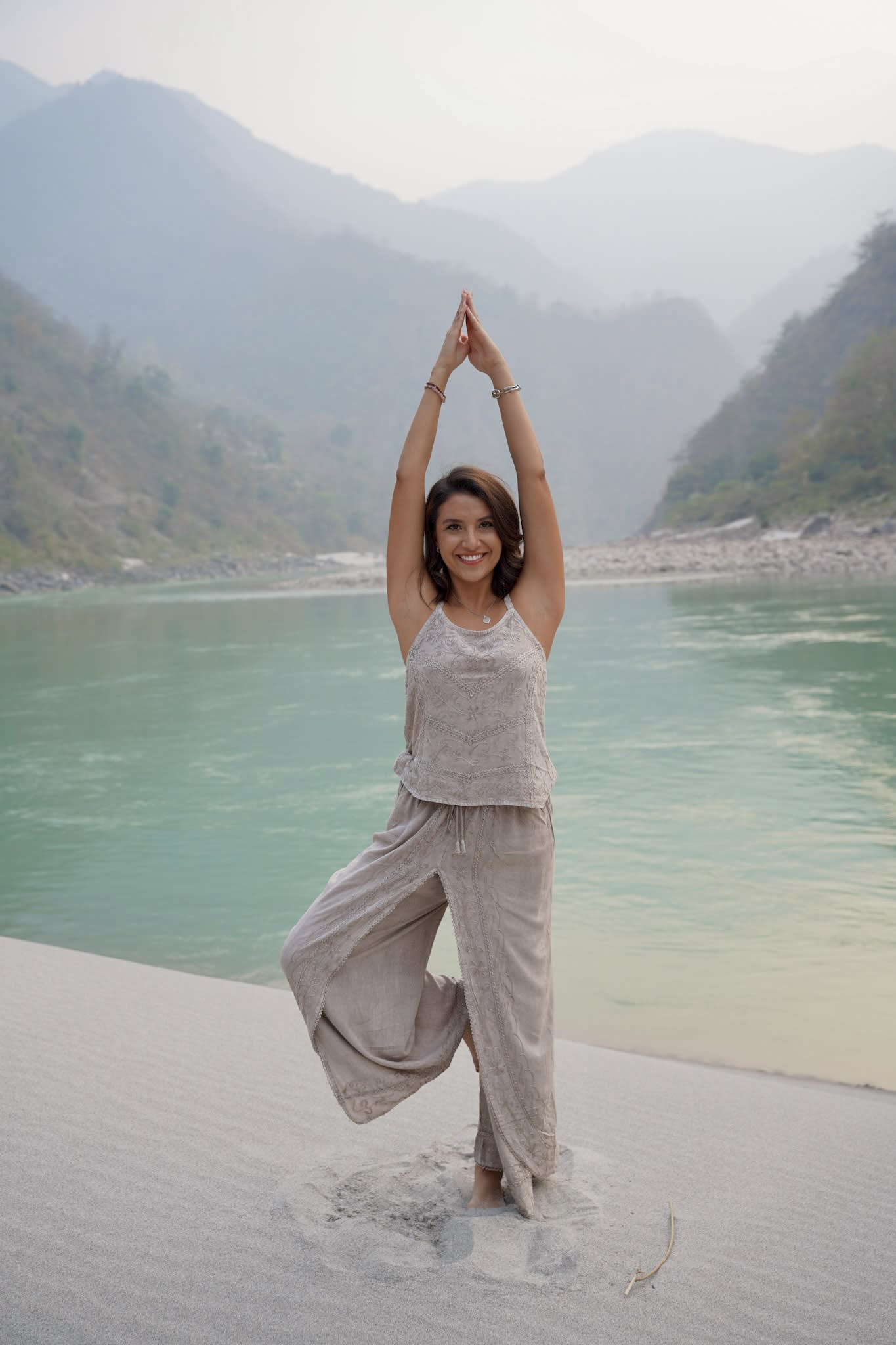
The Best Places for Yoga in India (Beyond Rishikesh)
The best places for yoga in India, from the Himalayan foothills to Mysore and the Goan coast — each region's style, season, and who it suits best.
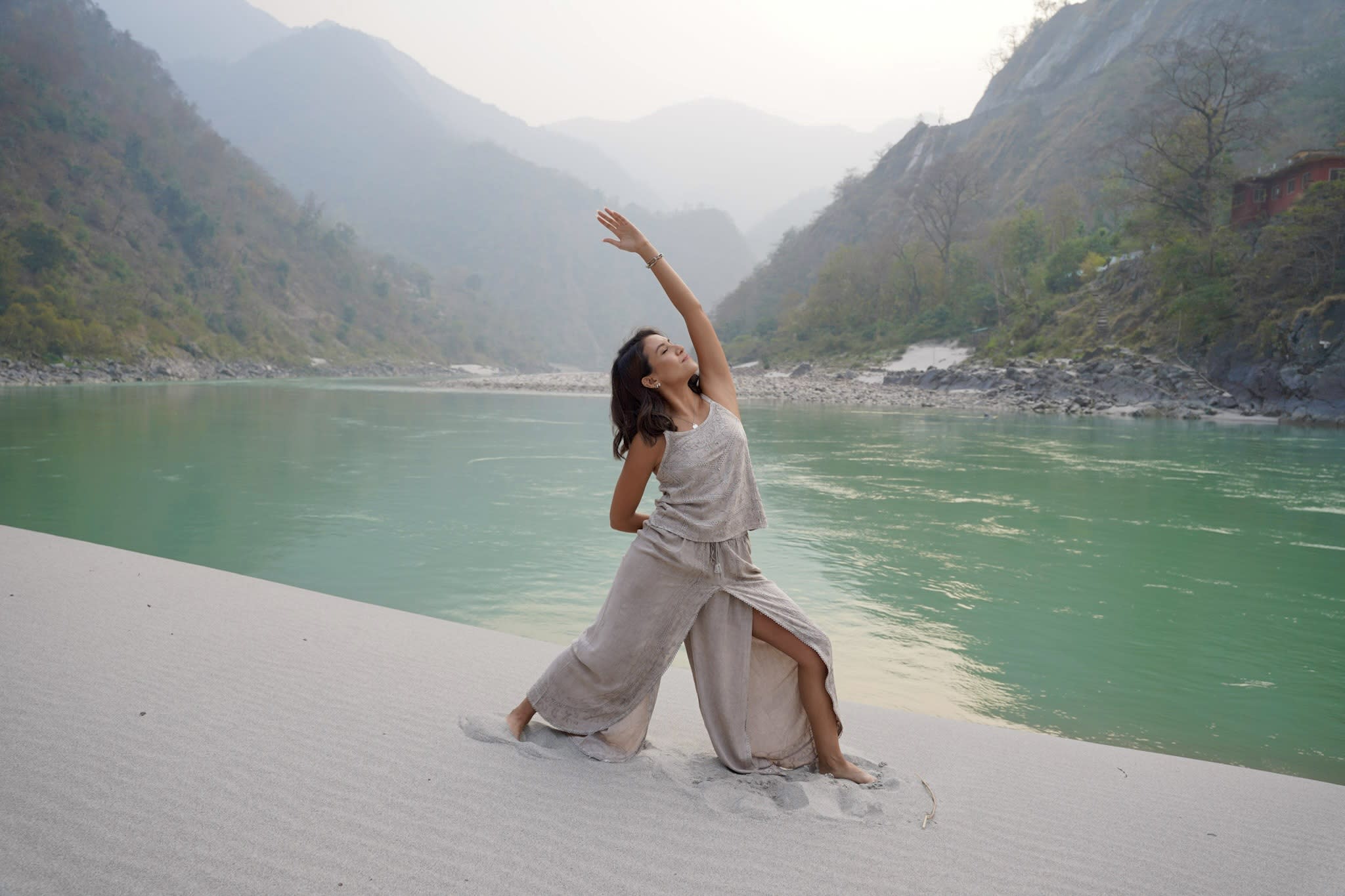
Rishikesh in Winter: Weather, Yoga & What to Pack
Rishikesh in December and January: cold mornings, warm Ganga aartis, thinner crowds and exactly what to pack.
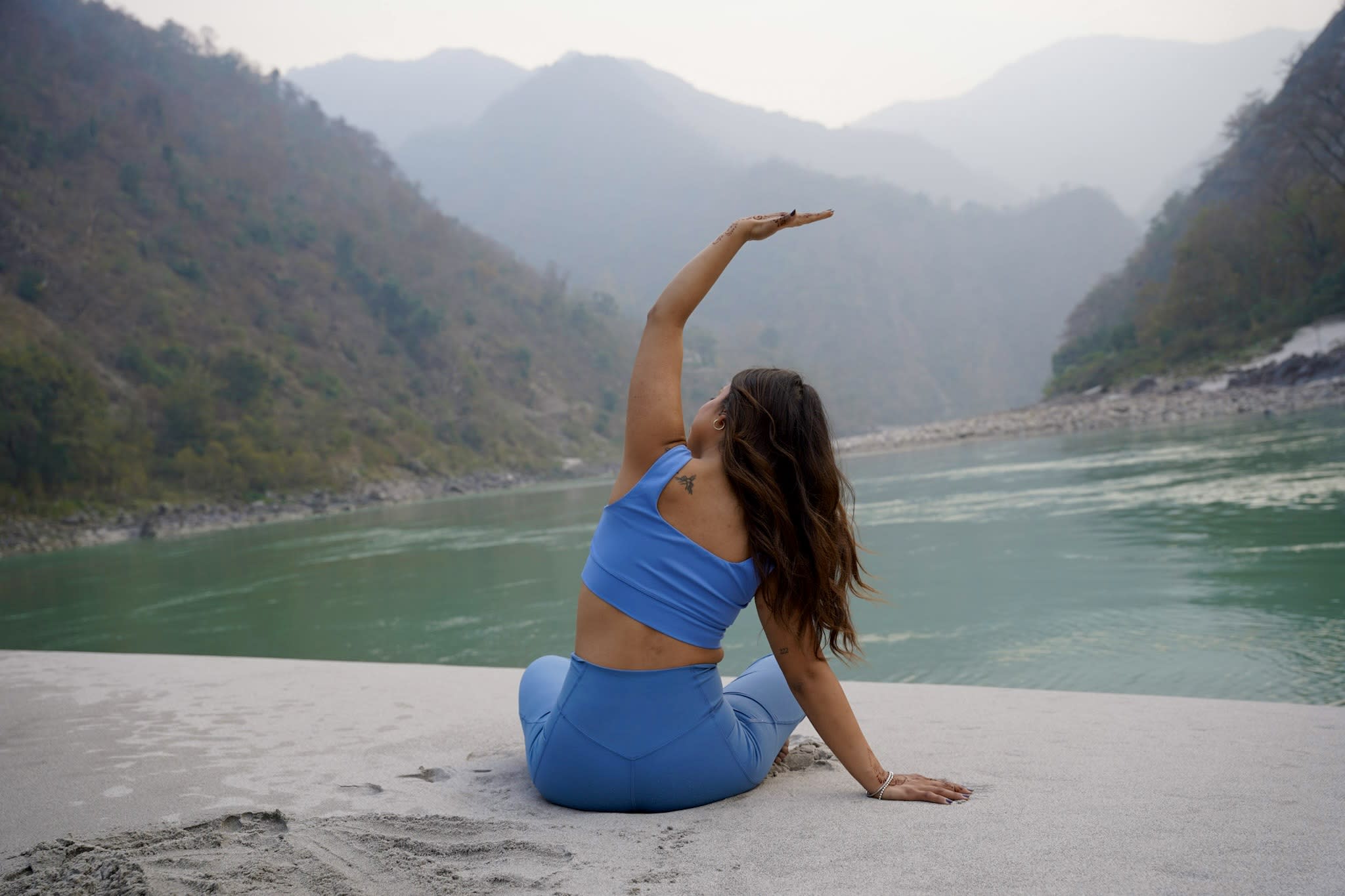
Rishikesh vs Goa for Yoga: Which Should You Choose?
Deciding between Rishikesh or Goa for yoga? Here's an honest comparison of both to help international travellers pick the right fit.
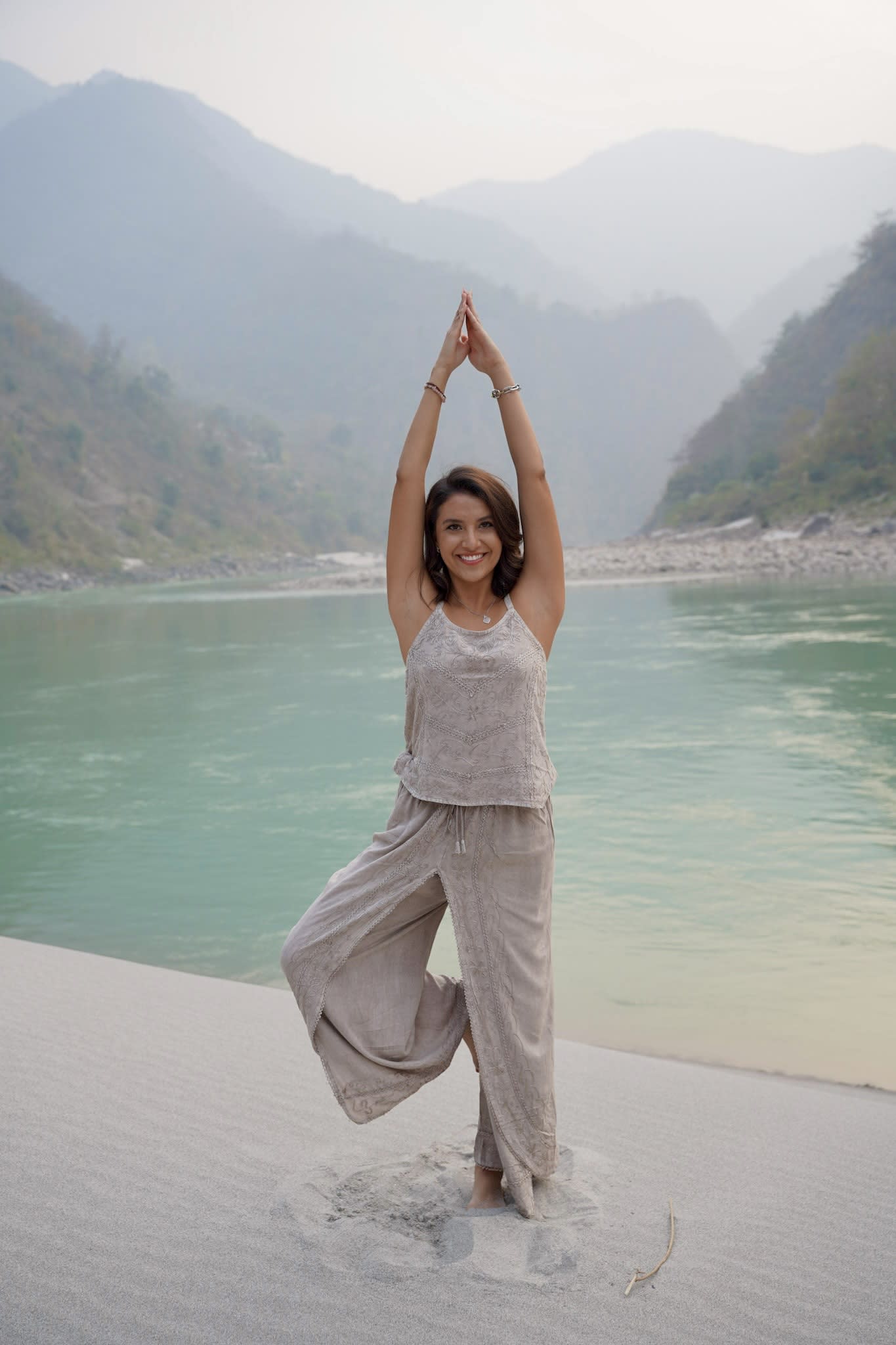
The Best Time to Visit Rishikesh for Yoga & the Ganges
Rishikesh works year-round, but the weather shapes the trip. The best months for yoga, rafting and the Ganga Aarti, month by month.
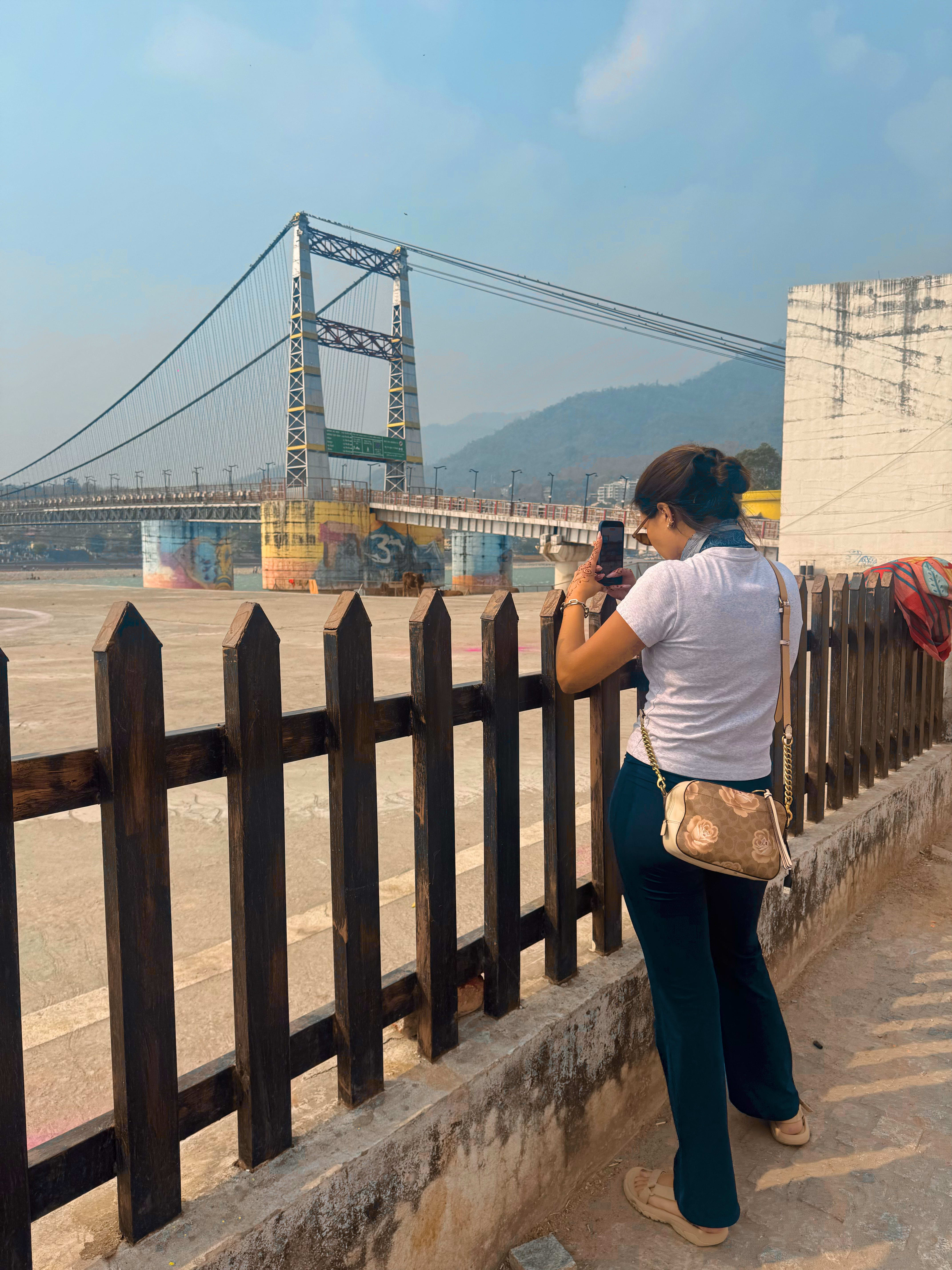
Rishikesh Travel Guide: The Yoga Capital of the World
Where the Ganges leaves the Himalayas, Rishikesh blends yoga, river, temples and calm. Everything you need to plan the trip.