First Time in India: The Complete 2026 Travel Guide
Visa, money, SIM cards, what to wear, staying healthy and where to start — the no-overwhelm primer for a first trip to India.
On this page
India rewards you like nowhere else — and it asks a little preparation in return. If it's your first time in India, this is the primer we wish every traveller read first: the essentials, sorted, without the overwhelm. Get these right and you can relax into the colour, food and warmth that make it unforgettable.
Start here: Sort your e-Visa, get travel insurance, pack modest, light clothing, grab a local SIM on arrival, carry some cash, and be relaxed but aware. That's 90% of a smooth first trip.
Visa & Passport
Citizens of 170+ countries (including the US, UK, EU, Canada, Australia) can apply for an India e-Visa online through the official government portal — do it a few days ahead, not last-minute. Your passport must be valid 6+ months beyond arrival with two blank pages.
Money
- The currency is the Indian Rupee (₹). India is still fairly cash-friendly, though UPI/cards are everywhere in cities.
- Carry some cash for small vendors, tips and rural areas; use ATMs for rupees rather than exchanging large sums.
- Tipping is customary — round up for drivers, guides and hotel staff.
Staying Connected
Grab a Jio or Airtel SIM at the airport (bring your passport and visa) or use an eSIM before you fly. Cheap data means maps, cabs and translation always work.
What to Wear
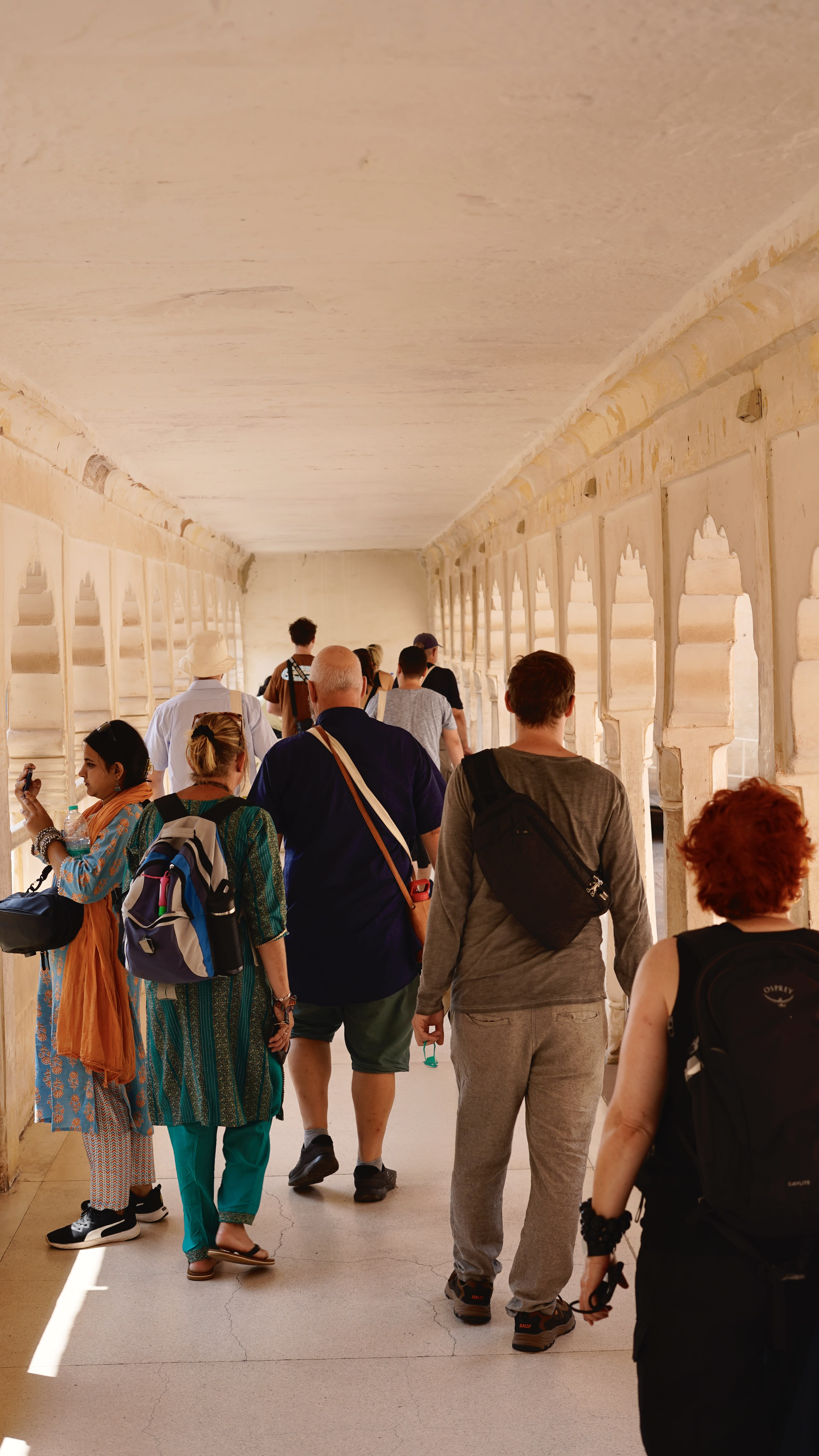
Light, breathable cotton or linen, and modest cuts — shoulders and knees covered, especially at temples. A scarf is endlessly useful. More in our dedicated India packing list.
Staying Healthy
- Drink bottled or filtered water only; skip ice you're unsure about.
- Eat busy, freshly-cooked food — street stalls with high turnover are often safest.
- Pack a small kit: rehydration salts, basic meds, hand sanitiser, tissues.
Culture & Etiquette
Remove shoes at temples and homes, use your right hand for eating and giving, ask before photographing people, and expect warmth and curiosity. A little respect is repaid many times over.
Where to Start
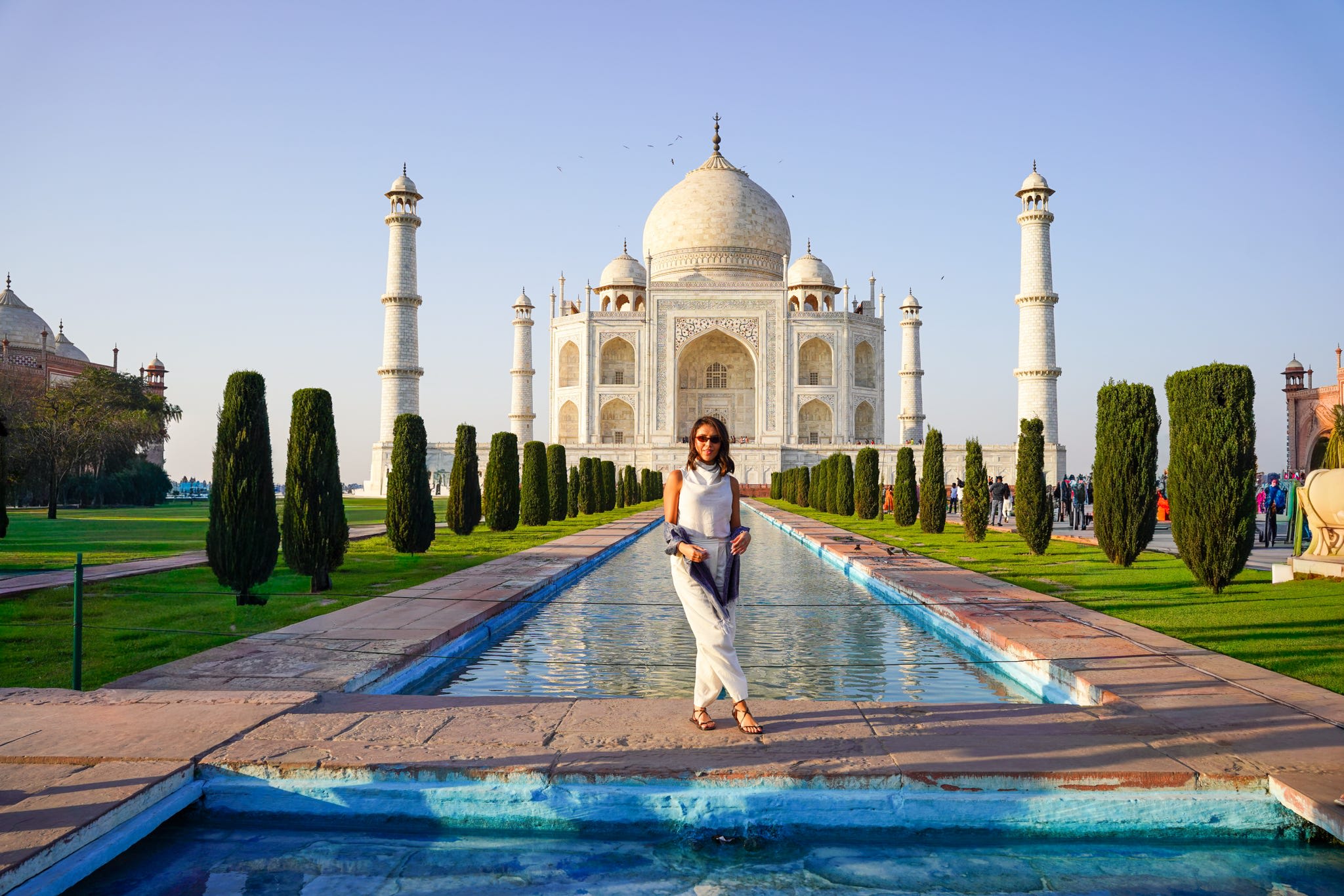
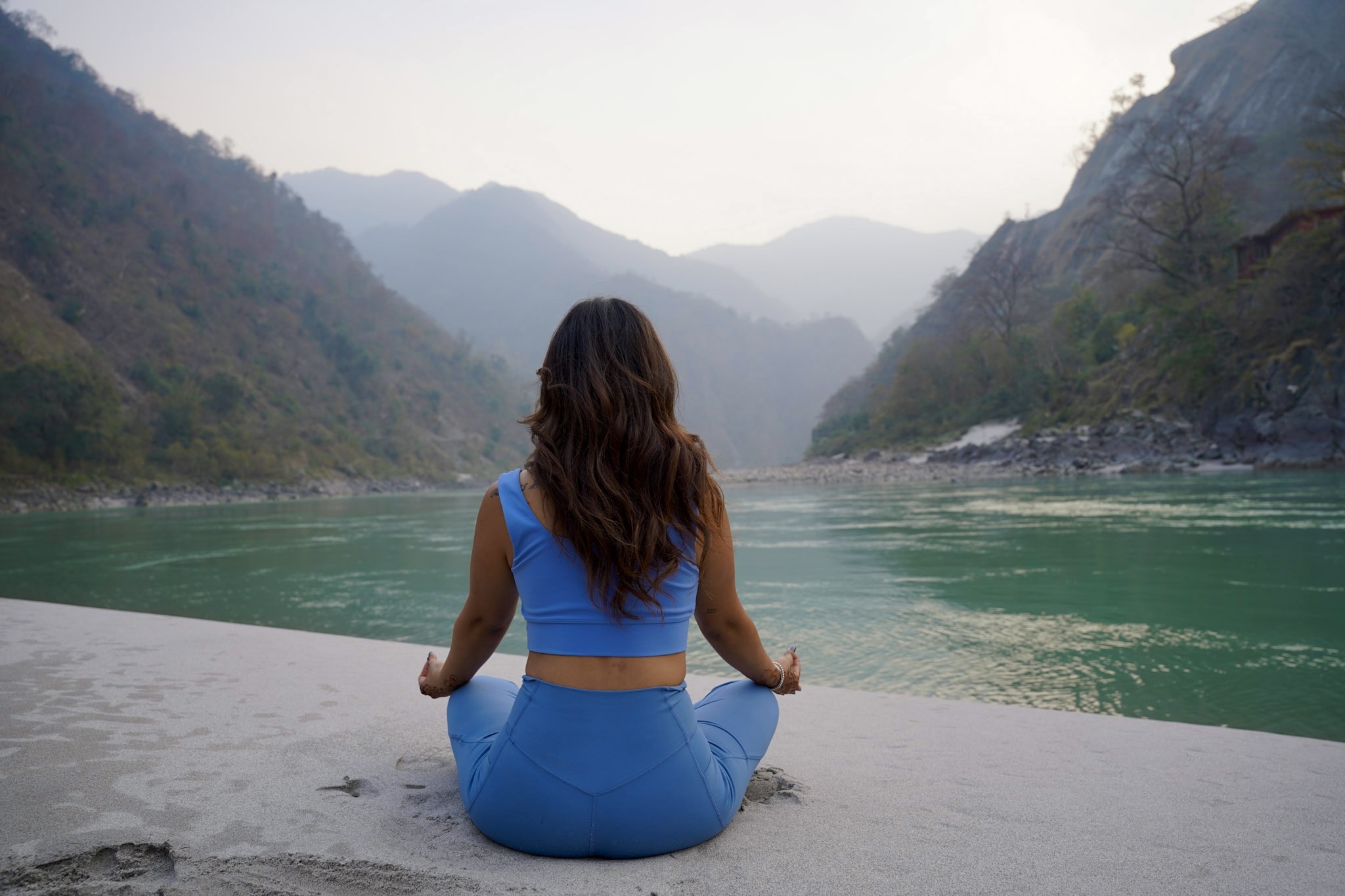
For a first trip, the Golden Triangle (Delhi–Agra–Jaipur) is the classic — iconic, well-connected and easy — ideally paired with a calmer finish in Rishikesh. See when to go, whether India is safe, and what it costs.
Frequently Asked Questions
What do I need to know before travelling to India for the first time?
Sort your e-Visa in advance, buy travel insurance, pack light modest clothing, get a local SIM on arrival, carry some cash, drink only bottled/filtered water, and travel relaxed but aware. Starting with the Golden Triangle keeps a first trip easy.
Do I need a visa to visit India?
Yes — most nationalities need a visa. Citizens of 170+ countries can apply online for an India e-Visa through the official government portal. Your passport must be valid for at least six months beyond arrival with two blank pages.
Is the tap water safe to drink in India?
No — stick to bottled or filtered water, and be cautious with ice. Eating freshly cooked food from busy places and carrying rehydration salts and basic medicines keeps most travellers perfectly well.
Where should I go on my first trip to India?
The Golden Triangle — Delhi, Agra and Jaipur — is the ideal first trip: iconic sights, great infrastructure and English-speaking guides. Adding Rishikesh gives a calm, spiritual counterpoint to the cities.
Make Your First Trip Easy
Let us handle the logistics so you can enjoy the magic. See our upcoming departures or the beginner-friendly Golden Triangle Diwali & Yoga Retreat (11 days, from $1,299).
Keep reading
More guides to help you plan the same trip.
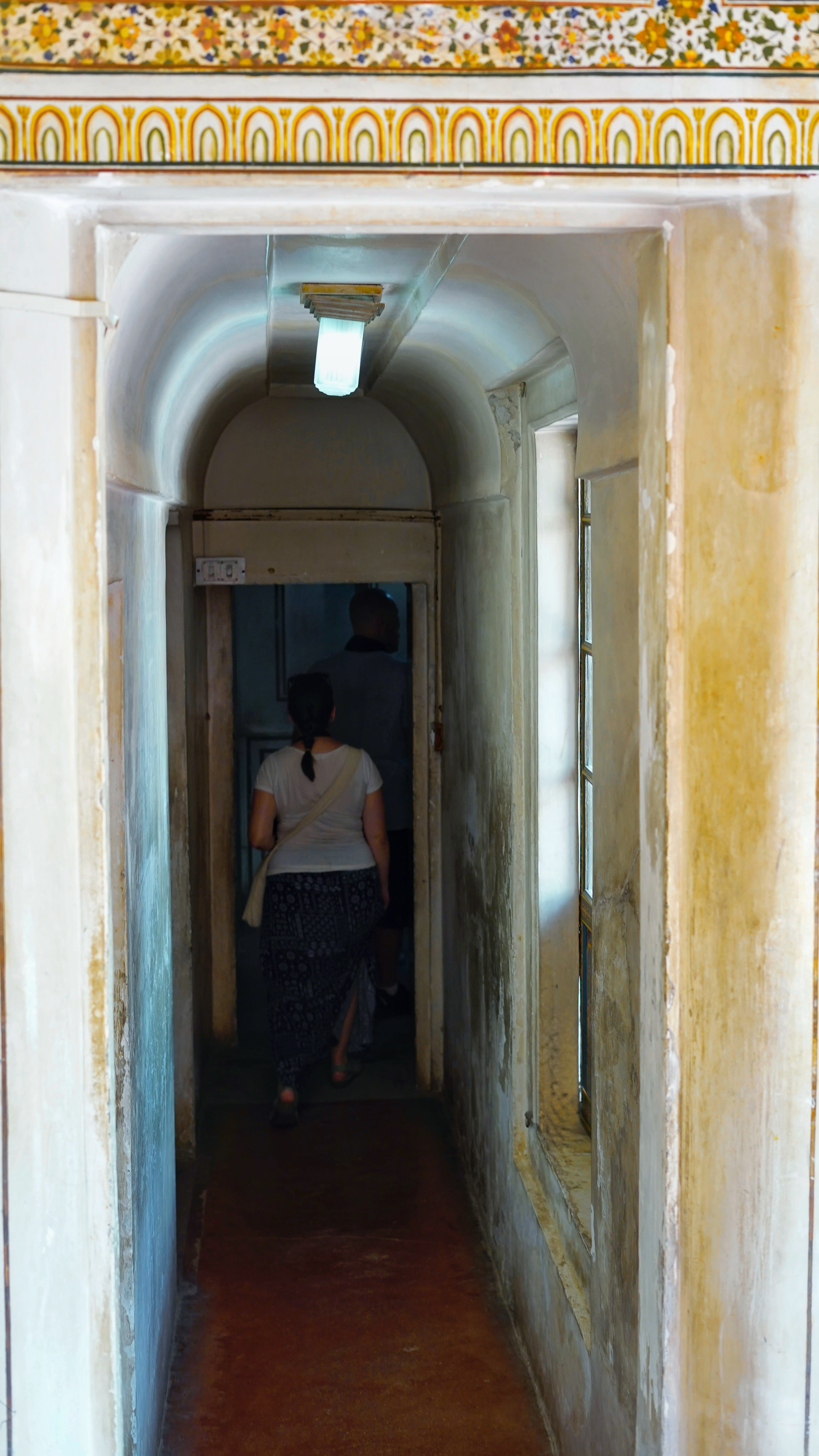
Your First Trip to India: What to Really Expect
A warm, honest guide to what to expect on your first trip to India — the arrival, the surprises, the real challenges, and how to enjoy it from day one.
Mumbai Travel Guide for First-Time Visitors
Mumbai for US, UK and Europe travellers: the big sights, colonial architecture, street food, safety, and how many days you need.
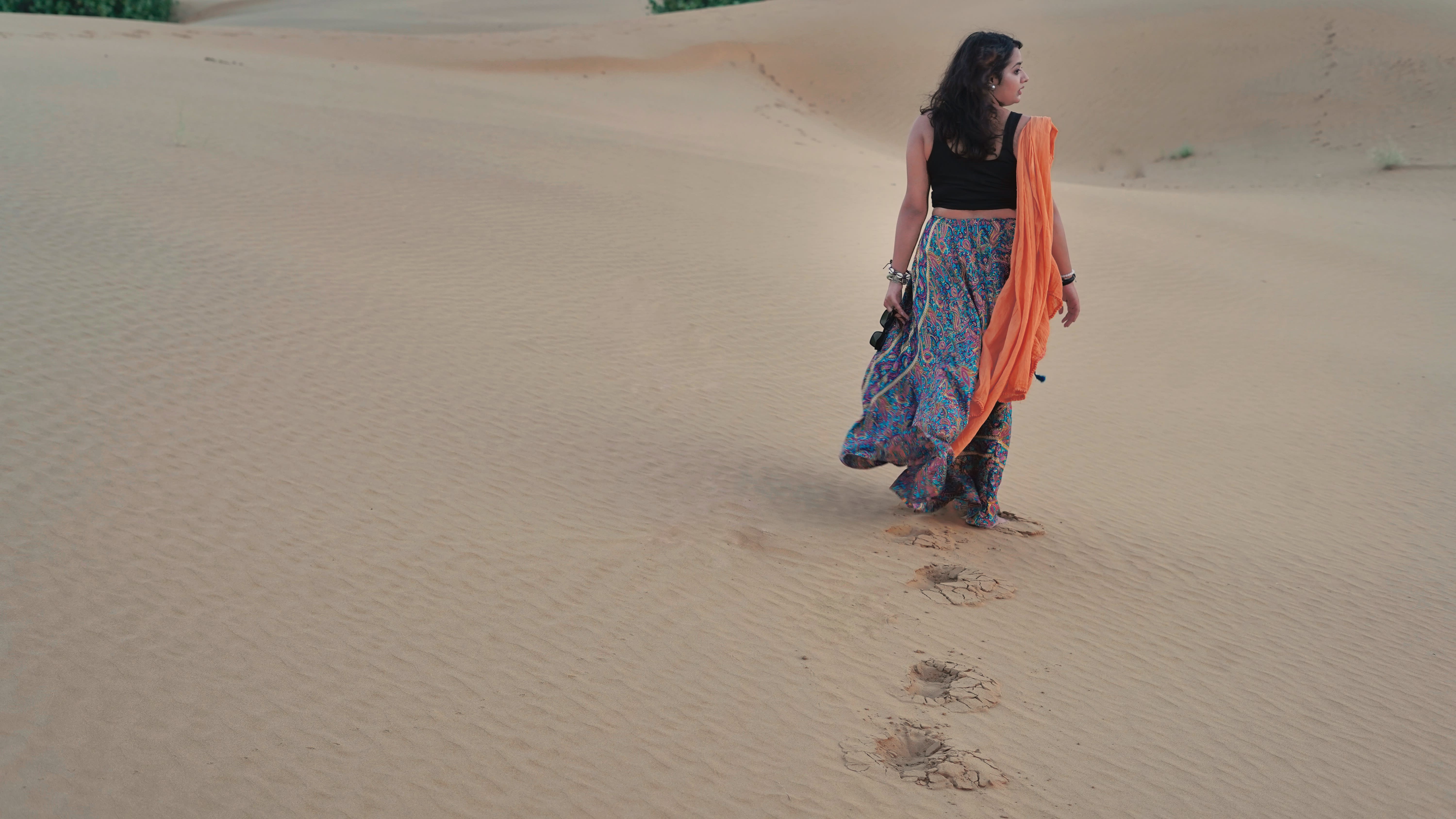
Is India a Good First Solo Trip? An Honest Answer
An honest look at whether a first solo trip to India makes sense, and how a small group takes the edge off.
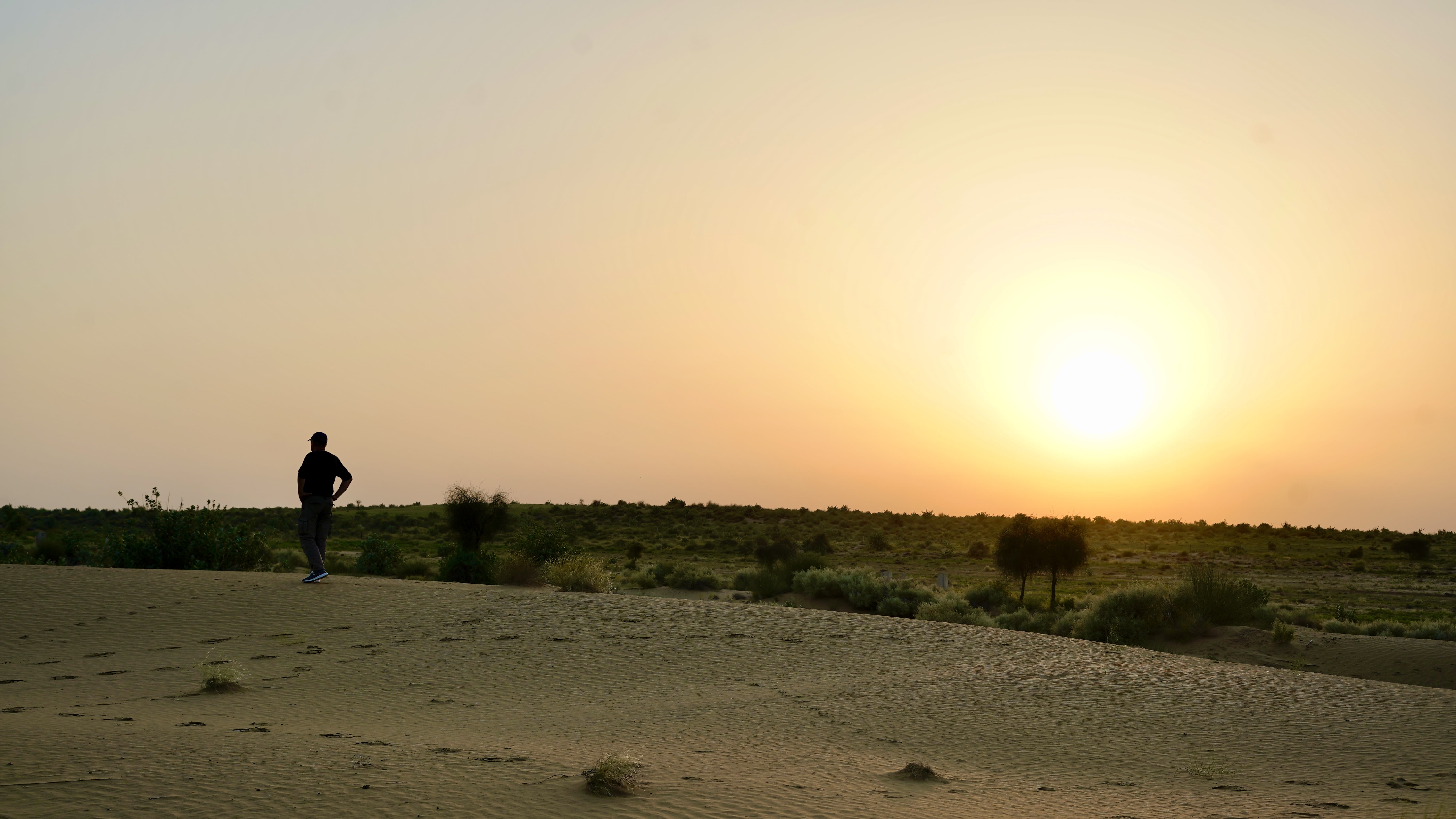
Solo Travel in India: A Complete First-Timer's Guide
A practical, honest guide to solo travel in India for first-timers, covering safety, planning, and when to go it alone versus join a group.
Ayurveda for Beginners: A First-Timer's Guide in India
Your first Ayurveda retreat in India, explained simply: what the treatments involve, what a day looks like, what it costs and what to pack.
Vaccinations & Health Prep for India: What You Need
A clear, honest rundown of vaccinations for India, malaria pills, and health prep so you can travel with confidence, not anxiety.