The Golden Triangle in Winter: What to Expect
Cool mornings, clear skies, and thick fog — here's what the golden triangle in winter actually feels like on the ground.
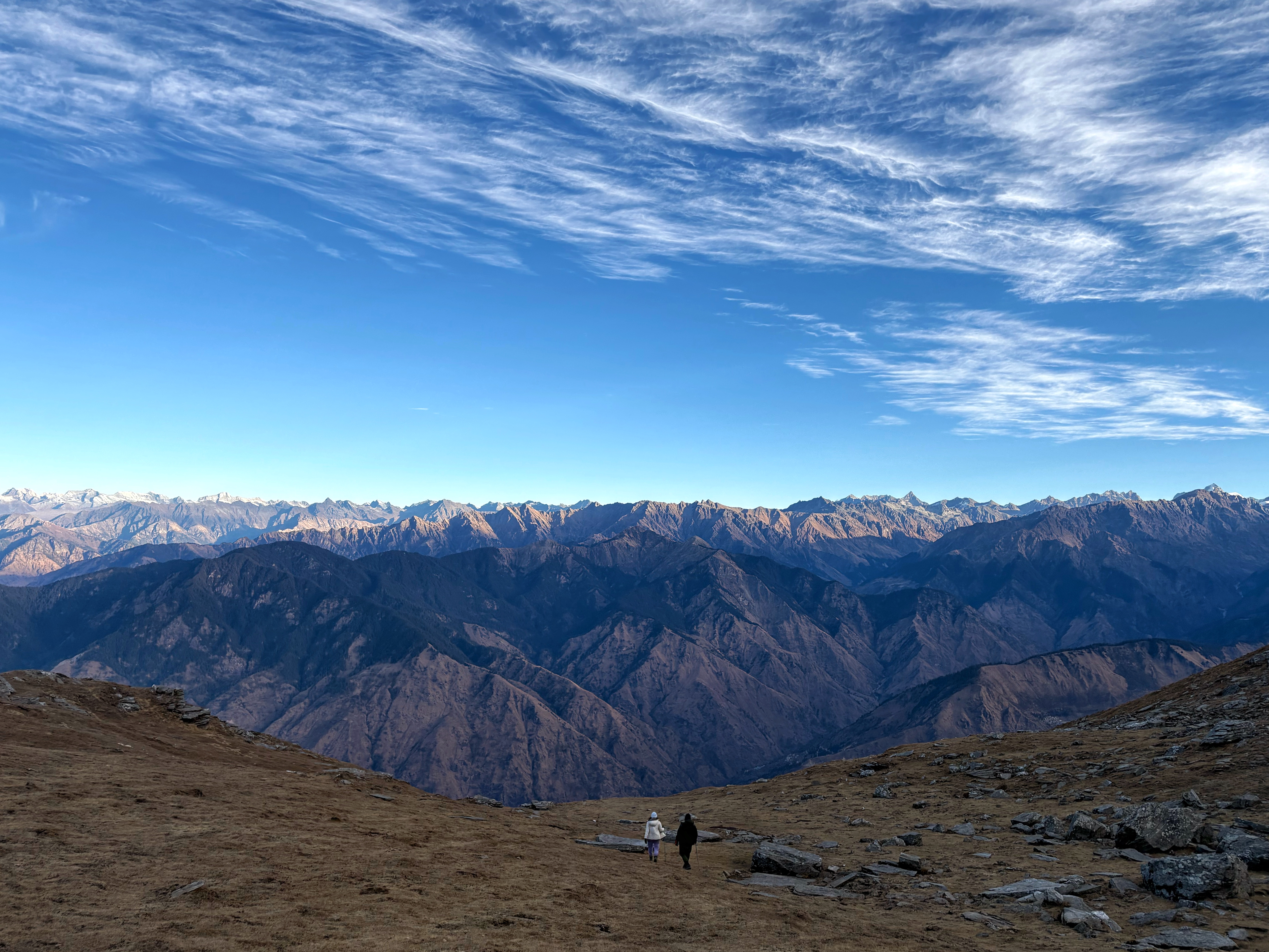
On this page
Doing the golden triangle in winter — Delhi, Agra, and Jaipur between November and February — means trading the brutal pre-monsoon heat for cool nights, pleasant afternoons, and the occasional thick fog that can mess with your morning plans. It's the single most popular season for this route, and for good reason. But it's not flawless, and knowing what's coming makes the difference between a smooth trip and a frustrating one.
Quick answer: Winter (November–February) is the best overall season for the golden triangle — daytime temps of 15–25°C (59–77°F), clear light for photos most of the day — but expect cold mornings (sometimes near freezing in Delhi/Agra), heavy fog from late December into January that can delay flights and trains, and the Taj Mahal at its most crowded.
What the Weather Actually Does
Winter here isn't one thing — it shifts noticeably across the three months:
- November: Mild and pleasant, minimal fog, warm-ish afternoons around 25–28°C (77–82°F). Arguably the sweet spot before the fog sets in.
- December-January: The coldest stretch. Morning temperatures in Delhi and Agra can dip to 5–8°C (41–46°F), occasionally lower, with dense fog common between about 6am and 10am. Jaipur, being further south and drier, tends to run a few degrees warmer with less fog.
- February: Fog mostly clears, mornings warm up, and it's a genuinely lovely month to travel — less crowded than December too.
For a month-by-month breakdown with more nuance, our post on best time to visit the golden triangle goes deeper into shoulder-season trade-offs.
The Fog Problem (and How to Plan Around It)
This is the one thing first-time winter travellers underestimate. Dense fog in Delhi and Agra during late December and January regularly delays or cancels early-morning flights and trains — it's an annual occurrence, not a rare fluke. Practical steps that actually help:
- Avoid booking flights or trains before 9-10am if you can help it, especially between Delhi and Agra.
- Build a buffer day into your itinerary if your onward international flight is tight — don't schedule a same-day connection during peak fog weeks.
- If you're travelling by road, a private car with a driver who knows the route handles delays far better than public transport, since drivers can adjust timing and stops on the fly.
If you're deciding between transport modes for this leg, golden triangle by train or car lays out the honest pros and cons of each.
Taj Mahal at Sunrise: Worth the Cold?
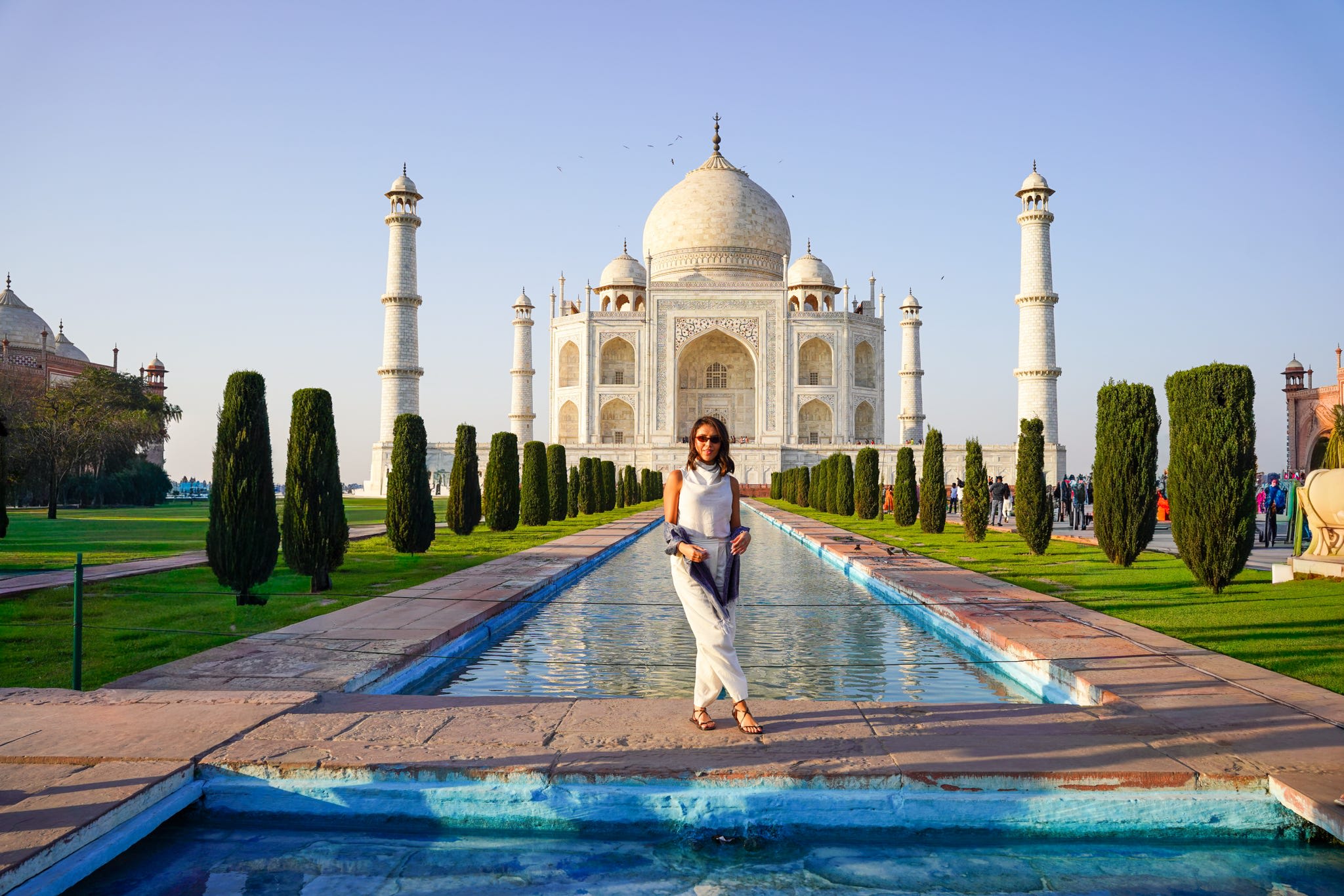
Yes — but dress for it. Sunrise entry at Agra means queuing before dawn when it's genuinely cold, sometimes with fog reducing visibility for the first hour. The upside: softer light, fewer crowds in that first window, and a noticeably cooler, more comfortable walk around the grounds than a midday visit in warmer months. Bring a proper layer for the queue, not just for the monument itself. For a fuller sunrise-specific plan, see our Taj Mahal sunrise guide.
What to Pack
Winter packing for this route is about layers, not heavy coats, because afternoons genuinely warm up:
- A warm jacket or fleece for early mornings and evenings (temperatures can feel colder than the number suggests, especially with fog and wind).
- Breathable layers for midday, when Jaipur especially can climb into the low 20s°C.
- Closed shoes — forts and stepwells have uneven stone floors that get cold underfoot.
- A scarf or shawl, useful both for warmth and for covering shoulders at religious sites.
Our full packing rundown for the season is in what to pack for India.
Crowds, Pricing, and Booking Lead Time
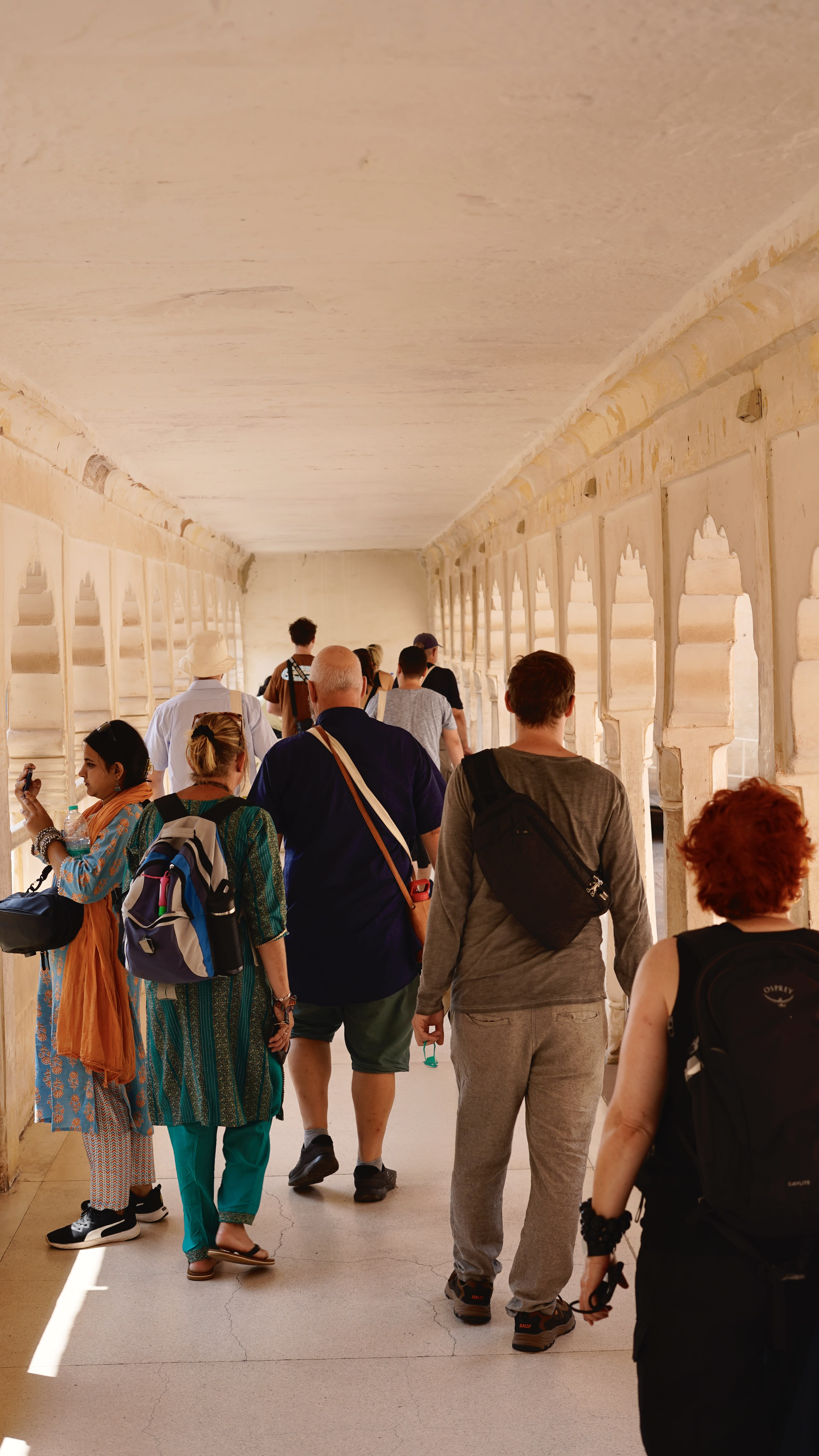
Winter is peak season, plain and simple. December and January see the highest visitor numbers at the Taj Mahal and Amber Fort, and hotel rates in Jaipur and Agra climb accordingly. If your dates are flexible, November and February give you nearly identical weather with noticeably thinner crowds and easier monument access. Whatever month you land on, book accommodation and any small-group tour well ahead — good guides and well-located hotels sell out first for winter weekends.
Why Add Rishikesh to a Winter Golden Triangle Trip
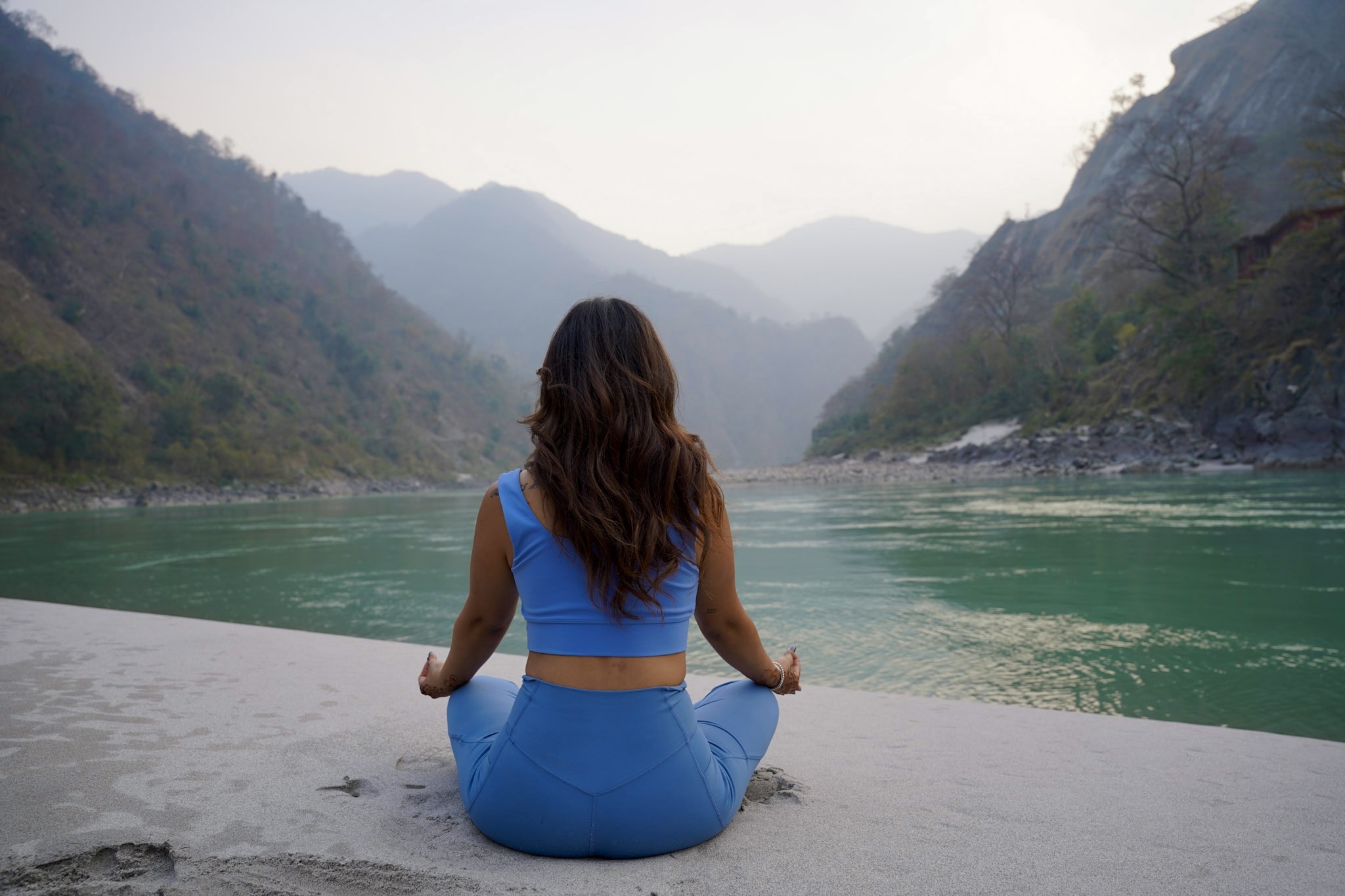
Rishikesh in winter is crisp, quiet, and a genuinely different register from the forts and bazaars of the golden triangle — cold, clean Himalayan air, the Ganga Aarti at dusk, and none of the summer river-rafting crowds. Pairing it with Delhi-Agra-Jaipur gives you cultural density up front and a slower, reflective close to the trip. That's exactly the shape of our small-group departure, Beyond the Golden Triangle with Rishikesh (11 days, from $1,329), hosted personally by Anna with a hard cap of 12 travellers so nobody's shuffled through sites in a crowd-within-a-crowd. If you want the Rishikesh leg on its own terms first, rishikesh in winter covers what that stretch is actually like.
Frequently Asked Questions
Is winter really the best time for the golden triangle in winter travel?
For comfort, yes — daytime temperatures are pleasant and the harsh heat and monsoon humidity are both gone. The trade-offs are cold mornings, potential fog delays in December-January, and peak-season crowds and pricing, so November or February often give a better balance than the December-January core.
How cold does it actually get in Delhi and Agra in winter?
Morning lows commonly sit between 5–10°C (41–50°F) in December and January, occasionally lower during cold spells, while afternoons typically warm to 18–22°C (64–72°F). Jaipur runs a touch milder overall since it's further from the fog belt.
Will fog disrupt my flights between cities?
It can, particularly on early departures from Delhi and Agra in late December through January. Building in a buffer day and avoiding first-morning flights or trains reduces the risk of a missed connection.
What should I wear at the Taj Mahal in winter?
Layers you can shed as the day warms — a jacket for the pre-dawn queue, something lighter for midday, plus a scarf that doubles as sun protection and shoulder covering at other religious sites.
Ready to See It for Yourself
If cool mornings, clear skies, and a quieter close in the Himalayan foothills sound like your kind of trip, take a look at Beyond the Golden Triangle with Rishikesh, or browse all of our upcoming small-group departures on the destinations page to find the dates that fit.
Keep reading
More guides to help you plan the same trip.
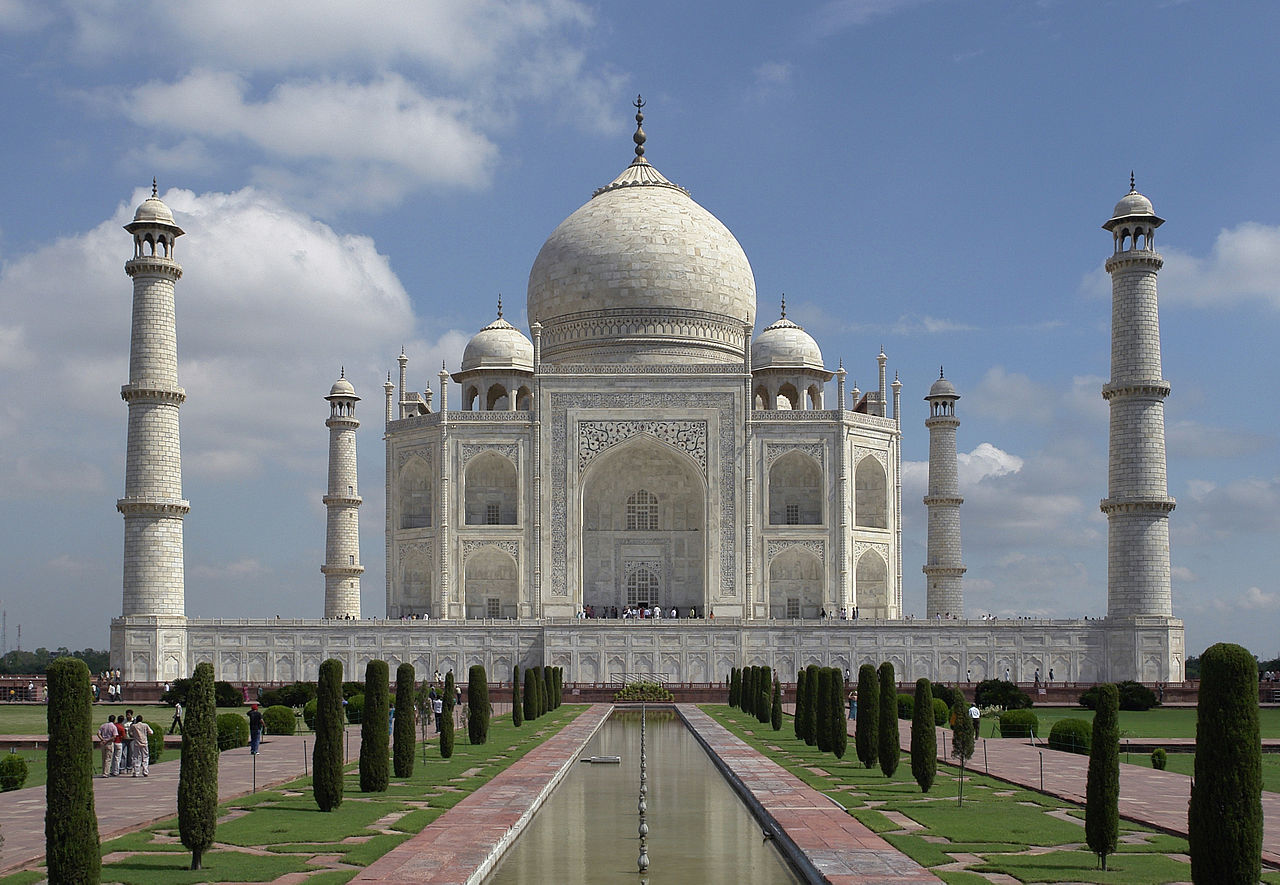
Best Time to Visit the Golden Triangle: Month by Month
October to March is the easy answer — but the best month depends on whether you want festivals, cool mornings, lower prices or fewer crowds.
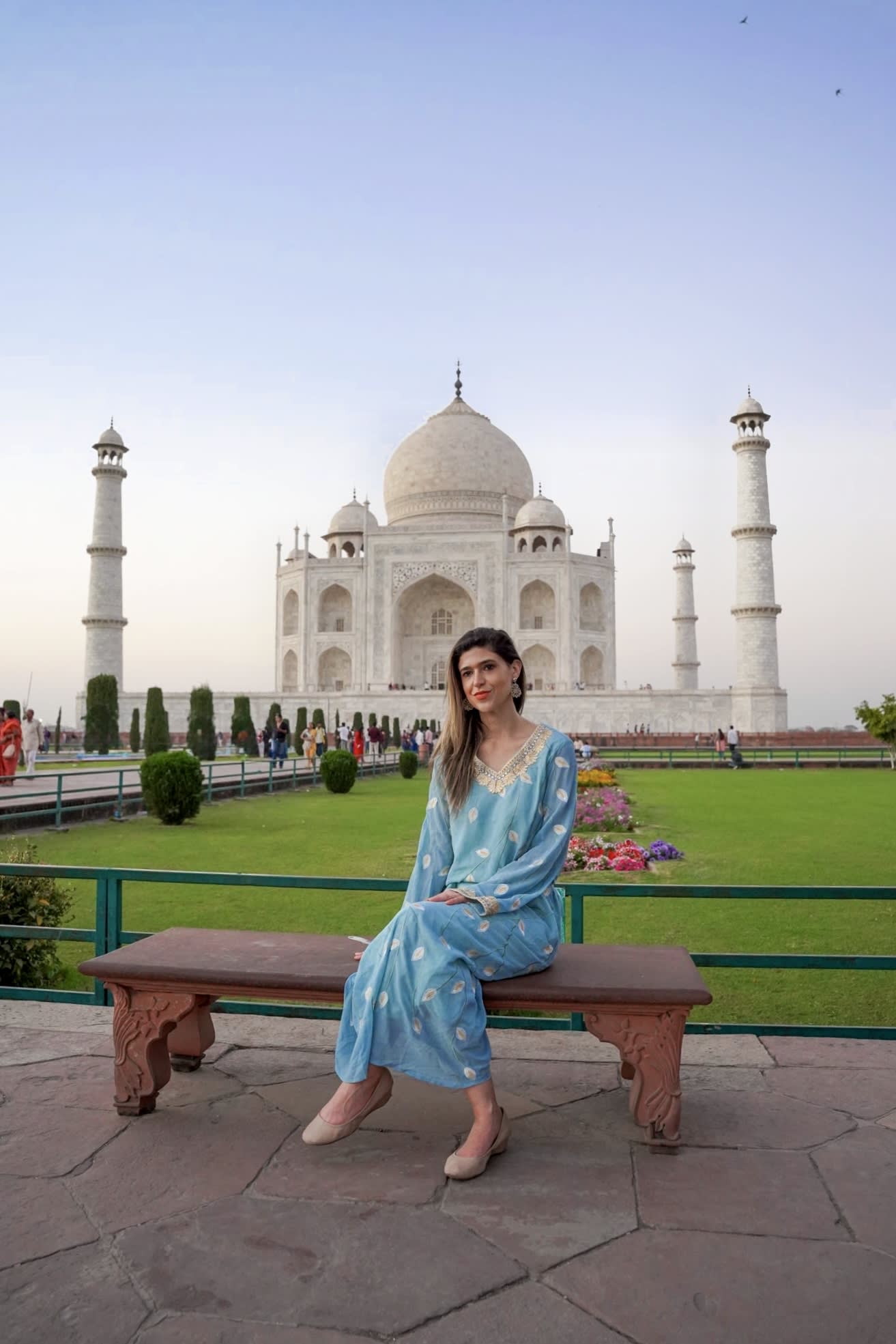
The Perfect 4-Day Golden Triangle Itinerary
A realistic 4-day golden triangle itinerary covering Delhi, Agra, and Jaipur without the rushed, exhausting pace.
Golden Triangle Tour from the UK: 2026 Planning Guide
Everything a UK traveller needs to plan a golden triangle tour from UK, from flights and visas to the best time to go and what it costs.
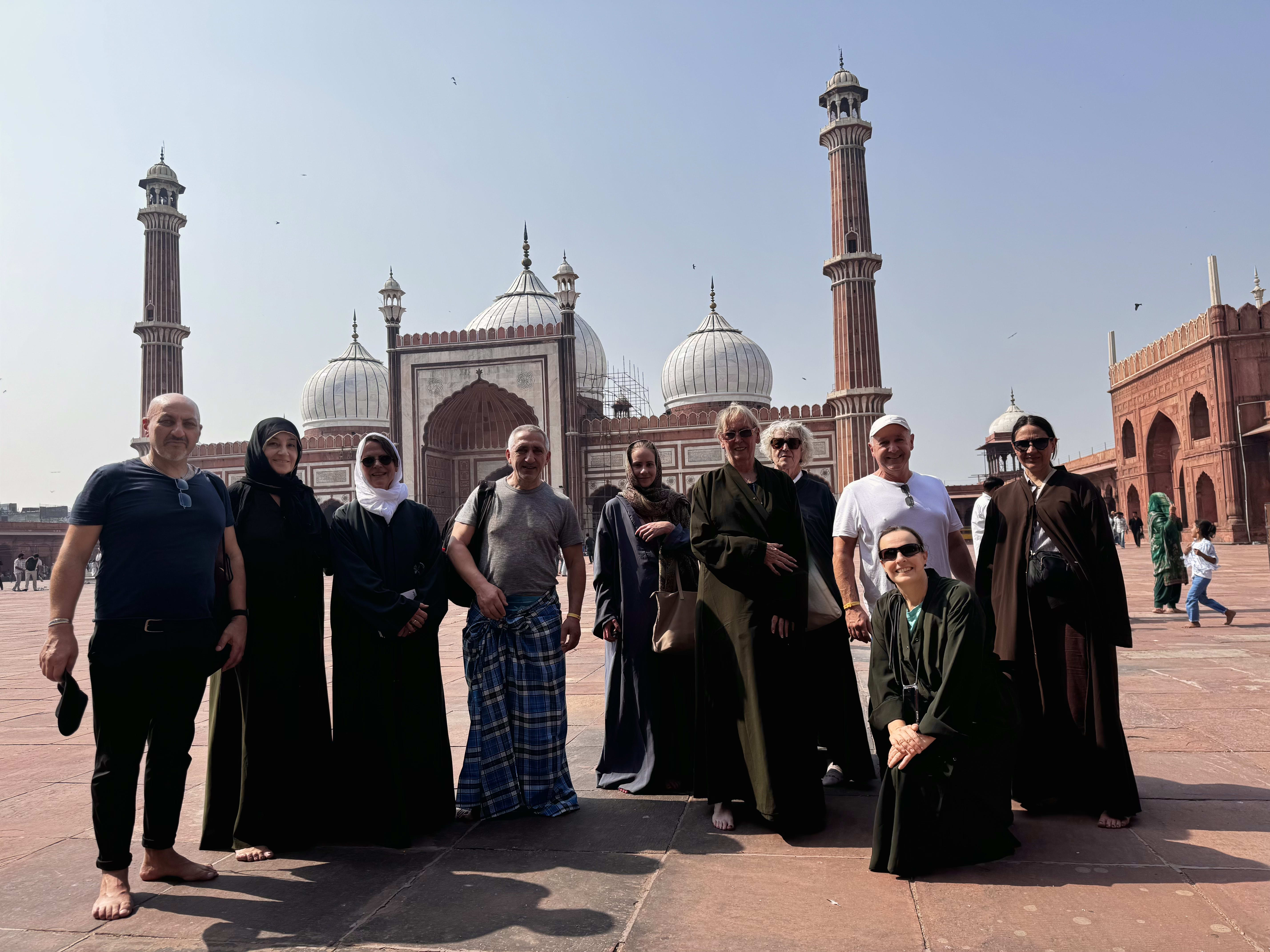
Delhi, Agra & Jaipur: A First-Timer's Golden Triangle Guide
New to India? The Delhi–Agra–Jaipur circuit is the ideal first trip. The cities, the highlights, and how to do it without the stress.

Golden Triangle Packing List: Exactly What to Bring
A practical golden triangle packing list for Delhi, Agra, and Jaipur — what to wear, season-by-season adjustments, and the small things travellers forget.
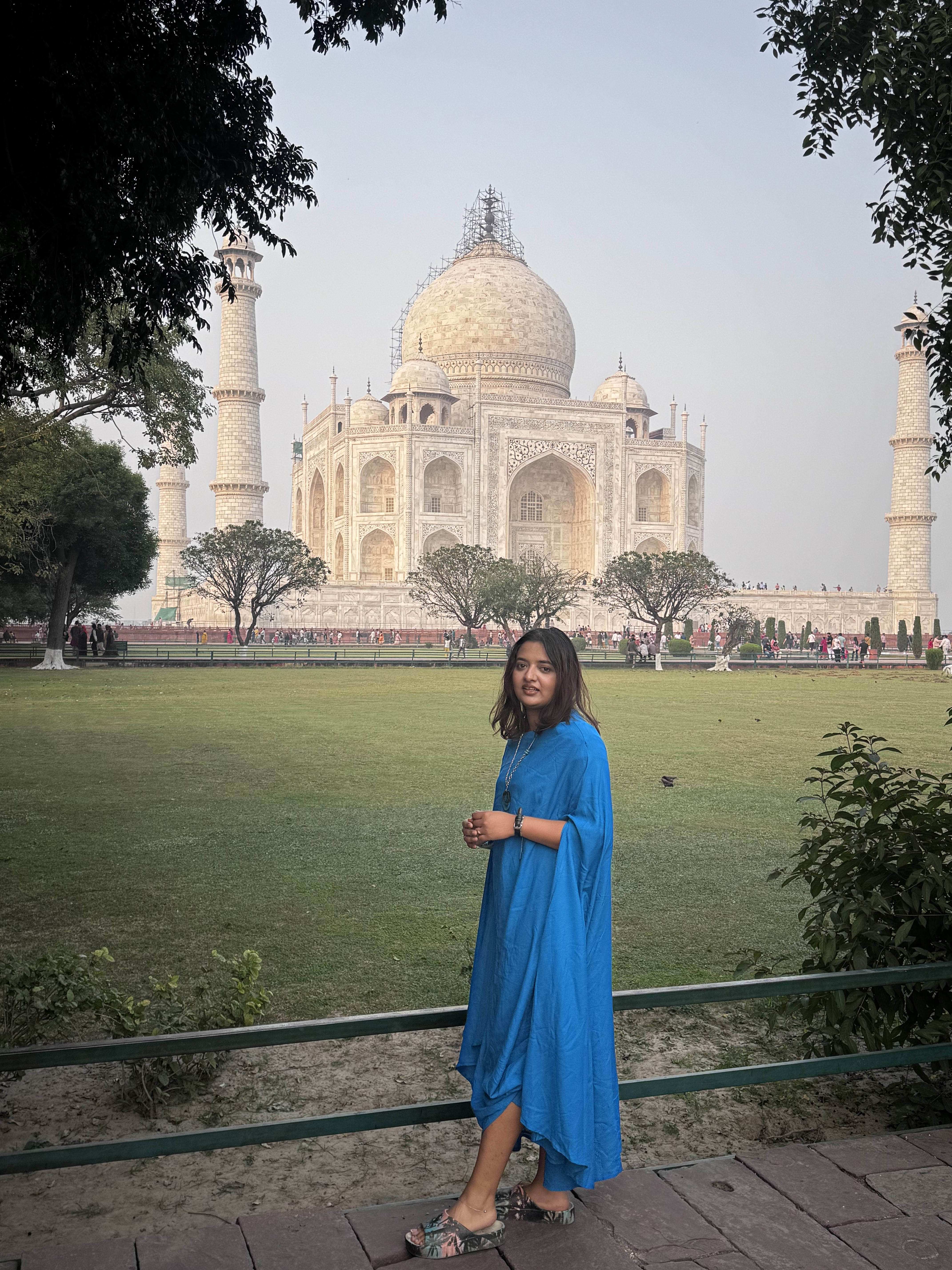
The Perfect 5-Day Golden Triangle Itinerary
A day-by-day golden triangle itinerary 5 days plan for Delhi, Agra and Jaipur — what to see, skip, and how the pacing actually works.