India Photography Tips: How to Capture the Golden Triangle
India photography tips for the Golden Triangle: best light, gear, etiquette, and the shots worth waking up early for.
On this page
Delhi, Agra, and Jaipur hand you some of the most photogenic scenes on earth: marble domes at dawn, saffron-dyed textiles drying in the sun, camels crossing dusty lanes, and forts that glow amber at last light. Good india photography tips come down to timing, respect, and knowing what to leave out of the frame as much as what to include. This guide is built from what actually works on the ground, not a generic packing list.
Quick answer: shoot the Golden Triangle at sunrise and the last hour before sunset, carry one versatile zoom lens instead of three, always ask before photographing people up close, and budget extra time at the Taj Mahal and Amber Fort because the best light windows are short.
Timing Is Everything in the Golden Triangle
North India's light is harsh by mid-morning, especially from April through September. The two windows that matter:
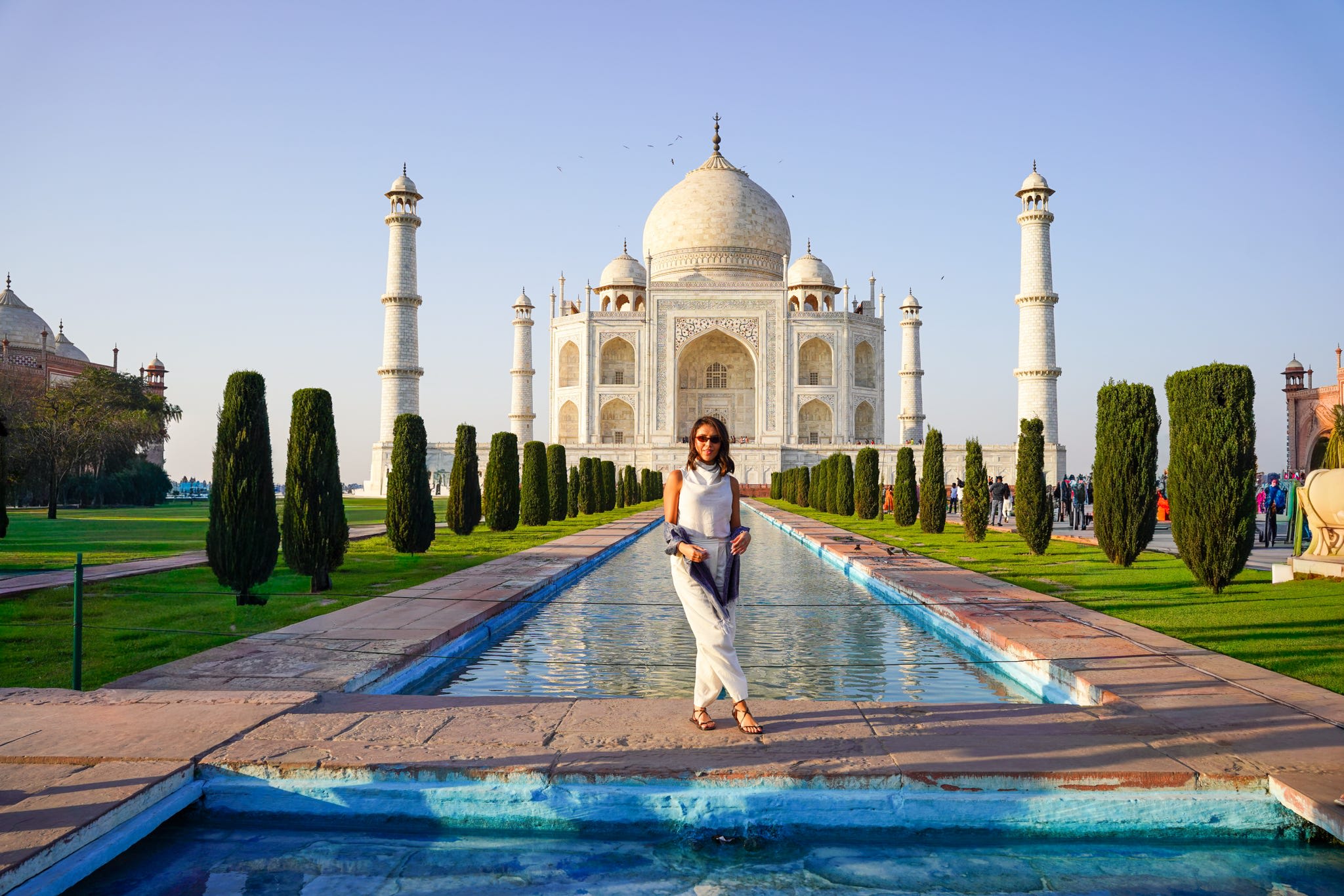
- Sunrise (30-45 minutes before to 45 minutes after): the Taj Mahal's marble shifts from pink to white to gold, and it's also when crowds are thinnest.
- Golden hour before sunset: Amber Fort and Jaipur's City Palace pick up warm side-light that flattens badly by midday.
- Blue hour (15-20 minutes after sunset): underrated for city shots in Old Delhi and Jaipur's pink facades, when shopfront lights come on but the sky still has color.
Midday sun (11am-3pm) is the toughest stretch — flat, contrasty, and hot. Use it for interiors, markets under awnings, or food shots instead.
Gear That Actually Earns Its Weight
You don't need to carry everything you own. What consistently works on this route:
- One versatile zoom (24-105mm or 24-70mm equivalent) covers architecture, street portraits, and details without lens-swapping in dusty conditions.
- A lightweight prime (35mm or 50mm) for low-light temples and evening markets where you don't want a flash.
- Lens cloths, not just a blower — Rajasthan's fine dust gets into everything; wipe your front element more than you think you need to.
- A phone with a good ultra-wide is genuinely useful for cramped fort interiors and havelis where you can't back up.
- Skip the tripod at major monuments — most, including the Taj Mahal, restrict or ban them, and a monopod draws less attention if you need stabilization.
Photographing People With Respect
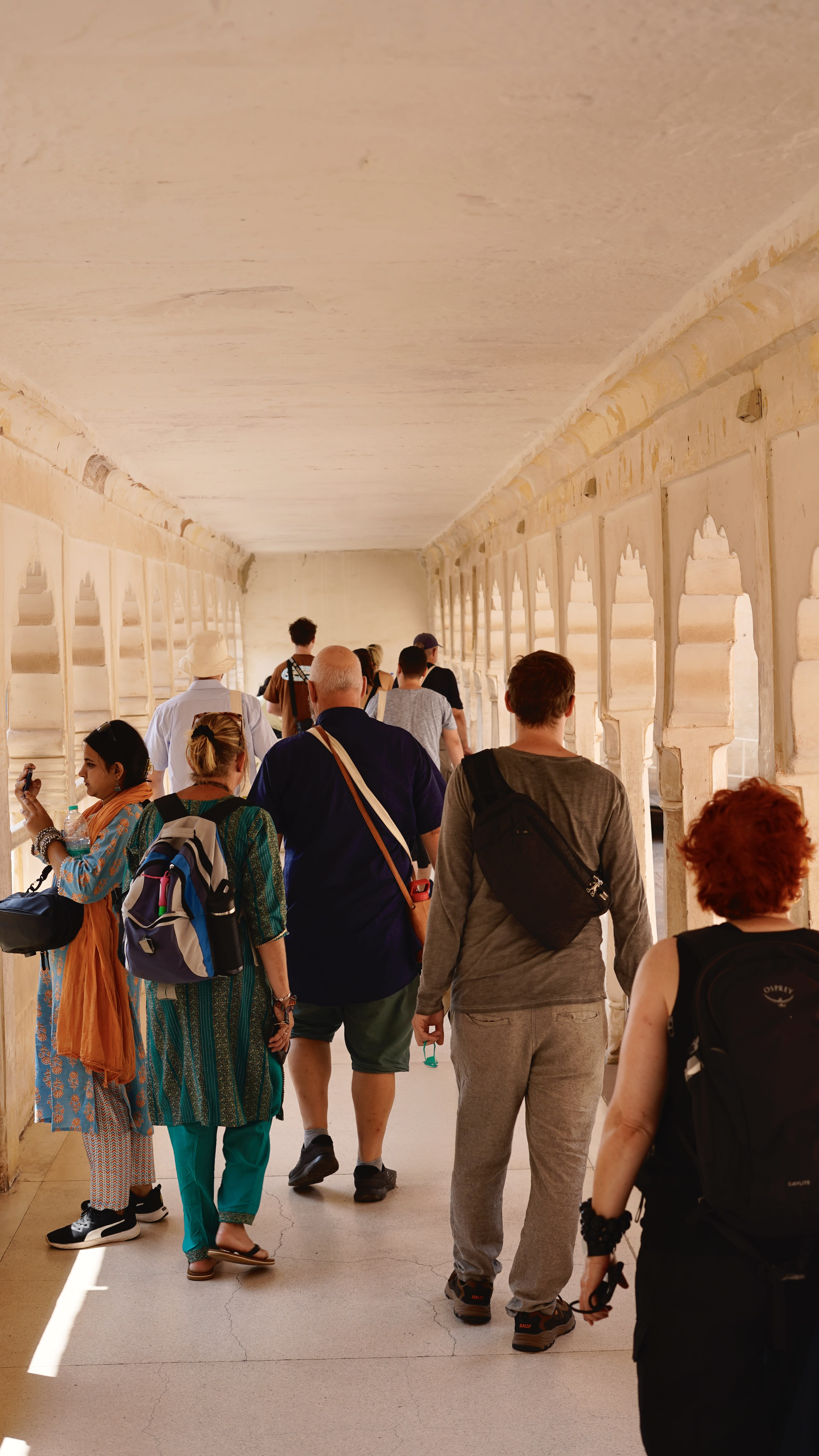
This is where most travel photos go wrong, and it's also where Anna's small-group format (capped at 12) genuinely helps — you're not moving as a crowd that overwhelms a market stall or a family's doorway.
- Always make eye contact and gesture a question before raising your camera to a stranger's face.
- If someone says no, or looks uncomfortable, move on — don't negotiate or sneak a shot after.
- Tipping a few rupees for a portrait, especially with performers or street vendors, is common and appreciated; it's not required everywhere but it's a kind gesture.
- Group shots at markets or festivals are usually fine without asking; close-up portraits are the ones that need consent.
- For more on what's appropriate to photograph and wear inside temples and mosques, see our guide on India etiquette dos and don'ts.
The Shots Worth Planning Around
- Taj Mahal from the east or west garden at sunrise — fewer people, and the light hits the dome face-on. Our Taj Mahal sunrise guide breaks down exact timing and gate strategy.
- Amber Fort's mirrored Sheesh Mahal, best captured handheld with a fast lens since flash isn't allowed.
- Chandni Chowk's rooftop views in Old Delhi at dusk, looking down over the spice market lanes.
- Jaipur's Hawa Mahal facade from the street-level café opposite, mid-morning before the sun moves behind the building.
- Pushkar or camel-fair scenes if your itinerary includes them — see our Pushkar Camel Fair guide for when the light and the crowds line up best.
Practical Field Notes
- Battery drain is faster in heat — carry two batteries and charge overnight, since power cuts happen occasionally.
- Dust and haze are real from March to June; a lens hood cuts flare more than you'd expect.
- Drones require permits in most of India and are restricted near forts, government buildings, and the Taj Mahal complex entirely — don't bring one expecting to fly it casually.
- Shooting through vehicle windows on the drive between cities can work for candid rural scenes; ask your guide to slow down rather than stop in traffic.
- If you're building a full trip plan around these stops, our Golden Triangle 5-day itinerary shows how the driving and light windows fit together.
Frequently Asked Questions
What's the single best india photography tip for the Taj Mahal?
Arrive at gate opening for sunrise — the marble's color shift and the thin early crowds are worth losing the sleep. Midday light flattens the dome and the haze is usually thicker by 10am.
Do I need a professional camera, or is a phone enough?
A modern phone with a good ultra-wide and night mode handles most of the trip well, especially for street and interior shots. A mirrorless camera with one zoom lens adds real value for the Taj Mahal, Amber Fort, and low-light temple interiors where phone sensors struggle.
Is it okay to photograph people in markets without asking?
Wide market or street scenes are generally fine, but close-up portraits of individuals should always come with a quick gesture or nod asking permission first. If someone declines, respect it and move on rather than trying again from another angle.
What camera gear restrictions should I know about before the trip?
Tripods are banned or restricted at most major monuments including the Taj Mahal, and drones require permits that are impractical to arrange for a short visit. Pack a monopod as a lighter-weight alternative if you need stabilization in low light.
Ready to Shoot the Golden Triangle Yourself
Anna leads small groups of up to 12 through Delhi, Agra, and Jaipur with enough flexibility to wait for the light instead of rushing past it — see the current Golden Triangle trip dates and pricing on our destinations page, or browse all upcoming small-group India trips to find the one that fits your dates.
Keep reading
More guides to help you plan the same trip.
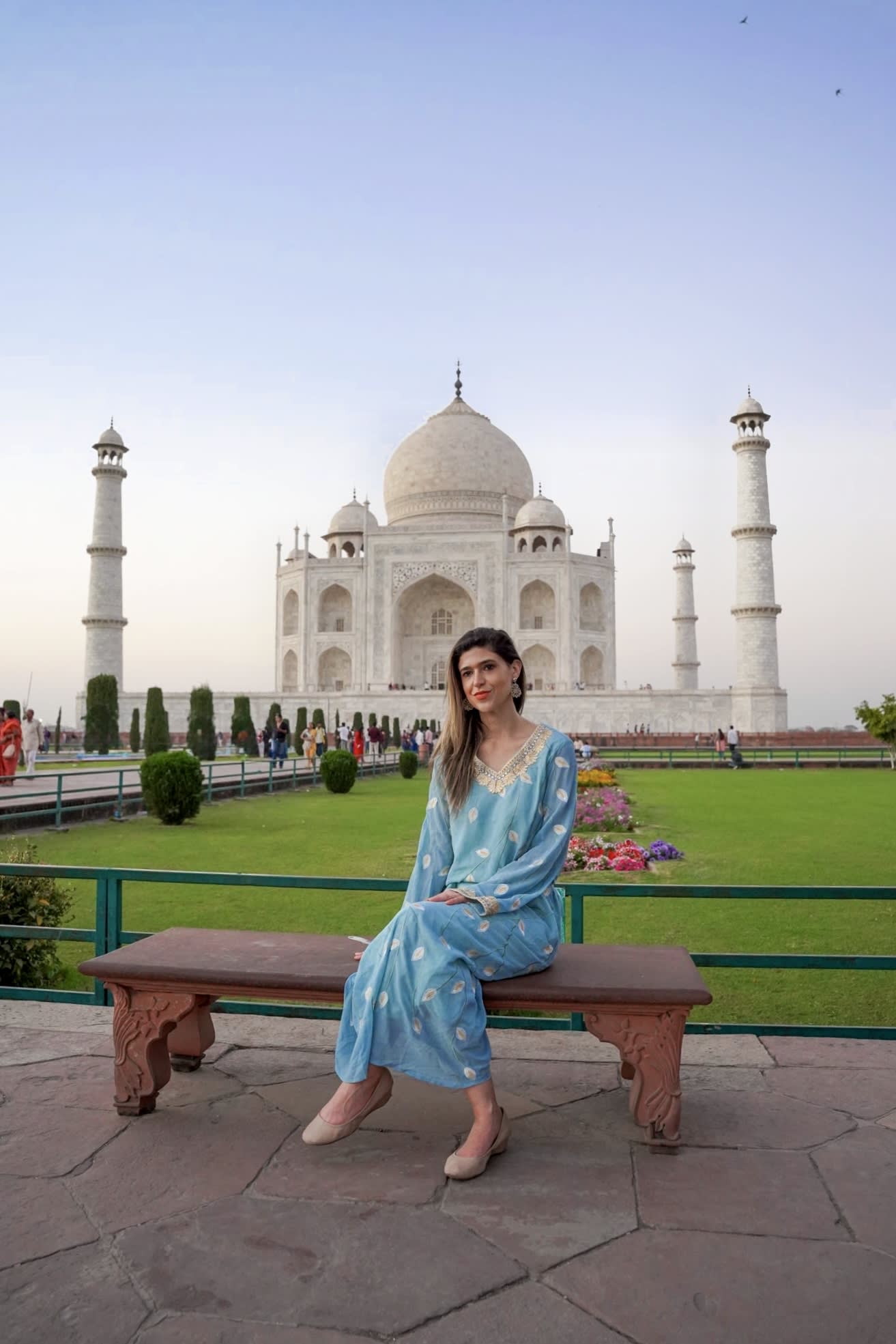
The Perfect 4-Day Golden Triangle Itinerary
A realistic 4-day golden triangle itinerary covering Delhi, Agra, and Jaipur without the rushed, exhausting pace.
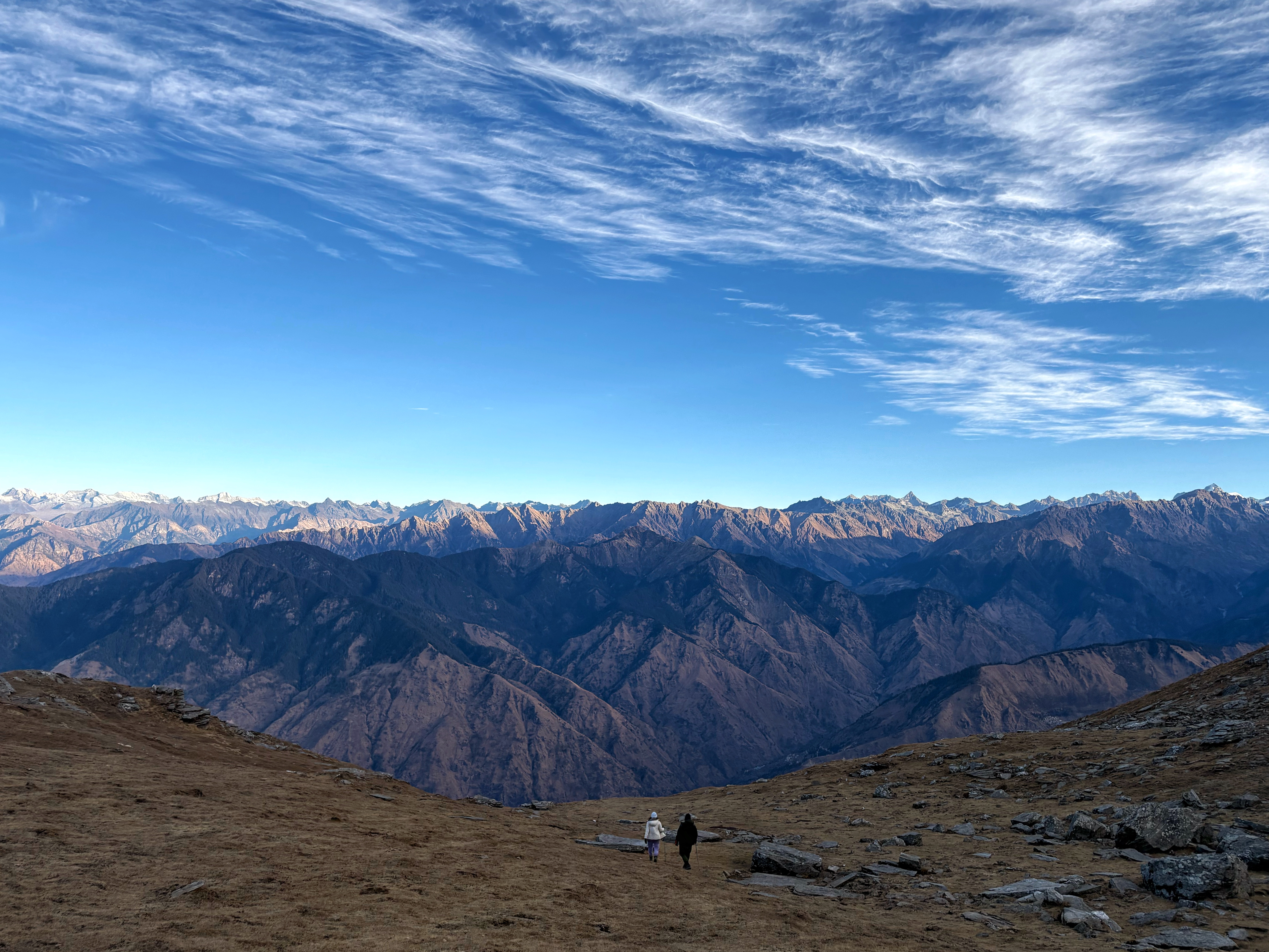
The Golden Triangle in Winter: What to Expect
Cool mornings, clear skies, and thick fog — here's what the golden triangle in winter actually feels like on the ground.
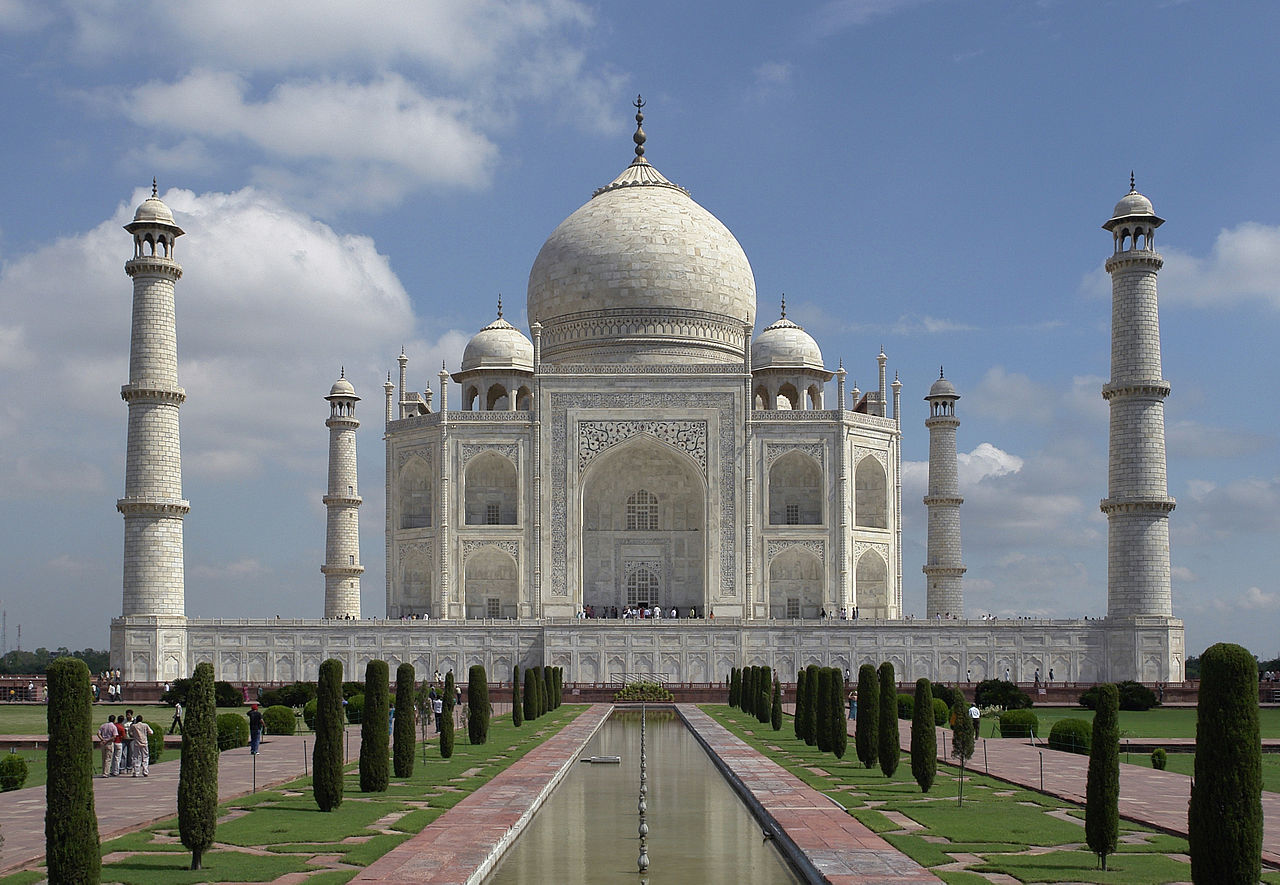
Best Time to Visit the Golden Triangle: Month by Month
October to March is the easy answer — but the best month depends on whether you want festivals, cool mornings, lower prices or fewer crowds.
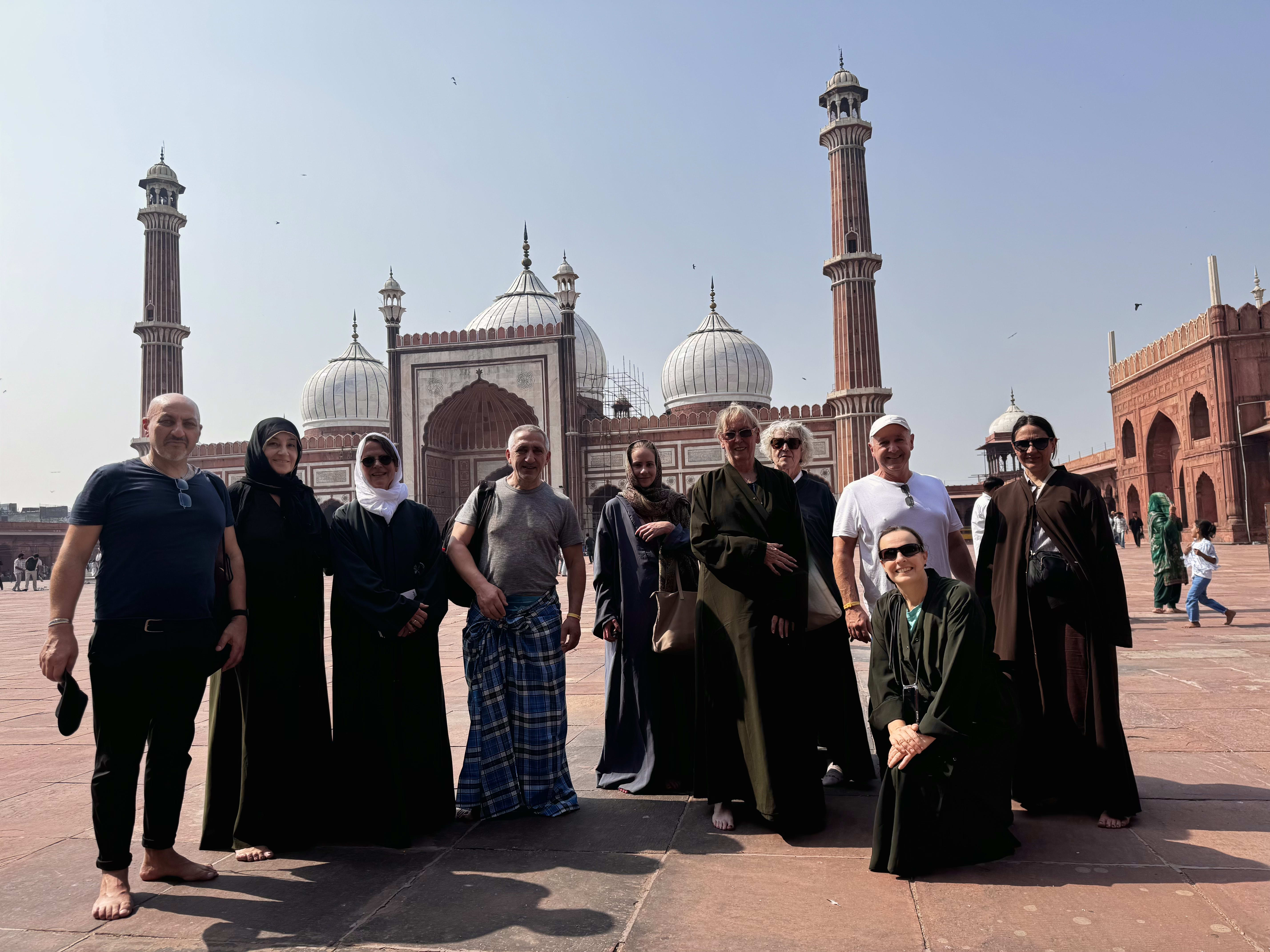
Delhi, Agra & Jaipur: A First-Timer's Golden Triangle Guide
New to India? The Delhi–Agra–Jaipur circuit is the ideal first trip. The cities, the highlights, and how to do it without the stress.
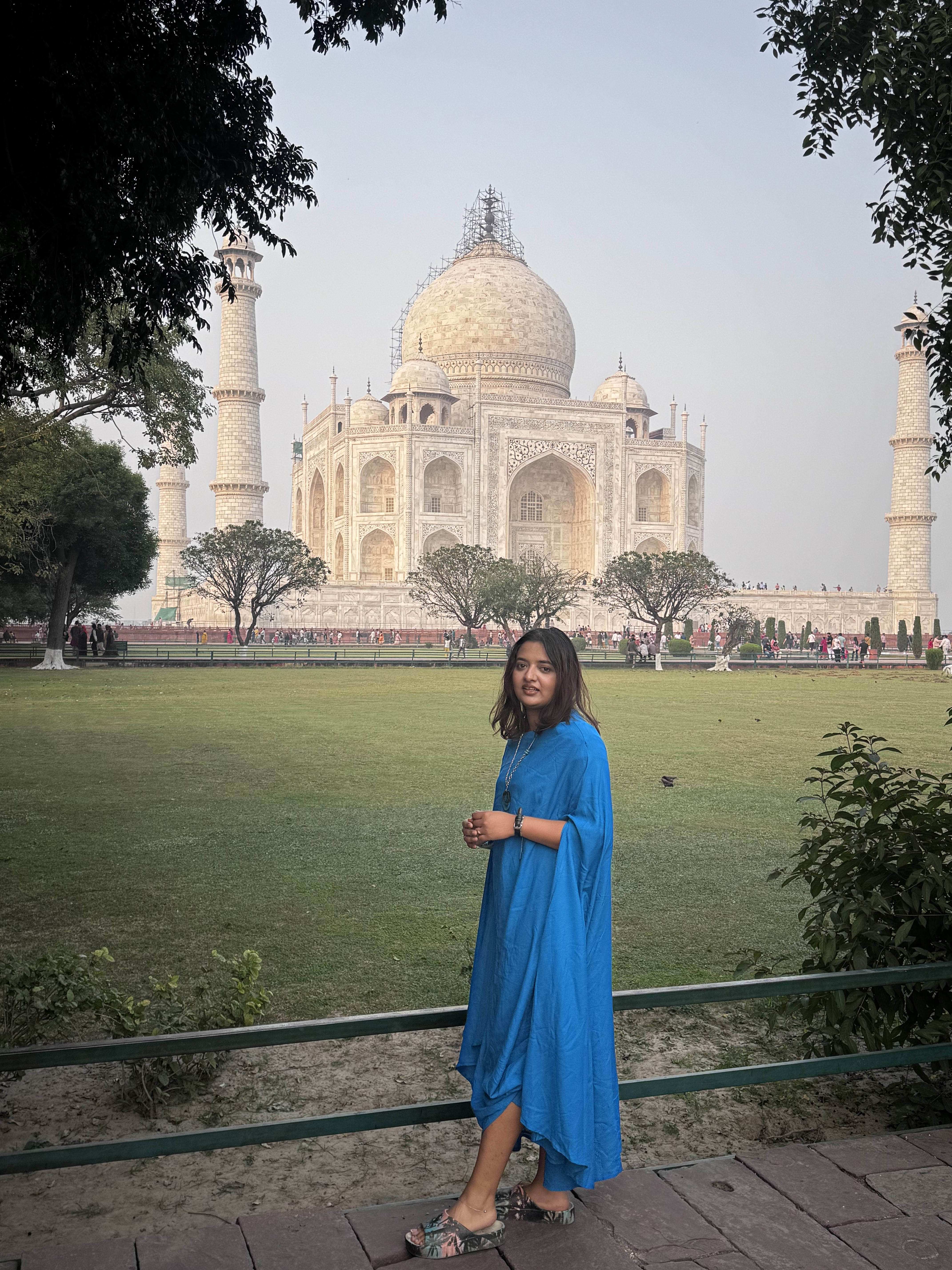
The Perfect 5-Day Golden Triangle Itinerary
A day-by-day golden triangle itinerary 5 days plan for Delhi, Agra and Jaipur — what to see, skip, and how the pacing actually works.
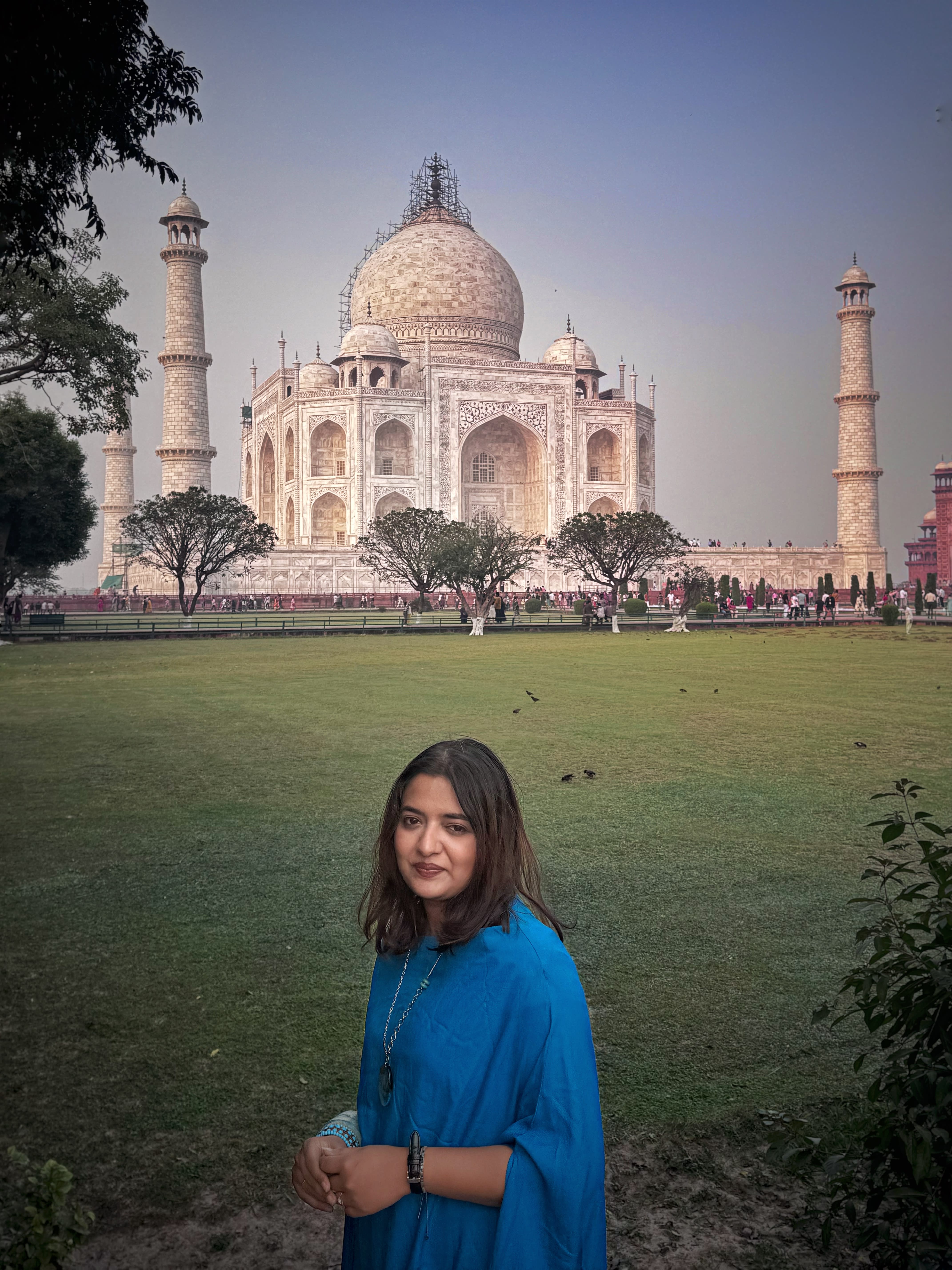
Golden Triangle 7-Day Itinerary
A relaxed, day-by-day golden triangle 7 day itinerary for Delhi, Agra, and Jaipur — what to see, how to pace it, and where the extra days pay off.