India Etiquette: 15 Dos and Don'ts for Visitors
India etiquette for first-time visitors: how to dress, greet, enter temples, eat and photograph people without causing offence.
On this page
Getting india etiquette dos and donts right isn't about memorising a rulebook — it's about a handful of habits that make you a welcome guest rather than an awkward one. Most of it comes down to modesty, using your right hand, and asking before you photograph anyone. This guide covers the 15 that actually come up on a real trip, drawn from years of leading small groups around temples, markets, and homes across the country.
Quick answer: dress modestly (shoulders and knees covered), remove shoes before temples and homes, eat and pass items with your right hand, ask permission before photographing people, and greet with a "namaste" or handshake rather than assuming a hug is welcome.
Dress and Modesty
What you wear affects how comfortable your visit feels, especially at religious sites and in smaller towns.
- Do cover shoulders and knees in temples, gurudwaras, and mosques — carry a light scarf or shawl even if your outfit already covers you, since some sites ask women to cover their heads too.
- Do pack breathable cotton layers; see our what to wear in India guide for a full packing list by season and region.
- Don't wear swimwear or very short shorts outside beach towns — it draws stares in most of North India.
- Don't assume city rules apply in rural areas; villages and pilgrimage towns like Rishikesh are more conservative than Delhi or Mumbai.
Greetings and Personal Space
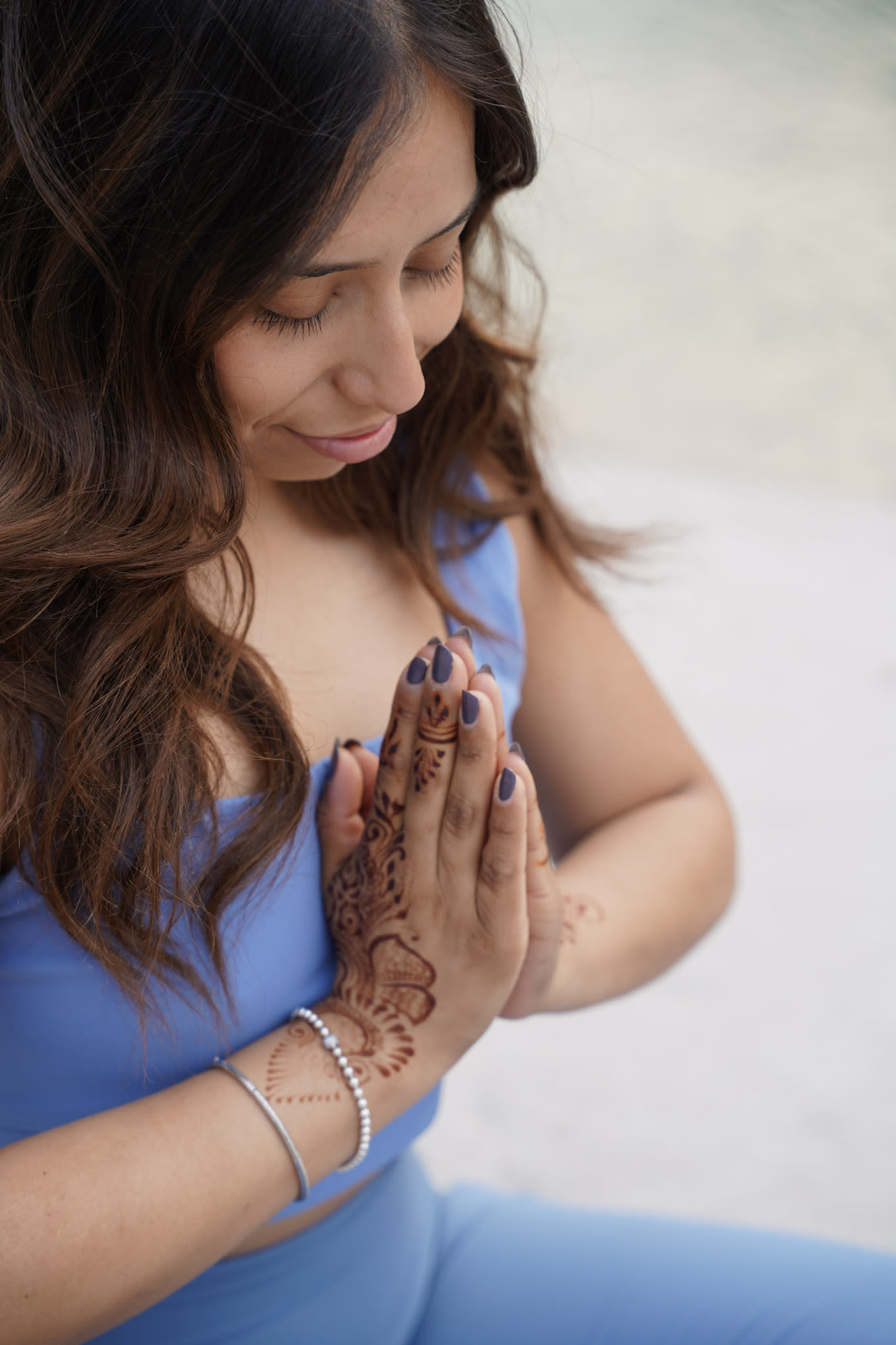
- Do greet with a namaste (palms together, slight bow) — it works everywhere and never offends.
- Do shake hands if someone extends one first, especially in business or urban settings.
- Don't hug or kiss on the cheek as a first greeting; it can feel intrusive, particularly with elders or in smaller towns.
- Don't show public affection between couples — hand-holding is fine, but kissing in public is frowned upon.
Temples, Shrines, and Sacred Spaces
- Do remove your shoes before entering any temple, gurudwara, or home — look for a shoe rack or attendant at the entrance.
- Do walk clockwise around shrines if you see others doing so, and keep voices low inside.
- Don't point your feet at deities, people, or religious texts; feet are considered the "lowest" and least respectful part of the body in Indian custom.
- Don't touch idols or religious objects unless a priest invites you to — watching a Ganga Aarti in Rishikesh is a good, low-pressure way to observe this respectfully from the ghats.
Hands, Food, and Sharing
- Do eat and pass food, money, or gifts with your right hand — the left is traditionally associated with hygiene tasks and considered impolite for sharing.
- Do try eating with your hands at a home-style thali meal if offered; it's a compliment to the host, not a faux pas.
- Don't worry if this feels unnatural at first — most restaurants catering to visitors happily provide cutlery, and no one will judge you for using it.
- For food safety specifics alongside etiquette, our indian street food safe to eat guide covers both.
Photography and Consent
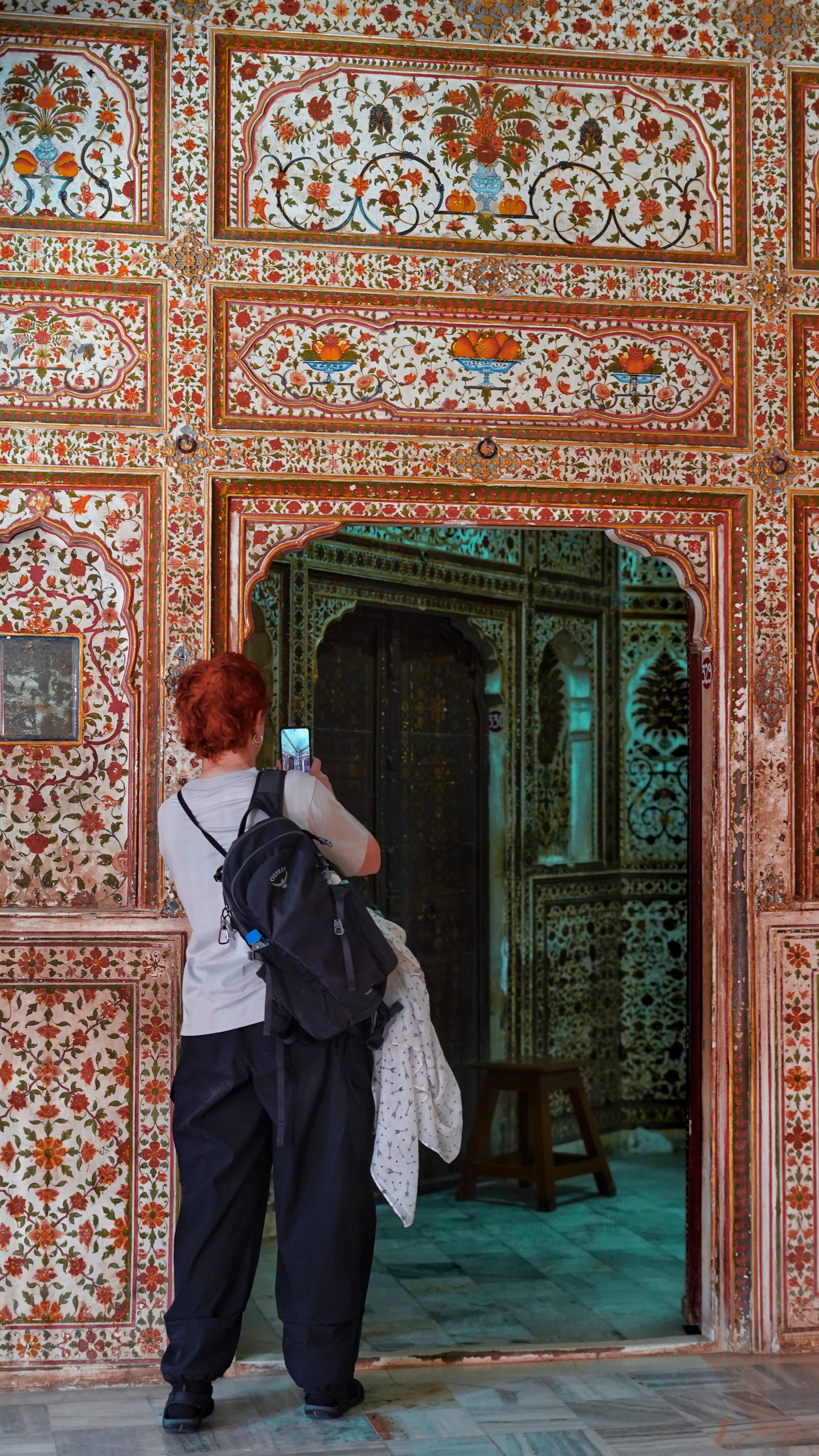
- Do ask before photographing people, especially in villages, at religious ceremonies, or inside someone's home — a smile and a gesture toward your camera usually gets a clear yes or no.
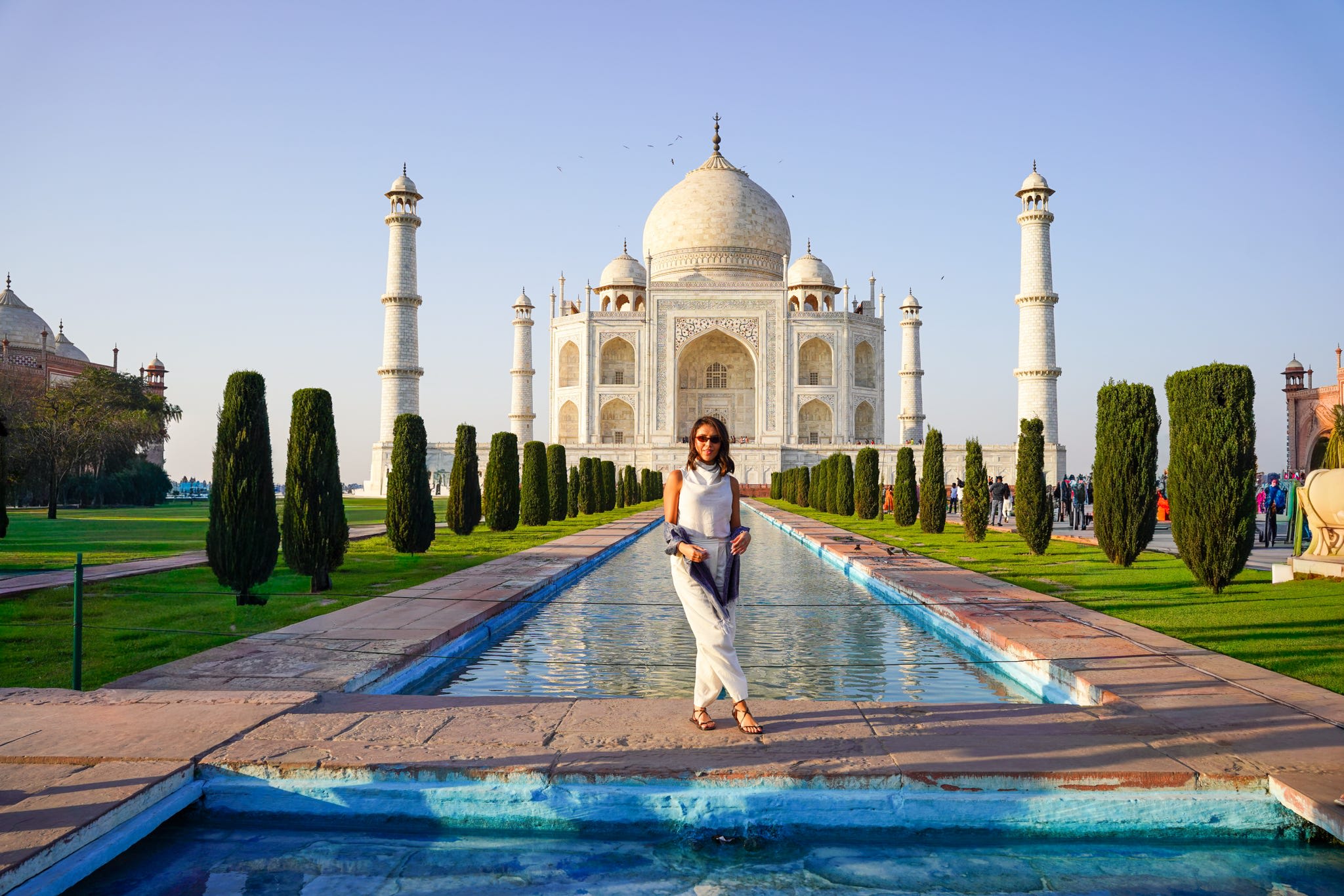
- Do check signage at monuments; some interiors (parts of the Taj Mahal, certain temple sanctums) restrict photography entirely.
- Don't photograph military installations, airports, or checkpoints — it's a genuine legal issue, not just etiquette.
- Don't treat local people as photo props; if someone declines, move on graciously.
Bargaining, Tipping, and Small Interactions
- Do haggle gently in markets and with rickshaw drivers — it's expected and part of the culture, not rude. Our money and tipping in india post has specific rupee ranges for guides, drivers, and hotel staff.
- Don't get aggressive or insulting while bargaining; a firm, friendly counter-offer works better than a hard stance.
These fifteen habits cover almost every situation you'll actually encounter, whether you're navigating the Golden Triangle or spending a week in Rishikesh. None of them require perfection — Indians are famously forgiving of visitors who make a genuine effort, and a warm smile smooths over most small missteps.
Frequently Asked Questions
What is the single biggest etiquette mistake first-time visitors make?
Wearing revealing clothing at religious sites is the most common misstep, followed closely by pointing feet at people or shrines. Both are easy to avoid once you know to pack a scarf and stay mindful of foot placement in temples and homes.
Is it rude to use my left hand at all in India?
No — you can hold things, carry bags, or gesture with your left hand freely. The etiquette specifically concerns eating, passing food, and handing over money or gifts, where the right hand is preferred out of long-standing hygiene tradition.
Do Indian etiquette rules differ much between cities and rural areas?
Yes, noticeably. Metro cities like Delhi and Mumbai are used to international visitors and more relaxed about dress and greetings, while smaller towns and pilgrimage sites expect more conservative behaviour, particularly around modesty and physical contact.
How strict is the "no shoes" rule in temples and homes?
It's essentially universal for temples, gurudwaras, mosques, and most private homes — look for a shoe rack at the entrance as your cue. Hotels, restaurants, and shops don't require it, so you'll quickly learn to read the signals.
Travel With Someone Who Knows the Etiquette Already
You don't have to memorise all of this before you land — travelling with a small, hosted group means Anna and the Chalo Folks team quietly guide you through temple visits, market bargaining, and local greetings as you go, so nothing feels like guesswork. Browse our small-group destinations to see upcoming trips where etiquette, logistics, and the good stuff (food, festivals, friendships) are all taken care of.
Keep reading
More guides to help you plan the same trip.

What to Wear in India: A Practical Dress Guide
A practical guide to what to wear in India, covering climate, modesty norms, temple rules, and packing for cities, villages, and the Himalayas.
What Not to Do in India: Mistakes Tourists Make
The most common mistakes tourists make in India — from temple dress to tap water — and the small courtesies that earn you warmer welcomes.

What It's Like to Witness an Indian Wedding
An honest look at attending an Indian wedding as a traveller: the ceremonies, what to wear, gift etiquette and how to be a gracious guest.

Chai, Coffee & Cafe Culture in India
A first-timer's guide to chai culture India travellers fall in love with, from roadside stalls to Rishikesh riverside cafes.
Best SIM Card & eSIM for India in 2026 (Tourist Guide)
Which tourist SIM or eSIM to buy for India, where to get it at the airport, what it costs, and which network actually works outside the cities.
Currency, ATMs & Exchanging Money in India
Everything on currency exchange in India for visitors — using ATMs, whether to bring cash, avoiding poor rates, and how much to carry day to day.