India vs Nepal: Which Himalayan Adventure?
India or Nepal? A grounded comparison of mountains, trekking, culture and spirituality to help you pick the right first trip.
On this page
Both share the Himalayas and a deep spiritual pull, so the india vs nepal decision comes down to what you want the mountains to do for you: serious high-altitude trekking, or culture, spirituality, and gentler foothills. Here's an honest comparison for travellers from the US, UK, and Europe planning a Himalayan trip.
Quick answer: Nepal is the world's premier trekking destination — Everest, Annapurna, and high mountain culture in a compact country. India offers a far broader trip: the Himalayan foothills plus deserts, monuments, the Ganges, and the south. Choose Nepal for hardcore mountains and trekking; choose India for variety, culture, and a gentler Himalayan experience.
The Core Difference
Nepal is a mountain country. Its identity, tourism, and geography all point upward — this is where you go to trek to Everest Base Camp or circle the Annapurnas. India is a whole subcontinent where the Himalayas are just one chapter among deserts, plains, monuments, backwaters, and coast.
So the honest framing is: Nepal for depth in the mountains, India for breadth across everything.
Trekking and Mountains
If serious trekking is the point, Nepal is hard to beat.
- Nepal — Everest Base Camp, the Annapurna Circuit, Langtang; a mature trekking industry with teahouse routes and expert guides.
- India — excellent Himalayan trekking too (Ladakh, Himachal, Uttarakhand), plus gentler foothill escapes like Rishikesh and the Dharamshala area.
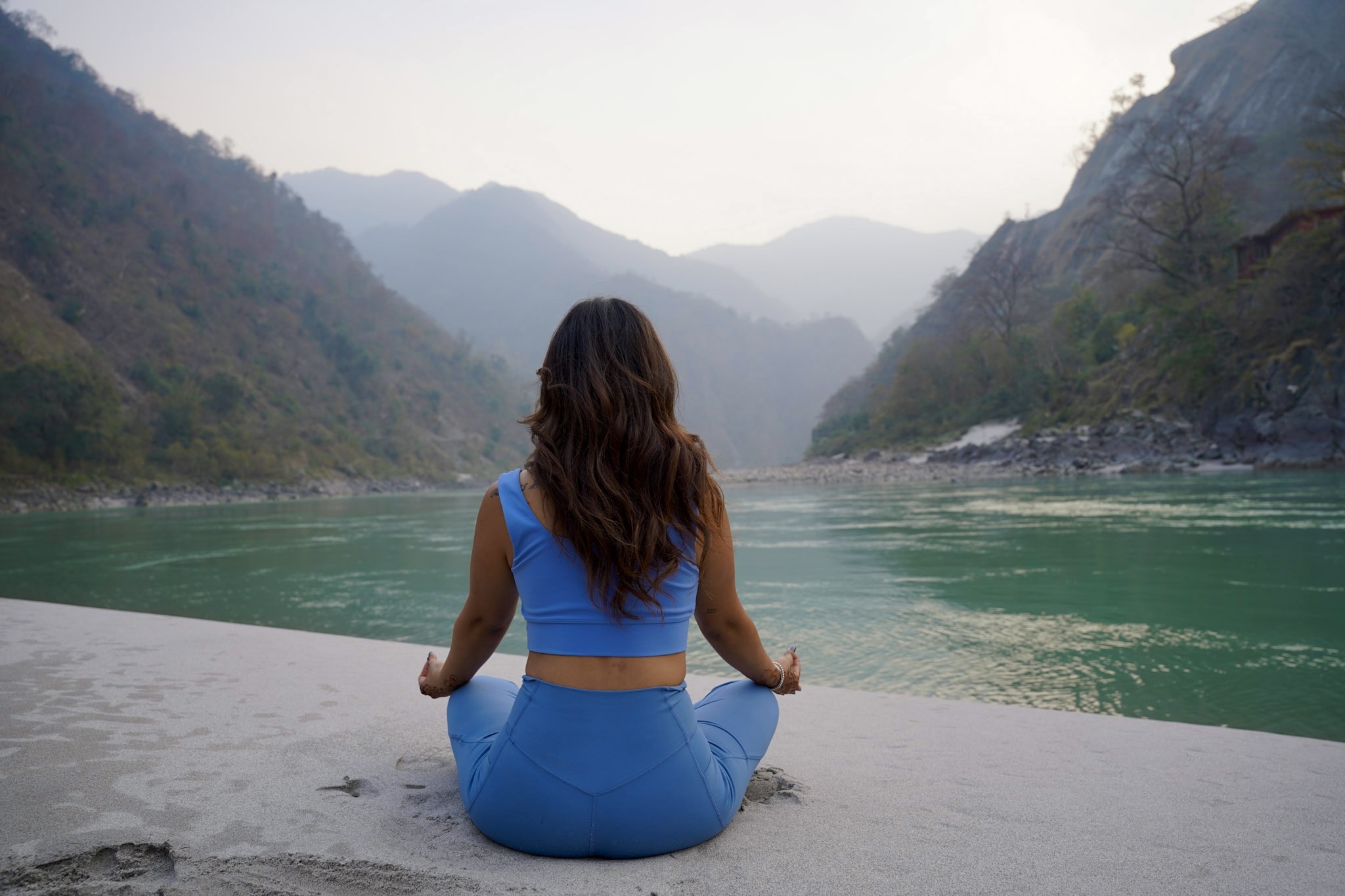
For casual mountain time rather than a big expedition, India's foothills are lovely and accessible. Rishikesh, on the Ganges where it leaves the mountains, is the classic gentle option — our Rishikesh travel guide and things to do in Rishikesh cover it, and McleodGanj and Dharamshala guide covers the Tibetan-influenced hills further west.
Culture and Spirituality
Both are profoundly spiritual, in overlapping traditions.
| India | Nepal | |
|---|---|---|
| Dominant faiths | Hindu, Muslim, more | Hindu, Buddhist |
| Spiritual hubs | Varanasi, Rishikesh | Kathmandu, Lumbini |
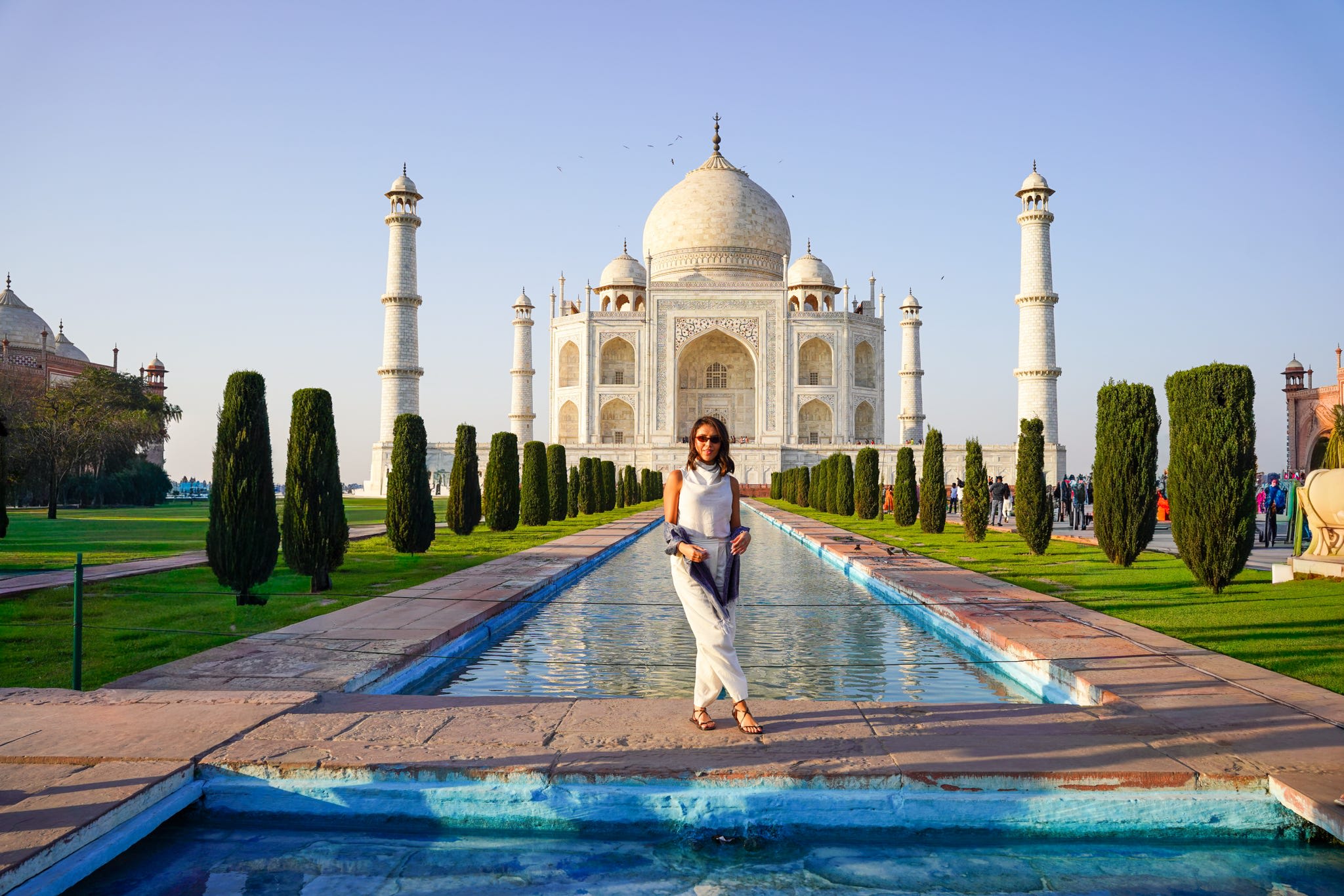
| Monuments | Taj Mahal, forts | Kathmandu Valley temples |
| Yoga | World centre (Rishikesh) | Growing scene |
India is the birthplace of yoga, and Rishikesh is its global capital — worth knowing if a wellness angle appeals; spiritual India for travellers goes deeper. Nepal blends Hindu and Buddhist culture beautifully, with the temple-packed Kathmandu Valley and Lumbini, birthplace of the Buddha.
Variety and Trip Shape
This is India's trump card. In one country you can pair the Himalayan foothills with the Golden Triangle's monuments, Rajasthan's deserts, or the Ganges at Varanasi. Nepal is more singular — magnificent, but mountain-focused. If you want mountains and monuments and desert and river in a single journey, India makes that possible.
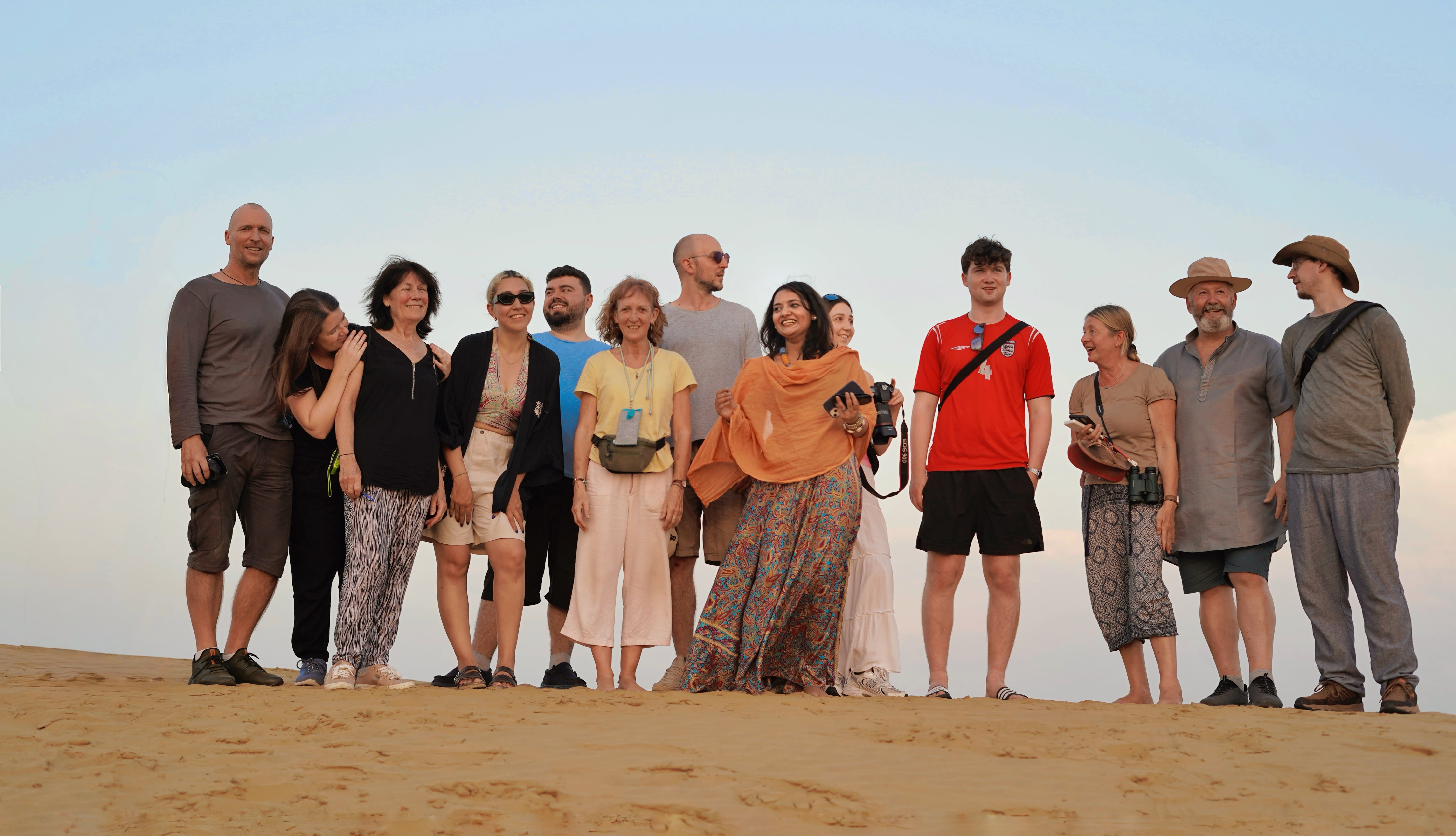
Our December departure is built exactly this way — the cultural Golden Triangle followed by the Himalayan-foothill calm of Rishikesh: the [Beyond Golden Triangle: Rishikesh Edition, 3–13 December 2026](/destinations/beyond-golden-triangle-rishikesh-dec-2026), hosted personally by Anna, capped at 12 travellers, and priced at $1,329 in USD for international guests. It's the "monuments then mountains" trip in miniature.
Ease and Getting There
India has far more international flight connections, making it easier to reach from the US, UK, and Europe; many travellers actually route into Nepal via Delhi. On the ground, both reward preparation. India is busier and more intense in its cities; Nepal is calmer but has more challenging mountain logistics. For India, seeing it with a group removes most of the friction — are small group tours worth it weighs it up honestly. Altitude is worth a thought, too: Nepal's classic treks climb well above 4,000 metres, so acclimatisation days are essential, whereas India's foothill destinations like Rishikesh sit low enough that altitude is never a concern. If you want mountain views without the physical demand, that alone can tip the decision toward India.
When to Go
Their best seasons align closely, which helps if you're combining them.
- India: best October–March overall; Himalayan trekking is a summer activity (June–September) when the plains are hot. See best time to visit India.
- Nepal: best for trekking in spring (March–May) and autumn (October–November), with clear mountain views.
Our December trip focuses on the foothills and culture, not high-altitude trekking, so winter works beautifully.
Which Should You Choose?
- Serious trekking, Everest or Annapurna: Nepal.
- Variety — mountains plus monuments, desert, river: India.
- Gentle Himalayan foothills, yoga, spirituality: India (Rishikesh).
- First long-haul trip and want support: India with a group.
Many mountain-lovers do both, often routing through India to reach Nepal. If you're still comparing the wider field, India vs Sri Lanka rounds out the neighbours.
Frequently Asked Questions
Is India or Nepal better for trekking?
Nepal is the world's premier trekking destination, home to Everest Base Camp and the Annapurna Circuit, with a mature teahouse-trekking industry. India has excellent trekking too — in Ladakh, Himachal, and Uttarakhand — but Nepal is the specialist for big high-altitude routes.
Is Nepal easier to travel than India?
Nepal is smaller and calmer, so its cities feel gentler than India's. However, mountain logistics can be more challenging, and India has far more international flight connections. For culture and variety, India is easier to reach and to combine with other regions.
Can you visit both India and Nepal in one trip?
Yes, and many travellers do. India and Nepal are connected by short flights and land borders, and their peak seasons overlap. A common route is India's Golden Triangle and Himalayan foothills, then onward to Nepal for trekking.
Where can I experience the Himalayas gently in India?
Rishikesh and the Dharamshala area are the gentlest, most accessible Himalayan-foothill experiences in India — no serious trekking required. Rishikesh adds yoga, the Ganga aarti, and river scenery, making it ideal for a relaxed mountain taste.
Ready for Monuments Then Mountains?
If India's variety — culture first, Himalayan calm to finish — is winning you over, our [Beyond Golden Triangle: Rishikesh Edition, 3–13 December 2026](/destinations/beyond-golden-triangle-rishikesh-dec-2026) is our next departure built on exactly that arc — a small group hosted by Anna, priced in USD for international travellers. See more dates on our destinations page.
Keep reading
More guides to help you plan the same trip.
India vs Morocco: Comparing Two Bucket-List Trips
India or Morocco for your next big trip? A grounded comparison of colour, culture, cost and comfort for US, UK and Europe travellers.
India vs Sri Lanka: Which Trip Should You Book First?
India or Sri Lanka first? An honest comparison of size, pace, beaches, culture and cost for US, UK and Europe travellers.
India vs Thailand: Which Should You Visit First?
India or Thailand for your first big Asia trip? A candid comparison of culture, cost, ease, food and beaches to help you choose.
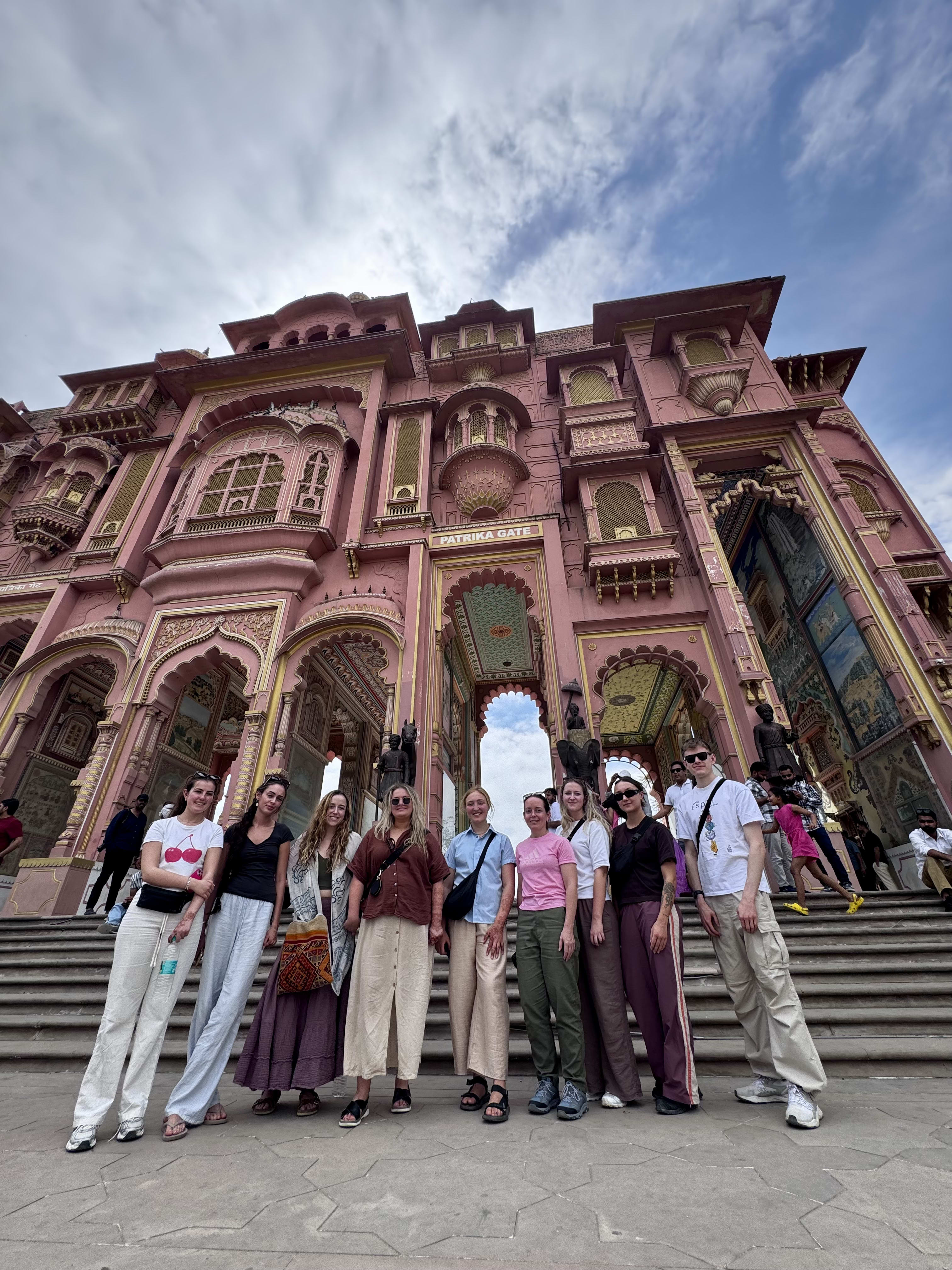
Udaipur vs Jaipur: Which Rajasthan City Should You Pick?
Udaipur vs Jaipur compared for US, UK and Europe travellers — lakes versus forts, atmosphere, cost, and how to choose (or fit both into one trip).
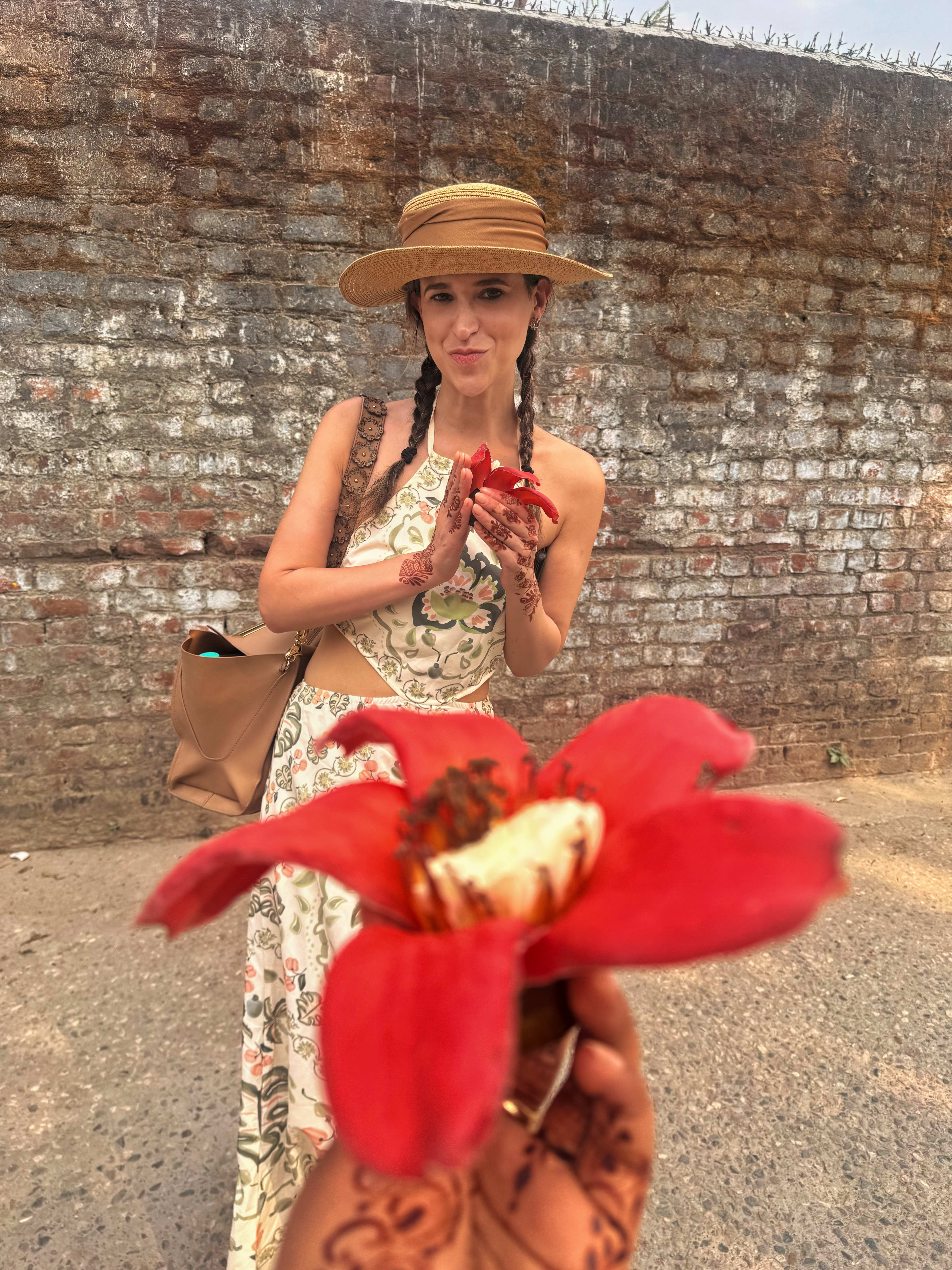
Digital Detox Retreats in India: Unplug in the Himalayas
How a digital detox retreat in India helps you truly unplug — where to go, what a day looks like, and how to ease off screens in the Himalayan foothills.
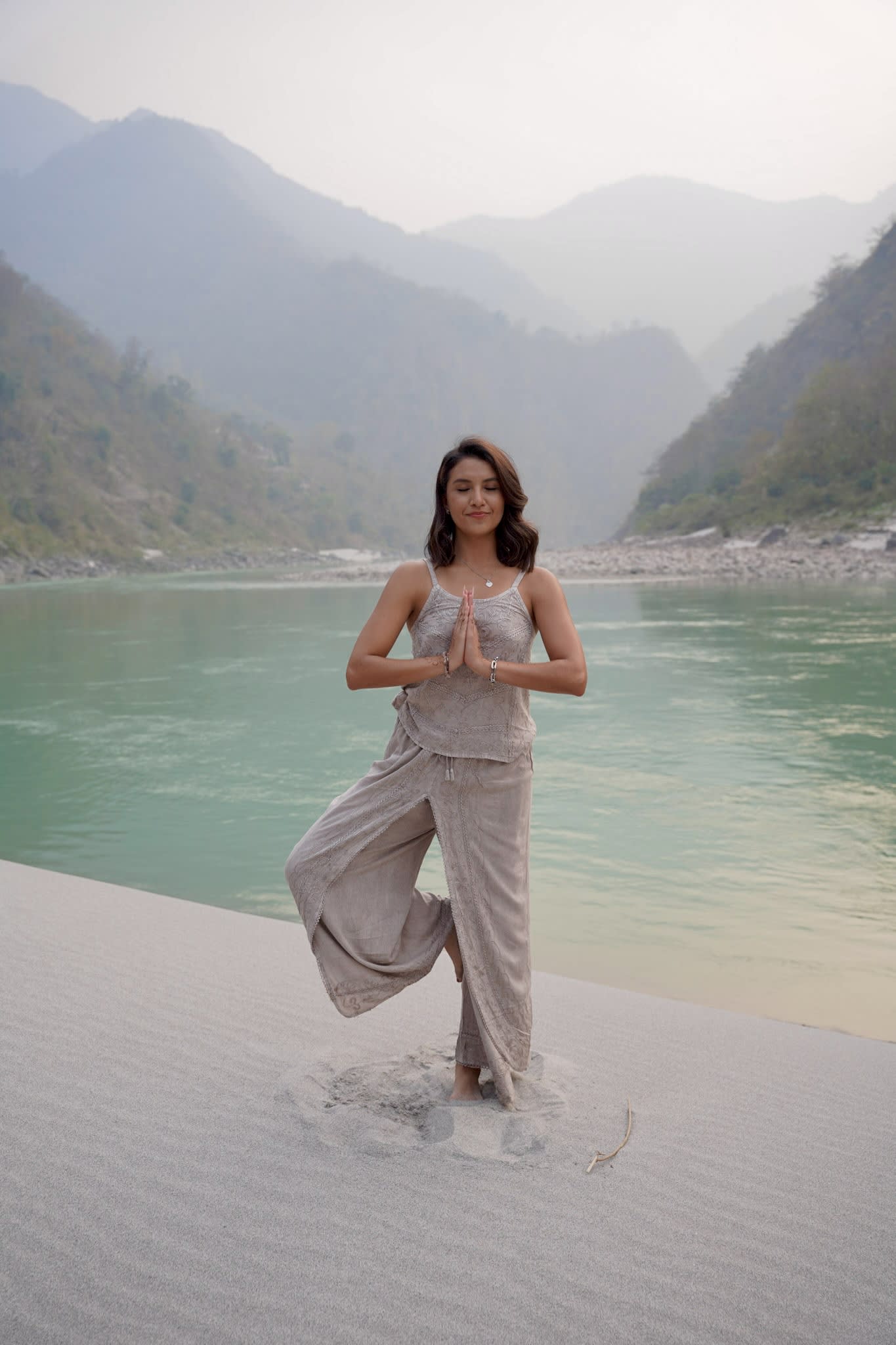
Rishikesh vs Bir Billing: Which Himalayan Town Wins?
Rishikesh vs Bir Billing compared — yoga and the Ganges versus paragliding and mountain cafés. Which Himalayan base suits your India trip, and when to go.