Spiritual India: Temples, Ashrams & Sacred Sites
The temples, ashrams and sacred rivers worth your time as a first-time visitor — and how to experience them respectfully.
On this page
For a lot of travellers from the US, UK, and Europe, the pull to visit spiritual India is the whole reason the trip exists — the ashrams, the river ceremonies, the temples that have been in daily use for a thousand years. The good news is you don't need to be religious, or to have a practice, to be moved by it. You just need a little context and a respectful approach, and this guide gives you both.
Quick answer: Spiritual India spans Hinduism, Buddhism, Sikhism, Islam, Jainism, and Christianity, and you can experience it meaningfully in a single trip. The classic first-timer route pairs Varanasi and Rishikesh on the Ganges with the temples of North India; dress modestly, remove your shoes at religious sites, and watch before you join in.
What "Spiritual India" Actually Means
India is the birthplace of four major religions and home to sizeable Muslim, Christian, and Zoroastrian communities, so "spiritual" here is genuinely plural. In a two-week trip you might watch a fire ceremony on the Ganges, sit for morning chanting in an ashram, share a free meal in a Sikh temple, and light a candle in a 16th-century church — all without contradiction.
That variety is the point. Rather than trying to "do" spirituality as a checklist, treat it as a lens: the same city that hands you a chaotic bazaar will, two streets over, hold a courtyard where nothing has changed in centuries. Our India etiquette dos and don'ts piece is worth reading before you go, because respect is the price of entry to these spaces.
The Sacred Rivers: Varanasi and Rishikesh
If you visit one place for its spiritual weight, make it Varanasi — Hinduism's holiest city, where pilgrims come to bathe in the Ganges and cremations happen openly on the ghats. A dawn boat ride and the evening Ganga aarti are the two experiences everyone remembers. Read our Varanasi travel guide before you go so the intensity doesn't blindside you.
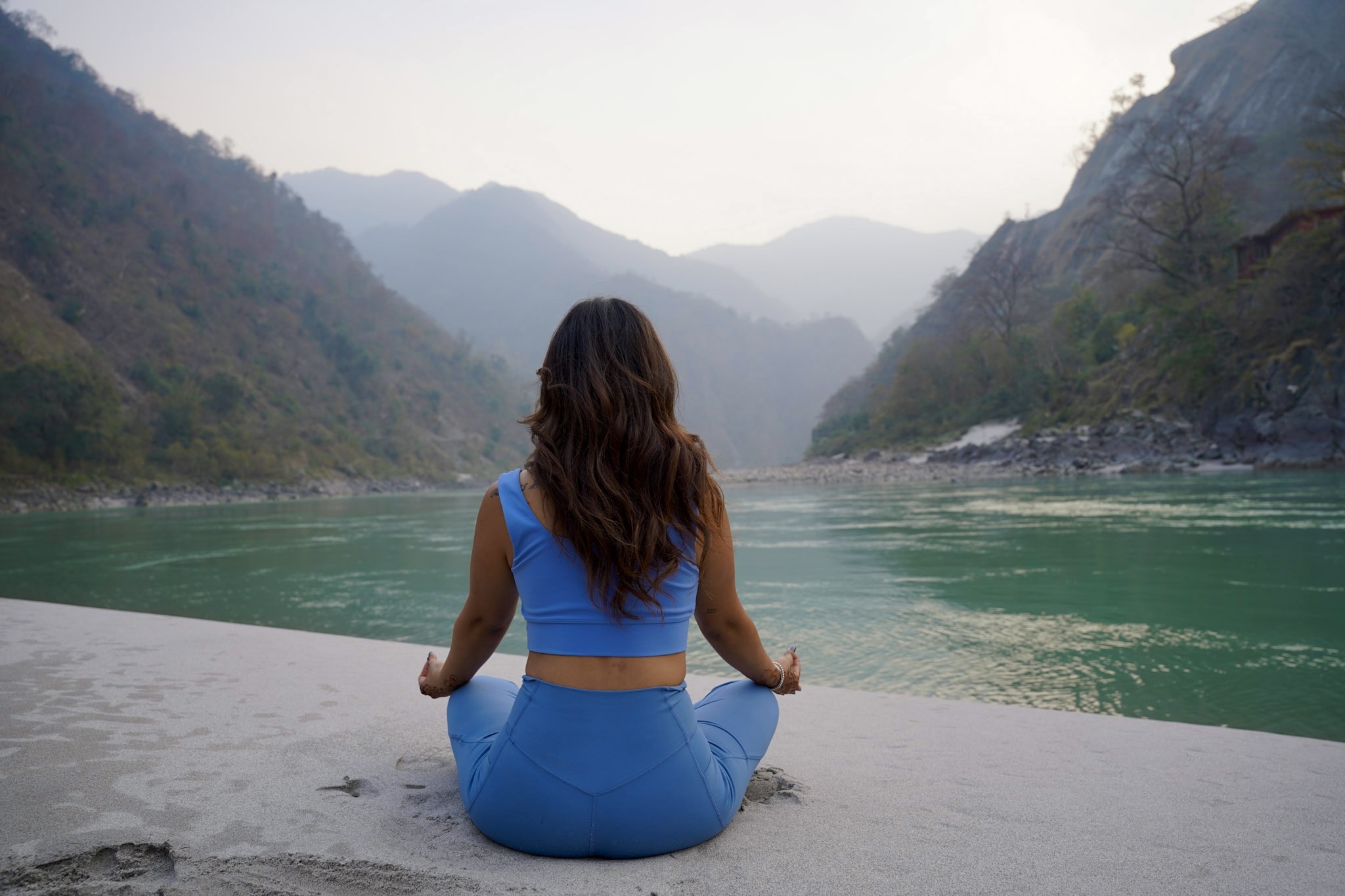
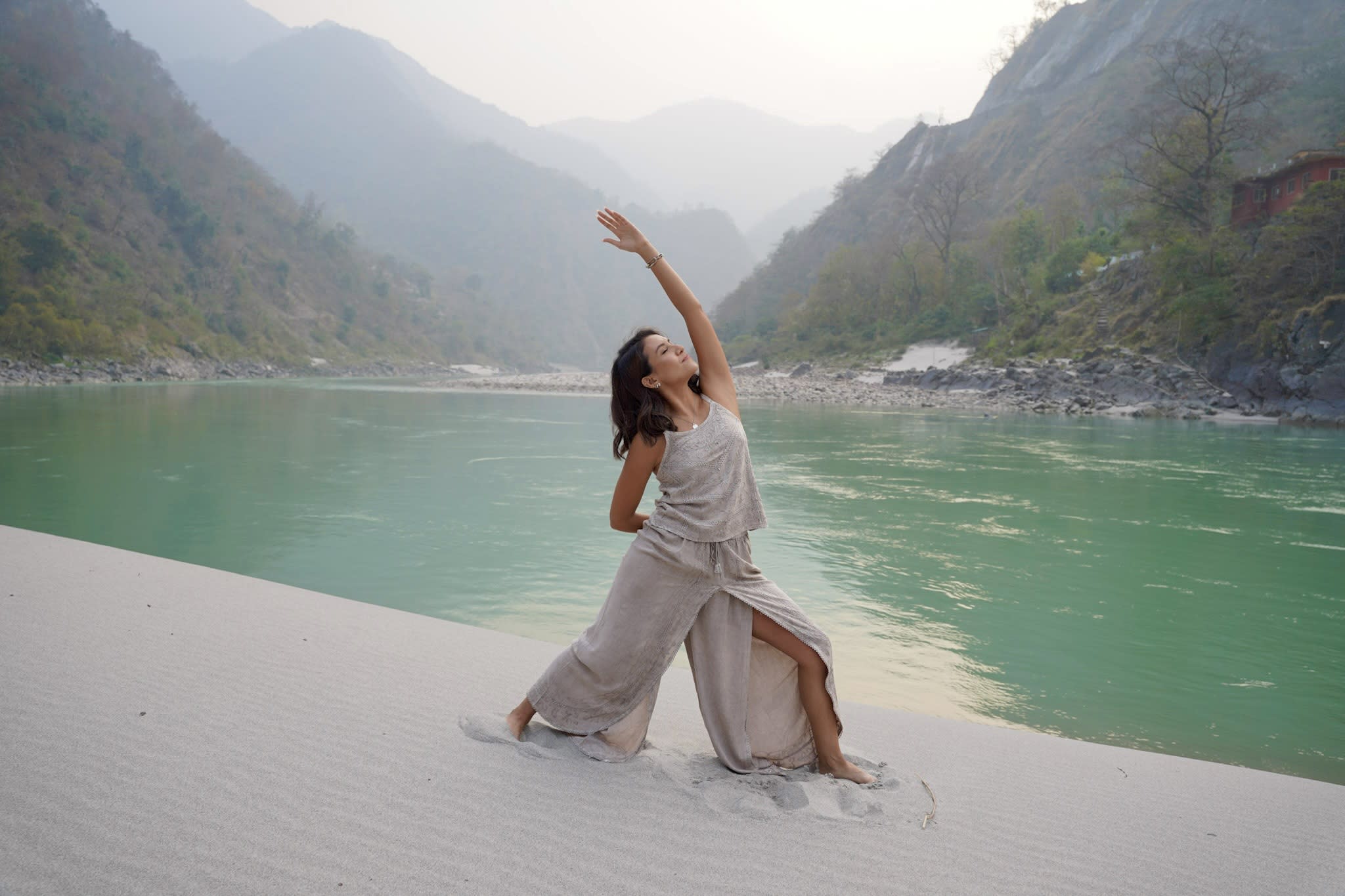
Rishikesh, further upstream where the Ganges leaves the Himalayas, is gentler — the "yoga capital of the world," full of ashrams, riverside temples, and its own nightly aarti. It's the easier introduction of the two. See our Ganga aarti in Rishikesh and Rishikesh travel guide for the practical detail.
Ashrams, Yoga, and Meditation
An ashram is a spiritual community, usually built around a teacher or tradition, where you can stay for anything from a morning class to a multi-week programme. Standards vary hugely, so choose carefully:
- Day visits and drop-in classes — the low-commitment way to sample ashram life, common in Rishikesh.
- Structured retreats — fixed schedules, shared rooms, simple vegetarian food, and rules on silence, phones, and alcohol.
- Residential courses — yoga teacher training or long meditation programmes for the genuinely committed.
If you're weighing up formats, our guides to meditation retreats in India for beginners and yoga retreats in India for beginners lay out what to expect and what to avoid.
Sacred Sites at a Glance
Different faiths, different codes of behaviour. Here's a quick orientation to the big ones a first-timer is likely to reach:
| Site | Faith | City / Region | What to know |
|---|---|---|---|
| Ganga ghats | Hindu | Varanasi | Dawn boat ride; don't photograph cremations |
| Golden Temple | Sikh | Amritsar | Cover your head; free community kitchen |
| Rishikesh ashrams | Hindu / yogic | Uttarakhand | Modest dress; many are alcohol-free |
| Bodhi Tree, Bodh Gaya | Buddhist | Bihar | Where the Buddha is said to have found enlightenment |
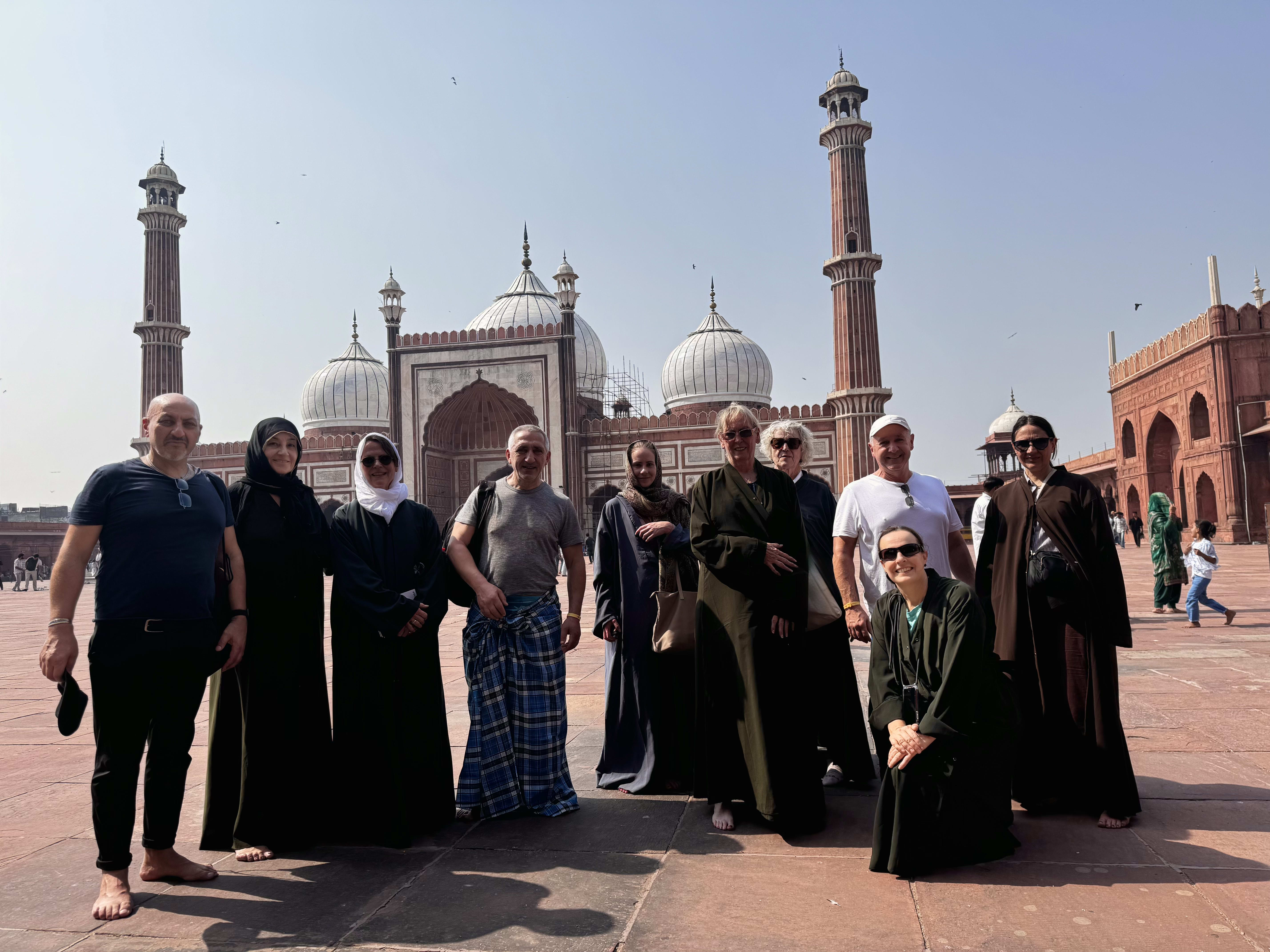
| Jama Masjid | Muslim | Delhi | Cover shoulders and knees; no visits during prayers |
The Golden Temple in Amritsar deserves a special mention — its langar (free kitchen) serves tens of thousands of meals a day to anyone, regardless of faith. Our Amritsar Golden Temple guide covers the etiquette.
Temple Etiquette: The Basics That Matter
Get these right and you'll be welcomed almost anywhere:
- Remove your shoes before entering temples, mosques, and gurdwaras. Bring socks if hot stone floors bother you.
- Dress modestly — shoulders and knees covered for everyone. Our what to wear in India guide has specifics.
- Cover your head in Sikh and some Muslim sites; scarves are usually available at the entrance.
- Ask before photographing people at prayer, and never inside inner sanctums where it's forbidden.
- Walk clockwise around shrines, and use your right hand to give or receive.
Timing spiritual travel with a festival multiplies the atmosphere. If that appeals, see our best festivals in India for tourists roundup and the joyful street processions of Ganesh Chaturthi.
Seeing It With a Small Group
Sacred spaces are exactly where a knowledgeable host earns their keep. Knowing when to stay quiet at the ghats, which ceremony is about to begin, and how to accept an offering without causing offence turns an overwhelming scene into a genuinely moving one. That cultural framing is the heart of our [Soul of India: Golden Triangle Cultural Tour, 16–23 September 2026](/destinations/beyond-taj-sep-2026) — hosted personally by Anna, capped at 12 travellers, and priced at $999 in USD for international guests, it weaves temple visits and living traditions into the classic Delhi–Agra–Jaipur route.
Frequently Asked Questions
Do I need to be religious to visit spiritual sites in India?
Not at all. Millions of visitors of every faith and none experience India's temples, ashrams, and river ceremonies respectfully every year. What matters is modest dress, quiet observation, and following the local customs rather than sharing the beliefs.
Can foreigners stay in an ashram in India?
Yes. Many ashrams, especially around Rishikesh, welcome international guests for day classes, short retreats, or longer courses. Expect simple rooms, vegetarian food, early starts, and rules on silence, phones, and alcohol — book ahead as the reputable ones fill up.
What should I wear to temples in India?
Cover your shoulders and knees, and be ready to remove your shoes at the entrance. In Sikh gurdwaras and many mosques you'll also need to cover your head, and scarves are usually provided. Loose, breathable clothing works best in the heat.
Where is the most spiritual place in India?
Varanasi is widely considered Hinduism's holiest city and the most intense spiritual experience for visitors, while Rishikesh offers a gentler introduction on the same river. Amritsar's Golden Temple is the spiritual heart of Sikhism and one of the most welcoming sites in the country.
Ready to Experience Spiritual India?
If temples, river ceremonies, and living traditions are what draw you to India, our [Soul of India: Golden Triangle Cultural Tour, 16–23 September 2026](/destinations/beyond-taj-sep-2026) is built for exactly that — hosted personally by Anna, capped at 12 travellers, and priced at $999 in USD for international travellers, with the culture woven in rather than bolted on. See other dates and routes on our destinations page.
Keep reading
More guides to help you plan the same trip.
Amritsar & the Golden Temple: A Visitor's Guide
The Golden Temple in Amritsar for US, UK and Europe travellers: etiquette, the langar, the Wagah border ceremony, and when to visit.

What It's Like to Witness an Indian Wedding
An honest look at attending an Indian wedding as a traveller: the ceremonies, what to wear, gift etiquette and how to be a gracious guest.

Chai, Coffee & Cafe Culture in India
A first-timer's guide to chai culture India travellers fall in love with, from roadside stalls to Rishikesh riverside cafes.
What Not to Do in India: Mistakes Tourists Make
The most common mistakes tourists make in India — from temple dress to tap water — and the small courtesies that earn you warmer welcomes.

The Best Places for Yoga in India (Beyond Rishikesh)
The best places for yoga in India, from the Himalayan foothills to Mysore and the Goan coast — each region's style, season, and who it suits best.
Golden Triangle with Amritsar & the Golden Temple
How to add Amritsar and the Golden Temple to the classic Delhi–Agra–Jaipur route — timing, travel options, and what makes this extension so warm.