Best Time to Visit India: A Month-by-Month Guide (2026)
Real monthly temperatures, rainfall and crowd levels for Delhi, Jaipur and Kerala — so you can pick your window with numbers, not guesswork.
On this page
If you're planning a trip and searching for the best time to visit India, the short answer is October to March — but that answer hides a lot. India spans 3,000 km (1,864 miles) from the Himalaya to the tropics, so the month that's perfect for Rajasthan can be the wettest of the year in Kerala. This guide gives you the actual numbers: average highs, lows and rainfall by month for the three climates most travellers care about, plus honest notes on crowds and price.
Quick answer: October through March is the best time to visit India for most international travellers — cool, dry and comfortable for Delhi, Agra, Jaipur and Rishikesh. April to June is genuinely hot (Jaipur averages 41°C/106°F in May). July to September is monsoon in most of the country, though the Himalayan foothills stay workable.
Why October–March Is the Sweet Spot
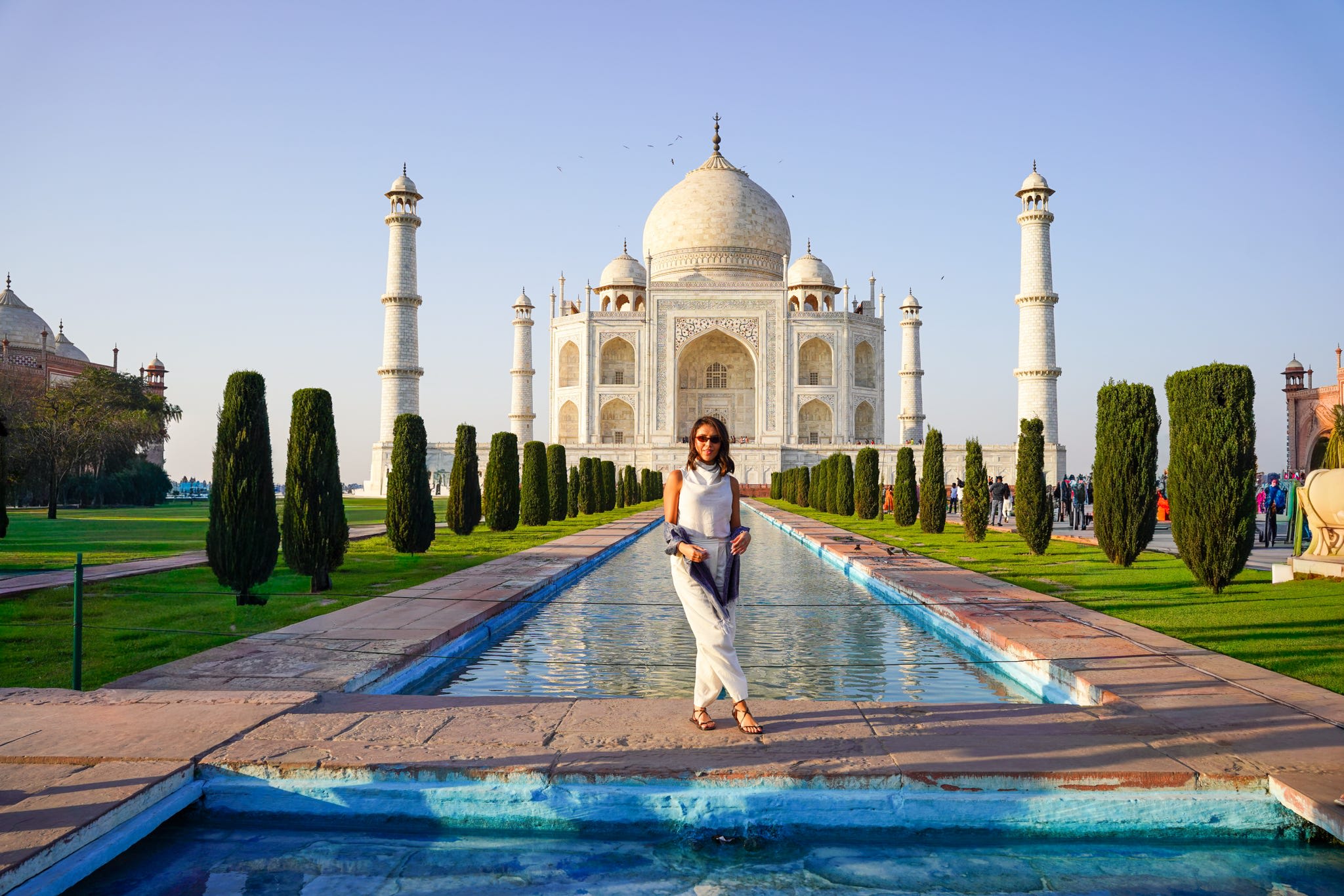
This is peak season for a reason. Daytime temperatures in North India sit in a comfortable range from November through February, humidity drops away, and the skies clear enough for long walking days and good photography at places like the Taj Mahal and Amber Fort. It's also when India's biggest festivals land — Diwali in late October or November, Holi in March — so you get culture and comfortable weather in the same trip.
The trade-offs are real: hotels and headline sights are busier and pricier, and December–January nights in Rajasthan and Delhi drop to 8–10°C (46–50°F), which surprises people who packed for "hot India". Bring a proper layer.
India Weather by Month: Delhi
Delhi is the usual arrival point and a fair proxy for the whole Golden Triangle. These are official 1991–2020 climate normals for Safdarjung, so they're long-run averages rather than a forecast.
| Month | Avg high | Avg low | Rainfall | Verdict for travel |
|---|---|---|---|---|
| January | 20°C / 68°F | 8°C / 46°F | 19 mm | Cool and dry; morning fog can delay flights |
| February | 24°C / 76°F | 11°C / 51°F | 21 mm | Excellent — arguably the best all-round month |
| March | 30°C / 86°F | 16°C / 60°F | 17 mm | Warm but very pleasant; Holi falls here |
| April | 37°C / 98°F | 21°C / 70°F | 16 mm | Getting hard work by mid-month |
| May | 40°C / 104°F | 26°C / 78°F | 31 mm | Too hot for comfortable sightseeing |
| June | 39°C / 102°F | 28°C / 82°F | 74 mm | Hot and increasingly humid |
| July | 36°C / 96°F | 28°C / 82°F | 210 mm | Monsoon proper |
| August | 34°C / 94°F | 27°C / 80°F | 233 mm | Wettest month of the year |
| September | 34°C / 93°F | 25°C / 77°F | 124 mm | Monsoon retreating; green and quiet |
| October | 33°C / 91°F | 20°C / 67°F | 15 mm | Excellent — season reopening |
| November | 28°C / 83°F | 13°C / 55°F | 6 mm | Excellent; driest month, festival season |
| December | 23°C / 73°F | 8°C / 47°F | 8 mm | Crisp and clear, but foggy mornings |
The pattern worth noticing: rainfall collapses from 124 mm in September to 15 mm in October. That single step is why the season effectively opens in October.
India Weather by Month: Jaipur and the Desert
Rajasthan runs hotter and drier than Delhi. Jaipur's May average high of 41°C (106°F) is not a heatwave figure — that's the normal.
| Month | Avg high | Avg low | Rainfall |
|---|---|---|---|
| January | 23°C / 73°F | 8°C / 47°F | 6 mm |
| February | 26°C / 79°F | 12°C / 54°F | 10 mm |
| March | 32°C / 90°F | 17°C / 63°F | 4 mm |
| April | 38°C / 100°F | 23°C / 73°F | 7 mm |
| May | 41°C / 106°F | 27°C / 81°F | 12 mm |
| June | 40°C / 103°F | 28°C / 82°F | 62 mm |
| July | 35°C / 95°F | 26°C / 79°F | 191 mm |
| August | 33°C / 91°F | 25°C / 77°F | 203 mm |
| September | 34°C / 94°F | 24°C / 75°F | 80 mm |
| October | 34°C / 93°F | 20°C / 68°F | 19 mm |
| November | 30°C / 85°F | 14°C / 58°F | 2 mm |
| December | 25°C / 77°F | 10°C / 50°F | 4 mm |
November is Rajasthan's driest month at 2 mm — near-guaranteed clear skies for fort days and desert nights. If you're weighing the desert cities against each other, our Jodhpur vs Jaisalmer comparison covers what each one is actually like.
India Weather by Month: Kerala and the South
The south runs on a different calendar entirely, and this is where "best time to visit India" advice most often misleads people. Kochi's figures (1981–2010 normals) show why.
| Month | Avg high | Avg low | Rainfall |
|---|---|---|---|
| January | 32°C / 89°F | 23°C / 73°F | 24 mm |
| February | 32°C / 90°F | 24°C / 76°F | 27 mm |
| March | 33°C / 91°F | 26°C / 78°F | 45 mm |
| April | 33°C / 91°F | 26°C / 79°F | 113 mm |
| May | 32°C / 90°F | 26°C / 78°F | 285 mm |
| June | 30°C / 87°F | 24°C / 76°F | 700 mm |
| July | 30°C / 85°F | 24°C / 75°F | 576 mm |
| August | 30°C / 85°F | 24°C / 75°F | 379 mm |
| September | 30°C / 86°F | 24°C / 76°F | 310 mm |
| October | 31°C / 87°F | 24°C / 75°F | 367 mm |
| November | 31°C / 88°F | 24°C / 75°F | 150 mm |
| December | 32°C / 89°F | 23°C / 74°F | 39 mm |
Two things stand out. First, temperature barely moves all year — Kochi sits at 30–33°C (86–91°F) every single month, so "cool season" is meaningless here. Second, June brings 700 mm of rain, roughly three times Delhi's wettest month. Kerala's dry window is December to March, and October is still properly wet in the south even as North India is drying out. If Kerala is on your list, our Golden Triangle vs Kerala guide covers how the two trips actually compare.
Best Time by Region
- Golden Triangle (Delhi–Agra–Jaipur): October to March, without much argument. See our best time to visit the Golden Triangle guide for a departure-level view.
- Rajasthan's desert towns: November to February for comfortable daytime temperatures. Avoid May and June unless heat genuinely doesn't bother you.
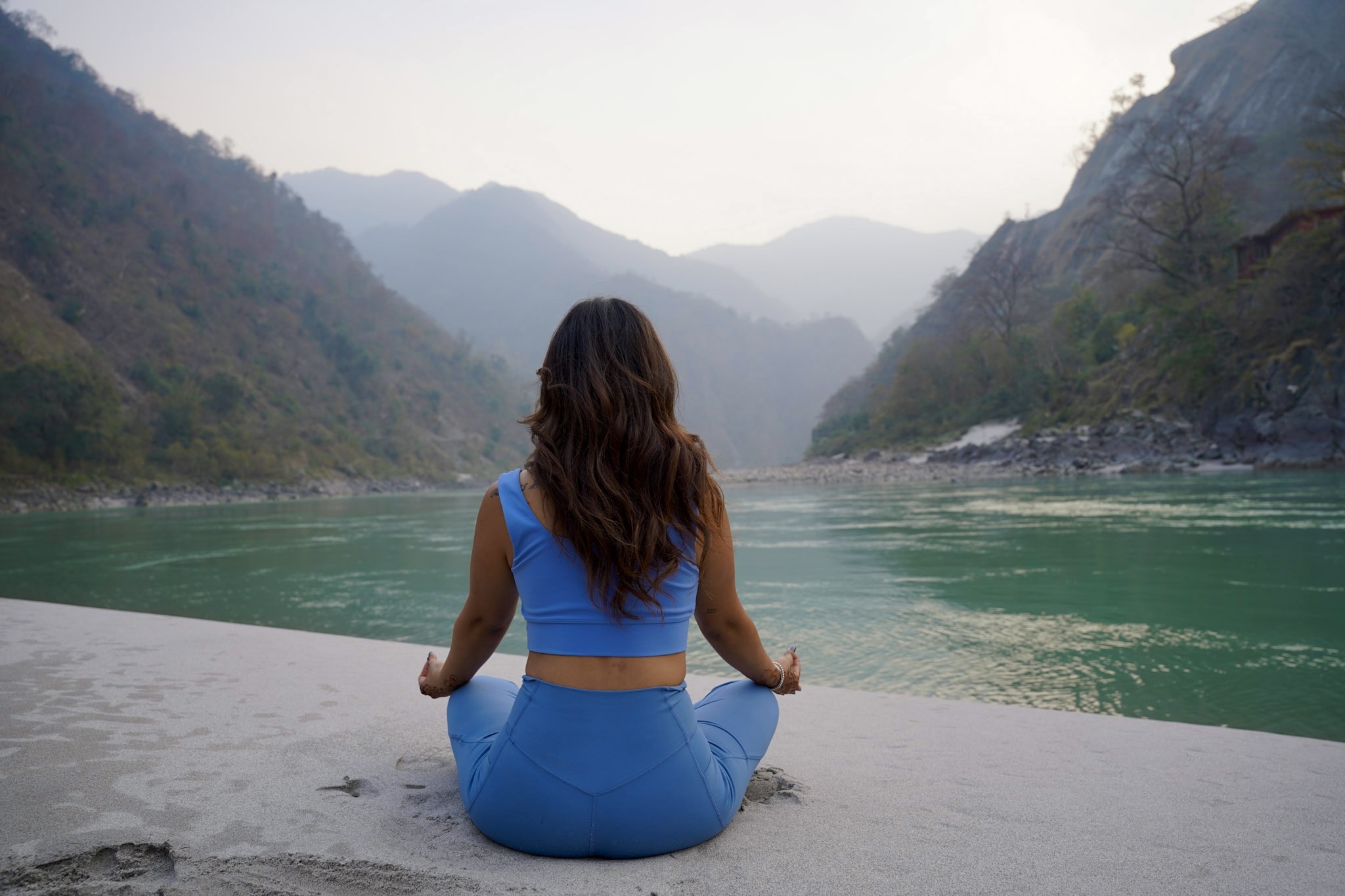
- Rishikesh and the Himalayan foothills: A longer window than the plains. September–November and February–April both work, and the foothills stay tolerable in April–June when Delhi doesn't. See best time to visit Rishikesh.
- Kerala and the south: December to March. October is still monsoon-affected here even though the north has cleared.
- Bir Billing and the mountains: Paragliding season runs roughly October to June with a monsoon pause; details in best time to visit Bir Billing.
Month-by-Month, in Plain English
- October — Post-monsoon freshness, lingering greenery, and Diwali often lands here. The single biggest drop in rainfall of the year. Full detail in our India in October guide.
- November — The most balanced month for a first trip: mild days, cool evenings, and India's driest stretch in the north. See India in November.
- December — Festive and clear, but Delhi and Agra get dense morning fog that delays early flights and trains. Plan sunrise visits with slack in them. More in India in December.
- January — Coldest month in the north and genuinely chilly at dawn, but dry and sunny by midday. Kerala is at its best.
- February — Our quiet favourite. Warm enough for long days, cool enough to walk all afternoon, and thinner crowds than the Christmas peak.
- March — Warming fast, gardens in bloom, and Holi if the dates align. Comfortable in the north up to about mid-month.
- April–June — Hot and dry in the plains, with Jaipur averaging 41°C/106°F in May. This is when the Himalayan foothills come into their own for yoga and wellness trips.
- July–September — Monsoon. Heavy rain, dramatic light, lowest prices and fewest tourists. Covered honestly in our India in monsoon guide.
Weather, Crowds and Price Trade-Offs
- Peak season (Nov–Feb): best weather, busiest sights, highest prices. Book hotels and trains well ahead, especially over Christmas and New Year.
- Shoulder season (Oct, Mar): good weather, thinner crowds, noticeably better value. This is the window we most often recommend.
- Off-season (Apr–Sep): cheaper and quieter, but heat or rain will shape your itinerary. Workable if you're flexible and lean toward indoor culture, Ayurveda or the mountains rather than desert forts.
For what any of this actually costs across the seasons, our India daily budget guide breaks it down by travel style.
Festivals Worth Timing a Trip Around
India's festival calendar is one of the best reasons to be precise about dates. Diwali and Holi are the two our travellers ask about most — read the Diwali festival of lights guide and check exact dates in when is Diwali 2026 before booking flights, because both follow the lunar calendar and shift year to year. Holi 2027 dates are in our Holi travel guide.
Frequently Asked Questions
What is the best time to visit India overall?
October through March, for most travellers and especially first-timers doing the Golden Triangle or a North India circuit. Weather is cool and dry, rainfall in Delhi drops to 6–19 mm a month, and it lines up with Diwali and Holi.
What is the single best month to visit India?
November for North India. It's the driest month in both Delhi (6 mm) and Jaipur (2 mm), daytime highs sit around 28–30°C (83–85°F), and evenings are cool without being cold. February is a close second with fewer crowds than the Christmas peak.
Is it worth visiting India during monsoon season?
It can be, if you're flexible and drawn to green landscapes and low prices. But July and August bring 200–233 mm to Delhi and up to 700 mm to Kerala, which disrupts road travel and outdoor sightseeing. We generally steer first-time travellers to the drier months.
When is it too hot to travel to North India?
Late April through June. Delhi averages 40°C (104°F) in May and Jaipur 41°C (106°F), and those are averages, not peaks. If you must travel then, the Himalayan foothills around Rishikesh stay meaningfully cooler.
Does the best time to visit India change by region?
Substantially. North India favours October to March; Kerala and the south are best December to March and are still wet in October; hill regions like Rishikesh and Bir Billing have longer comfortable windows extending into April–June.
When is the cheapest time to visit India?
The monsoon months, roughly July to September, when hotel rates and flights drop and the big sights are quiet. Late March and April are a middle ground — prices ease before the worst of the heat arrives.
Ready to Plan Your Trip?
Once you've settled on your window, the next step is an itinerary that fits it. Our small-group trips are capped at 12 travellers and hosted personally by Anna, and they run across the best months for each region. Our small-group Golden Triangle tours follow the classic route with a stay in rural Rajasthan, and the 11-day Diwali & Yoga journey is timed to November's festival window. Browse the dates to find the ones that match the season you want.
Keep reading
More guides to help you plan the same trip.
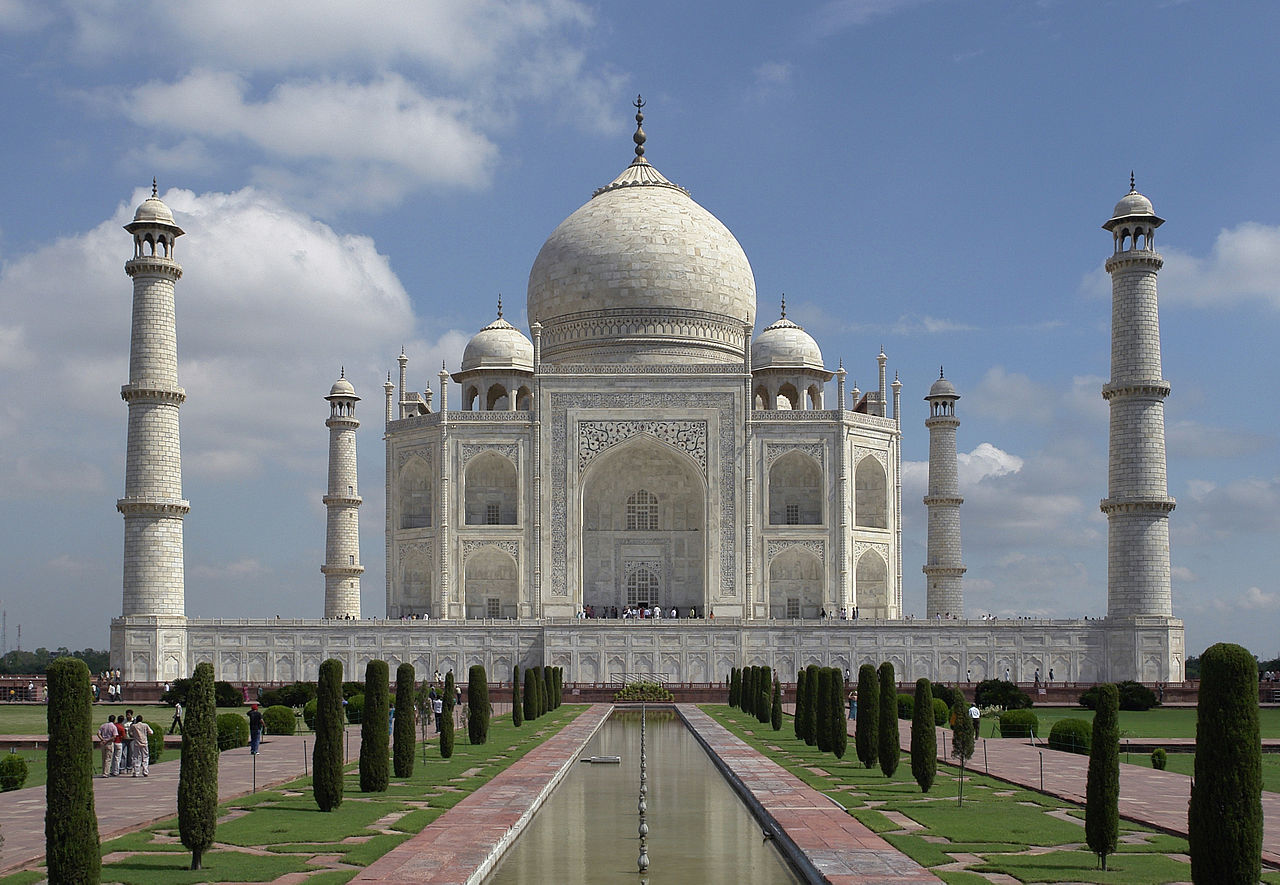
Best Time to Visit the Golden Triangle: Month by Month
October to March is the easy answer — but the best month depends on whether you want festivals, cool mornings, lower prices or fewer crowds.
Best Time to Visit Kerala: Month-by-Month Weather Guide
A month-by-month look at Kerala's weather, crowds, monsoon and prices, so you can time the backwaters, beaches and hill country right.

Best Time to Visit Rajasthan
The best time to visit Rajasthan is October to March for cool, dry days — but here's the honest month-by-month picture, including the green monsoon season.

The Best Time to Visit Bir Billing for Paragliding
The best time to visit Bir Billing for paragliding is October to June, when Himachal's thermals and clear skies make for safe, soaring flights.
The Golden Triangle in Winter: What to Expect
Cool mornings, clear skies, and thick fog — here's what the golden triangle in winter actually feels like on the ground.

India in December 2026: Weather, Crowds & Where to Go
India in December brings cool, clear days, festive Delhi-Agra-Jaipur crowds, and the best Himalayan foothill weather of the year.