India vs Southeast Asia: Where Should You Go First?
India vs Southeast Asia for your first big trip: honest trade-offs on cost, culture, ease, and which one to book first.

On this page
If you're weighing up india vs southeast asia for your first big trip east, you're not alone — it's one of the most common crossroads travellers hit when they start planning. Both regions deliver incredible food, colour, and value for money, but they ask very different things of you as a traveller, and they reward you in different currencies of experience. This guide lays out the honest trade-offs so you can pick the one that actually fits you right now, not just the one that looks best on Instagram.
Quick answer: Choose Southeast Asia (Thailand, Vietnam, Bali) if you want an easier first-time intro to Asia with beaches and built-in backpacker infrastructure. Choose India if you want deeper culture, more dramatic history, and don't mind a steeper learning curve — and go with a small group tour if you want India's rewards without the logistics headache.
The Case for Southeast Asia First
Southeast Asia has earned its reputation as the classic gap-year and first-timer route for good reason:
- Well-worn backpacker trail — Thailand, Vietnam, and Cambodia have decades of tourist infrastructure: hostels, night buses, SIM kiosks at the airport, English menus everywhere.
- Beaches plus culture in one trip — you can mix temple-hopping in Chiang Mai with island time in Krabi without changing countries.
- Lower culture-shock ramp — traffic, street food, and crowds are intense but generally feel more "manageable" for a first-timer than India's biggest cities.
- Visa-free or visa-on-arrival for many nationalities, which simplifies last-minute planning.
If your priority is an easy, sociable, beach-friendly introduction to Asia, this region is hard to beat.
The Case for India First
India isn't harder because it's less developed — it's harder because it's more concentrated. You get more history, more sensory intensity, and more genuine cultural immersion per day than almost anywhere else on earth.
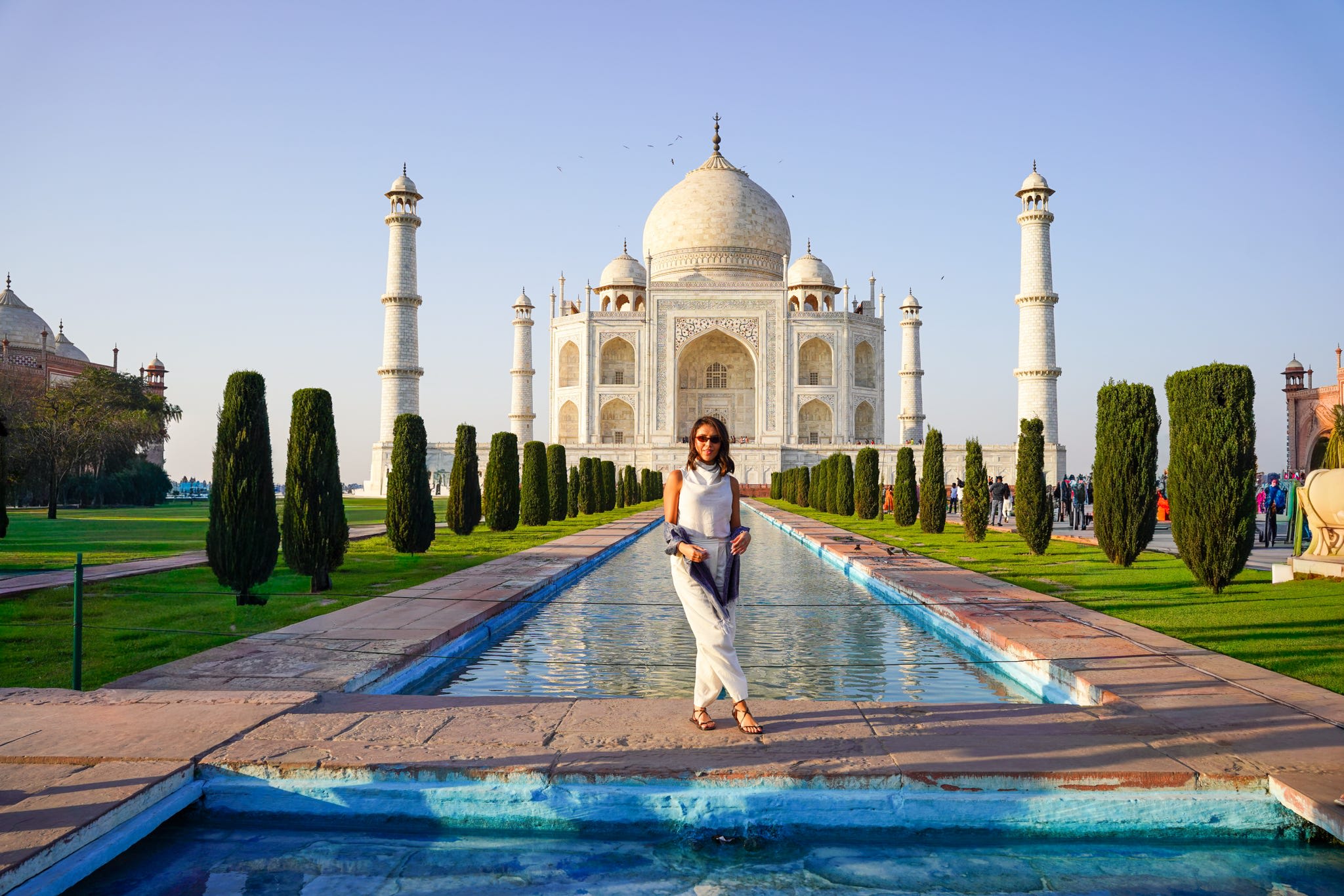
- Depth of history — the Taj Mahal, Amber Fort, and Fatehpur Sikri sit within a few hours of each other in the Golden Triangle, giving you 500+ years of Mughal architecture in under a week.
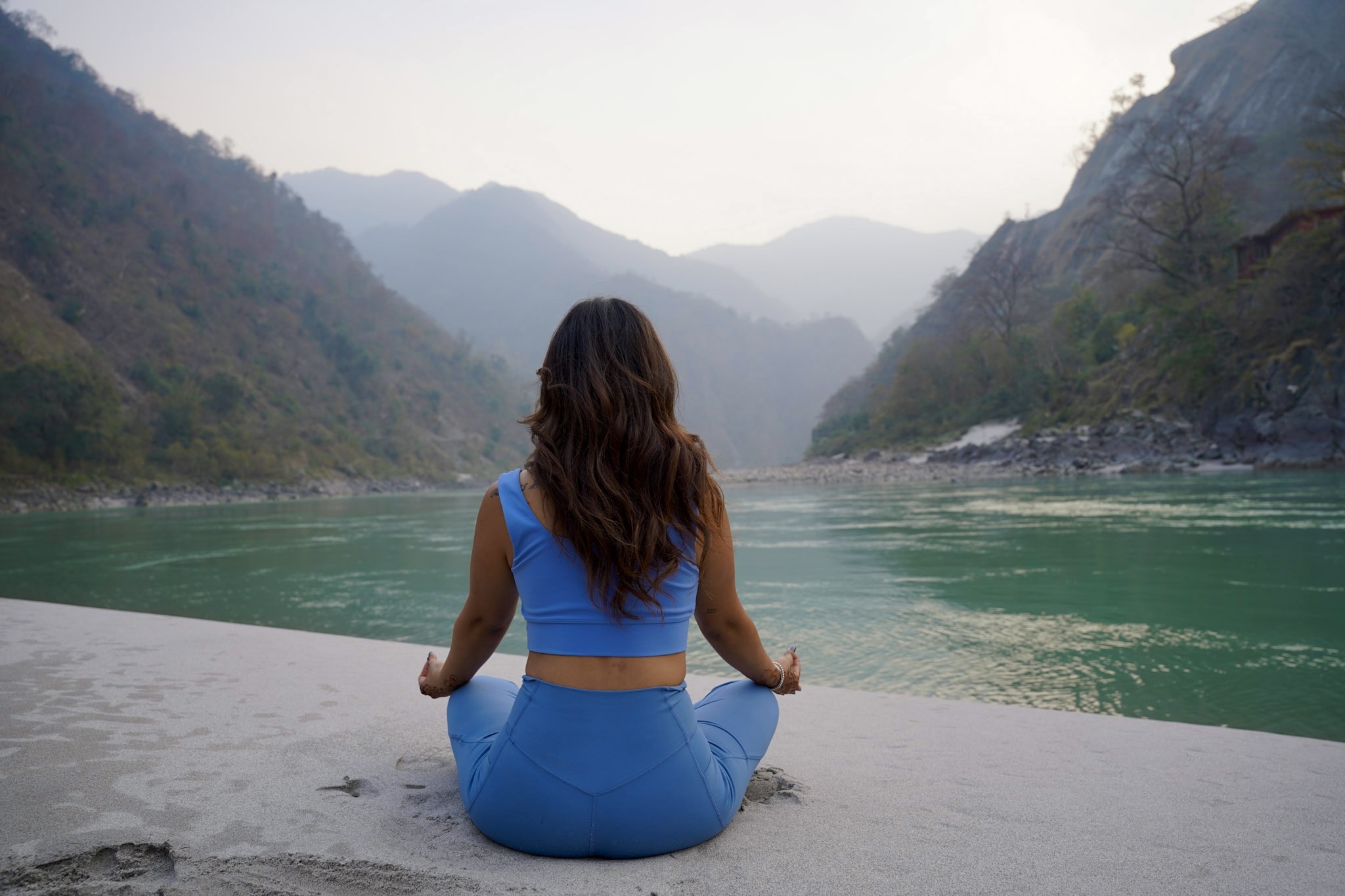
- Living spirituality — the Ganga Aarti in Rishikesh or a Diwali evening in Jaipur are not staged for tourists; they're daily life you get to witness.
- Extraordinary value — a fully guided two-week India trip can cost less than a week in a mid-range Bali resort. See our breakdown of India trip costs for two weeks.
- The trade-off — India asks more of first-timers: more negotiating, more noise, more decision fatigue if you're going independently. This is exactly why most of our guests choose a guided small-group trip rather than winging it solo.
Cost Comparison: What Your Money Buys
Roughly speaking, for a mid-range traveller:
- Southeast Asia: $40-70/day covers decent guesthouses, street food, and local transport across Thailand or Vietnam.
- India: $50-90/day on a guided trip covers heritage hotels, private transport between cities, and a guide who handles the logistics you'd otherwise burn hours on — see is a Golden Triangle tour worth it for a full cost breakdown.
- Flights into India from the US, UK, or Australia are often comparable to or cheaper than flights into Bangkok or Bali, depending on season.
Neither region is "cheap" once you add flights, but both deliver far more experience per dollar than a Western city break.
Ease of Travel: Independent vs Guided
This is where the real difference shows up. Southeast Asia is genuinely easy to do solo and independently — the trail is built for it. India rewards structure more:
- Distances between major sites (Delhi, Agra, Jaipur, Rishikesh) are long enough that self-driving or public transport eats into sightseeing time.
- Traffic, haggling, and navigating without much English signage outside cities add friction that a good local guide removes instantly.
- Solo female travellers in particular often find a small group tour gives them the confidence to actually relax and enjoy India rather than manage it.
If you're the type who wants zero planning stress on your first Asia trip, Southeast Asia's DIY-friendliness is a real advantage. If you're happy to hand logistics to someone else in exchange for a deeper experience, India opens up beautifully.
Which Should You Actually Pick?
There's no universally correct answer, but here's a practical way to decide:
- Pick Southeast Asia first if: you want beaches, you're travelling completely independently, or you have limited time and want a low-friction "test" of Asian travel.
- Pick India first if: you're drawn to history and spirituality more than beaches, you're comfortable with (or want) a guided structure, or you've already "done" the beach-and-hostel circuit and want something more textured.
- Do both, just not at once: many of our guests do Southeast Asia in their twenties and come to India specifically because they want more depth — check our first-time India travel guide if that's you.
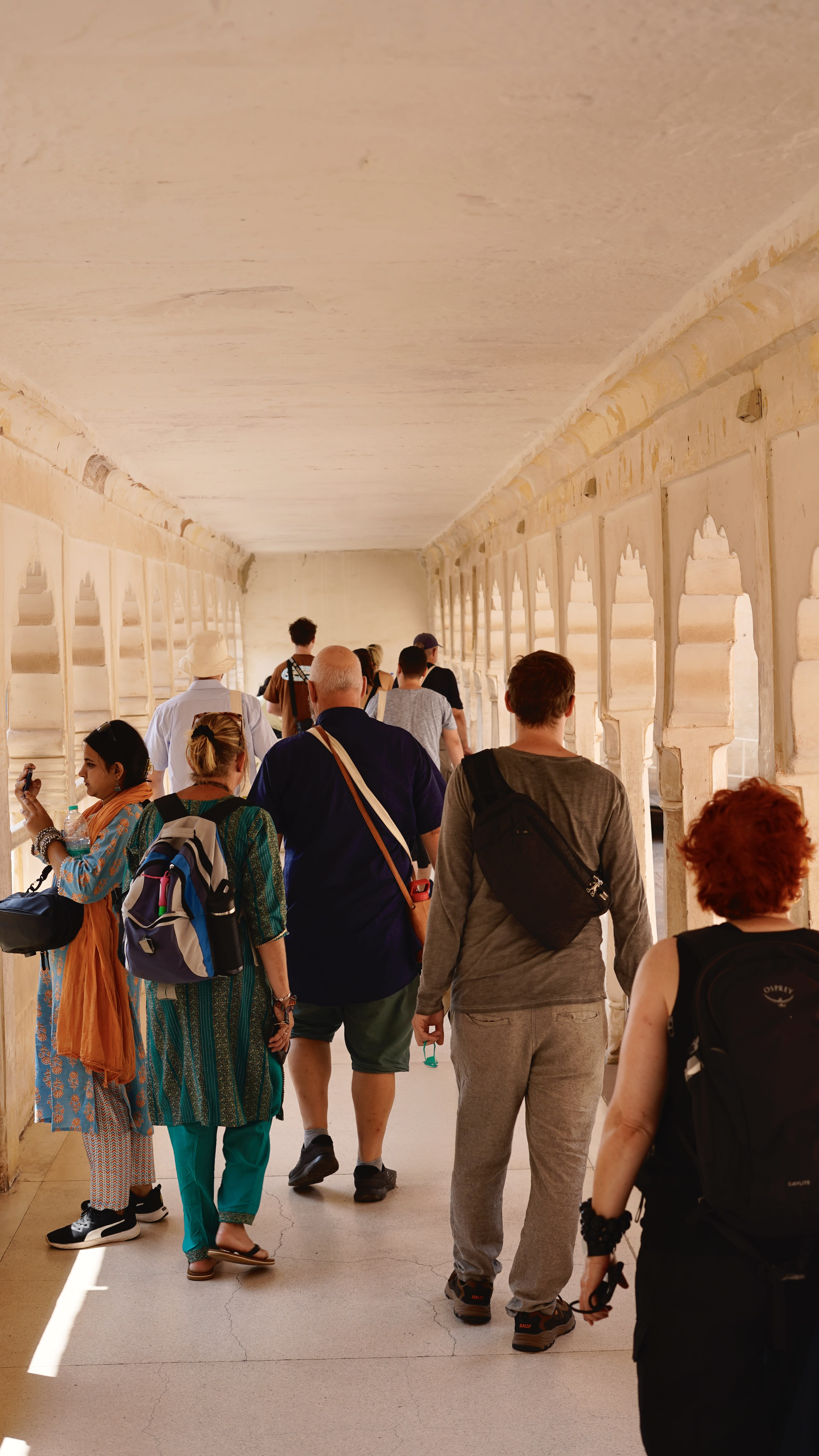
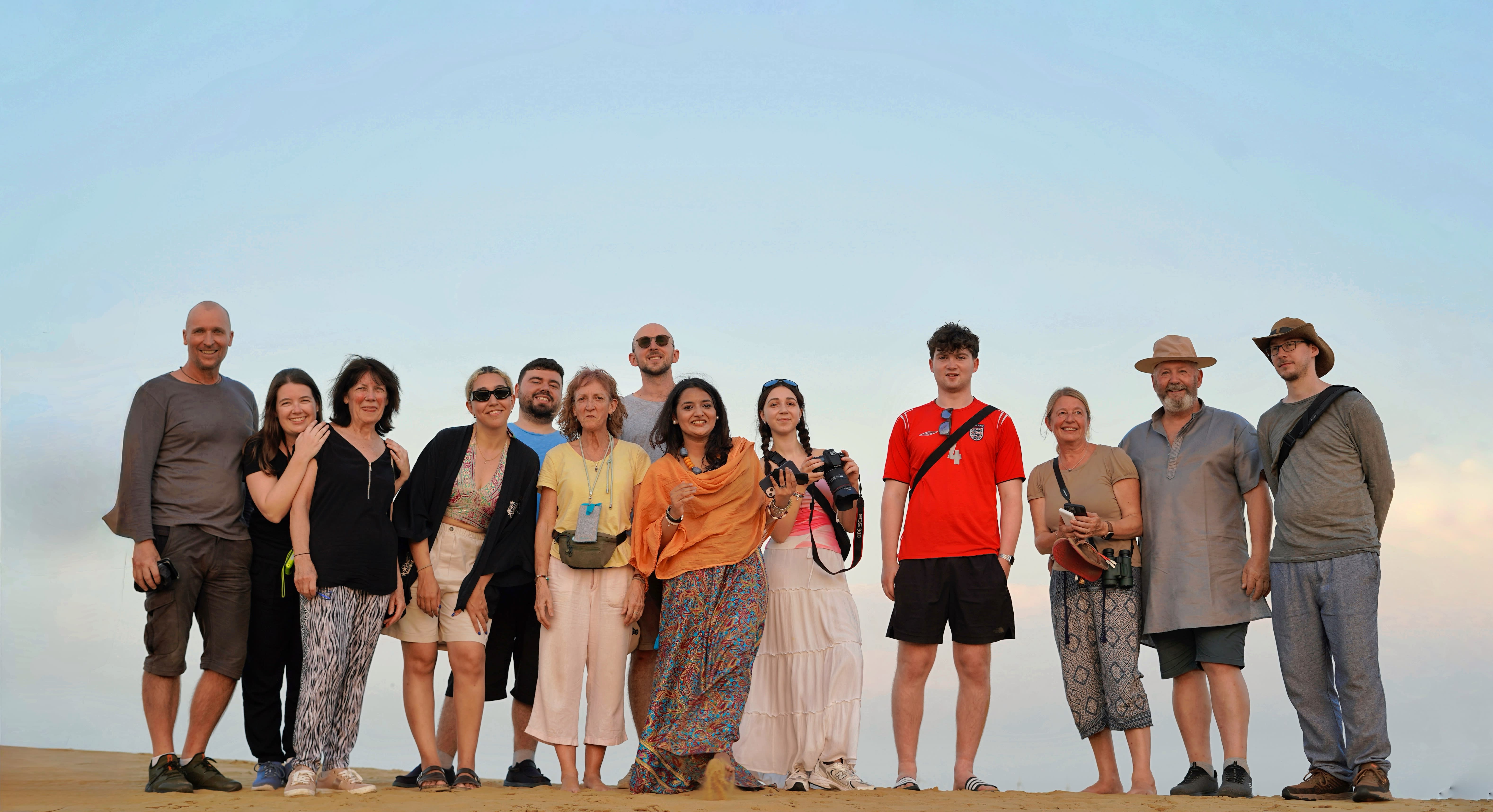
Anna's groups are capped at 12 for exactly this reason — India gives back the most when you're not stuck managing logistics or lost in a huge tour bus. See the full lineup at our destinations page.
Frequently Asked Questions
Is India harder to travel than Southeast Asia?
For independent travellers, yes — distances are longer, English is less consistent outside cities, and negotiating transport takes more effort. A guided small-group trip removes almost all of that friction, which is why so many first-timers choose that route.
Should I do India or Thailand for my first trip to Asia?
If you want an easy, beach-friendly introduction, Thailand is the gentler choice. If you're more drawn to history, spirituality, and deeper cultural immersion, India delivers more of that per day, especially with a guide.
Is India more expensive than Southeast Asia?
Not necessarily. A guided India trip often costs similar to or less than a mid-range Southeast Asia trip once you account for the private transport and heritage hotels typically included in India itineraries.
Can I combine India and Southeast Asia in one trip?
It's possible but not recommended for a first visit — the two regions have very different rhythms and require different amounts of structure. Most travellers get more out of giving each region its own dedicated trip.
Ready to See India for Yourself?
If the case for India resonated with you, the easiest way in is a small group that's already figured out the logistics. Browse Anna's upcoming trips on the destinations page and see which one fits your dates — groups are capped at 12, so you get the depth of India without losing yourself in a crowd.
Keep reading
More guides to help you plan the same trip.
India vs Thailand: Which Should You Visit First?
India or Thailand for your first big Asia trip? A candid comparison of culture, cost, ease, food and beaches to help you choose.
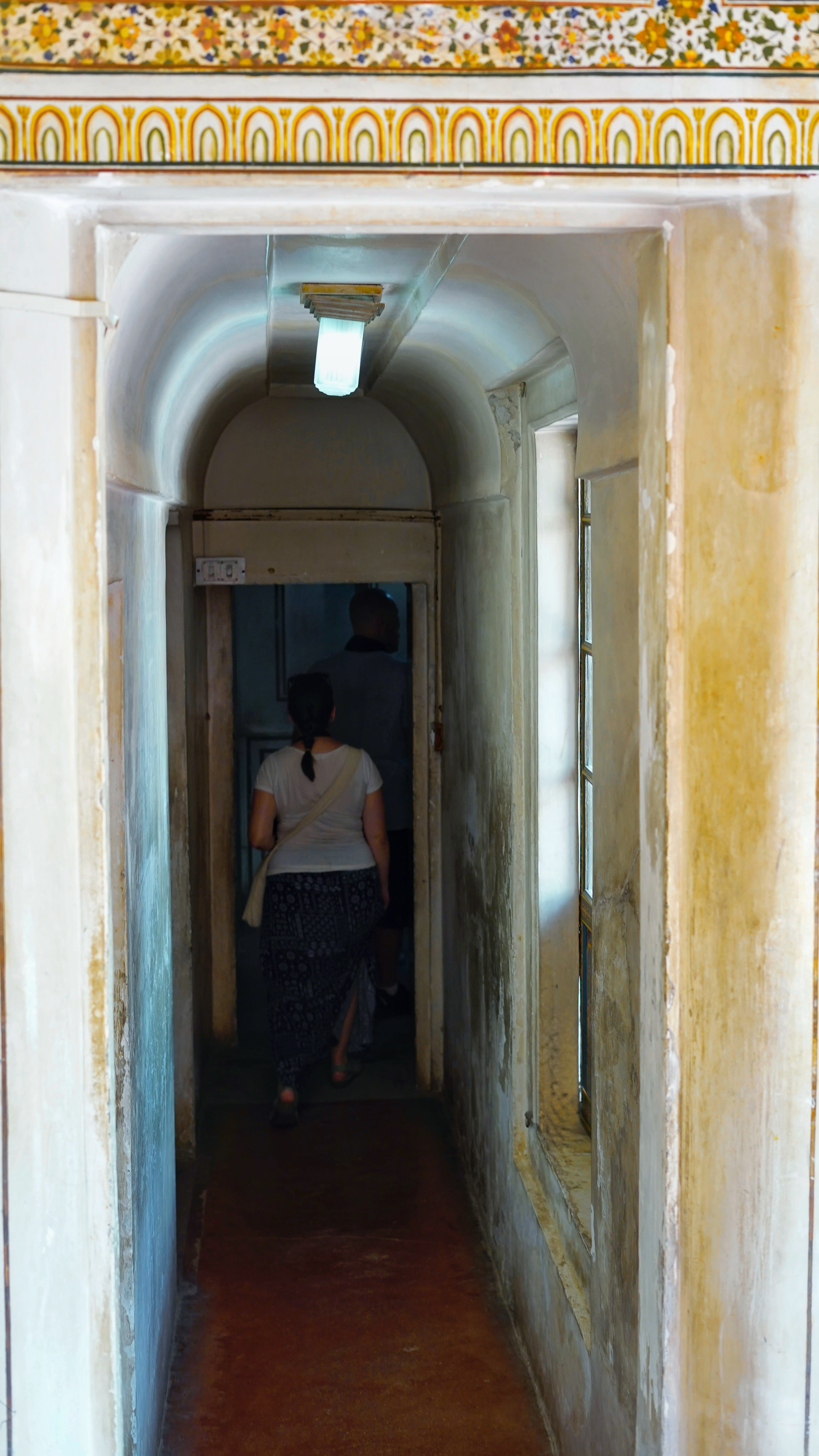
Your First Trip to India: What to Really Expect
A warm, honest guide to what to expect on your first trip to India — the arrival, the surprises, the real challenges, and how to enjoy it from day one.

North vs South India: Which Should You Visit First?
Deciding between north or south India first? Here's an honest comparison of monuments, food, climate, and pace to help first-timers choose.

Ayurveda for Beginners: A First-Timer's Guide in India
Your first Ayurveda retreat in India, explained simply: what the treatments involve, what a day looks like, what it costs and what to pack.
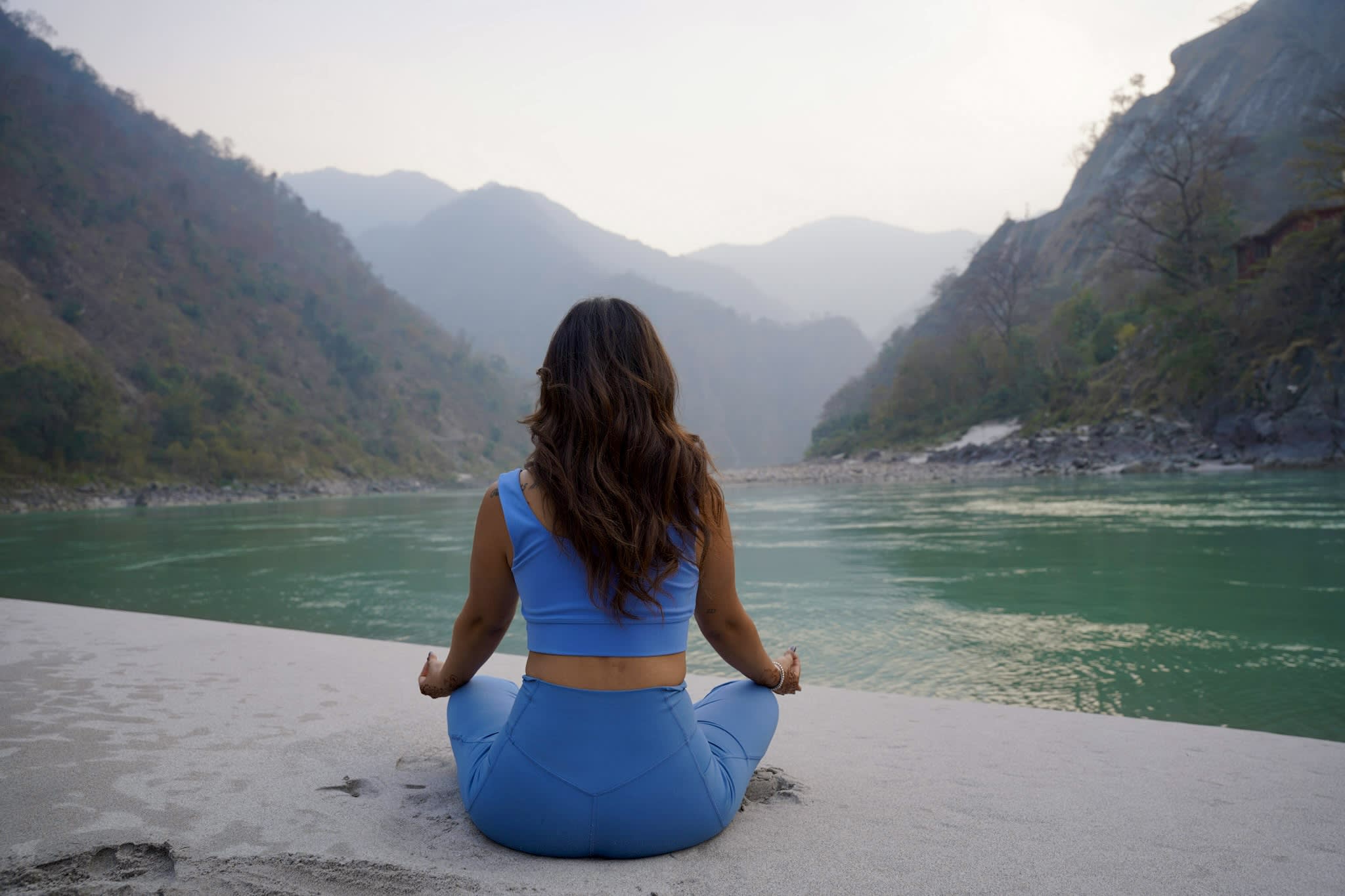
Ayurveda vs Yoga Retreat in India: Which Is Right for You?
Ayurveda or yoga retreat in India? The honest differences in daily rhythm, cost, results, and who each one suits — so you pick the right reset.

Best Indian Dishes for Beginners: Where to Start
Mild, crowd-pleasing curries, breads and snacks to order on your first trip to India, with honest notes on heat and how to ease into it.