Is India Safe for Tourists? A 2026 Reality Check
Wondering is India safe to travel in 2026? Here's an honest, specific breakdown of what to expect, what to watch for, and how to travel smart.
On this page
If you're asking is India safe to travel right now, you're not alone — it's one of the first questions almost every first-time visitor asks us. The honest answer is yes, millions of foreign tourists visit India every year and have wonderful, uneventful trips, but "safe" in India means something a little different than it does in Zurich or Melbourne. It's less about danger and more about navigating chaos, hygiene, and scams with a bit of local know-how.
Quick answer: India is safe for tourists who take normal precautions — the real risks are traffic, stomach bugs, and tourist-targeted scams, not violent crime.
What Actually Poses a Risk (and What Doesn't)
Most first-timers worry about the wrong things. Here's the honest breakdown:
- Traffic is the single biggest physical danger — chaotic roads, few crosswalks, and vehicles that don't always follow lane discipline. Cross carefully and always in a group.
- Stomach illness ("Delhi belly") from unfiltered water or unwashed produce is far more likely to disrupt your trip than crime. See our guide on how to avoid getting sick in India.
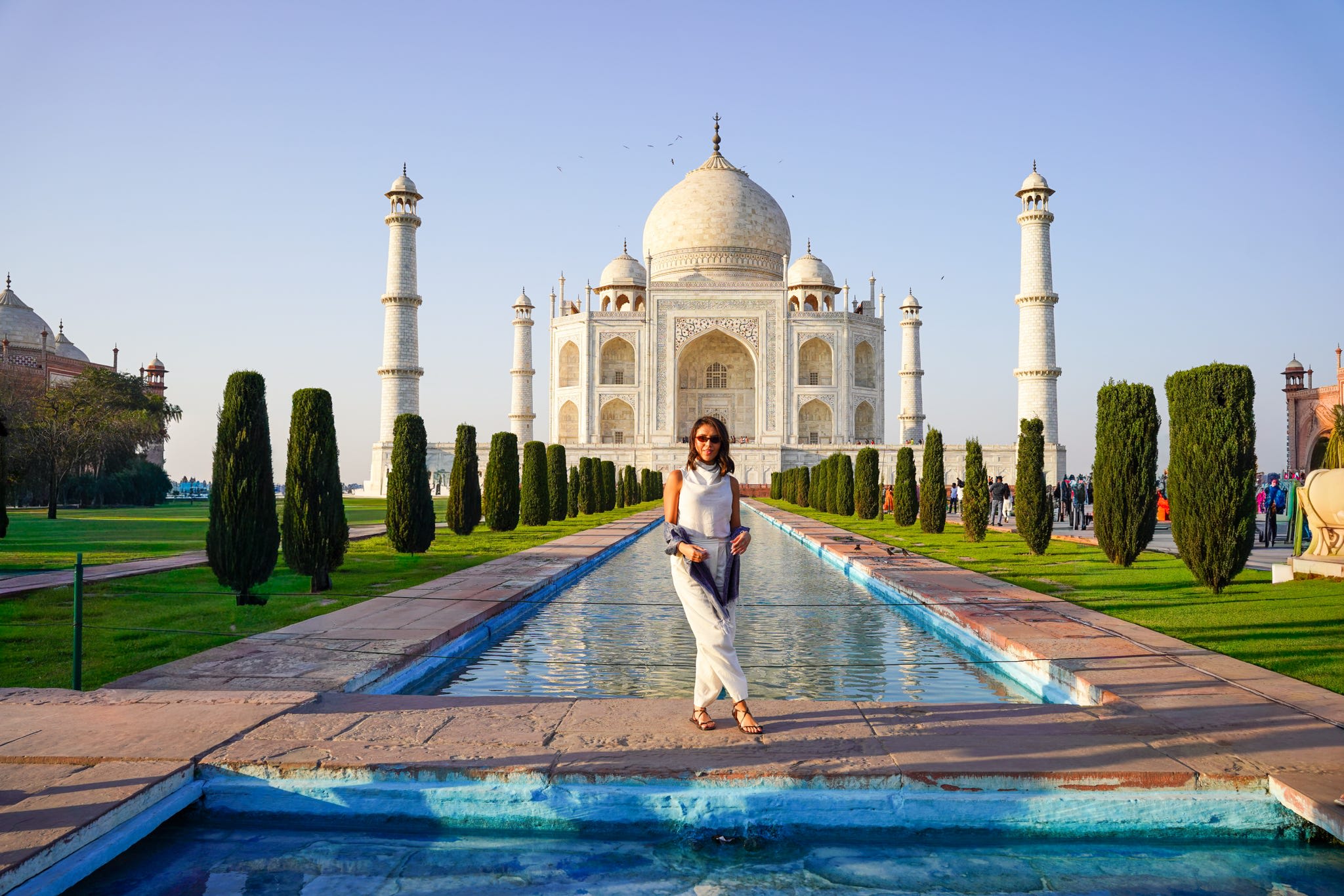
- Petty scams — inflated taxi fares, "the temple is closed" detours, fake gem deals — target tourists specifically, especially around major sights like the Taj Mahal.
- Violent crime against tourists is genuinely rare. It happens, as it can anywhere, but it isn't the everyday risk many imagine before their first trip.
- Air quality in North India, especially Delhi in winter, can affect people with asthma or sensitive lungs more than any street-level danger will.
Solo and Female Travellers: What's Different
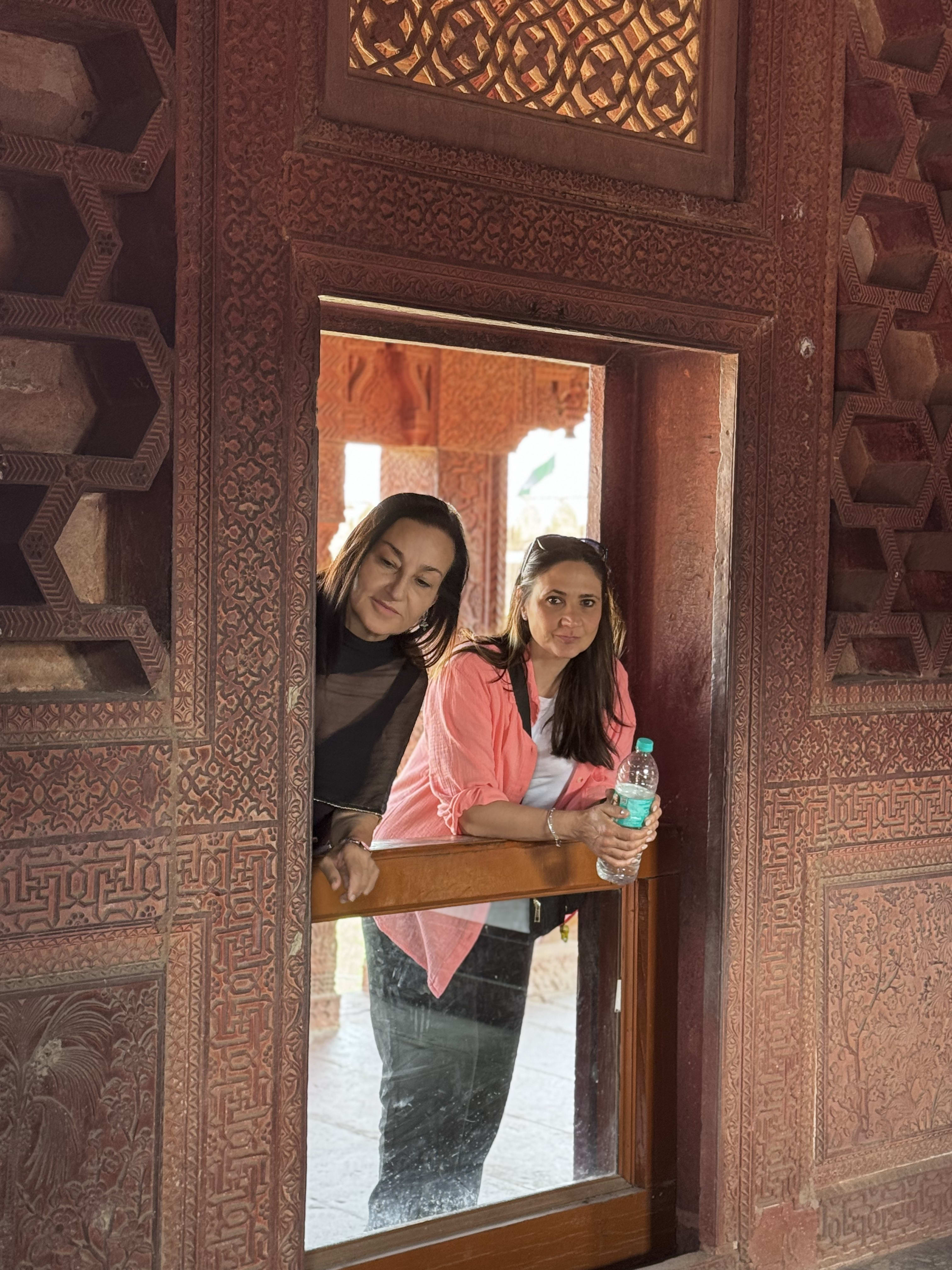
Solo female travellers ask us about safety more than anyone, and it's a fair question. Streets can feel intense, and unwanted stares or comments do happen in some places. That said, thousands of women travel India solo every year and love it — the key is choosing your accommodation, transport, and clothing thoughtfully rather than avoiding the trip altogether. We've written a dedicated, unfiltered guide on is India safe for solo female travellers, and many women in our community tell us traveling with a small group made the whole experience feel completely different — more open, less guarded. If independent travel feels like too much of a leap for a first trip, group tours for women in India are worth a look.
Health and Medical Precautions
- Get travel insurance that covers medical evacuation — non-negotiable, no matter how careful you are.
- Check recommended vaccinations for India with a travel clinic 4-6 weeks before departure.
- Private hospitals in Delhi, Jaipur, Agra, and Rishikesh are generally well-equipped for tourists; carry a copy of your insurance policy and emergency contacts.
- Pack a basic medical kit: rehydration salts, any personal prescriptions in original packaging, and a broad-spectrum antibiotic your doctor has approved in advance.
Money, Scams, and Staying Sharp
- Agree on taxi and rickshaw fares before you get in, or use a metered app like Uber/Ola where available.
- Be wary of unsolicited "guides" at monuments who aren't officially licensed — politely decline and walk on.
- Use ATMs inside banks or malls rather than standalone street kiosks, and keep small denominations of rupees on hand for tips and street vendors. Our guide on money and tipping in India covers the practical details.
- Keep photocopies (physical and digital) of your passport and visa separate from the originals.
Why Many Travellers Choose a Small Group Instead of Going Solo
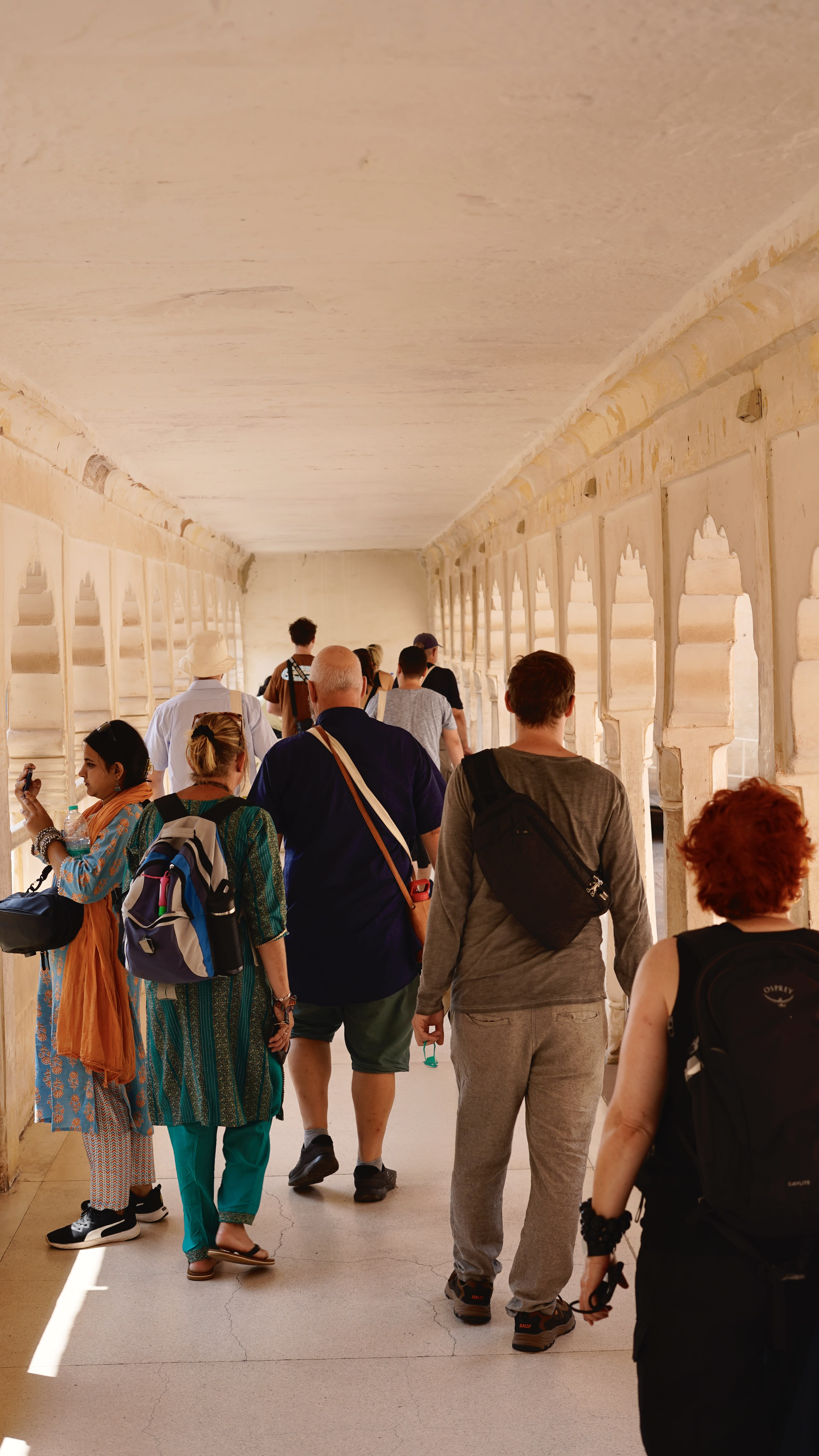
A lot of the anxiety around India safety disappears the moment you're not figuring it all out alone. Having someone local handle the drivers, the entry tickets, the "is this restaurant okay" calls, and the general chaos-navigation frees you up to actually enjoy the trip. That's the whole premise behind Chalo Folks — small groups capped at 12, personally hosted, so you get the safety net of a guide without losing the freedom of independent travel. If you're still weighing your options, are small group tours worth it walks through the trade-offs honestly, and guided vs independent travel in India is a useful comparison if you're torn between the two styles.
Frequently Asked Questions
Is India safe to travel to as a first-time visitor?
Yes — India is safe for first-time visitors who take the same common-sense precautions they'd use in any unfamiliar country: watch your belongings, use reputable transport, and stick to bottled or filtered water. Traveling with a small group or a local host in your first week can make the adjustment much smoother.
What is the biggest safety risk for tourists in India?
Road traffic accidents and stomach illness from food or water are statistically far more likely to affect your trip than crime. Both are largely preventable with basic awareness — crossing roads carefully and being selective about where you eat and drink.
Is it safe for solo women to travel in India?
Many women travel solo across India safely every year, though it requires more planning than in some other destinations — choosing well-reviewed accommodation, avoiding travel late at night alone, and dressing in line with local norms. Joining a small group trip removes much of this planning burden while still feeling independent.
Are tourist scams common in India?
Yes, minor scams targeting tourists — inflated fares, fake guides, commission-driven shopping detours — are common, especially near major monuments, but they're rarely dangerous, just annoying and avoidable with a little awareness.
Ready to See India Without the Guesswork?
The easiest way to experience India safely is to let someone who knows it well handle the logistics while you take in the sights. Browse our upcoming small-group trips at /destinations — each one is capped at 12 travellers and personally hosted by Anna, so you get real local insight, sorted transport, and a group of fellow travellers instead of navigating it all solo.
Keep reading
More guides to help you plan the same trip.

Is India Safe for Solo Female Travellers? (2026)
The real risks, the precautions that matter, the safest regions, and why a small group can be the sweet spot for solo women in India.
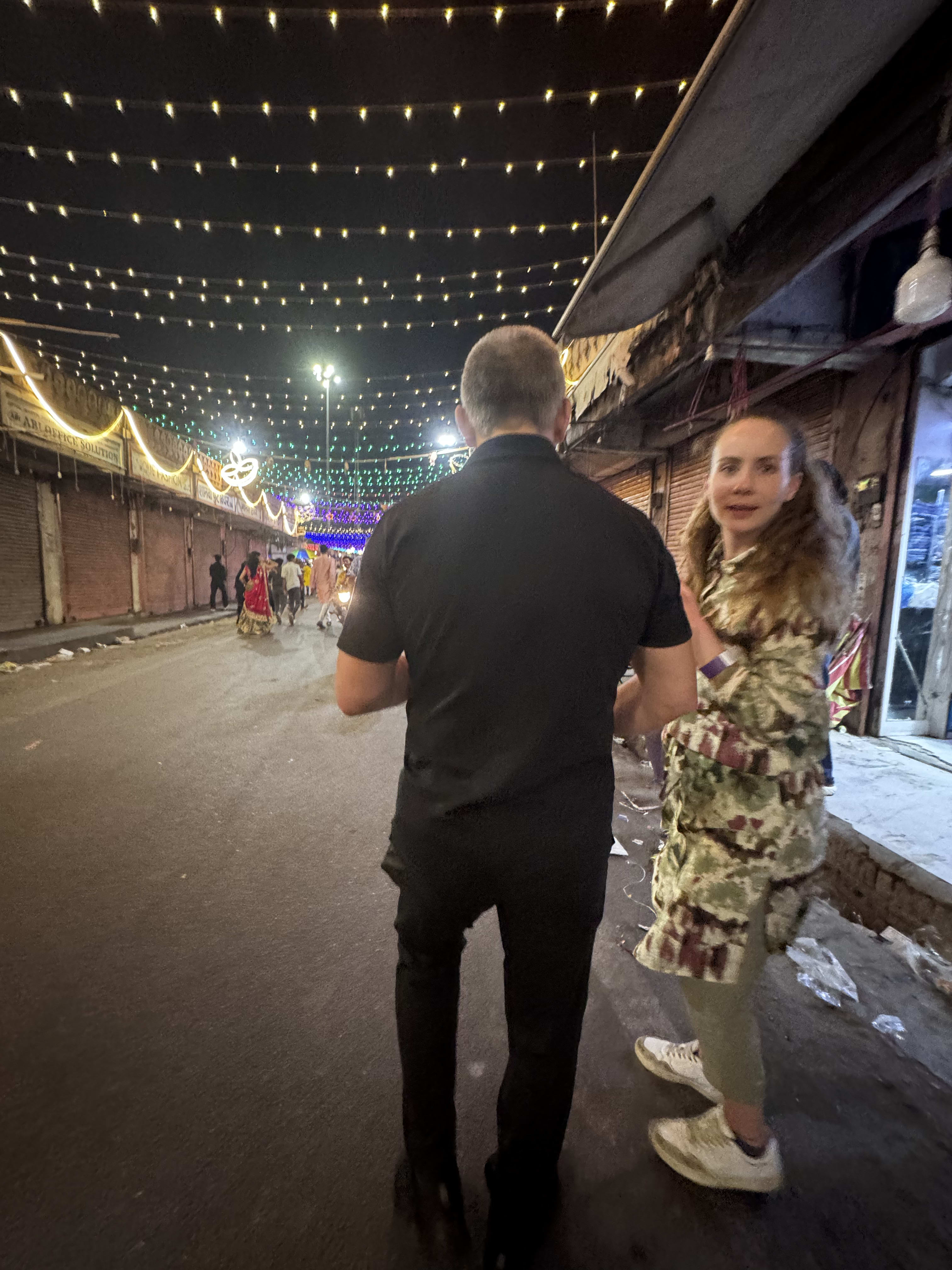
Is Indian Street Food Safe? An Honest Answer
Yes, with rules. How to spot a safe street food stall in India, what to order, what to skip, and how to eat well without getting ill.
Is Paragliding in Bir Billing Safe? An Honest Guide
Is paragliding in Bir safe? Here's an honest breakdown of pilot licensing, weather calls, and what actually goes wrong.
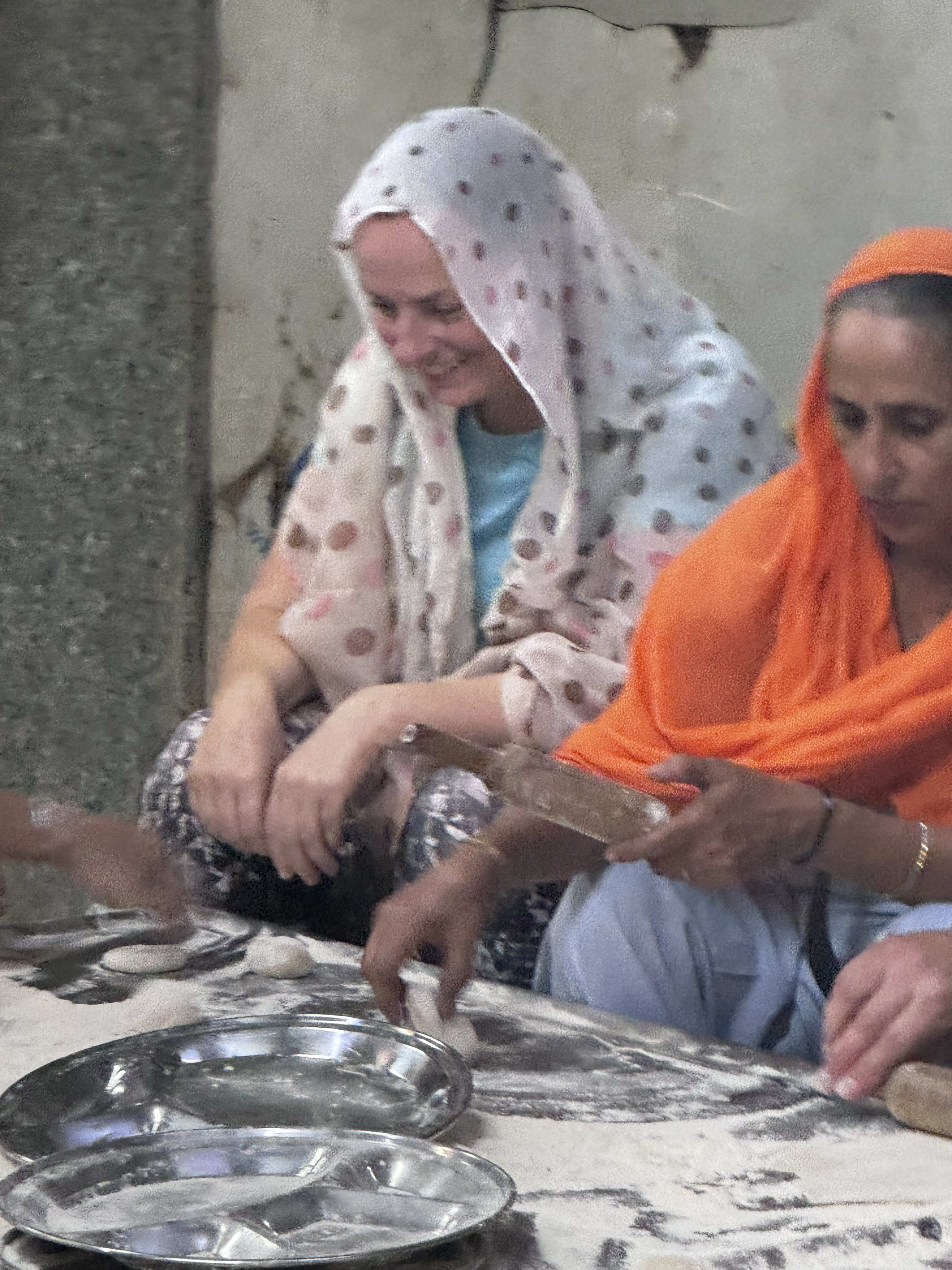
How to Avoid Getting Sick in India (Delhi Belly)
Practical, honest advice to avoid getting sick in India, from water and street food rules to what to pack for Delhi belly.
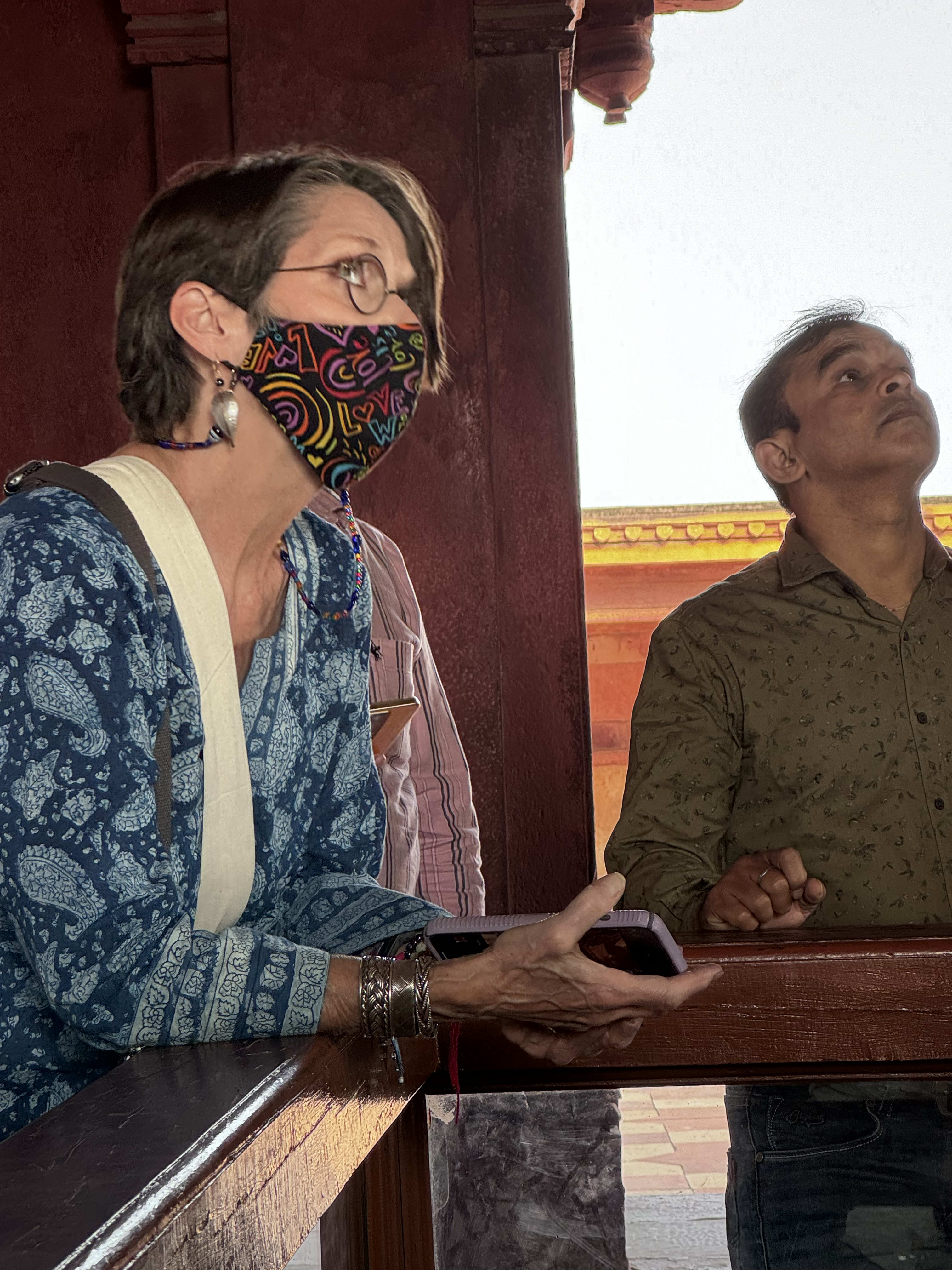
Is India Safe for LGBTQ+ Travellers?
An honest, practical look at whether India is safe for LGBTQ+ travellers — the legal picture, how attitudes vary by place, and how to travel comfortably.

Common Tourist Scams in India (and How to Avoid Them)
The common tourist scams in India worth knowing — from the closed-hotel trick to gem cons and taxi overcharging — and the simple habits that defuse them.