
Is Paragliding in Bir Billing Safe? An Honest Guide
Is paragliding in Bir safe? Here's an honest breakdown of pilot licensing, weather calls, and what actually goes wrong.
On this page
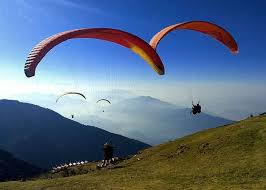
If you're staring at photos of tiny bright canopies drifting over the Dhauladhar range and wondering whether you should actually be up there, you're asking the right question. Is paragliding in Bir safe? For most healthy adults flying with a licensed tandem pilot in normal weather, yes — Bir Billing is one of the most established paragliding sites in the world, ranked among the top spots globally for cross-country flying. But "safe" isn't the same as "risk-free," and the honest answer has some nuance worth understanding before you book.
Quick answer: Paragliding in Bir is genuinely safe when you fly with a licensed APPI or PG-rated tandem pilot, in daylight hours (roughly 10 am–4 pm), and you skip it if the operator hesitates on a windy day — most incidents trace back to skipping one of those three things.
Why Bir Billing Is Considered One of the Safer Paragliding Sites
Bir has flown commercially since the 1980s and hosted the Paragliding World Cup in 2015, which tells you something about the terrain and wind consistency here.
- Billing (the launch site) sits at roughly 2,400m, giving pilots a long, gentle ridge to work with rather than a cliff-style drop.
- Bir (the landing site) is a wide, flat field with almost no obstructions — one of the most forgiving landing zones in India.
- The site has decades of accumulated local knowledge about thermal patterns, so experienced pilots know exactly when conditions turn unreliable.
- It's a well-regulated commercial hub, not an informal setup — there's a real paragliding association and a steady flow of pilots who fly daily and know the valley's quirks intimately.
None of that removes risk entirely, but it's a meaningfully different picture from an ad-hoc operation on an unfamiliar hill.
What Actually Goes Wrong (Being Honest About It)
Most safety issues in Bir come down to a handful of avoidable factors, not some inherent flaw in the sport:
- Flying in bad weather. Strong winds, sudden gusts, or low visibility are the single biggest risk factor. A good pilot will ground the flight rather than push through, even if it disappoints a paying customer.
- Unlicensed or under-experienced pilots. Bir's popularity has attracted some operators who aren't properly certified. Always ask for an APPI (Association of Paragliding Pilots and Instructors) or equivalent license before you strap in.
- Old or poorly maintained equipment. Canopies and harnesses do wear out. A reputable operator replaces gear on schedule; a budget operator cutting corners might not.
- Rushed pre-flight checks. A pilot who skips the harness and carabiner check to save time is a red flag, not a time-saver.
The sport itself has a strong safety record when these basics are respected — the failures tend to cluster around whichever of these got skipped.
How to Choose a Safe Operator in Bir
- Ask to see the pilot's license before paying — a legitimate operator will show it without hesitation.
- Check that the harness has a reserve parachute, and ask when it was last repacked.
- Avoid operators who push you to fly the moment you arrive regardless of wind conditions — a trustworthy pilot will sometimes tell you to come back later or the next day.
- Book through an operator with a track record rather than the cheapest tout at the landing field. If you're travelling with us, this is exactly the kind of vetting we do before including any activity in an itinerary — see our Bir Billing travel guide for how the whole trip fits together.
- If cost is a concern, our Bir Billing paragliding cost guide breaks down fair pricing so you're not tempted by a suspiciously cheap deal.
Who Should Think Twice
Paragliding is low-impact but it's not for everyone:
- Anyone with a heart condition, recent surgery, severe motion sickness, or vertigo that's more than mild should consult a doctor first.
- Pregnant travellers are generally advised against it.
- Children under a certain age and weight (usually around 90 kg upper limit, varies by operator) may not be accepted — check before you build it into the day's plan.
- If you're nervous about heights but otherwise fit, most first-timers find the actual flight far calmer than the anticipation — the ground crew talks you through it, and tandem flights are genuinely beginner-friendly.
When to Fly (and When Not To)
- Best season: October to June generally offers the most stable flying days, with peak conditions around March–June. Our best time to visit Bir Billing guide has the month-by-month breakdown.
- Monsoon months (July–September) bring unpredictable winds and frequent cancellations — not the time to count on a flight.
- Time of day matters: mornings tend to be calmer; afternoons can get gustier as valley winds pick up. Good operators reschedule around this rather than fighting it.
How This Fits Into a Bir Trip
Paragliding is usually one highlight of a longer weekend that also takes in Barot Valley's trout streams and Rajgundha's alpine meadows — not a full trip on its own. If you're weighing whether the whole area is worth the journey from Delhi, our Bir Billing vs Manali comparison and Barot Valley guide are good starting points. When you're ready to see how we build the safety vetting, small-group pacing, and everything else into an actual trip, take a look at our Bir–Rajgundha–Barot trip or browse all destinations we run.
Frequently Asked Questions
Is paragliding in Bir safe for beginners?
Yes — nearly everyone who paraglides in Bir is a first-timer, since tandem flights don't require prior experience. The licensed pilot handles takeoff, steering, and landing; you're along for the ride, and ground staff brief you thoroughly beforehand.
What is the minimum age for paragliding in Bir?
Most operators accept children from around 8-10 years old, though this varies and some set the minimum higher. There's usually also a maximum weight limit around 90 kg, so it's worth confirming both when you book.
Has anyone died paragliding in Bir Billing?
Serious accidents have occurred over the years, almost always tied to flying in poor weather or with under-licensed pilots — not because the sport or the site is inherently unsafe. Checking pilot credentials and operator reputation, as covered above, is the single best way to avoid becoming a statistic.
Do I need travel insurance for paragliding in Bir?
It's strongly recommended, since not all standard travel policies cover adventure sports like paragliding by default. Check for an adventure-sports rider before you fly, and keep the operator's contact details handy in case of any claim paperwork.
Ready to Fly With Us?
We build paragliding into our small-group Bir–Rajgundha–Barot trip only with operators we've personally vetted for licensing and safety practices — not the cheapest option at the landing field. Take a look at the Bir–Rajgundha–Barot trip for dates and details, or explore more of our destinations if you're still deciding where to go.
Keep reading
More guides to help you plan the same trip.
The Best Time to Visit Bir Billing for Paragliding
The best time to visit Bir Billing for paragliding is October to June, when Himachal's thermals and clear skies make for safe, soaring flights.
Bir Billing Paragliding: Cost, Timing & What to Expect
What paragliding in Bir Billing actually costs in 2026, the best months to fly, and what your first tandem flight really feels like.

Bir Billing Travel Guide: India's Paragliding Capital
Bir Billing, Himachal: paragliding, tea gardens, Tibetan monasteries, the best cafes, and how to plan the trip from Delhi.

Rishikesh vs Bir Billing: Which Himalayan Town Wins?
Rishikesh vs Bir Billing compared — yoga and the Ganges versus paragliding and mountain cafés. Which Himalayan base suits your India trip, and when to go.

Is India Safe for Solo Female Travellers? (2026)
The real risks, the precautions that matter, the safest regions, and why a small group can be the sweet spot for solo women in India.

Is India Safe for Tourists? A 2026 Reality Check
Wondering is India safe to travel in 2026? Here's an honest, specific breakdown of what to expect, what to watch for, and how to travel smart.