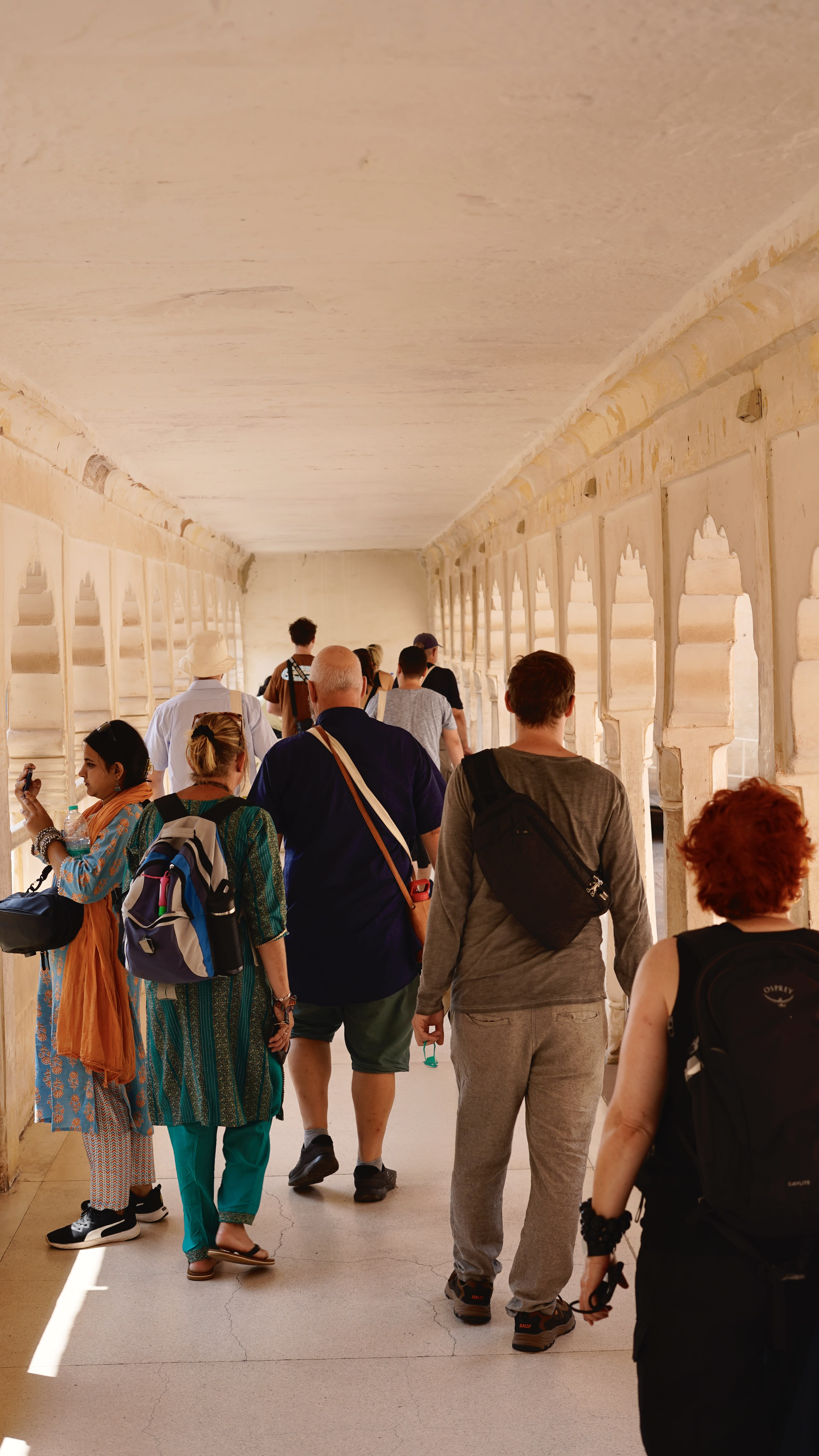
Rajasthan's Textiles: Block Printing & What to Buy
A traveller's guide to block printing Rajasthan is famous for, where it's made, and how to shop for it without getting ripped off.
On this page
Rajasthan is one of the last places on earth where you can watch block printing Rajasthan artisans have practised for over 300 years, then buy the fabric straight from the person who printed it. If you're building a trip around Jaipur or Jodhpur, textiles deserve their own slow afternoon rather than a rushed stop between monuments. This guide covers where the printing actually happens, what's genuinely worth buying, and how to avoid paying tourist prices for machine-made copies.
Quick answer: the real block printing hubs are Bagru and Sanganer near Jaipur — visit a workshop in the morning, then shop in Jaipur's old city bazaars with a rough sense of fair prices in hand.
What Block Printing Actually Is
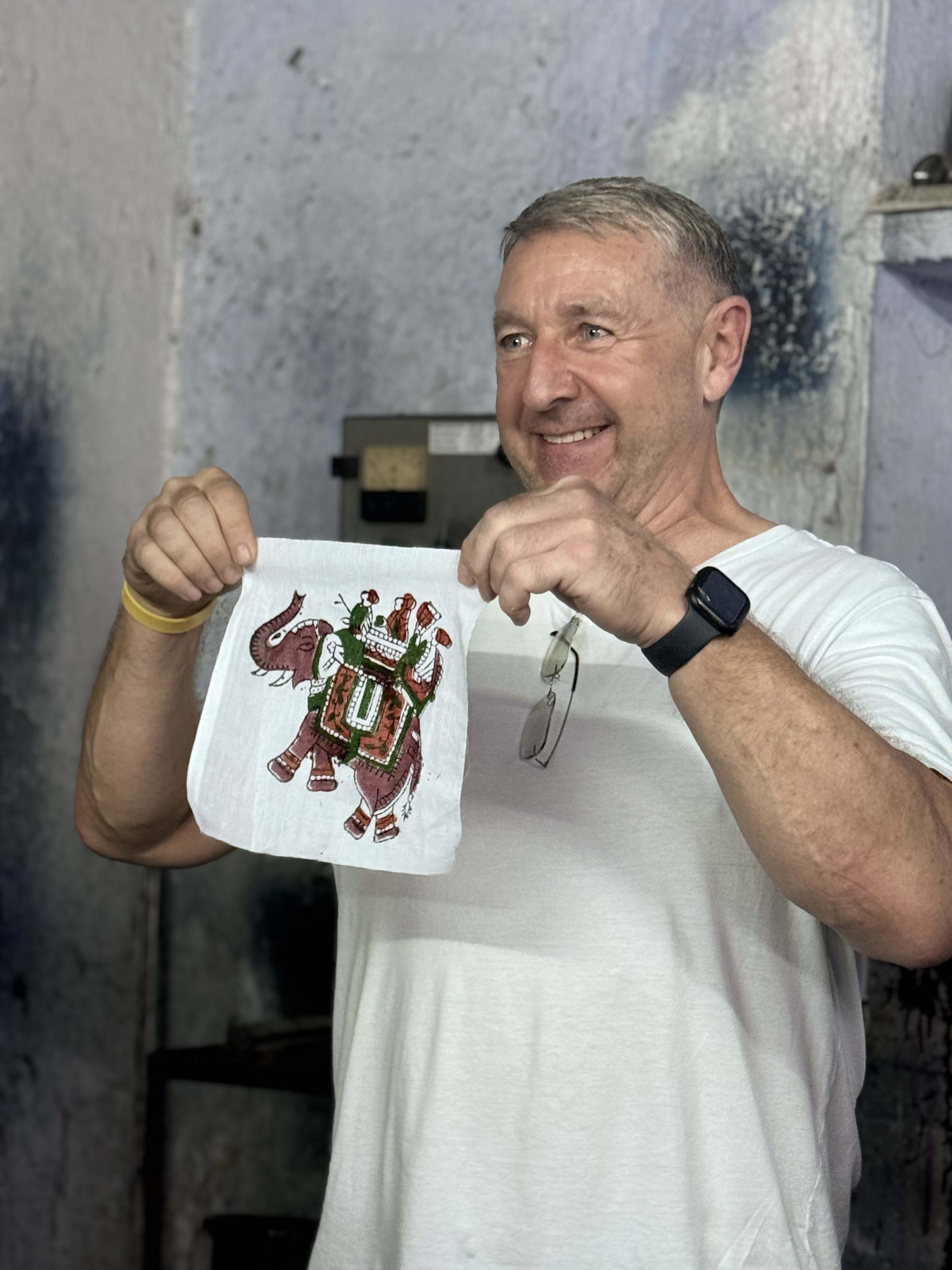
Hand block printing is done with carved wooden blocks — usually teak or sheesham — dipped in natural or chemical dye and stamped onto cotton or silk by hand, one colour and one motif at a time. A single complex tablecloth might need eight to ten separate block passes to build up a full pattern.
- Bagru printing: earthy tones — indigo, rust, mustard, black — using a mud-resist technique called dabu.
- Sanganeri printing: brighter, finer floral motifs on a white or light background, traditionally more delicate.
- Bandhani: technically tie-dye, not block print, but often sold alongside it — look for tiny tied dots rather than printed circles.
Knowing this vocabulary matters because shopkeepers in Jaipur will use these names loosely; asking "is this Bagru or Sanganeri?" signals you know what you're looking at and tends to get you a straighter answer on price.
Where to See It Made
- Bagru village (about 30 km / 19 miles from Jaipur) has several working print yards you can visit, including ones attached to small family workshops that still hand-mix dabu paste from mud, gum, and lime.
- Sanganer is closer to Jaipur city and easier to combine with a half-day out, though it's grown more commercial and touristy over the years.
- Anokhi Museum of Hand Printing, in a restored haveli in Amber, is the best single stop if you only have time for one — it explains the whole process with real blocks and looms on display, and has a shop with fixed, fair prices.
If a workshop visit is on your itinerary, ask your guide to build in enough time to actually watch a print run start to finish — it's slower than people expect, and rushing it defeats the point.
What's Genuinely Worth Buying
- Bedspreads and quilts (razais): some of the best value per rupee, and they pack down small.
- Table linen — runners, napkins, tablecloths — travel well and don't crease disastrously.
- Cotton scarves and dupattas: easy gifts, easy to carry, and a good way to test quality before committing to a bigger piece.
- Ready-made kurtas in block-printed cotton, if you check the stitching seams before buying.
- Skip anything claiming to be "silk block print" unless you can see the block work up close — a lot of what's sold as silk on the street is synthetic, and genuine hand block on silk is a specialist, pricier item.
How to Tell Hand Block From Machine Print
- Turn the fabric over. Hand block printing is never perfectly even — you'll see faint variation in colour depth and slight misalignment between motifs. Machine print is uniform on both sides.
- Look closely at repeating motifs. Hand-stamped patterns have small, human irregularities; screen-printed fabric repeats with mechanical precision.
- Smell and feel the dye. Natural dabu-dyed cotton has a slightly earthy smell when new; chemical prints often smell sharper.
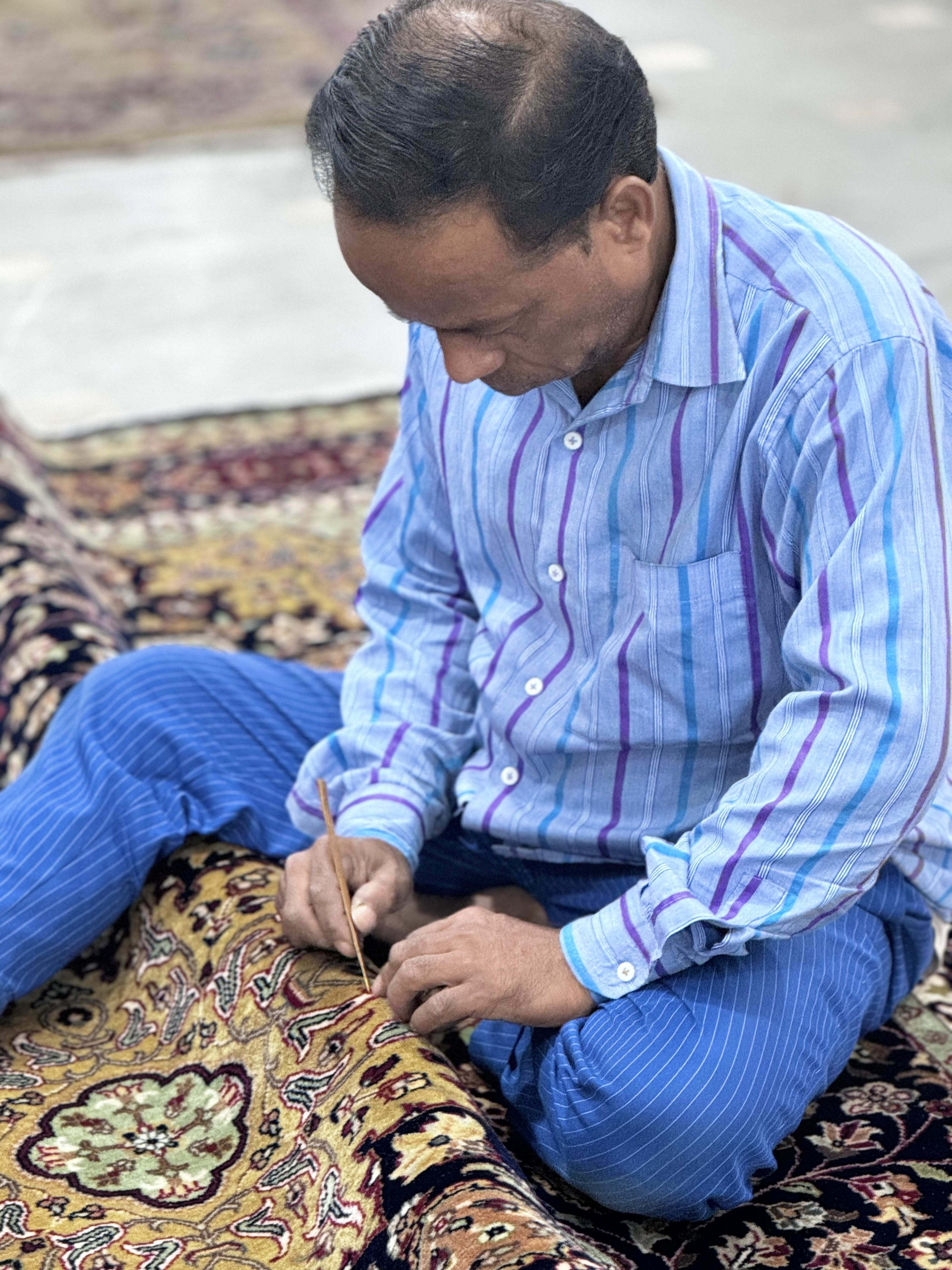
- Ask to see the block itself if you're in a workshop — a real print shop will have stacks of carved wooden blocks lying around, not just finished stock.
Fair Prices and Bargaining
Prices vary hugely by quality, so treat these as a rough starting reference rather than a rulebook:
- A hand block-printed cotton scarf: modest, in the low tens of dollars.
- A queen-size bedspread with matching pillow covers: a meaningful step up, reflecting the labour in multi-colour work.
- Government emporiums (like the Rajasthan state handicrafts shops) have fixed prices — useful for calibrating what "fair" looks like before you head into the bazaar.
- In markets, a friendly opening counter is normal; walking away calmly is often the most effective negotiating tool you have.
For more on this, our shopping in Jaipur guide goes deeper on specific bazaars and how bargaining etiquette actually plays out on the ground.
Frequently Asked Questions
Is block printing only found in Jaipur?
Jaipur is the main hub for tourists because Bagru and Sanganer are both nearby, but hand block printing traditions also exist elsewhere in India, including parts of Gujarat. For a Rajasthan-focused trip, Jaipur remains the most practical base.
How do I pack block-printed textiles without them getting ruined?
Cotton pieces fold flat and pack easily in a packing cube; roll rather than fold anything with heavier embroidery to avoid crease lines. Natural dyes can bleed slightly in the first wash, so wash block-printed cotton separately the first time or two once home.
Can I visit a working block printing workshop as part of a small-group tour?
Yes — our Rajasthan itineraries build in a proper visit to a Bagru or Sanganer workshop rather than a five-minute photo stop, with time to actually watch a print run. Check current departures on the destinations page.
Is hand block printed fabric more expensive than machine print?
Yes, noticeably — you're paying for the hours of skilled hand labour, not just the fabric. It's usually worth the difference if you care about supporting the artisans directly rather than buying a screen-printed copy at a similar price.
Ready to See It for Yourself
Anna's small-group Rajasthan trips (capped at 12 travellers) always include real time with artisans, not just souvenir shops — because watching someone stamp a pattern by hand is half the reason to come. Browse upcoming departures on the destinations page, or pair this trip with our Golden Triangle guide if you're mapping out a longer route through Delhi, Agra, and Jaipur.
Keep reading
More guides to help you plan the same trip.
Shopping in Jaipur: Best Bazaars & What to Buy
A first-timer's guide to shopping in Jaipur — the bazaars to visit, what's worth buying, and how to bargain without the stress.
What to Buy in India: A Shopping Guide
The textiles, spices, jewellery and handicrafts worth your suitcase space, plus where to shop and how to bargain without stress.
Golden Triangle with Udaipur: The Perfect Rajasthan Add-On
How to extend the classic circuit into Udaipur — the routes, the extra days you'll need, and why the lake city is the ideal finale.
Rajasthan 2-Week Itinerary: The Complete Route
A complete rajasthan itinerary for 2 weeks covering Jaipur, Jodhpur, Udaipur, Jaisalmer and more — where to go, how long to stay, and how to travel it.

Udaipur vs Jaipur: Which Rajasthan City Should You Pick?
Udaipur vs Jaipur compared for US, UK and Europe travellers — lakes versus forts, atmosphere, cost, and how to choose (or fit both into one trip).
Indian Handicrafts & Souvenirs Worth Bringing Home
The best Indian souvenirs to bring home — textiles, blue pottery, brass, spices and more — plus where to buy authentic pieces and how to pack them safely.