Shopping in Jaipur: Best Bazaars & What to Buy
A first-timer's guide to shopping in Jaipur — the bazaars to visit, what's worth buying, and how to bargain without the stress.
On this page
Ask any traveller who's been to Rajasthan and they'll tell you the same thing: shopping in Jaipur is one of the highlights of a trip to India, not an afterthought. The Pink City's old bazaars are still working markets where jewellers, block-printers and tailors ply trades passed down for generations, and wandering through them is as much a cultural experience as buying anything. This guide covers the bazaars worth your time, what's genuinely worth buying, and how to shop without losing your afternoon or overpaying.
Quick answer: Head to Johari Bazaar for jewellery, Bapu Bazaar and Nehru Bazaar for textiles and juttis, and Tripolia Bazaar for block-printed fabric and lac bangles — expect to bargain, start at roughly half the quoted price, and carry cash in small notes.
The Best Bazaars in Jaipur
Jaipur's old city is laid out in a grid within the pink walls, and each bazaar tends to specialise:
- Johari Bazaar — the jewellery district, known for gemstones, kundan and meenakari work. Even if you're not buying, the shopfronts are worth seeing.
- Bapu Bazaar — textiles, mojaris (traditional Jaipuri juttis/shoes), and camel-leather bags. Good for gifts that pack flat.
- Nehru Bazaar — similar to Bapu Bazaar but a bit more local and less touristy, with good juttis and textile shops.
- Tripolia Bazaar — famous for lac bangles (Jaipur is India's lac-bangle capital) and block-printed cotton.
- Kishanpol Bazaar — textile wholesalers; if you want fabric by the metre, this is the place.
- Chandpole Bazaar — marble and stone carvings, plus some good spice and handicraft stalls near the western gate.
If your time is limited, Bapu Bazaar and Johari Bazaar together give you the best cross-section without needing a full day.
What's Actually Worth Buying
Rajasthan's craft traditions are genuinely distinct, and a few categories consistently deliver on quality:
- Block-printed textiles — bedspreads, scarves, tablecloths. Jaipur and nearby Sanganer/Bagru are centres of hand block printing; look for hand-blocked rather than screen-printed if authenticity matters to you (ask, and check both sides of the fabric for slight ink bleed, a sign of hand printing).
- Blue pottery — a Jaipur speciality, made without clay (it uses quartz stone powder), so it's genuinely regional rather than generic "Indian pottery."
- Juttis (mojaris) — leather or embroidered flat shoes, comfortable once broken in, and much better made here than in tourist-town knockoffs elsewhere.
- Gemstones and jewellery — Jaipur is a global centre for gem-cutting, but this is also where scams are most common (see below). Buy for the design you like, not as an "investment."
- Lac bangles — colourful, inexpensive, and specific to this city.
- Miniature paintings — small Rajasthani-school pieces on paper or silk make a genuinely portable souvenir.
If you want deeper background on the textile side, our piece on Rajasthan's block-printing traditions goes into how the process actually works.
How to Bargain Without the Stress
Bargaining is expected in Jaipur's bazaars (it's less common in fixed-price government emporiums). A few honest ground rules:
- Start around 40-50% of the first quoted price and negotiate up, not down from your ceiling.
- Decide your walk-away price before you start — if the vendor won't meet it, thank them and leave. There's almost always a similar shop next door.
- Cash in small denominations moves things faster than cards, and having exact change avoids awkward "no change" delays.
- Don't feel pressured by a shopkeeper following you out or a "special price just for you" line — it's a normal sales tactic, not a real limited-time offer.
- If a shop assistant or driver brings you somewhere "for the best price," assume there's a commission built in and treat the price with more scepticism, not less.
A Few Honest Warnings
Jaipur's markets are safe and the shopkeepers are, for the most part, straightforward traders — but a few things are worth knowing before you go:
- Gemstone "investment" pitches (claims that stones will resell for huge profit back home) are almost always false. Buy jewellery because you like it, not as a financial product.
- Shipping-and-insurance schemes for large purchases can be legitimate, but get a paper receipt with an itemised price and the shop's registration details before paying.
- Government emporiums (like Rajasthan Handloom / RSCA outlets) have fixed prices and are a good way to gauge fair value before you bargain elsewhere.
When to Go Shopping in Jaipur
Bazaars are busiest and most atmospheric in the late afternoon and early evening once the heat eases, and many stalls stay open until 8-9pm. If your trip includes Diwali, the markets are decorated and extended-hours for the festival — see our Diwali in Jaipur guide for what that looks like on the ground. For general trip timing, our best time to visit Jaipur and the Golden Triangle guide covers weather and crowd patterns across the year.
Shopping pairs naturally with sightseeing here — if you haven't planned out the rest of the city yet, our Amber Fort guide and general things to do in Jaipur post are good next stops.
Frequently Asked Questions
Is shopping in Jaipur safe for tourists?
Yes — Jaipur's markets are busy, well-trafficked, and safe for shopping in Jaipur during daylight and evening hours. The main things to watch for are inflated prices and gemstone "investment" pitches rather than any physical safety concern.
What is Jaipur best known for shopping-wise?
Jaipur is best known for block-printed textiles, blue pottery, gemstones and jewellery, lac bangles, and leather juttis. Each bazaar in the old city tends to specialise in one or two of these crafts.
Can I pay by card in Jaipur's bazaars?
Larger shops and government emporiums usually accept cards, but small stalls in Bapu, Nehru and Tripolia bazaars are largely cash-based. Carry rupees in small notes and use an ATM in the new city beforehand rather than relying on card payment in the old bazaars.
How much time should I set aside for shopping in Jaipur?
Half a day is enough to see two or three bazaars properly; a full day lets you browse without rushing and fit in a stop at a block-printing workshop. Most travellers combine it with a day of sightseeing rather than dedicating an entire day purely to shopping.
Shop the Bazaars With Us
On our small-group Golden Triangle Diwali & Yoga trip (11 days, from $1,299), Anna builds in real time in Jaipur's old city bazaars — not a rushed 20-minute stop, but enough time to browse, bargain, and actually enjoy it, with someone on hand who knows which shops are worth it. Capped at 12 travellers, priced in USD for guests joining from outside India. Browse our full range of small-group trips on the destinations page to see what else is coming up.
Keep reading
More guides to help you plan the same trip.
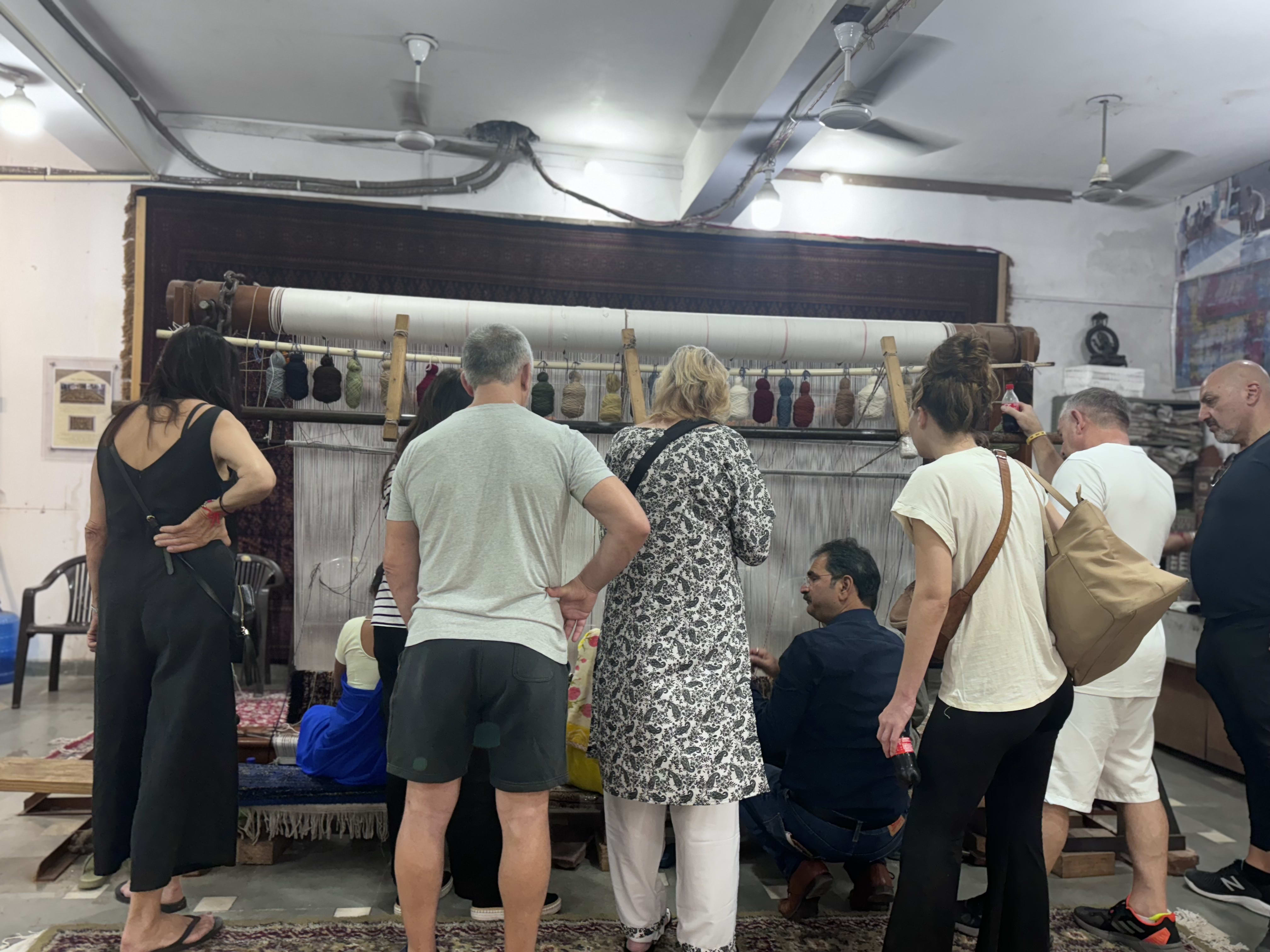
Rajasthan's Textiles: Block Printing & What to Buy
A traveller's guide to block printing Rajasthan is famous for, where it's made, and how to shop for it without getting ripped off.
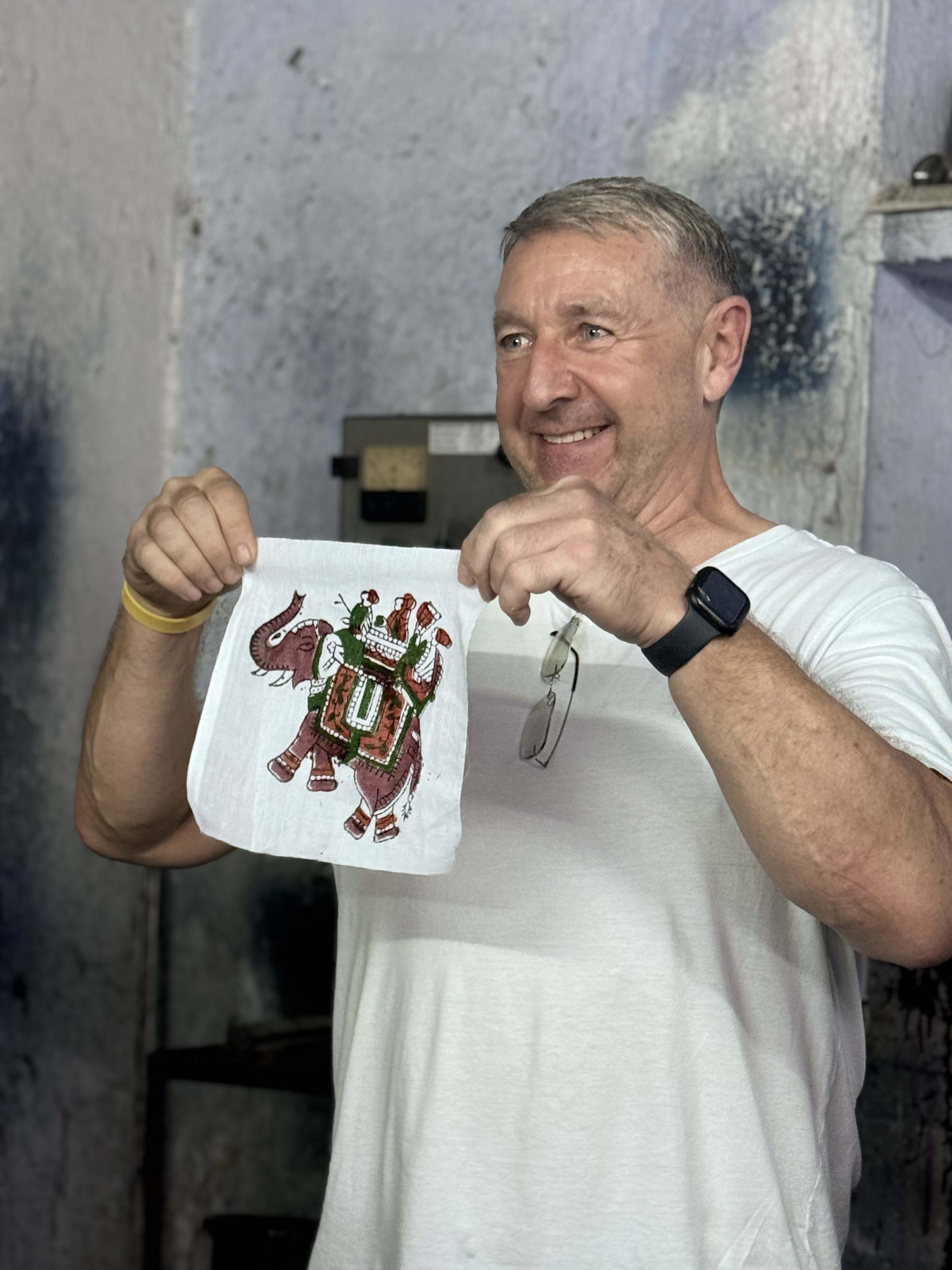
Bargaining in India: How to Haggle Politely
A friendly guide to haggling in India — where to bargain, where not to, opening offers, and how to negotiate with a smile rather than a standoff.
What to Buy in India: A Shopping Guide
The textiles, spices, jewellery and handicrafts worth your suitcase space, plus where to shop and how to bargain without stress.
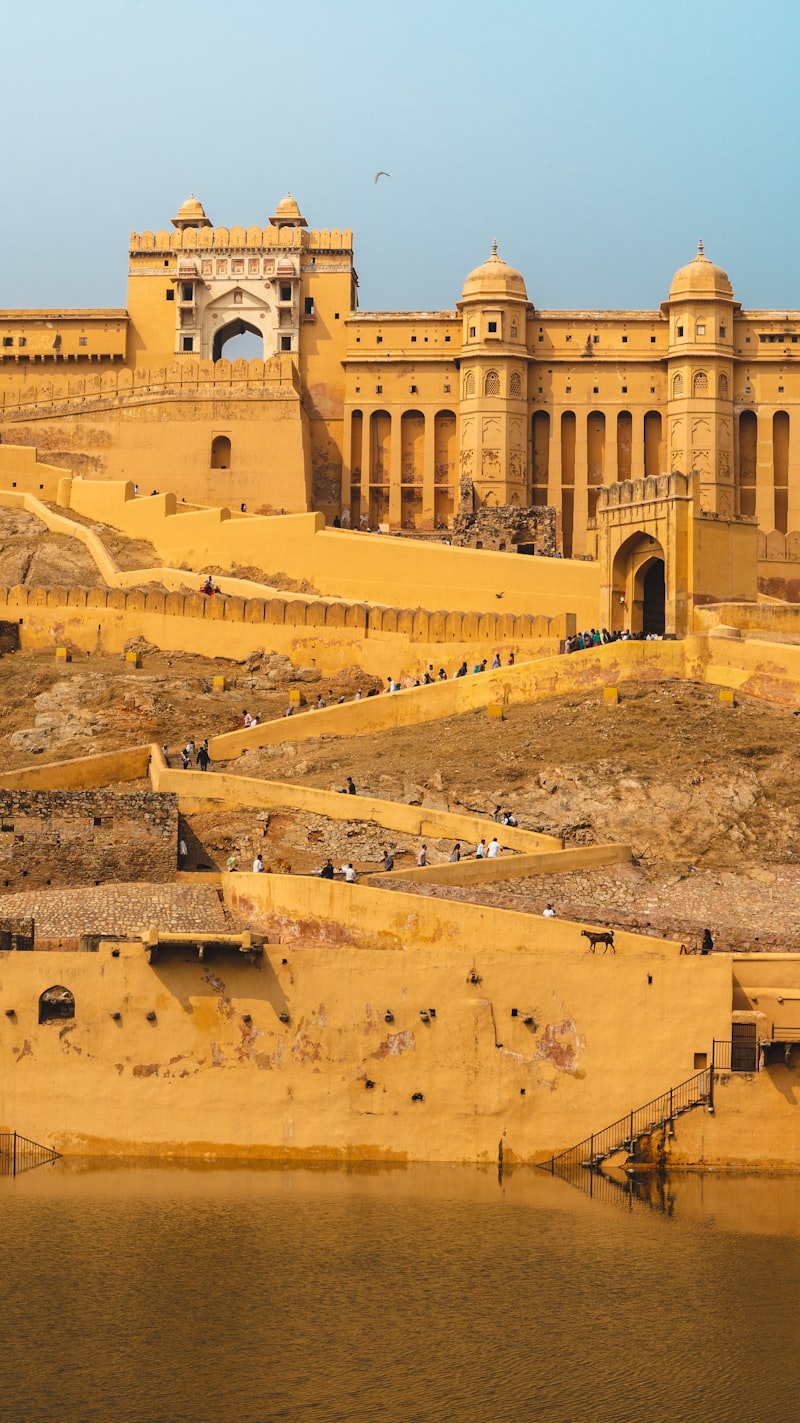
Amber Fort Jaipur: A Complete Visitor's Guide
Everything you need to know before visiting Amber Fort Jaipur, from ticket prices to the best time of day to go.
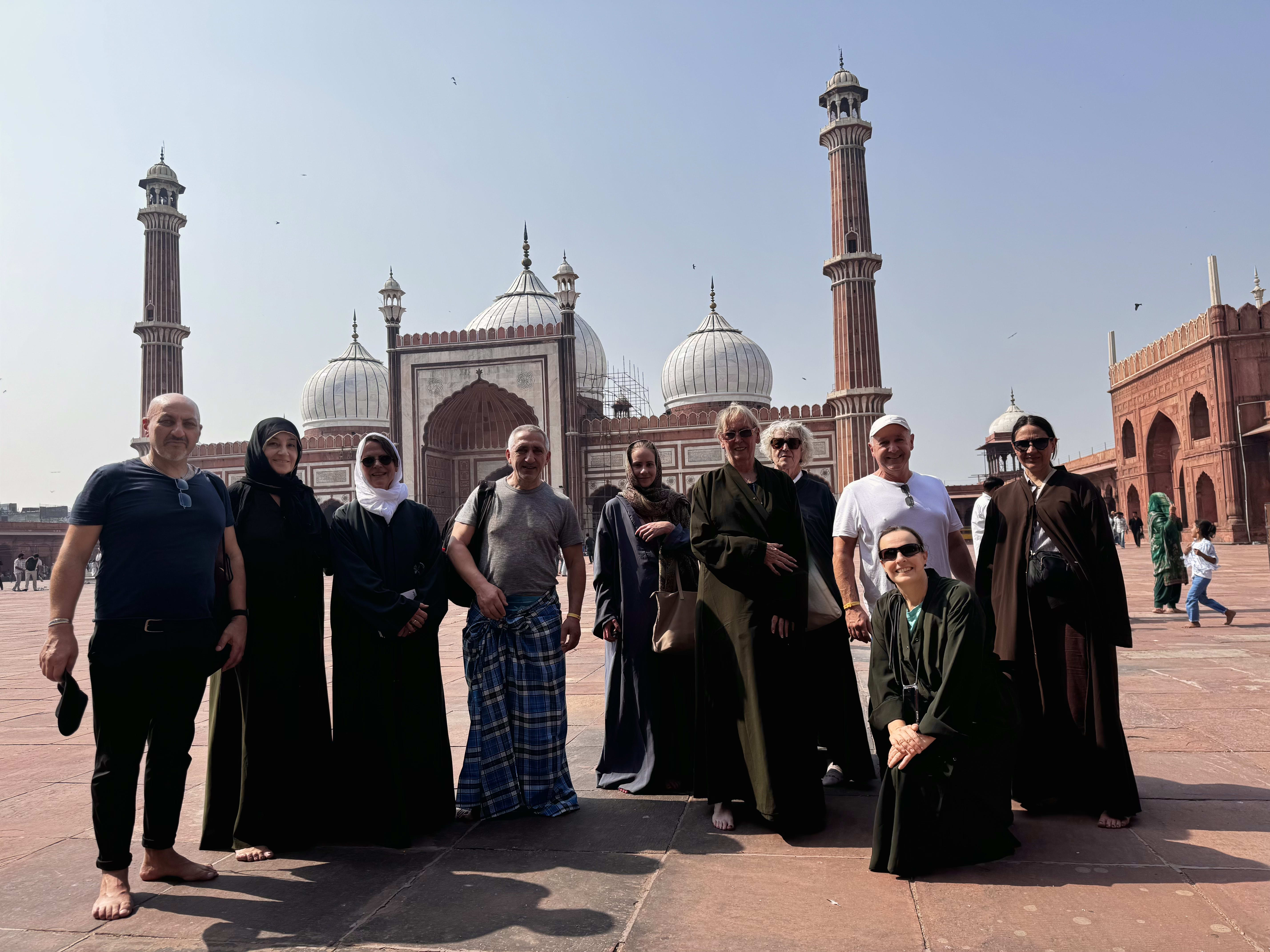
Delhi, Agra & Jaipur: A First-Timer's Golden Triangle Guide
New to India? The Delhi–Agra–Jaipur circuit is the ideal first trip. The cities, the highlights, and how to do it without the stress.
Diwali in Jaipur: The Pink City's Festival of Lights
No city does Diwali like Jaipur. The bazaars, palaces and whole pink-walled old town are wrapped in lights. Here's what to expect and how to experience it.