What Is Panchakarma? India's Ayurvedic Cleanse Explained
What is panchakarma, what the five actions involve, how long it takes, and what a first-timer from the US, UK, or Europe should realistically expect.
On this page
If you've been reading about Ayurveda and keep hitting a word that sounds intense, here's the plain version. Panchakarma is Ayurveda's flagship detoxification programme — a supervised, multi-day cleanse designed to clear built-up toxins and rebalance the body, and it's one of the main reasons wellness travellers come to India in the first place. It's gentle in feel but serious in structure, and going in with realistic expectations makes all the difference.
Quick answer: Panchakarma (Sanskrit for "five actions") is a traditional Ayurvedic cleanse combining oil therapies, herbal treatments, diet, and rest to detox and rebalance the body. A proper course runs 7–21 days under a qualified practitioner. It's calming, not a spa day — expect simple food, early nights, and a real reset.
What "Panchakarma" Actually Means
The name translates as "five actions" — five cleansing procedures traditionally used to remove ama (accumulated toxins) and restore balance to the three doshas (Vata, Pitta, Kapha). You won't necessarily undergo all five; a good practitioner prescribes only what suits your constitution and goals after a consultation.
The five classical actions are:
- Vamana — therapeutic emesis, used sparingly and only when indicated.
- Virechana — gentle herbal purgation to clear the digestive tract.
- Basti — medicated enemas, considered the cornerstone for Vata balance.
- Nasya — herbal oils administered through the nose, for the head and sinuses.
- Raktamokshana — bloodletting, rarely used in modern retreats.
If the clinical language is off-putting, don't worry: in practice, most of your days feel like warm oil massages, steam, rest, and careful eating. Our Ayurveda retreat in India for beginners guide describes what a first course really feels like.
The Three Phases of a Panchakarma Course
Panchakarma is not just the cleanse itself — it's a bracketed process, and the before and after matter as much as the middle:
| Phase | Sanskrit | What happens | Rough duration |
|---|---|---|---|
| Preparation | Purvakarma | Oil therapies (snehana) and steam (swedana) to loosen toxins | 3–7 days |
| Main cleanse | Pradhanakarma | The prescribed cleansing actions themselves | 1–7 days |
| Recovery | Paschatkarma | Rebuilding diet, rest, and gradual return to normal life | 3–7 days |
This is why a credible panchakarma is measured in weeks, not a weekend. Anyone offering a "one-day panchakarma" is selling a massage, not the real thing. The recovery phase in particular is easy to underestimate: rushing back to rich food, late nights, and screens undoes much of the work, which is why good centres send you home with clear diet and lifestyle guidance rather than waving goodbye at the gate.
What a Typical Day Looks Like
The rhythm is deliberately unglamorous, and that's the point. A day usually runs:
- Early start with warm water, gentle yoga, or breathwork.
- Morning treatments — abhyanga (oil massage), shirodhara (warm oil poured on the forehead), or steam.
- A light, warm, easily digested lunch — often kitchari, the classic mono-diet of rice and lentils.
- Rest in the afternoon. Genuine rest; screens discouraged.
- A light early dinner and an early night.
It pairs naturally with stillness practices, which is why many retreats combine it with meditation — see meditation retreat India for beginners — and with a proper unplug; our digital detox retreat India guide covers switching off while you cleanse.
Where to Do Panchakarma in India
Two regions dominate:
- Kerala, in the south, is the traditional heartland, especially in the cooler, drier months — our best time to visit Kerala explains the window, and the Kerala backwaters guide shows what else to fold in.
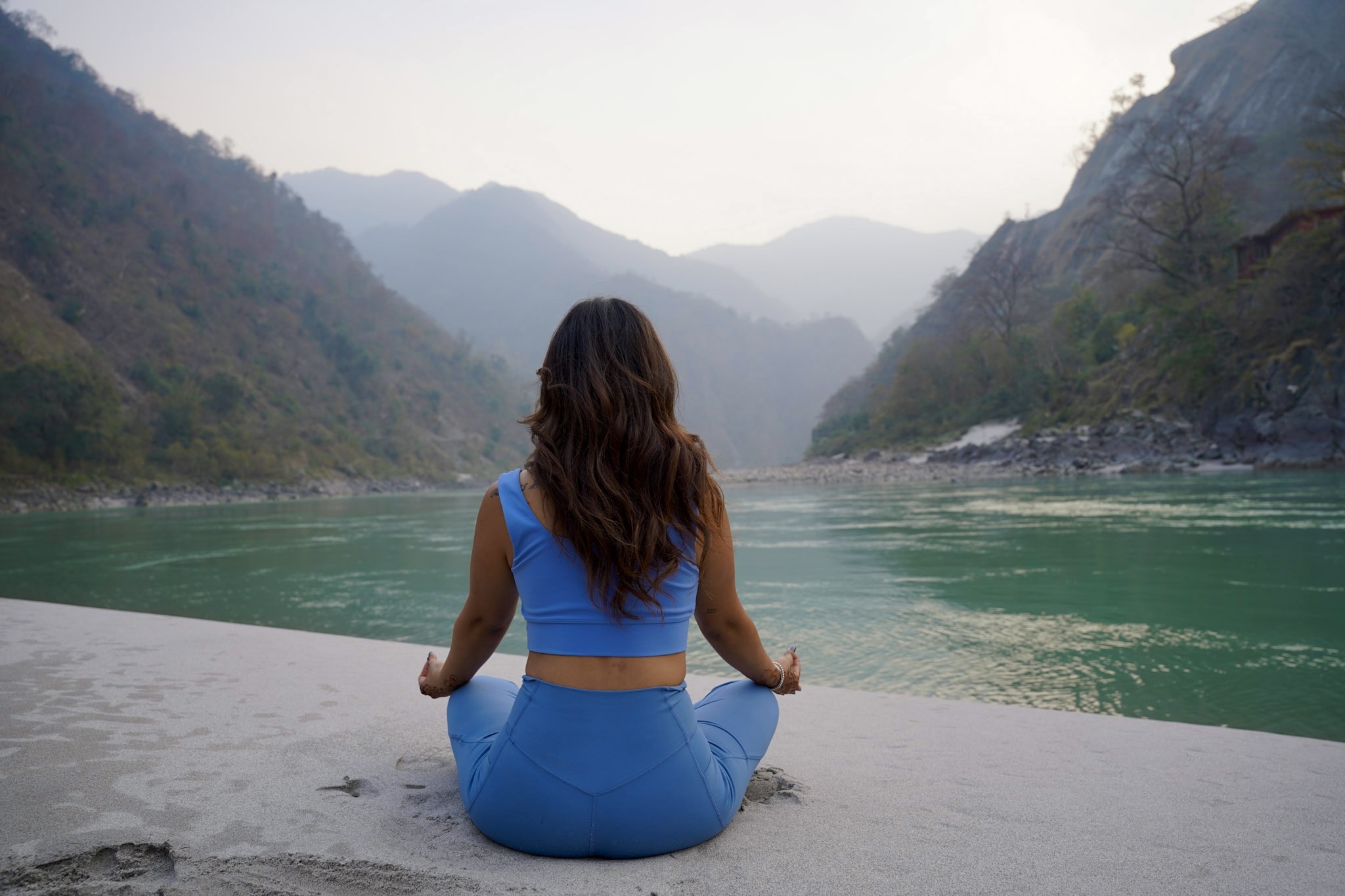
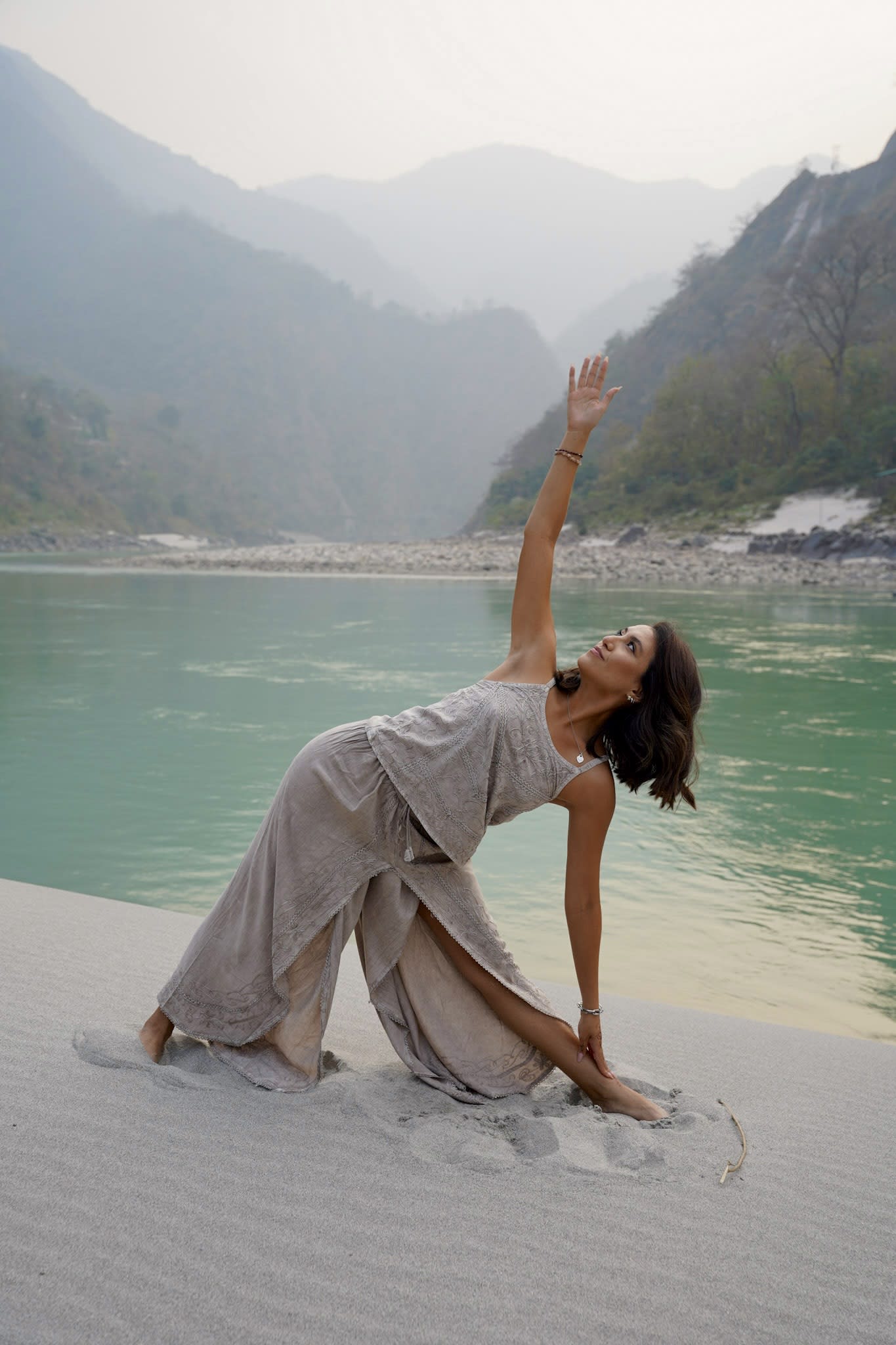
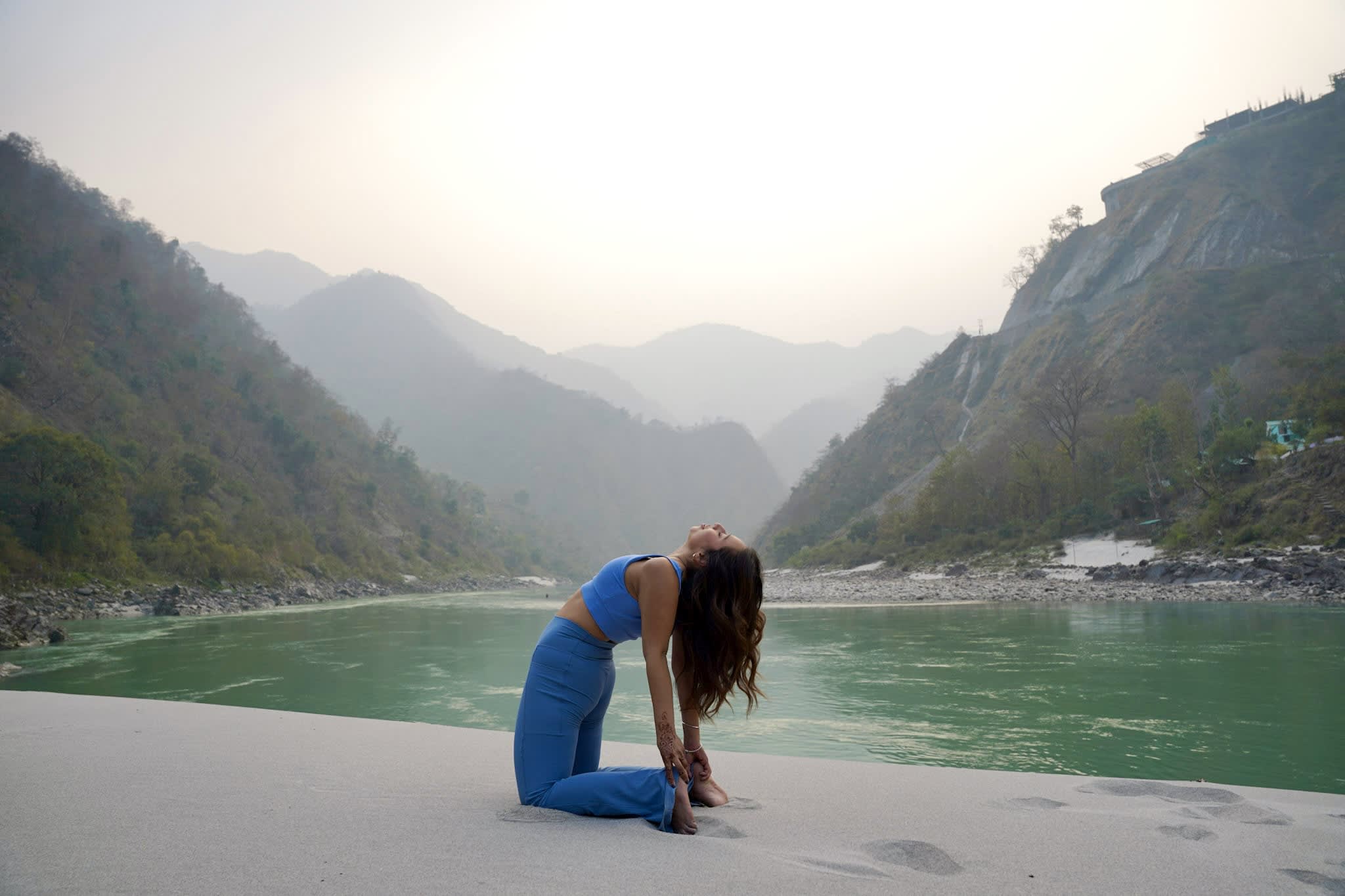
- The Himalayan foothills around Rishikesh, where Ayurveda sits alongside yoga and the Ganga; see our Rishikesh travel guide.
For a lighter first taste of Ayurveda woven into a broader trip — rather than a full clinical course — a hosted retreat is the gentlest introduction. Our [Beyond Golden Triangle: Rishikesh Edition, 3–13 December 2026](/destinations/beyond-golden-triangle-rishikesh-dec-2026) blends yoga, Ayurvedic treatments, and Himalayan calm, hosted personally by Anna, capped at 12 travellers, and priced at $1,329 in USD for international guests. It's an ideal way to feel the principles before committing to a longer standalone cleanse.
Is Panchakarma Right for You?
Panchakarma can be a wonderful reset, but it isn't a casual add-on. Be honest with yourself and your practitioner:
- Choose a qualified, reputable centre with real Ayurvedic doctors, not a resort spa using the name loosely.
- Declare all medications and conditions. Pregnancy, some illnesses, and certain medicines rule out parts of the programme.
- Give it time. Squeezing a serious cleanse into three days does more marketing than good.
- Expect an emotional dimension. Rest and fasting-light diets can stir things up; that's normal.
If you're weighing panchakarma against a gentler wellness week, Ayurveda vs yoga retreat in India and our wellness retreats in India overview help you choose the right depth.
Frequently Asked Questions
What is panchakarma in simple terms?
Panchakarma is a traditional Ayurvedic detox programme whose name means "five actions." It combines oil therapies, herbal treatments, a simple diet, and rest — over one to three weeks and under a qualified practitioner — to clear toxins and rebalance the body.
How long does a panchakarma treatment take?
A genuine course runs 7 to 21 days, because it includes a preparation phase, the cleanse itself, and a recovery phase. Shorter "panchakarma" offerings of a day or two are really spa treatments rather than the full traditional programme.
Is panchakarma safe for beginners?
Yes, when done at a reputable centre with qualified Ayurvedic doctors who assess you first. Always declare your medications, medical history, and any pregnancy, since some of the five actions are not suitable for everyone.
Where is the best place to do panchakarma in India?
Kerala is the traditional home of Ayurveda and the classic choice, best in its cooler, drier months. The Himalayan foothills around Rishikesh are a popular northern alternative, pairing Ayurveda with yoga and mountain calm.
Ready to Feel Ayurveda for Yourself?
If a gentle, guided introduction to Ayurvedic wellness in the Himalayas appeals more than diving straight into a three-week clinical course, our [Beyond Golden Triangle: Rishikesh Edition, 3–13 December 2026](/destinations/beyond-golden-triangle-rishikesh-dec-2026) blends treatments, yoga, and rest — a small group hosted by Anna, priced in USD for international travellers. Explore more dates on our destinations page.
Keep reading
More guides to help you plan the same trip.
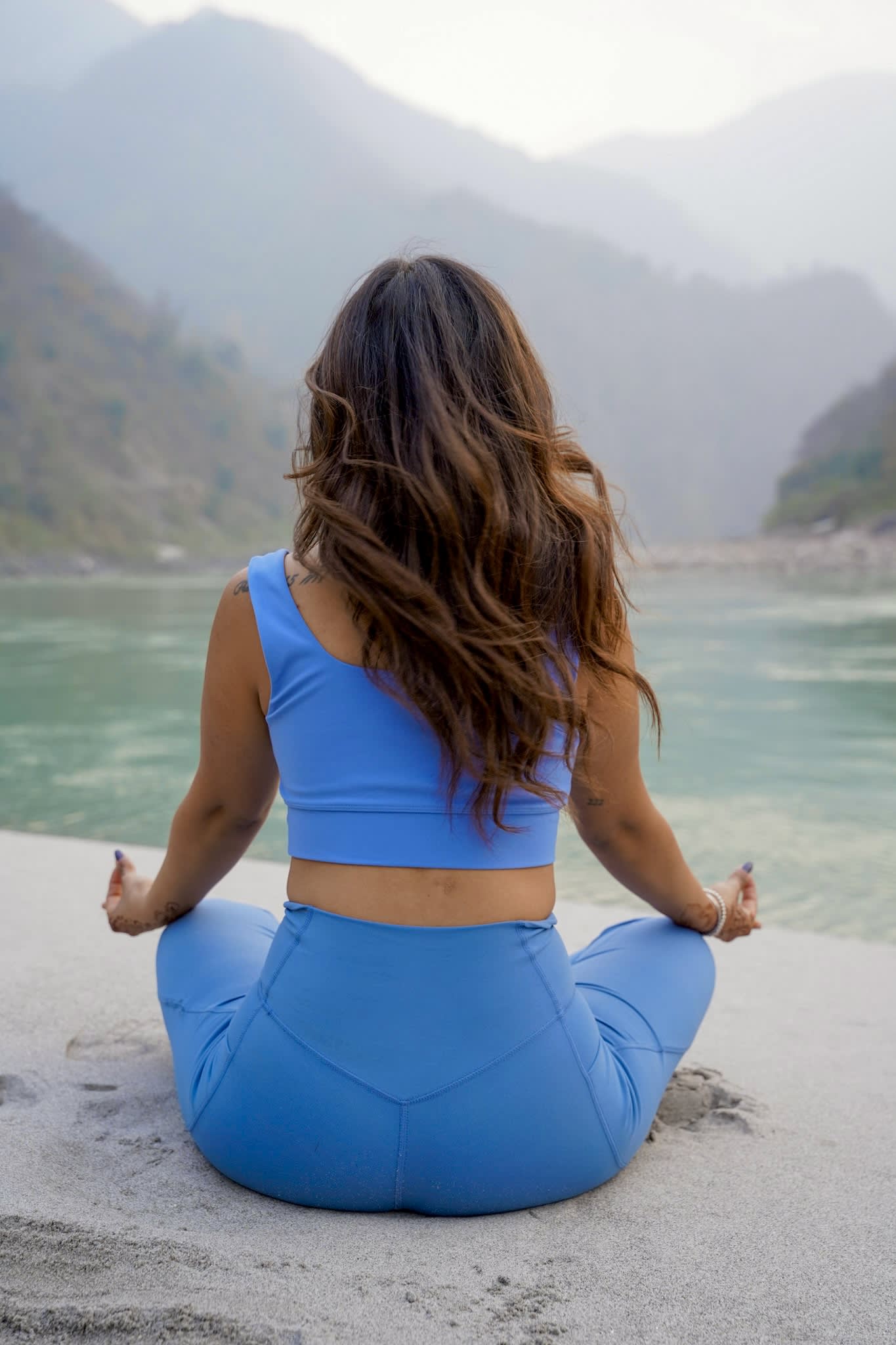
Ayurveda for Beginners: A First-Timer's Guide in India
Your first Ayurveda retreat in India, explained simply: what the treatments involve, what a day looks like, what it costs and what to pack.
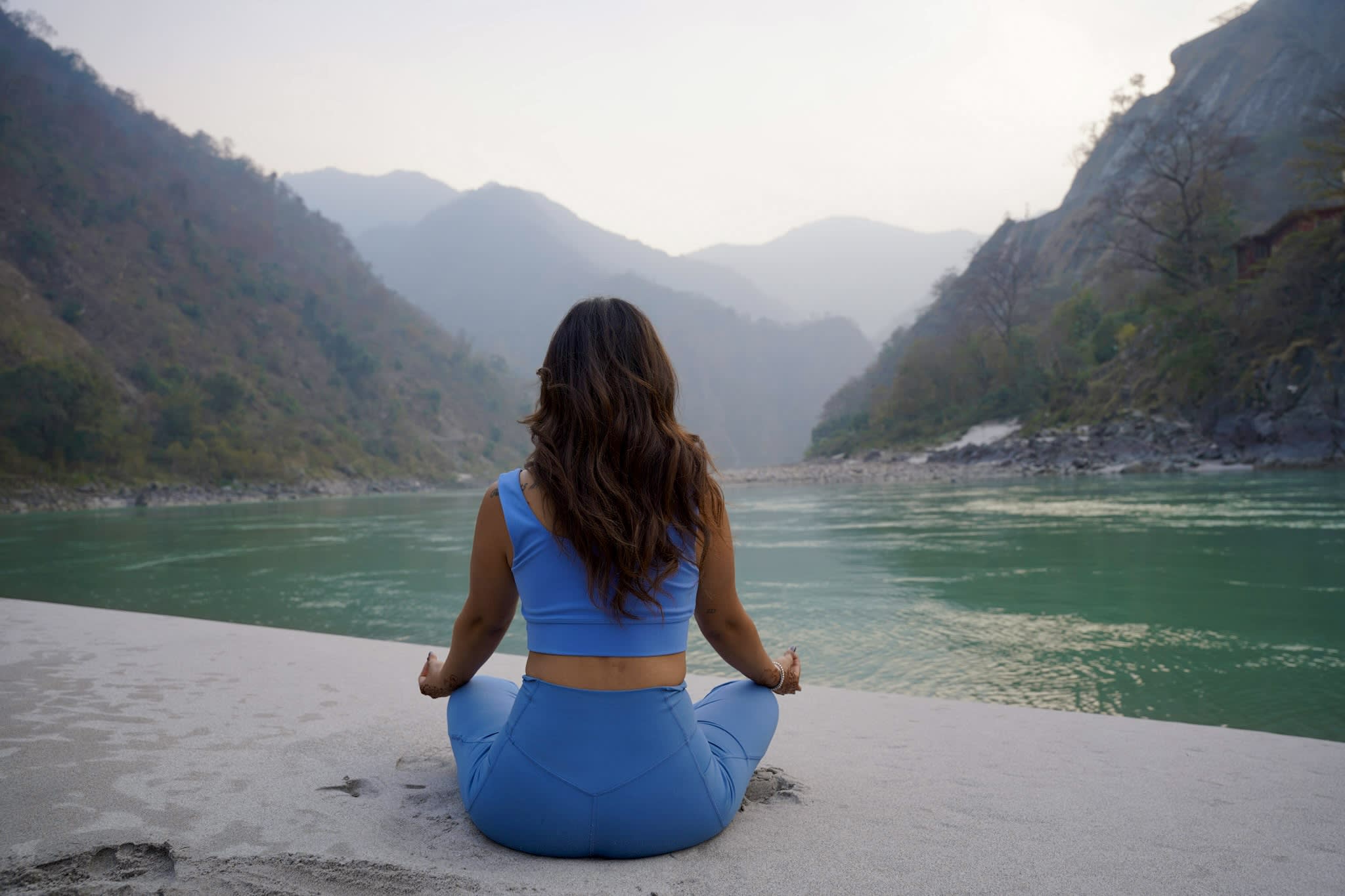
Ayurveda vs Yoga Retreat in India: Which Is Right for You?
Ayurveda or yoga retreat in India? The honest differences in daily rhythm, cost, results, and who each one suits — so you pick the right reset.
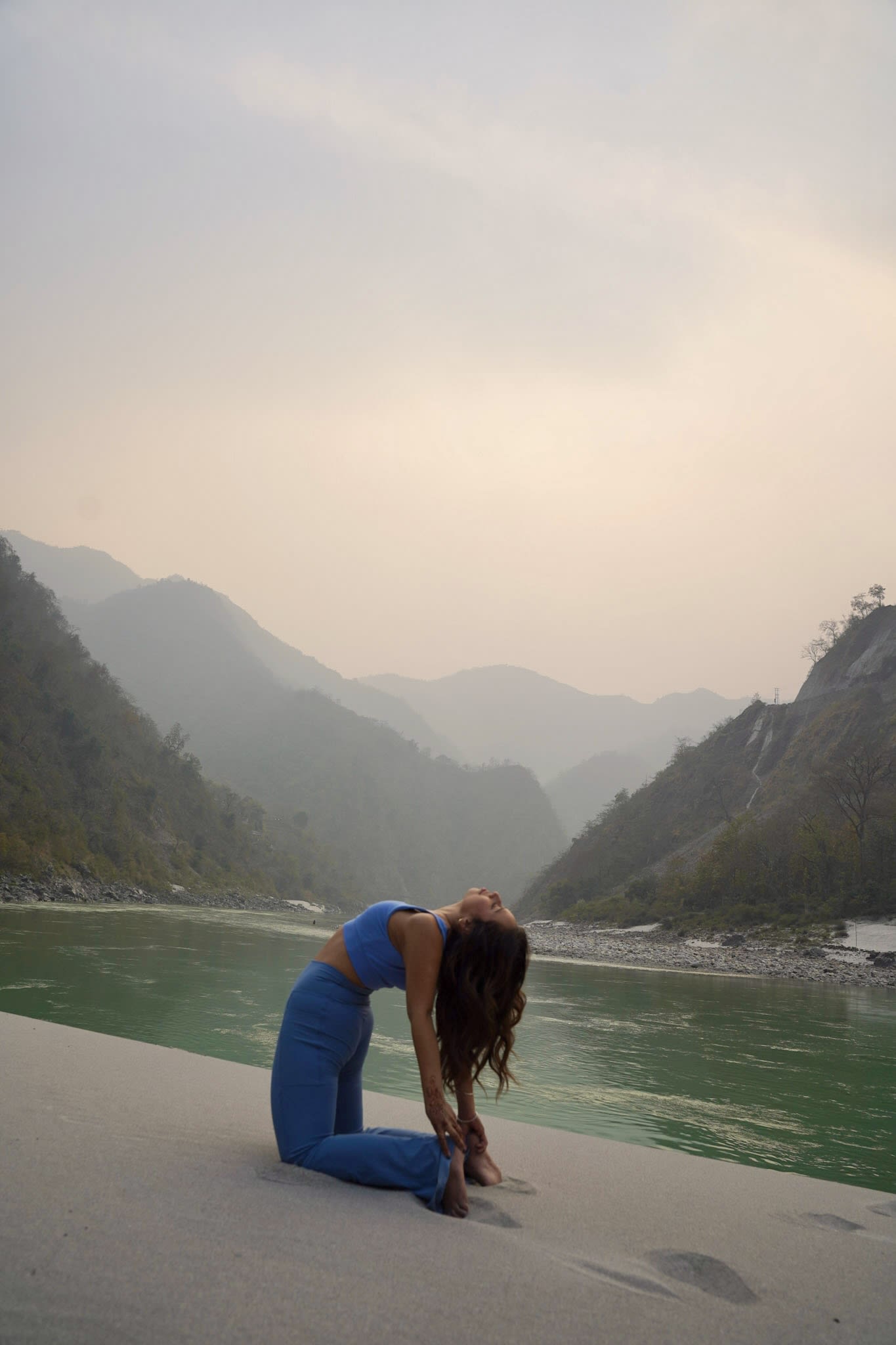
How Many Days Do You Need in Rishikesh?
How many days in Rishikesh is enough? Here's an honest breakdown for 2, 3, 4+ day stays so you can plan without wasting a single morning.
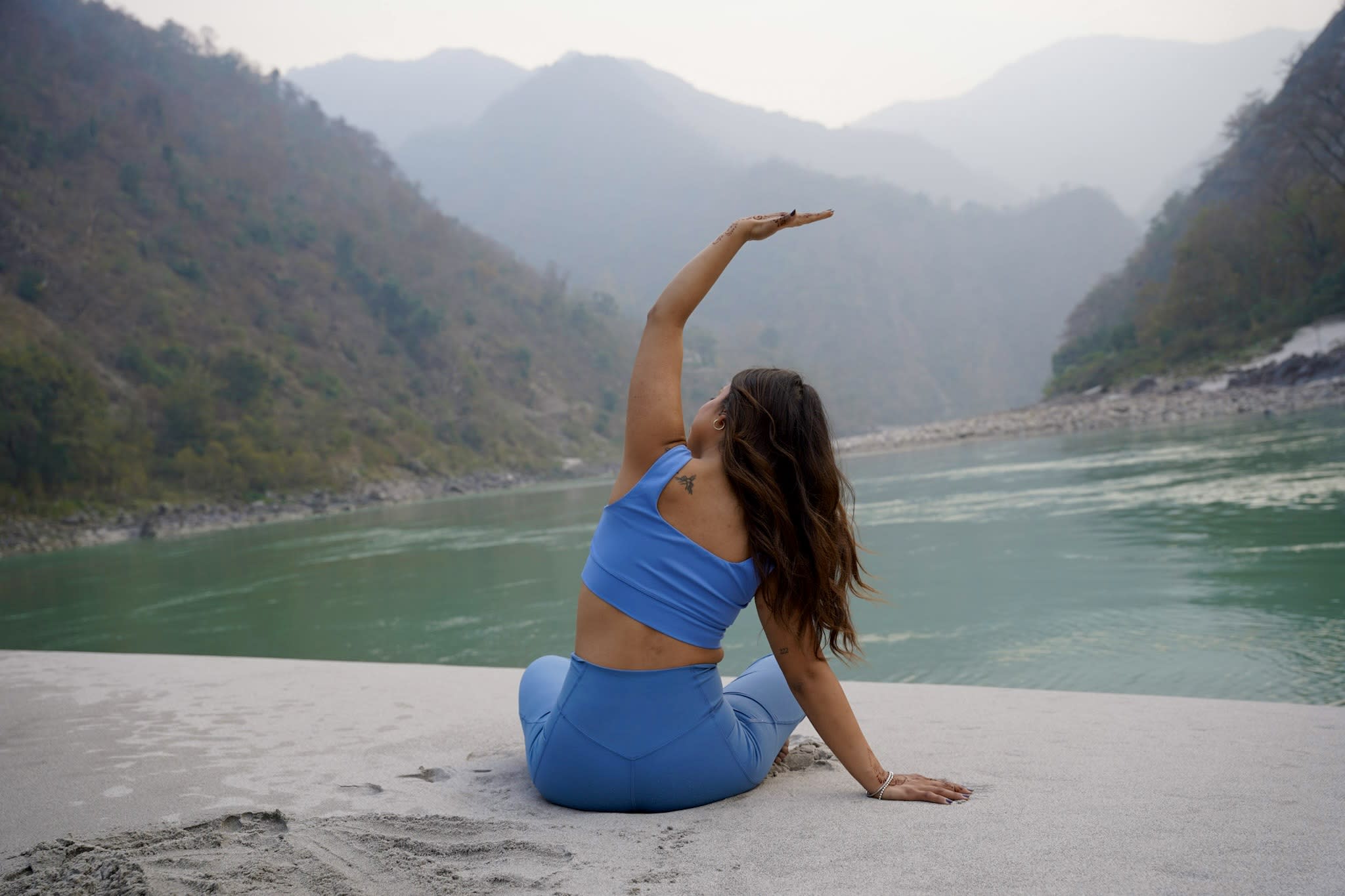
Rishikesh vs Goa for Yoga: Which Should You Choose?
Deciding between Rishikesh or Goa for yoga? Here's an honest comparison of both to help international travellers pick the right fit.
Sound Healing & Meditation in India: A Beginner's Guide
What singing bowls and gongs actually do, where to try sound healing in India, and how it pairs with meditation in the Himalayas.
A Beginner's Guide to a Yoga Retreat in India
What a yoga retreat in India actually involves, what to expect as a complete beginner, and how to choose one that suits you.