What to Wear in India: A Practical Dress Guide
A practical guide to what to wear in India, covering climate, modesty norms, temple rules, and packing for cities, villages, and the Himalayas.

On this page
Figuring out what to wear in India trips up almost every first-time visitor, and it's a fair worry — the country spans desert heat, Himalayan cold, sacred temples, and buzzing city streets, often within the same two-week trip. The good news is you don't need a special wardrobe, just a few sensible choices that respect local norms and keep you comfortable. This guide breaks it down by region, season, and situation so you can pack with confidence.
Quick answer: Pack loose, lightweight, breathable clothing that covers shoulders and knees, bring a scarf for temples, and layer up if you're heading to the hills or visiting in winter.
Why Modesty Matters More Than Fashion
India is a conservative country in terms of public dress, especially outside big-city malls and hotel pools. This isn't about religion alone — it's about blending in, avoiding unwanted stares, and showing basic respect in places of worship. Locals notice, and it genuinely changes how you're treated.
- Shoulders and knees covered is the safe baseline for both women and men, everywhere from Delhi's markets to Rajasthan's forts.
- Tight or sheer fabrics draw attention; loose cotton or linen is both cooler and more discreet.
- Swimwear is fine at hotel pools and beach resorts, not on public streets or riverbanks.
- Men in shorts and vests are treated as tourists first, guests second — a collared shirt goes a long way in smaller towns.
Everyday City and Sightseeing Outfits
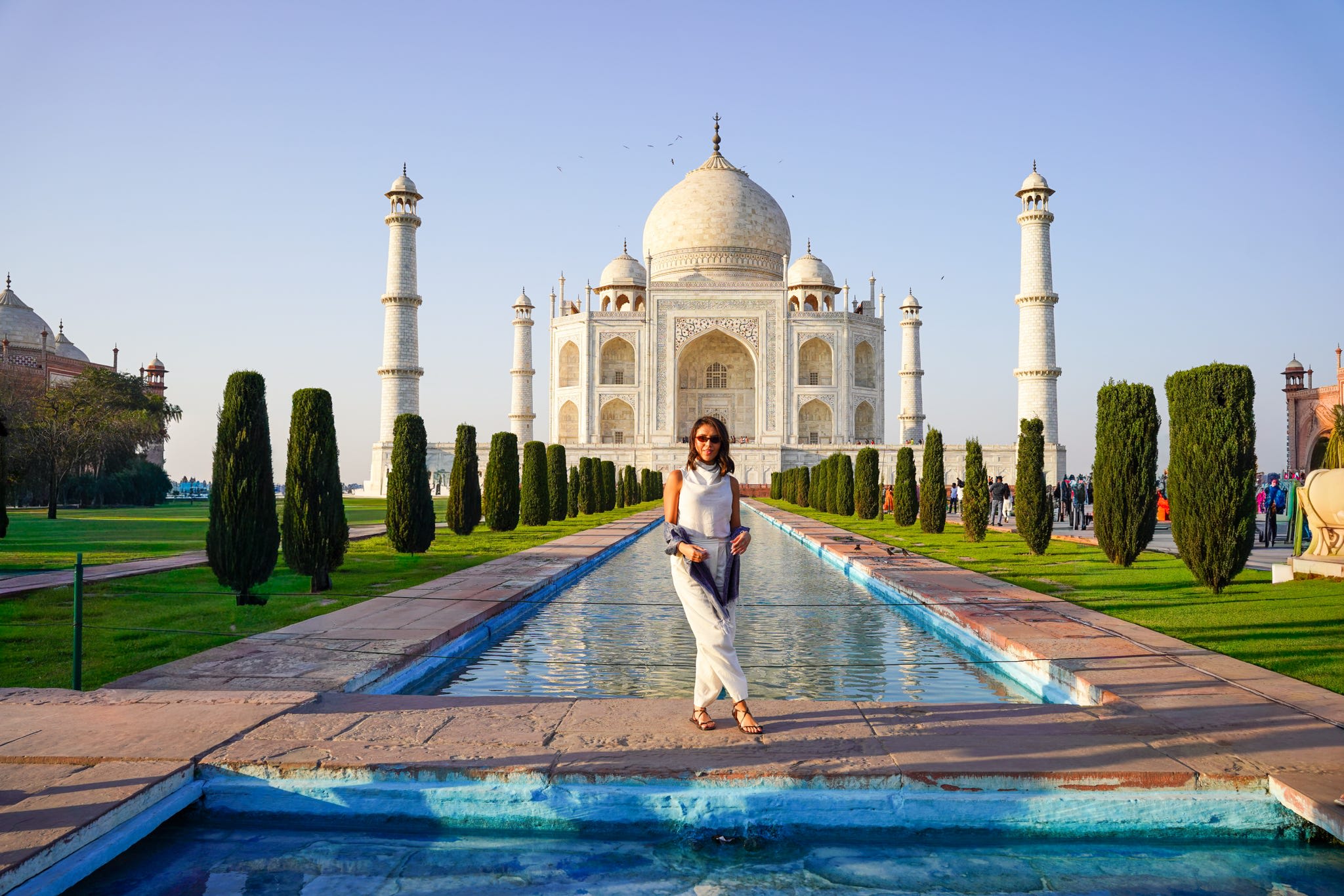
For most of a Golden Triangle-style circuit — think Delhi, Agra, Jaipur — you're dealing with dust, heat, and a lot of walking. Comfort wins over style every time.
- Loose cotton trousers, palazzo pants, or long skirts paired with breathable tops or kurtas.
- A lightweight cotton scarf or dupatta — useful for sun, dust, temple visits, and covering shoulders on the fly.
- Closed, comfortable walking shoes rather than sandals, since pavements and monument grounds can be uneven and hot underfoot.
- A packable rain jacket if you're travelling during monsoon months.
If you're mapping out a route, our Delhi-Agra-Jaipur first-timer guide has more on what each city actually feels like underfoot.
Temples, Mosques, and Sacred Sites
Dress codes get stricter at religious sites, and enforcement varies from a polite request to a firm turn-away at the door.
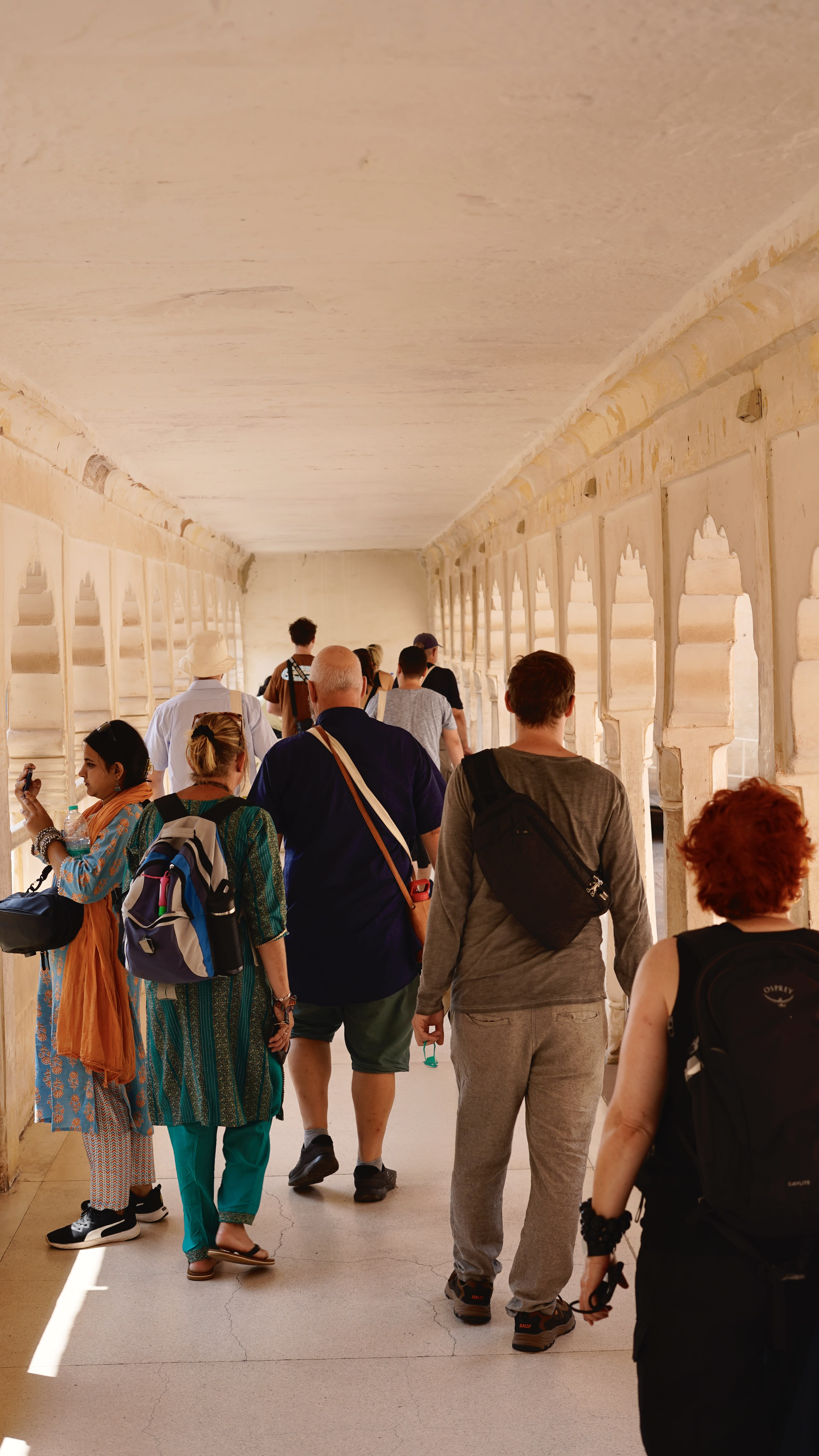
- Shoulders and knees must be covered at almost every temple, gurudwara, and mosque.
- Shoes come off before entering — slip-on footwear saves time and hassle.
- Head coverings are required at gurudwaras and some mosques; a scarf doubles perfectly for this.
- At the Ganga Aarti in Rishikesh, modest, breathable clothing works best since you'll be sitting on stone ghats for the ceremony.
Rishikesh, Yoga, and the Himalayan Foothills
Rishikesh and the hill towns have their own rhythm — cooler mornings, spiritual etiquette, and a slightly more relaxed but still modest dress culture.
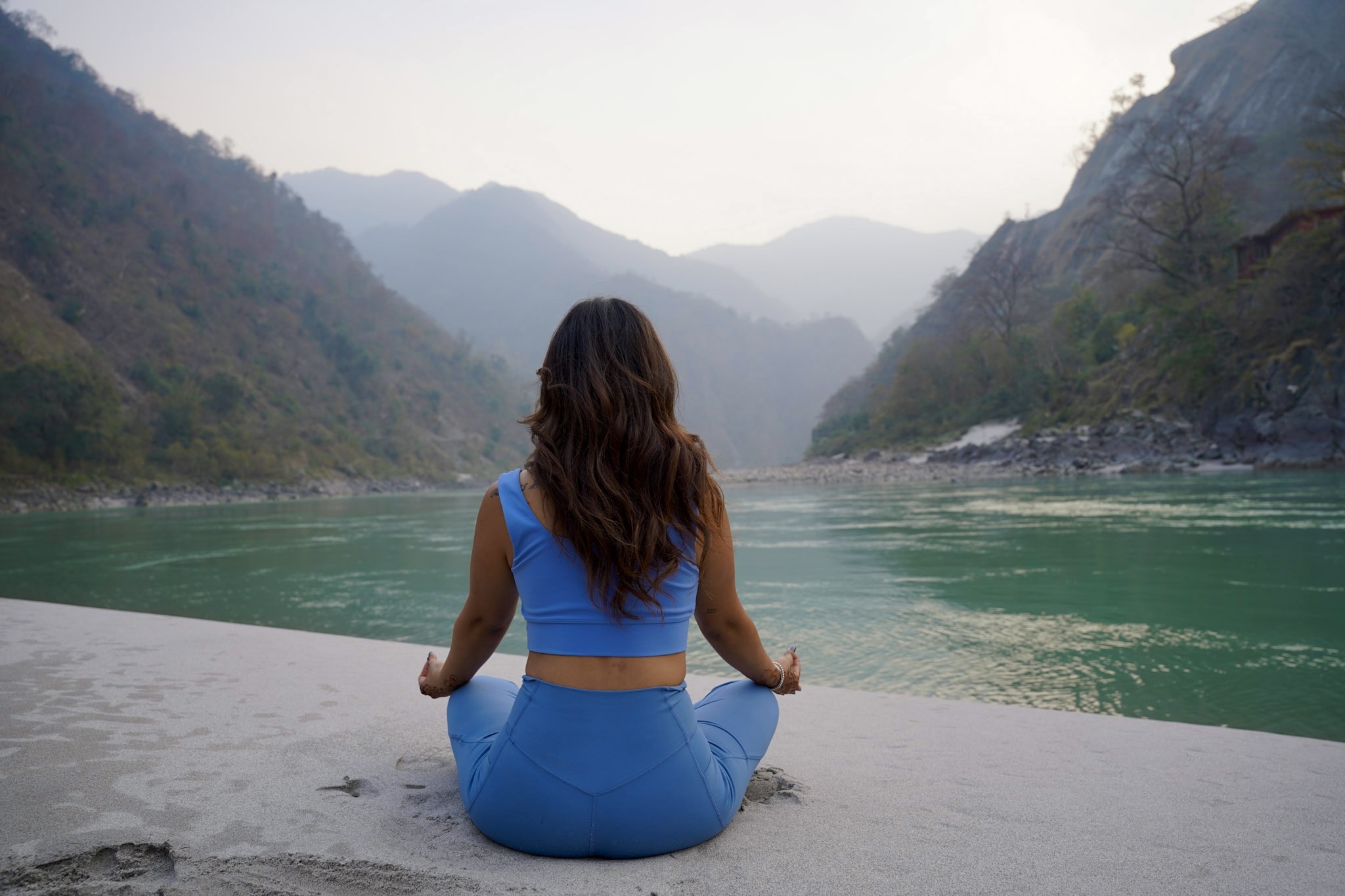
- Yoga-friendly, stretchy cotton layers that still cover shoulders and knees, even inside ashrams.
- A warm layer for early morning meditation or aarti sessions, since river towns cool down fast after sunset.
- Trainers or trekking sandals with grip, useful on the uneven paths along the Ganga.
If you're planning a longer stay, our guide on how many days in Rishikesh and the Rishikesh travel guide cover the practical side of settling in.
Packing by Season
What you wear changes a lot depending on when you travel, and India's climate swings are extreme.
- October to March (peak season): Warm days, cool nights, especially in Rajasthan and Delhi — layer a light sweater or shawl over cotton.
- April to June (pre-monsoon): Hot and dry across the plains — stick to the loosest, lightest cotton you own.
- July to September (monsoon): Humid with sudden downpours — quick-dry fabrics and a compact umbrella beat a heavy raincoat.
- December (winter): Genuinely cold mornings in Delhi and the north — a proper jacket isn't optional. See our India in December guide for specifics.
For a full checklist beyond just clothing, our what to pack for India post covers electronics, medicine, and documents too.
Frequently Asked Questions
What to wear in India as a woman traveller?
Loose trousers, long skirts, or kurtas paired with a scarf cover most situations, from city sightseeing to temple visits. Avoid shorts, tight leggings alone, or low-cut tops in public areas outside resort pools.
Can I wear shorts in India?
Shorts are fine at beach resorts and hotel grounds but not recommended for temples, villages, or general city streets, where they read as underdressed. Knee-length or longer is the safer default almost everywhere.
Do I need to cover my head in India?
Head covering is expected at gurudwaras and required in the inner sanctum of some mosques, but it's not generally needed elsewhere. Carrying a light scarf means you're always ready when the moment calls for it.
What shoes are best for travelling in India?
Comfortable, closed walking shoes handle dusty streets and monument grounds best, while slip-on shoes make temple visits far easier since footwear comes off at the door. Trekking sandals are worth adding if you're heading into the hills.
Ready to Pack for India?
Once your wardrobe is sorted, the harder decision is where to go. Chalo Folks runs small-group trips, capped at just 12 travellers and personally hosted by Anna, across Rajasthan, Rishikesh, and the Golden Triangle — take a look at our destinations to find a route that fits your dates and interests.
Keep reading
More guides to help you plan the same trip.
India Etiquette: 15 Dos and Don'ts for Visitors
India etiquette for first-time visitors: how to dress, greet, enter temples, eat and photograph people without causing offence.

What to Pack for India: A Season-by-Season List
Clothing, health kit, tech and documents for India — plus what to leave at home, and how the list changes by season.
Best SIM Card & eSIM for India in 2026 (Tourist Guide)
Which tourist SIM or eSIM to buy for India, where to get it at the airport, what it costs, and which network actually works outside the cities.
Currency, ATMs & Exchanging Money in India
Everything on currency exchange in India for visitors — using ATMs, whether to bring cash, avoiding poor rates, and how much to carry day to day.
Delhi Air Quality: The Months to Avoid (and Why)
Delhi air quality season by season: the smoggy months to plan around, when the air is genuinely fine, and how to protect yourself.
Getting Around India: Trains, Flights, Cars & More
Trains, domestic flights, hired cars, rickshaws and ride apps — honest trade-offs on cost, speed and comfort for getting around India.