Jibhi in November: Weather, Jalori Pass, Snow and What to Pack
Is November a good time for Jibhi? Clear skies, cold nights and an open Jalori Pass. Here's the weather, the snow odds, what to pack and how to plan it from Delhi.
On this page
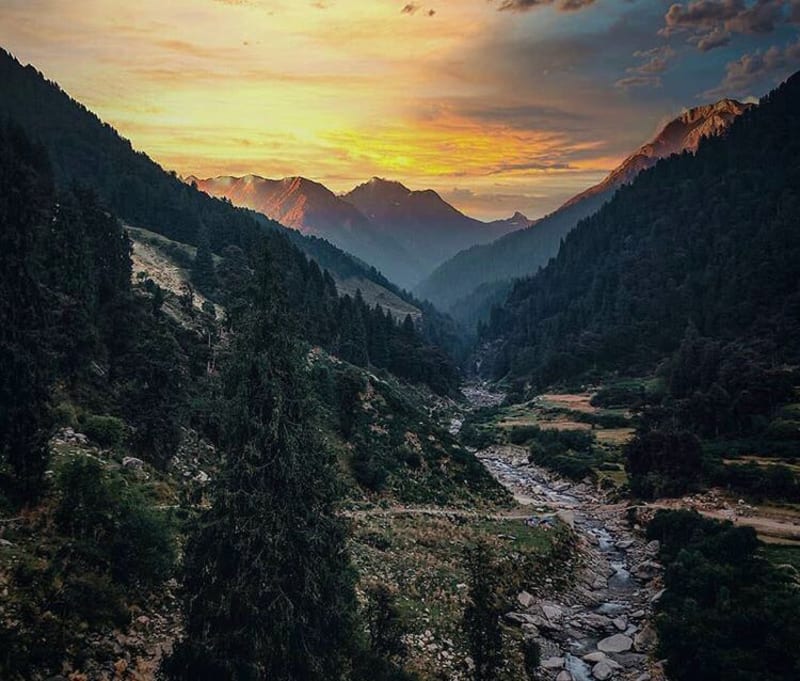
November is the month the Banjar valley clears up. The monsoon haze is long gone, the October crowds have thinned out, and on most mornings you can see snow peaks from the top of Jalori Pass. It's also the month people underestimate the cold. Here's what Jibhi in November is really like, and how to plan a trip around it from Delhi.
Quick answer: November is one of the best months for Jibhi. Expect clear skies, afternoons of about 10 to 15°C in the sun and nights close to freezing, colder up at Jalori Pass. The pass and the Raghupur Fort hike are usually open all month, though an early spell of snow late in November can shut the road for a day or two. Snow in Jibhi village itself is rare before December. Pack thermals, a warm jacket, gloves and a beanie.
Jibhi weather in November
Jibhi sits at roughly 1,900 metres in the Kullu district of Himachal. Jalori Pass, 12 km up the road, is at a little over 3,100 metres, so it runs several degrees colder and a lot windier.
| Early November | Late November | |
|---|---|---|
| Afternoon in Jibhi | Around 12 to 15°C, warm in the sun | Around 9 to 13°C |
| Night in Jibhi | Around 3 to 6°C | Around 0 to 3°C, frost in the mornings |
| Jalori Pass after dark | Near freezing | Below freezing |
| Sky | Mostly clear | Mostly clear, the odd cloudy spell |
| Jalori Pass road | Open | Usually open; brief closures after snow |
| Crowds | Busy around the Diwali weekend | Quiet, especially midweek |
These are typical ranges, not a forecast. Mountain weather changes fast, so check the forecast for Banjar and Jalori a day or two before you go.
The pattern that matters: the sun is strong and the days feel pleasant, then the temperature falls hard once the sun drops behind the ridge, which happens early. It's dark by about half past five in late November. Plan hikes for the morning and late morning, and be back down before the light goes.
Is Jalori Pass open in November?
Usually, yes. Snow typically closes the road over Jalori Pass from around mid-December to March, and in most years November is clear. The catch is the second half of the month: an early snowfall can make the last few kilometres icy and close the road for a day or two until it clears.
If you're going in late November:
- Ask your homestay in Jibhi about the road that morning. Locals in Shoja and Jibhi know before any website does.
- Start early. The road is usually at its iciest in the early morning shade and after sunset.
- Keep a backup plan for that day: the Jibhi waterfall, a slow café morning, or the drive towards the Tirthan valley.
Can you do the Raghupur Fort hike in November?
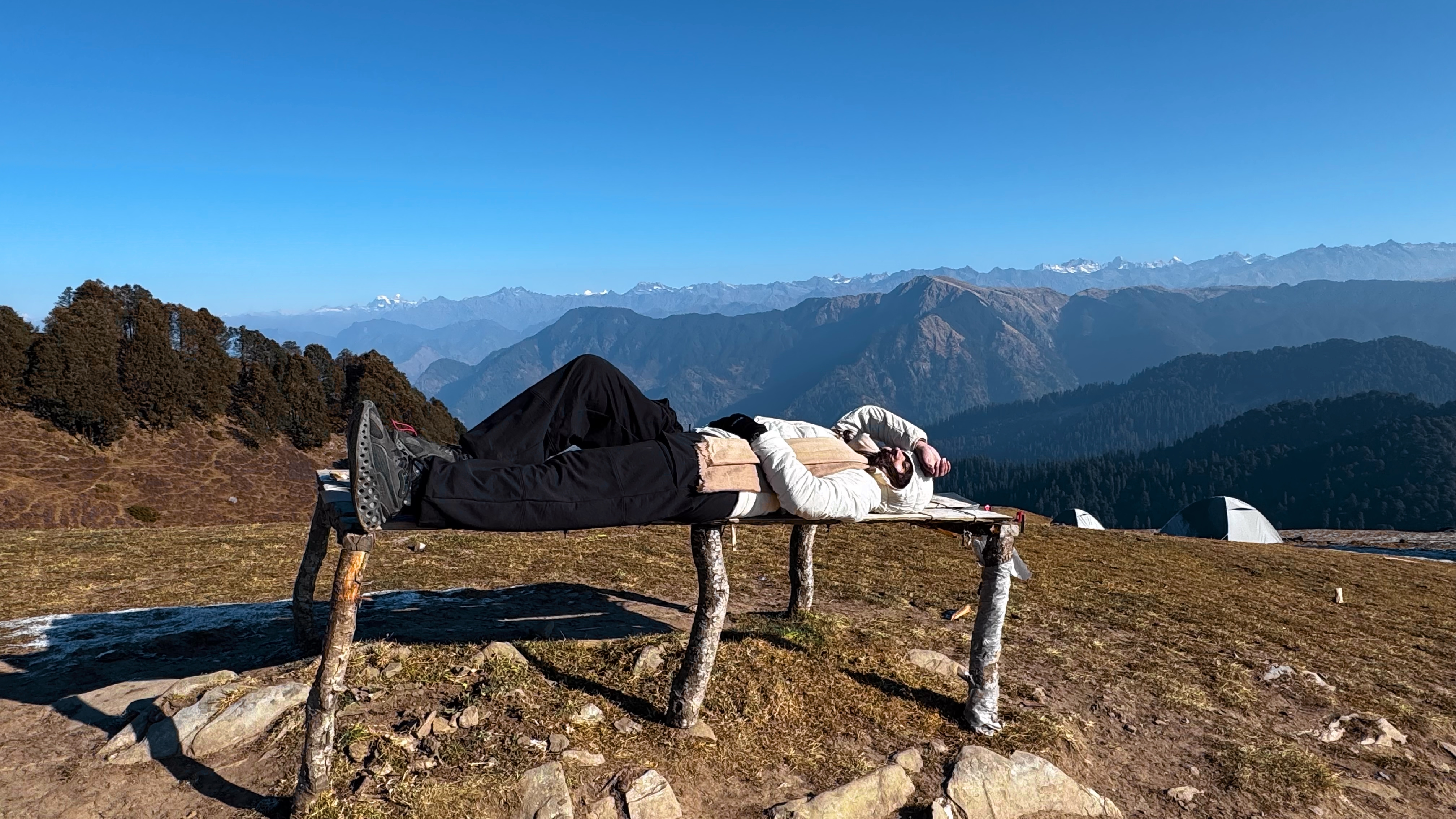
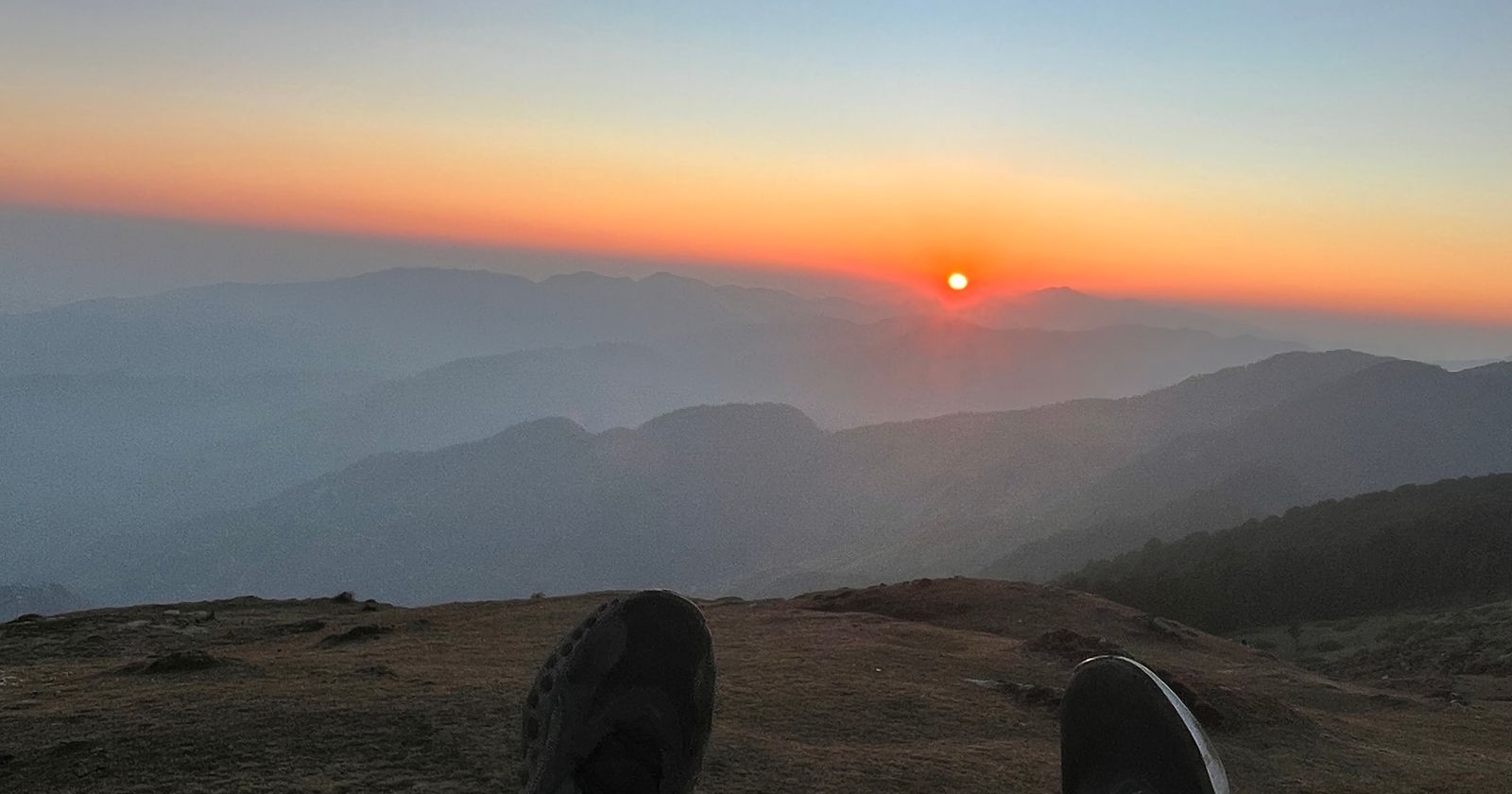
Yes, and it's arguably at its best. The trail from Jalori Pass is about 3 km each way through oak forest to an open ridge with the fort's ruins on top. November gives you the clearest views of the year from up there: ridge after ridge in every direction, with high snow peaks on the horizon.
It's an easy to moderate walk, mostly a steady climb, with nothing technical. In November the shaded parts of the trail can be frosty or muddy in the morning, so wear shoes with real grip. The full route, including Shangarh and the hidden waterfall, is in our 3-day Jibhi, Jalori Pass and Shangarh plan.
Will it snow in Jibhi in November?
Probably not in the village. Snow in Jibhi itself usually arrives from mid or late December into January. In November you might see a fresh dusting on the ridges around Jalori after a cold spell, and you'll see plenty of snow on the high peaks on clear days.
If snow in the village is the whole point, go in late December or January instead, and accept that Jalori Pass will likely be closed. Our guide to offbeat places to visit in December covers Jibhi in the snow.
What to do in Jibhi in November
- Raghupur Fort from Jalori Pass: the headline hike, with the year's best views.
- Serolsar Lake: a mostly level walk of 5 to 6 km from Jalori Pass through forest to a small lake. Go early; the shaded path holds frost late in the month.
- Shangarh meadow: a couple of hours away in the Sainj valley. In November the meadow grass turns gold and the mornings are silver with frost.
- A hidden waterfall: the water is freezing in November. Jumping in is still optional, and it still happens.
- Bonfires: this is the month when an evening around the fire stops being a nice extra and becomes the plan.
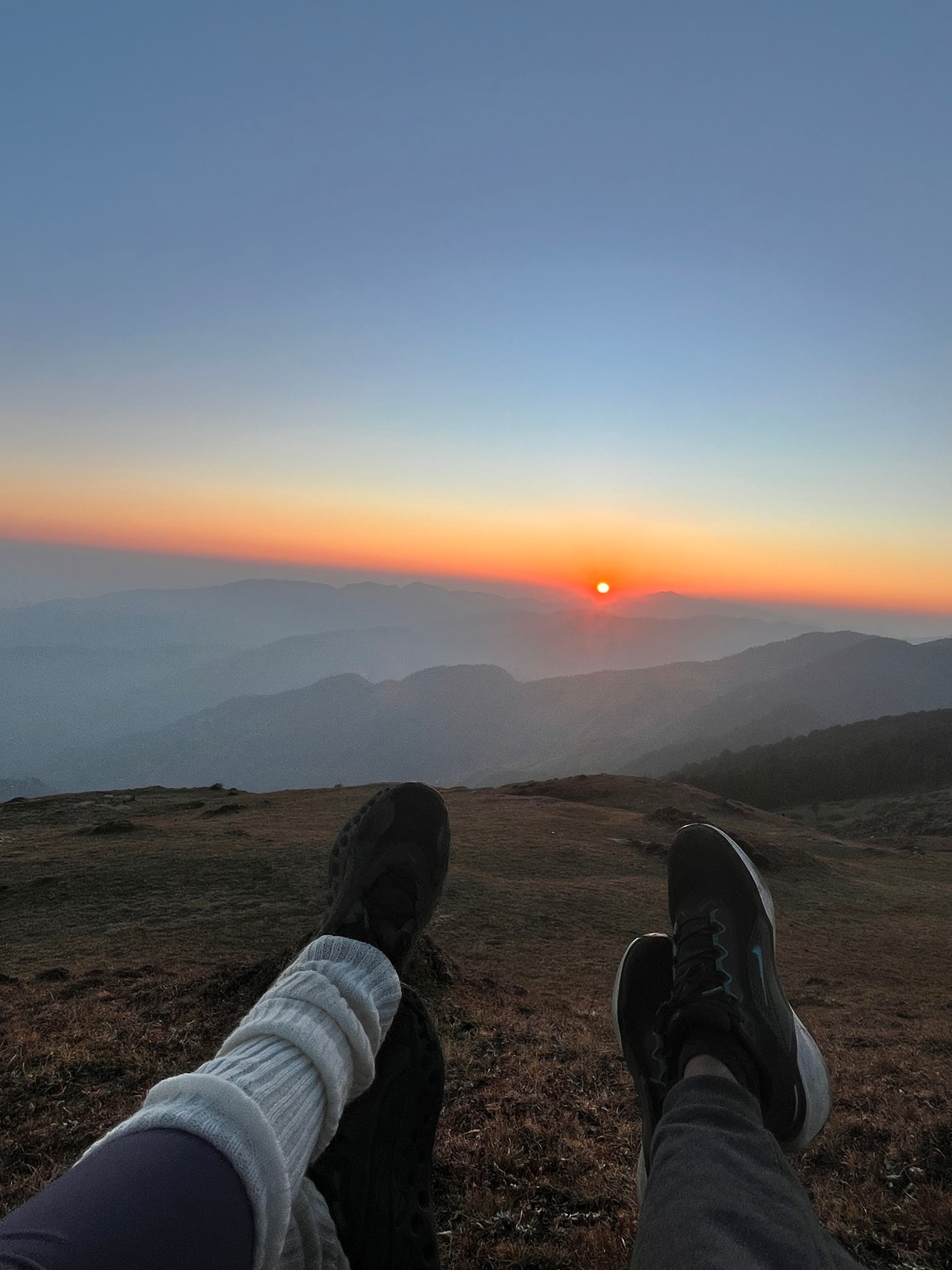
Getting there from Delhi in November
Jibhi is about 500 km from Delhi, 11 to 13 hours by road. The roads are in good shape after the monsoon repairs, so November is one of the easier months to drive. The usual options:
- An overnight Volvo towards Manali, getting off at Aut, then a taxi or local bus to Jibhi via Banjar.
- Your own car via Chandigarh and Mandi. The last stretch from Aut is narrow and steep, and frost on the shaded bends is possible late in the month.
- A small-group trip that drives through the night from Delhi, so you wake up in the valley.
What it all costs, from bus tickets to homestays, is in our breakdown of the cost of a Jibhi trip from Delhi.
What to pack for Jibhi in November
People from Delhi pack for a cold evening and end up wearing everything they brought at once. Plan for layers:
- A thermal base layer (top and bottom). The single most useful thing in the bag.
- A fleece or warm sweater, plus a proper jacket: down or a padded puffer for the evenings and Jalori Pass.
- A beanie, gloves and warm socks. Your hands and ears will thank you at the bonfire.
- Shoes with good grip for frosty trails. Trainers with a decent sole are fine; smooth soles are not.
- Sunscreen, sunglasses and lip balm. The sun is strong at 3,000 metres even when the air is cold.
- A power bank. Batteries drain faster in the cold, and the signal is patchy around Jalori and Shangarh.
- Some cash. UPI works until the network doesn't.
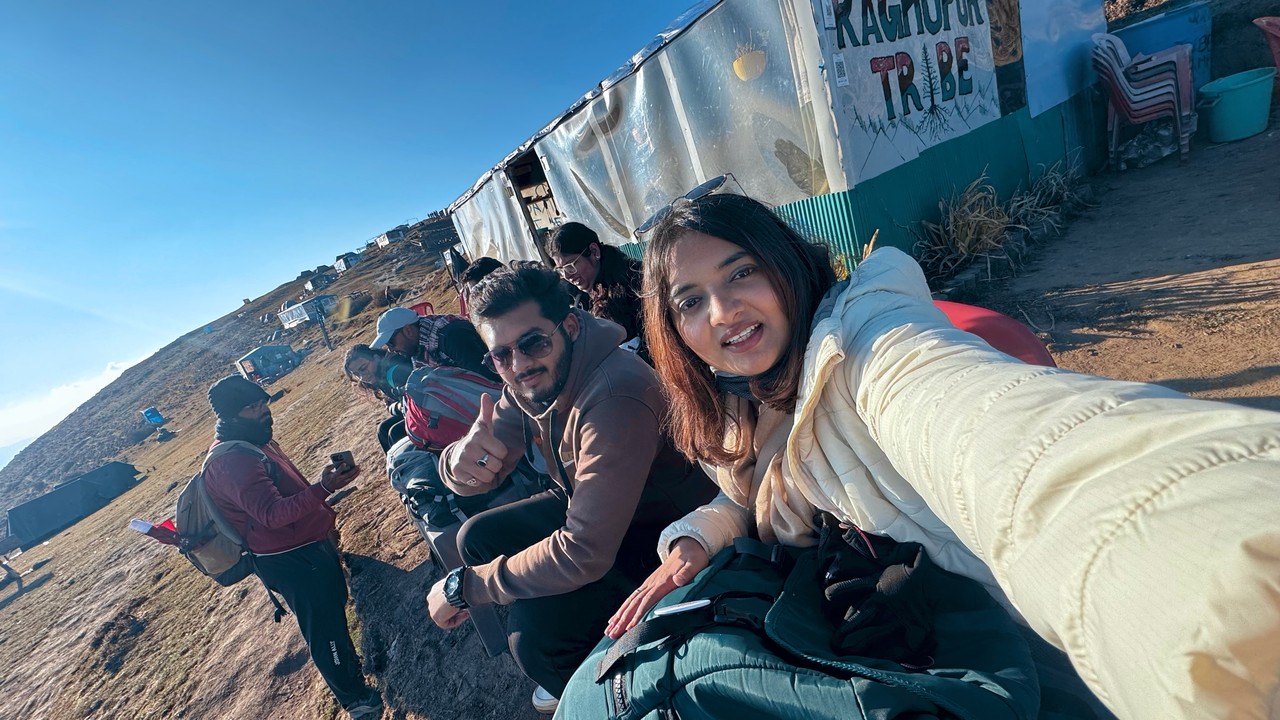
Going in November with a small group
November is a great month to go and a slightly harder one to plan on your own: shorter days, colder nights and the odd road update to keep an eye on. That's where a small group helps. On our trip, a private vehicle leaves Delhi at night, the stays and bonfires are sorted, a local guide takes you to the waterfall, and Anna, our founder, hosts the group in person. Groups are capped at twelve, and many people come solo.
If you've never done a trip with people you don't know yet, read what actually happens on a 12-person trip, or how invite-only trips work. Women travelling alone often ask us about safety; this guide to solo female travel on small-group trips answers most of it.
Frequently Asked Questions
Is November a good time to visit Jibhi?
Yes. November brings the clearest skies of the year, quieter weekends after Diwali and an open Jalori Pass in most years. The trade-off is the cold: nights drop close to freezing, so you need proper warm layers.
How cold is Jibhi in November?
Afternoons are usually around 10 to 15°C in the sun, and nights fall to roughly 0 to 6°C, getting colder through the month. Jalori Pass, at over 3,100 metres, drops below freezing after dark in late November.
Is Jalori Pass open in November?
Usually, yes. The road over Jalori Pass is normally closed by snow from around mid-December to March. In late November an early snowfall can close it for a day or two, so ask locals in Jibhi or Shoja on the morning you plan to go up.
Does it snow in Jibhi in November?
Snow in Jibhi village is rare in November; it usually comes from mid or late December. You may see a light dusting on the ridges around Jalori after a cold spell, and the high Himalayan peaks are snow-covered on clear days.
Can I do the Raghupur Fort trek in November?
Yes. It's one of the best months for it because the views are so clear. The hike is about 3 km each way from Jalori Pass. Start in the morning, wear shoes with grip for frosty patches and be back down before sunset.
What should I wear in Jibhi in November?
Layers: a thermal base, a fleece or sweater and a warm padded jacket, plus a beanie, gloves and warm socks. Add sunglasses and sunscreen for the strong mountain sun during the day.
Plan it, or come with us
November in Jibhi rewards people who show up prepared: early starts, warm layers and an evening by the fire. Use this guide and the full itinerary to plan it yourself, or request an invite and let us handle the van, the stays and the bonfires while you handle the views.
Keep reading
More guides to help you plan the same trip.
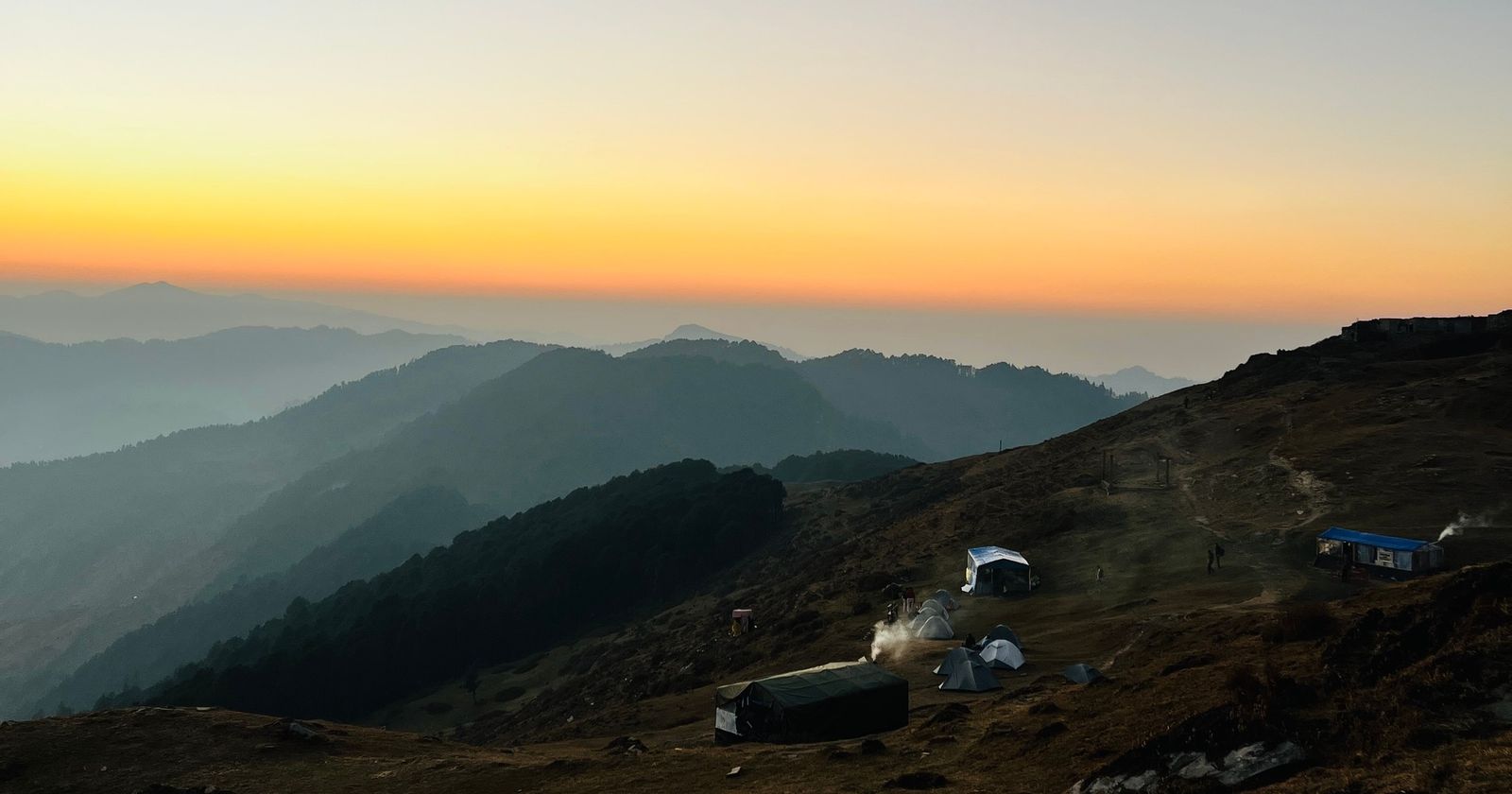
Jibhi, Jalori Pass & Shangarh: The Himachal Trip Everyone on Instagram Is About to Take (3-Day Plan from Delhi)
A 3-day Jibhi, Jalori Pass (via Shoja) and Shangarh plan from Delhi: a fort above the clouds, a hidden waterfall and a meadow village.

India in November 2026: Weather, Festivals & Where to Go
India in November brings cool, clear skies and Diwali afterglow, making it one of the best windows to visit the Golden Triangle.
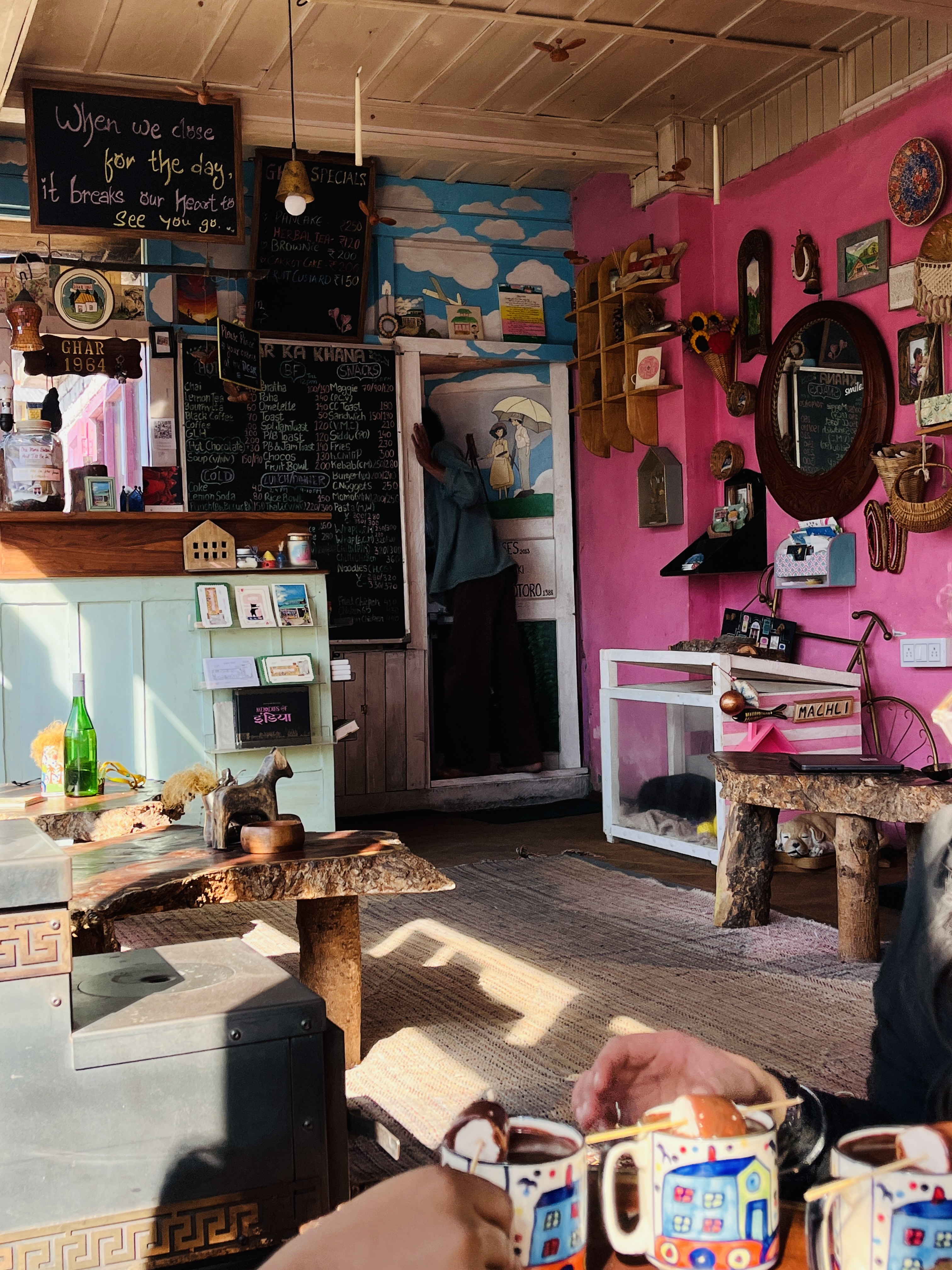
How Much Does a Jibhi Trip Cost from Delhi? A Real 3-Day Budget
What a 3-day Jibhi, Jalori Pass and Shangarh trip from Delhi really costs: buses, taxis, homestays and food, for backpackers, friends, couples and solo travellers.
Offbeat Places to Visit in December in India: Jibhi, Jaisalmer, Bir and 7 More That Aren't Manali
Ten offbeat places to visit in December in India, from snowy Jibhi and Bir to Jaisalmer's dunes and Meghalaya's rivers, with weather and travel times.
The Best Time to Visit Bir Billing for Paragliding
The best time to visit Bir Billing for paragliding is October to June, when Himachal's thermals and clear skies make for safe, soaring flights.

Best Time to Visit the Golden Triangle: Month by Month
October to March is the easy answer — but the best month depends on whether you want festivals, cool mornings, lower prices or fewer crowds.