Navratri in India: A Traveller's Guide
Everything international travellers need to plan a trip around Navratri in India, from Gujarat's garba nights to Kolkata's Durga Puja.
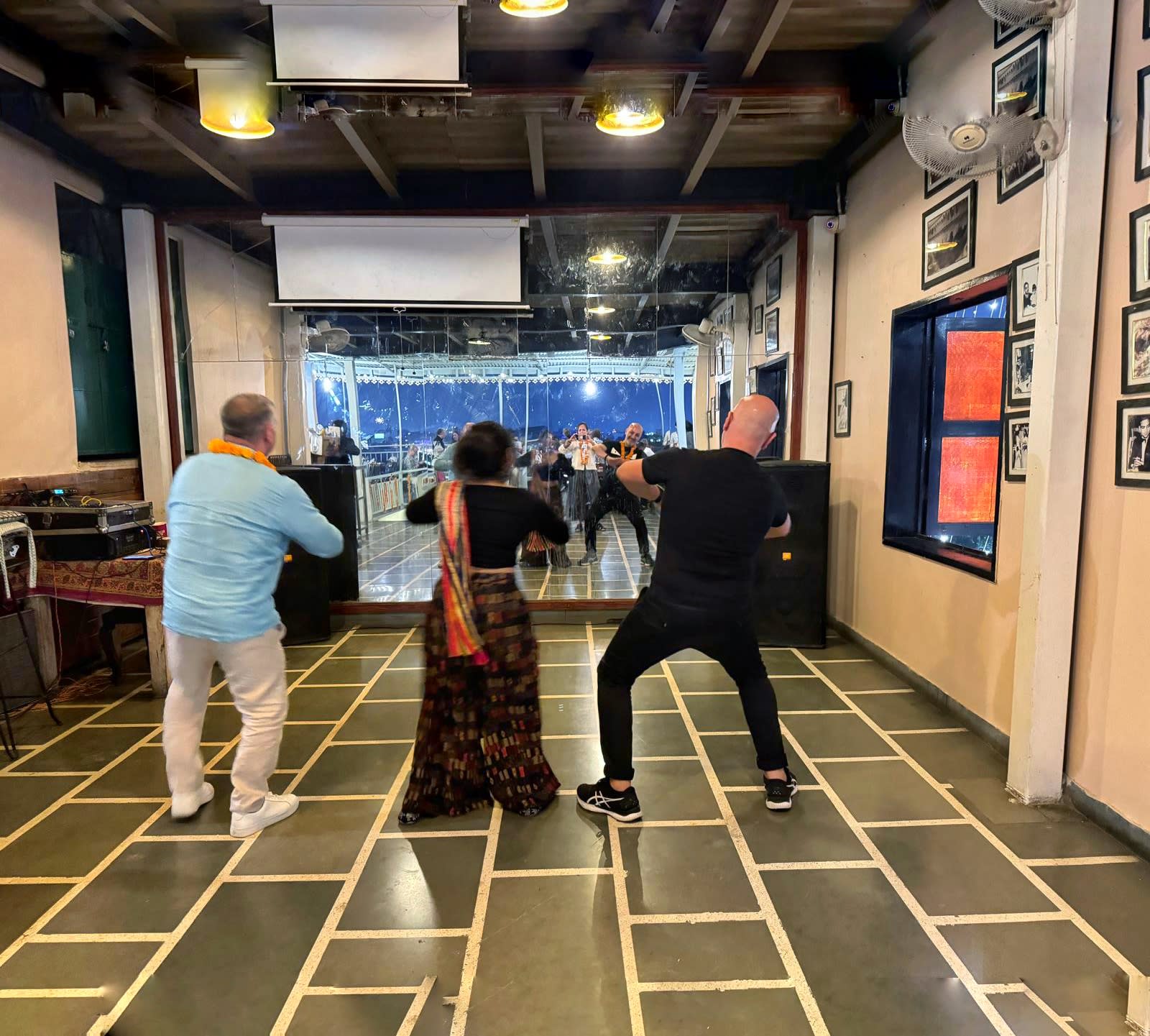
On this page
If you're planning to experience Navratri in India, you're in for one of the country's most joyful, sociable festivals — nine nights of dance, devotion, and colour that culminate in Dussehra. Unlike Diwali, which is largely a home-and-family festival, Navratri spills out into public squares, community halls, and temple courtyards, which makes it unusually easy for a visiting traveller to join in rather than just watch from the sidelines.
Quick answer: Navratri is a nine-night Hindu festival (usually September–October) celebrating the goddess Durga, marked by garba and dandiya dance nights in Gujarat, elaborate Durga Puja pandals in Kolkata, and Ramlila performances in North India, ending with Dussehra.
What Navratri Actually Celebrates
Navratri ("nine nights") honours the goddess Durga and her nine forms, each associated with a different day and colour. The festival's meaning and flavour shift noticeably by region:
- Gujarat — nightly garba and dandiya raas dancing in circles, often in open grounds with live drummers and folk orchestras.
- West Bengal — Durga Puja, where elaborately themed pandals (temporary shrine structures) go up across Kolkata, judged almost like public art installations.
- North India (Delhi, Uttar Pradesh, Rajasthan) — Ramlila, a dramatized retelling of the Ramayana performed nightly, leading into Dussehra effigy-burning of Ravana.
- South India — Golu, a display of dolls and figurines arranged in homes, with a quieter, more domestic character.
Knowing which version you're heading for matters more than the festival name itself — a traveller expecting Gujarat-style dancing will be disappointed by a Kolkata trip built around it, and vice versa.
When Navratri Falls
Navratri follows the lunar calendar, so dates shift each year by roughly 10-11 days:
- 2026: early October (specific dates confirmed closer to the year via Indian panchang calendars)
- The festival always ends on Dussehra, the tenth day
Because the dates move, always cross-check the current year against a reliable Indian festival calendar before booking flights — don't assume it lines up with last year's trip.
Best Places to Experience Navratri
Ahmedabad and Vadodara, Gujarat are the gold standard for garba — expect open-air grounds packed with dancers in mirrored, embroidered outfits, some running until 1-2am. Many hotels and cultural organisations run "garba nights" specifically ticketed for visitors, which is the easiest entry point if you don't already know the steps.
Kolkata during Durga Puja is a completely different experience — walking pandal-to-pandal at night, admiring the artistry, eating street food, and watching immersion processions on the final day (Visarjan).
Delhi and North India offer Ramlila grounds and a generally calmer, more temple-centred Navratri, which pairs naturally with a Golden Triangle itinerary if your trip is already routed through Delhi, Agra, and Jaipur.
If your travel dates land closer to Diwali instead, our Diwali festival of lights guide and Diwali in Jaipur post cover that festival in detail — the two are often confused by first-time visitors since they fall in the same general season.
Practical Tips for Travellers
- Dress code: bright colours are genuinely welcomed, even encouraged, at garba events — plain black is traditionally considered inauspicious at some venues.
- Footwear: garba nights involve hours of standing and dancing on hard ground; bring comfortable shoes, not sandals.
- Noise and crowds: pandals and garba grounds get loud and packed after 9pm — if you're sensitive to crowds, go earlier in the evening.
- Alcohol: most garba venues are dry events; this is a family and community festival, not a nightclub scene.
- Photography: ask before photographing performers or worshippers mid-ritual; most people are happy to pose once asked directly.
For general seasonal planning around any Indian festival, see our best festivals in India for tourists roundup and best time to visit India guide.
Should You Build a Trip Around Navratri?
Honestly — it depends on what you want. If you're drawn to participatory dance and music, Gujarat during Navratri is genuinely special and hard to replicate outside the festival window. If you're more interested in monuments, wildlife, or a calmer pace, Navratri crowds and inflated hotel rates in festival hotspots can work against you, and you might be better served visiting a few weeks later. We don't currently run a dedicated Navratri departure, but many travellers extend or time their India visit around our small-group Golden Triangle Diwali & Yoga trip (11 days, from $1,299), which runs a few weeks after Navratri and still catches the festive North Indian atmosphere without the peak-week crowding.
Frequently Asked Questions
What is the best city to see Navratri in India?
Ahmedabad and Vadodara in Gujarat are best for garba and dandiya dancing, while Kolkata is best if you want to see elaborate Durga Puja pandals instead. Both are excellent but offer very different experiences, so pick based on whether you want to dance or to sightsee.
Do tourists actually join in the garba dancing?
Yes — many garba venues, especially ticketed ones aimed at visitors, actively welcome newcomers and have simpler outer circles where you can copy the basic steps. It's one of the more accessible festival experiences for someone with zero prior dance training.
Is Navratri in India safe for solo or first-time travellers?
Navratri events are generally safe and family-oriented, but venues get crowded and loud late in the evening, so use the same common-sense precautions you would at any large public gathering. If you're a solo traveller weighing India generally, our guide on solo travel in India covers broader safety context.
How is Navratri different from Diwali?
Navratri is a nine-night festival centred on dance, devotion, and public celebration, occurring a few weeks before Diwali, which is more of a home-based festival of lights and family gatherings. Some travellers plan trips to catch the tail end of one and the buildup to the other in the same visit.
Plan Your India Trip Around the Festival Season
If Navratri has you thinking about a small-group trip to North India, take a look at our Golden Triangle Diwali & Yoga tour, November 2026 — capped at 12 travellers and personally hosted by Anna, it's built around the same festive season and pairs Delhi-Agra-Jaipur sightseeing with yoga and genuine downtime. Browse all our small-group departures on the destinations page to find dates that match your own festival plans.
Keep reading
More guides to help you plan the same trip.
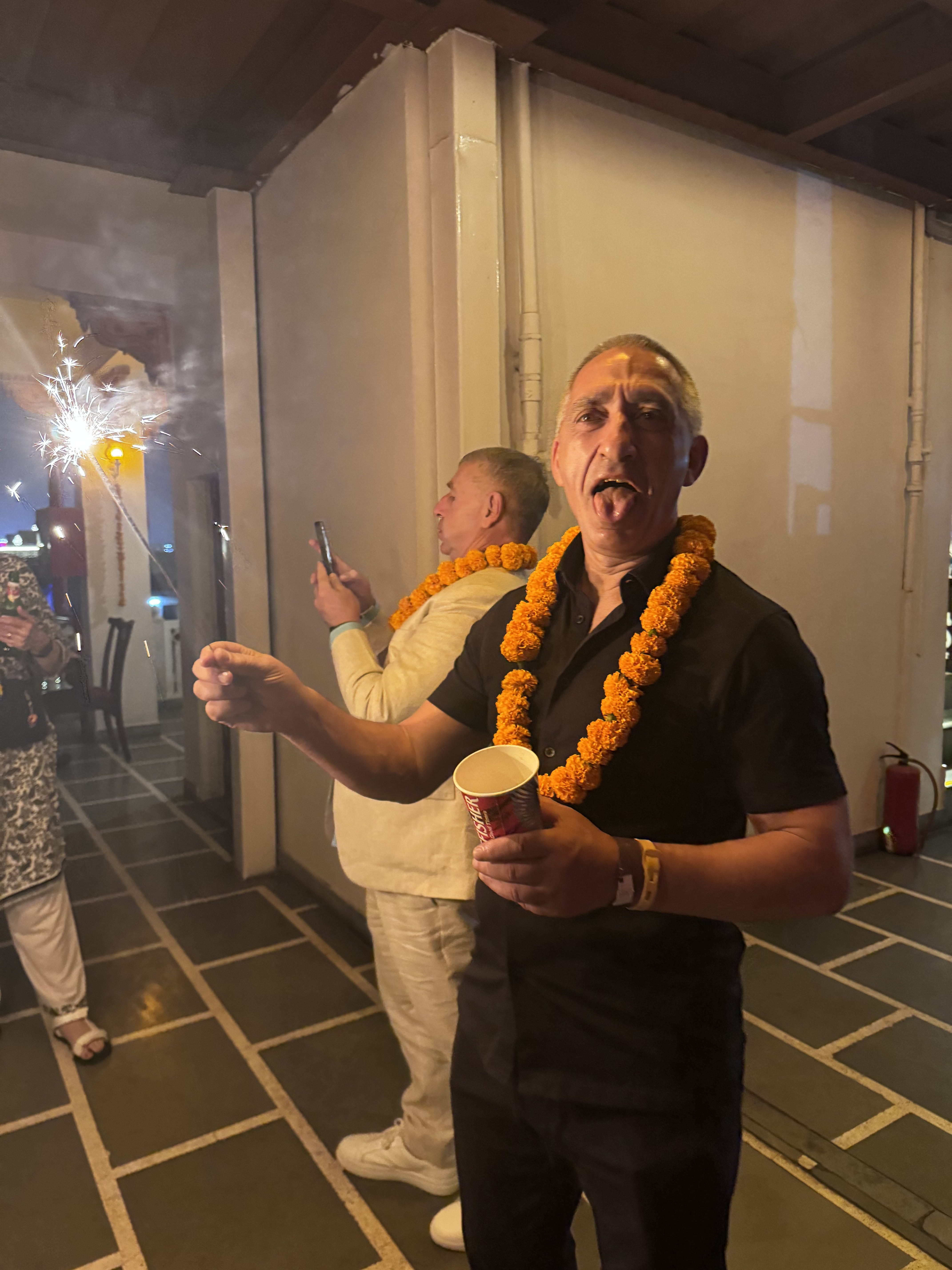
The Best Festivals in India for Tourists (Month by Month)
A month-by-month guide to the best festivals in India for tourists, from Diwali and Holi to camel fairs and desert celebrations.
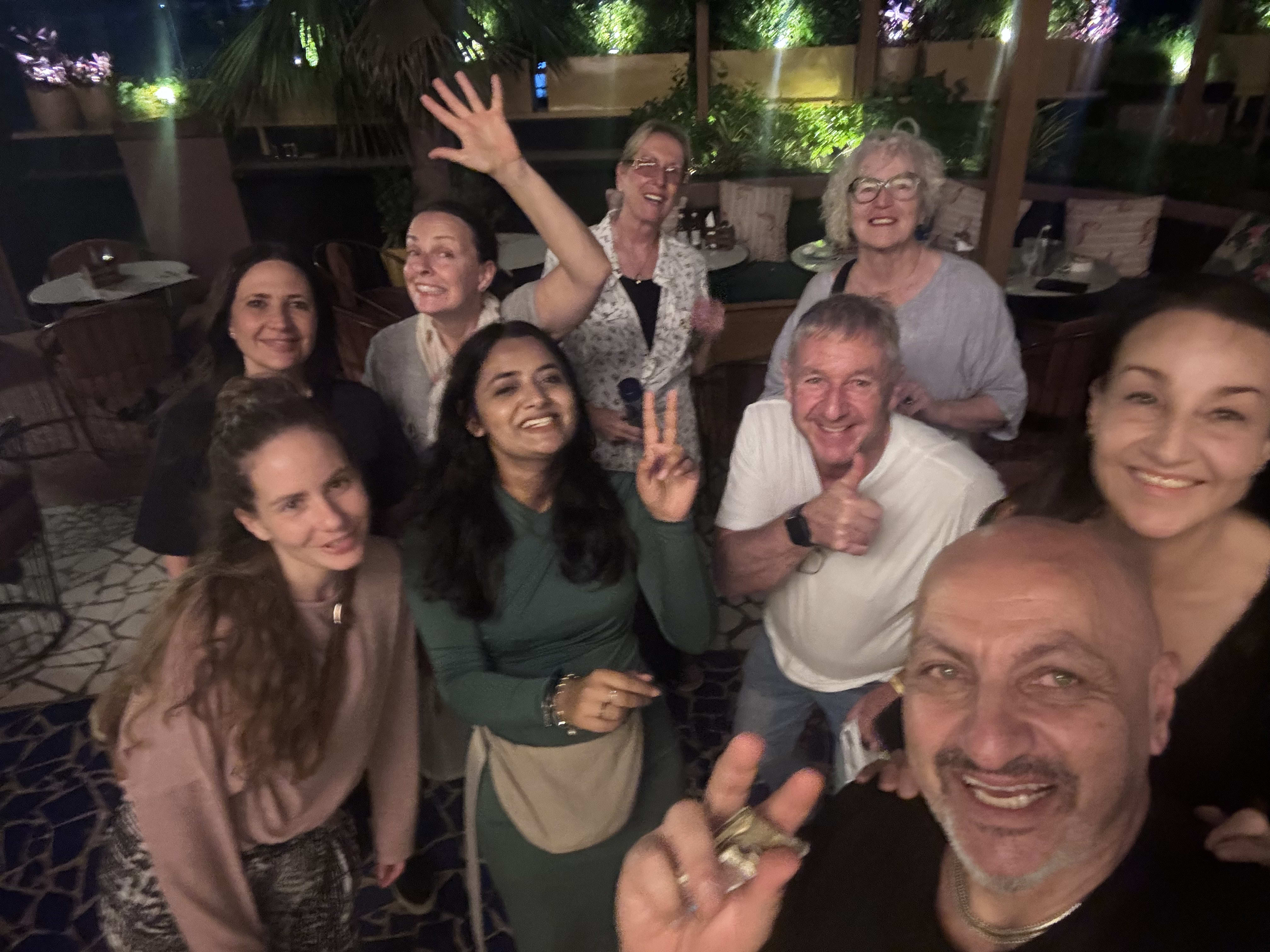
When Is Holi 2027? Dates, Places & How to Celebrate
This holi 2027 travel guide covers the exact dates, best cities to celebrate in, and how to prepare for India's most joyful, chaotic festival.
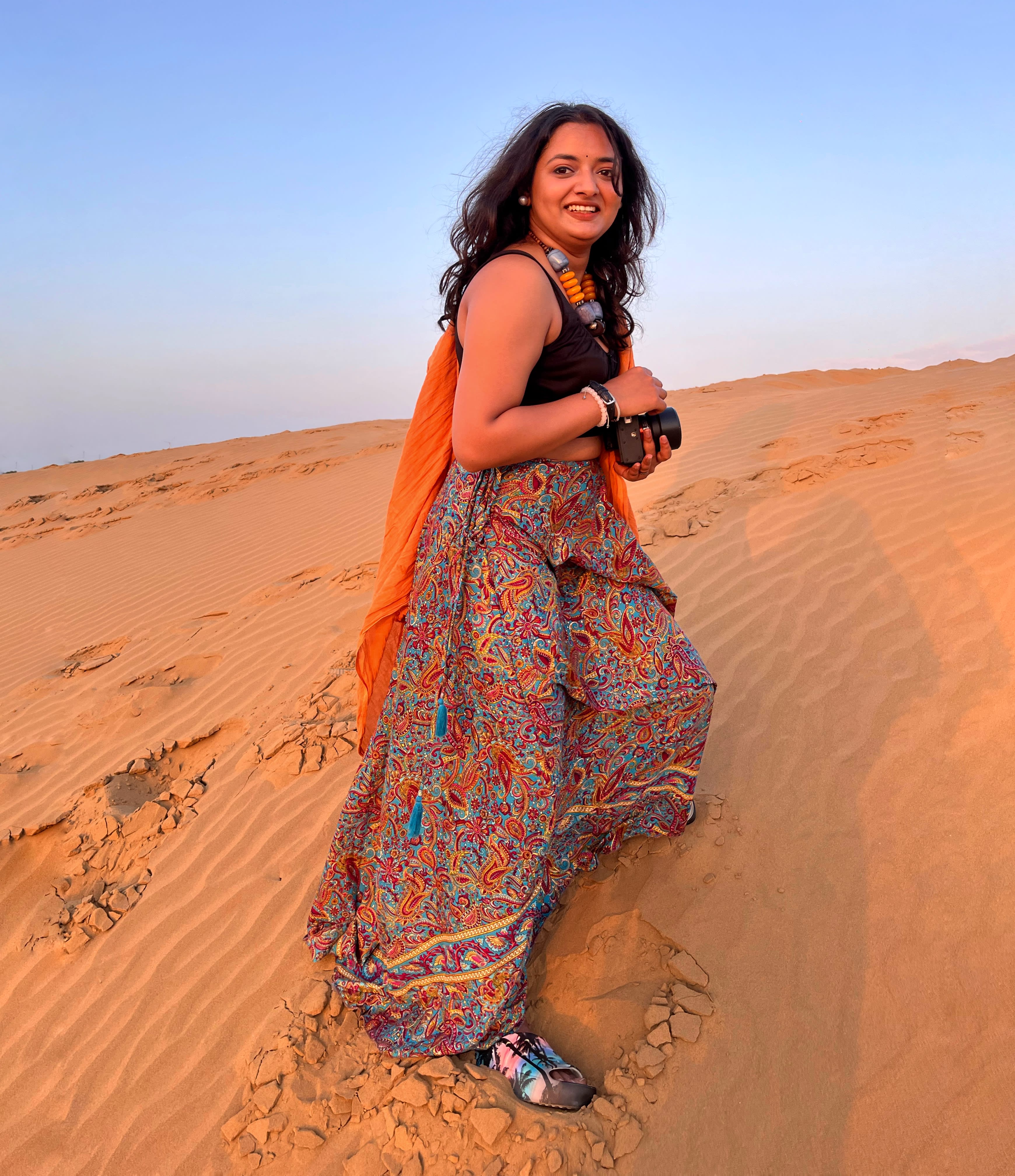
Pushkar Camel Fair 2026: A Traveller's Guide
Everything international travellers need to know about the Pushkar Camel Fair 2026, from dates and camel trades to the best base to see it all.

When Is Diwali 2026? Dates, Traditions & Where to Celebrate
Diwali 2026 falls in early November. The exact dates of the five days, what happens on each, and the best places to experience it.
Diwali in India: A Traveller's Guide to the Festival
Millions of lamps, fireworks, sweets and family. What Diwali actually celebrates, and what it's like to be in India for it.
Diwali in Jaipur: The Pink City's Festival of Lights
No city does Diwali like Jaipur. The bazaars, palaces and whole pink-walled old town are wrapped in lights. Here's what to expect and how to experience it.