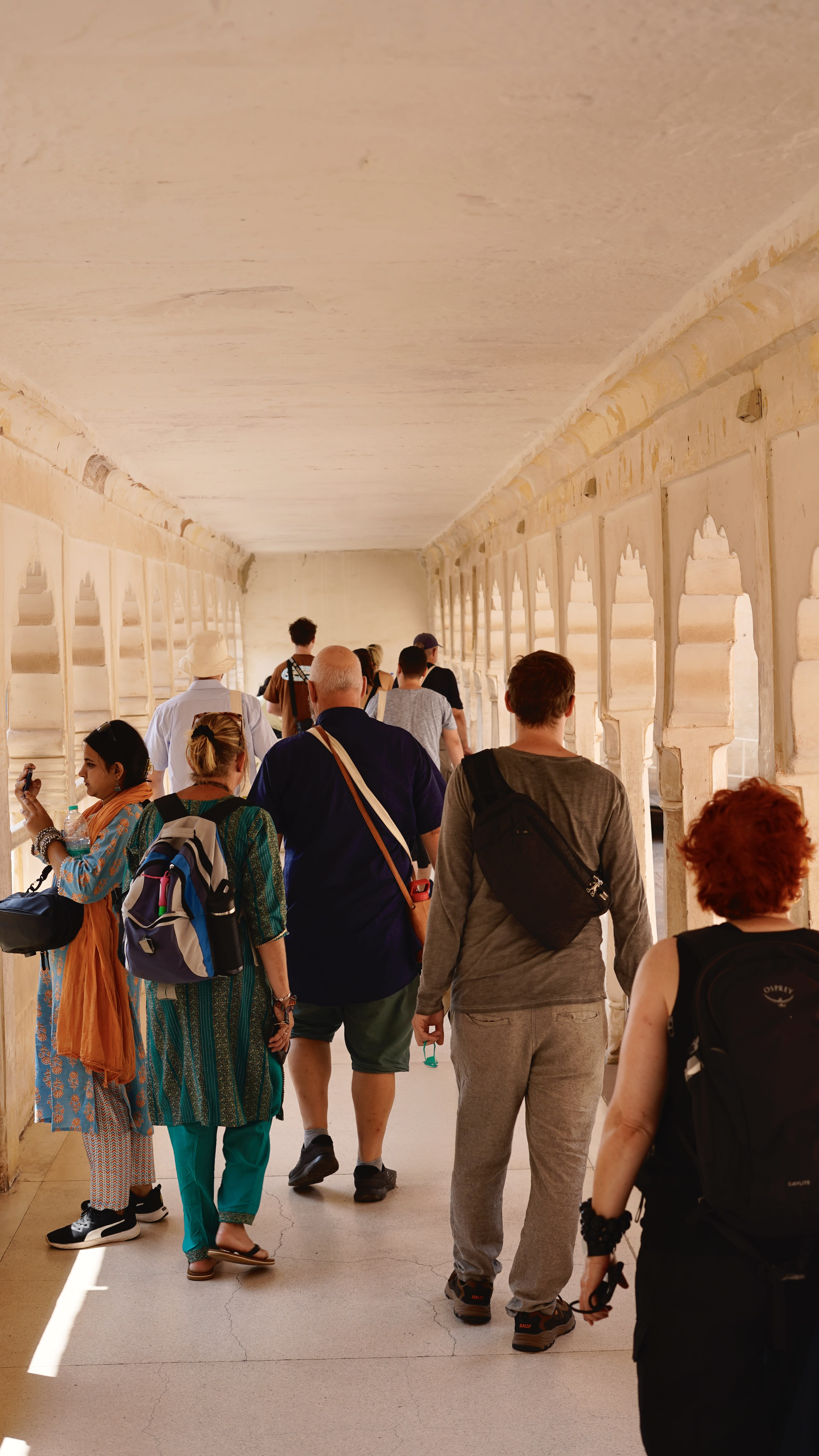
North vs South India: Which Should You Visit First?
Deciding between north or south India first? Here's an honest comparison of monuments, food, climate, and pace to help first-timers choose.
On this page
If you're planning your first trip and stuck on whether to go north or south India first, you're not alone — it's one of the most common questions we get from travellers booking with Chalo Folks. India is roughly the size of Europe, and north and south feel like genuinely different countries: different food, architecture, languages, and pace of life. This guide breaks down the real trade-offs so you can pick with confidence.
Quick answer: for a first trip, most international travellers should start in north India — it has the marquee sights (Taj Mahal, forts, the Ganges), shorter distances between highlights, and an easier logistical rhythm for a 10-14 day trip.
Why Most First-Timers Start in the North
North India holds the sights that show up on every "India bucket list" — the Taj Mahal in Agra, Amber Fort in Jaipur, the ghats of Rishikesh, and Old Delhi's chaotic, wonderful street life. The classic Golden Triangle route (Delhi-Agra-Jaipur) is compact enough to cover in 5-7 days, which makes it forgiving for a first attempt at Indian travel. Practical reasons travellers lean north first:
- Direct international flights land in Delhi, so you're not adding a domestic leg before the trip even starts
- Distances between major stops are short (Delhi to Agra is about 3-4 hours by road or train)
- It pairs naturally with a few days of yoga and river time in Rishikesh
- Cooler months (October to March) make sightseeing genuinely comfortable, unlike the humidity further south
What South India Offers Instead
South India is a different rhythm entirely — think backwaters in Kerala, temple towns like Madurai, hill stations in Tamil Nadu, and a food culture built on rice, coconut, and filter coffee rather than wheat and dairy. It's less "monument-hopping" and more slow travel: houseboats, beaches, and Dravidian temple architecture instead of Mughal forts. South India tends to suit:
- Travellers who've already done a north India trip and want contrast
- Anyone prioritising beaches, backwaters, or Ayurveda over historical monuments
- People travelling in April-June, when the north gets uncomfortably hot but Kerala's hill stations stay pleasant
- Those who prefer a quieter, less crowded pace
The Honest Trade-offs
Neither region is "better" — they solve different trip goals. Here's the blunt version:
- Sightseeing density: north wins if you want maximum iconic landmarks per day
- Food variety: both are excellent, but they're genuinely different cuisines — don't expect masala dosa in Rajasthan or butter chicken in Kerala
- Heat: south stays warm and humid year-round near the coast; north has a real winter (and a brutal May-June peak)
- Crowds: the Golden Triangle sees far more tourists than most of the south, which affects photos and pricing but also means better tourist infrastructure
- First-trip forgiveness: north's shorter distances and established tourist circuit make it easier to plan a tight itinerary without long transfers
A Practical Way to Decide
Ask yourself three questions. First, do you have under two weeks? If so, pick one region rather than trying to combine both — the flights and transfers between north and south eat several travel days you'd rather spend sightseeing. Second, is the Taj Mahal or the Ganges on your must-see list? That points north. Third, do you want beaches and backwaters over forts and temples in the desert? That points south. If you're genuinely torn, our first time India travel guide walks through the same decision in more depth, and our 10 days in India itinerary shows exactly how a north-first trip fits into that timeframe.
How Chalo Folks Trips Are Built
We run small, personally-hosted group trips (capped at 12 travellers) across north India — Delhi, Agra, Jaipur, and Rishikesh — designed specifically for first-time and returning international visitors who want the sights covered without the planning stress. Anna hosts every group herself, so you get local knowledge, steady pacing, and none of the guesswork about drivers, permits, or where to eat safely. If you're deciding between regions, browse our destinations page to see the current north India departures and what's included.
Frequently Asked Questions
Should I visit north or south India first?
For most first-time international travellers, north India makes more sense first — it has the Taj Mahal, Jaipur's forts, and Rishikesh within a compact, well-connected circuit. South India is a great follow-up trip once you've got a feel for how India travel works.
Can I combine north and south India in one trip?
You can, but it's tight — flying between the two regions plus adjusting to different food and climate zones works better with three weeks or more. For a first trip of 10-14 days, we'd recommend picking one region properly rather than rushing both.
Is south India cooler than north India?
Not really — south India stays warm and humid year-round, especially near the coast, while north India has a genuine cool season from October to March followed by a very hot April-June. If you want to avoid extreme heat, the north's winter months are actually more comfortable than the south's climate at any time of year.
What's the biggest difference between north and south Indian food?
North Indian food centres on wheat breads, dairy-based curries, and tandoor cooking, while south Indian food is rice-based with coconut, curry leaves, and fermented dishes like dosa and idli. Both are worth trying — our vegetarian food in India guide covers what to expect in both regions.
Ready to Explore North India?
If the Taj Mahal, Jaipur's pink-walled bazaars, and a sunrise Ganga aarti in Rishikesh sound like your kind of first trip, our small-group departures cover exactly this route with Anna hosting throughout. Check current dates and pricing on our destinations page and see if a spot's open for your travel window.
Keep reading
More guides to help you plan the same trip.

North India vs Rajasthan: Where to Go First
North India or Rajasthan? Where the two overlap, how they differ, and which one to choose for a first trip to India.

2 Weeks in India: The Ultimate Itinerary
A realistic 2 weeks in India itinerary that mixes the Golden Triangle, Rishikesh, and real downtime, with honest pacing advice.

Goa in October: Weather, Beaches & Why It's the Sweet Spot
Why October is the ideal month for Goa — post-monsoon green, warm seas, opening beach shacks, and how to pair it with the Golden Triangle.
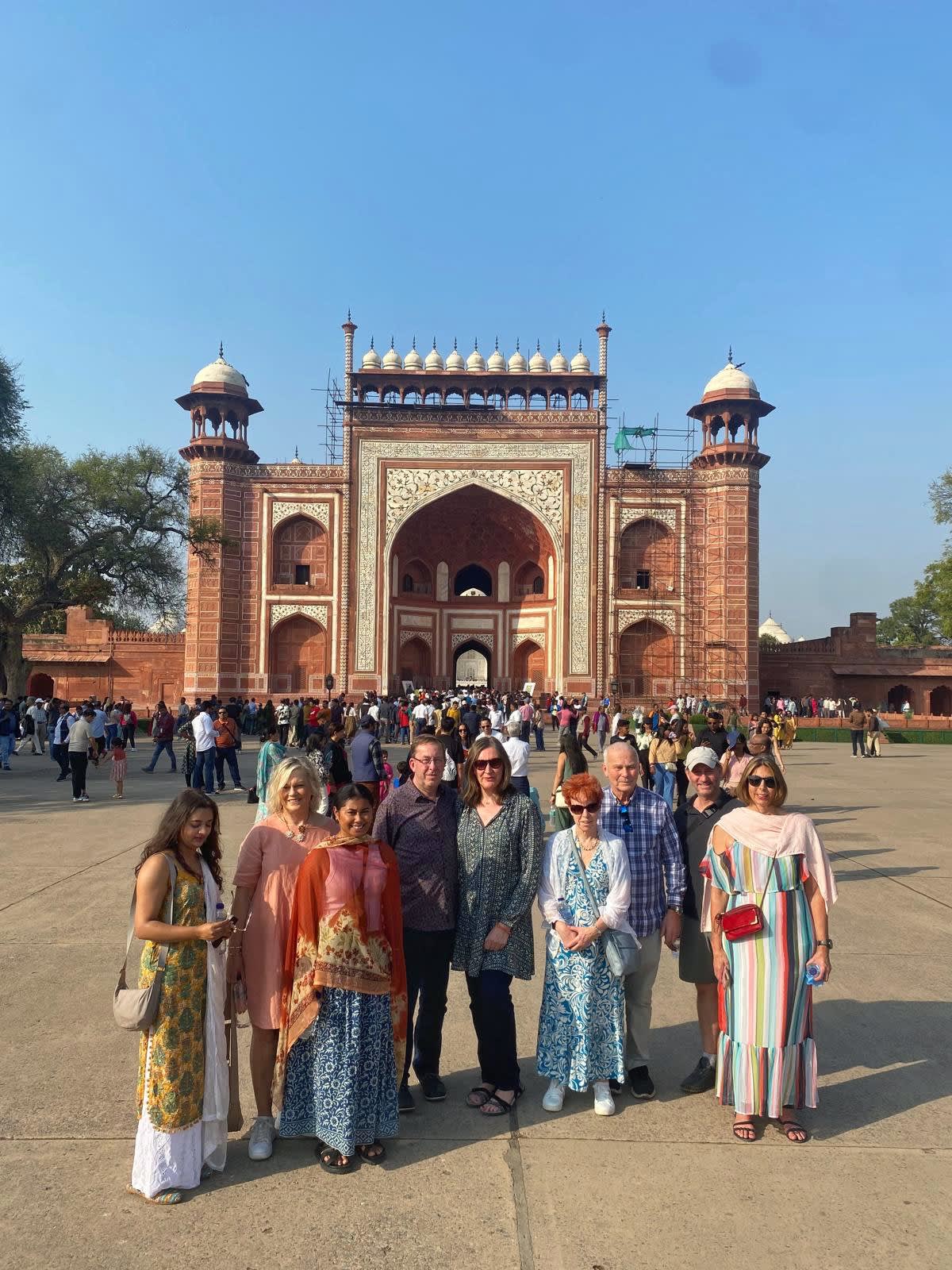
Golden Triangle vs Kerala: Which India Trip Is for You?
Forts and monuments in the north, or backwaters and beaches in the south? An honest comparison to help you pick your first trip to India.

The Regional Cuisines of India: A Food Map
A traveller's food map of the regional cuisines of India — how the north, south, east, and west each cook differently, and what to eat where.

3 Weeks in India: A Route That Actually Works
A 21-day route linking the Golden Triangle, Rajasthan, the Ganges and the south — where to slow down and what to cut if you're short on time.