Vegetarian & Vegan Food in India: A Traveller's Guide
A practical guide to vegetarian food in India, from thalis and street snacks to staying safe as a vegan traveller.

On this page
If you've ever worried about finding a decent meal as a vegetarian abroad, you can relax: vegetarian food in India isn't an afterthought on the menu, it's the default. Roughly a third of the country eats no meat at all, so vegetarian thalis, curries, and street snacks are woven into daily life rather than tucked away as a "special request." Vegan travellers have a slightly steeper learning curve because dairy shows up everywhere, but with a few phrases and habits, eating well here is easy and genuinely one of the highlights of the trip.
Quick answer: India is one of the easiest countries in the world to eat vegetarian in — most restaurants have separate veg menus, home-style thalis are cheap and filling, and asking for "no ghee, no dairy" gets vegan food without much fuss.
Why India Is a Vegetarian Traveller's Dream
- It's mainstream, not niche. Many restaurants are 100% vegetarian, and mixed menus clearly separate "Veg" and "Non-Veg" sections, often with a green or red dot symbol on the dish.
- Regional variety is huge. North Indian food (dal, paneer, roti) is what most first-time visitors expect, but South Indian food (dosa, idli, sambar) is naturally vegan-leaning and just as satisfying. Our north vs south India guide breaks down the difference if you're planning where to go.
- Religious diversity supports it. Jain, Hindu, and Buddhist dietary customs mean plant-based eating is respected, understood, and catered to almost everywhere, from street stalls to five-star hotels.
- It's cheap. A filling thali at a mid-range restaurant runs $2-5 USD; even hotel restaurant versions rarely exceed $8-10.
Dishes to Try (Vegetarian and Vegan)
- Thali – a plate with dal (lentils), a couple of vegetable curries (sabzi), rice, roti, pickle, and yoghurt. The yoghurt is easy to ask them to skip if you're vegan.
- Dal makhani – rich black lentils, usually finished with butter or cream (not vegan as served, but ask for it "without cream").
- Chana masala – chickpeas in a tomato-onion gravy, naturally vegan and found everywhere.
- Aloo gobi – potato and cauliflower, dry-spiced, almost always vegan.
- Dosa, idli, sambar – South Indian rice-and-lentil crepes and steamed cakes, served with coconut chutney; a great vegan-safe default.
- Baingan bharta – smoky mashed roasted eggplant, usually vegan.
- Chaat – tangy street snacks like pani puri and bhel puri; delicious but see our safety notes below before diving in on day one.
For a deeper dive into regional specialities, our North Indian dishes to try post is a good companion to this one.
Navigating Dairy as a Vegan
Ghee (clarified butter), paneer, and yoghurt appear constantly in North Indian cooking, so vegans need to ask a couple of specific questions rather than just "is this vegetarian?"
- Learn the phrase: "Bina ghee, bina dahi, bina paneer" (without ghee, without yoghurt, without cheese) — most cooks understand this immediately.
- South Indian and Gujarati food tends to be more naturally vegan than North Indian food, which leans on dairy for richness.
- Naan is usually brushed with ghee or butter; ask for roti or chapati instead, which are typically just flour and water.
- Sweets (mithai) are almost all dairy-based — skip these unless you're told otherwise.
- Hotel breakfast buffets on organised trips can pre-arrange a vegan spread if you flag it in advance, which is one advantage of travelling with a small group where the host can call ahead.
Is Street Food Safe to Eat?
Street food is some of the best vegetarian food in the country, but it deserves its own judgment call rather than a blanket yes or no. We cover this in detail in is Indian street food safe to eat, but the short version:
- Go for stalls with a visible queue of locals and high turnover — food that's cooked fresh in front of you is generally safer than anything sitting out.
- Stick to fully cooked, hot items for your first few days before experimenting with things like chaat that mix raw and cooked elements.
- Bottled or filtered water only, including for brushing your teeth in the first week. See our guide on how to avoid getting sick in India for more on this.
Ordering With Confidence: Useful Phrases and Tips
- "Shuddh shakahari" means "pure vegetarian" — useful when asking if a kitchen has any cross-contamination with meat.
- Jain food avoids onion, garlic, and root vegetables; if that's your preference, ask for "Jain style," which many restaurants can accommodate.
- Spice levels vary wildly by region — Rajasthani and Andhra food run hotter than Punjabi or Gujarati cooking, so ask for "kam teekha" (less spicy) if you're not used to heat.
- On a guided trip, your host or guide can order for the table and explain dietary needs in the local language, which removes most of the guesswork on a first visit. If you're comparing styles of travel, our post on guided vs independent travel in India covers how much this actually matters day to day.
Frequently Asked Questions
Is it hard to find vegetarian food in India as a tourist?
No — it's one of the easiest countries in the world to eat vegetarian in. Most menus have a dedicated vegetarian section, and entire restaurant chains serve only vegetarian food, so you're rarely limited to a single dish.
Can vegans eat well in India, or is dairy unavoidable?
Vegans can eat very well, especially by leaning on South Indian, Gujarati, and Jain cooking, which use less dairy than North Indian food. The main effort is asking kitchens to leave out ghee, paneer, and yoghurt, which most places are happy to do.
What is the most common vegetarian meal in India?
The thali is the everyday staple across most of the country — a plate combining dal, a couple of vegetable curries, rice, roti, and a side of yoghurt or pickle. It varies by region but is almost always available at local restaurants.
Will I get sick from vegetarian street food?
Vegetarian doesn't automatically mean safe; the risk comes from water, raw ingredients, and hygiene rather than the meat-or-veg question. Stick to freshly cooked, hot food from busy stalls and filtered or bottled water to minimise the risk.
Ready to Taste It for Yourself?
Food is one of the best reasons to visit India, and it's a lot more enjoyable when someone who knows the local kitchens is ordering alongside you rather than leaving you to guess at a menu. Anna personally hosts every Chalo Folks trip in groups capped at 12, building in home-style thalis, trusted street food stops, and dietary accommodations from day one. Have a look at our upcoming destinations to see where we're heading next.
Keep reading
More guides to help you plan the same trip.
15 North Indian Dishes to Try (and How to Order Them)
The North Indian dishes worth seeking out, from butter chicken to street-side chaat — what each one tastes like and where to eat it.
South Indian Food: A Guide for First-Timers
A first-timer's guide to South Indian food — dosa, idli, sambar, filter coffee and the coconut-rich curries of the south, and how to order like a local.

Best Indian Dishes for Beginners: Where to Start
Mild, crowd-pleasing curries, breads and snacks to order on your first trip to India, with honest notes on heat and how to ease into it.
The Indian Thali Explained: India's Perfect Meal
What an Indian thali is, what's on the tray, how to eat one and why it's the best-value, most balanced way to taste regional India in a single meal.
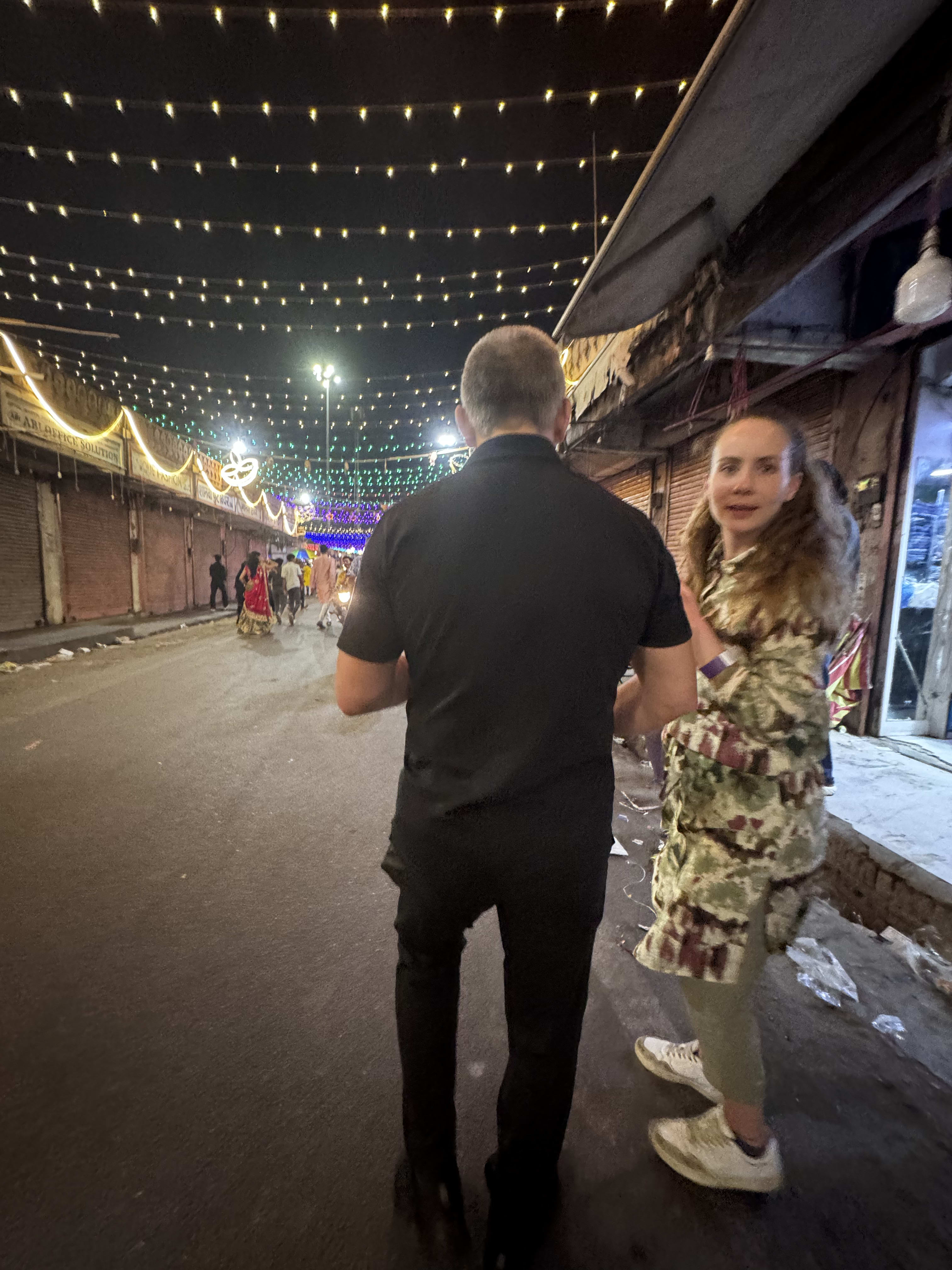
Is Indian Street Food Safe? An Honest Answer
Yes, with rules. How to spot a safe street food stall in India, what to order, what to skip, and how to eat well without getting ill.
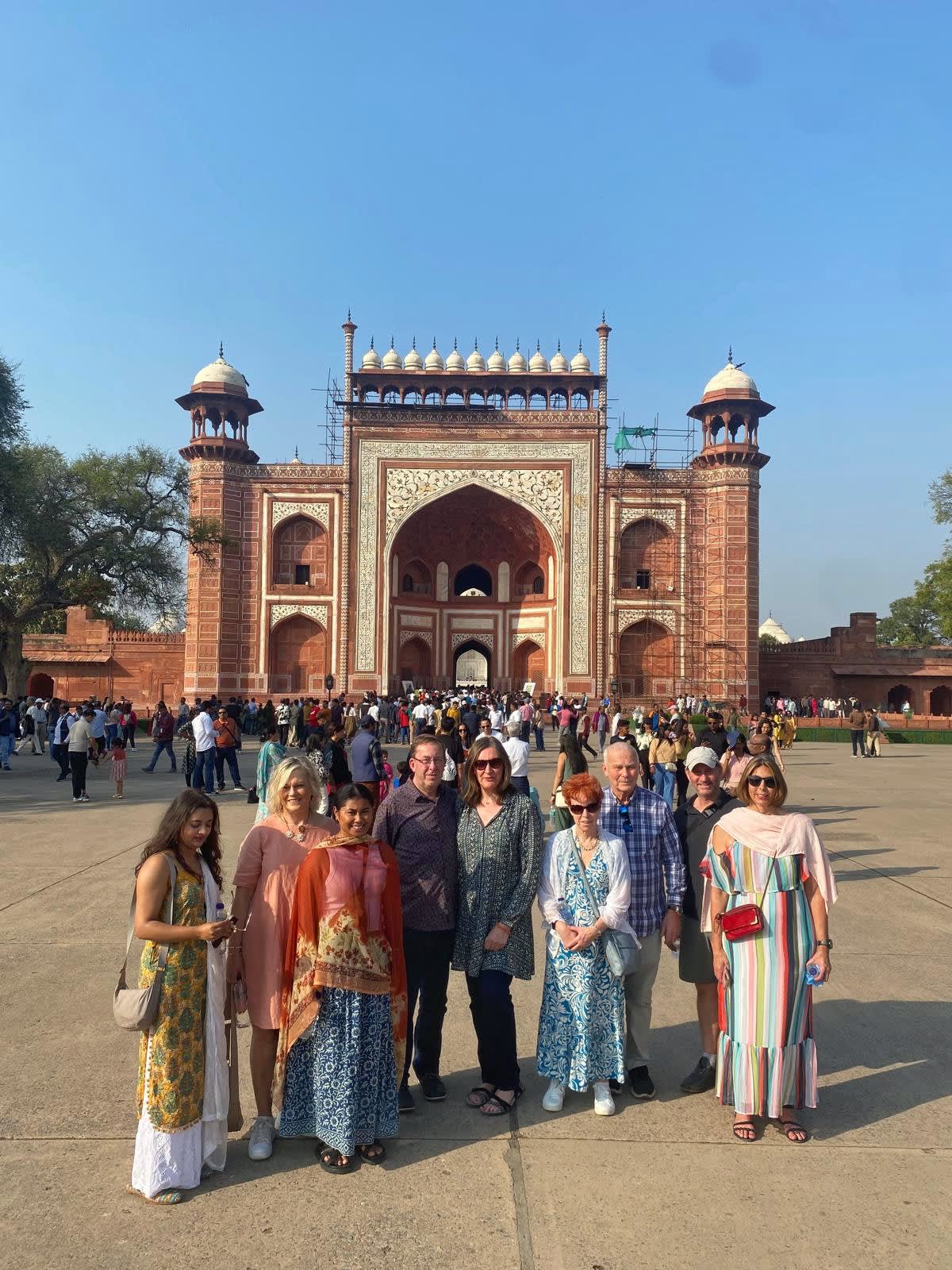
Is Indian Food Too Spicy? A Guide for Foreign Palates
Is Indian food too spicy for foreign palates? An honest look at heat levels, mild dishes to order, how to cool a dish down and how to ask for less chilli.