Why Shoulder Season Is the Smartest Time to Visit India
Shoulder season in India means good weather, lower prices and thinner crowds — here's when the shoulder months fall and how to plan a trip around them.
On this page
Ask a seasoned India traveller when they actually go, and few will say December. The smart money is on shoulder season India — the buffer months on either side of the winter peak, when the weather is still good, the prices have dropped, and the famous sights aren't shoulder-to-shoulder with tour groups. For travellers from the US, UK and Europe who want the best of India without the peak-season crush, these are the months worth targeting.
Quick answer: Shoulder season in India runs roughly September–October and March–early April, bracketing the busy November–February peak. You get warm, mostly dry weather, noticeably lower flight and hotel prices, and far thinner crowds at big sights like the Taj Mahal — the best value-to-experience ratio of the year.
What "Shoulder Season" Actually Means
Every destination has three gears: high season (best weather, highest prices, biggest crowds), low season (cheapest, but a weather trade-off), and the shoulder in between. In India, the high season is the cool, dry winter — roughly November to February — which is genuinely lovely but also the busiest and priciest. The low season is the summer heat and the monsoon.
The shoulder months sit on the edges of that winter peak, and they borrow most of its good weather while shedding the crowds and cost. For the full year in context, our best time to visit India guide lays out every month side by side.
When the Shoulder Months Fall
| Window | Weather | Why it works |
|---|---|---|
| September | Monsoon ending, green, warm | Lush landscapes, low prices, few tourists |
| October | Dry, warm, festive | Post-monsoon glow, festivals, comfortable touring |
| March | Warm and dry before the heat | Clear skies, spring festivals, easing crowds |
| Early April | Hot in the plains, fine in the hills | Best value before summer arrives |
These are approximate — the north dries out sooner than the south, and the hills follow their own calendar. Our month-focused pieces, such as the one on India in October, go deeper on each of these windows.
The Three Big Advantages
Shoulder season isn't just a compromise between good weather and low cost — it's arguably the best all-round window of the year, and it delivers on three fronts:
- Better prices. International flights and hotels both cost noticeably less outside the November–February peak, and on a two-week trip the saving can run into hundreds of dollars. If you're mapping a budget, our India daily budget guide and the Golden Triangle tour cost breakdown show how much the season alone can move the total.
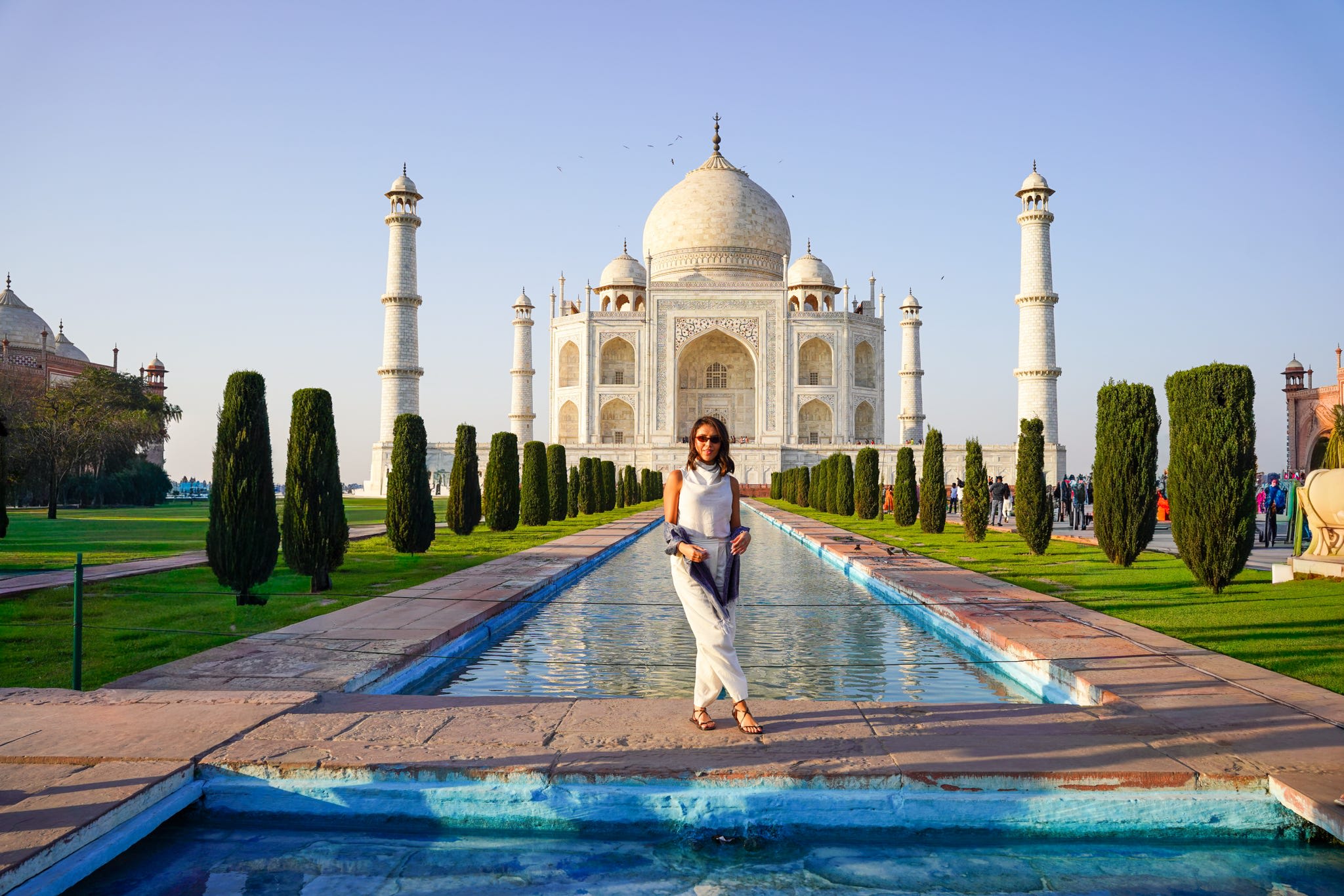
- Thinner crowds. A sunrise at the Taj Mahal in October feels completely different from the December scrum. Forts, palaces and markets all breathe easier, and your photographs come back without a wall of other visitors in them.
- Kinder logistics. Trains, drivers and good guides are far easier to secure when you aren't competing with peak-season demand, and last-minute changes of plan are much more forgiving on your wallet and your patience.
The Honest Trade-Offs
Shoulder season isn't flawless, and pretending otherwise would be a disservice:
- Early September can still bring monsoon showers in parts of the country.
- Late March into April heats up fast in Rajasthan and the plains — an early start each day matters.
- Delhi's air is best avoided in the worst late-autumn spell; our Delhi air quality guide explains the timing.
- Regional variation is real — see best time to visit Rajasthan and best time to visit Kerala for how the shoulder shifts by region.
None of these are dealbreakers; they're just things to plan around.
Which Regions Suit Which Shoulder
- North India and the Golden Triangle: October and March are the sweet spots — see best time to visit the Golden Triangle.
- Rajasthan: October and March, before the desert heat builds.
- Kerala and the south: the post-monsoon window from late September opens the backwaters and hills.
- The Himalayas: September and October are glorious in the foothills after the rains.
This is exactly why we schedule departures on the shoulder. Our [Soul of India: Golden Triangle Cultural Tour, 16–23 September 2026](/destinations/beyond-taj-sep-2026) lands you in that post-monsoon green with comfortable temperatures and far fewer crowds — hosted personally by Anna, capped at 12 travellers, and priced at $999 in USD for international guests. It's shoulder-season travel done for you.
How to Make the Most of It
- Book 2–3 months ahead for the best flight fares even in the shoulder.
- Travel midweek where you can for cheaper flights and quieter sights.
- Pack for range — warm days, cooler evenings, the odd shower in September. Our what to pack for India list has you covered.
- Consider a small group to skip the season-specific logistics; are small group tours worth it weighs it up honestly.
Frequently Asked Questions
What are the shoulder months for travelling to India?
Broadly, September–October and March–early April, sitting on either side of the November–February winter peak. They offer most of the good winter weather with lower prices and thinner crowds.
Is India cheaper in shoulder season?
Yes. International flights and hotels are both noticeably cheaper than during the November–February peak, and you'll find better availability for trains, guides and drivers too.
Does it rain in India during shoulder season?
Early September can still catch the tail of the monsoon in some regions, but by October the north is reliably dry. March is dry and warm across most of the country before the summer heat sets in.
Is October a good time to visit India?
October is one of the best months of the year — post-monsoon greenery, comfortable touring temperatures, festivals, and crowds that haven't yet peaked. It's a textbook shoulder-season month.
Ready to Travel India at Its Smartest Time?
If good weather, gentle crowds and honest value sound like your kind of trip, our [Soul of India: Golden Triangle Cultural Tour, 16–23 September 2026](/destinations/beyond-taj-sep-2026) is our next shoulder-season departure — small group, hosted by Anna, priced in USD for international travellers. See more dates and routes on our destinations page.
Keep reading
More guides to help you plan the same trip.
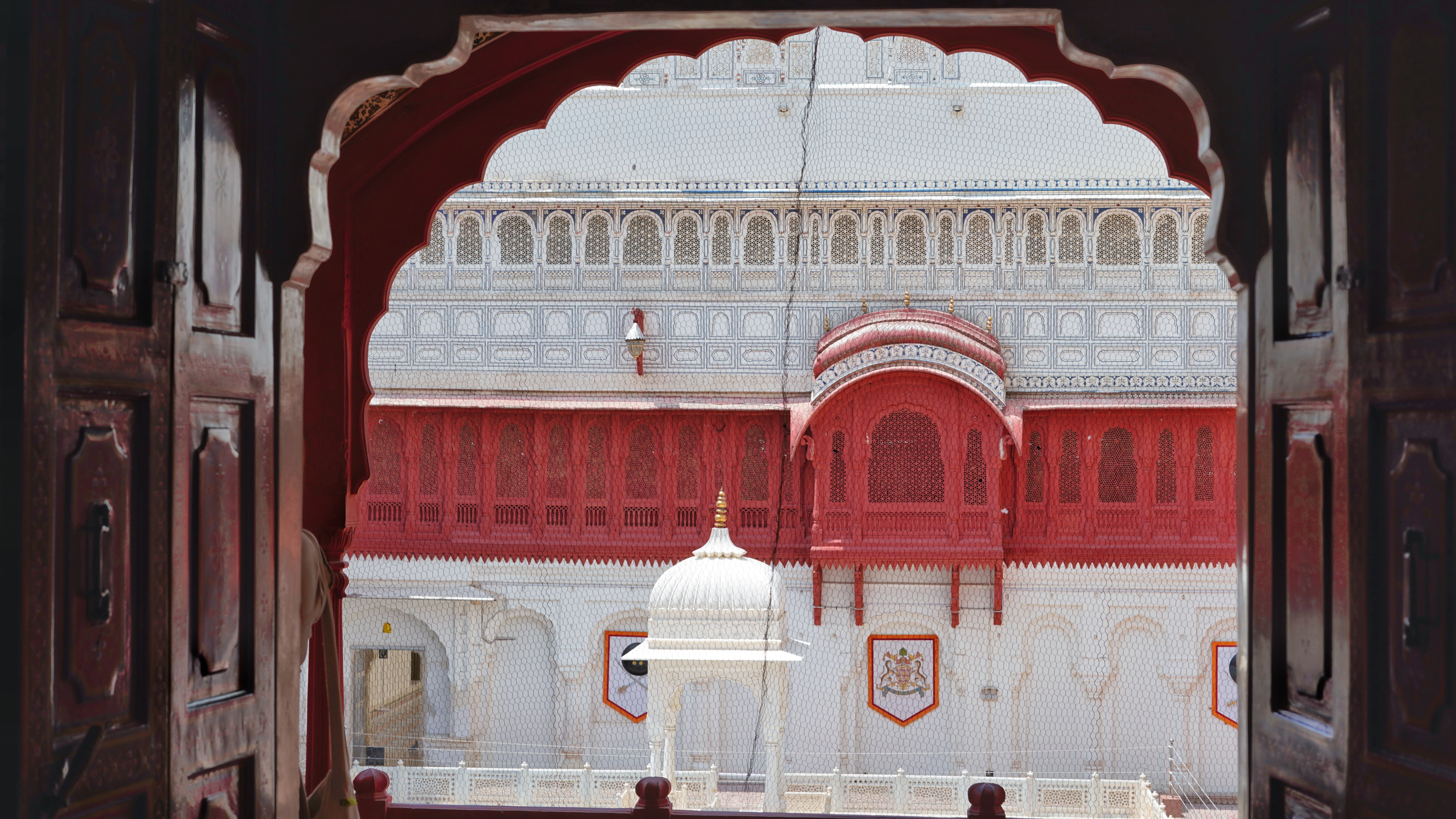
India in September 2026: Weather, Rain & Where to Go
The monsoon retreating, landscapes at their greenest, festival season starting, and shoulder-season value before the winter rush.
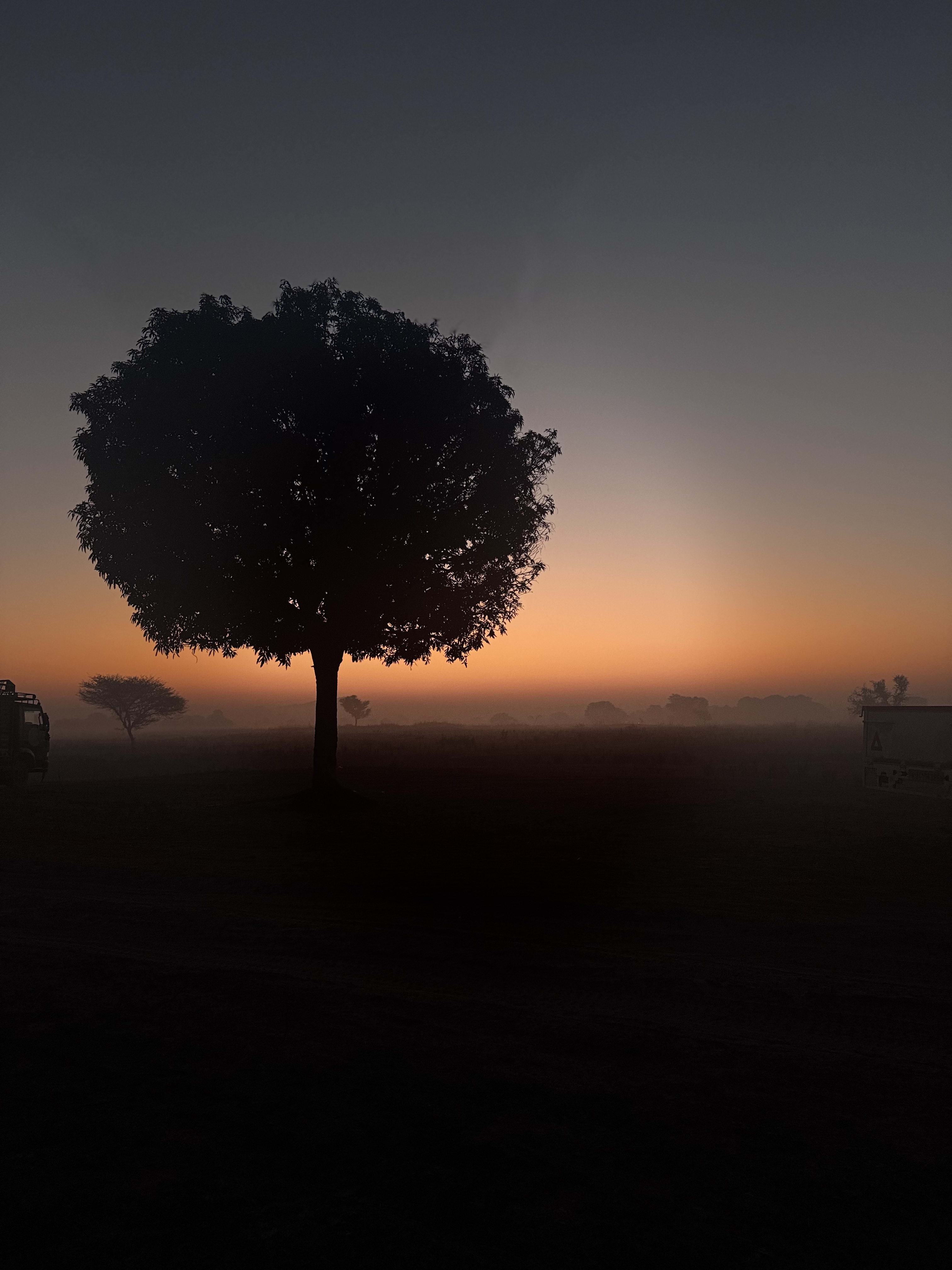
Best Time to Visit India: A Month-by-Month Guide (2026)
Real monthly temperatures, rainfall and crowd levels for Delhi, Jaipur and Kerala — so you can pick your window with numbers, not guesswork.
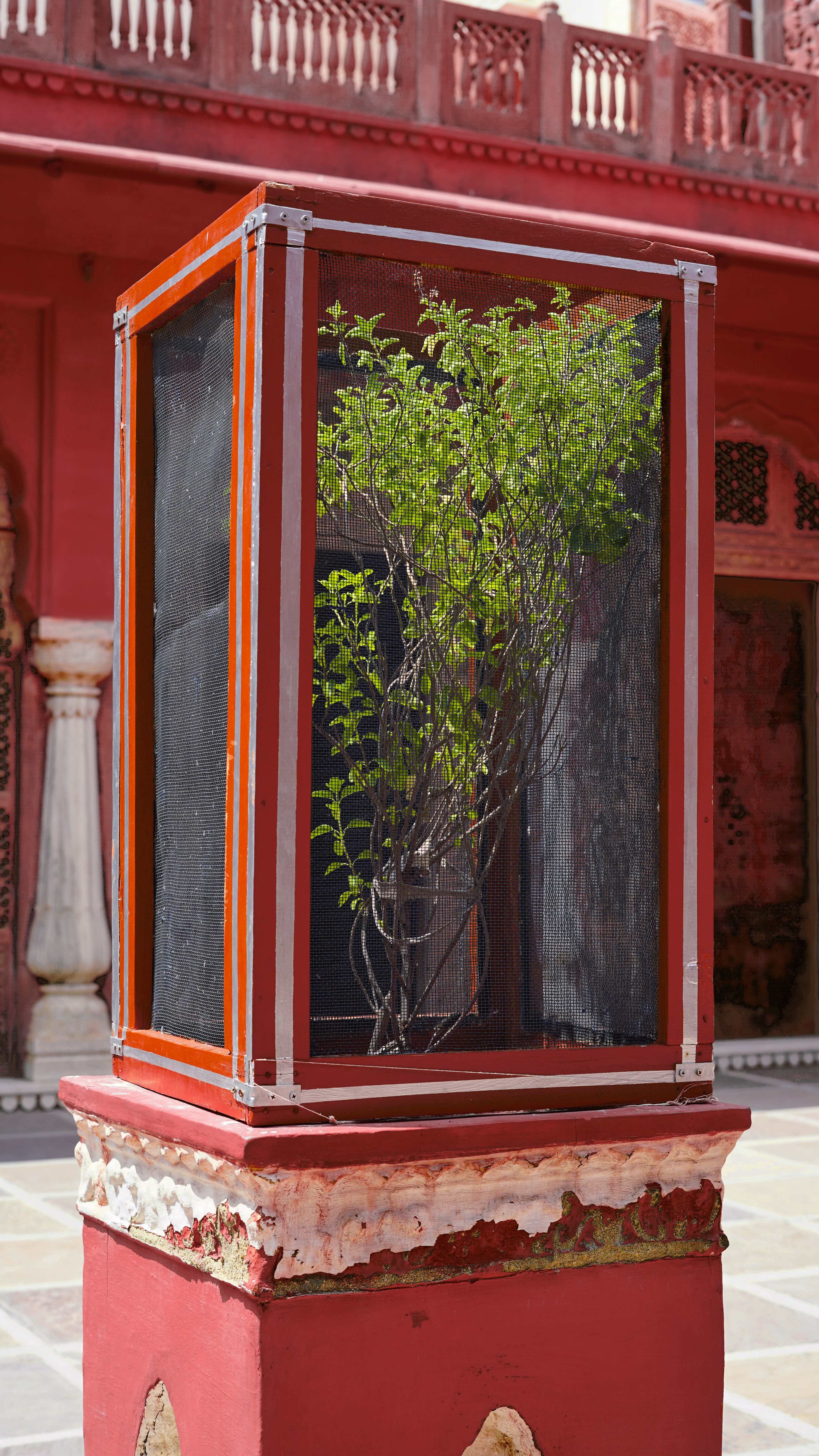
Best Time to Visit Kerala: Month-by-Month Weather Guide
A month-by-month look at Kerala's weather, crowds, monsoon and prices, so you can time the backwaters, beaches and hill country right.

Best Time to Visit Rajasthan
The best time to visit Rajasthan is October to March for cool, dry days — but here's the honest month-by-month picture, including the green monsoon season.
The Best Time to Visit Bir Billing for Paragliding
The best time to visit Bir Billing for paragliding is October to June, when Himachal's thermals and clear skies make for safe, soaring flights.

The Best Time to Visit Rishikesh for Yoga & the Ganges
Rishikesh works year-round, but the weather shapes the trip. The best months for yoga, rafting and the Ganga Aarti, month by month.