Delhi Air Quality: The Months to Avoid (and Why)
Delhi air quality season by season: the smoggy months to plan around, when the air is genuinely fine, and how to protect yourself.
On this page
If you've read anything worrying about pollution in India's capital, this guide is the honest, practical version. Delhi air quality swings dramatically by season — genuinely poor for a few weeks a year, and perfectly fine for most of it — so the smart move isn't to avoid Delhi, it's to time it well and know how to protect yourself. For US, UK, and European visitors planning a Golden Triangle trip, a little planning makes all the difference.
Quick answer: Delhi's air is at its worst from late October to early December, peaking after Diwali when crop-stubble burning and cool, still air trap smog (the AQI can spike above 300–400). The air is at its best from roughly February to September. If you visit in the smoggy window, keep Delhi short, carry an N95 mask, and move on to Agra, Jaipur, or the hills.
Understanding Delhi's Pollution Season
Delhi's bad air isn't constant — it's a seasonal event driven by a specific combination of factors that all land at once in late autumn:
- Crop-stubble burning in neighbouring Punjab and Haryana sends smoke over the city.
- Cooler, stiller air in winter traps pollutants at ground level instead of dispersing them.
- Diwali fireworks add a sharp, short-lived spike.
- Traffic and construction dust provide a year-round baseline that the above makes far worse.
The result is a few genuinely hazy weeks, then improvement as winter winds pick up. Outside that window, Delhi's air is comparable to many large world cities. For the national month-by-month picture, our best time to visit India and best time to visit the Golden Triangle guides set the context.
Month-by-Month: When Air Is Worst and Best
Here's an honest seasonal breakdown to plan around:
| Period | Typical air quality | Notes |
|---|---|---|
| Late Oct – early Dec | Poor to severe | Peak smog; worst right after Diwali |
| Mid Dec – Jan | Moderate to poor | Improving, but fog and cool air linger |
| Feb – Mar | Good to moderate | One of the best windows; pleasant weather |
| Apr – Jun | Moderate | Clearer air but very hot |
| Jul – Sep | Good | Monsoon rain washes the air clean |
The takeaway: February–March and the monsoon months have the cleanest air, while the late-October-to-early-December stretch is the one to handle with care. This matters if your trip overlaps with Diwali — check dates using when is Diwali 2026 to weigh the trade-off of festival magic against hazier air.
If You Visit During the Smoggy Window
Plenty of travellers still have a wonderful time in Delhi in the autumn — the festival season, the cooler days, the buzz. If your dates fall in the smoggy window, you simply plan around it:
- Keep Delhi short. One or two days at the start, then move on to Agra and Jaipur, where air is generally better; our things to do in Delhi helps you hit the highlights efficiently.
- Carry an N95/FFP2 mask. A properly fitted one makes a real difference on high-AQI days; add it to your what to pack for India list.
- Check the AQI each morning and schedule indoor sights (museums, monuments' interiors, cafés) on the worst days.
- Head for the hills. Pairing the plains with cleaner mountain air — Rishikesh and the Himalayan foothills — is a lovely antidote; see Golden Triangle with Rishikesh.
Those with asthma or other respiratory conditions should be more cautious in the peak weeks and speak to their doctor; our how to avoid getting sick in India guide covers general wellbeing.
The Best Times to See Delhi at Its Cleanest
If clean air is your priority, aim for these windows:
- February–March — arguably the sweet spot: mild, sunny, and clear, before the summer heat. This is prime Golden Triangle weather too, as Golden Triangle in winter explains for the tail end of the season.
- July–September — the monsoon rinses the air clean; expect humidity and showers but blue skies between them.
- October (early) — often still fine before the smog sets in; India in October covers the shoulder.
How a Planned Trip Handles the Air
Here's the honest reality of the November festival window: the air is hazier, but the season is also magical — Diwali lights, cooler days, and a country in celebration. A well-designed itinerary makes the trade-off work in your favour by minimising Delhi time and building in cleaner air.
Our [Golden Triangle India: Diwali & Yoga Retreat, 6–16 November 2026](/destinations/golden-triangle-diwali-yoga-nov-2026) is built exactly this way: you experience the wonder of Diwali, then move briskly out of the capital and into a yoga-and-wellness stretch in cleaner, calmer surroundings, with masks and daily AQI awareness handled for you. It's hosted personally by Anna, capped at 12 travellers, and priced at $1,299 in USD for international guests — a way to enjoy the festival season without the air being an afterthought. First-timers should also skim our first time India travel guide before they go.
Frequently Asked Questions
When is Delhi air quality at its worst?
From late October to early December, peaking in the days after Diwali. Crop-stubble burning in nearby states, cool and still winter air, and festival fireworks combine to trap smog, and the AQI can climb above 300–400 on the worst days.
When is the best time to visit Delhi for clean air?
February to March offers the best balance of clean air and pleasant weather, while the monsoon months of July to September have the cleanest air overall thanks to the rain. Both are good windows if air quality is a priority for you.
Is it safe to visit Delhi during the pollution season?
For most healthy travellers, a short visit in the smoggy weeks is manageable with sensible precautions — a fitted N95 mask, checking the daily AQI, and limiting time outdoors on the worst days. People with asthma or respiratory conditions should be more cautious and consult their doctor.
Should I skip Delhi because of pollution?
No — the smog is seasonal and short, and Delhi is a remarkable city worth seeing. Either time your trip for the cleaner months, or keep your Delhi leg brief during the autumn window and move on to Agra, Jaipur, or the hills where the air is generally better.
Ready to Enjoy the Festival Season the Smart Way?
If you want Diwali's magic without the air being a worry, our [Golden Triangle India: Diwali & Yoga Retreat, 6–16 November 2026](/destinations/golden-triangle-diwali-yoga-nov-2026) keeps Delhi brief and moves you into cleaner, restorative surroundings — small group, hosted by Anna, priced in USD for international travellers. Browse all upcoming dates on our destinations page.
Keep reading
More guides to help you plan the same trip.

The Best Time to Visit Bir Billing for Paragliding
The best time to visit Bir Billing for paragliding is October to June, when Himachal's thermals and clear skies make for safe, soaring flights.
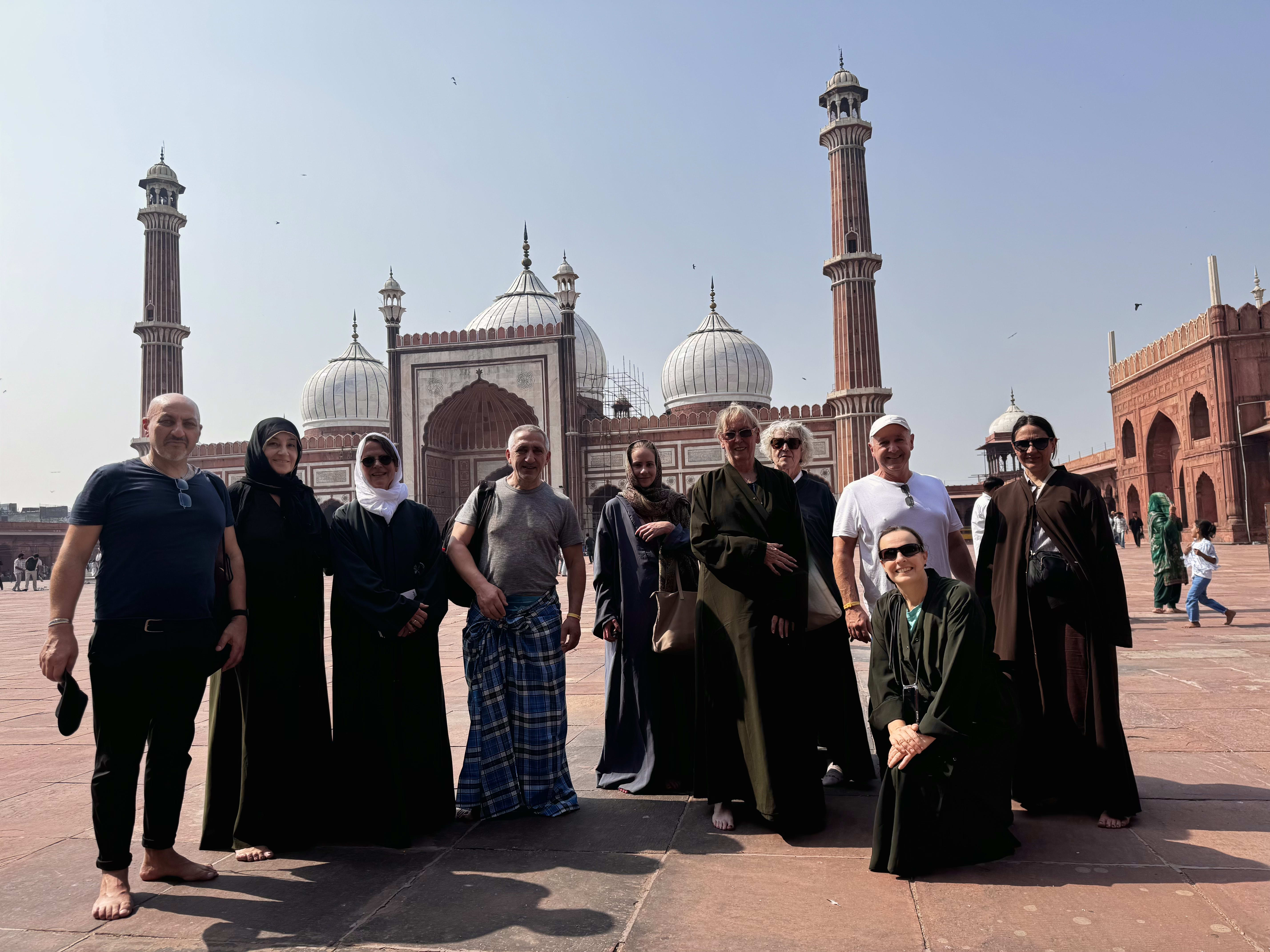
Delhi, Agra & Jaipur: A First-Timer's Golden Triangle Guide
New to India? The Delhi–Agra–Jaipur circuit is the ideal first trip. The cities, the highlights, and how to do it without the stress.

Flights from the UK to India: Routes, Airlines & Tips
Nonstop and one-stop routes from the UK to India, the best airlines, when to book, and how to land ready to explore.

Flights from the USA to India: Routes, Airlines & Jet Lag
How to fly from the USA to India without wrecking your first days — best routes, nonstop options, when to book, and a jet-lag plan that actually works.
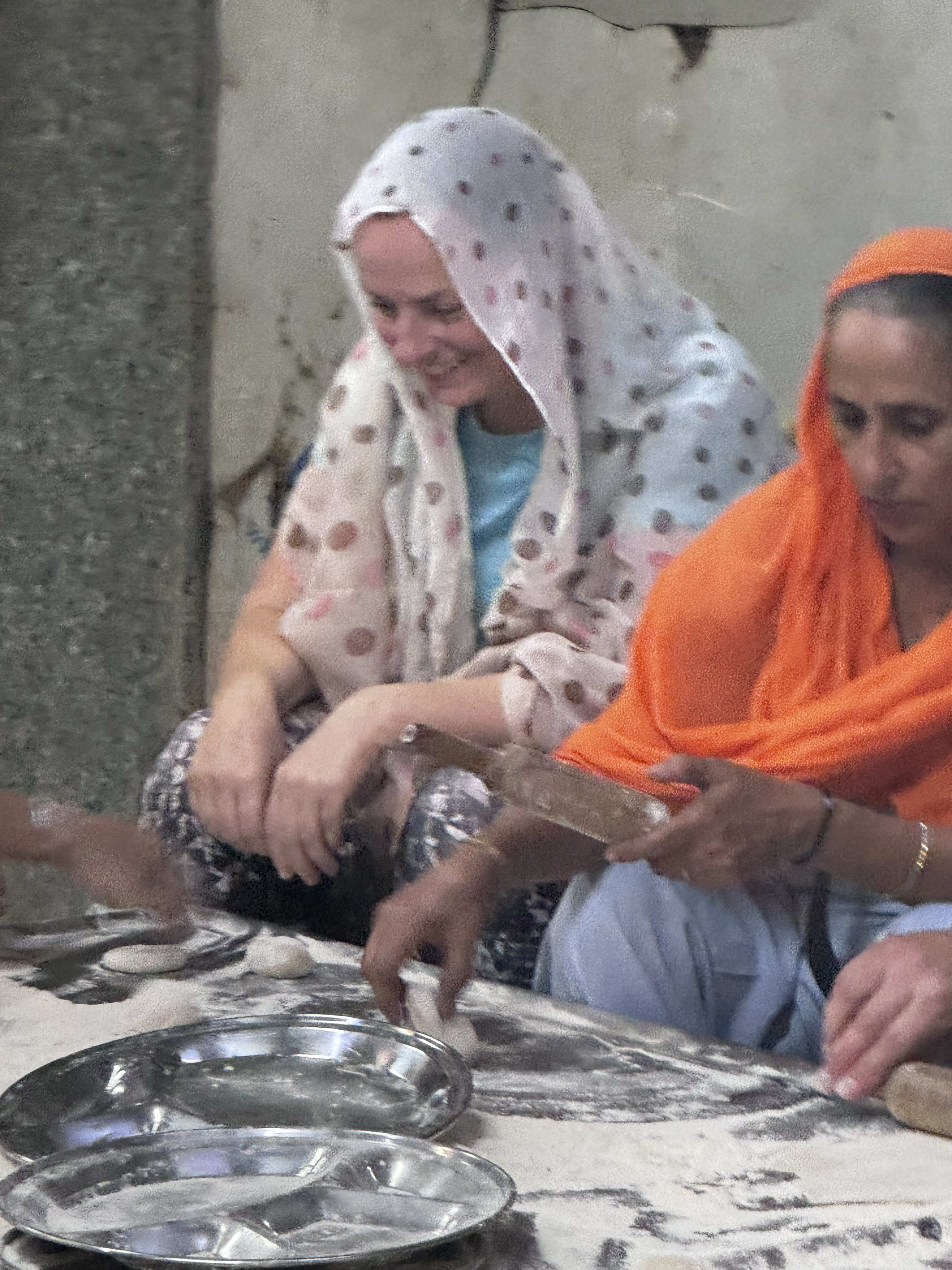
How to Avoid Getting Sick in India (Delhi Belly)
Practical, honest advice to avoid getting sick in India, from water and street food rules to what to pack for Delhi belly.

India e-Visa Guide for Tourists (2026)
The India e-visa for tourists, step by step: who's eligible, what documents you need, what it costs, how long it takes and the mistakes to avoid.