Visiting India in Monsoon: Is It Worth It?
Considering India in monsoon? Here's an honest look at the rain, the rewards, and whether it's the right season for your trip.
On this page
If you're weighing a trip to India in monsoon, you've probably already heard the mixed reviews — someone will tell you it's magical, someone else will tell you to wait for winter. Both are right, depending on where you go and what you're after. This post breaks down honestly what the season actually looks like on the ground, so you can decide if it fits your travel style.
Quick answer: Monsoon (roughly late June to September) is worth it for lush landscapes, thinner crowds, and lower prices in the Himalayan foothills and parts of Rajasthan — but it's a poor fit if you want reliably dry days for long outdoor itineraries or the Golden Triangle at its best.
What Monsoon Actually Feels Like
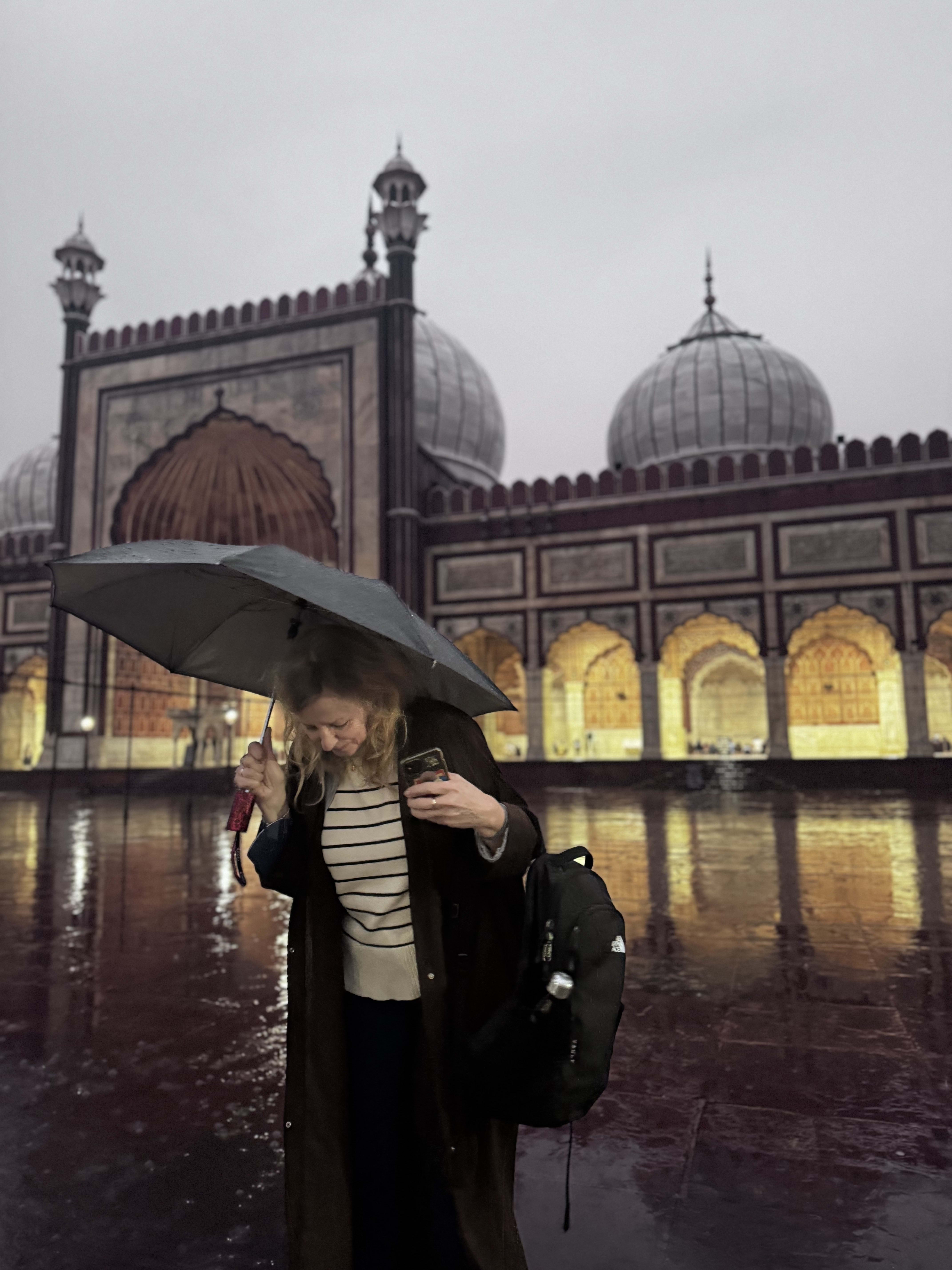
Monsoon in India isn't one continuous downpour — it usually arrives in bursts. Expect:
- Heavy rain for an hour or two, then hours of humid sun
- Daytime temperatures in the high 20s to low 30s°C (mid-80s to low 90s°F), but humidity makes it feel warmer
- Roads and rivers running full, hillsides turning a deep, almost unreal green
- Occasional landslide-related road closures in mountain areas like Himachal Pradesh
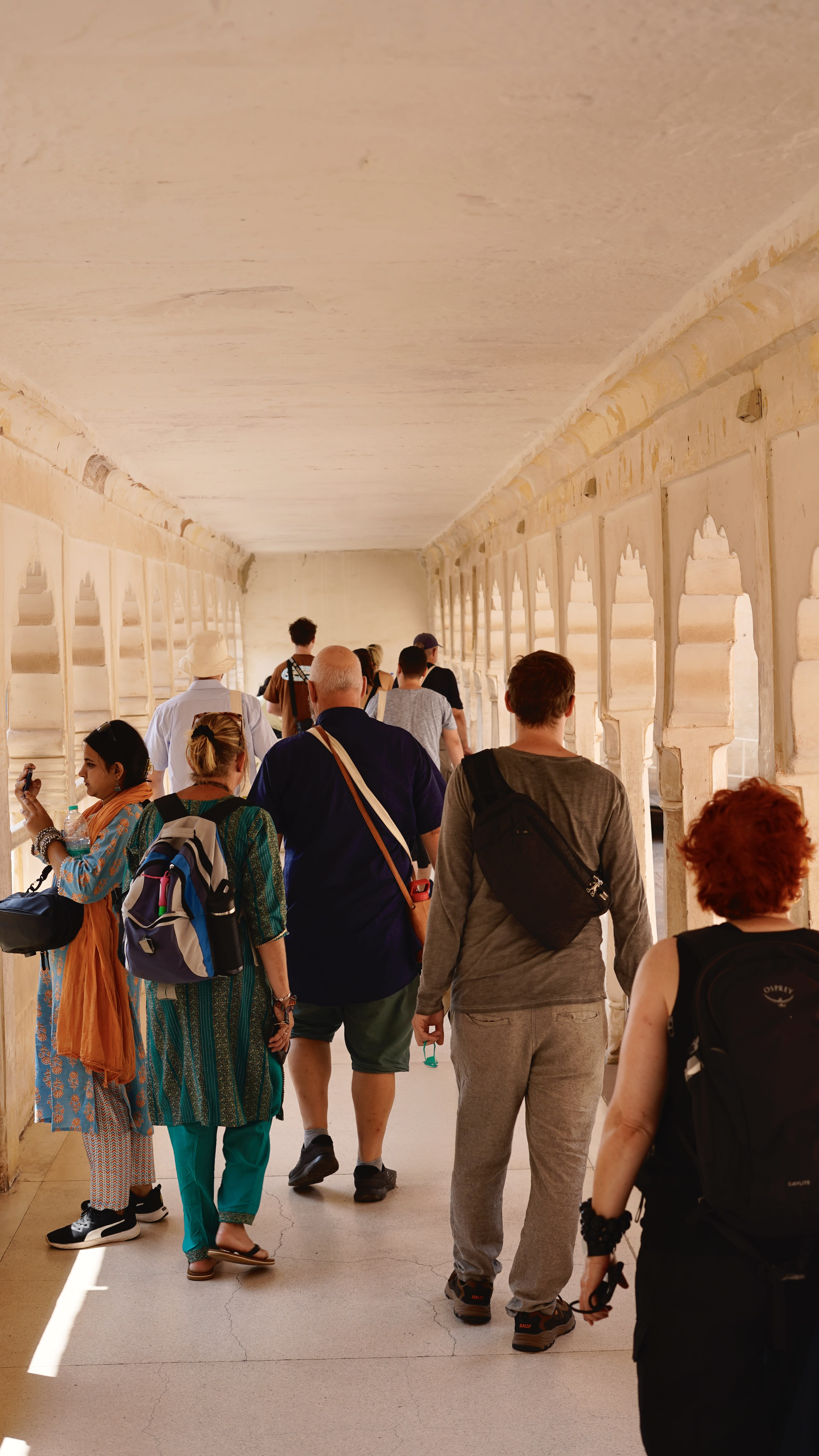
- Fewer other travellers at major sights — genuinely fewer, not marketing-fewer
The exact timing varies by region: the southwest monsoon hits Kerala first in early June, moves north, and reaches Rajasthan and Delhi by July, tapering off by mid-September.
Where Monsoon Works Well
Some parts of India are genuinely better in the rains:
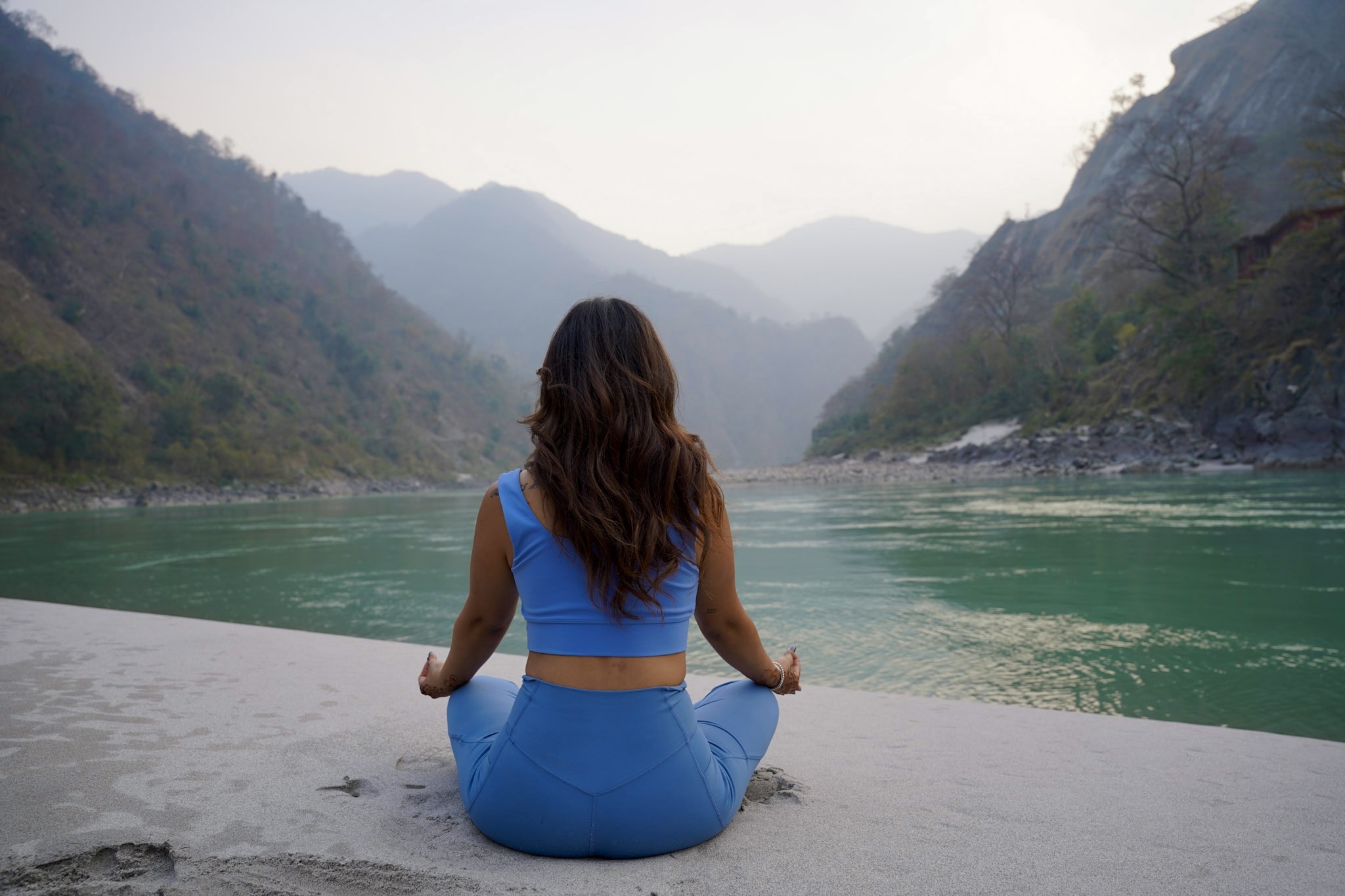
- Rishikesh and the Himalayan foothills — the Ganges runs high and dramatic, forests are vivid green, and it's a good season for slower, wellness-focused travel rather than white-water rafting (which often pauses when river levels spike)
- Udaipur and parts of Rajasthan — lakes fill up, gardens come alive, and the heat of April-June finally breaks
- Hill towns like Bir Billing — paragliding often pauses in peak monsoon, but the valley views afterward are worth the wait
Where It's Trickier
Be realistic about a few places:
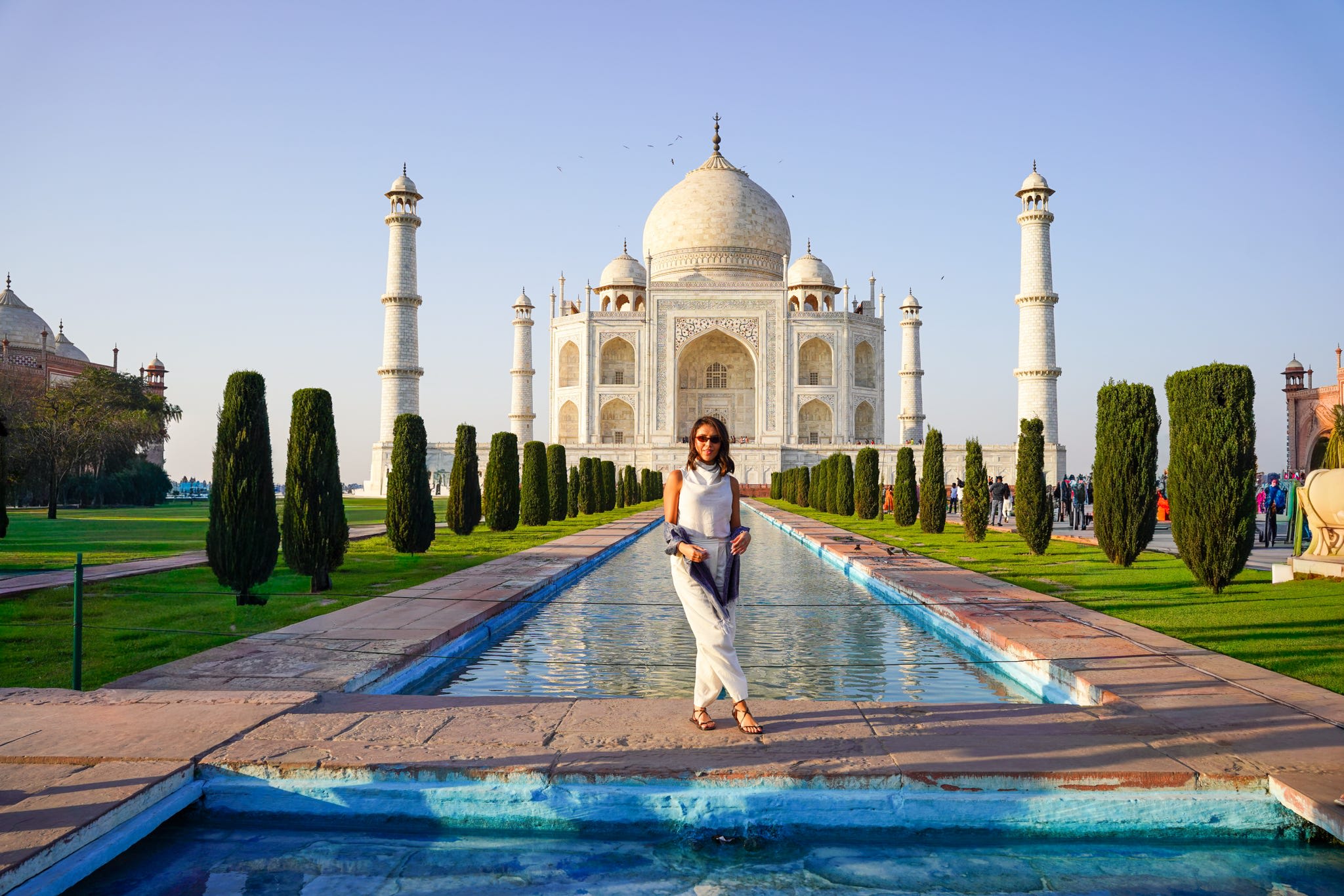
- Delhi, Agra, Jaipur (the Golden Triangle) — humidity is high and sudden downpours can disrupt a tight sightseeing schedule; if this is your main goal, the best time to visit the Golden Triangle is October to March
- Long multi-city itineraries — monsoon delays (flooded roads, delayed flights) are more likely, so build in buffer days
- Photography-heavy trips — light is often flat and grey rather than the golden-hour clarity of winter, though dramatic cloud cover has its own appeal, as covered in our India photography tips
The Real Upsides
Beyond the greenery, monsoon has practical advantages:
- Lower prices on flights and hotels, since this is genuinely low season for international tourism
- Smaller crowds at major monuments — you can actually get a clear photo at places that are packed in December
- Comfortable evenings, especially in the hills, once the day's rain has passed
If a small-group trip appeals more than fighting through peak-season queues, it's worth comparing seasons properly — see our broader guide on the best time to visit India before locking in dates.
Practical Packing and Health Notes
A few things make monsoon travel much easier:
- Pack a lightweight rain jacket and a dry bag for electronics rather than relying on umbrellas alone
- Quick-dry clothing and closed shoes with good grip matter more than usual
- Mosquito-borne illness risk rises with standing water, so repellent and covering up at dusk is sensible — see how to avoid getting sick in India for more
- Check current vaccination guidance in our vaccinations for India guide before you travel
Frequently Asked Questions
Is India in monsoon a good time for first-time visitors?
It can work if you keep your itinerary flexible and focus on the Himalayan foothills or Rajasthan rather than a packed Golden Triangle schedule. First-timers who want guaranteed sunny sightseeing days are usually happier in the October–March window.
Which months count as monsoon season in India?
Broadly late June through September, though the exact start and end shifts by region — Kerala sees rain from early June, while northern India's monsoon typically runs July to September.
Will monsoon rain ruin outdoor activities like rafting or paragliding?
Some activities pause during heavy monsoon weeks — white-water rafting and paragliding schedules can shift with river and wind conditions — but treks, temple visits, and cultural experiences generally continue as normal with some flexibility built in.
Are flights and hotels genuinely cheaper in monsoon?
Yes, monsoon is low season for most of India, so flights and accommodation typically cost noticeably less than in the October to March peak, which is one of the better reasons to consider it if your dates are flexible.
Thinking It Over?
Monsoon isn't the wrong season, it's just a different one — better suited to travellers who want green landscapes, fewer crowds, and don't mind adjusting plans around a passing shower. If you'd rather see how a small-group trip actually handles the season, take a look at our current destinations and get in touch with Anna directly about dates — she'll tell you honestly whether your preferred month is a good fit or if you should wait a few weeks.
Keep reading
More guides to help you plan the same trip.
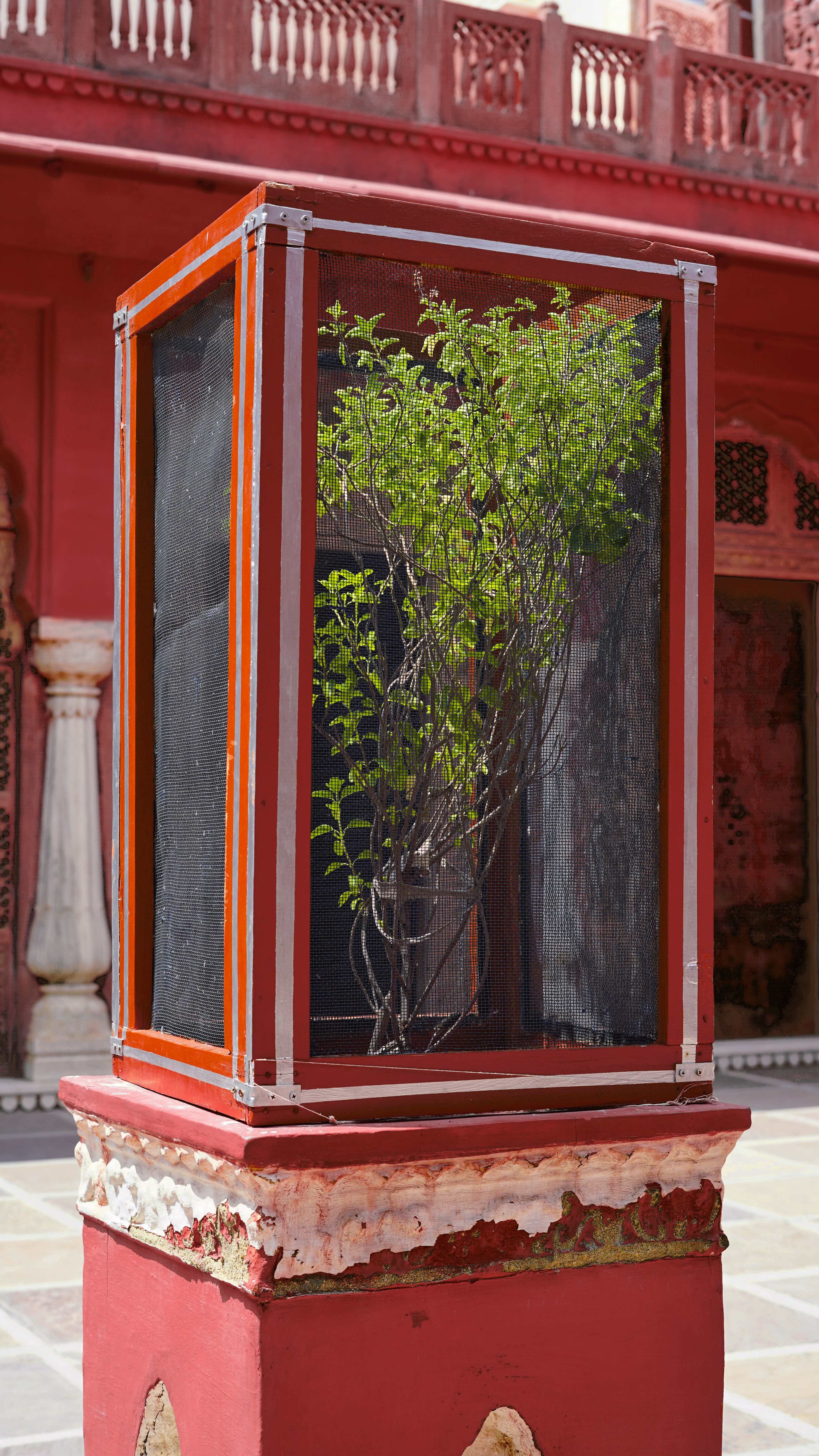
Best Time to Visit Kerala: Month-by-Month Weather Guide
A month-by-month look at Kerala's weather, crowds, monsoon and prices, so you can time the backwaters, beaches and hill country right.
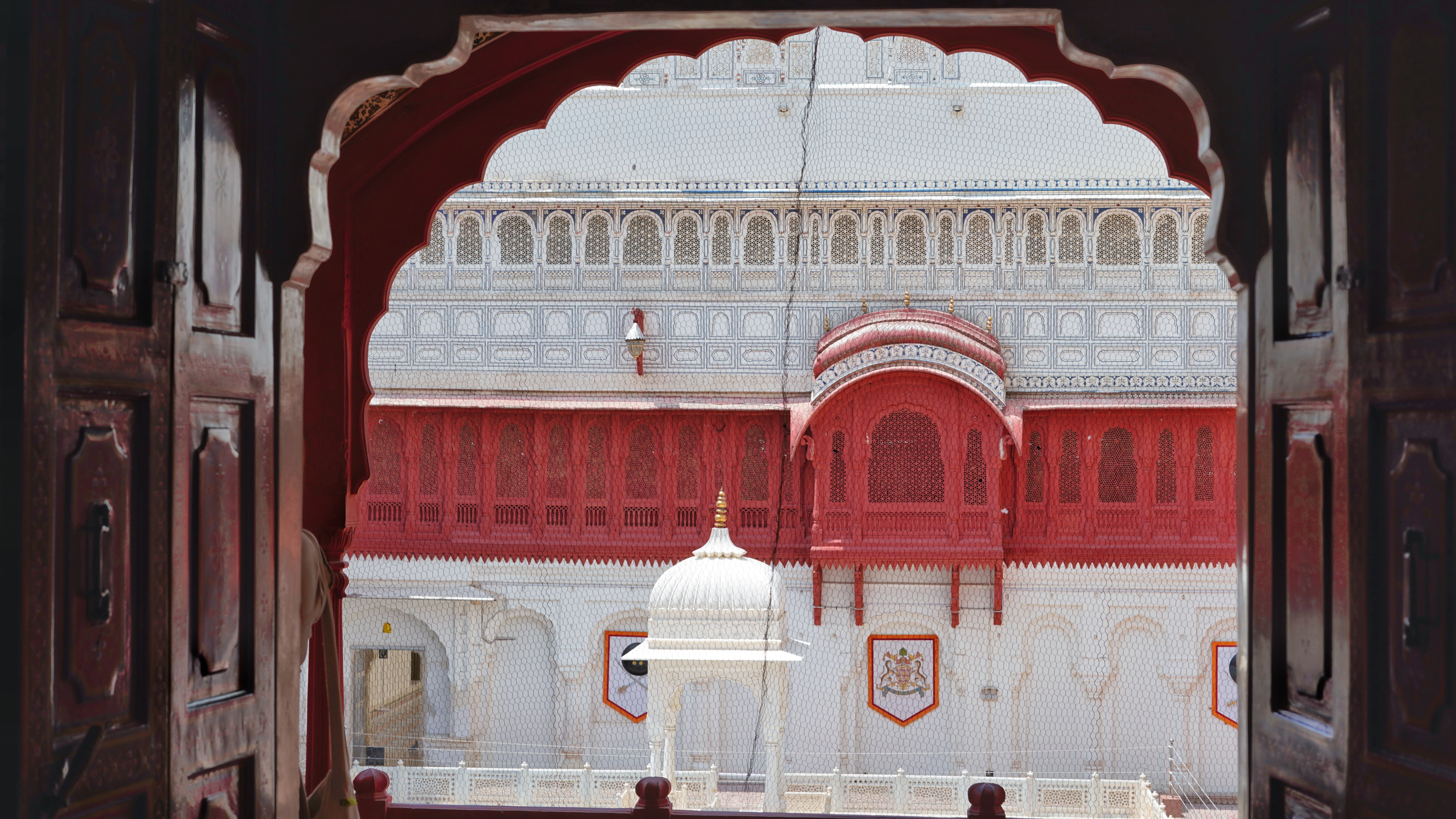
India in September 2026: Weather, Rain & Where to Go
The monsoon retreating, landscapes at their greenest, festival season starting, and shoulder-season value before the winter rush.
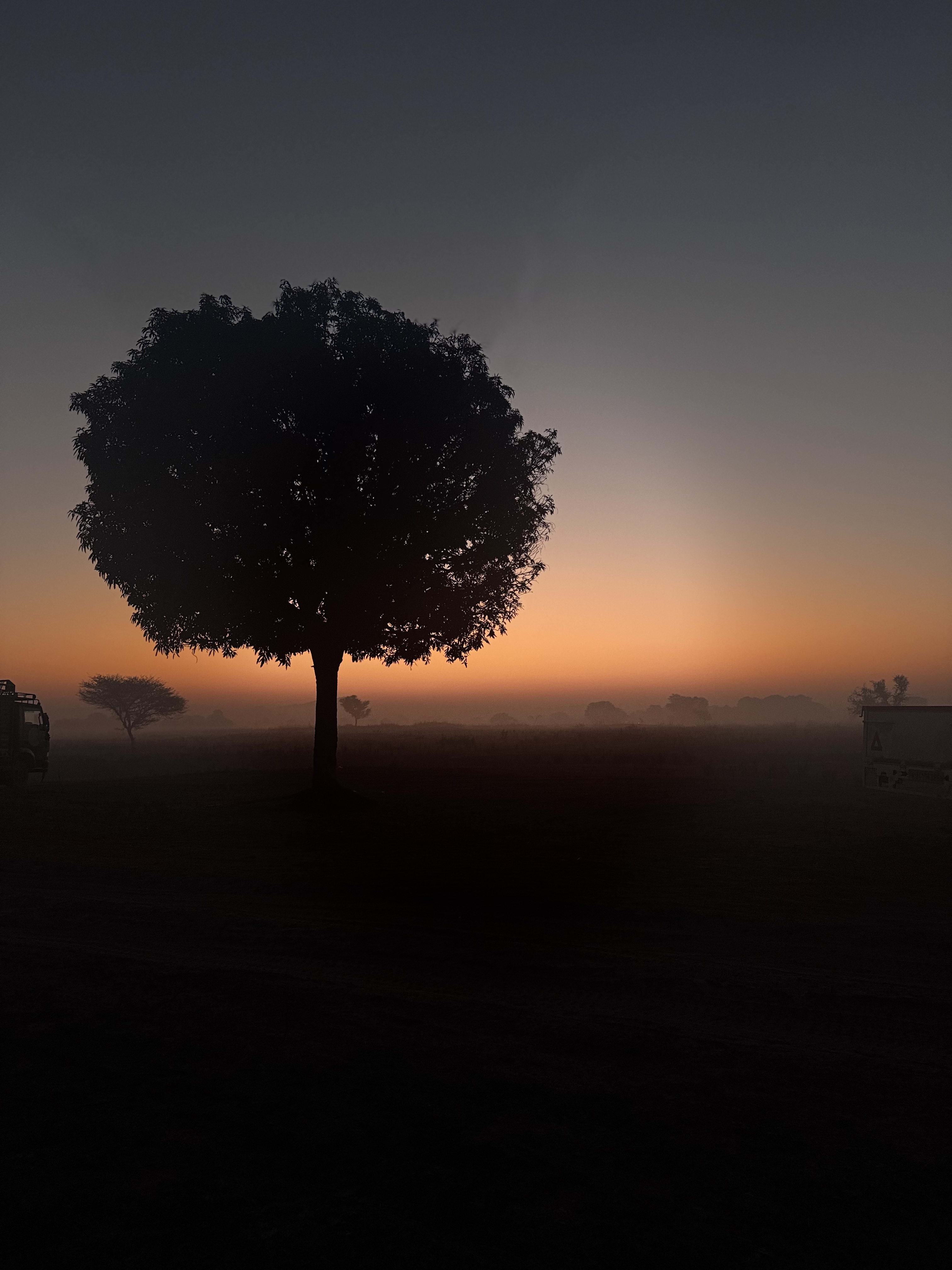
Best Time to Visit India: A Month-by-Month Guide (2026)
Real monthly temperatures, rainfall and crowd levels for Delhi, Jaipur and Kerala — so you can pick your window with numbers, not guesswork.

Best Time to Visit Rajasthan
The best time to visit Rajasthan is October to March for cool, dry days — but here's the honest month-by-month picture, including the green monsoon season.
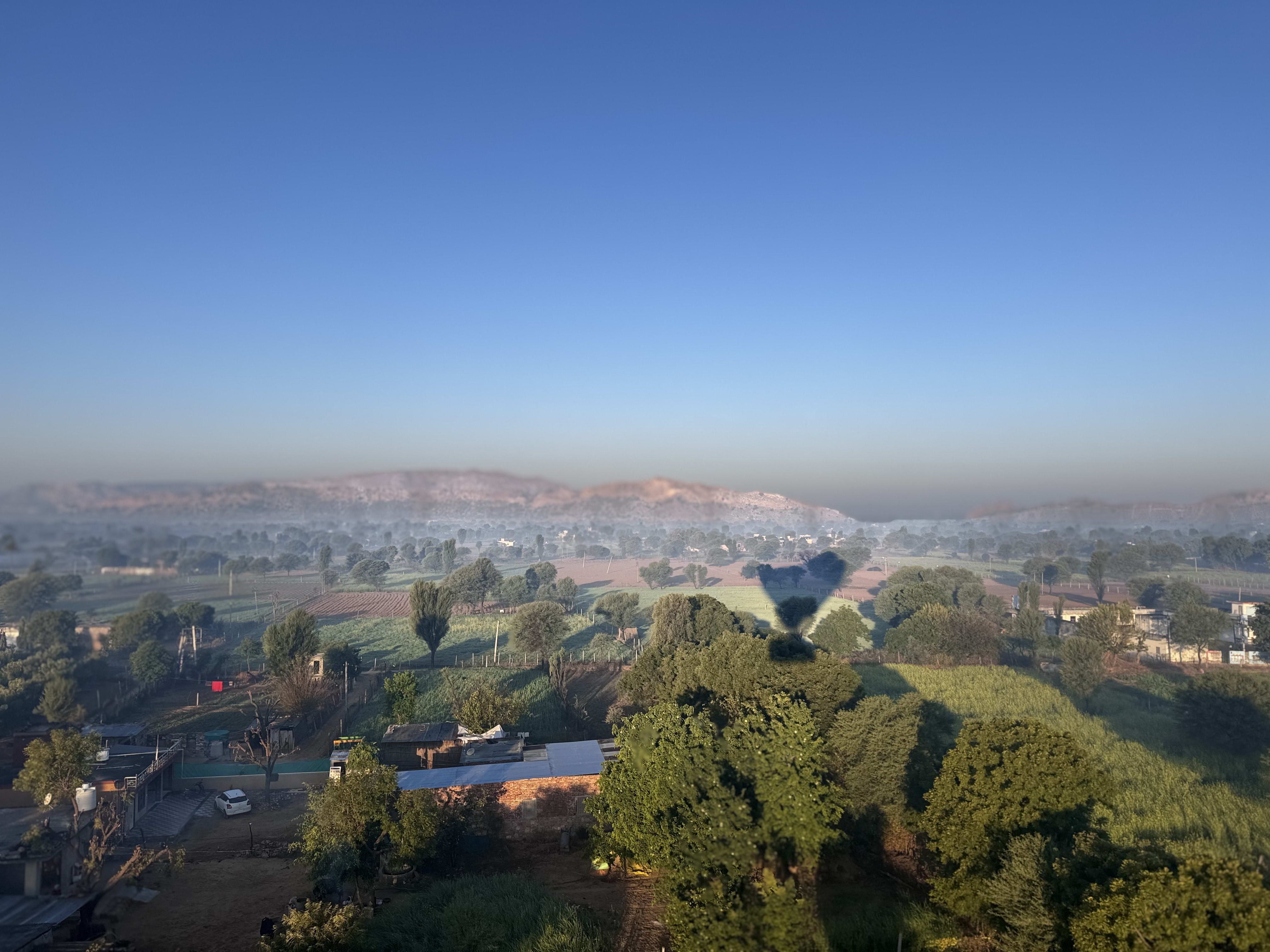
India in October 2026: Weather, Festivals & Where to Go
A first-timer's guide to India in October: cooler weather, Dussehra crowds, and the destinations worth booking now.
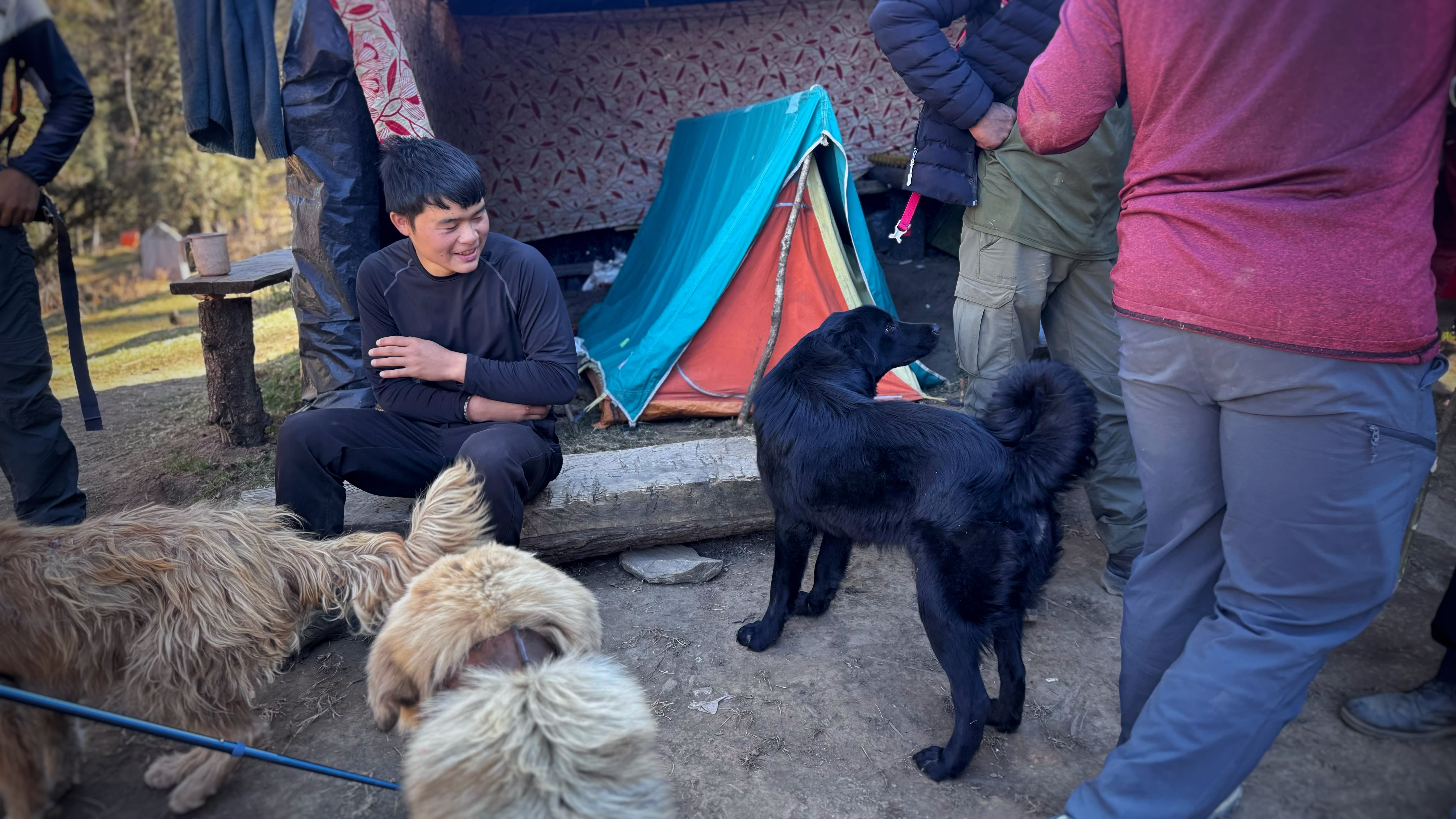
The Best Time to Visit Bir Billing for Paragliding
The best time to visit Bir Billing for paragliding is October to June, when Himachal's thermals and clear skies make for safe, soaring flights.