India in December 2026: Weather, Crowds & Where to Go
India in December brings cool, clear days, festive Delhi-Agra-Jaipur crowds, and the best Himalayan foothill weather of the year.
On this page
India in December is, for most first-time visitors, the single best month to go. Delhi, Agra, Jaipur and Rishikesh all sit in a sweet spot of cool mornings, sunny afternoons, and clear skies, but it's also peak season, so the Taj Mahal, Amber Fort and hill-station roads get genuinely busy. Here's what the weather, the crowds and your options actually look like, month by month detail included, so you can plan a trip that matches what you actually want.
Quick answer: December is peak season in North India — expect 8–23°C (46–73°F) in Delhi/Agra/Jaipur, cool foggy mornings, warm sunny afternoons, big crowds at major monuments, and the best (coldest, clearest) conditions of the year in Rishikesh and the foothills. Book monument tickets and hotels early.
Weather Across the Country in December
North India (Delhi, Agra, Jaipur, Rishikesh) settles into proper winter in December:
- Delhi and Agra: Daytime highs of 18–23°C (64–73°F), nights dropping to 6–10°C (43–50°F). Mornings can be foggy, sometimes enough to delay early flights or trains — build in a buffer if you have a tight connection.
- Jaipur: A degree or two warmer than Delhi, with the strongest, most reliable sunshine of the three — layer up for evenings.
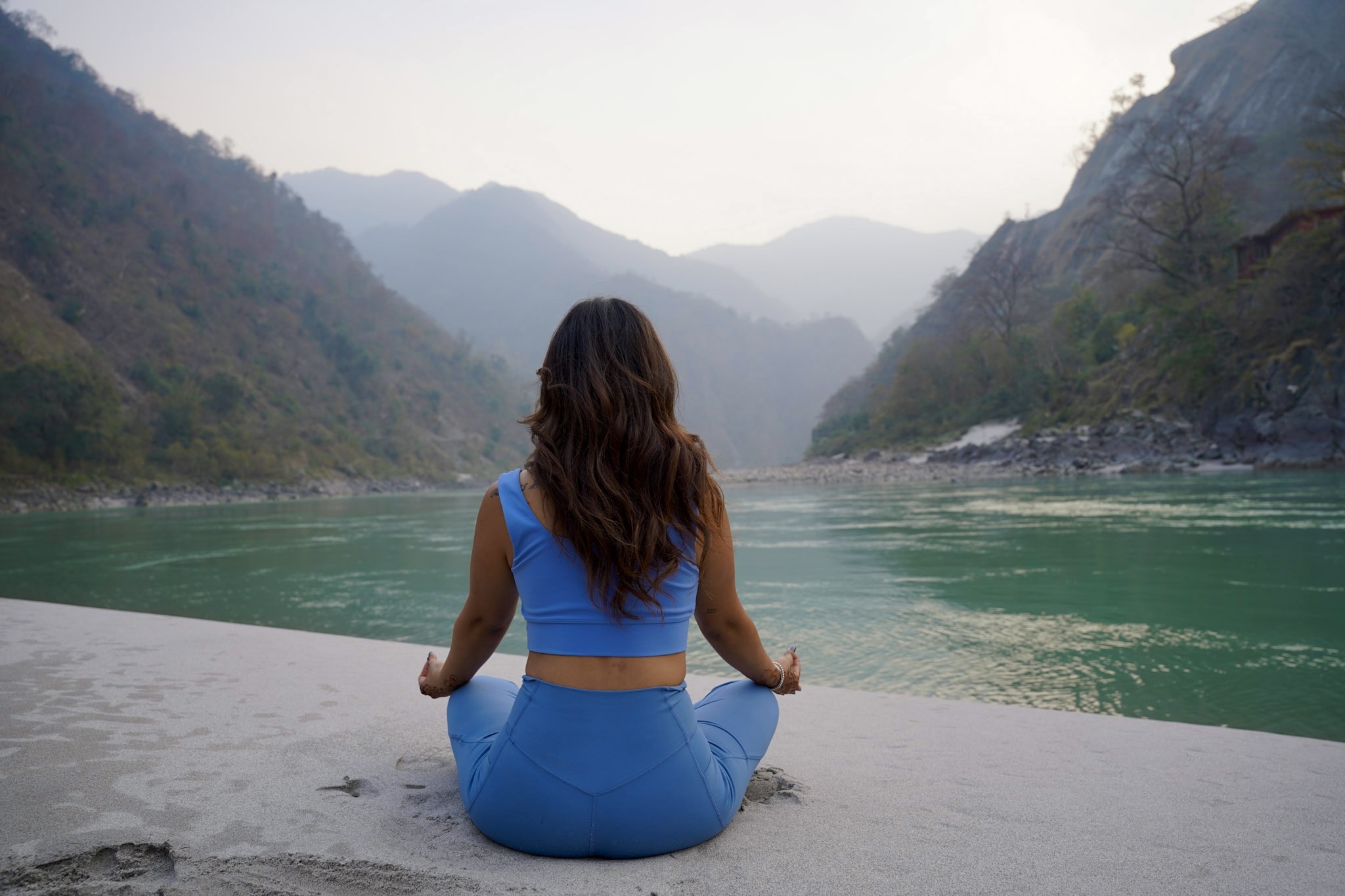
- Rishikesh: Days around 15–20°C (59–68°F), nights can dip close to freezing in late December. The Ganges runs low and clear, and the ganga aarti at Parmarth Niketan feels especially atmospheric under a cold, star-filled sky.
- South India (Kerala, Goa, Tamil Nadu): Warm and dry, 25–32°C (77–90°F), no monsoon — this is their high season too, for good reason.
Compare this to the shoulder months in our guides on India in November and India in October if your dates are flexible.
Crowds and Booking Windows
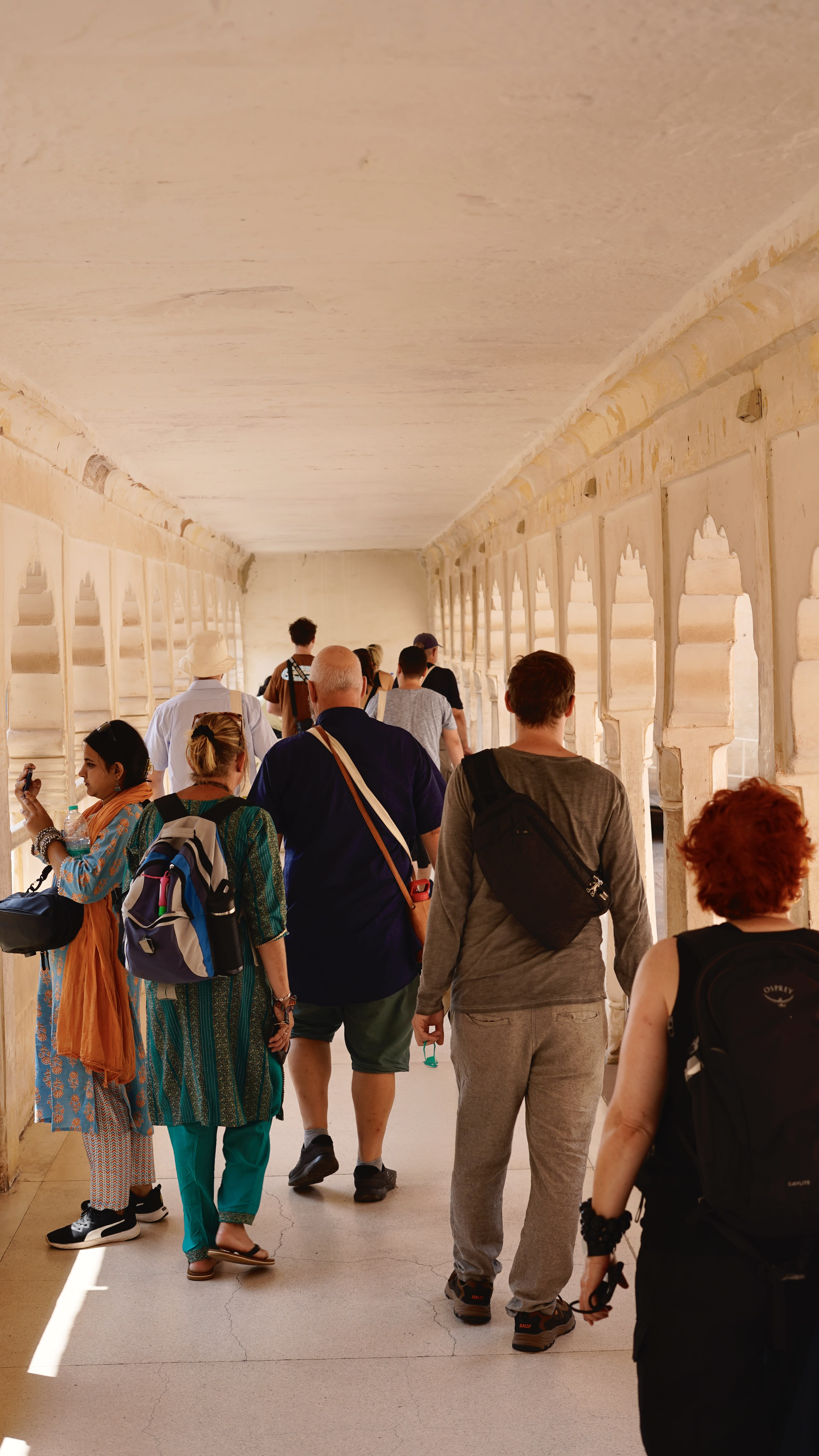
December is peak tourist season across North India, driven by Christmas and New Year holidays from Europe, the UK, the US and Australia. What that means in practice:
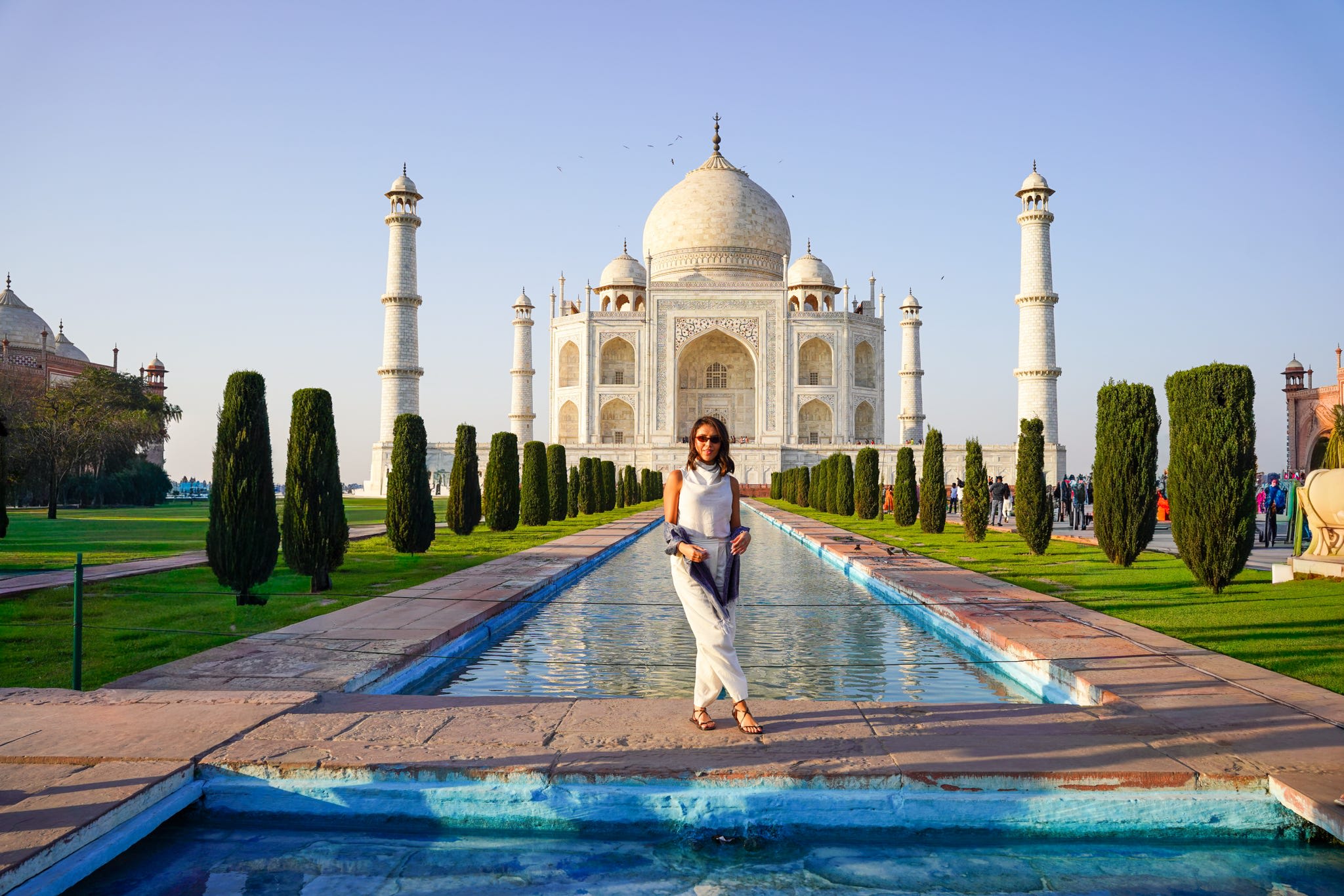
- The Taj Mahal sees its longest queues of the year in the last two weeks of December — arrive at sunrise or book a guided slot; see our Taj Mahal sunrise guide for timing.
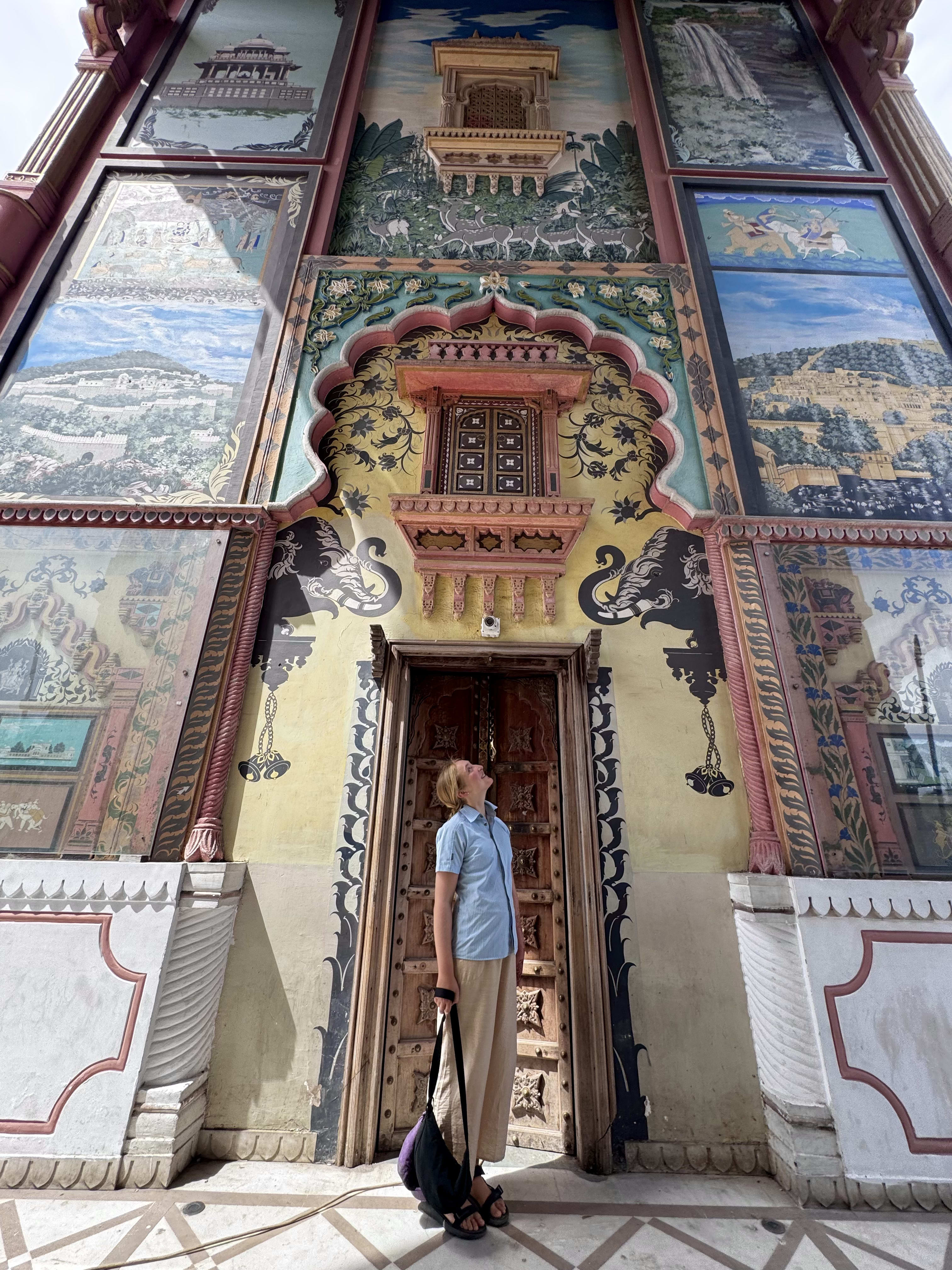
- Heritage hotels in Jaipur and Udaipur routinely sell out 6-8 weeks ahead for the Christmas-New Year window.
- Domestic flight and train fares climb 20-40% above October/November prices for the same routes.
- Small-group departures (ours included) fill up early because December dates are the most requested of the year — this is the one month where booking 3+ months ahead genuinely matters.
If crowds are your main worry, read is the Golden Triangle worth it and best time to visit the Golden Triangle for a fuller trade-off comparison against other months.
Where to Go: North vs South in December
- Go north if you want the classic Delhi-Agra-Jaipur circuit plus Rishikesh: this is arguably the best month of the year for it — dry air, blue skies, comfortable walking temperatures, no monsoon dust haze.
- Go south if you want beach and backwater warmth without North India's chill: Kerala and Goa are dry and sunny, though Goa's beaches get their own Christmas-week crowd crush.
- Avoid far-north mountain passes and upper Himachal (Spiti, upper Kinnaur) — many roads close for snow by December; lower foothill towns like Rishikesh remain fully accessible.
For a broader seasonal comparison, see best time to visit India and north vs south India.
What to Pack
- A proper insulating layer (fleece or light down) for early mornings and evenings, especially in Rishikesh
- A warm hat and gloves if you're doing sunrise river-side yoga or dawn monument visits
- Breathable layers for midday, when Jaipur and Agra can still reach the low 20s°C
- A scarf or shawl, useful for both warmth and temple modesty
Our full what to pack for India guide covers the complete list, and what to wear in India has etiquette-specific notes for temples and villages.
Festivals and Events to Time Around
December doesn't have Diwali or Holi, but it has its own rhythm: Christmas Eve carol services draw crowds in Old Delhi's churches, New Year's Eve sees Rishikesh's ashrams and ghats especially full for evening aarti, and Jaipur's markets are dressed for the season with fairy lights strung through the old city. If a specific festival date matters more to your trip than the calendar month, check best festivals in India for tourists or when is Diwali 2026 to cross-reference against next year's dates.
Frequently Asked Questions
Is December too crowded to visit the Taj Mahal?
No, but you need a plan. Early morning slots (the monument opens at sunrise) are noticeably quieter than 10am-2pm, when tour buses converge. Book your ticket in advance and go with a guide who knows the entry-gate timing.
What should I wear in Rishikesh in December?
Layer up. Days are pleasant for walking around 15–20°C (59–68°F), but river-facing evenings and dawn yoga sessions can feel close to freezing, so bring a warm layer, a hat, and closed shoes rather than sandals.
Is india in December good for a first trip?
Yes — it's widely considered the best month for a first-time North India trip because of the cool, dry, clear weather, though you should book accommodation and monument tickets well ahead since it's also the busiest month of the year.
Does it rain in India in December?
Virtually never in the north. December falls firmly in the dry winter season for Delhi, Agra, Jaipur and Rishikesh, with clear skies the norm and only occasional morning fog, not rain.
Ready to Book Your December Trip
If cool mornings, clear Himalayan foothill air and a small, unhurried group sound right for you, our Beyond the Golden Triangle: Rishikesh, December 2026 (11 days, from $1,329) departure is built exactly for this season, capped at 12 travellers and hosted personally by Anna. Browse the full year of small-group options on our destinations page if December doesn't line up with your calendar.
Keep reading
More guides to help you plan the same trip.
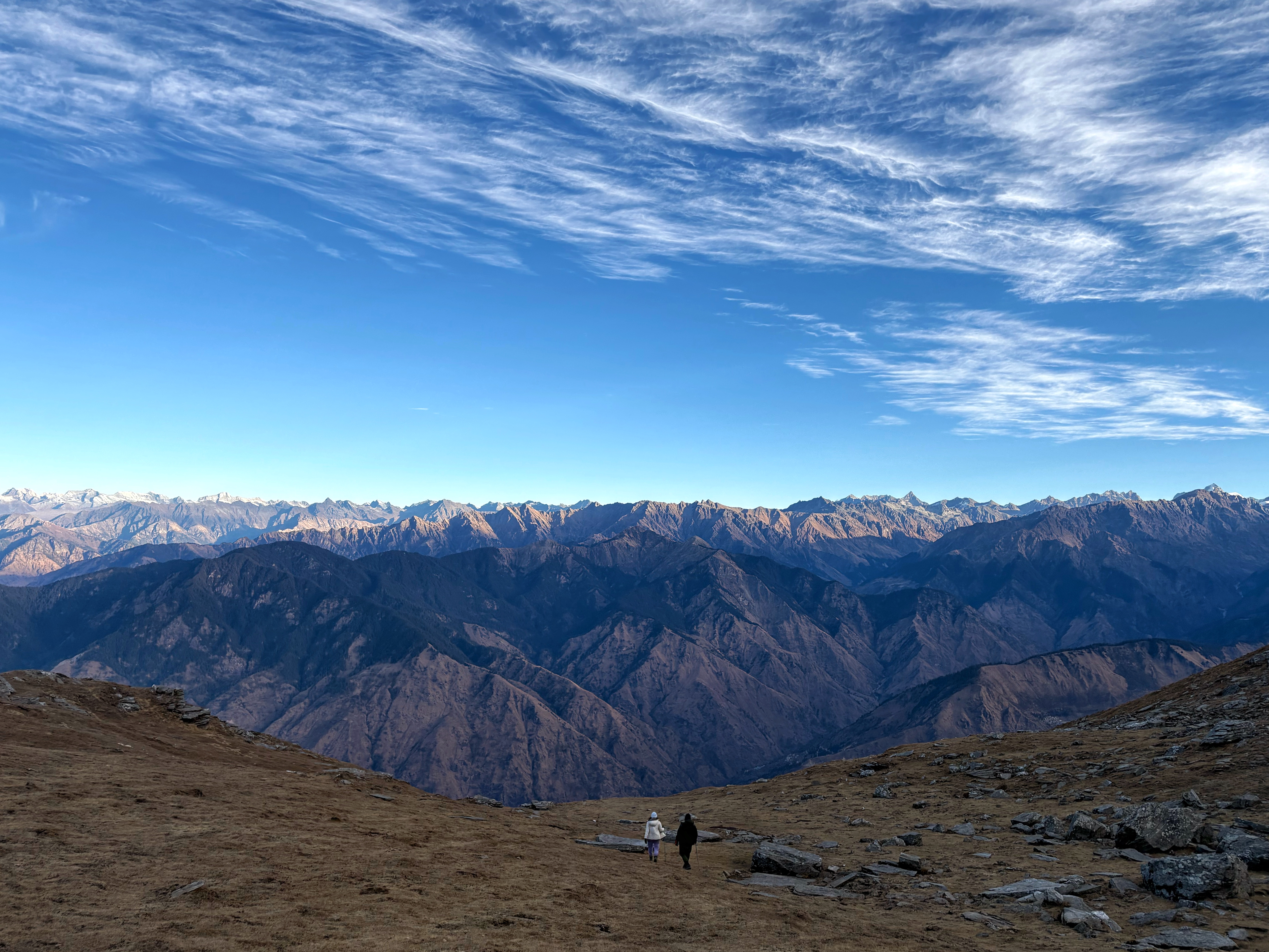
The Golden Triangle in Winter: What to Expect
Cool mornings, clear skies, and thick fog — here's what the golden triangle in winter actually feels like on the ground.

India in November 2026: Weather, Festivals & Where to Go
India in November brings cool, clear skies and Diwali afterglow, making it one of the best windows to visit the Golden Triangle.
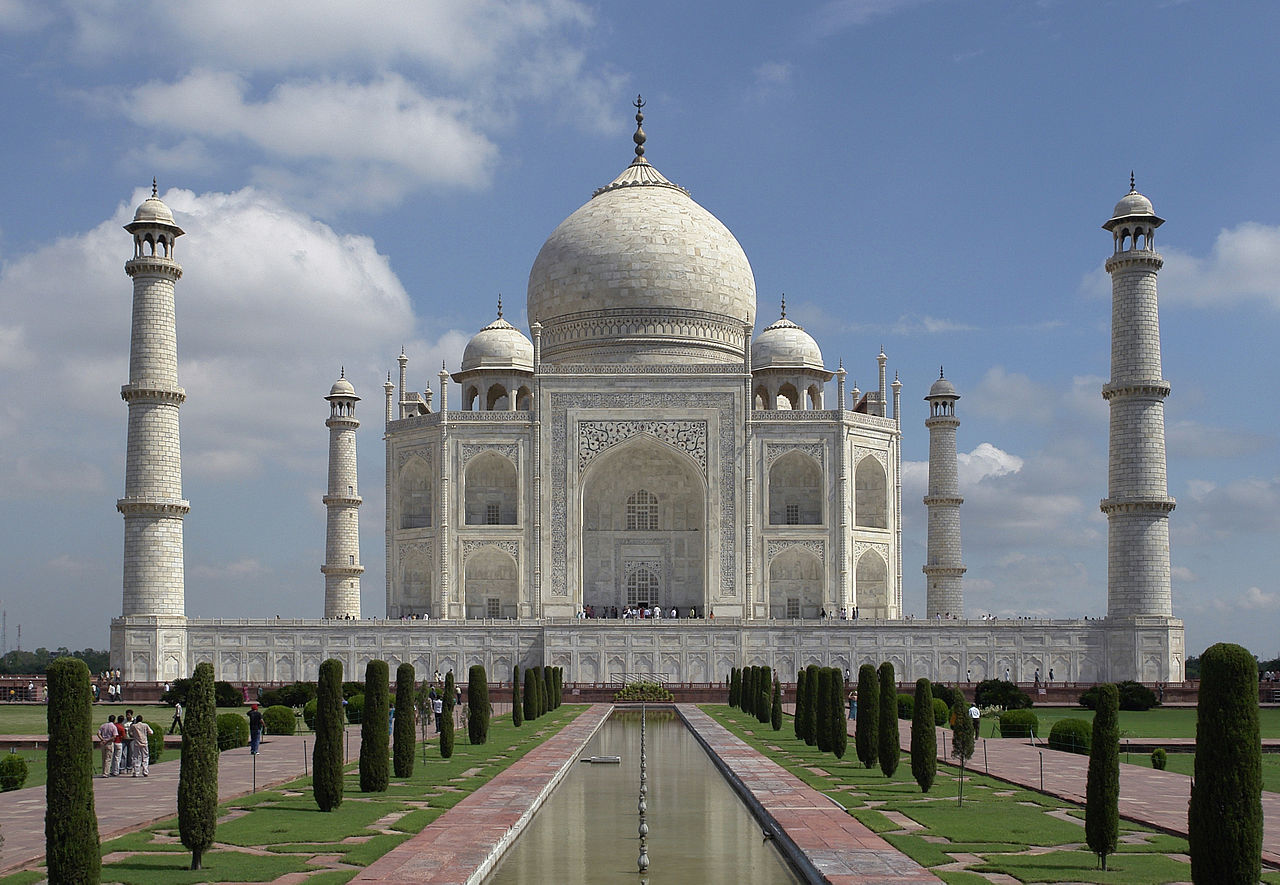
Best Time to Visit the Golden Triangle: Month by Month
October to March is the easy answer — but the best month depends on whether you want festivals, cool mornings, lower prices or fewer crowds.
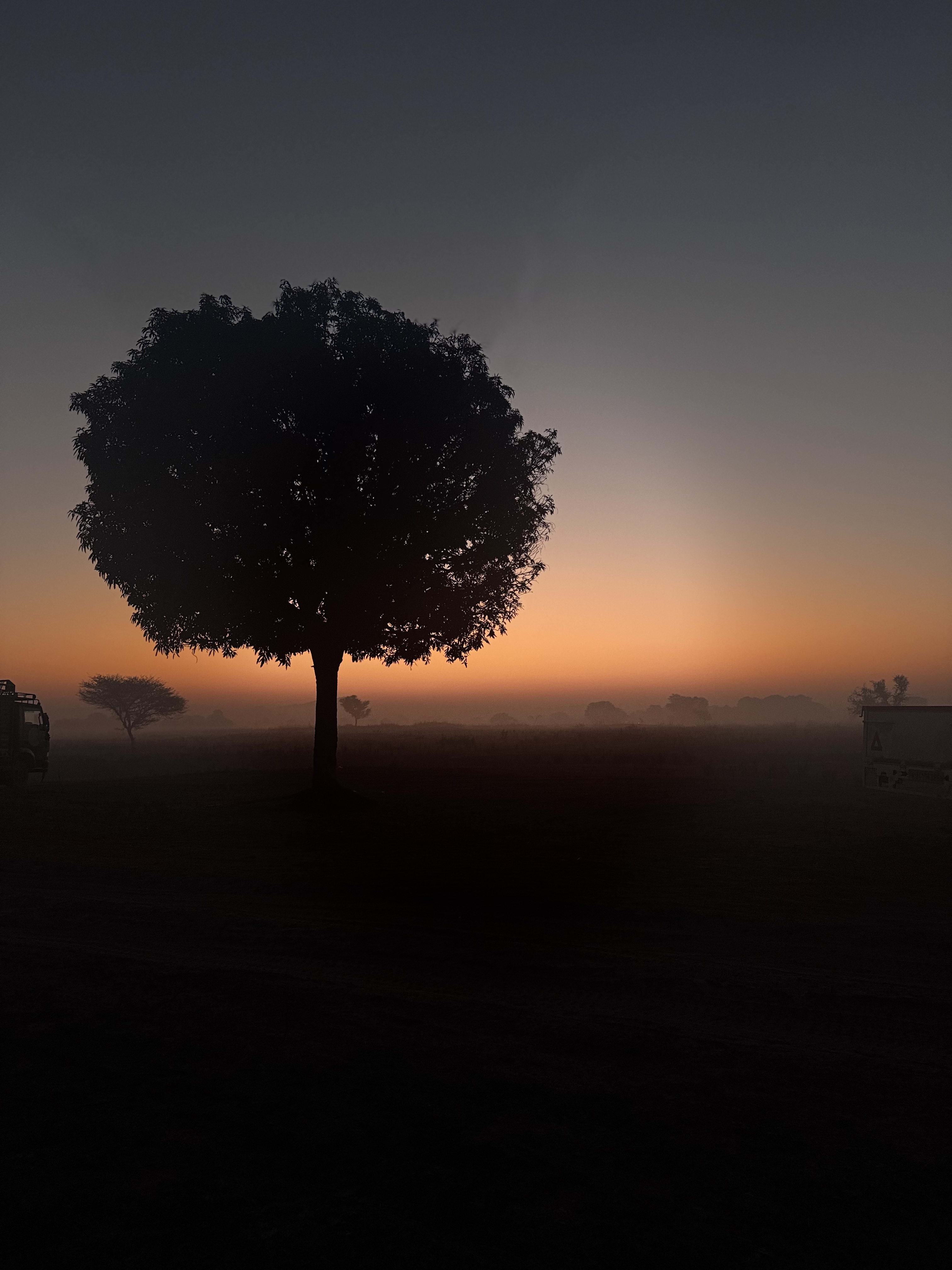
Best Time to Visit India: A Month-by-Month Guide (2026)
Real monthly temperatures, rainfall and crowd levels for Delhi, Jaipur and Kerala — so you can pick your window with numbers, not guesswork.
Best Time to Visit Kerala: Month-by-Month Weather Guide
A month-by-month look at Kerala's weather, crowds, monsoon and prices, so you can time the backwaters, beaches and hill country right.
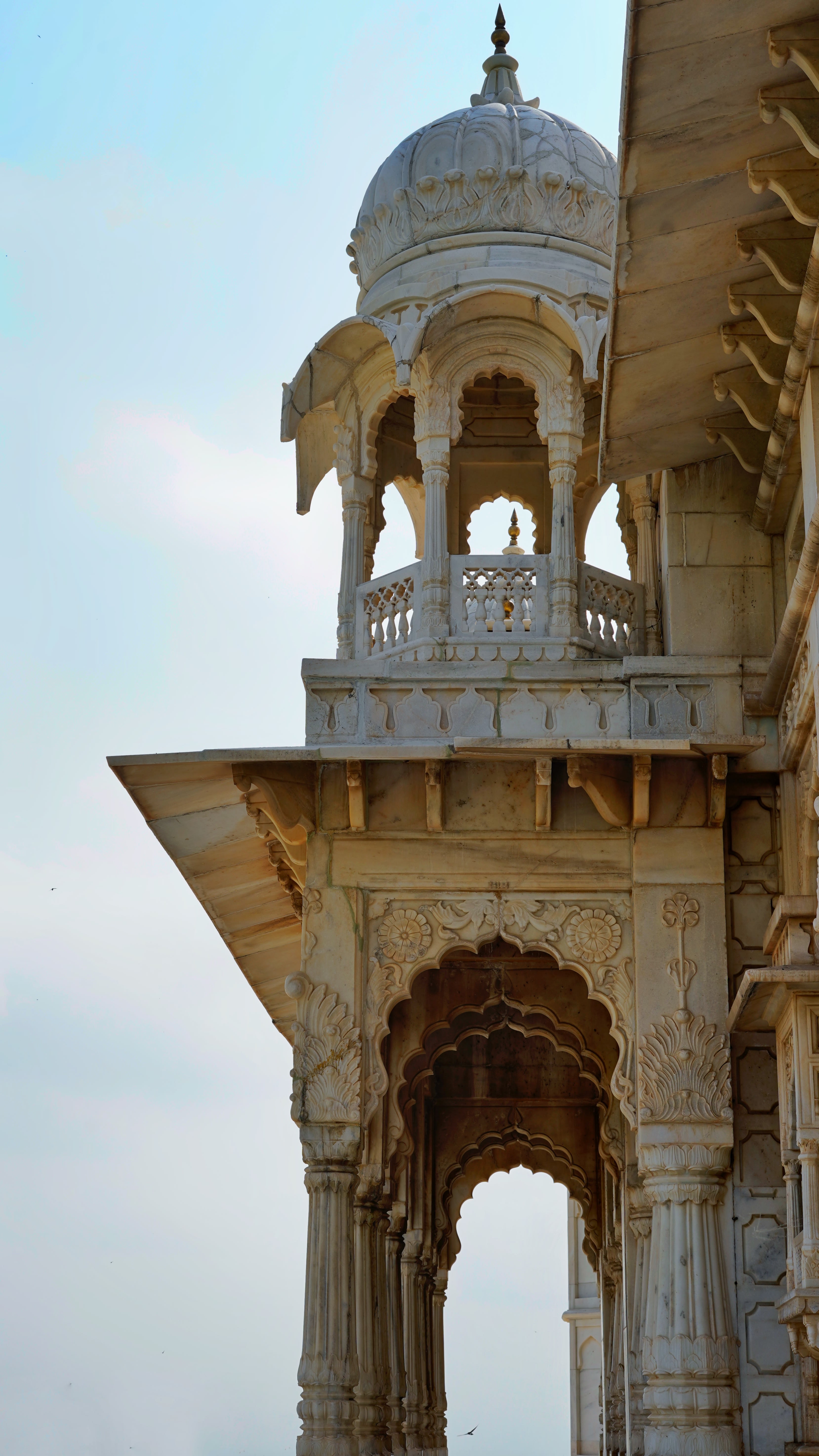
10 Days in India: The Perfect First-Timer Itinerary
A realistic 10 days in India itinerary for first-timers, covering Delhi, Agra, Jaipur, and Rishikesh without the rush.