Indian Classical Music & Dance: A Traveller's Introduction
A plain-English introduction to Indian classical dance and music: the main forms, where to see them live, and how to enjoy them.
On this page
You don't need to read music or know a raga from a rhythm cycle to be swept up by a live performance in India — but a little background makes it magical instead of merely pretty. Indian classical dance and music are among the oldest continuously performed art forms on earth, and for travellers from the US, UK, and Europe, an evening recital is one of the most rewarding cultural experiences a trip can hold. Here's what you're looking at, and where to find the real thing.
Quick answer: India has eight officially recognised classical dance forms — Bharatanatyam, Kathak, Odissi, Kathakali and others — each tied to a region and often to temple traditions. Classical music splits into Hindustani (north) and Carnatic (south). You can see live performances in Delhi, Jaipur, Varanasi, and Chennai; no prior knowledge is needed to enjoy them.
Two Traditions of Classical Music
Indian classical music divides into two great streams. Hindustani music developed in the north, shaped over centuries by Persian and Mughal influence, and is what you'll most likely hear on a Golden Triangle trip — the sitar, the sarod, the bamboo flute, and the tabla drums. Carnatic music is the southern tradition, more devotional and voice-led, centred on Chennai.
Both are built on two ideas worth knowing before you listen:
- Raga — the melodic framework, a set of notes with its own mood and even its own time of day.
- Tala — the rhythmic cycle the tabla or mridangam keeps, which the audience often counts on their fingers.
Performances are largely improvised within these frameworks, which is why no two are the same. For a completely different, film-flavoured side of Indian music, our Bollywood experience in India guide is a fun companion read.
The Main Classical Dance Forms
Each classical dance form comes from a specific region and carries its own costume, storytelling style, and history. You won't see all of them everywhere, so it helps to know which is which:
| Dance form | Region | Distinctive feature |
|---|---|---|
| Bharatanatyam | Tamil Nadu | Sharp geometry; temple origins |
| Kathak | North India | Fast spins and intricate footwork |
| Odissi | Odisha | Fluid, sculptural poses |
| Kathakali | Kerala | Elaborate green face paint and masks |
| Kuchipudi | Andhra Pradesh | Graceful, narrative dance-drama |
| Manipuri | Manipur | Gentle, devotional movement |
On the Delhi–Agra–Jaipur circuit, Kathak is the form you're most likely to catch, with its dizzying spins and story-telling gestures. In the south, a Kathakali performance near Mysore or in Kerala is unforgettable for the hours of face-painting alone.
The Storytelling Behind the Movement
What looks like abstract, beautiful movement is usually a story — episodes from the Ramayana and Mahabharata, or devotional poems. Dancers use mudras (hand gestures) and detailed facial expression to "speak" without words, so a single seated figure can portray a whole conversation.
This is where the art connects to the wider culture you're travelling through. The same epics animate the festivals you might witness — the triumph of good over evil in Dussehra, or the devotion of Ganesh Chaturthi — and the same themes turn up in the handicrafts and souvenirs you'll bring home. It all rhymes, once you start noticing.
Where to See Live Performances
You have three realistic options as a visitor:
- Cultural centres and heritage venues — Delhi has regular ticketed recitals; see our things to do in Delhi guide. Jaipur stages folk and classical evenings in fort and haveli settings, covered in things to do in Jaipur.
- Temple and festival performances — often free and deeply atmospheric, tied to the religious calendar. Our spiritual India guide explains that world.
- Dinner-and-show evenings — the most accessible for first-timers, pairing a curated performance with a meal.
Chennai's December "Music Season" is the Carnatic world's Glastonbury if you're travelling in the south rather than the north, with hundreds of concerts across the city.
How to Enjoy It (Without Feeling Lost)
A few tips make a first performance land:
- Arrive knowing the story. A one-line summary of the piece transforms it from pretty to gripping.
- Watch the hands and eyes, not just the feet — that's where the narrative lives.
- Don't clap between movements unless others do; appreciation is often shown with a quiet nod or a soft "wah."
- Dress respectfully at temple performances, as our India etiquette dos and don'ts guide explains.
Because context is everything with these art forms, seeing them with someone who can whisper the story as it unfolds changes the whole evening. That's exactly what we build into our [Soul of India: Golden Triangle Cultural Tour, 16–23 September 2026](/destinations/beyond-taj-sep-2026) — hosted personally by Anna, capped at 12 travellers, priced at $999 in USD for international guests, with a live classical evening included and explained, not just attended.
Frequently Asked Questions
What are the main types of Indian classical dance?
India recognises eight classical dance forms: Bharatanatyam, Kathak, Kathakali, Kuchipudi, Odissi, Manipuri, Mohiniyattam, and Sattriya. Each comes from a particular region and has its own costume, music, and storytelling style, though all share roots in temple and devotional traditions.
What is the difference between Hindustani and Carnatic music?
Hindustani is the North Indian classical tradition, shaped by Persian and Mughal influence and often instrumental — think sitar and tabla. Carnatic is the South Indian tradition, more devotional and voice-led. Both are built on ragas (melody) and talas (rhythm) but differ in style and repertoire.
Do I need to understand the music to enjoy a performance?
No. A live recital is enjoyable purely for the skill, costume, and atmosphere. Knowing the basic story or the raga's mood deepens the experience, but plenty of first-time visitors are moved without any background at all.
Where can tourists see classical dance in India?
Delhi and Jaipur offer regular ticketed and dinner-show performances on the Golden Triangle route, Varanasi and temple towns host devotional recitals, and Chennai is the heart of Carnatic music, especially during its December season.
Ready to See India's Living Arts?
If watching a centuries-old art form performed live sounds like your kind of evening, our [Soul of India: Golden Triangle Cultural Tour, 16–23 September 2026](/destinations/beyond-taj-sep-2026) puts culture at the centre — hosted personally by Anna, capped at 12 travellers, and priced at $999 in USD for international travellers. Browse other dates on our destinations page.
Keep reading
More guides to help you plan the same trip.
Best Indian Dishes for Beginners: Where to Start
Mild, crowd-pleasing curries, breads and snacks to order on your first trip to India, with honest notes on heat and how to ease into it.
Experiencing Bollywood in India: Films, Studios & Shows
Catching a film in a Mumbai cinema, studio tours, live dance shows — where the Bollywood magic actually happens, and how to see it.
15 North Indian Dishes to Try (and How to Order Them)
The North Indian dishes worth seeking out, from butter chicken to street-side chaat — what each one tastes like and where to eat it.
The Regional Cuisines of India: A Food Map
A traveller's food map of the regional cuisines of India — how the north, south, east, and west each cook differently, and what to eat where.
South Indian Food: A Guide for First-Timers
A first-timer's guide to South Indian food — dosa, idli, sambar, filter coffee and the coconut-rich curries of the south, and how to order like a local.
Agra Beyond the Taj Mahal: What Else to See
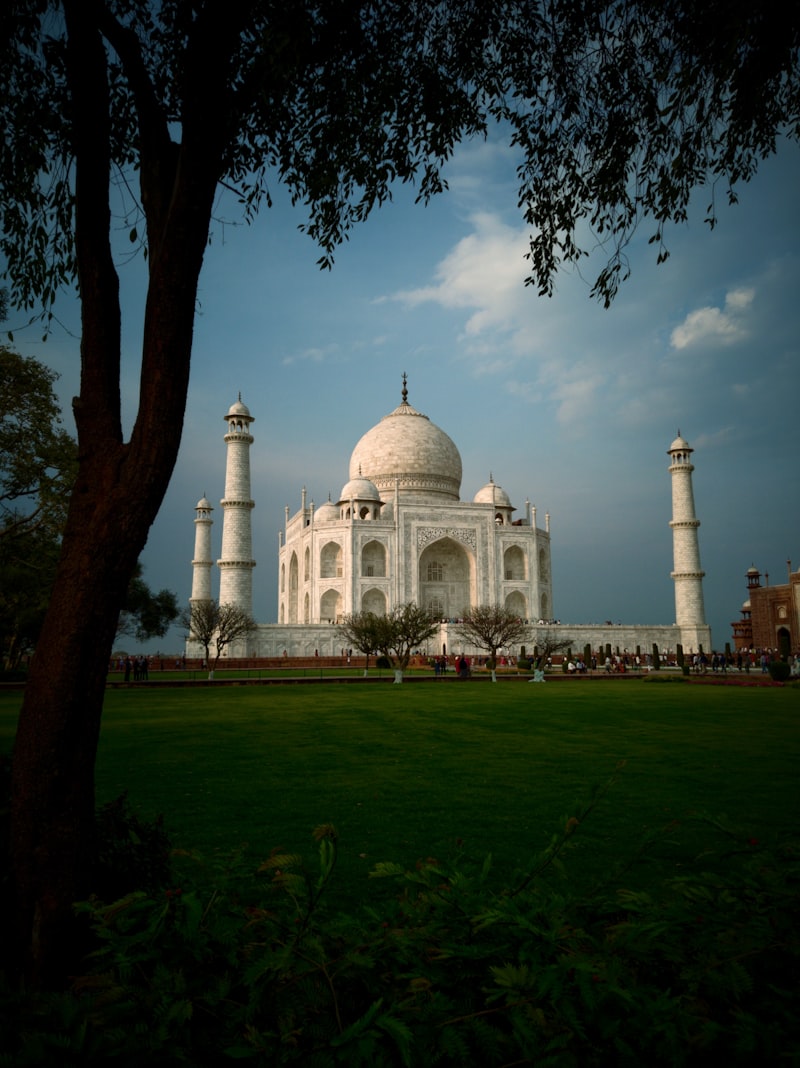
Discovering Agra beyond the Taj Mahal — Agra Fort, the Baby Taj, Mehtab Bagh and nearby Fatehpur Sikri — so your visit is more than one monument.