Indian Handicrafts & Souvenirs Worth Bringing Home
The best Indian souvenirs to bring home — textiles, blue pottery, brass, spices and more — plus where to buy authentic pieces and how to pack them safely.
On this page
The best thing you'll bring home from India usually isn't in a duty-free shop — it's a hand-block-printed quilt, a set of brass bells, or a paper twist of cardamom that still smells of the market weeks later. Choosing the right Indian souvenirs means knowing what each region does best, paying a fair price without overpaying, and packing it so it survives the flight. This guide, drawn from routes we host every year, covers all three.
Quick answer: The most rewarding Indian souvenirs are handmade and regional — block-printed and embroidered textiles, blue pottery and jootis from Rajasthan, pashmina from Kashmir, brass and bronze from the south, tea from Darjeeling and Assam, and spices from anywhere. Buy from workshops or government emporiums for authenticity, and always agree a price before you buy in markets.
What to Buy: The Souvenirs Worth the Suitcase Space
Skip the mass-produced fridge magnets. These are the things travellers are genuinely glad they carried home:
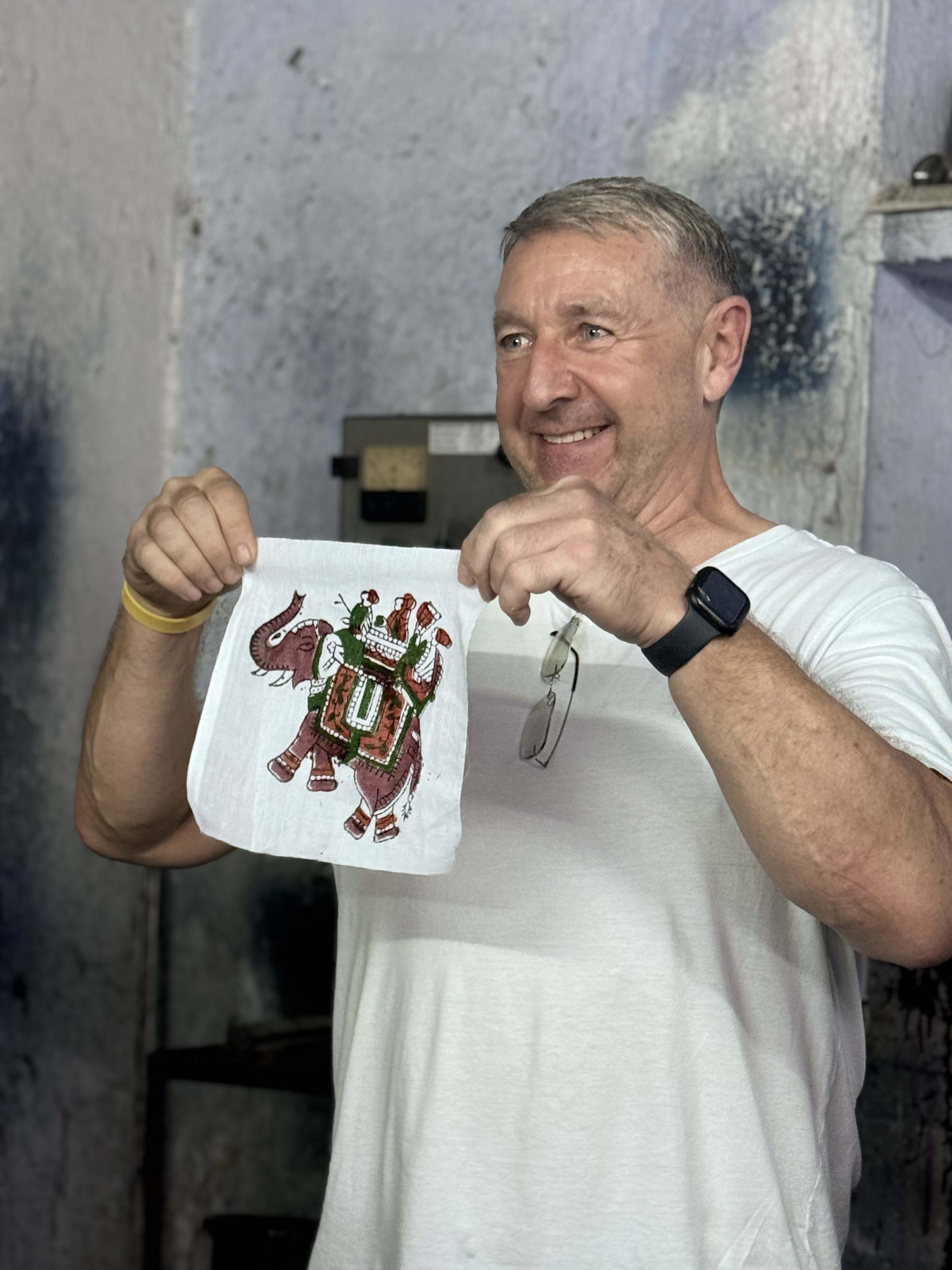
- Textiles — block-printed bedspreads, embroidered cushion covers, silk and cotton scarves, and pashmina shawls. Light, packable, and unmistakably Indian.
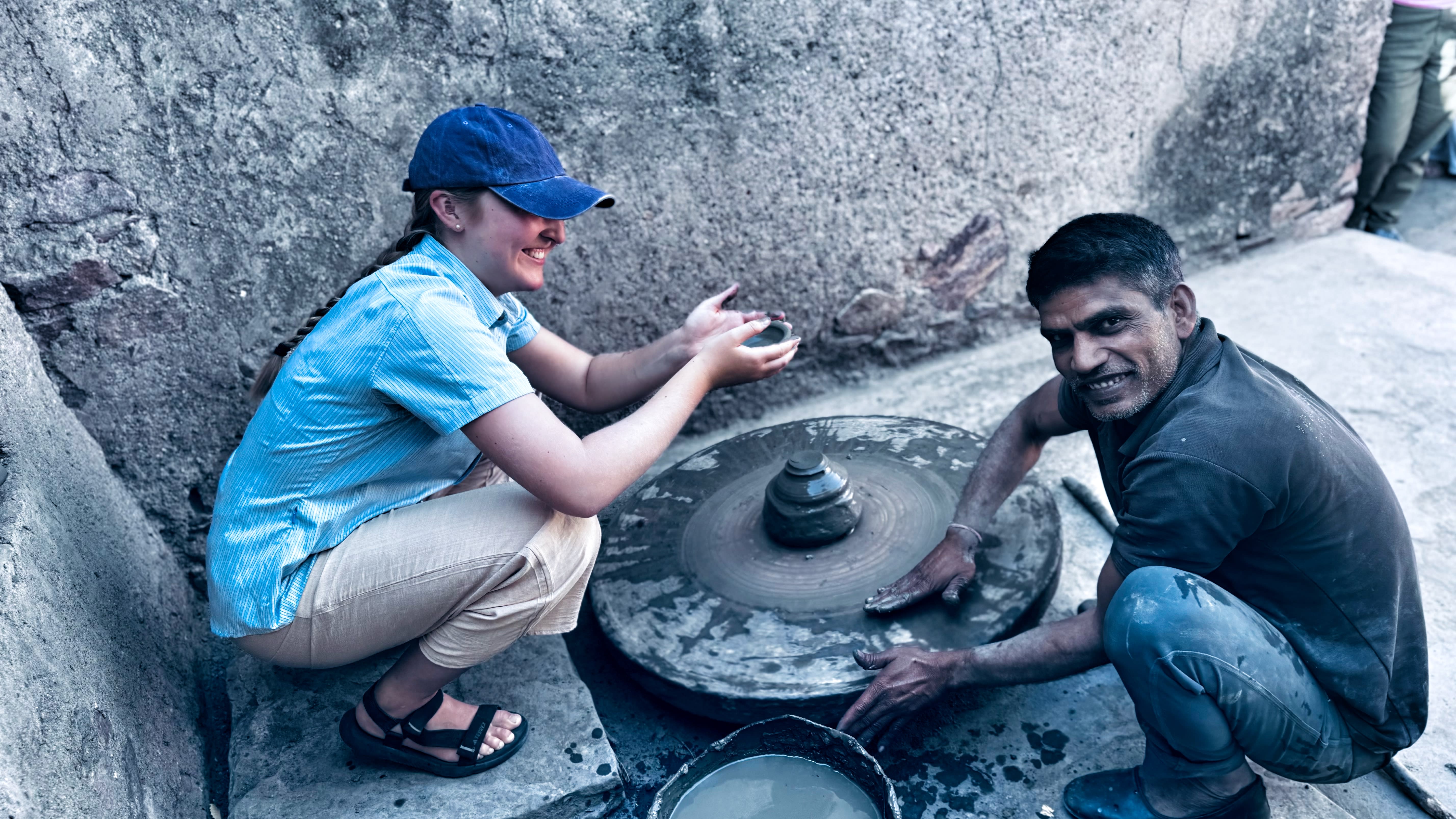
- Blue pottery — Jaipur's signature glazed ceramics, from coasters to bowls.
- Brass and bronze — lamps, bells, and small deity figures, especially from the south.
- Leather jootis — the pointed embroidered slippers of Rajasthan and Punjab.
- Tea and spices — Darjeeling and Assam leaf, plus cardamom, saffron, and masala blends.
- Jewellery — silver from Rajasthan, meenakari enamel work, and beaded pieces.
Our deeper what to buy in India shopping guide expands this into a full checklist, and the Indian tea regions guide helps you choose leaf worth carrying.
Regional Specialities at a Glance
India's crafts are intensely local — the "right" thing to buy depends on where you are:
| Region | Signature craft | Rough price guide |
|---|---|---|
| Jaipur, Rajasthan | Blue pottery, block-print textiles, jootis | $5–40 per piece |
| Kashmir | Pashmina, papier-mâché, carpets | $40–300+ |
| Varanasi, UP | Banarasi silk saris and scarves | $20–150 |
| South India | Brass, bronze, sandalwood, silk | $10–100 |
| Darjeeling / Assam | Loose-leaf tea | $5–25 per pack |
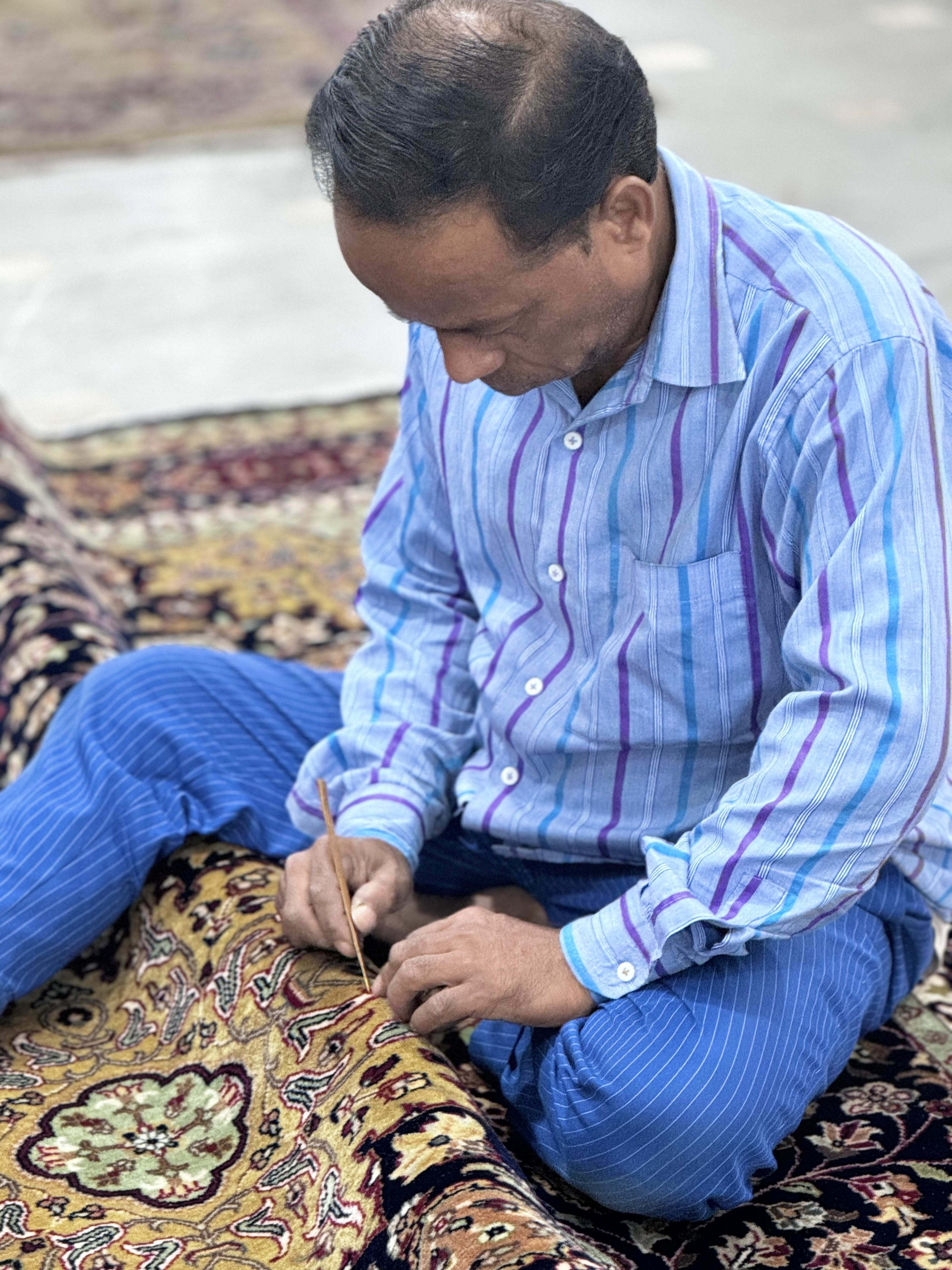
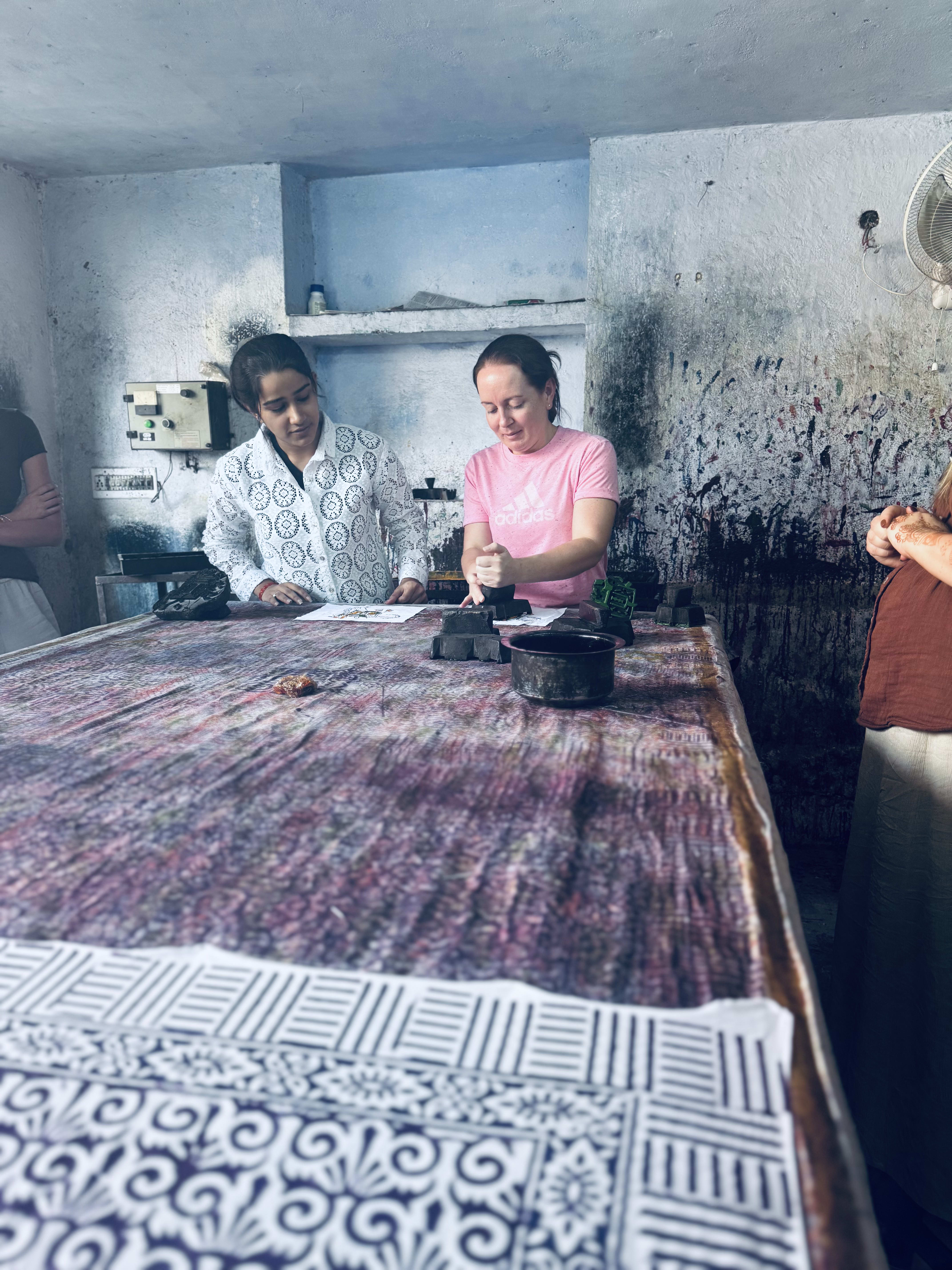
The block-printing tradition is a highlight in its own right — watching artisans stamp fabric by hand is a memory as good as the cloth. Our Rajasthan textiles and block printing guide explains what separates a real hand-print from a machine copy.
Where to Shop for the Real Thing
Authenticity comes down to where you buy:
- Artisan workshops and cooperatives — you see the work being made, and more money reaches the maker.
- Government emporiums — fixed prices, reliable quality, and a good benchmark before you haggle elsewhere.
- Markets and bazaars — the fun, chaotic option, and the best prices if you're comfortable bargaining.
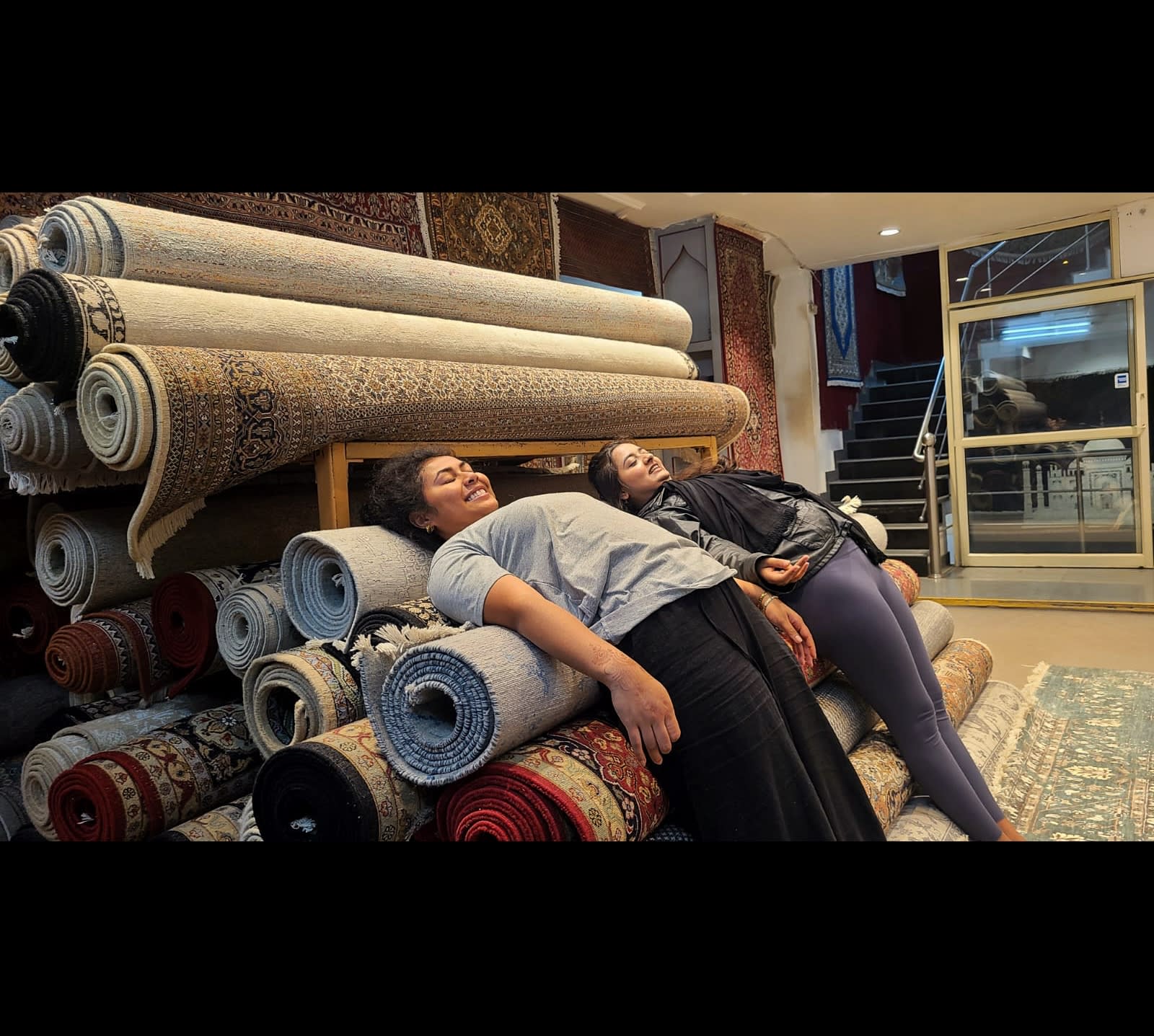
Jaipur is the single best city for craft shopping on the Golden Triangle; our shopping in Jaipur guide maps out the districts. For the crafts tied to celebration and adornment, the henna and mehndi tradition and the artistry behind Indian classical music and dance show how deep the tradition runs.
Bargaining Without the Stress
In markets, the first price is an opening bid, not the price. A relaxed approach works best:
- Decide your ceiling before you engage, and be ready to walk away.
- Start around half the asking price in tourist markets and settle somewhere in the middle.
- Buy more than one thing from the same seller for a better rate.
- Stay friendly — it's a conversation, not a fight.
Our bargaining and haggling in India guide goes deep on this, and common scams in India and how to avoid them flags the "special government sale" and gem-export tricks aimed at visitors. Keep small notes handy — see money and tipping in India.
Shopping That Does Some Good
Craft buying can directly support the artisans keeping these traditions alive. Look for cooperatives, women's collectives, and fair-trade shops; ask who made the piece; and be wary of anything claiming to be antique (exporting genuine antiques is restricted). Our responsible travel in India guide has more on shopping ethically.
Because Rajasthan is India's craft heartland, our small-group route builds in time for it properly — not a rushed stop at a commission shop, but real workshops and honest markets with guidance on fair prices. That's part of the [Soul of India: Golden Triangle Cultural Tour, 16–23 September 2026](/destinations/beyond-taj-sep-2026) — hosted personally by Anna, capped at 12 travellers, and priced at $999 in USD for international guests.
Packing It Home Safely
- Wrap ceramics and glass in clothing and carry the fragile pieces in your hand luggage.
- Roll textiles rather than folding to avoid creases and save space; check our what to pack for India list for room.
- Seal spices and tea in zip bags, and keep receipts in case customs at home asks.
- Check import rules for your country on food, leather, and wood before you buy in bulk.
Frequently Asked Questions
What is the best souvenir to buy in India?
Handmade textiles are the most popular and practical — block-printed bedspreads, embroidered cushion covers, and pashmina shawls are light, packable, and distinctly Indian. Blue pottery, brass, tea, and spices are other favourites that travel well and support local artisans.
Where is the best place to shop for handicrafts in India?
Jaipur is the standout on the Golden Triangle for textiles, blue pottery, and jewellery. Beyond it, Kashmir is known for pashmina and carpets, Varanasi for silk, and the south for brass and sandalwood. Government emporiums offer fixed prices and reliable quality everywhere.
Should I bargain when buying souvenirs in India?
In markets and bazaars, yes — the first price is usually inflated for tourists, so negotiating politely is expected. In government emporiums and fixed-price shops, prices are set. Decide your maximum in advance, start around half, and be willing to walk away.
Can I bring Indian spices and tea back home?
Usually yes, but rules vary by country. Sealed, commercially packaged tea and dried spices are generally fine; fresh produce, seeds, and some plant products may be restricted. Keep everything sealed and labelled, and check your home country's customs guidance before buying large quantities.
Ready to Shop India's Craft Heartland?
If you'd like to bring home pieces with a real story — bought from the people who made them — our [Soul of India: Golden Triangle Cultural Tour, 16–23 September 2026](/destinations/beyond-taj-sep-2026) builds craft time into the itinerary, hosted personally by Anna, capped at 12 travellers, and priced at $999 in USD for international travellers. See more departures on our destinations page.
Keep reading
More guides to help you plan the same trip.
Rajasthan's Textiles: Block Printing & What to Buy
A traveller's guide to block printing Rajasthan is famous for, where it's made, and how to shop for it without getting ripped off.
What to Buy in India: A Shopping Guide
The textiles, spices, jewellery and handicrafts worth your suitcase space, plus where to shop and how to bargain without stress.
Taking a Cooking Class in India: What to Expect
What a cooking class in India is really like — formats, costs, what you'll learn and how a home kitchen session can become the highlight of your trip.
India's Tea Regions: Darjeeling, Assam & the Nilgiris
A traveller's guide to India's tea regions — how Darjeeling, Assam, and Nilgiri teas differ, what to taste, and how to bring the best leaves home.
Shopping in Jaipur: Best Bazaars & What to Buy
A first-timer's guide to shopping in Jaipur — the bazaars to visit, what's worth buying, and how to bargain without the stress.

Best Time to Visit Rajasthan
The best time to visit Rajasthan is October to March for cool, dry days — but here's the honest month-by-month picture, including the green monsoon season.