India's Tea Regions: Darjeeling, Assam & the Nilgiris
A traveller's guide to India's tea regions — how Darjeeling, Assam, and Nilgiri teas differ, what to taste, and how to bring the best leaves home.
On this page
India is the country that turned tea into a national ritual, and the leaves behind that ritual come from a handful of remarkable places. Understanding India's tea regions — chiefly Darjeeling, Assam, and the Nilgiris — helps you taste more thoughtfully, buy better souvenirs, and appreciate the cup of chai handed to you at every turn. This guide is for US, UK, and European travellers who want to drink (and shop for) tea like they mean it.
Quick answer: India's three great tea regions are Darjeeling (delicate, floral, high-grown in the Himalayas), Assam (bold, malty, the backbone of English Breakfast blends), and the Nilgiris in the south (bright and fragrant). Assam and CTC teas make the classic strong masala chai; Darjeeling is best drunk plain. Buy loose leaf from a reputable seller to bring the best home.
Why India Is a Tea Superpower
India is one of the world's largest tea producers, and tea here is both an export industry and a daily devotion. The British established the great plantations in the 19th century, but tea has long since become wholly Indian — most famously as masala chai, black tea simmered with milk, sugar, and spices, sold on every street and railway platform. Our chai and café culture in India guide dives into that daily ritual, and you'll meet a cup of it first thing in our Indian breakfast guide.
Darjeeling: The "Champagne of Teas"
Grown high in the Himalayan foothills of West Bengal, Darjeeling is India's most prestigious tea — delicate, aromatic, and complex.
- Flavour — floral, fruity, sometimes described as having a "muscatel" note.
- Best drunk — plain, without milk, to appreciate the subtlety.
- Flushes matter — the "first flush" (spring) is prized and pricey; the "second flush" is fuller-bodied.
- Landscape — steep, misty plantations reached by the famous toy train.
If you love a nuanced, wine-like cup, this is your region. It's a very different experience from the robust teas most Westerners associate with India.
Assam: Bold, Malty, and Everywhere
Down in the humid, low-lying Brahmaputra valley of the northeast grows Assam — the strong, malty tea that forms the backbone of most English Breakfast and builder's-brew blends.
- Flavour — full-bodied, malty, brisk.
- Best drunk — with milk, and the base for a proper strong chai.
- CTC vs orthodox — most Assam is "CTC" (crush-tear-curl), ideal for milky, spiced tea.
- Scale — Assam is one of the largest tea-growing regions in the world.
This is the leaf behind the chai you'll drink dozens of times on any India trip.
Three Regions at a Glance
Here's how the big three compare:
| Region | Where | Character | Best way to drink |
|---|---|---|---|
| Darjeeling | Himalayan foothills, West Bengal | Delicate, floral, muscatel | Plain, no milk |
| Assam | Brahmaputra valley, northeast | Bold, malty, brisk | With milk, as chai |
| Nilgiris | Southern hills, Tamil Nadu | Bright, fragrant, smooth | Plain or lightly milked |
The south's Nilgiri teas — grown in the "Blue Mountains" of Tamil Nadu — are aromatic and versatile, less famous abroad but excellent value and lovely both hot and iced. They fit naturally alongside the flavours in our South Indian food guide and the wider regional cuisines of India.
Tasting Tea on Your Trip
You don't have to visit a plantation to taste well — though if your route reaches the hills, it's a treat. Even in the cities and mountain towns of the north, cafés and tea houses pour distinctive local brews, and the calm of a mountain town is the perfect place to slow down over a pot.
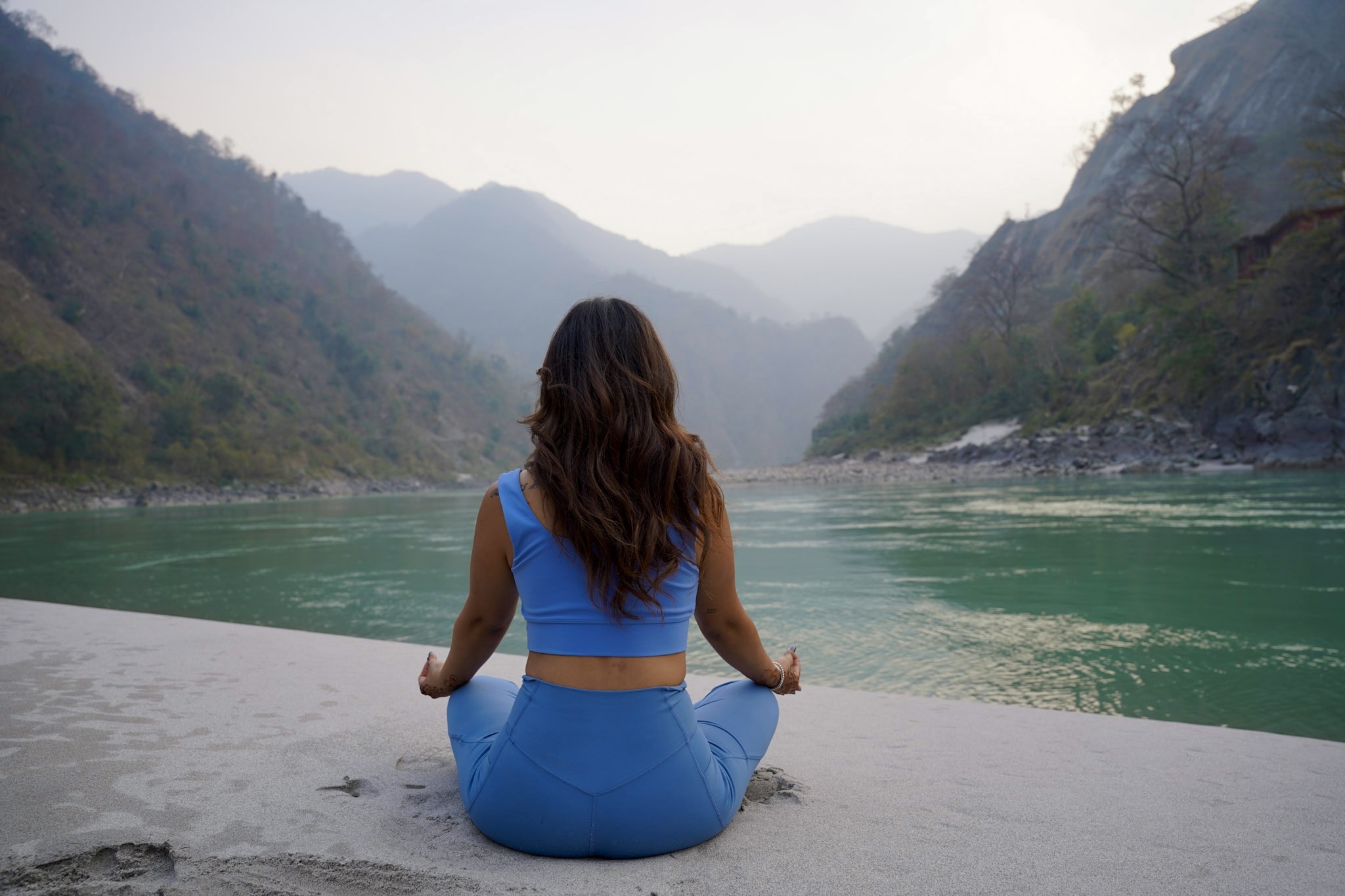
Our December departure leans right into that mountain-and-mindfulness mood. On the [Beyond Golden Triangle: Rishikesh Edition, 3–13 December 2026](/destinations/beyond-golden-triangle-rishikesh-dec-2026) — hosted personally by Anna, capped at 12 travellers, and priced at $1,329 in USD for international guests — you pair the Golden Triangle with the calm of Rishikesh in the Himalayan foothills, where a quiet pot of tea by the Ganges is exactly the kind of slow moment the trip is built around.
Buying Tea to Take Home
Tea is one of the best souvenirs from India — light, inexpensive, and genuinely useful. A few tips:
- Buy loose leaf, not just tea bags, for the best quality.
- Buy from reputable sellers or estate shops rather than roadside stalls promising "pure Darjeeling".
- Get whole spices too if you want to make masala chai at home.
- Store it sealed away from light and strong smells.
For fitting it into your haul, our what to buy in India shopping guide and handicrafts and souvenirs India guides help you prioritise, while money and tipping in India covers paying in the markets.
Frequently Asked Questions
What is the most famous tea region in India?
Darjeeling, in the Himalayan foothills of West Bengal, is the most prestigious and famous, often called the "Champagne of teas" for its delicate, floral character. Assam is the largest and most widely drunk, forming the base of most everyday and English Breakfast blends.
What is the difference between Darjeeling and Assam tea?
Darjeeling is high-grown, light, and floral, best drunk plain without milk, while Assam is low-grown, bold, and malty, best with milk and the backbone of strong masala chai. They come from opposite ends of northeastern India and taste completely different.
What tea is used in masala chai?
Masala chai is usually made with strong Assam or generic CTC (crush-tear-curl) black tea, which stands up to milk, sugar, and spices like cardamom, ginger, and cinnamon. Delicate Darjeeling is generally too subtle for spiced, milky chai and is better enjoyed on its own.
Is Indian tea a good souvenir?
Yes — it's one of the best. Tea is lightweight, inexpensive, and easy to pack, and quality loose-leaf Darjeeling, Assam, or Nilgiri makes a thoughtful gift. Buy from a reputable seller, choose loose leaf over bags, and store it sealed to keep it fresh.
Ready for Mountains, Culture, and a Quiet Cup?
If pairing India's cultural highlights with the calm of the Himalayan foothills — and a proper pot of tea by the river — sounds like your kind of trip, our [Beyond Golden Triangle: Rishikesh Edition, 3–13 December 2026](/destinations/beyond-golden-triangle-rishikesh-dec-2026) is our next departure. It's a small group, hosted by Anna, priced in USD for international travellers. Explore more dates on our destinations page.
Keep reading
More guides to help you plan the same trip.
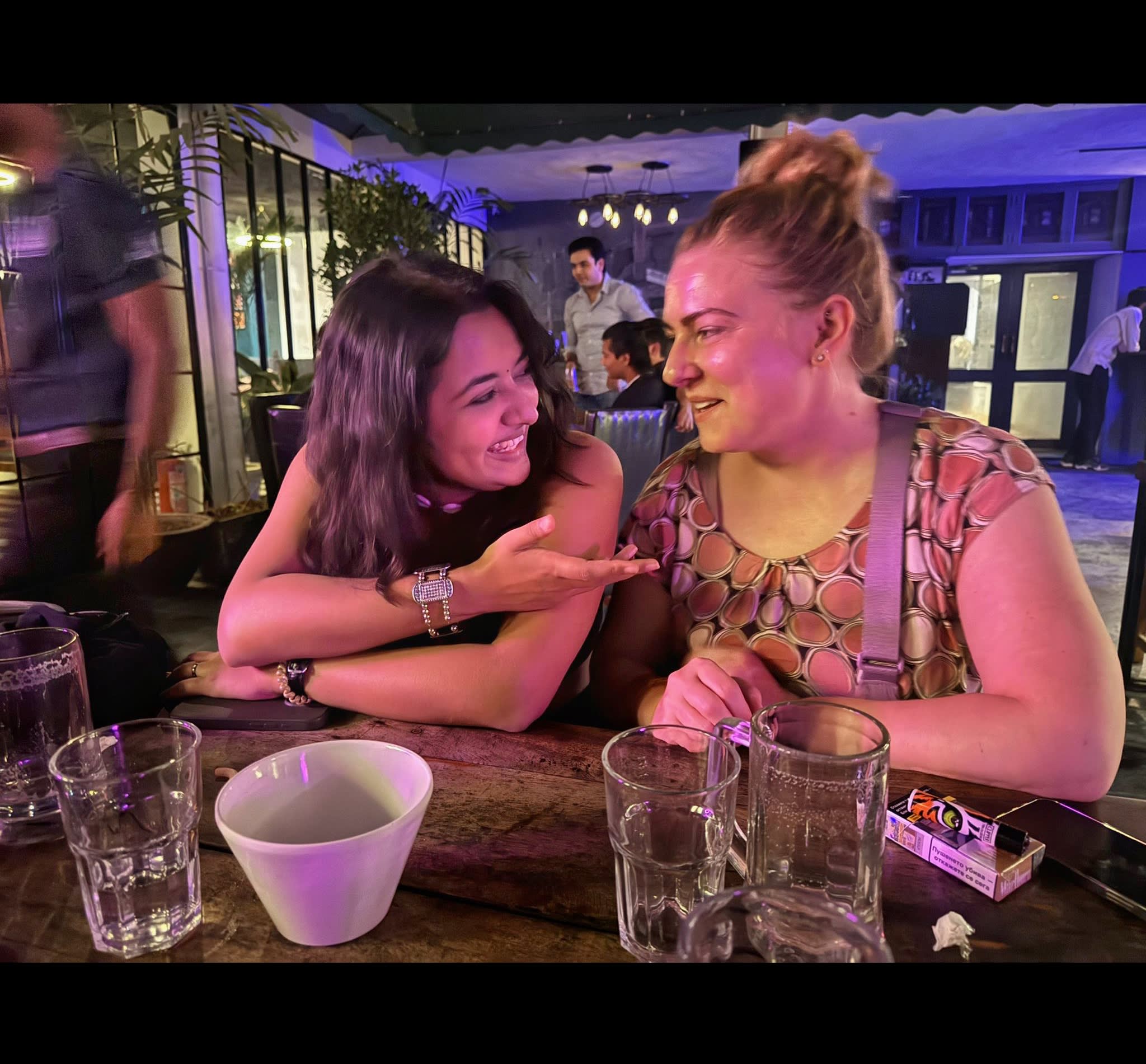
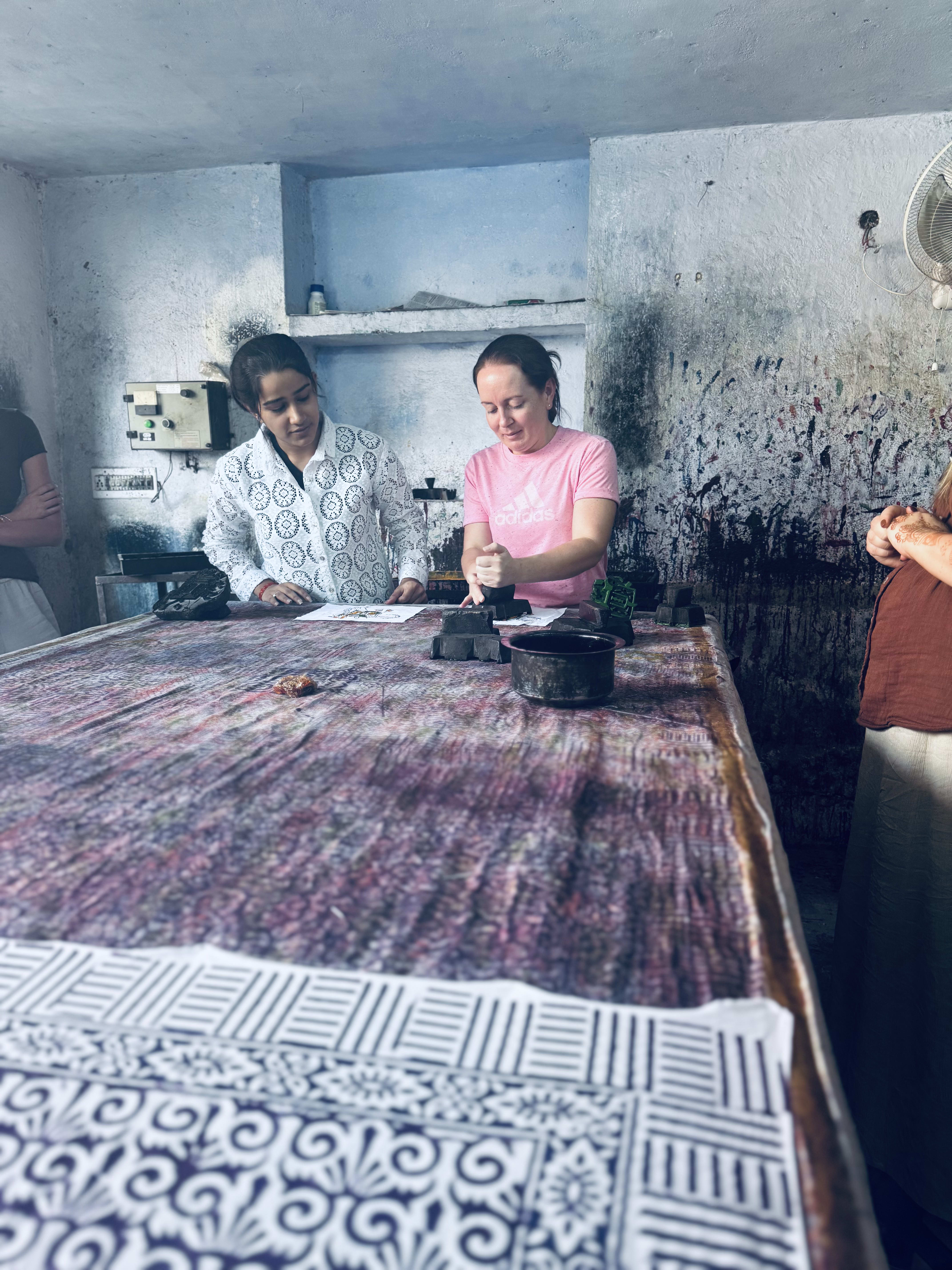
Chai, Coffee & Cafe Culture in India
A first-timer's guide to chai culture India travellers fall in love with, from roadside stalls to Rishikesh riverside cafes.
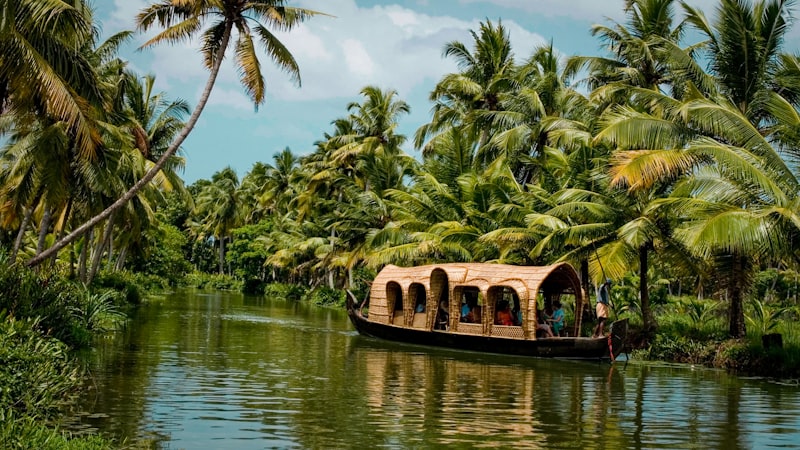
Kerala Backwaters Guide: Houseboats, Beaches & Tea Hills
A complete guide to the Kerala backwaters for US, UK and Europe travellers — houseboats, the best towns, tea hills, beaches, and the best time to cruise.
Indian Handicrafts & Souvenirs Worth Bringing Home
The best Indian souvenirs to bring home — textiles, blue pottery, brass, spices and more — plus where to buy authentic pieces and how to pack them safely.
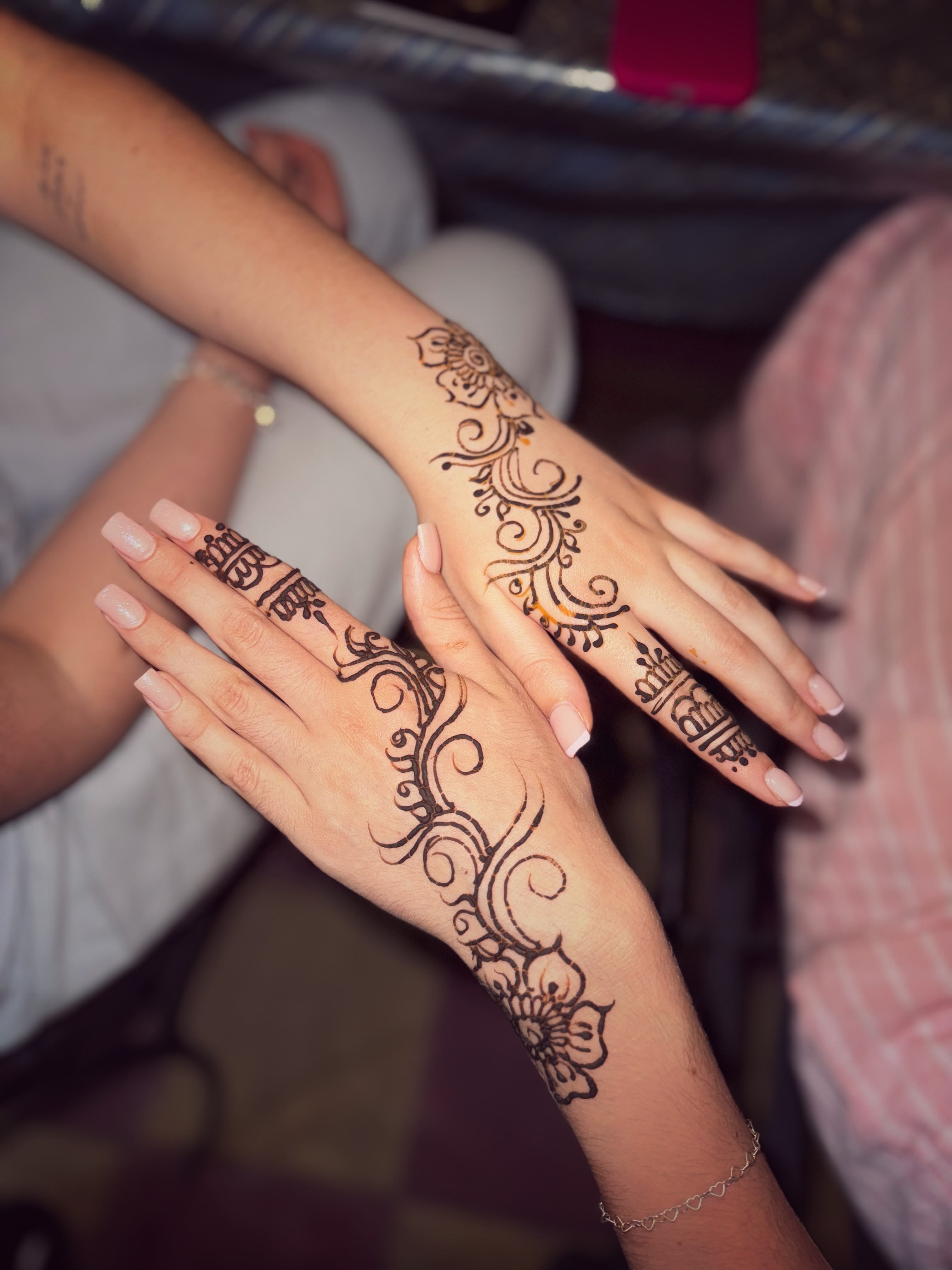
Henna & Mehndi: A Traveller's Guide
A traveller's guide to mehndi and henna in India — what it means, where to get it done safely, how long it lasts, and how much to pay.
Rajasthan's Textiles: Block Printing & What to Buy
A traveller's guide to block printing Rajasthan is famous for, where it's made, and how to shop for it without getting ripped off.

Shopping in Jaipur: Best Bazaars & What to Buy
A first-timer's guide to shopping in Jaipur — the bazaars to visit, what's worth buying, and how to bargain without the stress.