Henna & Mehndi: A Traveller's Guide
A traveller's guide to mehndi and henna in India — what it means, where to get it done safely, how long it lasts, and how much to pay.
On this page
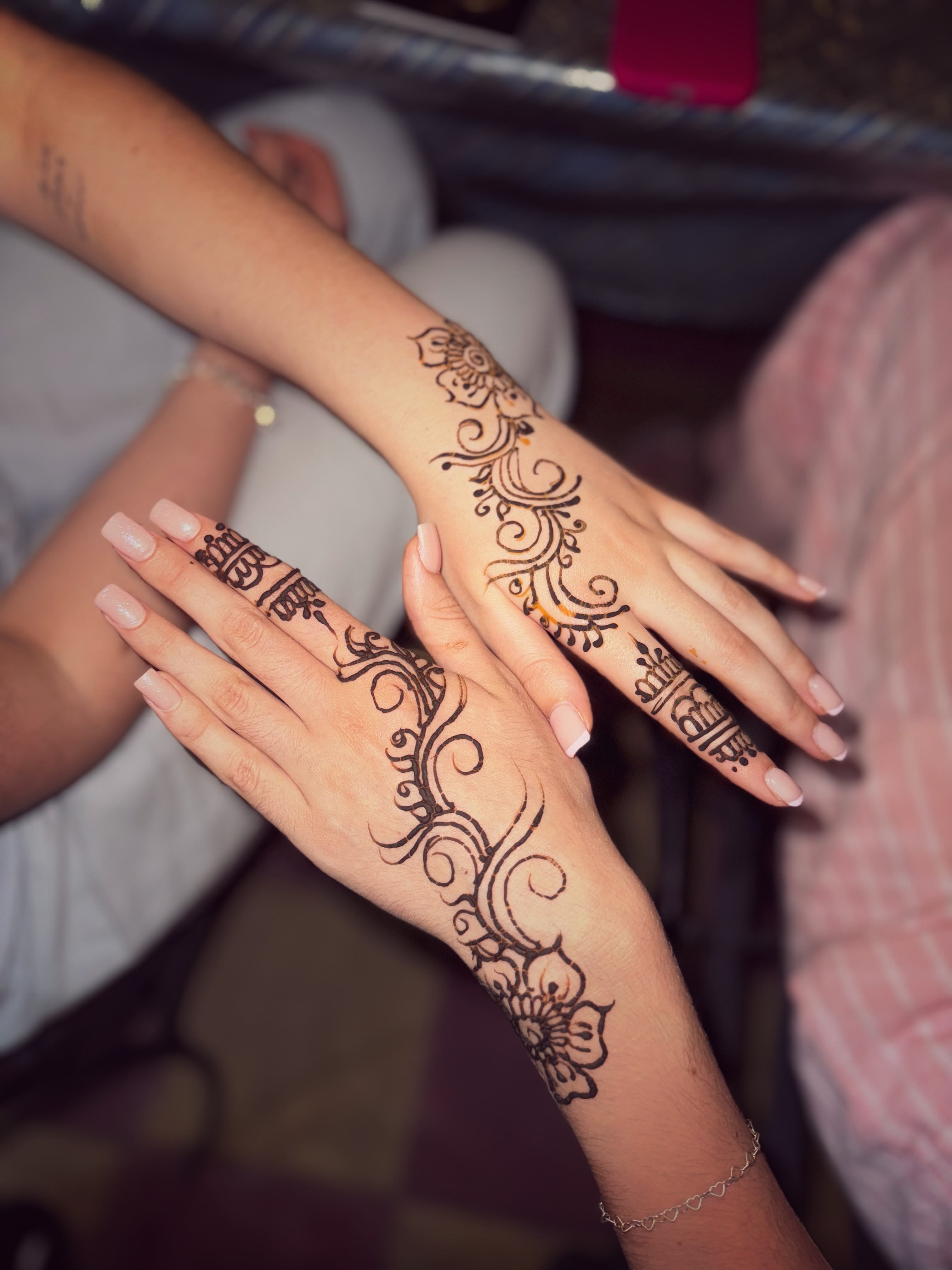
Few souvenirs are as personal — or as photogenic — as intricate reddish-brown patterns drawn across your hands. Mehndi and henna in India are woven into weddings, festivals, and everyday celebration, and getting it done is one of the loveliest, most affordable cultural experiences a US, UK, or European traveller can have. This guide explains what it means, how to get it done safely, and the one type of henna you should firmly avoid.
Quick answer: Mehndi is the Indian art of decorating skin with henna paste, most associated with weddings and festivals like Diwali and Karva Chauth. Natural henna is safe, stains a reddish-brown that lasts one to three weeks, and costs very little. Avoid "black henna", which can contain a chemical (PPD) that causes burns and allergic reactions.
What Mehndi Actually Is
"Henna" is the plant and the dye; "mehndi" is the art of applying it. The paste is made from dried, ground henna leaves and painted onto the skin in fine patterns, then left to dry and darken. It's far more than decoration:
- A wedding tradition — brides wear elaborate mehndi, often with the groom's initials hidden in the design.
- A festival ritual — it's central to Diwali, Karva Chauth, Eid, and Teej.
- An everyday joy — women get it done for birthdays, family gatherings, or simply because.
It connects to the wider tapestry of Indian celebration we cover in our Indian festivals calendar and our guide to attending an Indian wedding, where the mehndi night is an event in itself.
Where to Get Mehndi Done
You'll find mehndi artists almost everywhere tourists gather, and the quality is usually excellent.
- Markets and bazaars — artists set up stalls in places like Jaipur's old city; browse our shopping in Jaipur guide for the atmosphere.
- Festivals and fairs — the Pushkar Camel Fair and Diwali markets are full of them.
- Hotels and salons — a reliable, comfortable option if you'd rather sit down somewhere quiet.
Ask to see the artist's photos first, and check that they're using a cone of natural henna, not a pre-mixed black paste. For general market confidence, bargaining and haggling in India helps you settle on a fair price without any awkwardness.
Natural vs "Black" Henna: The One Real Warning
This is the single most important thing to know. Natural henna is safe; so-called "black henna" often is not.
| Natural henna | "Black henna" | |
|---|---|---|
| Colour | Reddish-brown, deepening over 1–2 days | Jet black, almost instantly |
| Ingredients | Henna leaf, lemon, essential oils | Often contains PPD, a hair-dye chemical |
| Safety | Safe for almost everyone | Can cause chemical burns, scarring, allergy |
| Stain time | 1–3 weeks | Varies, but not worth the risk |
If someone offers you a design that turns black in minutes, politely decline. Insist on natural henna, which starts orange and matures to a rich brown. When in doubt, our how to avoid getting sick in India instinct applies to skin too: if it looks off, skip it.
How Long It Lasts and How to Care for It
Natural henna develops over a day or two and then gradually fades:
- Leave the paste on as long as you can — a few hours, or overnight for a deep stain.
- Don't wash it off with water at first; scrape the dried paste off gently.
- Avoid water and soap on the area for a few hours after.
- Expect it to last one to three weeks, fading fastest on hands you wash often.
A little coconut oil helps preserve the colour. The design will be at its darkest on day two or three — perfect timing for photographs.
Making Mehndi Part of Your Trip
Because it's so tied to celebration, mehndi is best experienced when the culture is in full swing — around festivals, in the bazaars, and alongside other hands-on traditions like a cooking class in India. It's a favourite group activity precisely because it's relaxed, social, and leaves you with something beautiful to take home.
On our [Soul of India: Golden Triangle Cultural Tour, 16–23 September 2026](/destinations/beyond-taj-sep-2026) — hosted personally by Anna, capped at 12 travellers, and priced at $999 in USD for international guests — Anna can arrange a trusted mehndi artist so you get intricate, natural henna done safely, without the guesswork of finding someone reliable in a busy market on your own.
A Few Practical Tips
- Wear short sleeves and sit somewhere you can keep still while it dries.
- Plan around it — don't get elaborate hand designs right before you need to handle luggage or eat messy food.
- Carry small cash for the artist; see money and tipping in India.
- Embrace the fade — it's meant to be temporary, a memory that lingers a couple of weeks.
For newcomers weighing up which cultural experiences to prioritise, our first time India travel guide helps you plan a balanced trip.
Frequently Asked Questions
Is henna safe for tourists to get in India?
Natural henna is safe for almost everyone and is a wonderful experience. The only real risk is "black henna", which can contain the chemical PPD and cause burns or allergic reactions. Always insist on natural henna, which stains reddish-brown rather than instant black.
How long does henna last?
Natural henna typically lasts one to three weeks. The stain starts orange, deepens to a rich reddish-brown over a day or two, then fades gradually — fastest on hands you wash frequently. Keeping the paste on longer and avoiding water early on gives a darker, longer-lasting result.
How much does mehndi cost in India?
It's very affordable. Simple designs can cost just a few dollars, while elaborate bridal-style patterns covering hands and forearms cost more but are still inexpensive by Western standards. Agree on the price and design before the artist begins.
What is the difference between henna and mehndi?
Henna refers to the plant and the natural dye made from its leaves, while mehndi is the art of applying that dye to the skin in decorative patterns. In everyday use the words are often used interchangeably, but strictly speaking mehndi is the practice and henna is the material.
Ready to Experience India's Living Traditions?
If hands-on culture — mehndi in the bazaar, a cooking class, the colour of the festival season — is what draws you to India, our [Soul of India: Golden Triangle Cultural Tour, 16–23 September 2026](/destinations/beyond-taj-sep-2026) is designed around exactly those moments. It's a small group, hosted by Anna, priced in USD for international travellers. See more dates on our destinations page.
Keep reading
More guides to help you plan the same trip.
India's Tea Regions: Darjeeling, Assam & the Nilgiris
A traveller's guide to India's tea regions — how Darjeeling, Assam, and Nilgiri teas differ, what to taste, and how to bring the best leaves home.
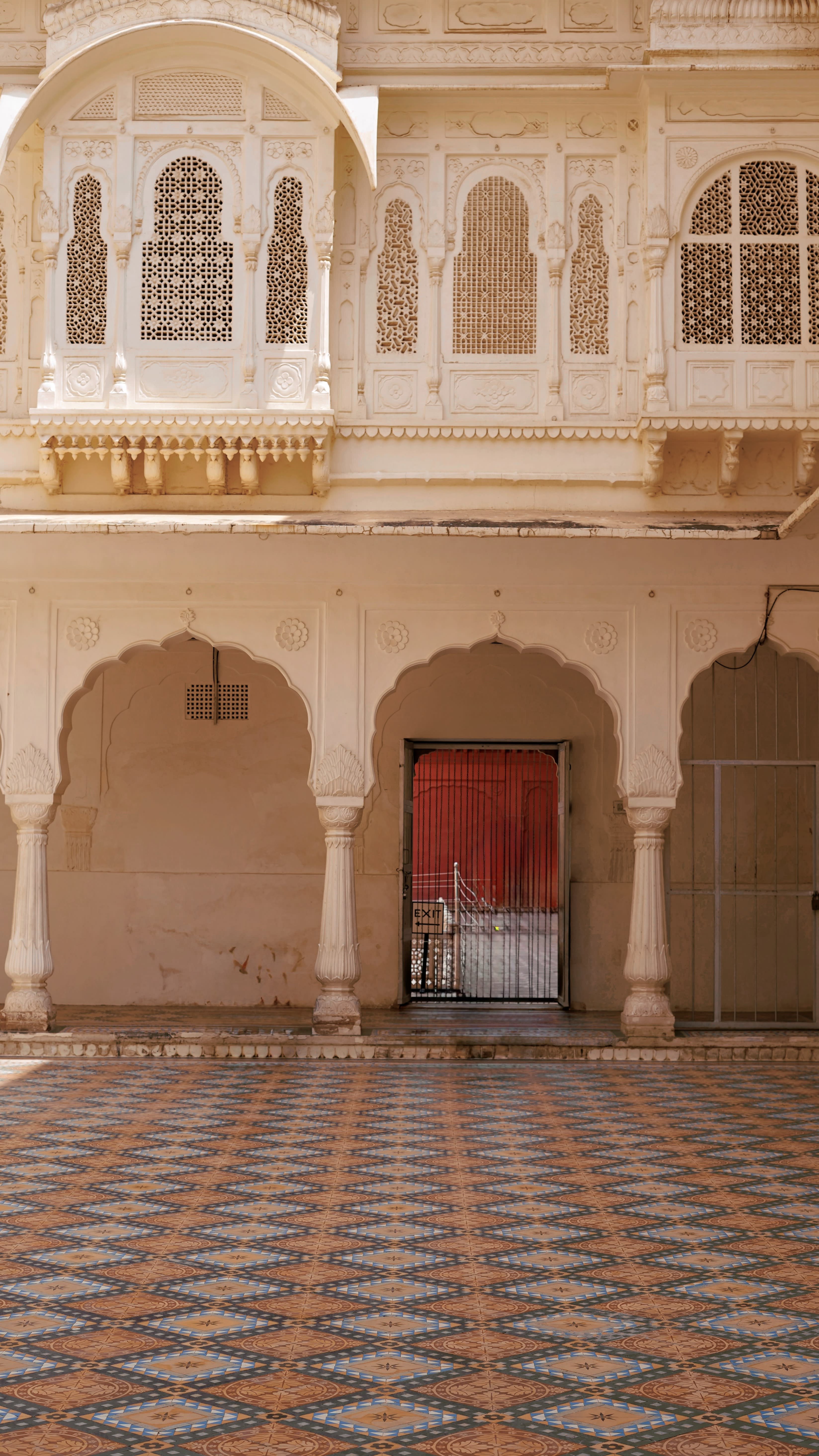
Common Tourist Scams in India (and How to Avoid Them)
The common tourist scams in India worth knowing — from the closed-hotel trick to gem cons and taxi overcharging — and the simple habits that defuse them.
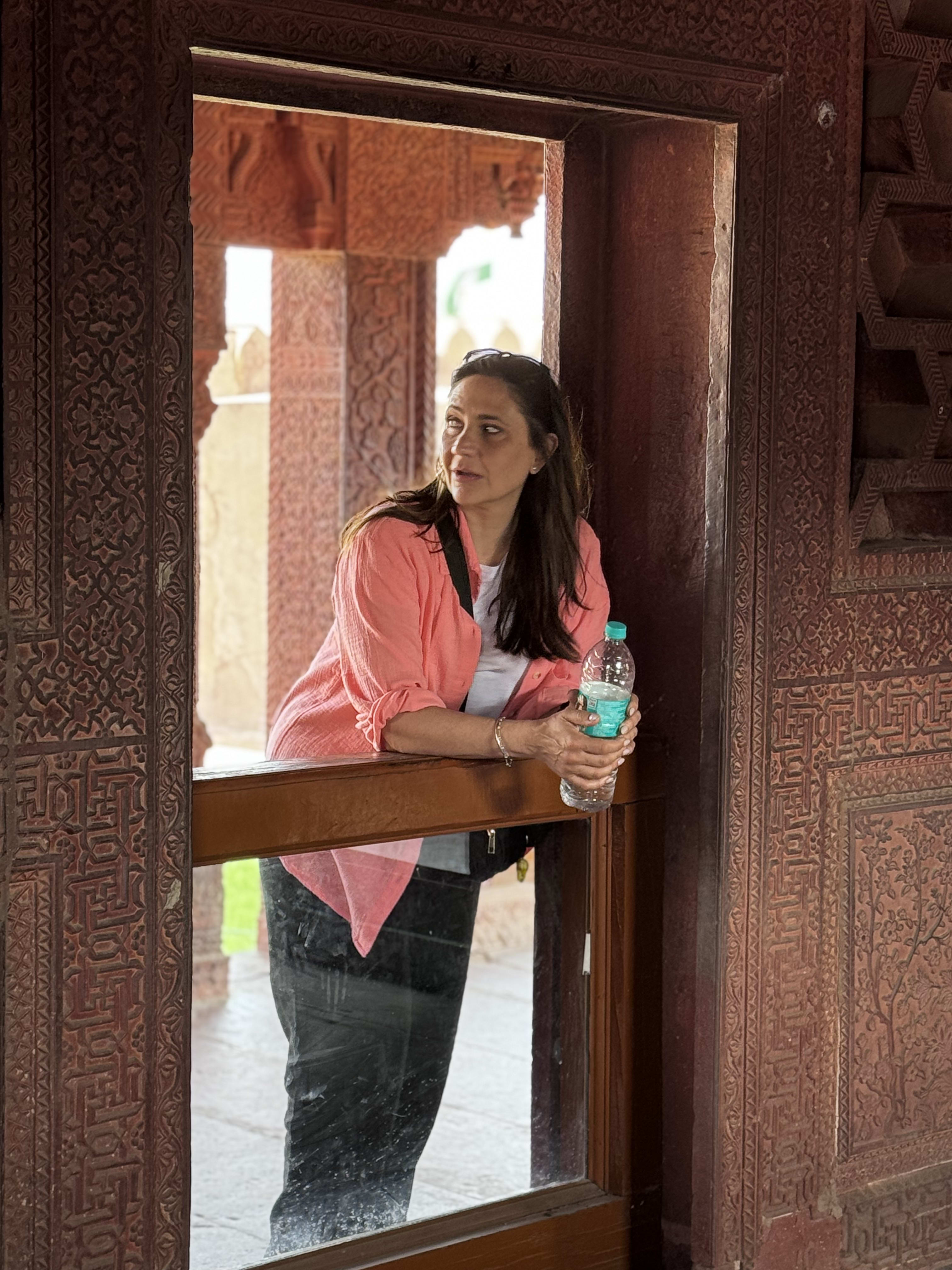
Getting Around India: Trains, Flights, Cars & More
Trains, domestic flights, hired cars, rickshaws and ride apps — honest trade-offs on cost, speed and comfort for getting around India.
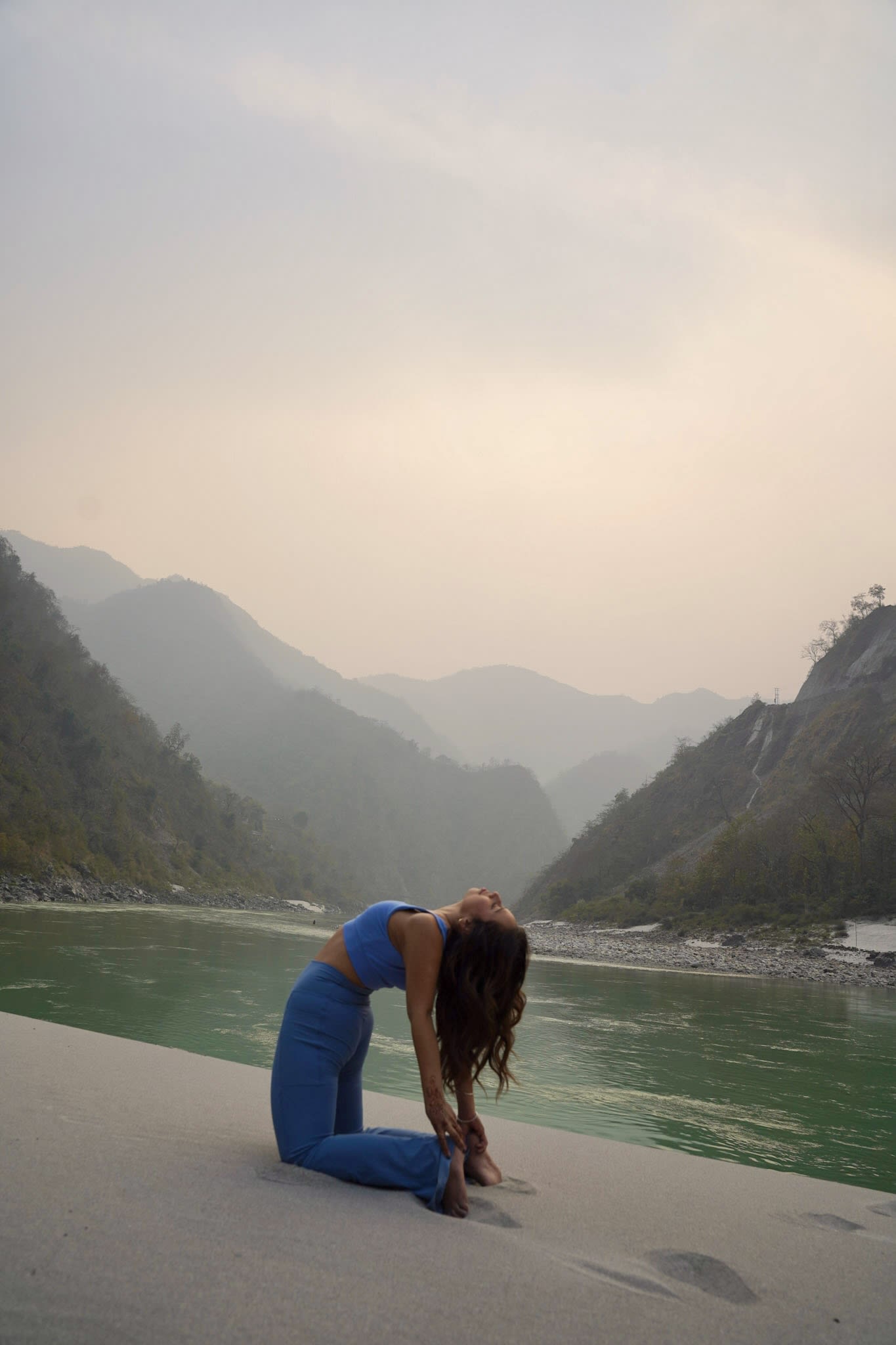
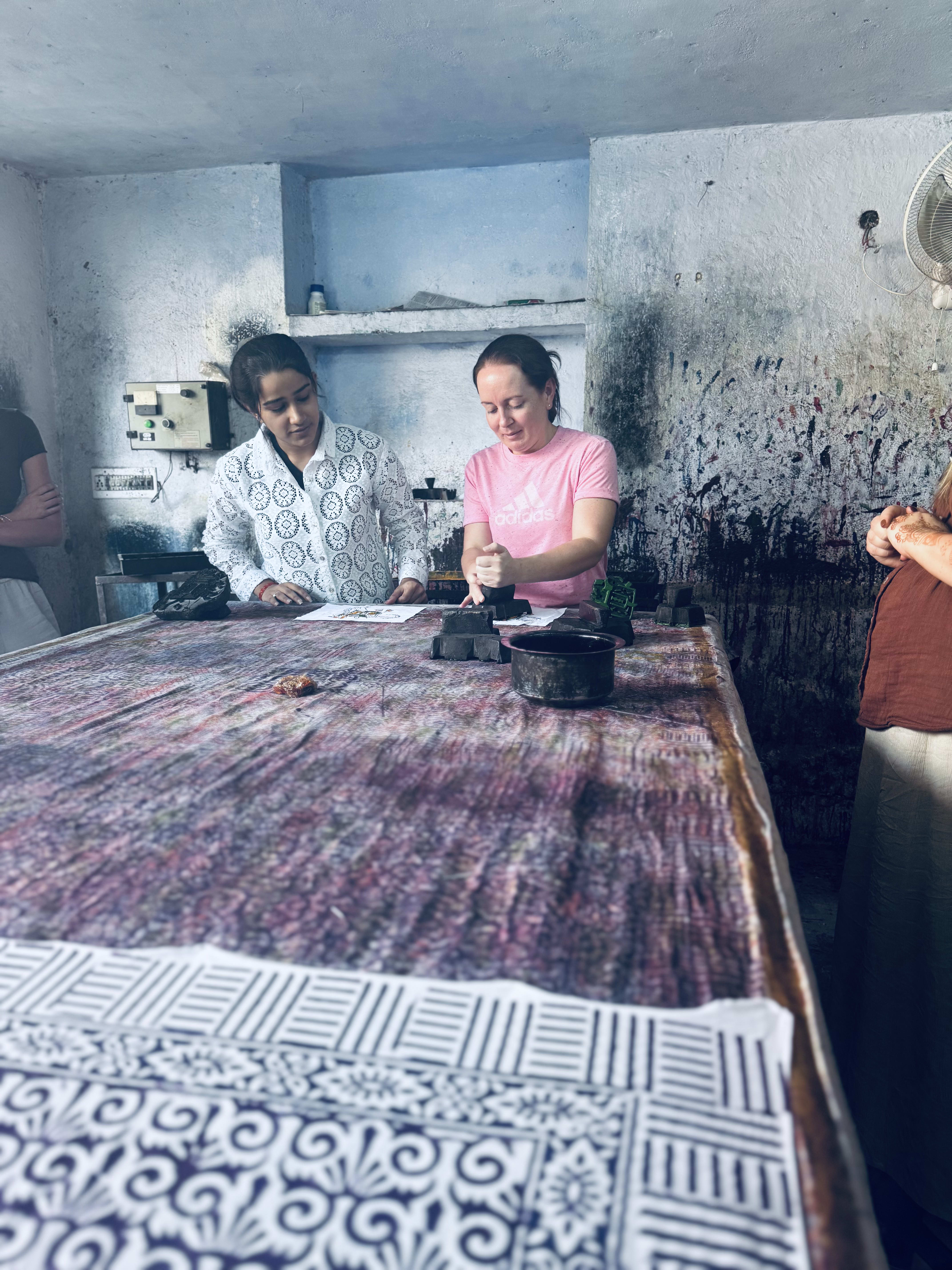
How Many Days Do You Need in Rishikesh?
How many days in Rishikesh is enough? Here's an honest breakdown for 2, 3, 4+ day stays so you can plan without wasting a single morning.
How to Avoid Getting Sick in India (Delhi Belly)
Practical, honest advice to avoid getting sick in India, from water and street food rules to what to pack for Delhi belly.
Is Tap Water Safe in India? What Travellers Need to Know
The honest answer on tap water in India: why to avoid it, the safe alternatives, the ice and fresh-juice question, and how to stay well.