Taking a Cooking Class in India: What to Expect
What a cooking class in India is really like — formats, costs, what you'll learn and how a home kitchen session can become the highlight of your trip.
On this page
Of all the things travellers bring home from India, the one they use most is a handful of recipes. A cooking class in India is where a trip stops being something you watched and becomes something you can recreate — the smell of cumin hitting hot ghee, the rhythm of rolling chapati, the exact moment a spice blend comes together. For visitors from the US, UK and Europe, a couple of hours in a real kitchen is often the warmest, most human afternoon of the whole trip.
Quick answer: A cooking class in India typically runs 2–4 hours, costs roughly $15–40 per person, and takes place in a home kitchen, a hotel, or a dedicated school. You'll usually shop for or prep ingredients, cook 3–5 dishes hands-on, learn the spice basics, and then eat what you've made. Home-hosted classes are the most rewarding.
Why a Cooking Class Is Worth Your Time
Beyond the recipes, a class teaches you to read Indian food — why dishes are built the way they are, how spices layer, and what makes a curry from one region taste nothing like another. It turns the menus you've been guessing at into something you understand. If you've been enjoying the eating but not the naming, our guides to regional cuisines of India and the Indian thali explained pair perfectly with a hands-on session.
It's also genuinely social. Home-hosted classes in particular fold you into a family's kitchen for an afternoon — a rare, unhurried window into everyday Indian life that no monument can offer.
What a Typical Class Looks Like
| Format | Setting | Roughly |
|---|---|---|
| Home-hosted | A local family's kitchen | $15–30, 2–3 hours |
| Cooking school | Dedicated teaching kitchen | $25–40, 3–4 hours |
| Hotel or resort | On-site chef-led session | $30–50+, 2–3 hours |
| Market-to-table | Spice market visit, then cook | $30–45, half day |
Most classes follow the same happy arc: a spice orientation, hands-on cooking of several dishes, and then the best part — sitting down to eat everything you've made, usually as a full spread.
What You'll Actually Learn
A good class demystifies the building blocks rather than just handing you recipes:
- *The spice box (masala dabba)* — the seven or so spices that anchor most Indian cooking.
- *Tempering (tadka)* — blooming whole spices in hot oil or ghee, the technique behind so much flavour.
- Bread from scratch — rolling and cooking chapati or paratha, more forgiving than it looks.
- One or two curries — often a mild classic and something regional.
- Balancing flavour — how sour, sweet and heat play off each other.
You'll cook dishes you already recognise from menus — think the creamy northern favourites in our North Indian dishes to try guide, or, further south, the dosa-and-coconut world of our South Indian food guide. Vegetarians are especially well served, as vegetarian food in India explains, since so much home cooking is meat-free.
Where to Take a Class
Cooking classes are everywhere, but a few cities stand out. Jaipur and Udaipur both have excellent home-hosted options, easily slotted into a Rajasthan itinerary — see things to do in Jaipur for how a class fits into a city day. Coastal Goa and Kerala offer seafood- and coconut-focused classes that feel worlds apart from the north.
Choosing a class is also a chance to travel responsibly: booking directly with a local host keeps your money in the community, a principle we dig into in responsible travel in India.
On our [Beyond Golden Triangle: Goa Edition, 16–26 October 2026](/destinations/beyond-golden-triangle-oct-2026), a hands-on cooking session is one of the experiences we build in — with the right host, the right dishes, and no logistics for you to sort — hosted personally by Anna, capped at 12 travellers, and priced at $1,349 in USD for international guests. It's the kind of afternoon travellers still talk about months later.
How to Get the Most From It
- Take notes or photos of quantities — spice ratios are the thing you'll forget.
- Ask for milder or spicier as you go; a good host adjusts happily. Our is Indian food too spicy guide has more on managing heat.
- Buy a spice kit to take home — many hosts sell or recommend one, and our what to buy in India shopping guide covers the best edible souvenirs.
- Come hungry — you'll be eating a full meal at the end.
If you're still finding your feet with the food itself, best Indian dishes for beginners is a good primer before you cook.
Frequently Asked Questions
How much does a cooking class in India cost?
Most classes run roughly $15–40 per person, depending on the format. Home-hosted sessions are the most affordable and often the most rewarding, while hotel and market-to-table classes sit at the higher end.
How long does a cooking class take?
Typically 2–4 hours. That usually includes a spice introduction, hands-on cooking of three to five dishes, and sitting down to eat the meal you've prepared at the end.
Do I need any cooking experience?
None at all. Classes are designed for complete beginners, and hosts walk you through every step — from rolling bread to tempering spices. It's as much about understanding the flavours as perfecting technique.
Are cooking classes good for vegetarians?
Excellent. So much Indian home cooking is naturally vegetarian that meat-free classes are the norm rather than the exception, covering dals, paneer dishes, vegetable curries and breads.
Ready to Cook as Well as Eat?
If bringing India home in the form of recipes appeals, our [Beyond Golden Triangle: Goa Edition, 16–26 October 2026](/destinations/beyond-golden-triangle-oct-2026) builds real, hands-on food experiences into the journey — small group, hosted by Anna, priced in USD for international travellers. Round off the day the local way — with a proper cup of chai — and browse every departure on our destinations page.
Keep reading
More guides to help you plan the same trip.
15 North Indian Dishes to Try (and How to Order Them)
The North Indian dishes worth seeking out, from butter chicken to street-side chaat — what each one tastes like and where to eat it.
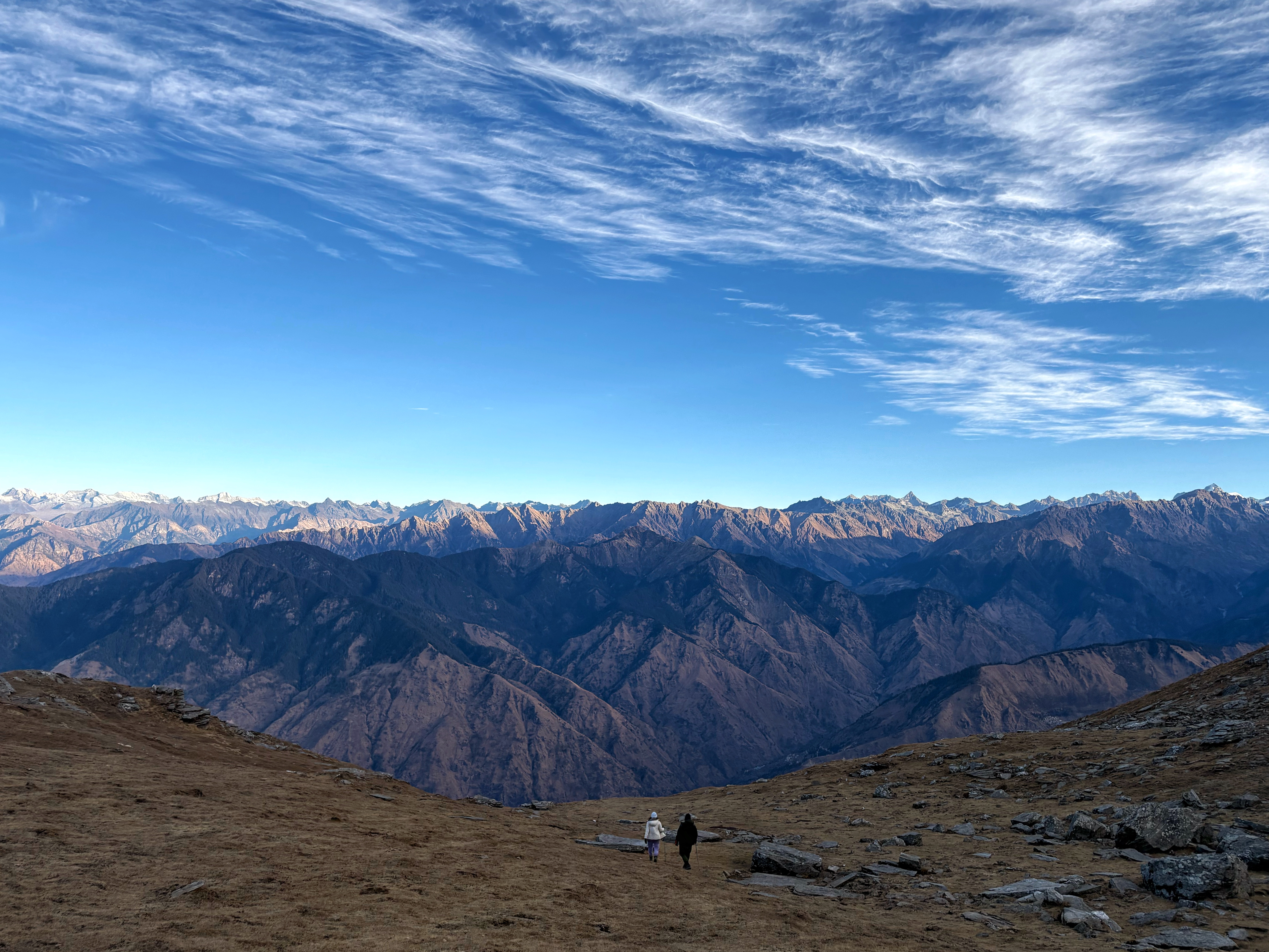
The Golden Triangle in Winter: What to Expect
Cool mornings, clear skies, and thick fog — here's what the golden triangle in winter actually feels like on the ground.
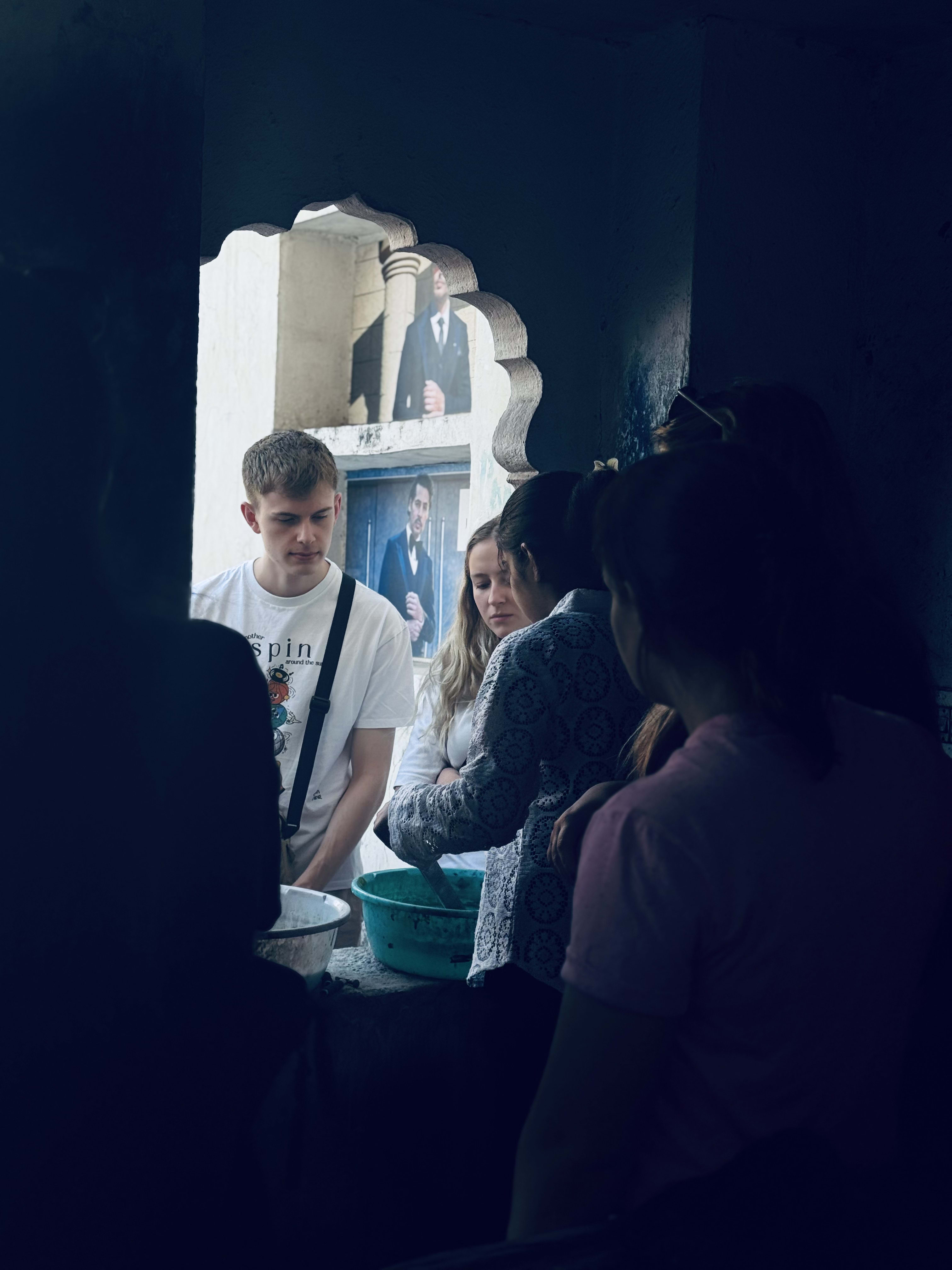
Best Indian Dishes for Beginners: Where to Start
Mild, crowd-pleasing curries, breads and snacks to order on your first trip to India, with honest notes on heat and how to ease into it.
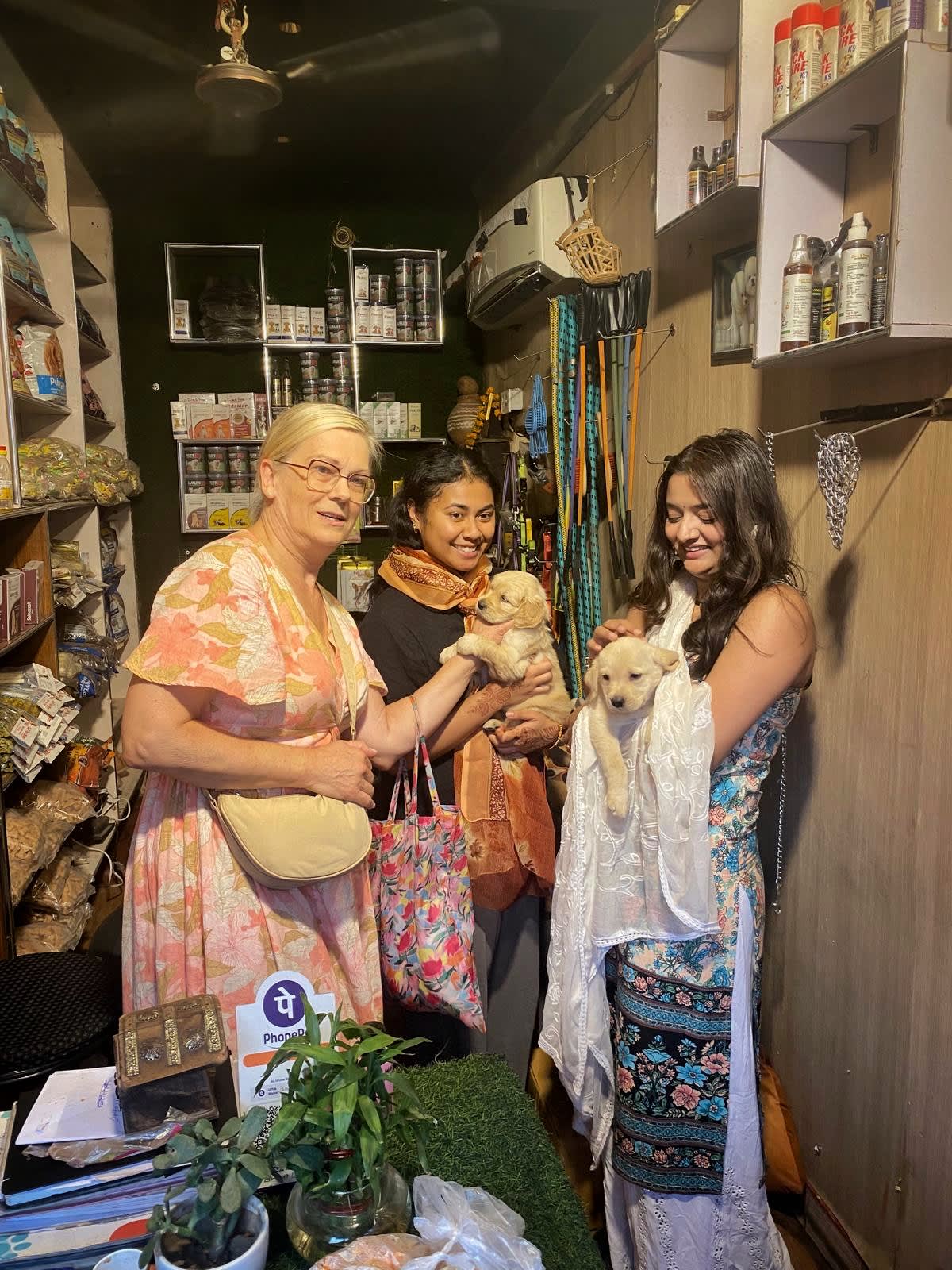
Indian Handicrafts & Souvenirs Worth Bringing Home
The best Indian souvenirs to bring home — textiles, blue pottery, brass, spices and more — plus where to buy authentic pieces and how to pack them safely.
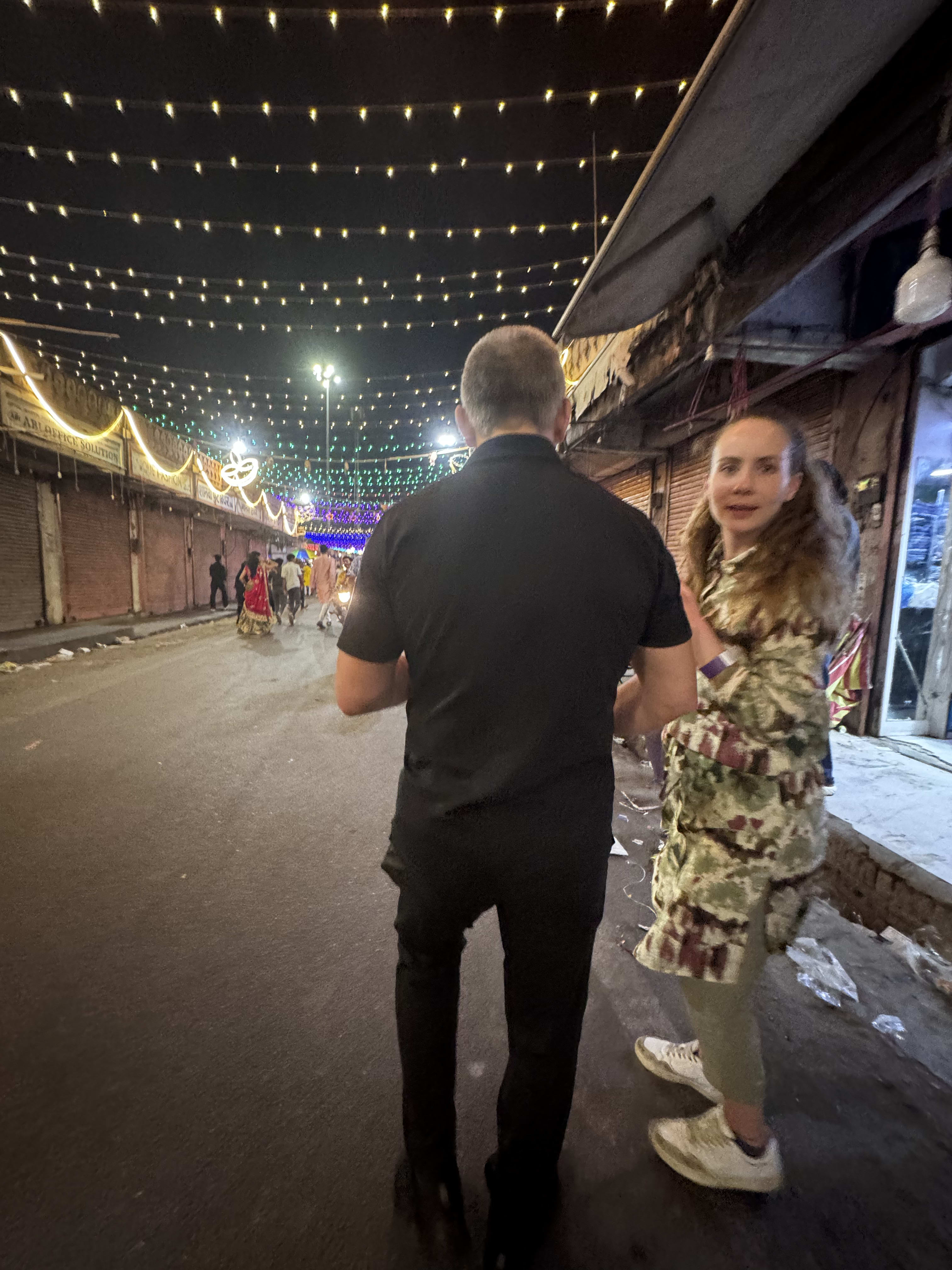
Is Indian Street Food Safe? An Honest Answer
Yes, with rules. How to spot a safe street food stall in India, what to order, what to skip, and how to eat well without getting ill.
Is Indian Food Too Spicy? A Guide for Foreign Palates
Is Indian food too spicy for foreign palates? An honest look at heat levels, mild dishes to order, how to cool a dish down and how to ask for less chilli.