Responsible Travel in India: How to Travel Better
Practical tips for responsible travel in India, from supporting local guides to respecting sacred spaces and packing out plastic waste.
On this page
Responsible travel in India isn't about following a checklist — it's about paying attention. It means choosing where your money goes, how you move through sacred and crowded spaces, and how much waste you leave behind. None of it requires sacrificing a good trip; if anything, travelling this way tends to make the trip better, because you end up meeting people instead of just photographing them.
Quick answer: Responsible travel in India means booking with operators who hire local guides and drivers, dressing and behaving respectfully at religious sites, buying from artisans directly where possible, minimising single-use plastic, and staying curious rather than transactional with the people you meet.
Why Responsible Travel Matters More in India
India's tourism economy touches an enormous range of livelihoods — from the rickshaw driver waiting outside your hotel to the family running a home-cooked-thali stall in Old Delhi. Tourism dollars can genuinely lift a household here, but only if they land with the right people instead of leaking out to large, disconnected chains. At the same time, India's monuments, rivers, and old-city neighbourhoods are under real pressure from footfall, litter, and unregulated development. Travelling responsibly is less about guilt and more about being deliberate: who benefits from your visit, and what do you leave behind.
If this is your first trip, our first-time India travel guide and India etiquette dos and don'ts are worth reading alongside this one — they cover the practical groundwork this post builds on.
Choose Operators and Guides Who Hire Locally
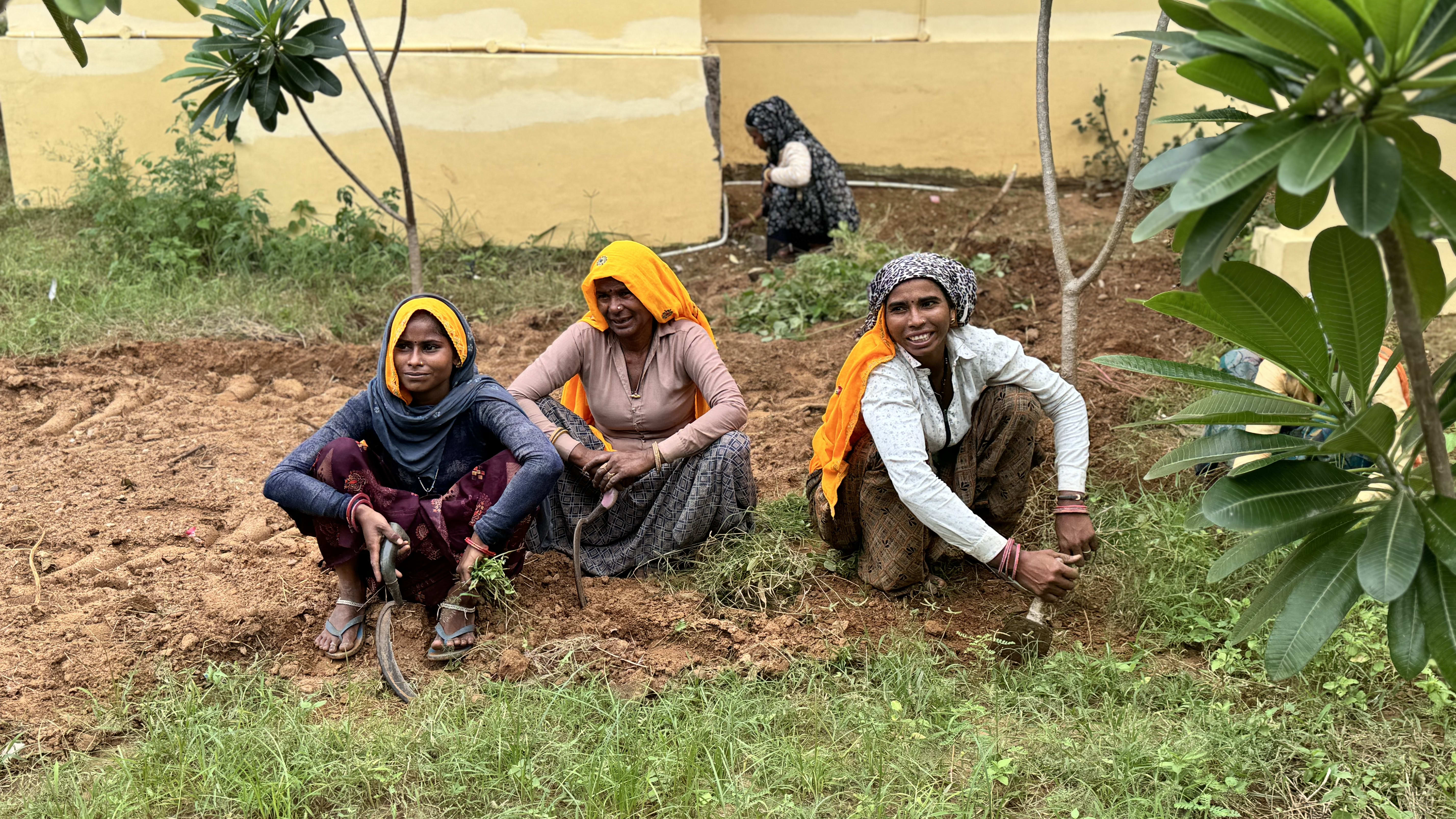
The single biggest lever you have as a visitor is who you pay. A trip built around local guides, family-run guesthouses, and regional drivers keeps far more money in the communities you're visiting than one routed entirely through a foreign booking platform with a generic local subcontractor.
- Ask directly: "Are your guides and drivers local to this region?" A good operator will answer specifically, not vaguely.
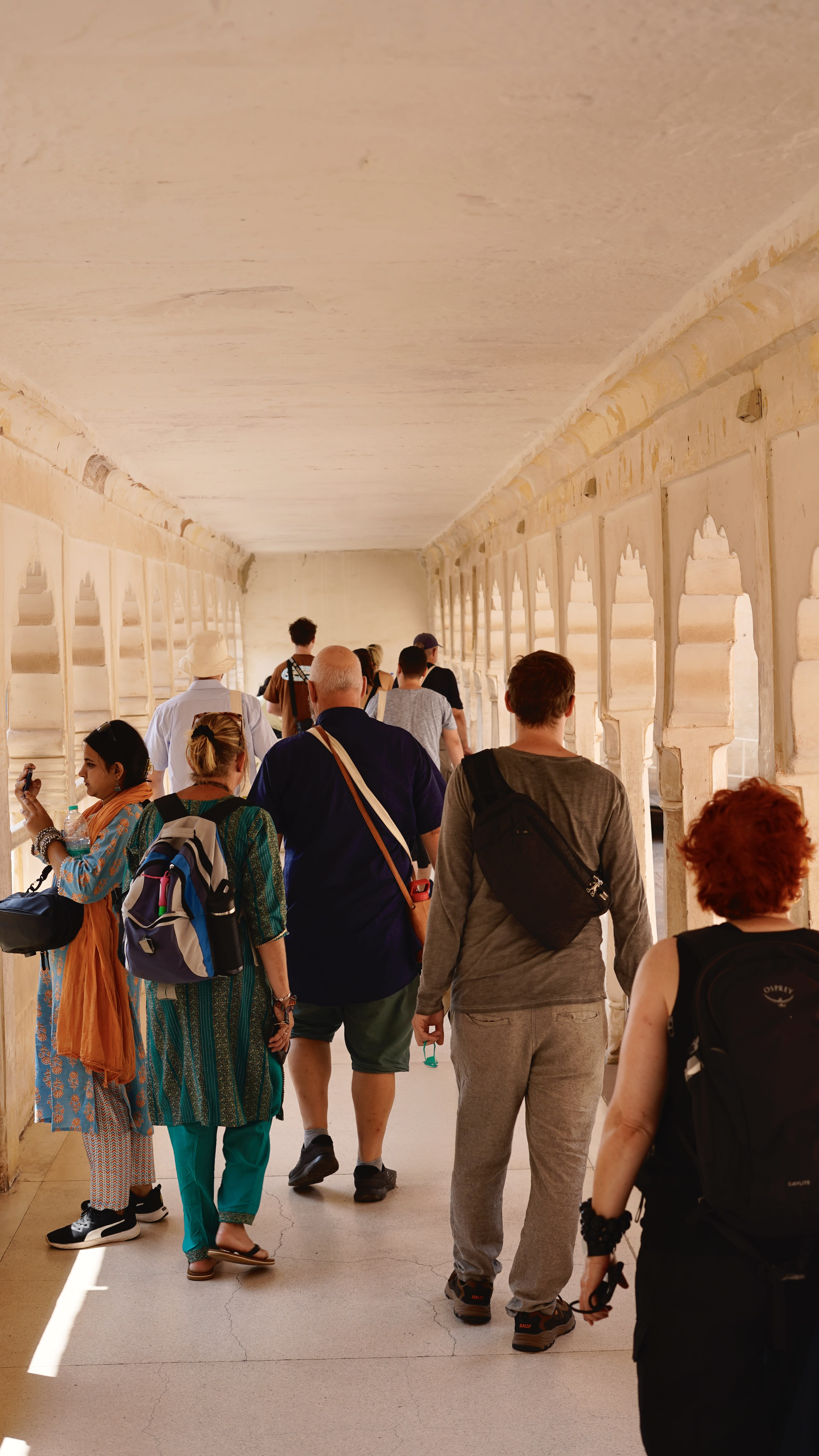
- Favour small-group trips over large coach tours — smaller groups put less strain on narrow old-city lanes, small temples, and family-run restaurants, and they let guides actually engage with you rather than herd you.
- Look at how a company talks about the destinations, not just the destinations themselves. If you're comparing options, our post on how to choose an India tour operator and are small-group tours worth it go into this in more depth.
At Chalo Folks, groups are capped at 12 and every trip is personally hosted by Anna, with local guides brought in city by city — partly because it makes for a better trip, and partly because it's the only way tourism money actually reaches the people showing you around.
Respect Religious and Sacred Spaces
India is full of active places of worship — this isn't a museum culture, it's a living one, and that changes how you should behave.
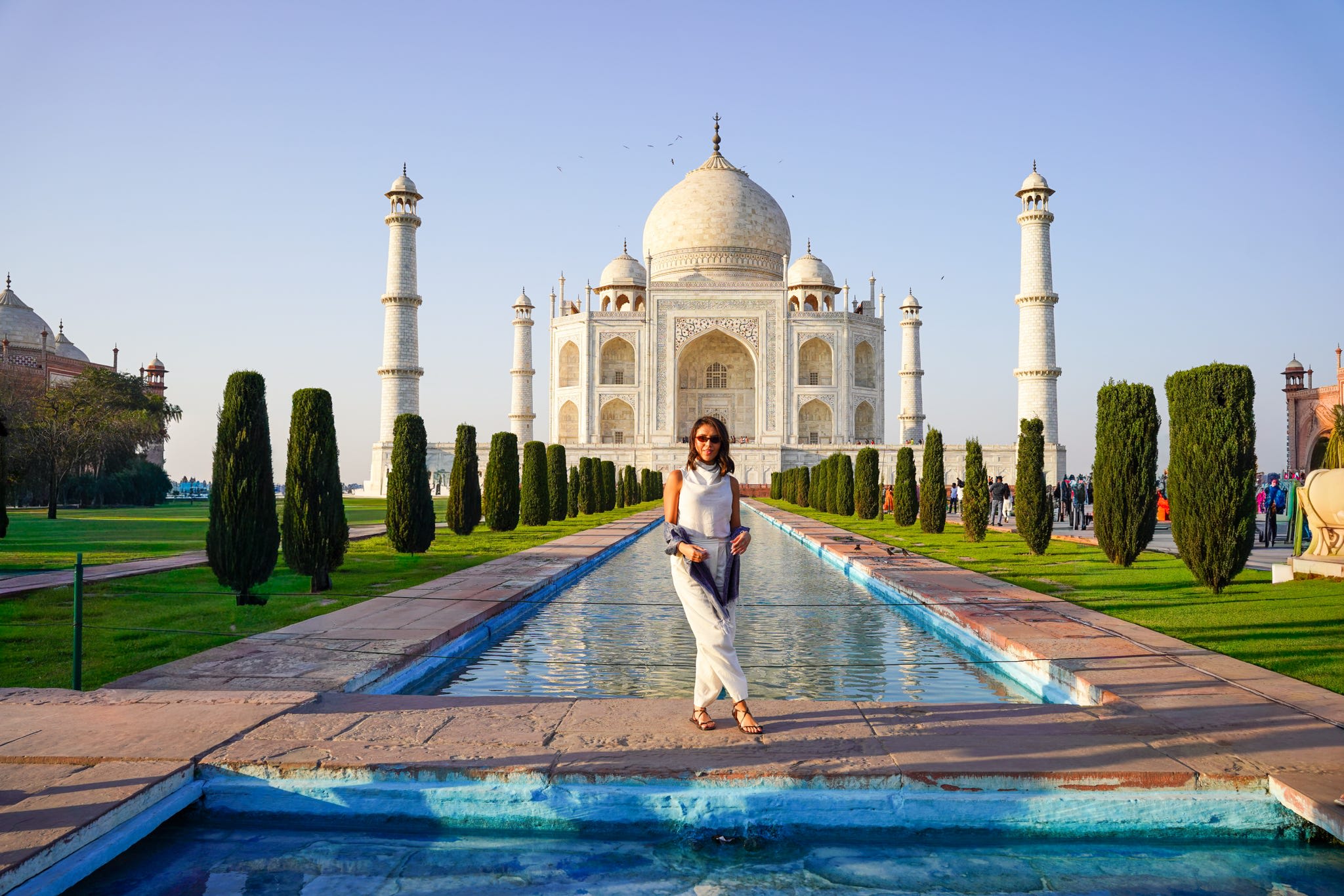
- Cover shoulders and knees at temples, mosques, gurdwaras, and ghats. Carry a light scarf even in heat — you'll need it more often than you expect.
- Remove shoes where indicated, and follow the queue and photography rules at each site rather than assuming they're the same everywhere.
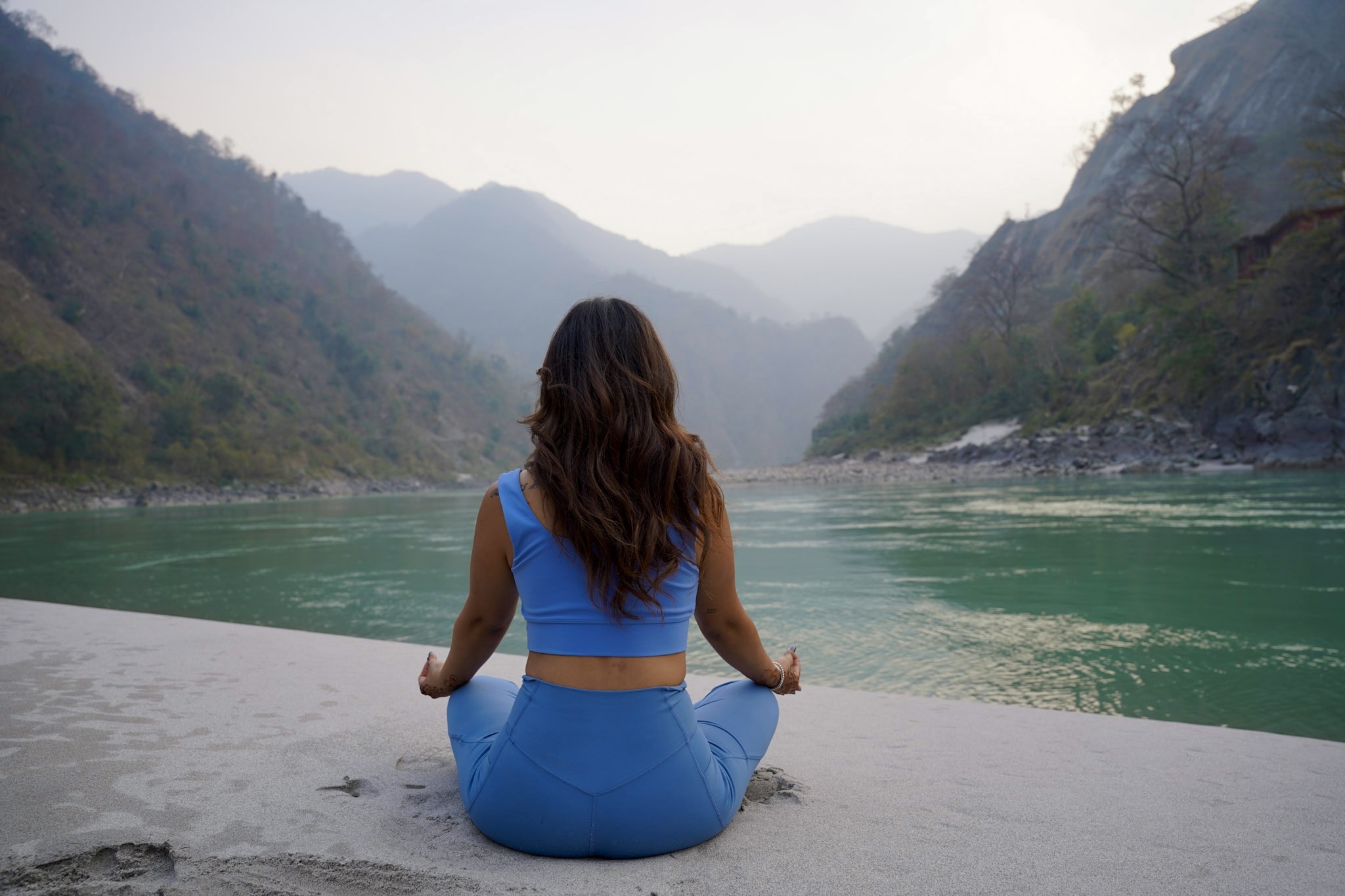
- At the Ganga aarti in Rishikesh or Varanasi, watch quietly before raising a camera — it's a nightly ritual for locals, not a performance staged for tourists. See our Ganga Aarti in Rishikesh guide for specifics.
- Ask before photographing people, especially in villages and at religious ceremonies. A smile and a gesture toward your camera usually gets you a clear yes or no.
Shop and Eat in Ways That Support Local Makers
Jaipur's block-printing workshops, Rajasthan's textile cooperatives, and countless family-run food stalls depend on tourists buying directly rather than through resellers who take the bulk of the margin.
- Buy textiles and crafts from the workshop or cooperative itself where you can — our Rajasthan textiles and block printing guide and shopping in Jaipur guide point to specific places worth seeking out.
- Eat street food from busy, high-turnover stalls — it's usually safer and it's where the real income goes. Our guide to street food safety covers how to pick well.
- Negotiate fairly, not aggressively. A little back-and-forth is normal and expected; grinding someone down to a price that barely covers their materials isn't a win.
- Tip guides, drivers, and hotel staff appropriately — see money and tipping in India for realistic amounts.
Reduce Your Environmental Footprint
India's waste management infrastructure is improving but still uneven, especially outside major cities, so the plastic you bring in is the plastic that's hardest to deal with responsibly.
- Carry a reusable water bottle and a steriliser or filter (like a SteriPEN or purification tablets) rather than buying a new plastic bottle every day.
- Say no to plastic bags and straws where you can — many small vendors will happily skip them if you ask.
- Choose trains over short domestic flights where the schedule allows; it's usually a better way to see the country anyway. Our golden triangle by train or car guide compares the trade-offs.
- In hill and Himalayan regions like Bir Billing or Barot Valley, stick to marked trails and pack out anything you bring in — these ecosystems recover slowly. See our Barot Valley guide and Bir Billing travel guide.
Engage With Curiosity, Not Just a Camera
The most responsible thing you can do is genuinely try to understand the place rather than treat it as a backdrop.
- Learn a handful of Hindi phrases — even a basic "namaste" and "dhanyavaad" (thank you) changes how interactions feel on both sides.
- Ask questions of your guides about religion, politics, and daily life — most people are glad to talk, and it's a better way to learn than reading a plaque.
- Accept that India will not run on your schedule. Delays, chaos, and unplanned detours are part of the deal, and treating them as part of the experience rather than a failure keeps everyone — you included — happier.
If you'd like to see how all of this comes together on the ground, our destinations page has small-group trips built around exactly this approach — local guides, capped group sizes, and time built in for slower, more respectful travel.
Frequently Asked Questions
Is responsible travel in India more expensive?
Not necessarily. Choosing smaller operators, local guides, and direct-from-artisan shopping can cost about the same as mainstream options, and sometimes less than tours that route through multiple middlemen. The bigger cost is usually time — moving a bit slower to travel well.
What should I avoid doing as a tourist in India?
Avoid photographing people without asking, wearing revealing clothing at religious sites, haggling aggressively over small amounts of money, and treating slums or villages as photo opportunities rather than places where people live. A little awareness goes a long way.
How do small-group tours support responsible travel in India?
Small groups (Chalo Folks caps trips at 12) put less pressure on narrow streets, small temples, and family-run restaurants, and they allow local guides to actually engage with travellers rather than manage a crowd. They also make it easier to route spending toward local drivers and guides rather than large-scale operators.
Can I travel responsibly in India on a short trip?
Yes. Even a short trip benefits from choosing local guides, dressing respectfully at religious sites, carrying a reusable water bottle, and shopping directly from artisans. Responsible travel is a set of habits, not a minimum trip length.
Ready to Travel India the Right Way?
Chalo Folks trips are small-group, personally hosted by Anna, and built around local guides and slower, more respectful pacing rather than a checklist of sights. Browse our destinations to find a trip that fits how you want to experience India.
Keep reading
More guides to help you plan the same trip.

India Photography Tips: How to Capture the Golden Triangle
India photography tips for the Golden Triangle: best light, gear, etiquette, and the shots worth waking up early for.
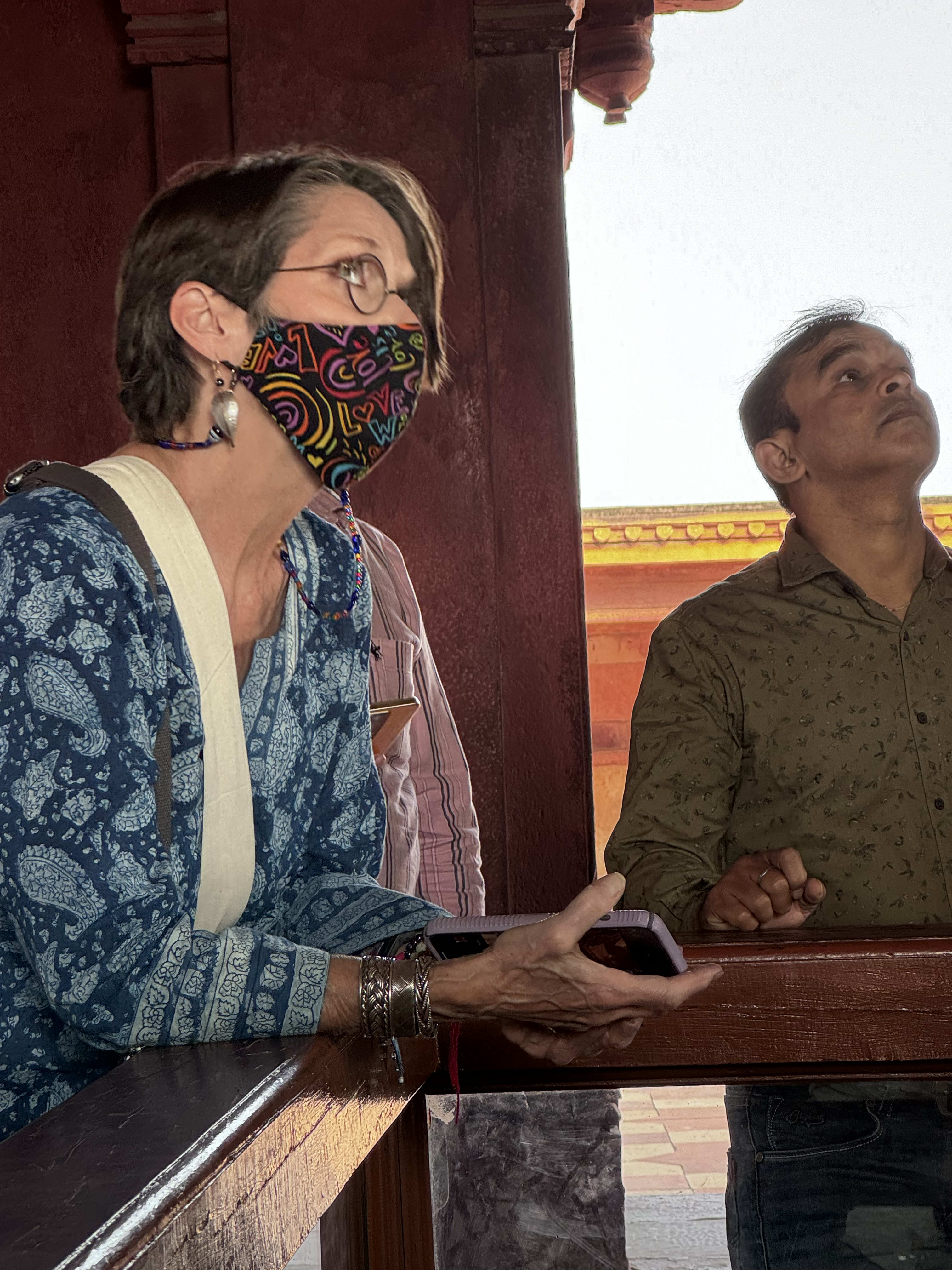
Is India Safe for LGBTQ+ Travellers?
An honest, practical look at whether India is safe for LGBTQ+ travellers — the legal picture, how attitudes vary by place, and how to travel comfortably.
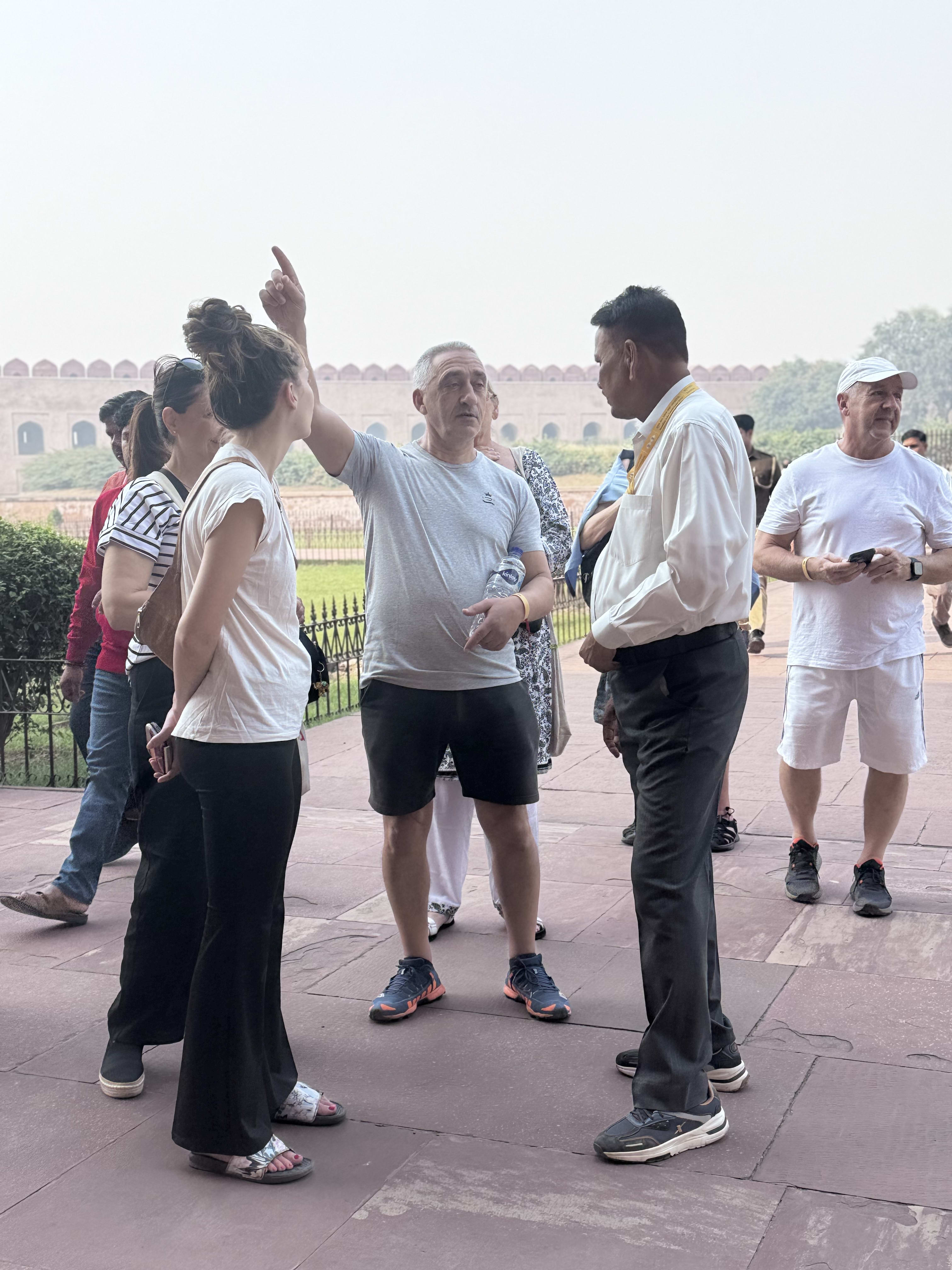
Guided vs Independent Travel in India: Which Is Better?
Guided tour or independent travel in India? An honest first-timer's breakdown of cost, logistics, freedom and culture shock.
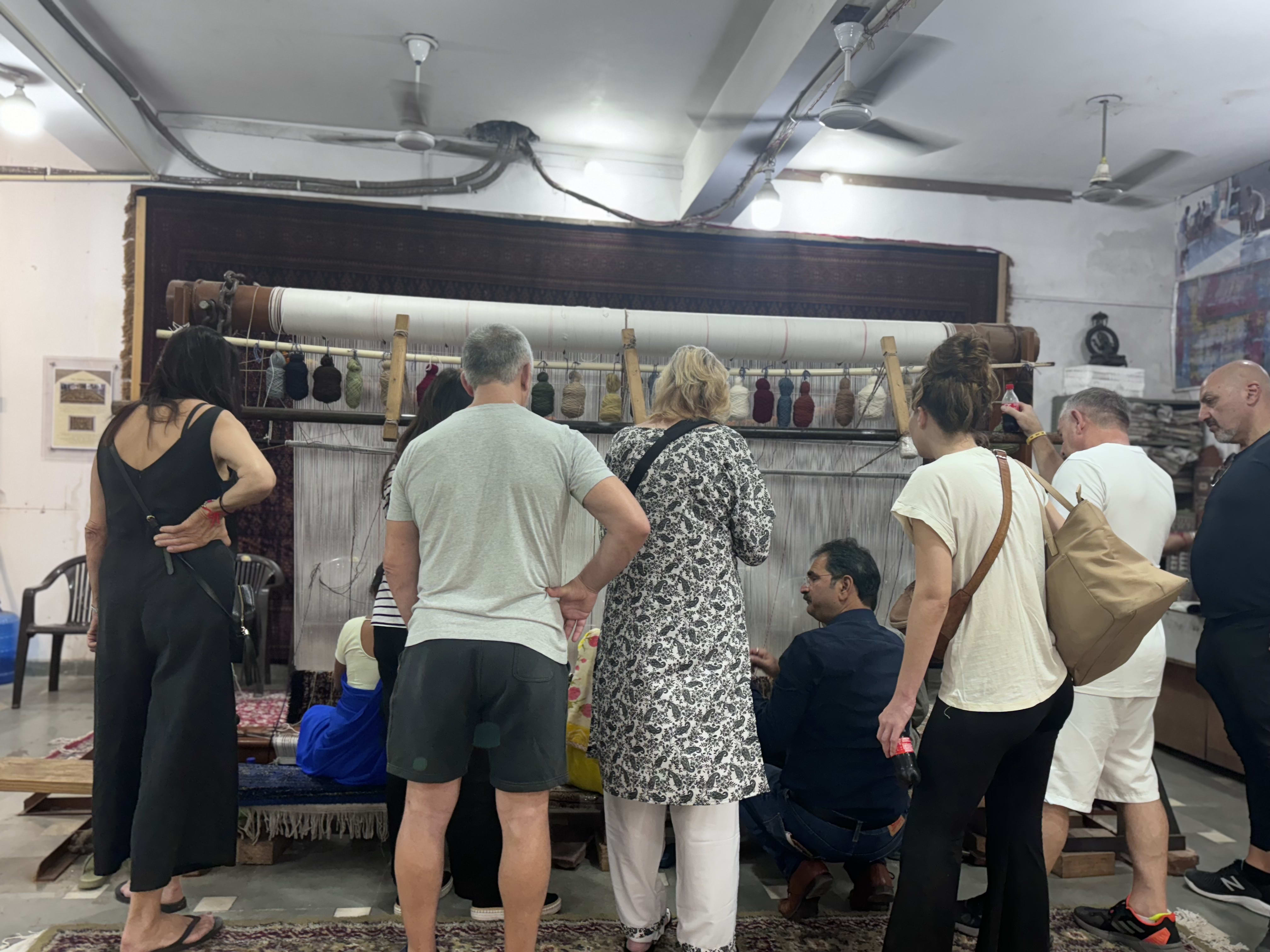
Bargaining in India: How to Haggle Politely
A friendly guide to haggling in India — where to bargain, where not to, opening offers, and how to negotiate with a smile rather than a standoff.
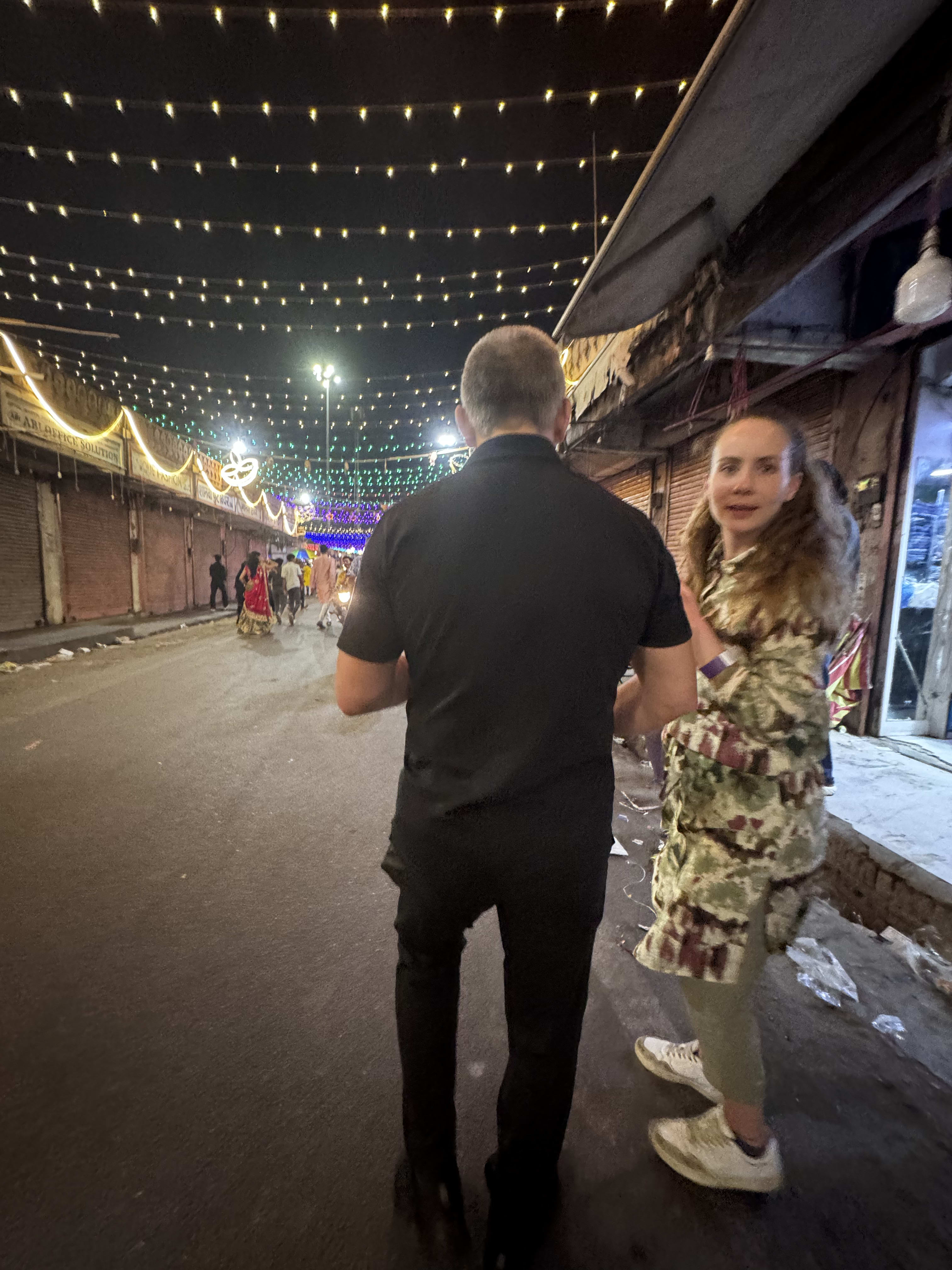
Is Indian Street Food Safe? An Honest Answer
Yes, with rules. How to spot a safe street food stall in India, what to order, what to skip, and how to eat well without getting ill.
Vegetarian & Vegan Food in India: A Traveller's Guide
A practical guide to vegetarian food in India, from thalis and street snacks to staying safe as a vegan traveller.