Is Tap Water Safe in India? What Travellers Need to Know
The honest answer on tap water in India: why to avoid it, the safe alternatives, the ice and fresh-juice question, and how to stay well.
On this page
It's the question almost every first-timer asks before they fly, and it's a sensible one. Water is the most common way travellers pick up a stomach bug, so knowing whether tap water is safe in India — and what to drink instead — is worth five minutes before you go. The short version is reassuring: with a couple of easy habits, staying well is genuinely straightforward.
Quick answer: No, you should not drink tap water in India as a visitor. Your gut isn't adapted to the local microbes, so stick to sealed bottled water, water you've filtered or purified yourself, or boiled water. Use the same water for brushing your teeth, be cautious with ice and unsealed drinks, and you'll almost certainly be fine.
Why Tap Water Isn't Safe for Visitors
This isn't about India being uniquely risky — it's about your body being unfamiliar with the local water. Municipal supplies vary widely in treatment and can pick up contamination in old pipes or rooftop tanks. Locals have often built up tolerance over a lifetime; a visitor's system hasn't, so even "clean-looking" tap water can cause an upset stomach.
The illnesses are usually mild and short-lived — the classic traveller's diarrhoea — but they can wreck a day or two of a precious trip. A little care up front is far better than losing sightseeing time. For the wider game plan, our how to avoid getting sick in India guide is the companion piece to this one.
What's Safe to Drink
You have plenty of good options, so you're never stuck:
- Sealed bottled water — widely available and cheap. Check the seal is intact and the cap clicks; refuse any bottle that looks tampered with.
- Your own filtered or purified water — a filter bottle (like a LifeStraw or Grayl) or a UV purifier (SteriPen) lets you treat tap water yourself and cuts down on plastic. Highly recommended; add it to your what to pack for India list.
- Boiled water — safe once it's been at a rolling boil; hotels often provide it.
- Hot tea and coffee — chai is boiled, so it's a safe and delicious default; more on that in chai and café culture in India.
- Canned or bottled soft drinks — sealed and fine.
The Grey Areas: Ice, Juice and Salads
Water sneaks in through more than the glass. Here's the honest guidance on the trickier stuff:
| Item | Verdict | Why |
|---|---|---|
| Ice in drinks | Cautious | Fine in good hotels and cafés using purified water; skip it at roadside stalls |
| Fresh-squeezed street juice | Cautious | Often diluted with tap water or served with dodgy ice |
| Salads & raw veg | Cautious | May be washed in tap water; safer cooked or peeled |
| Cut fruit from stalls | Cautious | Can be rinsed in tap water; peel your own instead |
| Hot, freshly cooked food | Safe | Heat does the work |
| Bottled/sealed drinks | Safe | No tap water involved |
The rule of thumb travellers swear by: "boil it, cook it, peel it, or forget it." That doesn't mean avoiding street food — plenty of it is safe and superb, as we cover in Indian street food: safe to eat? — it just means being smart about how water reaches your plate. And if you're worried about heat rather than hygiene, is Indian food too spicy? will put your mind at ease.
Practical Habits That Keep You Well
Build these into your routine and you'll barely think about it:
- Brush your teeth with bottled or filtered water — an easy one to forget in the first jet-lagged days.
- Keep your mouth closed in the shower.
- Carry hand sanitiser and use it before eating; not everywhere has soap.
- Stay hydrated — heat and dry air dehydrate you faster than you expect, so drink more safe water than usual.
- Pack a basic kit: rehydration salts (ORS) and any medication your doctor recommends. Sort your jabs early using our vaccinations for India guide, and never travel without cover — India travel insurance guide explains what to look for.
Choosing a filter bottle over endless single-use plastic is also the kinder choice for the places you're visiting; our responsible travel in India piece has more small, meaningful swaps.
Where a hosted trip helps is in removing the guesswork. On our [Soul of India: Golden Triangle Cultural Tour, 16–23 September 2026](/destinations/beyond-taj-sep-2026), drinking water is provided throughout, restaurants are chosen for reliability as well as flavour, and Anna knows which stalls and cafés are trustworthy — so you eat and drink adventurously without gambling on it. It's hosted personally by Anna, capped at 12 travellers, and priced at $999 in USD for international guests.
If You Do Get an Upset Stomach
Even careful travellers occasionally get caught out — it's rarely serious. If it happens:
- Rest and rehydrate with ORS and safe water; this alone fixes most cases within a day or two.
- Eat plain — plain rice, toast, bananas — until you're steady.
- See a doctor if you have a high fever, blood in your stool, or symptoms lasting beyond a couple of days. Private clinics in cities are quick and good; keep your insurance details handy.
None of this should put you off — India is a wonderful, welcoming place to eat and drink, and the vast majority of visitors have no trouble at all. For broader peace of mind, is India safe for tourists and our first time India travel guide cover the rest.
Frequently Asked Questions
Can you drink tap water in India?
No, visitors should not drink tap water in India. Your system isn't adapted to the local microbes, so stick to sealed bottled water, water you've filtered or purified yourself, or boiled water — and use the same for brushing your teeth.
Is ice safe in drinks in India?
It depends on the source. Ice made from purified water in good hotels, cafés, and restaurants is generally fine, but ice at roadside stalls may be made from untreated water. When in doubt, skip the ice or ask.
Should I bring a water filter to India?
It's a great idea. A filter bottle or UV purifier lets you safely treat tap water anywhere, saves money, and dramatically cuts your single-use plastic. It's one of the most useful things a first-timer can pack.
What should I do if I get sick from the water in India?
Most cases are mild traveller's diarrhoea that clears in a day or two with rest, rehydration salts, and plain food. See a doctor if you develop a high fever, notice blood, or symptoms persist beyond two days — city clinics are fast and reliable.
Ready to Travel Without Second-Guessing Every Sip?
If you'd rather explore India's food and drink with a host who knows what's safe, our [Soul of India: Golden Triangle Cultural Tour, 16–23 September 2026](/destinations/beyond-taj-sep-2026) provides drinking water throughout and hand-picks every restaurant — small group, hosted by Anna, priced in USD for international travellers. See more dates on our destinations page.
Keep reading
More guides to help you plan the same trip.
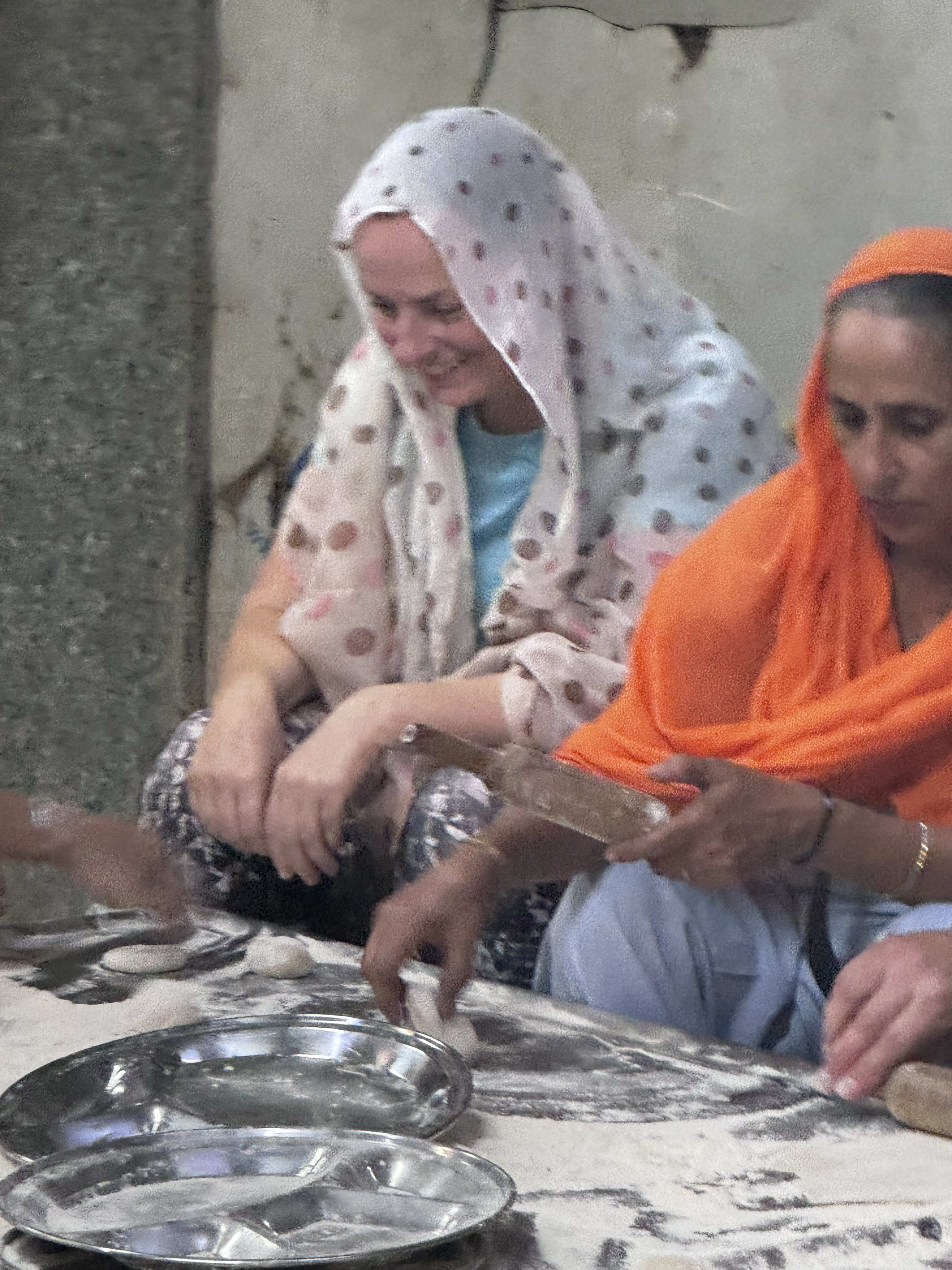
How to Avoid Getting Sick in India (Delhi Belly)
Practical, honest advice to avoid getting sick in India, from water and street food rules to what to pack for Delhi belly.
Common Tourist Scams in India (and How to Avoid Them)
The common tourist scams in India worth knowing — from the closed-hotel trick to gem cons and taxi overcharging — and the simple habits that defuse them.
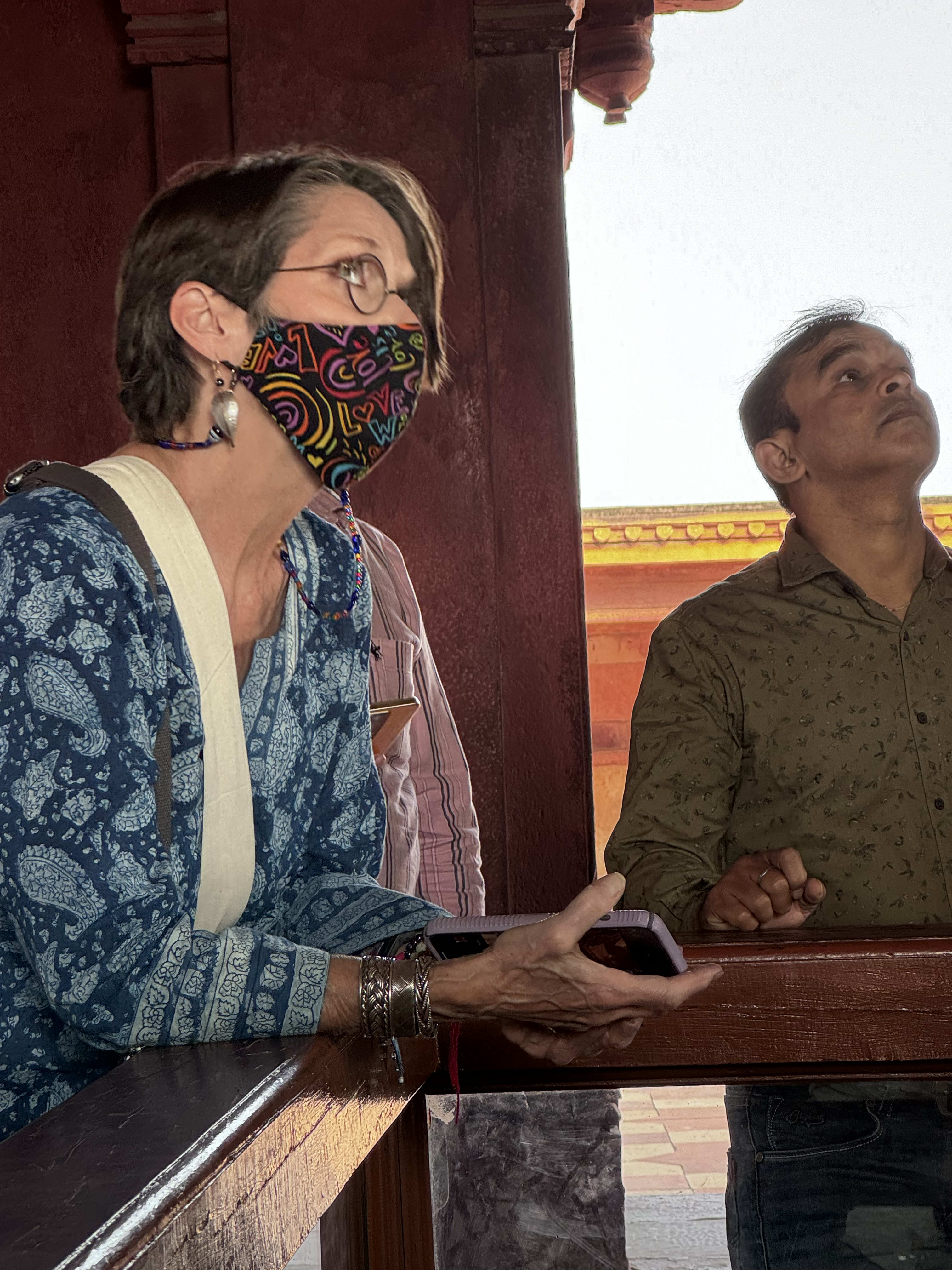
Is India Safe for LGBTQ+ Travellers?
An honest, practical look at whether India is safe for LGBTQ+ travellers — the legal picture, how attitudes vary by place, and how to travel comfortably.

Is India Safe for Solo Female Travellers? (2026)
The real risks, the precautions that matter, the safest regions, and why a small group can be the sweet spot for solo women in India.
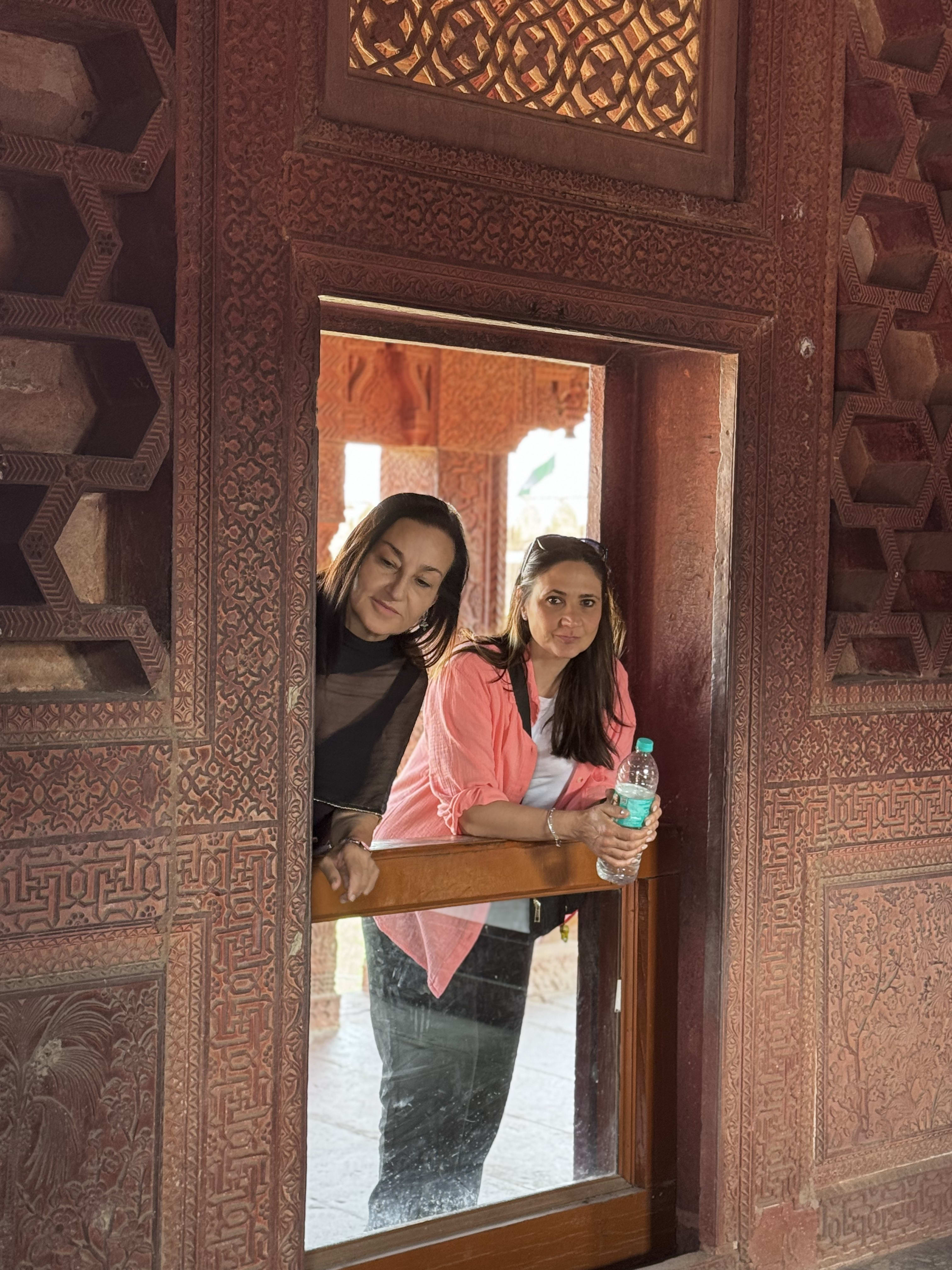
Is India Safe for Tourists? A 2026 Reality Check
Wondering is India safe to travel in 2026? Here's an honest, specific breakdown of what to expect, what to watch for, and how to travel smart.
Is Indian Street Food Safe? An Honest Answer
Yes, with rules. How to spot a safe street food stall in India, what to order, what to skip, and how to eat well without getting ill.