India in January: Weather, Where to Go & What to Expect
Everything about visiting India in January — cool, dry peak-season weather, the best regions to travel, packing tips, and what to expect from the crowds.
On this page
If you want India at its most comfortable, India in January is about as good as it gets. This is the heart of the dry, cool season — clear skies, crisp mornings, and daytime temperatures that make sightseeing a pleasure rather than an endurance test. It's peak travel season for good reason, and for travellers from the US, UK, and Europe escaping a grey northern winter, the timing is close to perfect.
Quick answer: January is one of the best months to visit India. Expect cool, dry, sunny days across the north (highs around 20–24°C/68–75°F) with chilly mornings and occasional Delhi fog, warm and pleasant weather in the south, and India's peak tourist season — so book flights and hotels well ahead.
India's Weather in January
January sits squarely in India's winter, and the character of it changes a lot depending on where you are.
- North India (Delhi, Agra, Jaipur): cool and dry, with highs of 20–24°C (68–75°F) and nights that can drop to 6–10°C (43–50°F). Mornings are often misty.
- Rajasthan: sunny days, genuinely cold desert nights — pack layers.
- South India (Kerala, Tamil Nadu): warm and comfortable, 28–32°C (82–90°F), ideal beach and backwater weather.
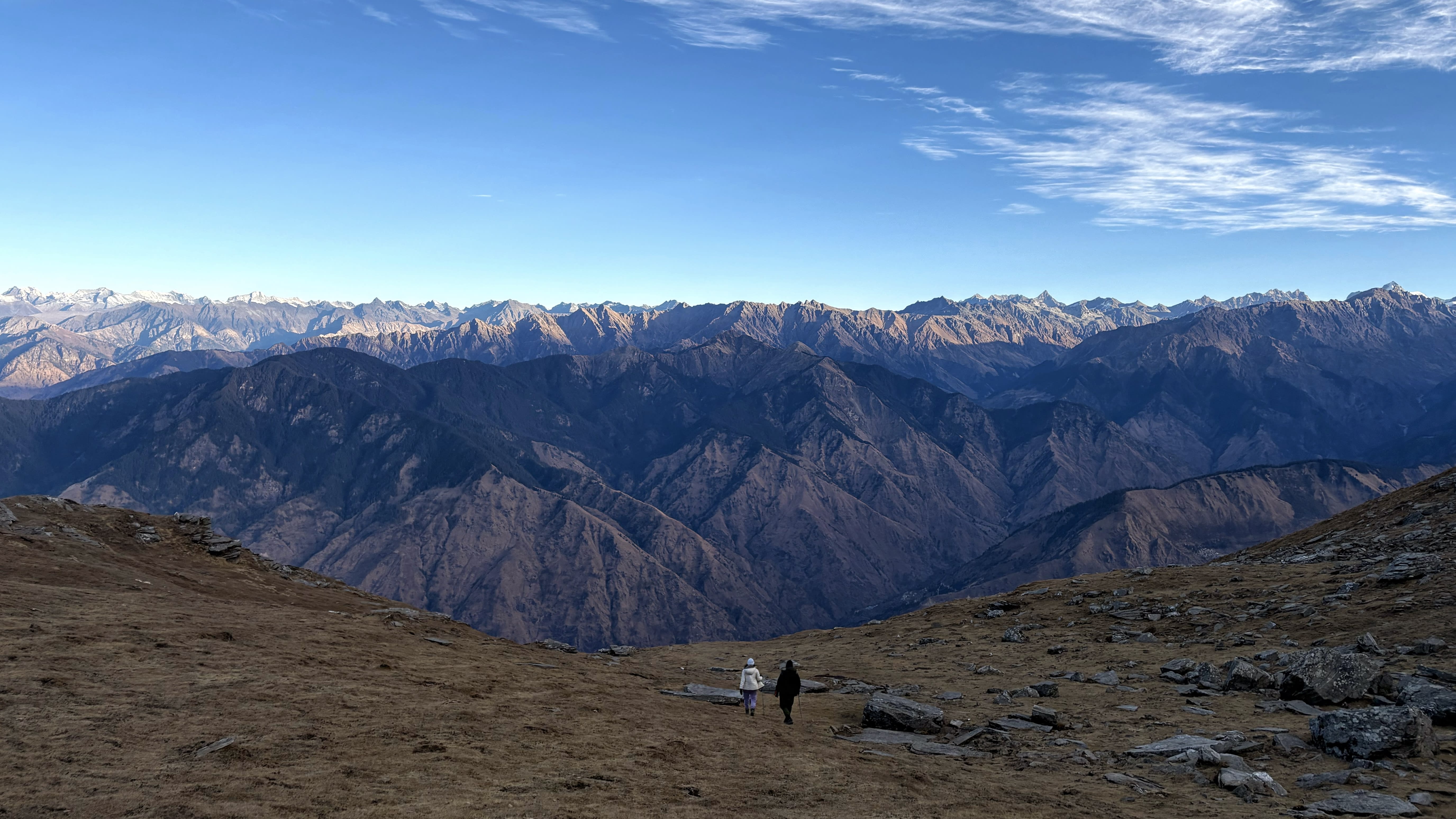
- Himalayan foothills (Rishikesh, Dharamshala): crisp and cold, with snow higher up.
For how January compares with the rest of the year, see best time to visit India, and the neighbouring months in India in December and India in February.
Where to Go in India in January
This is the month the whole country opens up. The north is at its most pleasant, and the south is in full swing.
| Region | January weather | Best for |
|---|---|---|
| Golden Triangle (Delhi–Agra–Jaipur) | Cool, dry, sometimes foggy | Forts, the Taj, first-timers |
| Rajasthan | Sunny days, cold nights | Palaces, desert, culture |
| Kerala | Warm, humid, sunny | Backwaters, beaches, Ayurveda |
| Goa | Warm and dry | Beaches, winding down |
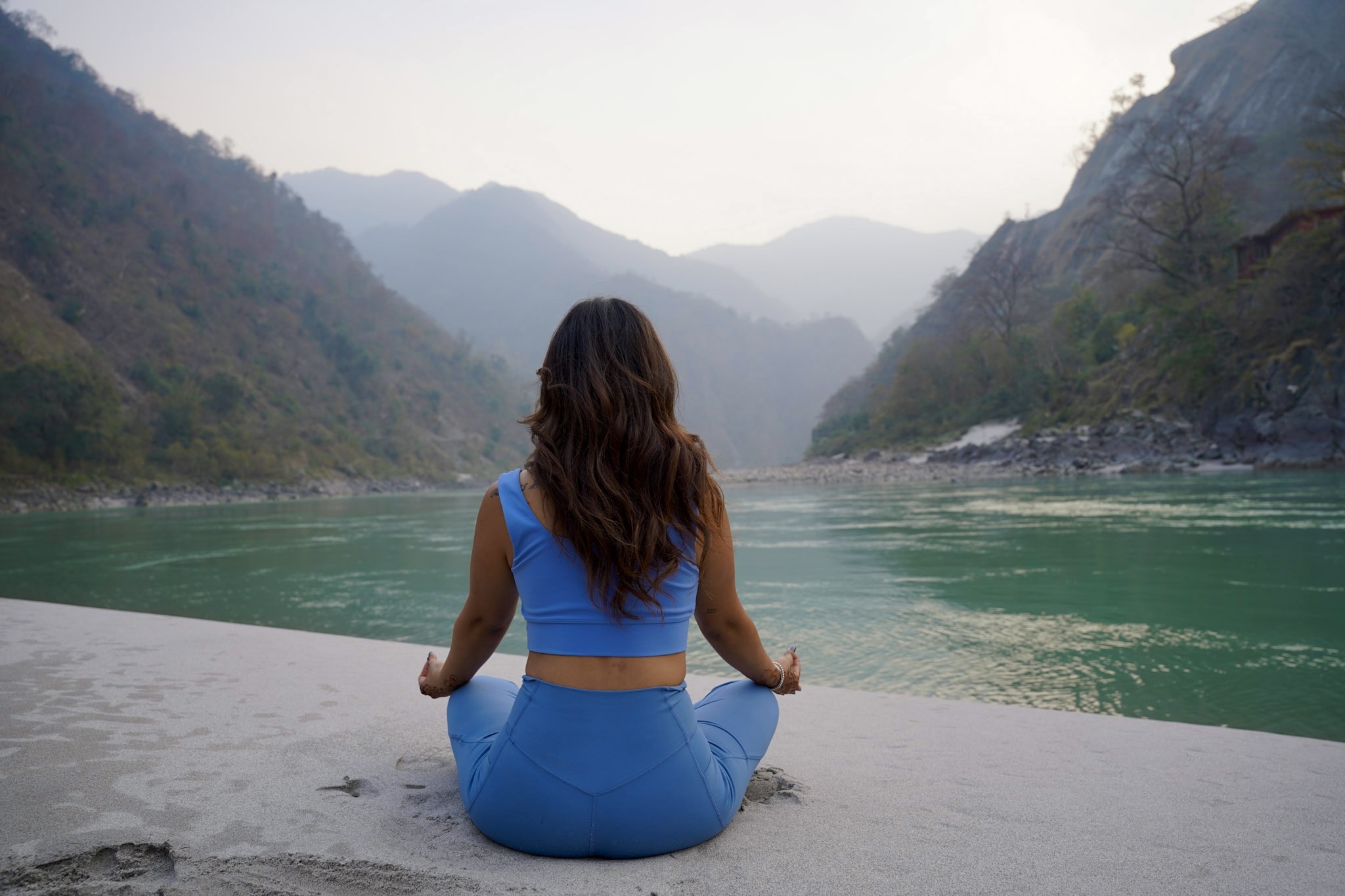
| Rishikesh & foothills | Cold and crisp | Yoga, mountains, quiet |
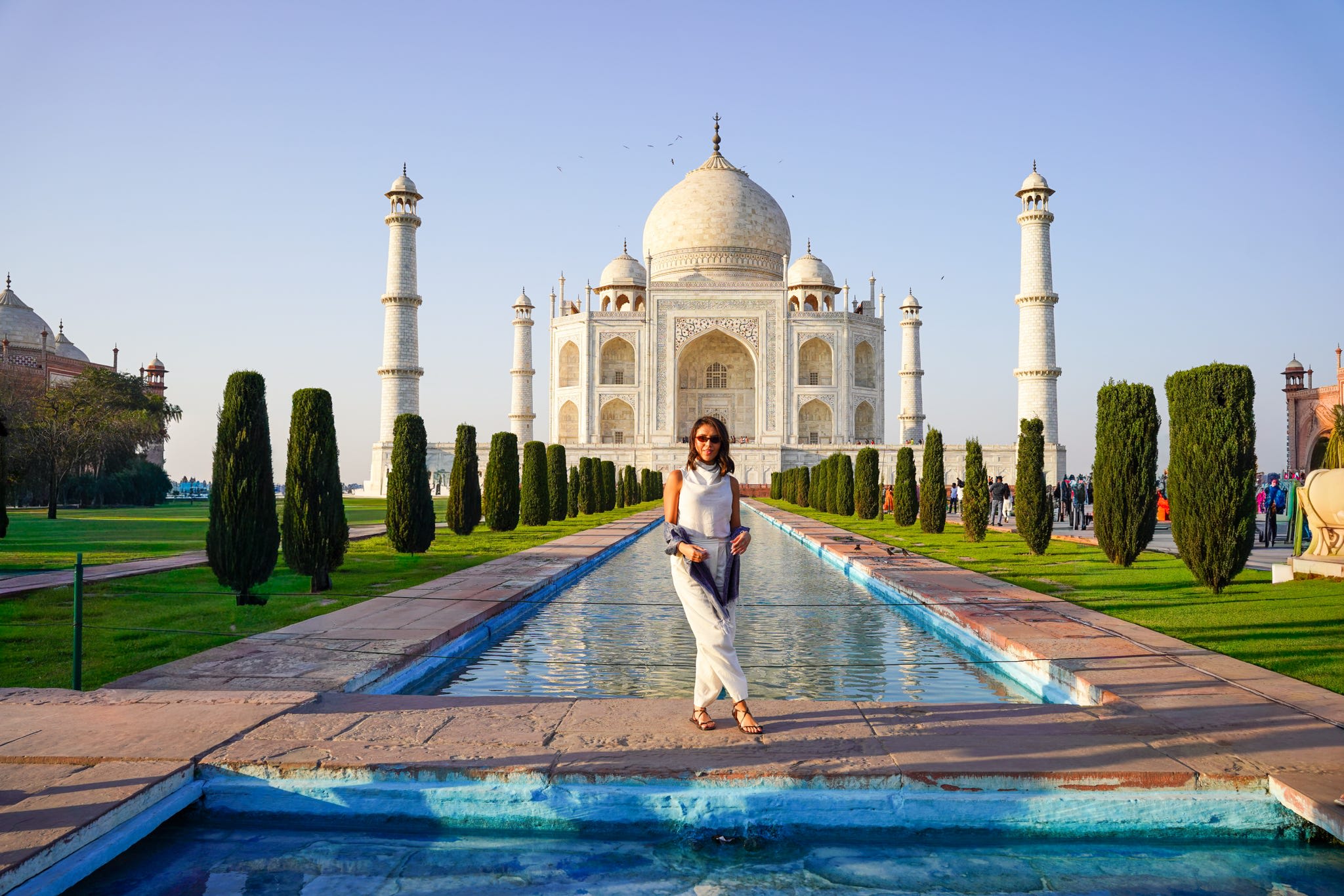
The Golden Triangle is the classic January route, and the winter light on the Taj Mahal is spectacular — our Golden Triangle in winter guide has the detail. If you want to pair culture with warmth, the Kerala backwaters guide makes the case for heading south afterwards.
The One January Downside: Fog and Cold
January isn't flawless. Delhi and the northern plains get genuine morning fog that can delay flights and trains, particularly in the first two weeks. Desert nights in Rajasthan are colder than people expect — single digits Celsius. And Delhi's winter air quality, while better than the November peak, is still worth planning around; Delhi air quality: when to avoid explains the timing.
None of this should put you off. Build a little buffer into travel days, pack a warm layer for evenings, and you'll barely notice.
What to Pack for India in January
Layering is the whole game. Warm days, cold mornings and nights.
- Light layers for daytime — breathable trousers, long sleeves, a scarf.
- A proper warm layer — a fleece or light down jacket for early mornings and desert nights.
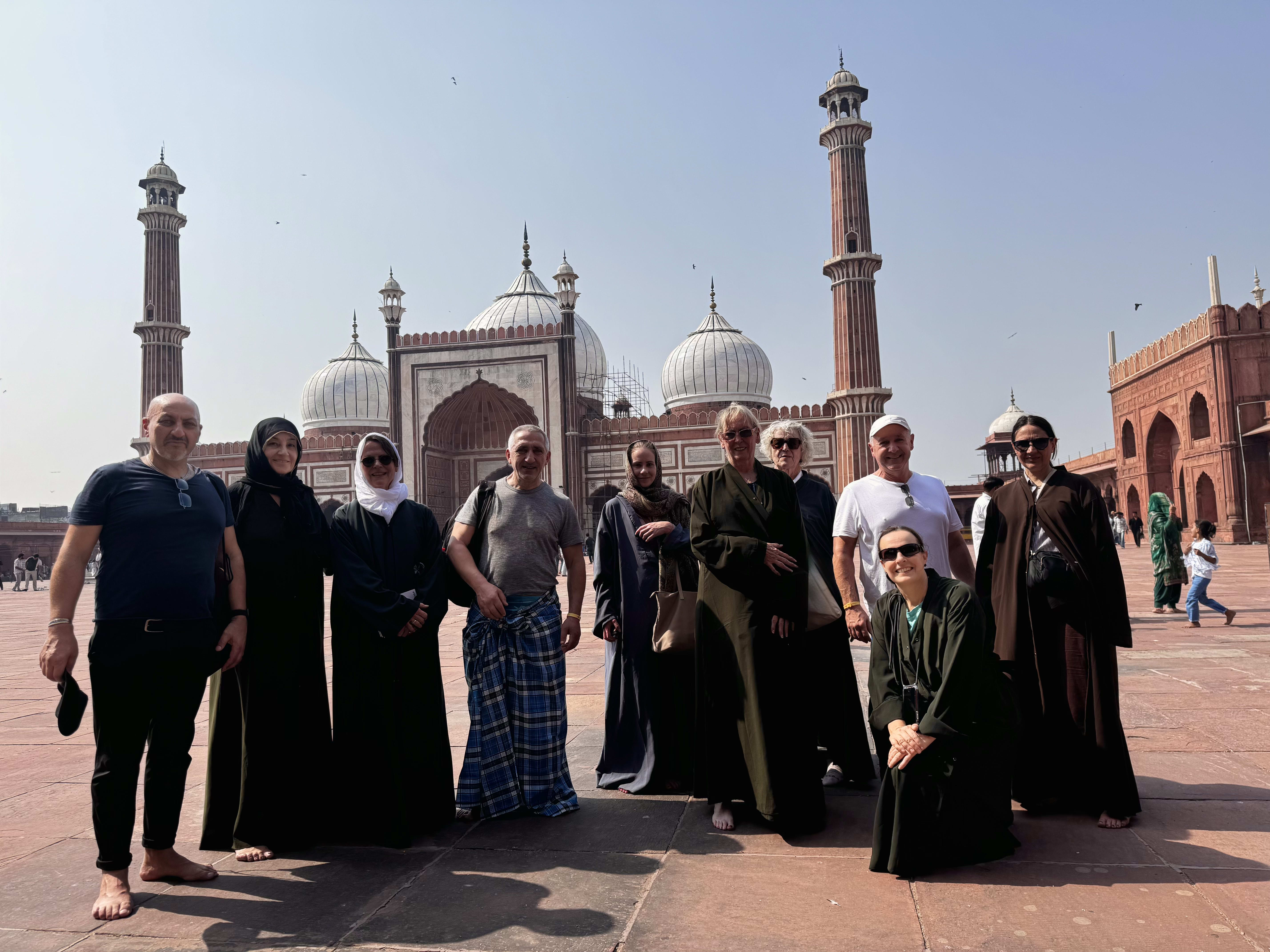
- Comfortable walking shoes and modest clothing for temples.
- Sunscreen and sunglasses — the winter sun is still strong.
Our full what to pack for India checklist covers it, season by season.
Why January Is Ideal for a First Trip
If you've never been to India, January is a forgiving introduction: the weather is kind, the skies are clear for photos, and the marquee sights are all comfortably doable. The trade-off is company — this is peak season, so popular sites are busy and prices are at their highest.
That's exactly where a small hosted group earns its keep, smoothing the peak-season logistics and the early-start fog days. Our winter-season departure, the [Beyond Golden Triangle: Rishikesh Edition, 3–13 December 2026](/destinations/beyond-golden-triangle-rishikesh-dec-2026), runs just before the January rush and carries the same cool, clear-sky conditions into early winter — hosted personally by Anna, capped at 12 travellers, and priced at $1,329 in USD for international guests. It adds the calm of Rishikesh to the classic Golden Triangle, and Rishikesh in winter shows why the foothills are so lovely this time of year.
Practical Notes for January Travel
- Book early. Flights and hotels are at their priciest and fullest; reserve two to three months ahead.
- Allow for delays. Morning fog can push back flights and trains in the north.
- Festivals: Republic Day (26 January) brings ceremonies and some closures, especially in Delhi.
- Best time to visit specific regions: best time to visit Rajasthan and best time to visit the Golden Triangle go deeper on timing.
Frequently Asked Questions
Is January a good time to visit India?
Yes — January is one of the best months, especially for North India and the Golden Triangle. You get cool, dry, sunny days ideal for sightseeing. The main trade-offs are peak-season crowds, higher prices, and occasional morning fog in the north.
How cold does India get in January?
It varies widely. Northern cities like Delhi and Jaipur have pleasant daytime highs of 20–24°C (68–75°F) but chilly nights of 6–10°C (43–50°F), and desert nights can be colder still. The south stays warm at 28–32°C (82–90°F).
Where should I go in India in January?
The Golden Triangle, Rajasthan, and the south (Kerala and Goa) are all excellent. Choose the north for forts, palaces, and the Taj Mahal in crisp weather, or head south for warm beaches and backwaters. Combining both is popular in this season.
Does it rain in India in January?
Very little across most of the country — January is firmly in the dry season for the north and centre. Parts of the far south, such as Tamil Nadu, can see the tail of the northeast monsoon early in the month, but it's generally minimal.
Ready to Travel India in Peak Season?
If clear winter skies, comfortable temperatures, and the Golden Triangle at its best sound right, our [Beyond Golden Triangle: Rishikesh Edition, 3–13 December 2026](/destinations/beyond-golden-triangle-rishikesh-dec-2026) carries exactly that cool-season magic — a small group hosted by Anna, priced in USD for international travellers, blending the Golden Triangle with the calm of Rishikesh. See all upcoming dates on our destinations page.
Keep reading
More guides to help you plan the same trip.
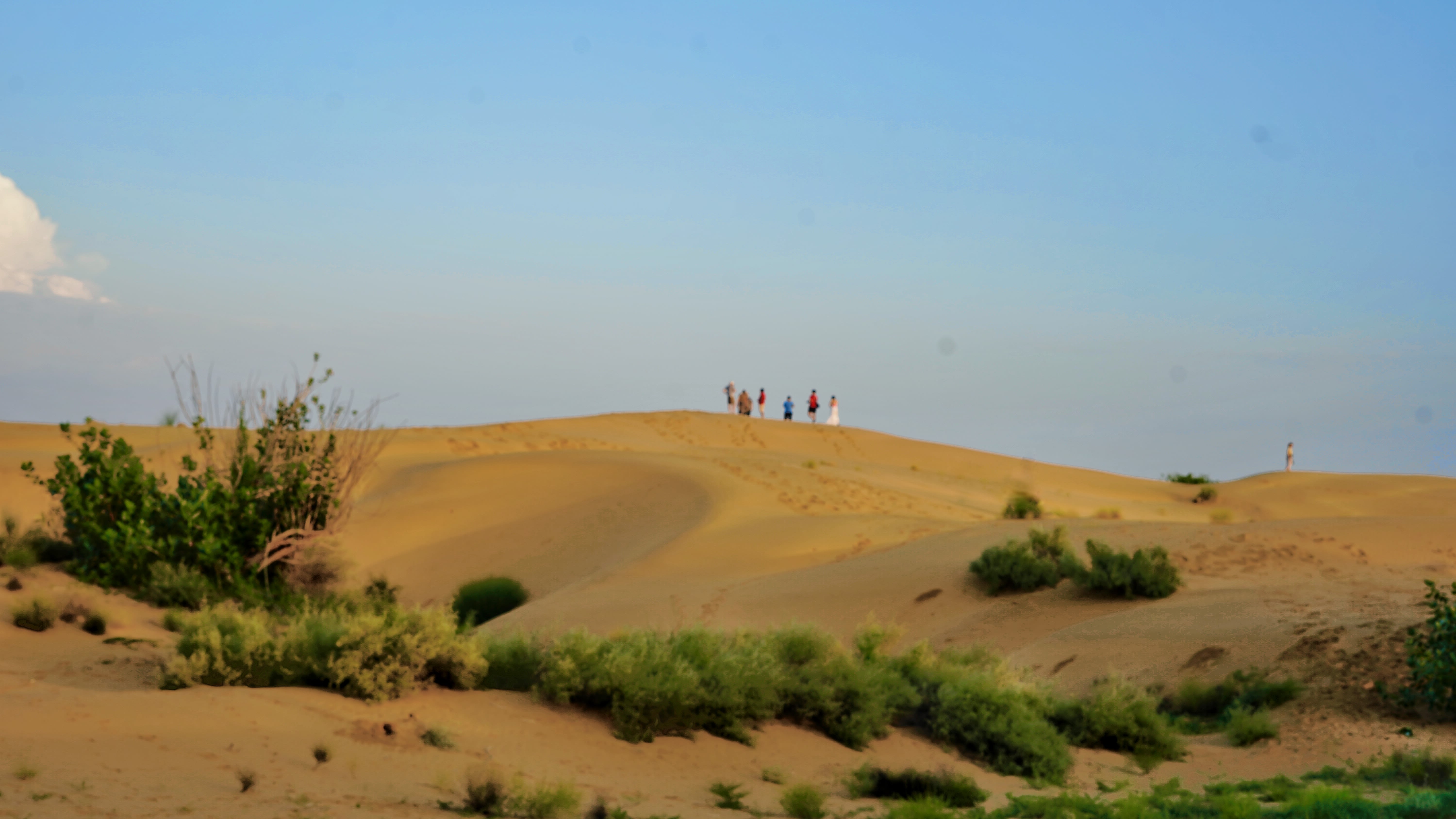
India in April: Weather, Crowds & Where to Travel
India in April brings summer heat to the plains but perfect conditions in the hills — plus low-season prices and thin crowds. Here's how to travel it well.

India in February: Weather & Best Places to Visit
Why February may be the best month of all to visit India — dry, comfortable weather, clearing fog, desert festivals, and where to go across the country.

India in March: Weather, Holi & Where to Go
Warming weather, the colour and chaos of Holi, and the last comfortable window before summer — where to go in India in March.
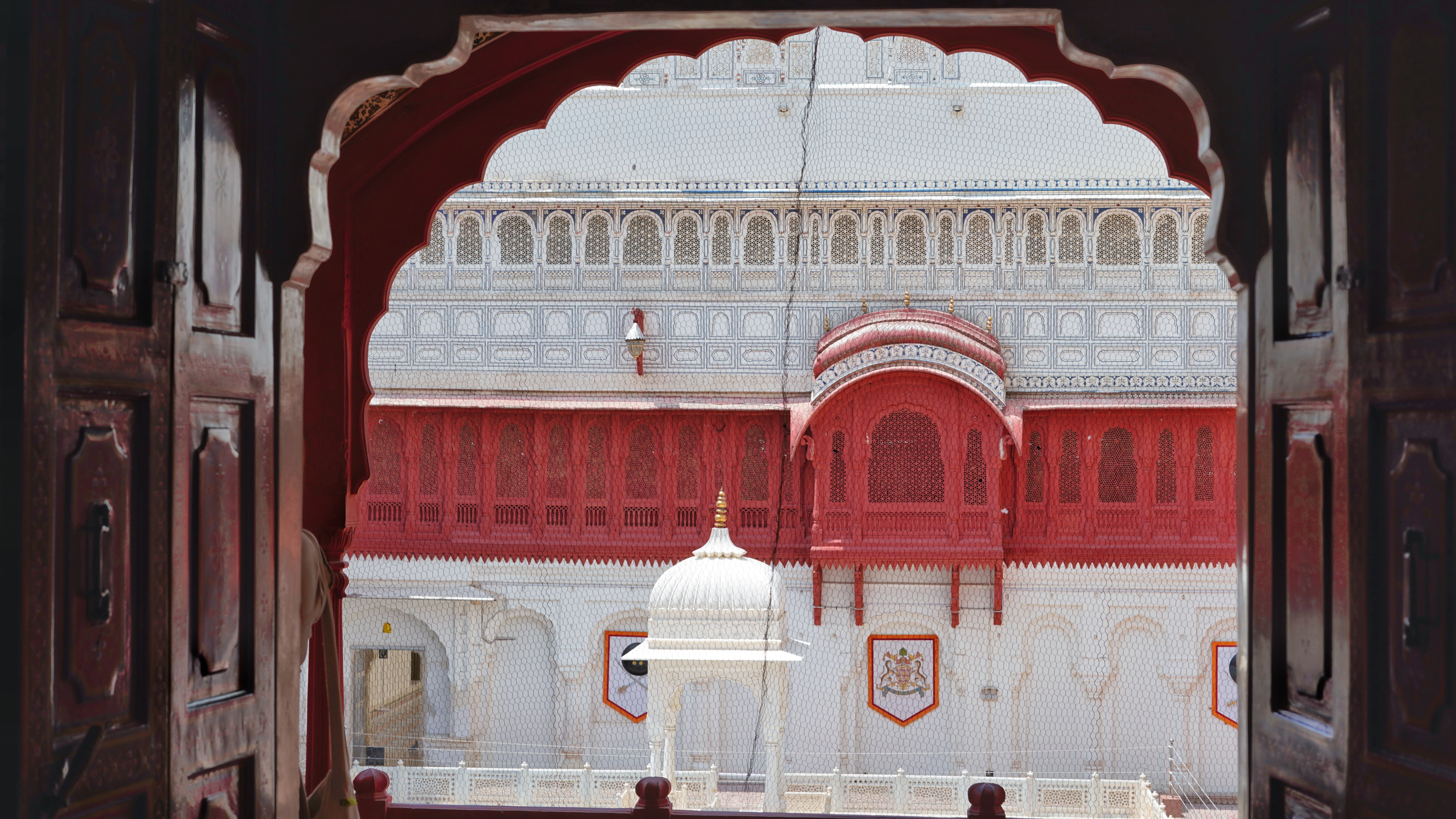
India in September 2026: Weather, Rain & Where to Go
The monsoon retreating, landscapes at their greenest, festival season starting, and shoulder-season value before the winter rush.
Goa in October: Weather, Beaches & Why It's the Sweet Spot
Why October is the ideal month for Goa — post-monsoon green, warm seas, opening beach shacks, and how to pair it with the Golden Triangle.
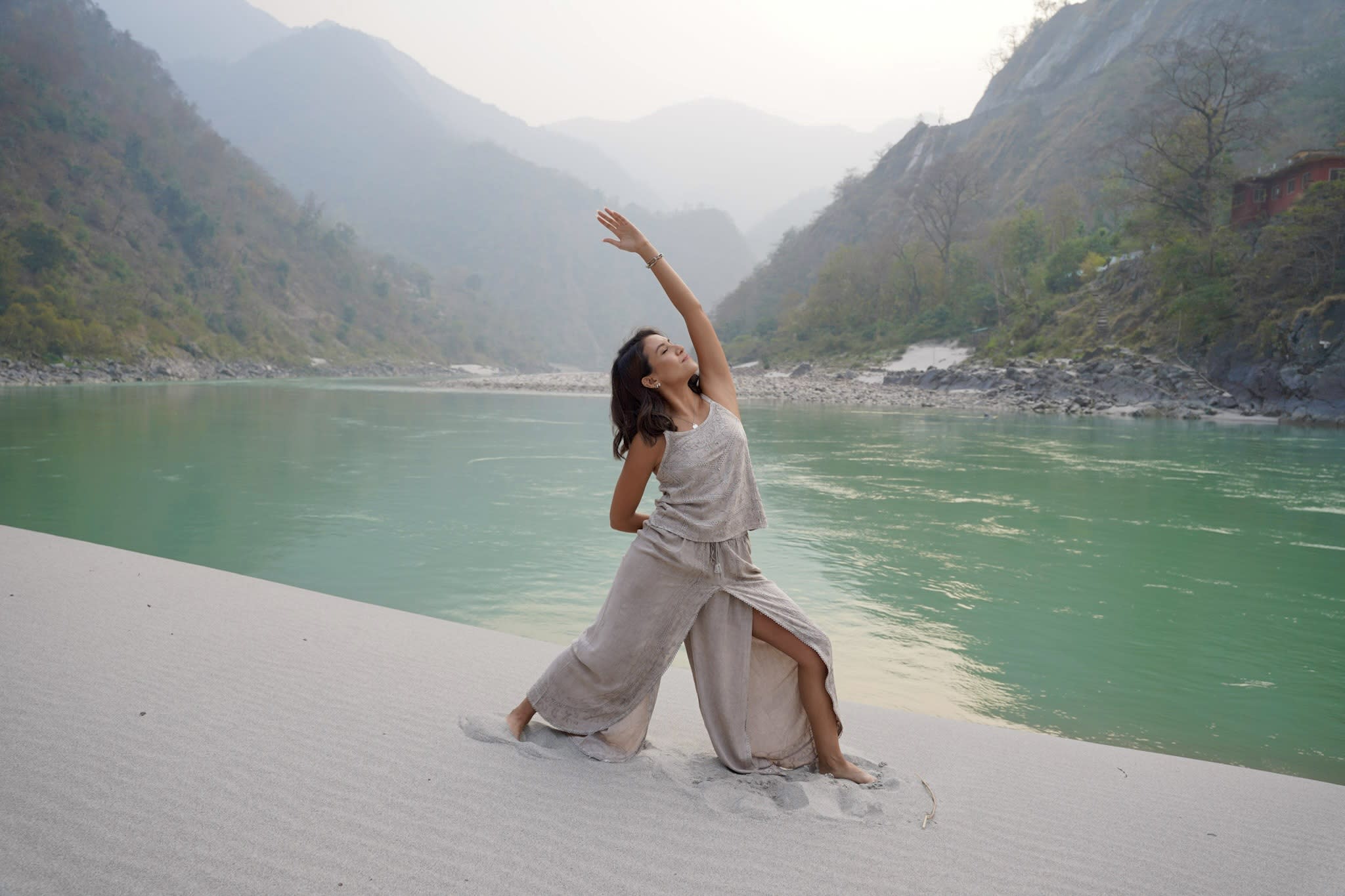
Rishikesh in Winter: Weather, Yoga & What to Pack
Rishikesh in December and January: cold mornings, warm Ganga aartis, thinner crowds and exactly what to pack.