Is India Good for Family Travel? An Honest Take
India with kids: what works brilliantly, what is genuinely hard, and how to plan a family trip around both.
On this page
Every year we get some version of the same email: "We love the idea, but is india family travel actually realistic with kids, grandparents, or a mixed-generation group?" The honest answer is yes, but only if you plan around India's rhythms instead of fighting them. This post is the unglamorous, practical version of that answer.
Quick answer: India is genuinely good for family travel if you build in slower days, choose air-conditioned transport, and travel with a small group rather than a huge coach tour — done that way, it works for grandparents and toddlers alike.
Where India Shines for Families
India rewards families who want more than a beach and a pool. A few things work in your favour:
- Multi-generational appeal — forts and palaces fascinate kids visually even before they grasp the history; grandparents get to sit, sip chai, and watch the world go by in the same square.
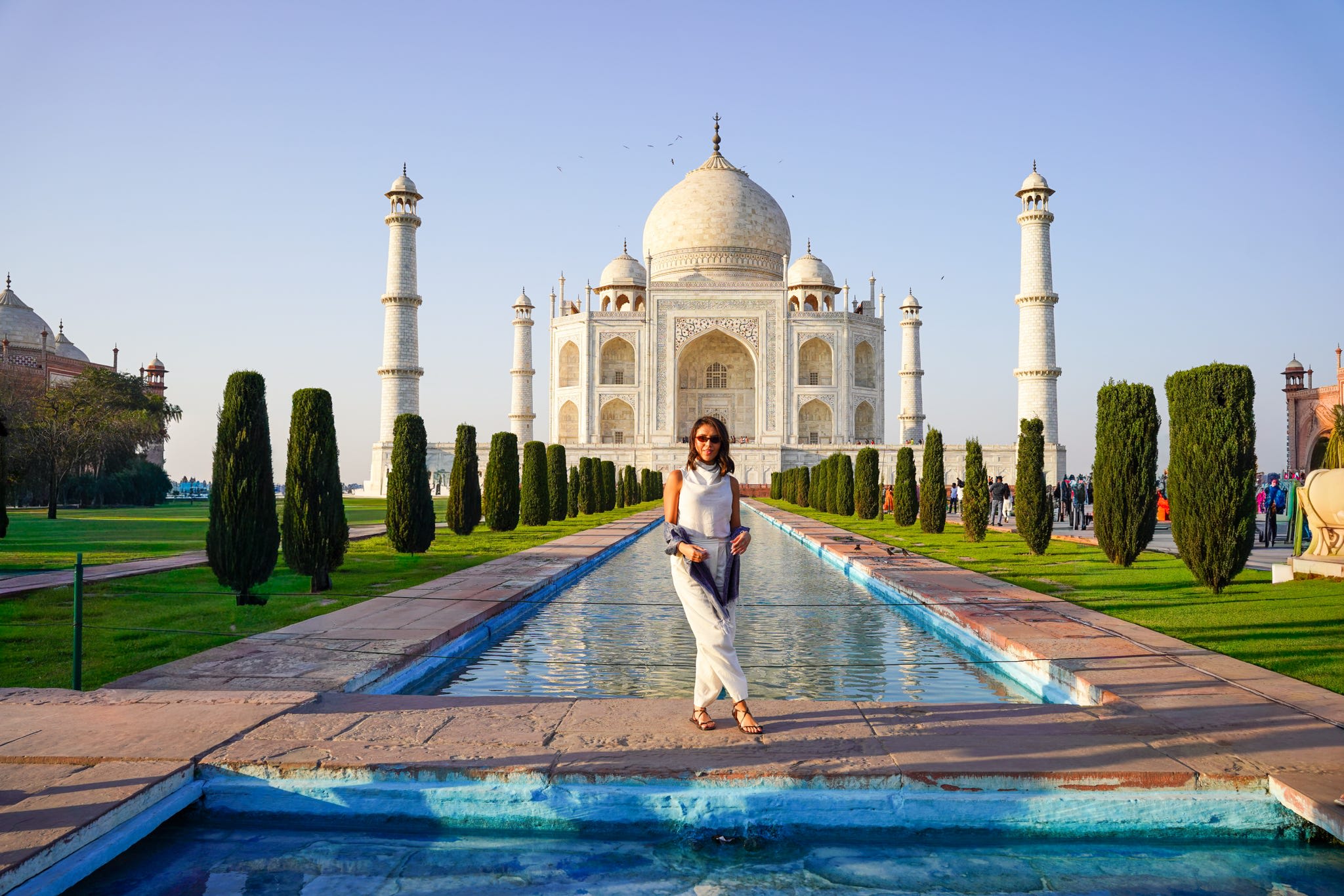
- Built-in wonder factor — the Taj Mahal at sunrise genuinely stops people in their tracks, kids included. See our Taj Mahal sunrise guide for why the early start is worth it.
- Food that scales to picky eaters — plain rice, dal, naan, and paneer dishes are everywhere, so even fussy kids usually find something. Our vegetarian food in India guide has family-friendly staples.
- Short flight/train hops — the Golden Triangle (Delhi–Agra–Jaipur) keeps single travel legs under 5-6 hours, which matters enormously with children or anyone who tires easily.
Where It's Genuinely Hard (Let's Be Honest)
We won't pretend this is all smooth sailing:
- Heat and crowds — April to June is brutal for young kids and older relatives; October to March is far kinder. Check our best time to visit India guide before locking dates.
- Traffic and noise — Delhi and Jaipur traffic can be overwhelming for anxious travellers or light sleepers. Choosing centrally located, quieter hotels helps more than people expect.
- Stomach upsets — real, but very manageable with basic precautions. Read how to avoid getting sick in India before you go, not after.
- Long sightseeing days — a packed itinerary that's fine for solo travellers can exhaust a family. Build in downtime, pool afternoons, or a slower morning every 2-3 days.
What Actually Makes Family Trips Work
After hosting families across age ranges, three things consistently matter more than the itinerary itself:
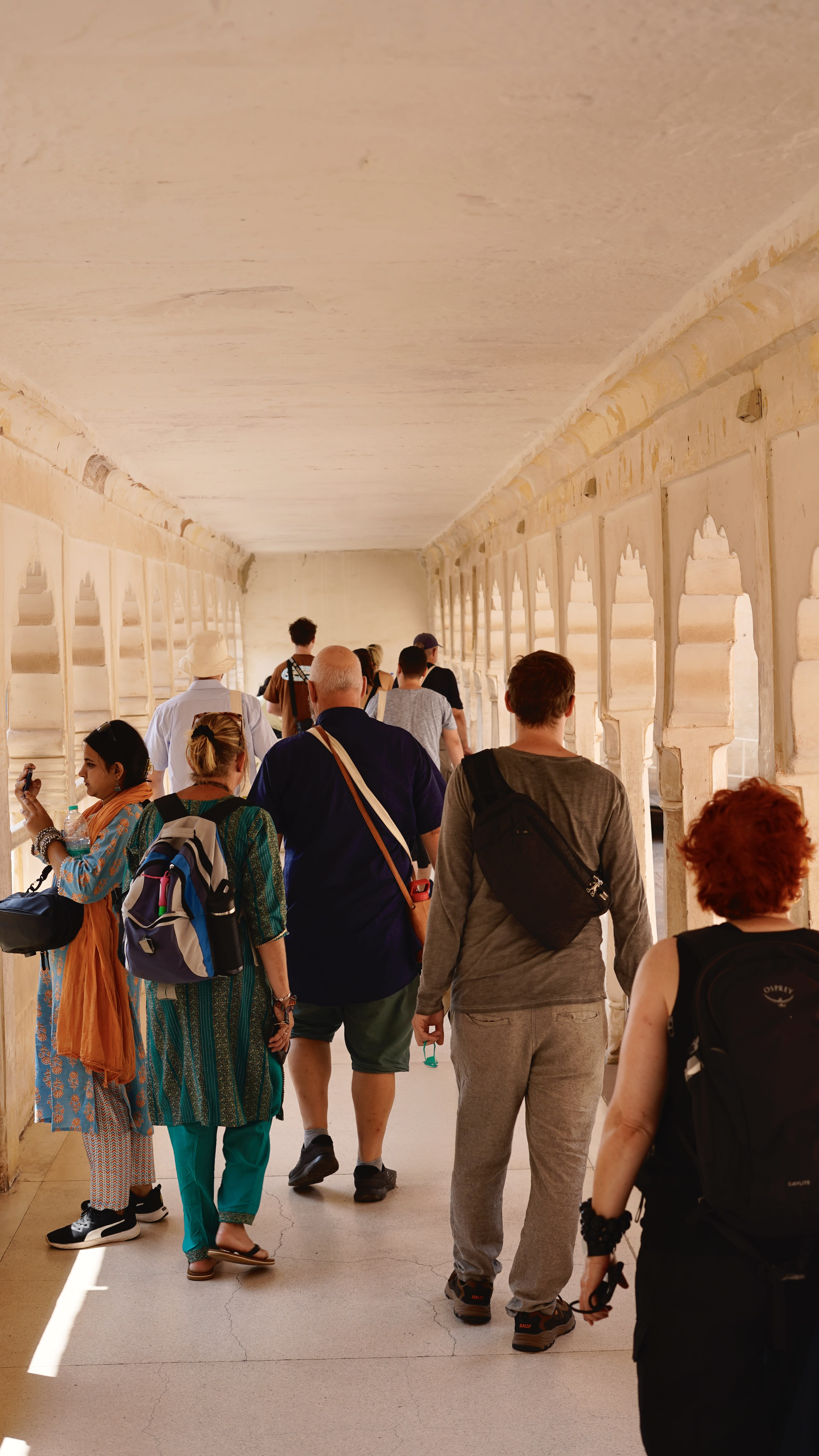
- 1Small group size, not solo self-drive chaos. A group capped at 12 means nobody gets lost in a crowd of strangers, and Anna personally adjusts pace for kids or grandparents on the day. See are small group tours worth it for the reasoning.
- 2Air-conditioned private vehicles between cities — non-negotiable with children or elderly travellers, especially outside the cooler months.
- 3A guide who reads the room. A good guide slows down at the fort ramparts for tired legs and speeds up past the parts nobody's fussed about. This is where guided vs independent travel in India makes a real difference for families specifically.
Age-by-Age: What to Expect
- Under 5: Doable, but keep the itinerary loose — one major sight per day, with rest built in. Strollers struggle on uneven fort steps, so a baby carrier is more practical.
- 6-12: This is the sweet spot. Kids this age genuinely enjoy elephants painted for festivals, camel rides near Pushkar, and spotting monkeys at forts.
- Teens: Old Delhi's food and chaos (old Delhi walking tour) tends to land well; give them a little independence within the group structure.
- Grandparents: Comfortable, well-rated hotels and a realistic daily pace matter more than the number of sights ticked off. Our india tours for seniors post covers this in more depth.
A Realistic Sample Route
For a first family trip, we usually steer people toward the classic Golden Triangle rather than a longer, more ambitious loop — it's forgiving of jet lag and short attention spans. You can browse how Chalo Folks structures this on the destinations page, where the pacing, hotels, and group size are all laid out upfront.
Frequently Asked Questions
Is india family travel safe for young children?
Yes, with normal precautions — bottled water, sunscreen, and a pace that allows for rest. Most family incidents we hear about are heat exhaustion or upset stomachs from street food eaten too soon, both avoidable with a little planning.
What's the best time of year for a family trip to India?
October through March offers the most comfortable temperatures for kids and older relatives, avoiding both peak summer heat and the monsoon. December is popular but book early, as it's also peak season.
Should we do a private tour or a small group tour with other families?
Both work, but a capped small group (Chalo Folks caps at 12) often suits families better than fully private tours, since kids and adults alike enjoy having other travellers around without the overwhelm of a large coach group.
How many days do families need for a first trip to India?
Ten to fourteen days lets you cover Delhi, Agra, and Jaipur without rushing, with rest days built in. Our 10 days in India itinerary is a good starting template to adapt.
Ready to Plan Your Family's Trip?
If the honest trade-offs above still leave you excited rather than daunted, that's usually a good sign India will suit your family well. Take a look at the current small-group departures on /destinations and get in touch with Anna directly about ages, pace, and what your family needs most from the trip.
Keep reading
More guides to help you plan the same trip.
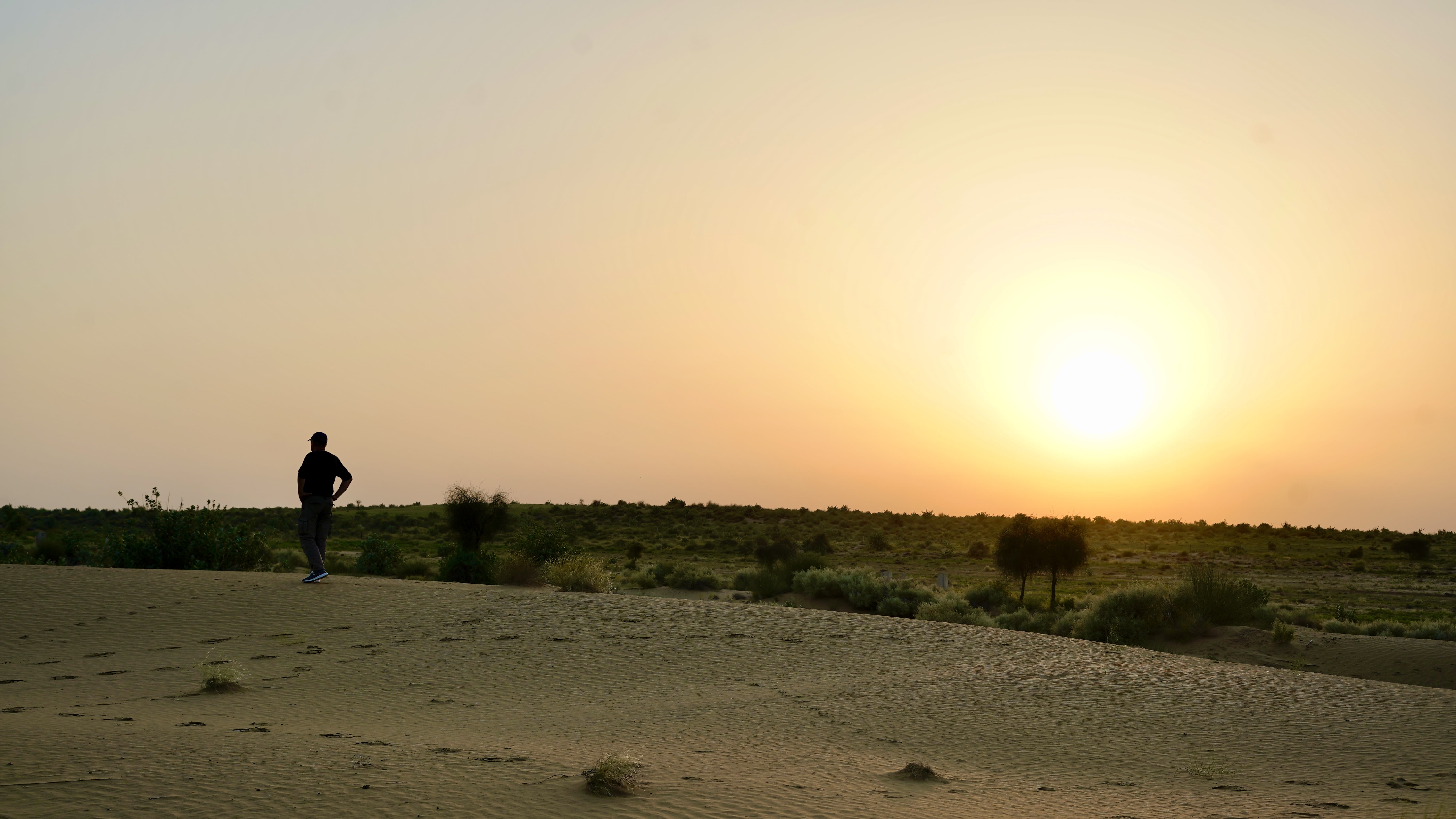
Solo Travel in India: A Complete First-Timer's Guide
A practical, honest guide to solo travel in India for first-timers, covering safety, planning, and when to go it alone versus join a group.

Is India a Good First Solo Trip? An Honest Answer
An honest look at whether a first solo trip to India makes sense, and how a small group takes the edge off.
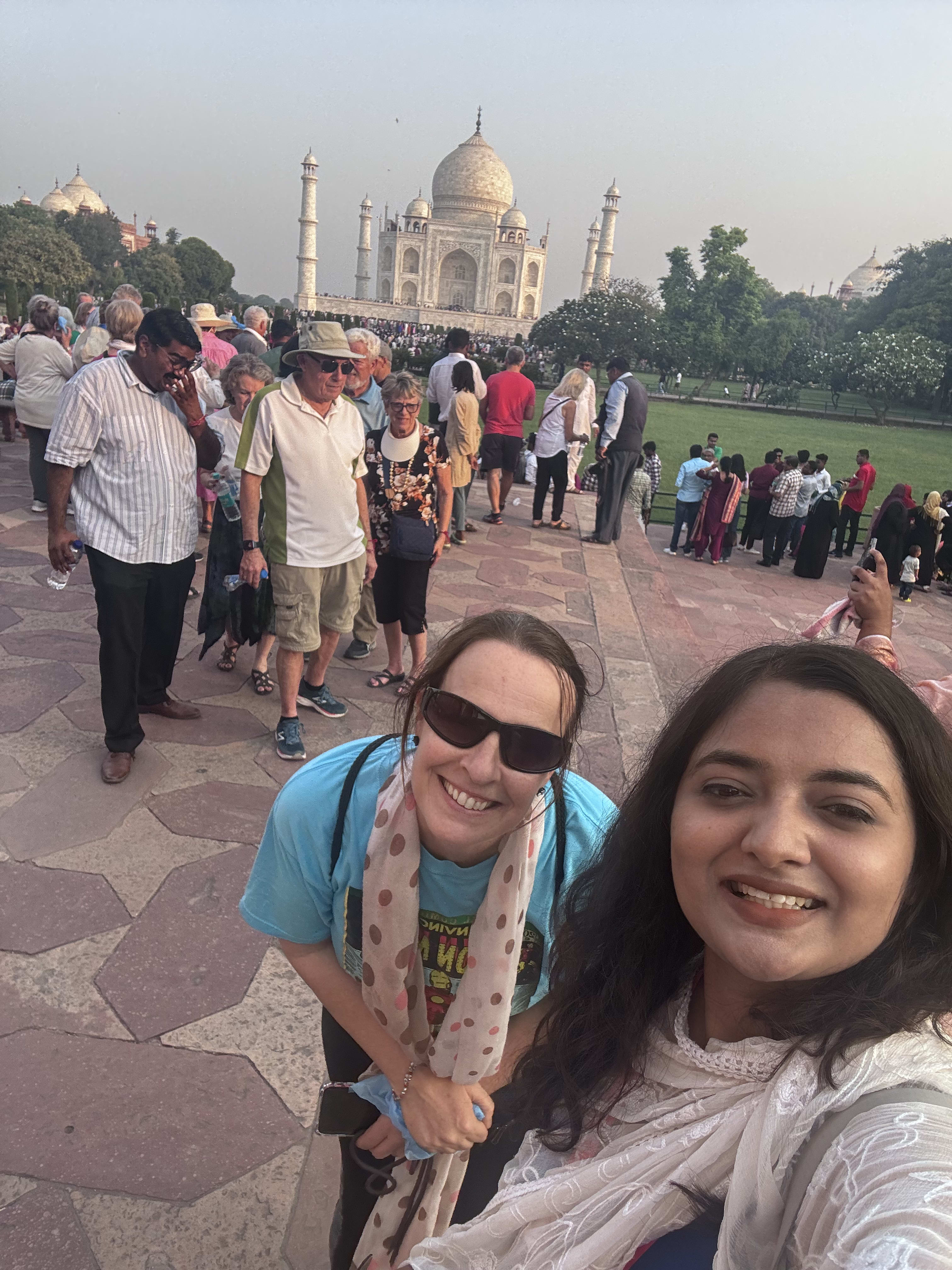
Group Tours for Women in India: An Honest 2026 Guide
Everything international travellers need to know about group tours for women in India, from safety to who you'll actually be travelling with.
How to Avoid Getting Sick in India (Delhi Belly)
Practical, honest advice to avoid getting sick in India, from water and street food rules to what to pack for Delhi belly.
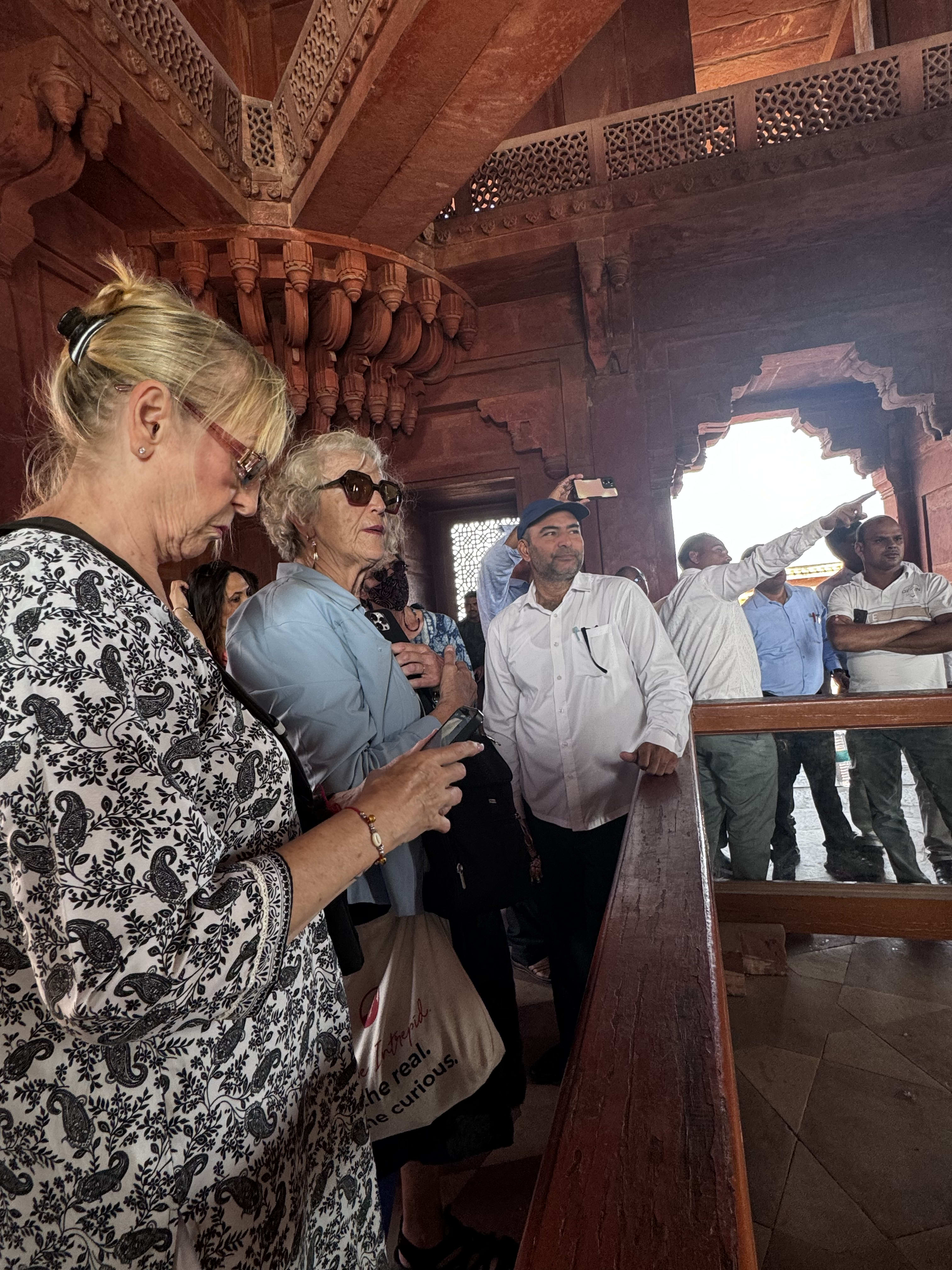
India Tours for Seniors: A Comfortable Way to See It
Small-group tours of India built for a slower pace: comfort, walking distances, altitude, health and what makes India easier at 60+.
Is India Safe for LGBTQ+ Travellers?
An honest, practical look at whether India is safe for LGBTQ+ travellers — the legal picture, how attitudes vary by place, and how to travel comfortably.