Is India Safe for LGBTQ+ Travellers?
An honest, practical look at whether India is safe for LGBTQ+ travellers — the legal picture, how attitudes vary by place, and how to travel comfortably.
On this page
It's a fair and important question, and it deserves an honest answer rather than a brochure one. Asking whether India is safe for LGBTQ+ travellers means weighing a genuinely improving legal picture against social attitudes that still vary a lot by place and setting. The short version: the great majority of LGBTQ+ visitors travel through India without incident, provided they read the room the way any thoughtful traveller does. Here's the nuance behind that.
Quick answer: India is generally safe for LGBTQ+ travellers. Gay sex was decriminalised in 2018 and big cities have visible, welcoming scenes, but same-sex marriage isn't recognised and public affection of any kind is uncommon across the country. Discretion in public — the same norm straight couples follow — keeps things comfortable, and tourist areas are the most relaxed.
The Legal Picture
The law has moved meaningfully in the right direction:
- 2018: India's Supreme Court struck down the colonial-era Section 377, decriminalising consensual gay sex.
- Anti-discrimination: protections exist for transgender people, and courts have generally moved toward greater recognition.
- Marriage: same-sex marriage is not currently recognised, and adoption and partnership rights remain limited.
For visitors, the practical upshot is simple: your relationship is not illegal, and you are not at legal risk for who you are. This sits within India's broader, reassuring safety record for tourists, covered in is India safe for tourists.
How Attitudes Vary by Place
India is not one social climate but many. Where you are matters more than almost anything else.
| Setting | What to expect |
|---|---|
| Major metros (Mumbai, Delhi, Bengaluru) | Visible scenes, Pride events, cosmopolitan and relaxed |
| Tourist hubs (Goa, tourist Rajasthan) | Used to international visitors; generally easygoing |
| Smaller towns and rural areas | Traditional; more conservative, less exposure |
| Temples and religious sites | Modesty and restraint expected of everyone |
Mumbai in particular has a long-established, confident LGBTQ+ community; our Mumbai travel guide is a good starting point. Goa's relaxed coastal culture is another comfortable base — Goa in October covers the best low-crowd window.
Public Affection: A Norm for Everyone
Here's the reassuring context most guides bury: overt public affection is uncommon in India for all couples, gay or straight. You rarely see anyone kissing in public. That shared norm actually works in LGBTQ+ travellers' favour — two people of the same sex sharing a room, travelling together, or being close in public reads as unremarkable, because friendship is expressed warmly and physically here regardless of orientation.
In practice:
- Book a room with the bed configuration you want — this is routine and rarely questioned.
- Keep affection low-key in public, exactly as straight couples do.
- In cities and tourist areas you'll feel far more relaxed than in rural settings.
Trans and Nonbinary Travellers
India has a long-standing cultural place for gender-diverse people, and the law reflects it: a 2014 Supreme Court judgment formally recognised a third gender, and official forms — including the e-Visa application — offer a transgender option alongside male and female. In practice:
- Documentation. Travel on the name and gender marker in your passport, and keep your paperwork consistent to avoid questions at immigration.
- Everyday life. Acceptance is strongest in big cities and tourist areas; presentation that reads as unusual draws more curiosity in smaller towns, much as it might anywhere rural.
- Facilities. Gendered spaces are the norm, so plan around that as you would elsewhere.
None of this should put you off — it's simply the practical lay of the land, and cities like Mumbai and Bengaluru are genuinely progressive.
Practical Tips for a Comfortable Trip
- Dress with the local grain. Modest, comfortable clothing helps you blend in anywhere; what to wear in India keeps it simple.
- Learn the everyday etiquette. A little cultural fluency smooths every interaction — see India etiquette dos and don'ts.
- Choose your bases well. Weighting your route toward cities and tourist hubs keeps the vibe easygoing.
- Time it right. The kindest travel months are October to March; best time to visit India has the detail.
If you're travelling solo and weighing comfort, solo travel in India and first time India travel guide are both worth reading.
Why a Small Group Can Feel Easier
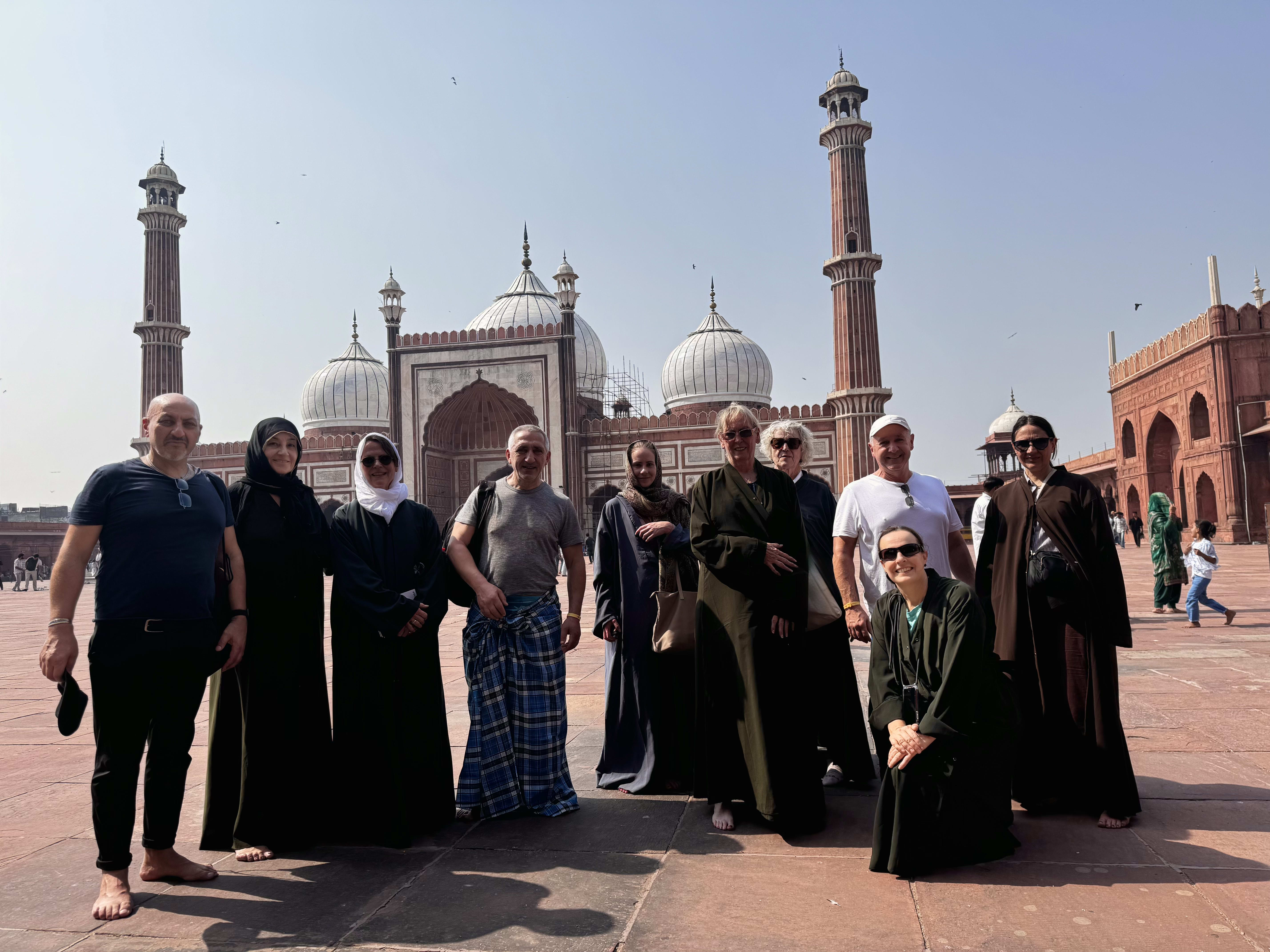
For many LGBTQ+ travellers, especially first-timers, a hosted small group takes the edge off the unknowns: you have local knowledge on tap, hotels are vetted, and you're moving with a friendly, open-minded group rather than fielding questions alone. It removes the guesswork about which places feel comfortable. If you're weighing the format, are small group tours worth it lays out the trade-offs.
Our [Beyond Golden Triangle: Goa Edition, 16–26 October 2026](/destinations/beyond-golden-triangle-oct-2026) is a relaxed, inclusive way to see the highlights and finish on Goa's easygoing coast — hosted personally by Anna, capped at 12 travellers, and priced at $1,349 in USD for international guests. Everyone is welcome, and the pace leaves room to be yourself.
Frequently Asked Questions
Is homosexuality legal in India?
Yes. India's Supreme Court decriminalised consensual gay sex in 2018 by striking down Section 377. Same-sex marriage is not currently recognised, but your relationship is not illegal and you are not at legal risk as a visitor.
Are there gay-friendly places in India?
Yes. Mumbai, Delhi, and Bengaluru have visible, established LGBTQ+ communities and host Pride events, while tourist hubs like Goa are relaxed and used to international visitors. Smaller towns and rural areas are more conservative.
Can same-sex couples share a hotel room in India?
Generally yes, and it's rarely questioned. Booking the bed configuration you prefer is routine, particularly in city and tourist-area hotels used to international guests.
Is public affection okay for LGBTQ+ travellers in India?
Overt public affection is uncommon for all couples in India, straight or gay, so keeping it low-key is the norm everyone follows. Discretion in public keeps things comfortable, especially outside big cities.
Ready to Travel Somewhere You Can Relax?
If you'd like to see India's highlights in a small, welcoming group with the logistics handled, our [Beyond Golden Triangle: Goa Edition, 16–26 October 2026](/destinations/beyond-golden-triangle-oct-2026) is our next coastal departure — hosted by Anna, priced in USD for international travellers, and open to everyone. Explore more dates on our destinations page.
Keep reading
More guides to help you plan the same trip.
Is India Safe for Solo Female Travellers? (2026)
The real risks, the precautions that matter, the safest regions, and why a small group can be the sweet spot for solo women in India.
Is India Safe for Tourists? A 2026 Reality Check
Wondering is India safe to travel in 2026? Here's an honest, specific breakdown of what to expect, what to watch for, and how to travel smart.
Is Indian Street Food Safe? An Honest Answer
Yes, with rules. How to spot a safe street food stall in India, what to order, what to skip, and how to eat well without getting ill.
Is Paragliding in Bir Billing Safe? An Honest Guide
Is paragliding in Bir safe? Here's an honest breakdown of pilot licensing, weather calls, and what actually goes wrong.
How to Avoid Getting Sick in India (Delhi Belly)
Practical, honest advice to avoid getting sick in India, from water and street food rules to what to pack for Delhi belly.

Is India a Good First Solo Trip? An Honest Answer
An honest look at whether a first solo trip to India makes sense, and how a small group takes the edge off.