Pushkar Travel Guide: Holy Lake & Desert Town
A complete Pushkar travel guide for US, UK and Europe travellers — the sacred lake, Brahma Temple, bazaars, and how to fit this desert town into Rajasthan.
On this page
Small, sacred, and slightly bohemian, Pushkar is one of Rajasthan's most distinctive stops — and this Pushkar travel guide covers everything a traveller from the US, UK, or Europe needs to know. Built around a holy lake ringed by 52 bathing ghats and more than 400 temples, it's a Hindu pilgrimage town that also draws backpackers, yogis, and anyone after a slower, spiritual counterpoint to Rajasthan's grand forts.
Quick answer: Pushkar is a small pilgrimage town in Rajasthan, built around a sacred lake with 52 ghats and home to one of the world's few Brahma temples. Most travellers spend one to two days here for the lakeside atmosphere, bazaars, and sunset views. It's about 3 hours from Jaipur and 30 minutes from Ajmer.
The Sacred Lake and Ghats
Pushkar Lake is the heart of everything. Hindus consider it deeply holy, and pilgrims come to bathe at its ghats, especially around the November full moon.
- Walk the ghats at sunrise or sunset, when the light and the aartis (prayer ceremonies) are at their best.
- Dress modestly and remove shoes near the water; the ghats are active places of worship.
- Be aware of the "Pushkar passport" flower-blessing routine — a friendly priest may offer a blessing then request a large donation. A polite, firm no is fine.
Because this is a genuine sacred site, a little cultural awareness goes a long way — our India etiquette dos and don'ts and spiritual India for travellers guides are worth a read before you arrive.
Brahma Temple and Other Sights
Pushkar is one of the very few places on earth with a temple dedicated to Brahma, the Hindu creator god.
- Brahma Temple — the town's most important shrine, marked by its red spire and goose motif.
- Savitri Temple — a hilltop temple reached on foot or by cable car, with panoramic desert views.
- Varah Ghat and Gau Ghat — the most atmospheric spots for evening ceremonies.
- Old Rangji Temple — a striking blend of South Indian and Rajput architecture, with a tall, distinctive gopuram tower unusual for this part of the country.
The Bazaars
Pushkar's main bazaar is a delight — a narrow, colourful lane packed with textiles, silver jewellery, leather bags, and Rajasthani handicrafts.
- Great for boho fashion, embroidered fabrics, and music (this is a good place to buy a hand drum).
- Prices are negotiable, so brush up with our bargaining and haggling in India guide.
- For what's genuinely worth carrying home, see handicrafts and souvenirs in India.
Note that Pushkar is a strictly vegetarian and alcohol-free town by tradition, so the food scene leans toward cafés and Israeli-influenced backpacker fare — think falafel, thalis, and endless fresh juices. Meat and alcohol simply aren't sold within the town, which adds to its gentle, low-key atmosphere.
The Pushkar Camel Fair
Once a year, usually in November, this quiet town explodes into one of the world's most famous livestock fairs. Tens of thousands of camels, horses, and traders fill the dunes alongside music, competitions, and a huge market.
- Expect big crowds and higher prices during the fair.
- It's spectacular but intense — book accommodation far in advance.
- Our dedicated Pushkar Camel Fair guide covers exact timing and what to expect.
How Pushkar Fits Your Rajasthan Trip
Pushkar is an easy add-on between Jaipur and the western desert cities. Here's how the distances look:
| From | To Pushkar | Time |
|---|---|---|
| Jaipur | Pushkar | ~3 hours by road |
| Ajmer | Pushkar | ~30 minutes |
| Jodhpur | Pushkar | ~4 hours by road |
It pairs naturally with a wider loop through things to do in Jaipur and things to do in Jodhpur, and slots neatly into a Rajasthan 2-week itinerary.
If arranging drivers, temple timings, and the right season sounds like a lot, we handle all of it. Our [Soul of India: Golden Triangle Cultural Tour, 16–23 September 2026](/destinations/beyond-taj-sep-2026) captures the region's spiritual and royal sides in one small-group route — hosted personally by Anna, capped at 12 travellers, and priced at $999 in USD for international guests.
Practical Notes
- Best time: October to March for pleasant weather; the camel fair falls in November — see best time to visit Rajasthan.
- Getting there: the nearest railhead is Ajmer, then a short taxi or bus to Pushkar.
- What to wear: modest clothing for the ghats and temples — see what to wear in India.
- Pace: one full day is enough for most; add a night if you want the slow, café-hopping version.
Frequently Asked Questions
How many days do you need in Pushkar?
One to two days is plenty. A single full day covers the lake, ghats, Brahma Temple, and bazaar, while a second night lets you enjoy the town's laid-back café culture and a sunrise or sunset by the water at a slower pace.
What is Pushkar famous for?
Pushkar is famous for its sacred lake, one of the world's few Brahma temples, and its annual camel fair each November. It's also known as a peaceful, strictly vegetarian pilgrimage town with a bohemian bazaar and yoga scene.
Is Pushkar worth visiting?
Yes, if you want a change of pace from Rajasthan's forts and palaces. Pushkar offers a spiritual, small-town atmosphere, atmospheric lakeside ceremonies, and good shopping — a gentle contrast to busier cities like Jaipur and Jodhpur.
When is the Pushkar Camel Fair?
The fair usually takes place in November, timed around the Kartik Purnima full moon, so exact dates shift each year. It draws huge crowds, so book accommodation well ahead if you plan to attend.
Ready to Experience Rajasthan's Sacred Side?
If a holy lake and desert-town calm belong alongside your forts and palaces, our [Soul of India: Golden Triangle Cultural Tour, 16–23 September 2026](/destinations/beyond-taj-sep-2026) blends the region's spiritual and royal highlights into one small group — hosted by Anna, priced in USD for international travellers. Explore other departures on our destinations page.
Keep reading
More guides to help you plan the same trip.
Pushkar Camel Fair 2026: A Traveller's Guide
Everything international travellers need to know about the Pushkar Camel Fair 2026, from dates and camel trades to the best base to see it all.
Amritsar & the Golden Temple: A Visitor's Guide
The Golden Temple in Amritsar for US, UK and Europe travellers: etiquette, the langar, the Wagah border ceremony, and when to visit.
Things to Do in Udaipur
The best things to do in Udaipur — lake palaces, City Palace, sunset boat rides and rooftop dinners — planned for US, UK and Europe travellers.
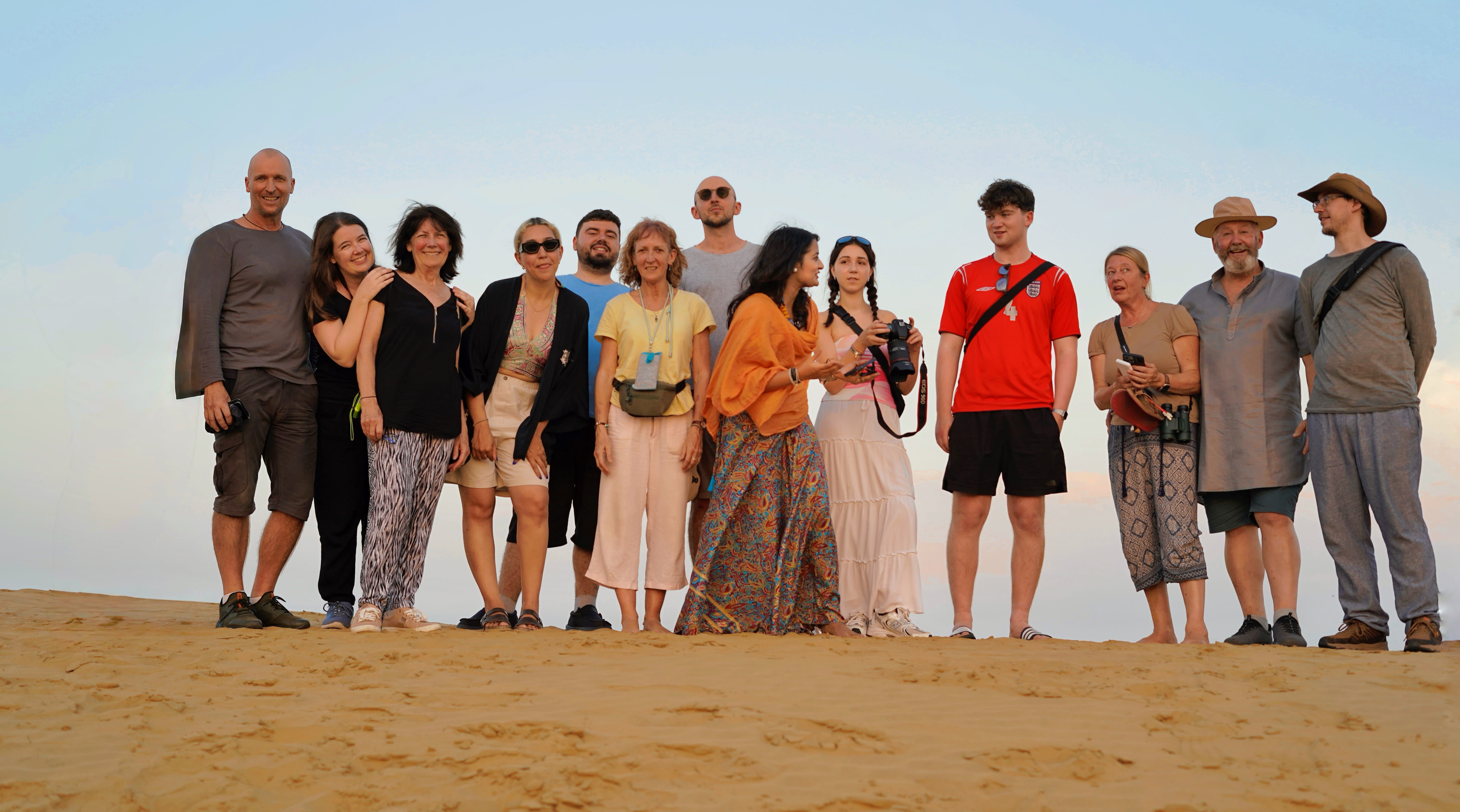
Jaisalmer Travel Guide: The Golden City & Thar Desert
Jaisalmer for US, UK and Europe travellers: the living fort, the havelis, camel safaris in the Thar Desert, when to go and how long to stay.
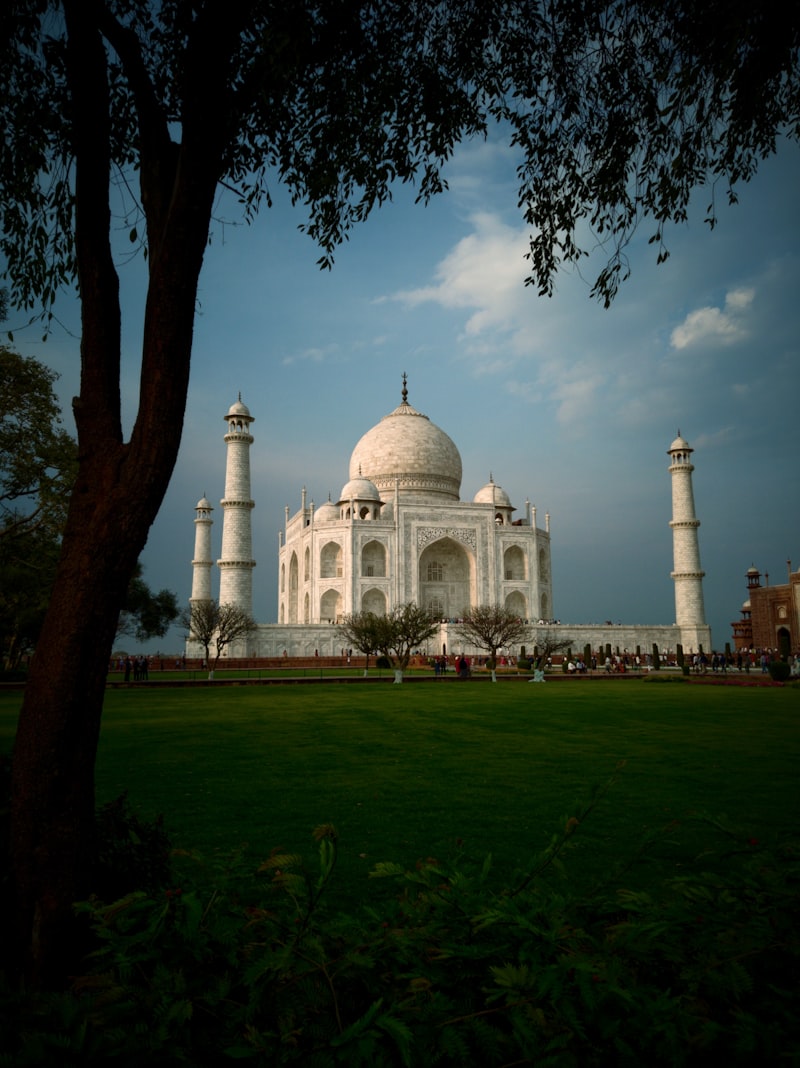
Agra Beyond the Taj Mahal: What Else to See
Discovering Agra beyond the Taj Mahal — Agra Fort, the Baby Taj, Mehtab Bagh and nearby Fatehpur Sikri — so your visit is more than one monument.
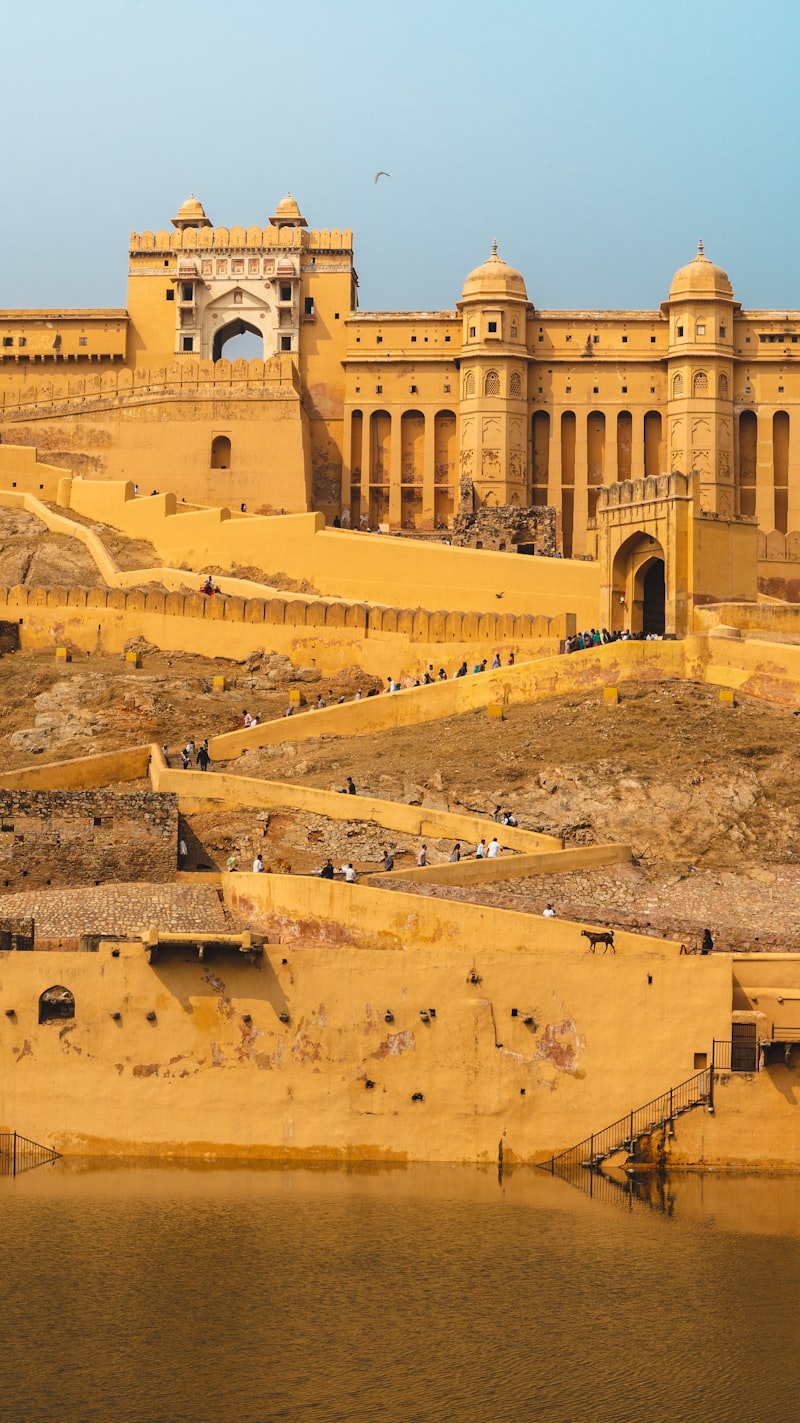
Amber Fort Jaipur: A Complete Visitor's Guide
Everything you need to know before visiting Amber Fort Jaipur, from ticket prices to the best time of day to go.