Amritsar & the Golden Temple: A Visitor's Guide
The Golden Temple in Amritsar for US, UK and Europe travellers: etiquette, the langar, the Wagah border ceremony, and when to visit.
On this page
Some places in India move even seasoned travellers, and the Golden Temple Amritsar is near the top of that list. Sikhism's holiest shrine sits on a shimmering pool, open to all, feeding tens of thousands of people a day for free. For visitors from the US, UK and Europe, a day or two in Amritsar adds a depth of feeling that the forts-and-palaces circuit doesn't quite reach.
Quick answer: The Golden Temple (Harmandir Sahib) is the spiritual heart of Sikhism and the reason to visit Amritsar. It's free, open to everyone, and unforgettable at dawn or after dark when it's lit up. Cover your head, remove your shoes, and give yourself two days to add the moving Jallianwala Bagh memorial and the theatrical Wagah border ceremony.
The Golden Temple: What to Know
The temple complex centres on the gilded Harmandir Sahib, reached by a marble causeway across the Amrit Sarovar — the "pool of nectar" that gives the city its name. Pilgrims circle the water, and the atmosphere shifts beautifully through the day: serene at sunrise, luminous after dark.
A few essentials before you go in:
- Everyone is welcome, regardless of faith. It costs nothing.
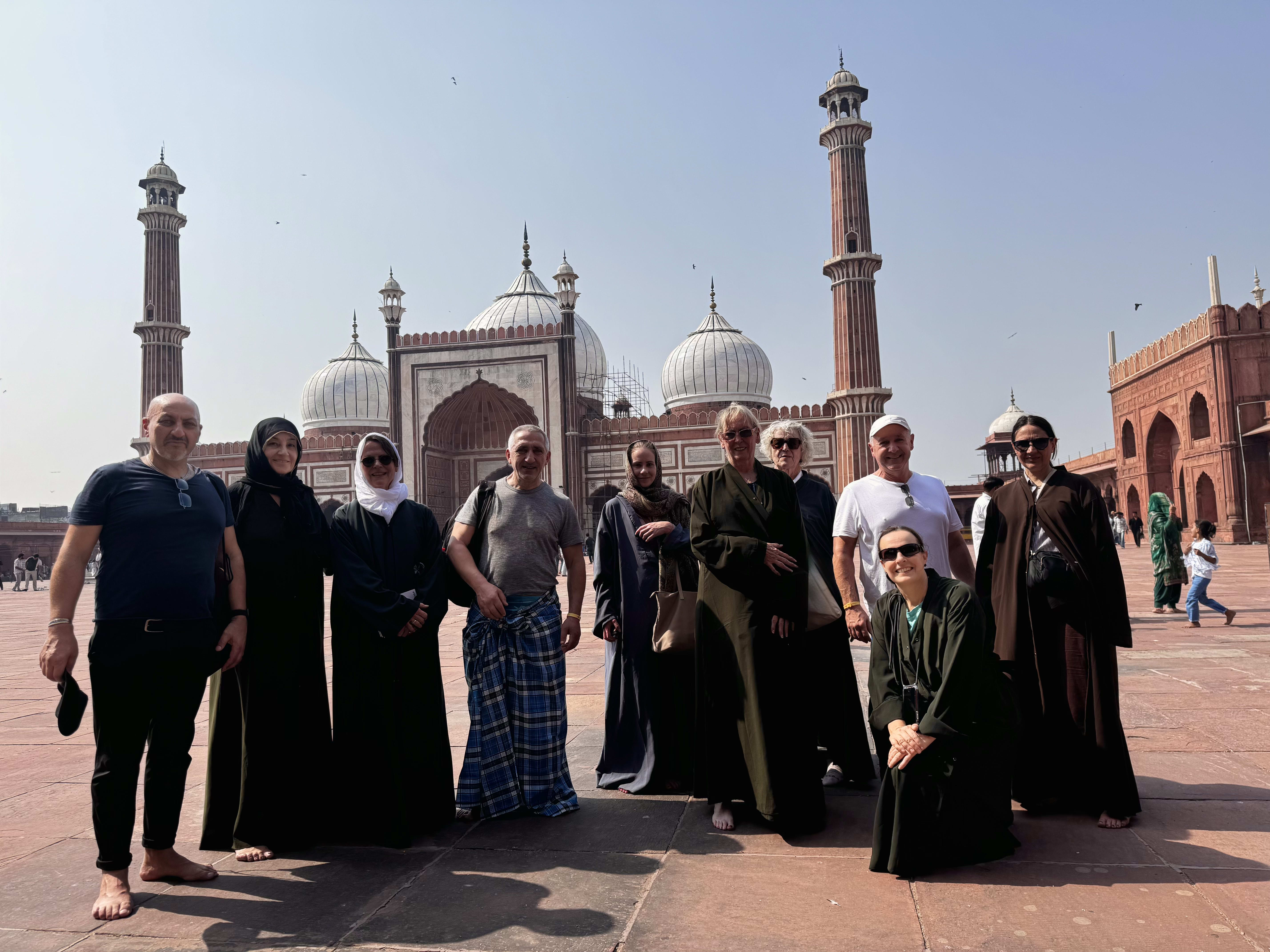
- Cover your head — scarves are available at the entrance if you don't have one.
- Remove shoes and socks and wash your feet at the small water channel by the entrance.
- Dress modestly; our what to wear in India guide covers respectful temple dress for both men and women.
- Move calmly and quietly — this is an active place of worship, not just a sight.
For broader guidance on temple manners and gestures across India, India etiquette dos and don'ts is worth a read before you travel.
The Langar: The World's Largest Free Kitchen
The temple's community kitchen, or langar, serves a simple vegetarian meal to anyone who sits down — often 50,000 to 100,000 people a day, more on festivals. You sit in rows on the floor, eat dal, vegetables and chapati off a steel tray, and volunteers keep it moving with astonishing warmth and efficiency.
Eating here, and even helping wash dishes for a while, is one of the most humbling experiences in India. It embodies the Sikh principle of equality — everyone eats the same food, side by side. If plant-based food is your thing generally, our vegetarian food in India guide has more, but the langar needs no introduction: it's free, kind, and open to all.
Beyond the Temple: Things to Do in Amritsar
Amritsar rewards a full second day:
- Jallianwala Bagh — the garden where a peaceful crowd was fired upon in 1919, now a sobering memorial a few minutes' walk from the temple.
- Partition Museum — a thoughtful, often emotional account of the 1947 division of India and Pakistan.
- Wagah–Attari border ceremony — the daily sunset "retreat" ceremony at the Pakistan border (more below).
- Old city bazaars — for phulkari embroidery, jutti shoes and Punjabi textiles.
- Gobindgarh Fort — a restored fort with museums and evening shows.
Two days is the ideal length for Amritsar, and here's roughly how the time divides:
| Time | What to do | Notes |
|---|---|---|
| Day 1 morning | Golden Temple at its calmest | Go early before the crowds build |
| Day 1 afternoon | Jallianwala Bagh, Partition Museum | Both within a short walk of the temple |
| Day 1 evening | Golden Temple lit up after dark | The most magical time to return |
| Day 2 afternoon | Wagah border ceremony | Leave early; seating fills fast |
The Wagah Border Ceremony
Every evening before sunset, Indian and Pakistani border guards perform an elaborate, high-kicking flag-lowering ceremony at Wagah, about 30 km (19 miles) from Amritsar. It's loud, patriotic and genuinely fun — think stadium crowd, chanting, and precision drill on both sides of the gate.
- Go early — seating fills up and security lines are long.
- Carry minimal bags; restrictions are tight.
- Allow a half-day including travel time from the city.
It's one of the more unusual spectacles in India, and it pairs surprisingly well with the reflective mood of the temple and memorials.
What to Eat
Amritsar is a food destination in its own right, and Punjabi cooking is hearty and generous:
- Amritsari kulcha — a stuffed, crisp-baked bread served with chole.
- Amritsari fish fry — spiced, battered river fish.
- Lassi — thick, sweet, served in huge glasses.
- Old-city dhabas — legendary spots like Kesar Da Dhaba serve rich dal and parathas.
For more on the region's cooking, see our North Indian dishes to try rundown.
When to Visit and How It Fits Your Trip
Amritsar sits on the Punjab plains, so October to March is most comfortable, with warm days and cool evenings; summers are hot and the monsoon (July–September) is humid. For the national picture, see best time to visit India. Visiting around a festival like Baisakhi or Guru Nanak's birthday is extraordinary but very crowded — our best festivals in India for tourists guide can help you plan around the dates.
Most travellers add Amritsar to the classic Delhi–Agra–Jaipur route; it's an easy train or short flight from Delhi. Our Golden Triangle with Amritsar guide shows how to slot it in without over-stuffing the itinerary, and Delhi, Agra & Jaipur first-timer guide covers the core loop it extends.
This cultural add-on is exactly what our next culturally focused departure is built around. The [Soul of India: Golden Triangle Cultural Tour, 16–23 September 2026](/destinations/beyond-taj-sep-2026) is hosted personally by Anna, capped at 12 travellers, and priced at $999 in USD for international guests — with the temple visit, transfers and timings handled so you can simply be present.
Frequently Asked Questions
Can tourists visit the Golden Temple?
Yes. The Golden Temple welcomes visitors of every faith, free of charge. You'll need to cover your head, remove your shoes and socks, wash your feet at the entrance, and dress modestly. Move quietly, as it's an active place of worship.
What is the langar at the Golden Temple?
The langar is the temple's free community kitchen, serving a simple vegetarian meal to anyone who sits down — often tens of thousands of people daily. It reflects the Sikh value of equality, and visitors are welcome to eat and even volunteer.
How many days do you need in Amritsar?
Two days is ideal: one to experience the Golden Temple at different times of day, and a second for Jallianwala Bagh, the Partition Museum and the evening Wagah border ceremony.
What is the best time to see the Golden Temple?
Dawn and after dark are the most atmospheric — quieter and beautifully lit. Seasonally, October to March offers the most comfortable weather, avoiding the intense summer heat and humid monsoon.
Ready to Feel India's Spiritual Side?
If a trip that goes beyond monuments to the country's living heart appeals, our [Soul of India: Golden Triangle Cultural Tour, 16–23 September 2026](/destinations/beyond-taj-sep-2026) is our next culturally focused departure — a small group hosted by Anna and priced in USD for international travellers. See more dates on our destinations page.
Keep reading
More guides to help you plan the same trip.
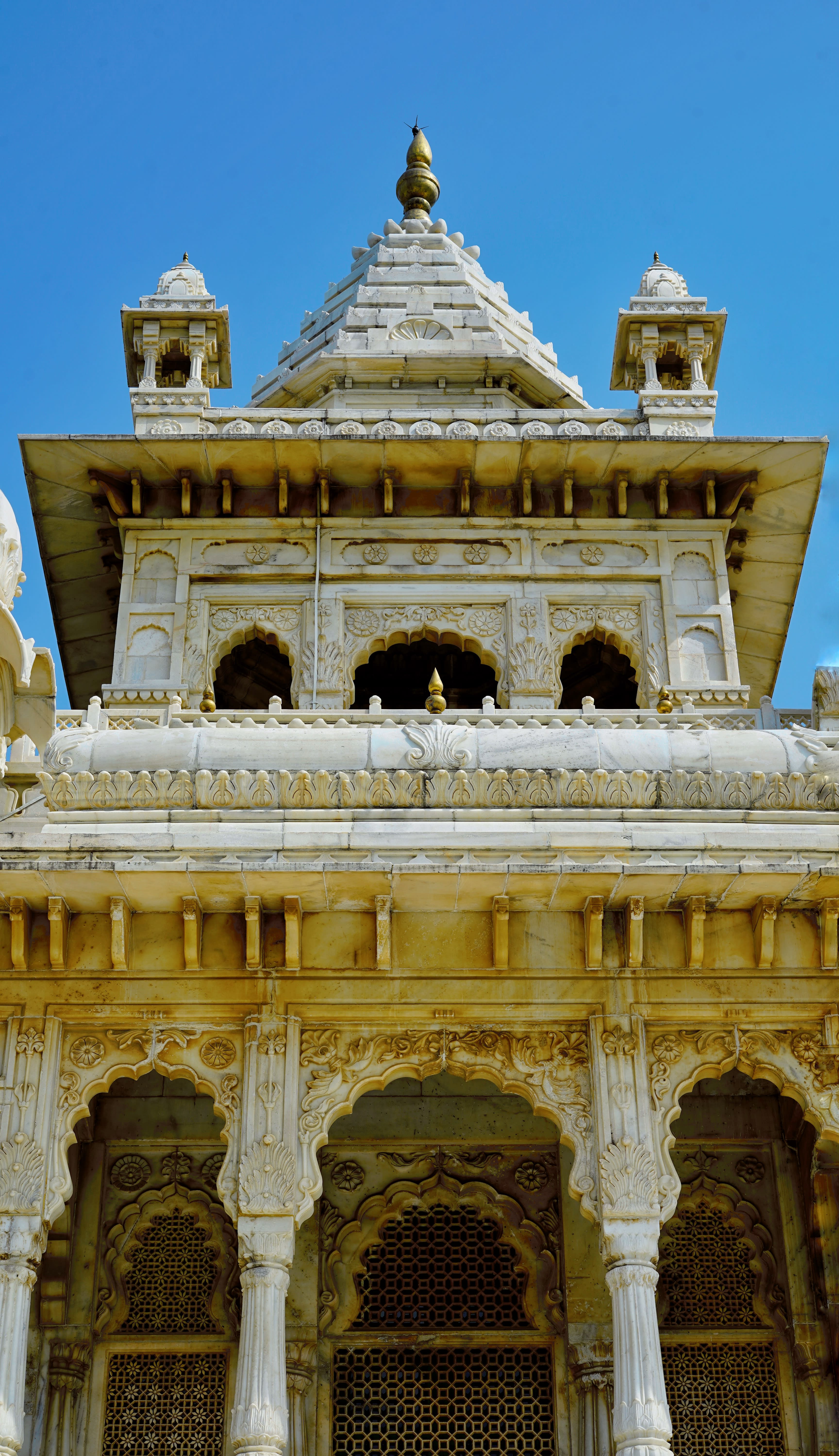
Golden Triangle with Amritsar & the Golden Temple
How to add Amritsar and the Golden Temple to the classic Delhi–Agra–Jaipur route — timing, travel options, and what makes this extension so warm.
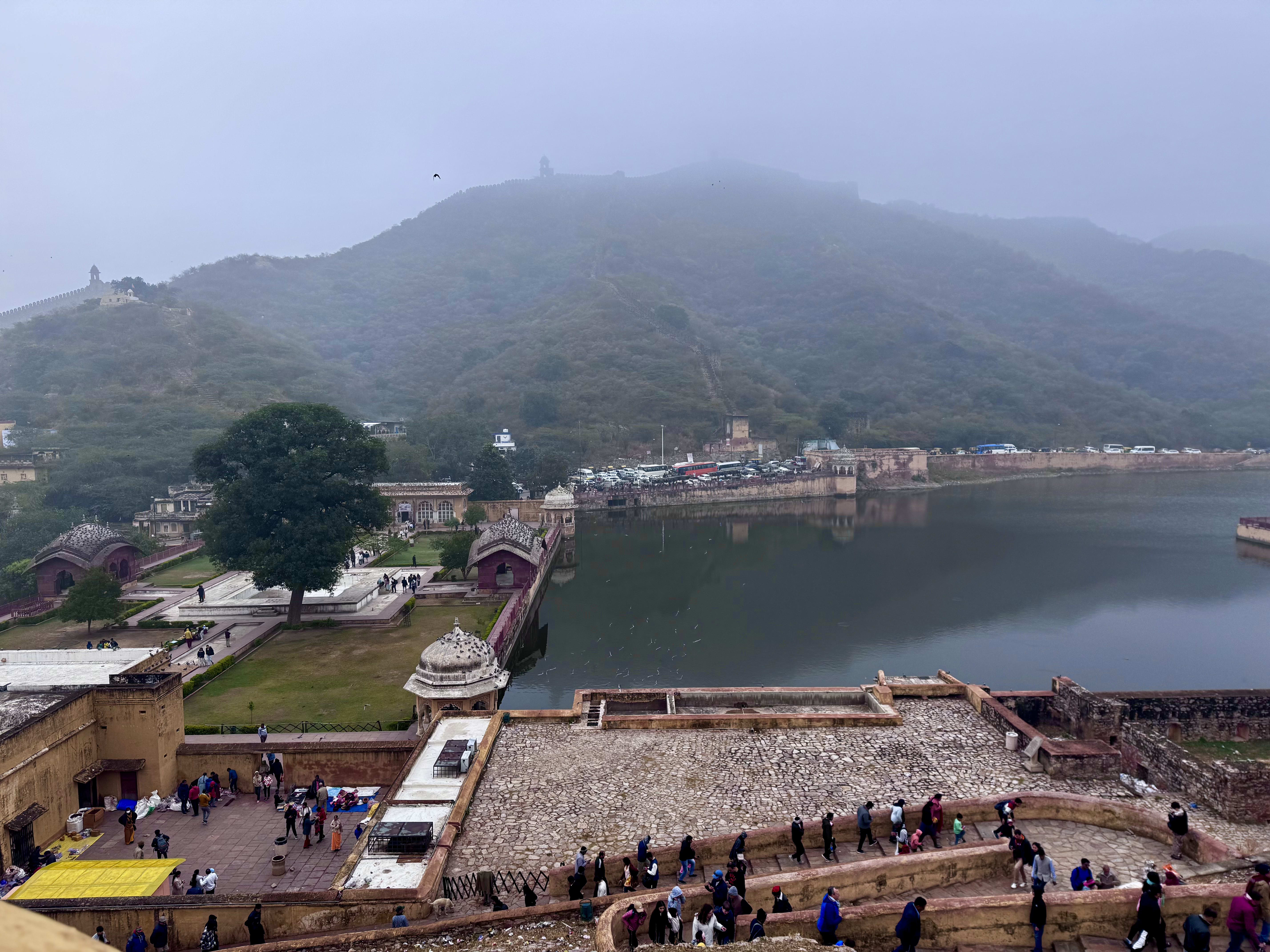
Pushkar Travel Guide: Holy Lake & Desert Town
A complete Pushkar travel guide for US, UK and Europe travellers — the sacred lake, Brahma Temple, bazaars, and how to fit this desert town into Rajasthan.
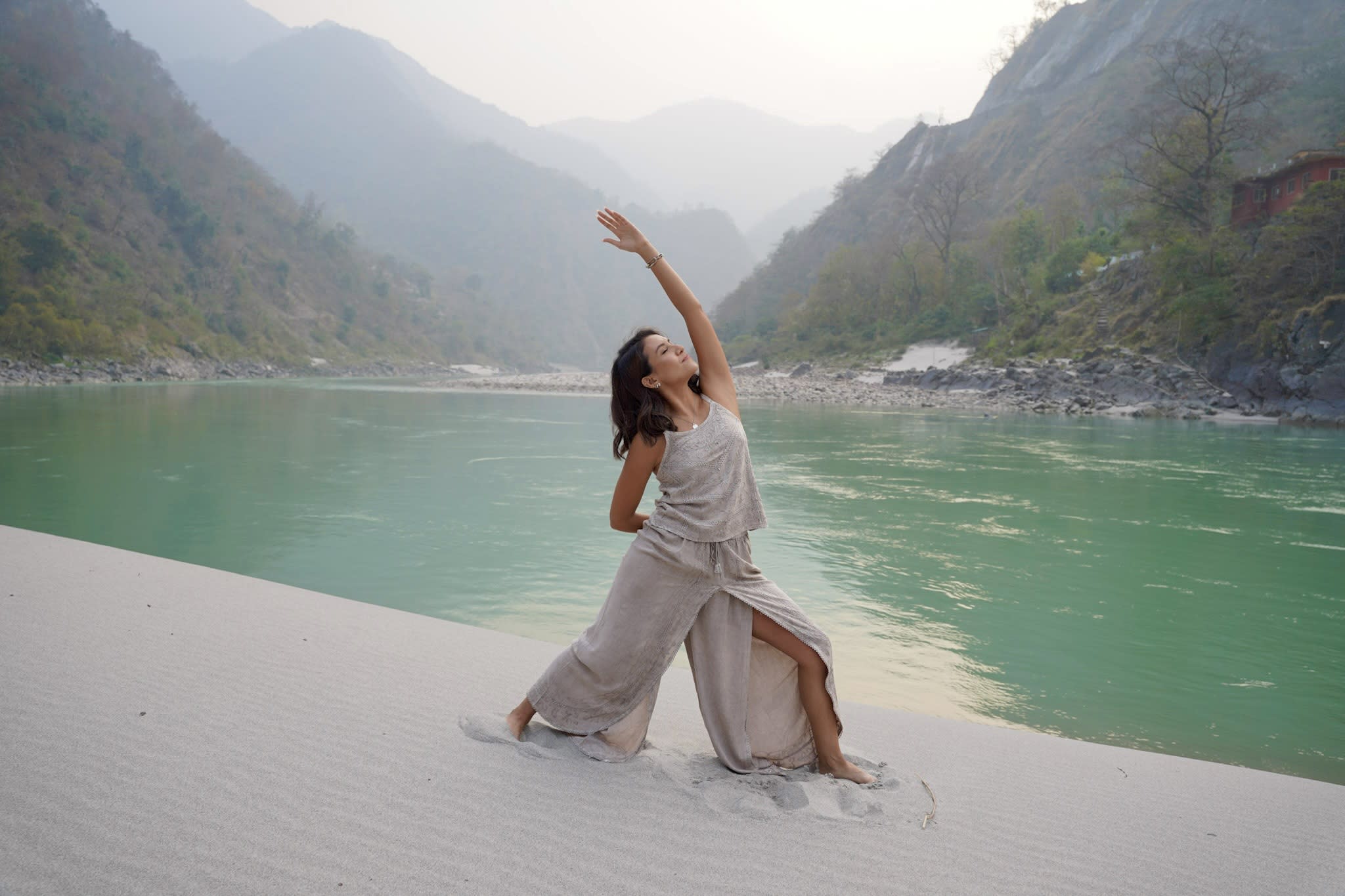
Spiritual India: Temples, Ashrams & Sacred Sites
The temples, ashrams and sacred rivers worth your time as a first-time visitor — and how to experience them respectfully.
What Not to Do in India: Mistakes Tourists Make
The most common mistakes tourists make in India — from temple dress to tap water — and the small courtesies that earn you warmer welcomes.
Amber Fort Jaipur: A Complete Visitor's Guide
Everything you need to know before visiting Amber Fort Jaipur, from ticket prices to the best time of day to go.
Best Time to Visit the Golden Triangle: Month by Month
October to March is the easy answer — but the best month depends on whether you want festivals, cool mornings, lower prices or fewer crowds.