Shimla & Manali: India's Classic Hill Stations
A practical shimla manali guide for US, UK and Europe travellers — when to go, how to get there, what to do, and how the two hill stations differ.
On this page
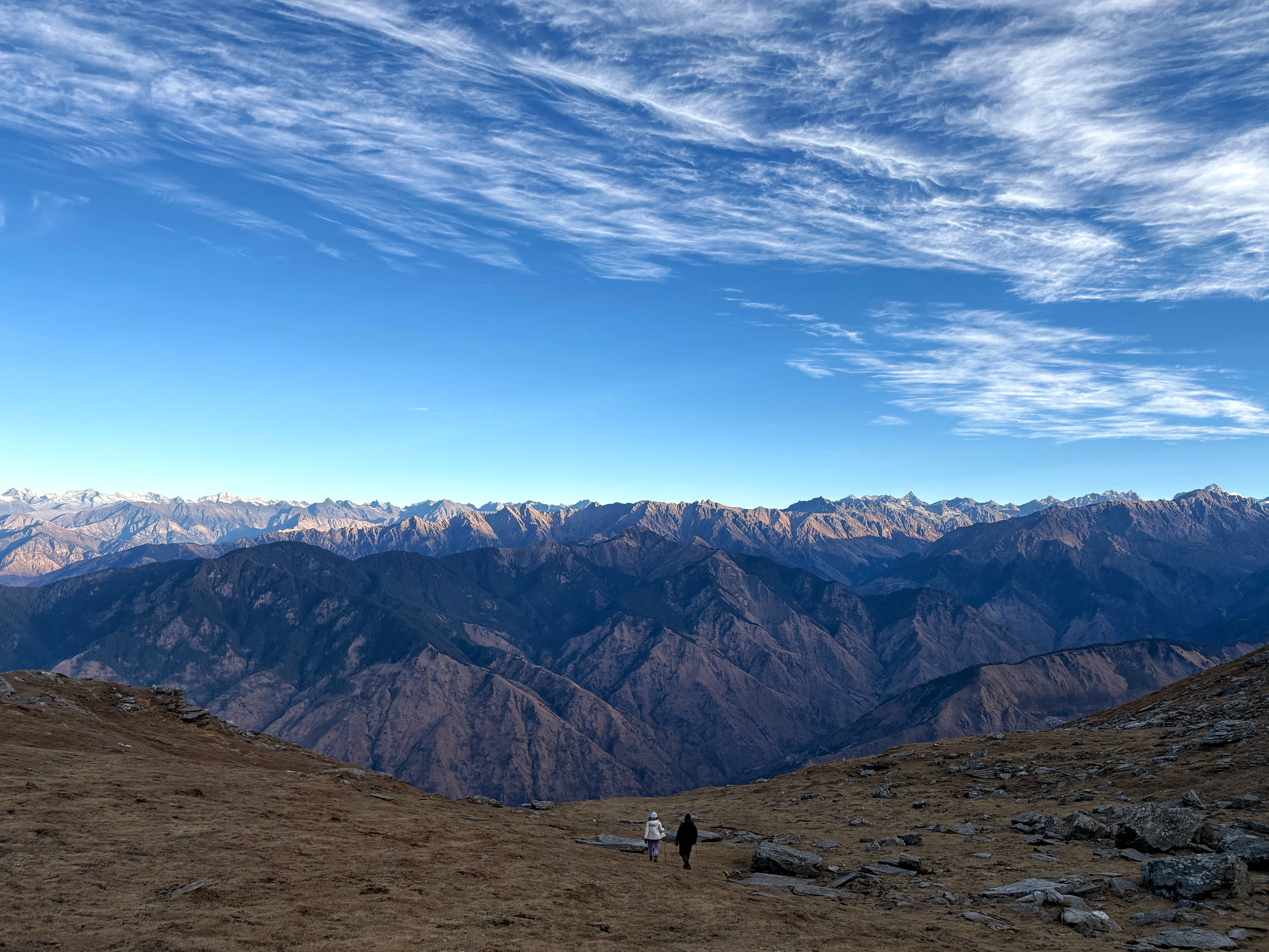
If the heat and intensity of India's plains isn't quite what you pictured, the Himalayan foothills are the antidote — and this Shimla & Manali guide is written for travellers from the US, UK, and Europe who want cool air, pine forests, and snow-dusted peaks without a Himalayan trek. Shimla is the genteel old British summer capital; Manali is the younger, more adventurous mountain town a few hours further north. Together they make the easiest introduction to Himachal Pradesh.
Quick answer: Shimla and Manali are two hill stations in Himachal Pradesh, north of Delhi. Shimla (around 2,200 m) is the elegant, colonial-era town; Manali (around 2,000 m) is the base for adventure and high mountain passes. Visit March–June for pleasant weather and greenery, or December–February for snow. Allow 5–7 days to see both comfortably.
Shimla vs Manali: How They Differ
They're often booked together, but they offer different holidays. Here's the honest comparison:
| Shimla | Manali | |
|---|---|---|
| Character | Colonial elegance, promenades, cafés | Mountain-adventure town, riverside |
| Altitude | ~2,200 m / 7,200 ft | ~2,000 m / 6,700 ft |
| Best for | Gentle walks, heritage, families | Snow, rafting, paragliding, passes |
| Signature spot | The Ridge & Mall Road | Solang Valley & Old Manali |
| Drive from Delhi | 7–8 hours | 12–14 hours |
Shimla suits travellers who want to stroll, sip coffee, and soak up faded British-Raj atmosphere. Manali suits those who want to get outdoors — snow in winter, river rafting and mountain drives in summer. If you can only pick one and you want scenery, choose Manali; if you want heritage and easy pacing, choose Shimla.
Best Time to Visit
Himachal is a year-round destination, but the seasons feel very different:
- March–June (spring/summer): highs of 15–25°C (59–77°F), blossoming valleys, and the most reliable weather. This is peak domestic-tourist season, so book ahead.
- July–September (monsoon): lush and green but with landslide risk on mountain roads; the drive to Manali can be slow.
- October–November (autumn): clear skies, crisp air, thinning crowds — arguably the sweet spot.
- December–February (winter): snow in Manali and around Shimla, magical but cold, with highs near 5–10°C (41–50°F) and occasional road closures.
For how the north sits against the rest of the country month by month, see our best time to visit India overview, and if you're eyeing a snowy trip, India in December covers what to expect.
How to Get There
Most travellers reach both towns from Delhi:
- Shimla: a 7–8 hour drive, or the famous narrow-gauge "toy train" from Kalka, a UNESCO-listed heritage railway that climbs through 100-plus tunnels.
- Manali: a 12–14 hour overnight drive or bus; there are also short flights to Bhuntar (Kullu), 50 km (31 miles) south of Manali.
The mountain roads are winding, so a comfortable vehicle and an experienced driver matter more here than almost anywhere in India. Our guides to getting around India and hiring a driver in India explain how to do this without stress, and train travel in India for tourists covers booking the Kalka–Shimla toy train.
What to Do in Shimla
- Walk The Ridge and Mall Road — the open promenade at the heart of town, car-free and made for people-watching.
- Christ Church — the second-oldest church in North India, floodlit at night.
- Jakhoo Temple — a hilltop Hanuman temple with valley views (and cheeky monkeys — mind your snacks).
- Viceregal Lodge — grand colonial architecture where key pre-independence decisions were made.
- Day trip to Kufri — for snow in winter and meadow views in summer.
What to Do in Manali
- Solang Valley — paragliding, zorbing, and cable-car rides in summer; skiing and snow play in winter.
- Old Manali — a laid-back quarter of cafés, guesthouses, and orchards across the river.
- Hadimba Temple — a striking wooden shrine set among tall deodar cedars.
- Rohtang Pass (seasonal, permit required) — a dramatic high-altitude pass, usually open late May to October.
- Rafting on the Beas River — an easy adrenaline hit for warmer months.
If you enjoy mountain towns like these, you'll likely love the quieter corners of Himachal too — our Bir Billing travel guide, Barot Valley guide, and McLeodganj & Dharamshala guide cover gentler, less-touristed alternatives.
Prefer the Himalayas Without the Logistics?
Long mountain drives, permits, and weather-dependent roads are the real work of a DIY Himachal trip. If you'd rather have the mountain air handed to you on a plate, our hosted route swaps the driving-heavy hill stations for a Himalayan-foothills finish on the Ganga. The [Beyond Golden Triangle: Rishikesh Edition, 3–13 December 2026](/destinations/beyond-golden-triangle-rishikesh-dec-2026) pairs the classic Golden Triangle with several days in Rishikesh — hosted personally by Anna, capped at 12 travellers, and priced at $1,329 in USD for international guests. It's the mountains and the culture, with none of the road-trip stress.
For the culture-first half of that idea, golden triangle with Rishikesh shows how the route flows.
Practical Notes
- Pack layers. Even summer evenings are cool at altitude; winter needs a proper warm coat. See what to pack for India.
- Go slow on arrival. The altitude is modest but the drives are long — plan a gentle first day.
- Book stays early for peak spring and the winter snow window.
- Mind mountain time. Distances look short on a map but roads are slow; don't over-schedule.
Frequently Asked Questions
Is Shimla or Manali better?
It depends on what you want. Shimla is elegant, walkable, and heritage-rich — great for a relaxed break. Manali is more adventurous, with snow, rafting, and high passes nearby. Many travellers do both, spending two or three days in each.
How many days do you need for Shimla and Manali?
Allow 5–7 days to enjoy both without rushing, given the long mountain drives between them. If you only have time for one, three days in Manali or two in Shimla works well as a short escape.
Does it snow in Shimla and Manali?
Yes. Both see snow from roughly late December through February, with Manali and the higher passes getting the most. If snow is your goal, aim for January, but expect cold days and occasional road delays.
How far are Shimla and Manali from Delhi?
Shimla is about 7–8 hours by road (or the scenic toy train from Kalka), and Manali is roughly 12–14 hours by road or an overnight bus. Short flights to Kullu shorten the Manali journey considerably.
Ready to Trade the Plains for the Mountains?
If cool Himalayan air, pine forests, and a slower pace sound like your kind of India, our [Beyond Golden Triangle: Rishikesh Edition, 3–13 December 2026](/destinations/beyond-golden-triangle-rishikesh-dec-2026) brings you the foothills and the Ganga after the great cultural sights — small group, hosted by Anna, priced in USD for international travellers. Explore this and other departures on our destinations page.
Keep reading
More guides to help you plan the same trip.
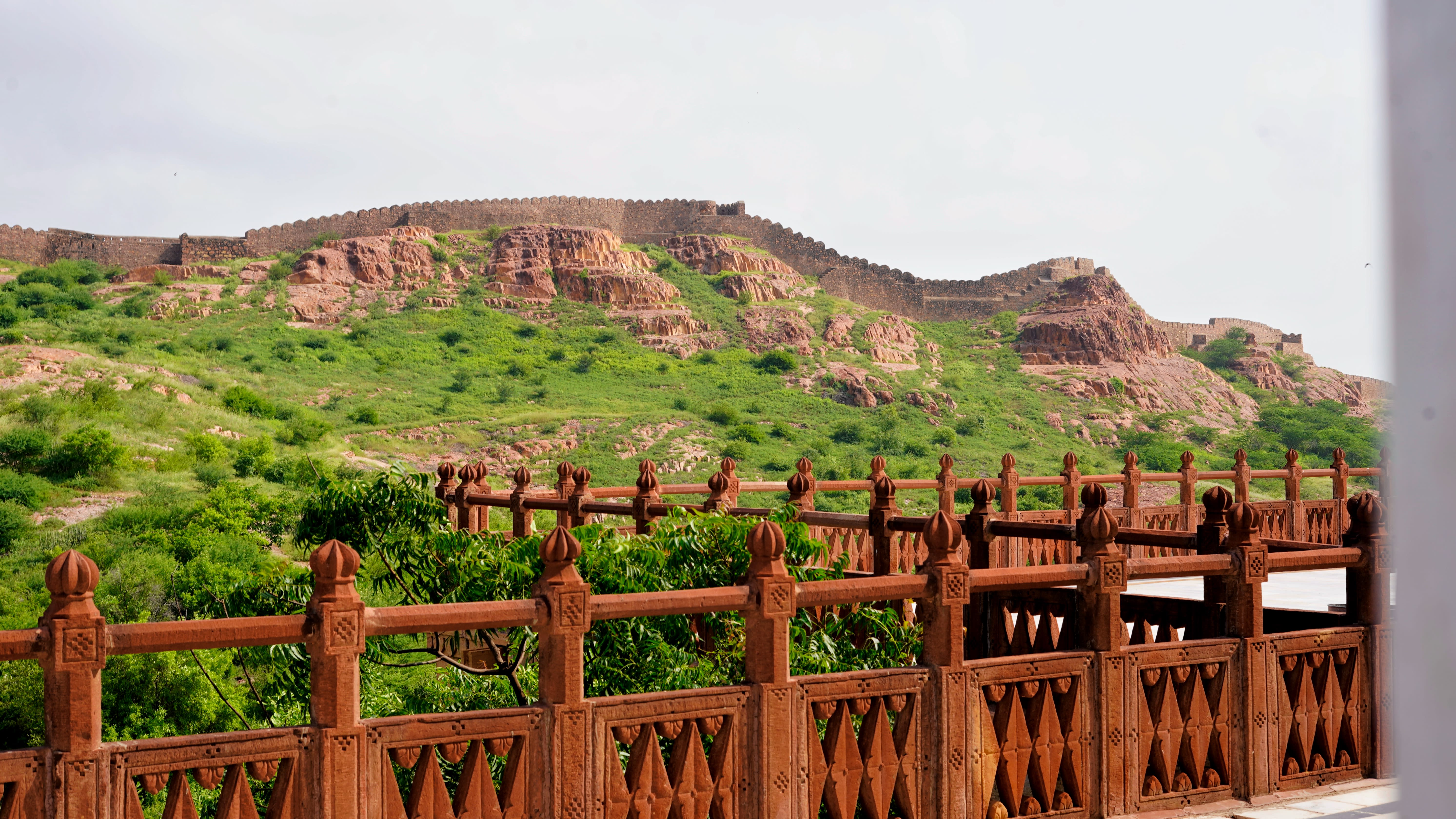
Bir Billing vs Manali: Which Himachal Trip Is Right for You?
Bir Billing vs Manali: a straight comparison of crowds, cost, and what you'll actually do on each Himachal weekend trip.
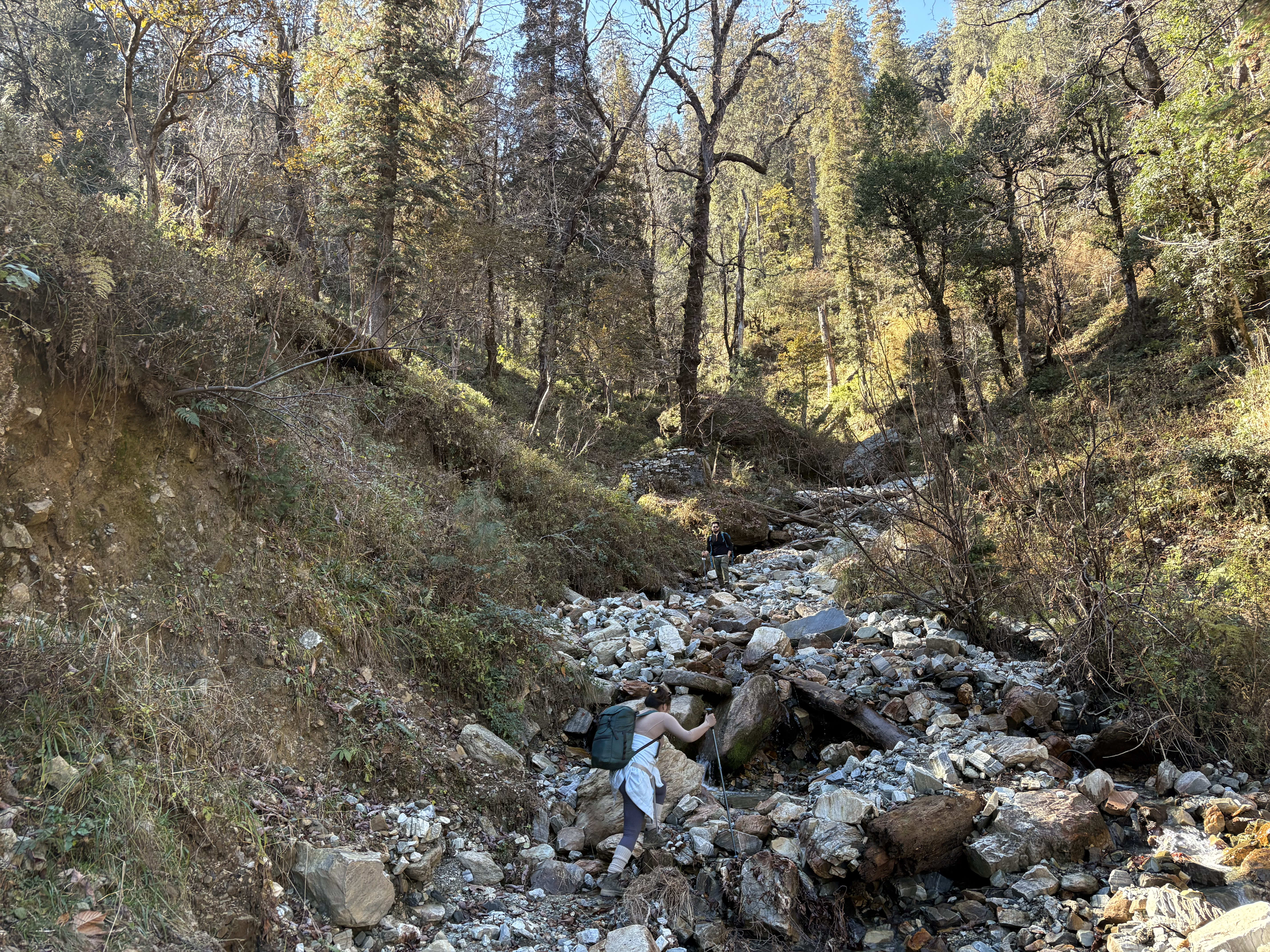
Barot Valley Travel Guide: Himachal Off the Beaten Path
Barot Valley, Himachal: trout fishing, the hydel canal walk, where to stay, and how to plan a quiet weekend away from the Manali crowds.
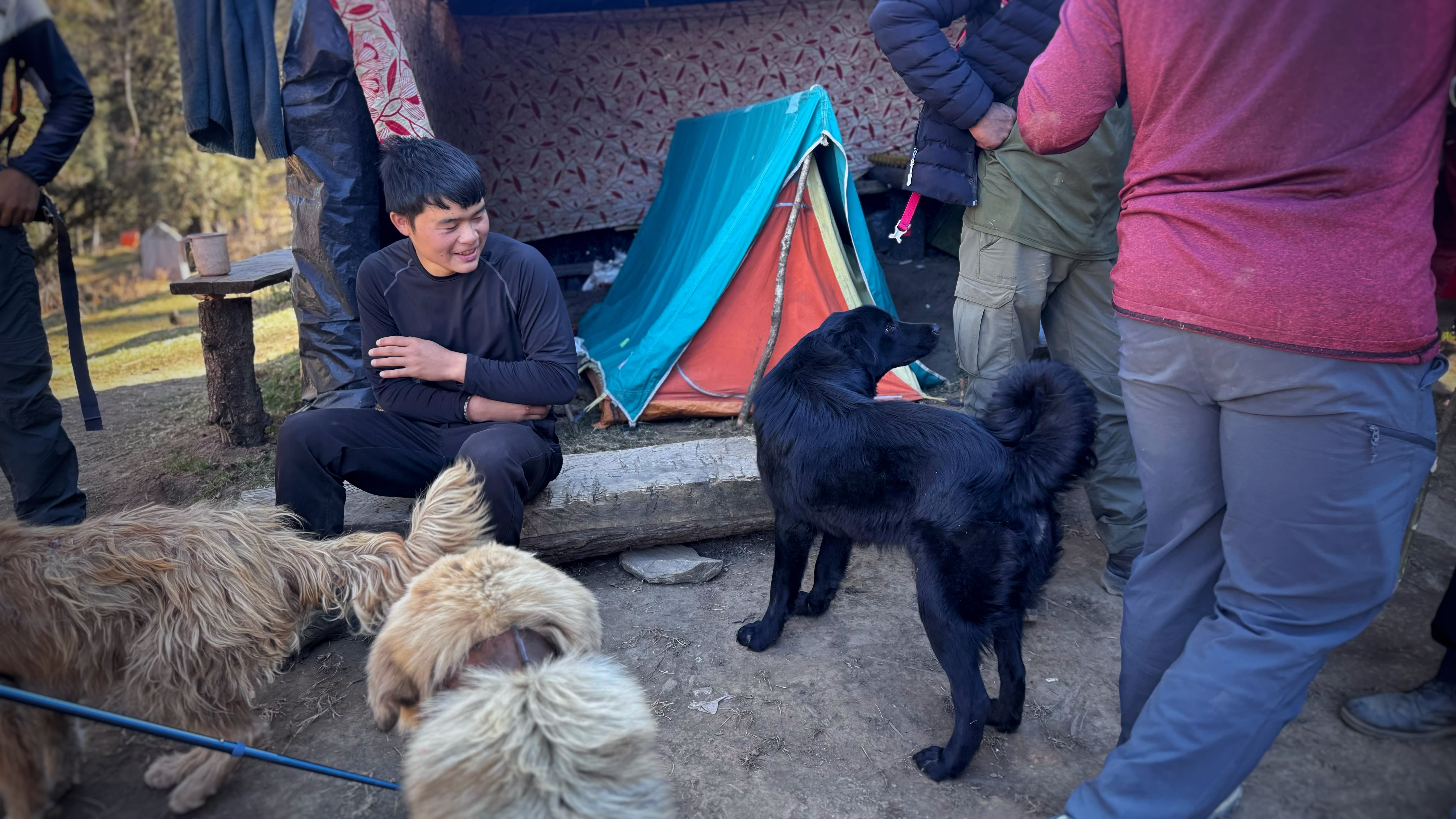
The Best Time to Visit Bir Billing for Paragliding
The best time to visit Bir Billing for paragliding is October to June, when Himachal's thermals and clear skies make for safe, soaring flights.
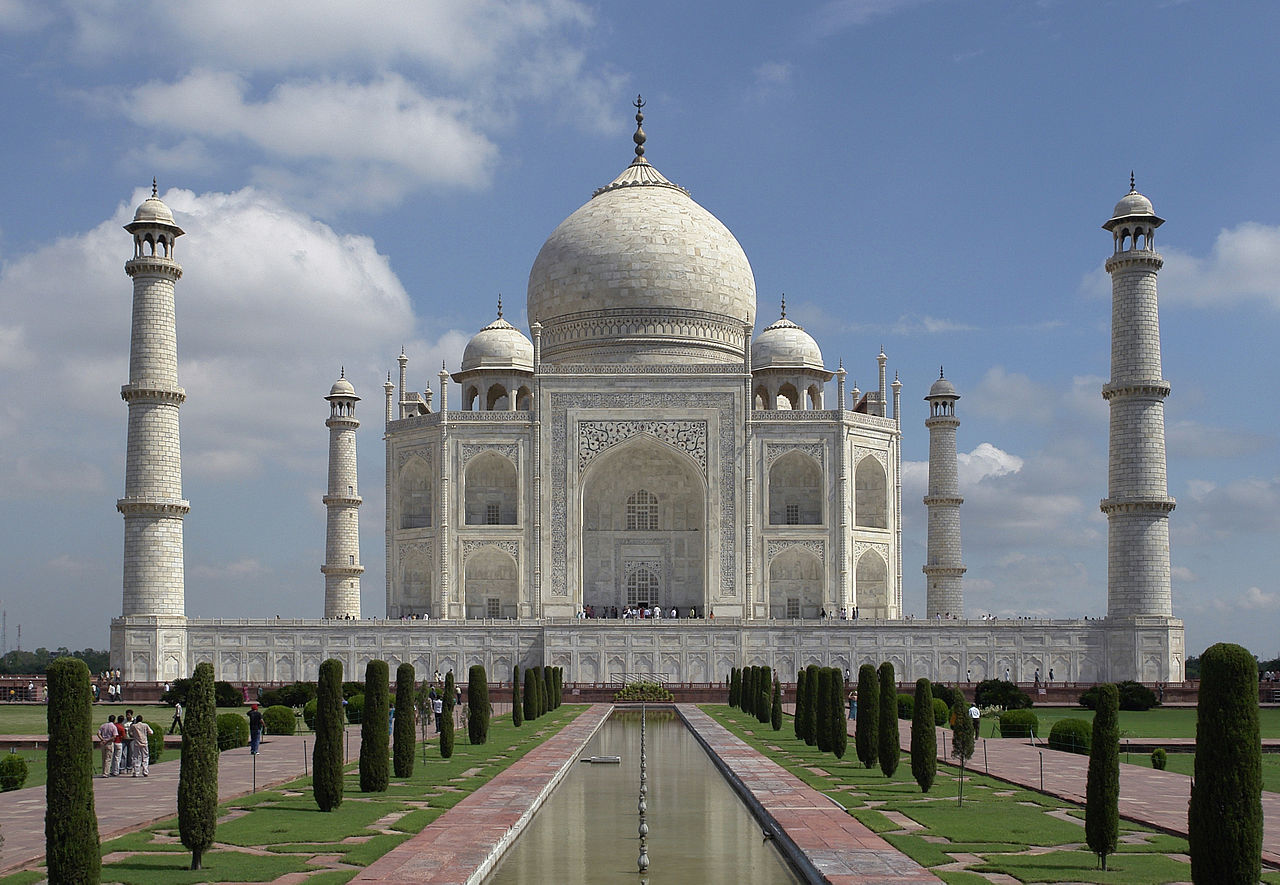
Best Time to Visit the Golden Triangle: Month by Month
October to March is the easy answer — but the best month depends on whether you want festivals, cool mornings, lower prices or fewer crowds.
Delhi, Agra & Jaipur: A First-Timer's Golden Triangle Guide
New to India? The Delhi–Agra–Jaipur circuit is the ideal first trip. The cities, the highlights, and how to do it without the stress.
Delhi Air Quality: The Months to Avoid (and Why)
Delhi air quality season by season: the smoggy months to plan around, when the air is genuinely fine, and how to protect yourself.