What Not to Do in India: Mistakes Tourists Make
The most common mistakes tourists make in India — from temple dress to tap water — and the small courtesies that earn you warmer welcomes.
On this page
India rewards curiosity, but a handful of avoidable missteps can turn a warm welcome into an awkward one. Knowing what not to do in India — from how you dress at a temple to which hand you eat with — saves you embarrassment and, more importantly, earns you genuine kindness from the people you meet. None of it is complicated. It's mostly small courtesies that locals notice and appreciate, and after years of hosting this route, they're the same ones we quietly coach travellers on before every trip.
Quick answer: The biggest things to avoid in India are dressing too revealingly at religious sites, using your left hand to eat or give things, drinking tap water, photographing people without asking, and losing your temper when plans run late. Respect the local rhythm, stay relaxed about the chaos, and you'll be treated warmly almost everywhere.
Don't Dress Disrespectfully at Sacred Sites
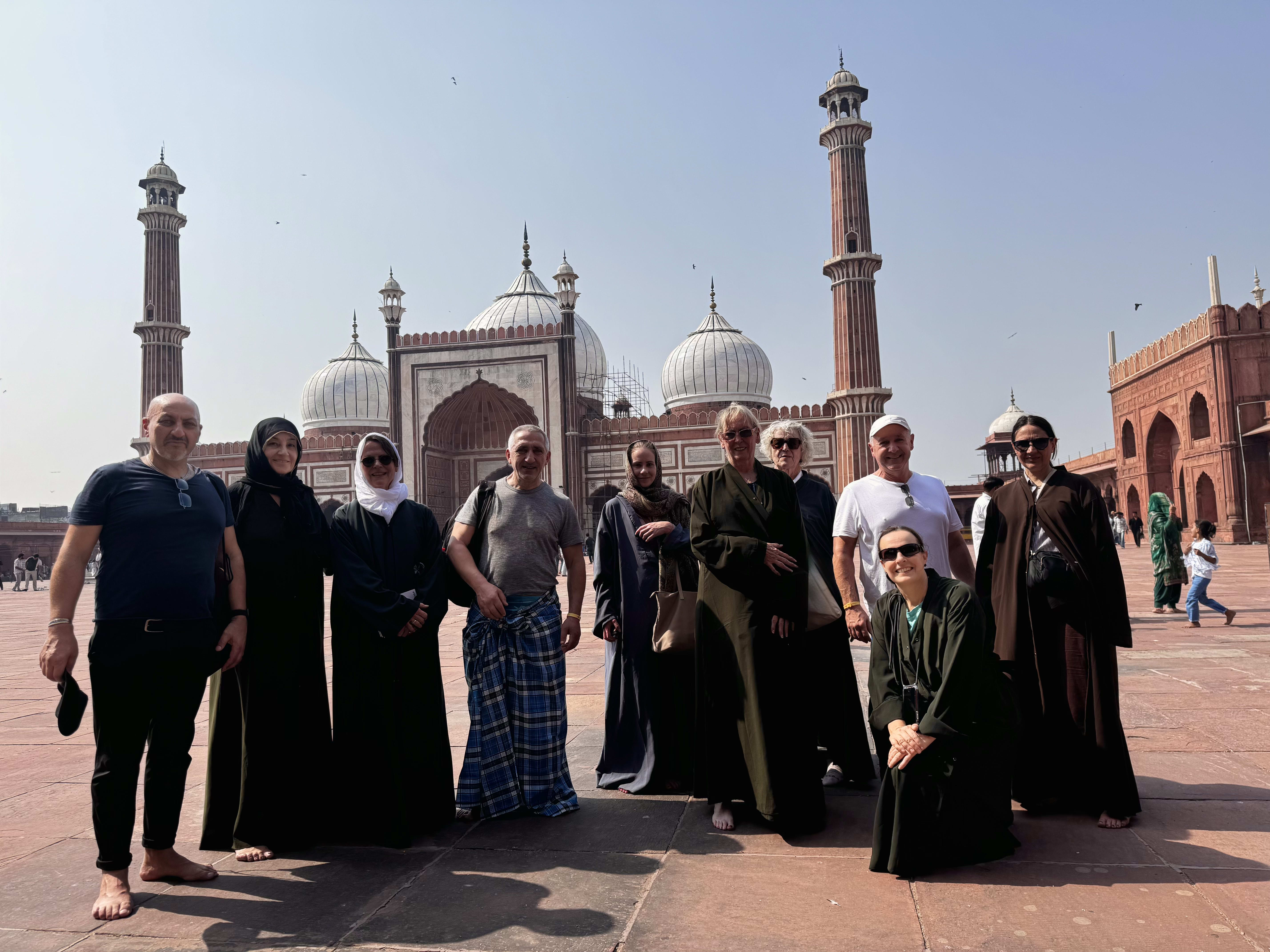
India is a deeply religious country, and temples, mosques, and gurdwaras have real expectations about dress. Bare shoulders, short shorts, and low necklines will get you turned away or stared at — not out of hostility, but because it reads as disrespectful in a place of worship.
- Cover your knees and shoulders at religious sites; carry a light scarf you can throw over your shoulders or head.
- Remove your shoes before entering (and often before entering someone's home).
- At Sikh gurdwaras like the Golden Temple, everyone covers their head — men and women alike.
Our full breakdown of what to wear in India covers the cities and the countryside, and the broader India etiquette dos and don'ts guide fills in the rest.
Don't Ignore Hand and Foot Etiquette
Two quiet rules trip up almost every first-timer. The left hand is traditionally considered unclean, so eat, pass money, and hand over objects with your right hand. And feet are considered the lowest, least clean part of the body — don't point your soles at people or at a shrine, and never step over someone sitting on the floor.
If you accidentally touch someone with your foot, a quick apologetic touch of your hand to their arm is the customary gesture. Small things, but locals clock them instantly.
Don't Drink the Tap Water
This is the single most common way travellers get sick. Stick to sealed bottled or properly filtered water, skip ice unless you know it's made from filtered water, and be a little cautious with raw salads washed in tap water.
| Situation | Don't | Do instead |
|---|---|---|
| Drinking water | Tap water or unknown ice | Sealed bottled or filtered water |
| Eating with hands | Use your left hand | Use your right hand |
| Temples & mosques | Wear shorts or bare shoulders | Cover knees and shoulders, remove shoes |
| Street snacks | Eat from empty, cold stalls | Choose busy stalls with high turnover |
| Bargaining | Argue aggressively | Smile and negotiate politely |
Street food is one of the joys of the country, and it's safer than its reputation if you're sensible — indian street food safe to eat and how to avoid getting sick in India walk through exactly how to eat well without a bad night.
Don't Fall for Common Tourist Traps
Most people in India are extraordinarily hospitable, but tourist hubs attract the usual opportunists. The classic ones: a "helpful" stranger steering you to a particular shop, a driver who claims your hotel has closed, or an official-looking "tourist office" that isn't one.
- Book taxis through your hotel, a prepaid counter, or a ride app rather than accepting a tout's offer.
- Be wary of anyone who approaches you first with an unusually good deal.
- Agree the fare before you get in an auto-rickshaw, or insist on the meter.
Our guide to common scams in India and how to avoid them covers the specifics, and if you enjoy a market haggle, bargaining and haggling in India shows how to do it with a smile rather than a scowl.
Don't Lose Your Cool Over the Pace
India runs on its own timing. Trains are late, plans shift, and what looks like chaos usually resolves itself. Travellers who arrive expecting Swiss punctuality have a harder time than those who lean into the flow. Getting visibly angry rarely speeds anything up and almost always makes locals uncomfortable — patience and a smile open far more doors.
This is also the quiet advantage of travelling with a small group: the logistics, timings, and inevitable curveballs are handled for you, so the pace becomes part of the adventure rather than a source of stress. Our [Soul of India: Golden Triangle Cultural Tour, 16–23 September 2026](/destinations/beyond-taj-sep-2026) is built around exactly this — a culturally rich week through Delhi, Agra, and Jaipur, hosted personally by Anna, capped at 12 travellers, and priced at $999 in USD for international guests.
Don't Photograph People Without Asking
A camera is not a licence. Snapping close-ups of people — especially women, sadhus, or anyone at prayer — without permission is intrusive and sometimes genuinely offensive. A smile and a gesture toward your camera usually gets a warm yes, and often a better photo. Avoid photographing military sites, airports, and some bridges entirely.
For getting the most from your shots respectfully, India photography tips is worth a read before you go.
Don't Skip the Basics of Money and Safety
A few last practical don'ts. Don't rely on cards everywhere — carry cash for markets, small eateries, and tips, as covered in money and tipping in India. Don't flash expensive gear in crowds. And don't let overblown fears put you off — India is broadly safe for visitors who use everyday city sense, as is India safe for tourists explains. If it's your very first trip, first time India travel guide ties all of this together.
Frequently Asked Questions
What should you not wear in India?
Avoid short shorts, crop tops, and low necklines, especially at religious sites and in smaller towns. Loose, lightweight clothing that covers your shoulders and knees keeps you comfortable in the heat and respectful of local norms. Carry a scarf you can use to cover up quickly when needed.
Is it rude to use your left hand in India?
Yes, traditionally. The left hand is considered unclean, so use your right hand to eat, pass money, and hand over objects. It's a small habit to build, and locals notice and appreciate it.
Can you drink tap water in India?
No — tap water is not safe for most visitors to drink. Stick to sealed bottled water or properly filtered water, and be cautious with ice and raw salads. This one precaution prevents the most common traveller stomach upsets.
Is it okay to take photos of people in India?
Only with permission. Always ask before photographing individuals, particularly women, holy men, or anyone praying. Most people happily agree, but photographing military sites and airports is off-limits.
Ready to Experience India the Right Way?
The easiest way to sidestep every one of these mistakes is to travel with someone who knows the country's rhythms. Our [Soul of India: Golden Triangle Cultural Tour, 16–23 September 2026](/destinations/beyond-taj-sep-2026) takes you through Delhi, Agra, and Jaipur with the etiquette, logistics, and local know-how already handled — small group, hosted by Anna, priced in USD for international travellers. Browse all upcoming dates on our destinations page.
Keep reading
More guides to help you plan the same trip.
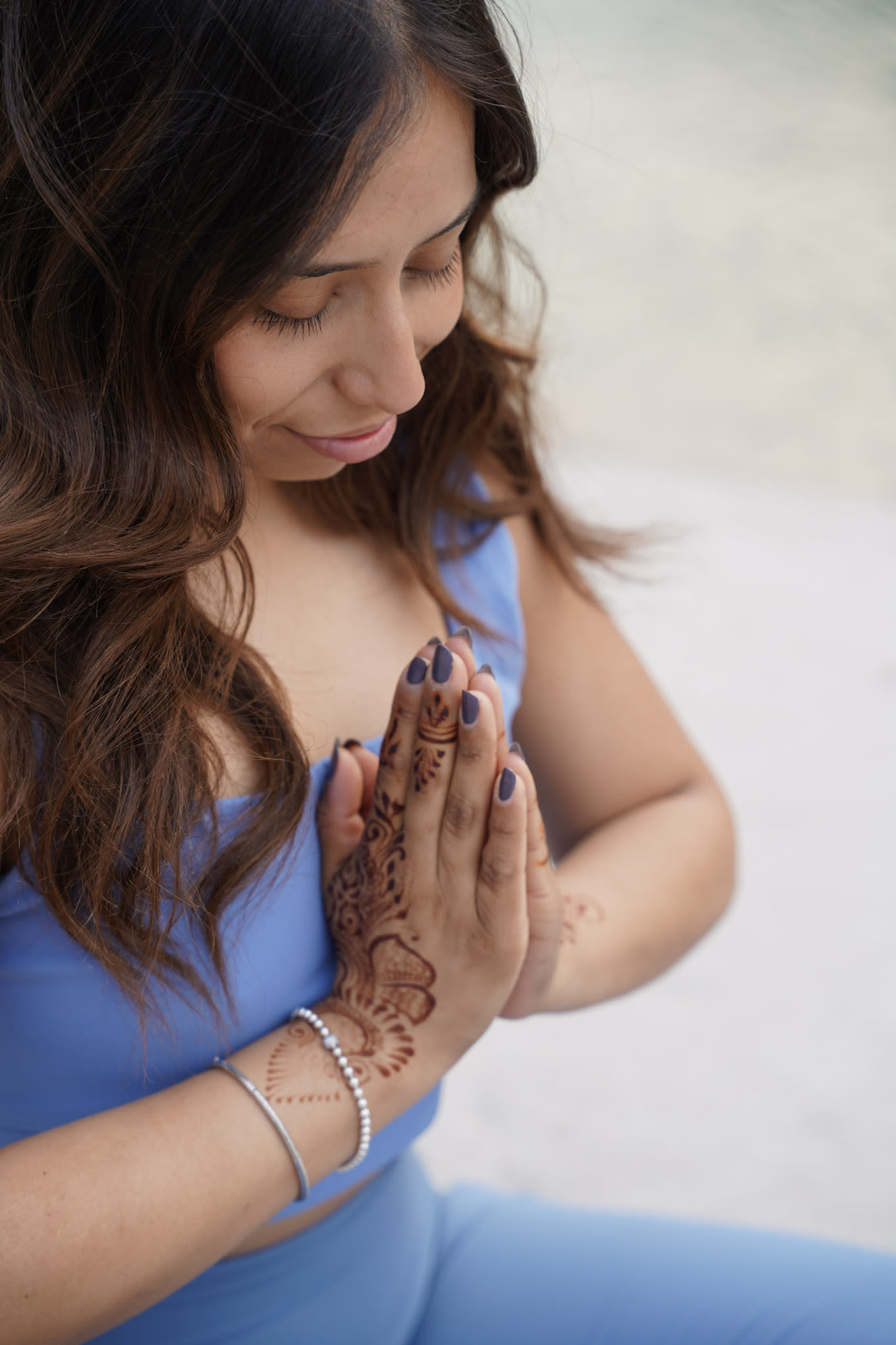
India Etiquette: 15 Dos and Don'ts for Visitors
India etiquette for first-time visitors: how to dress, greet, enter temples, eat and photograph people without causing offence.
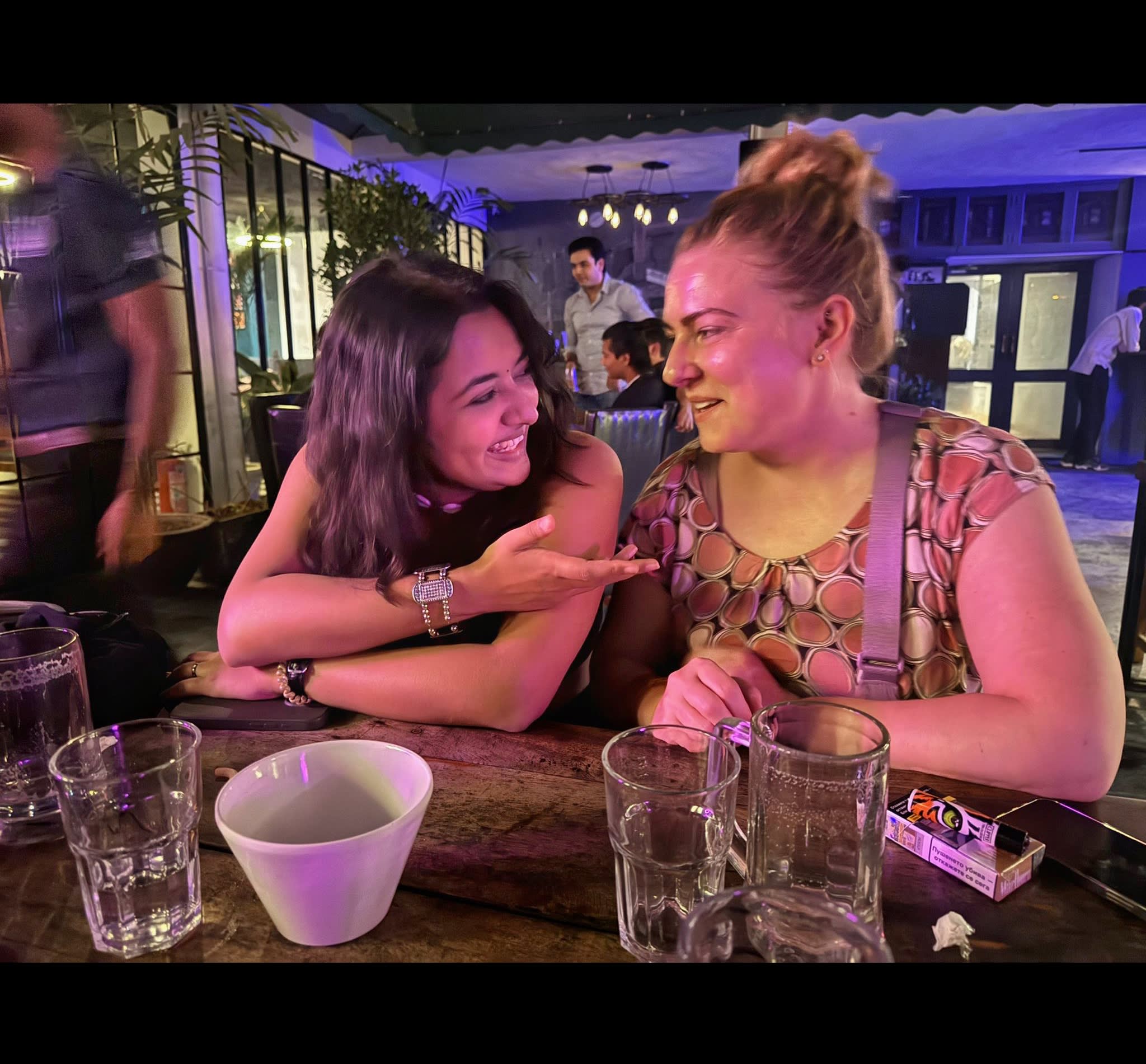
Chai, Coffee & Cafe Culture in India
A first-timer's guide to chai culture India travellers fall in love with, from roadside stalls to Rishikesh riverside cafes.
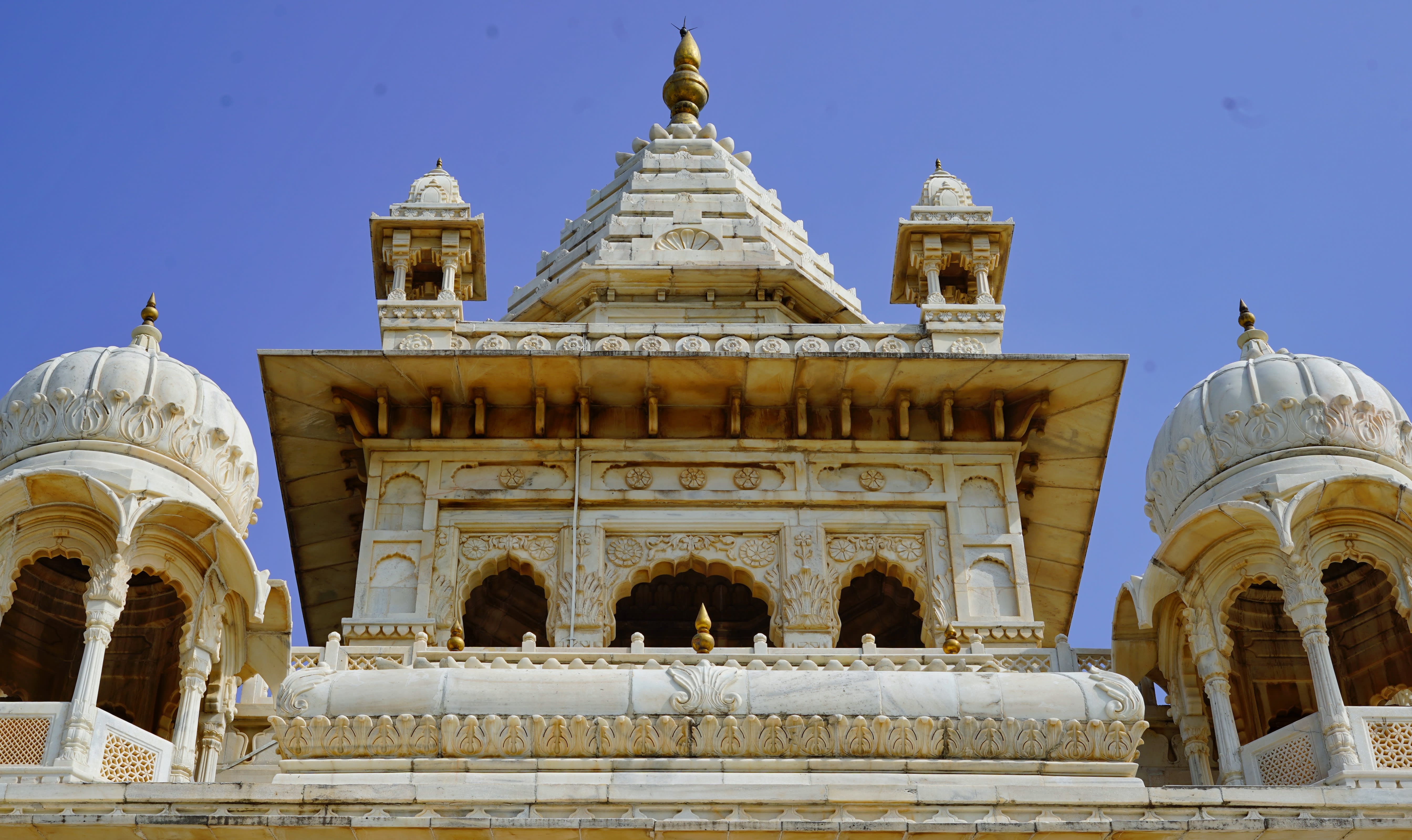
Amritsar & the Golden Temple: A Visitor's Guide
The Golden Temple in Amritsar for US, UK and Europe travellers: etiquette, the langar, the Wagah border ceremony, and when to visit.
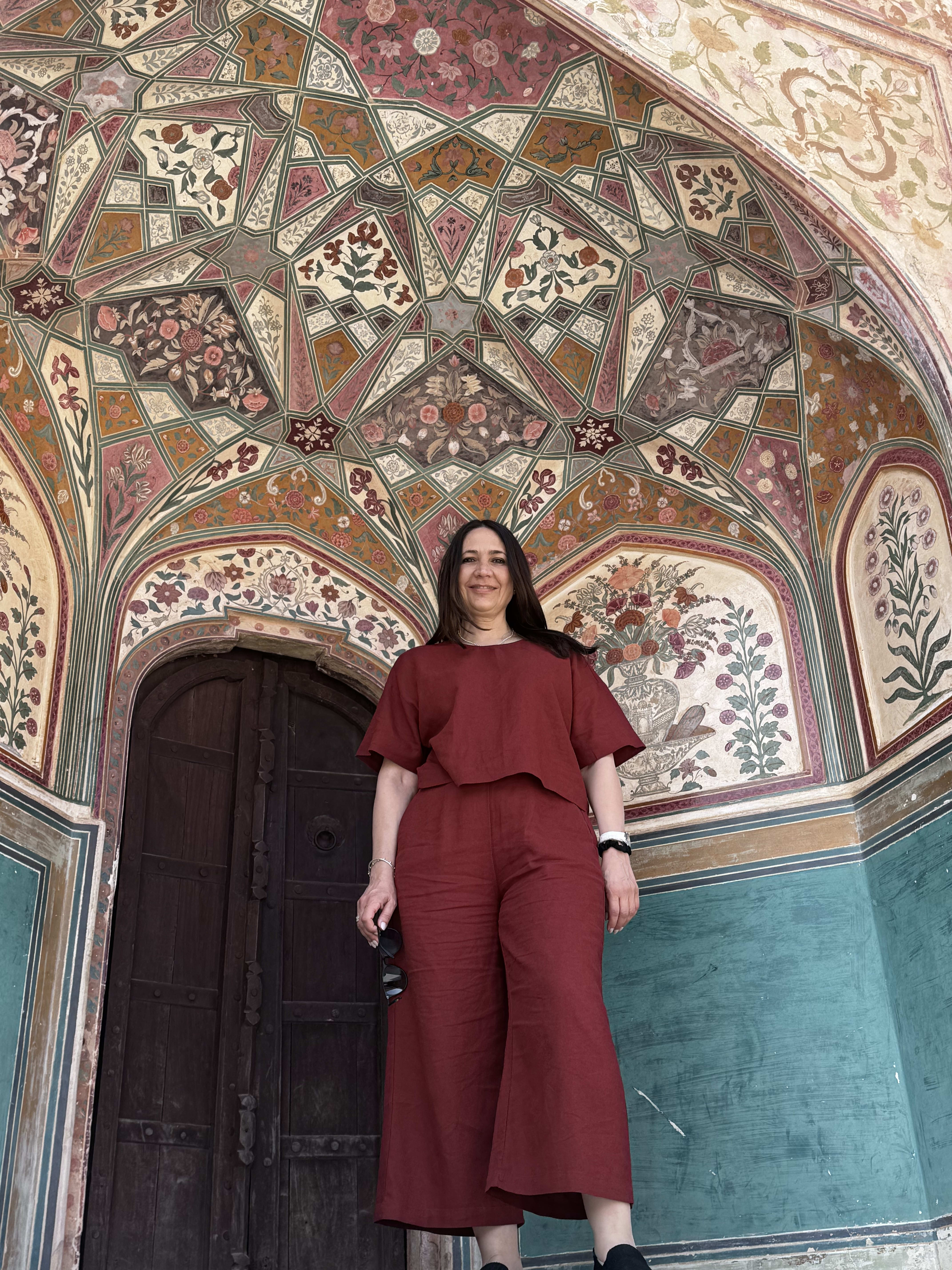
2 Days in Jaipur: The Perfect Pink City Itinerary
A realistic 2 days in Jaipur itinerary covering Amber Fort, the City Palace, bazaars, and food, without the rush.
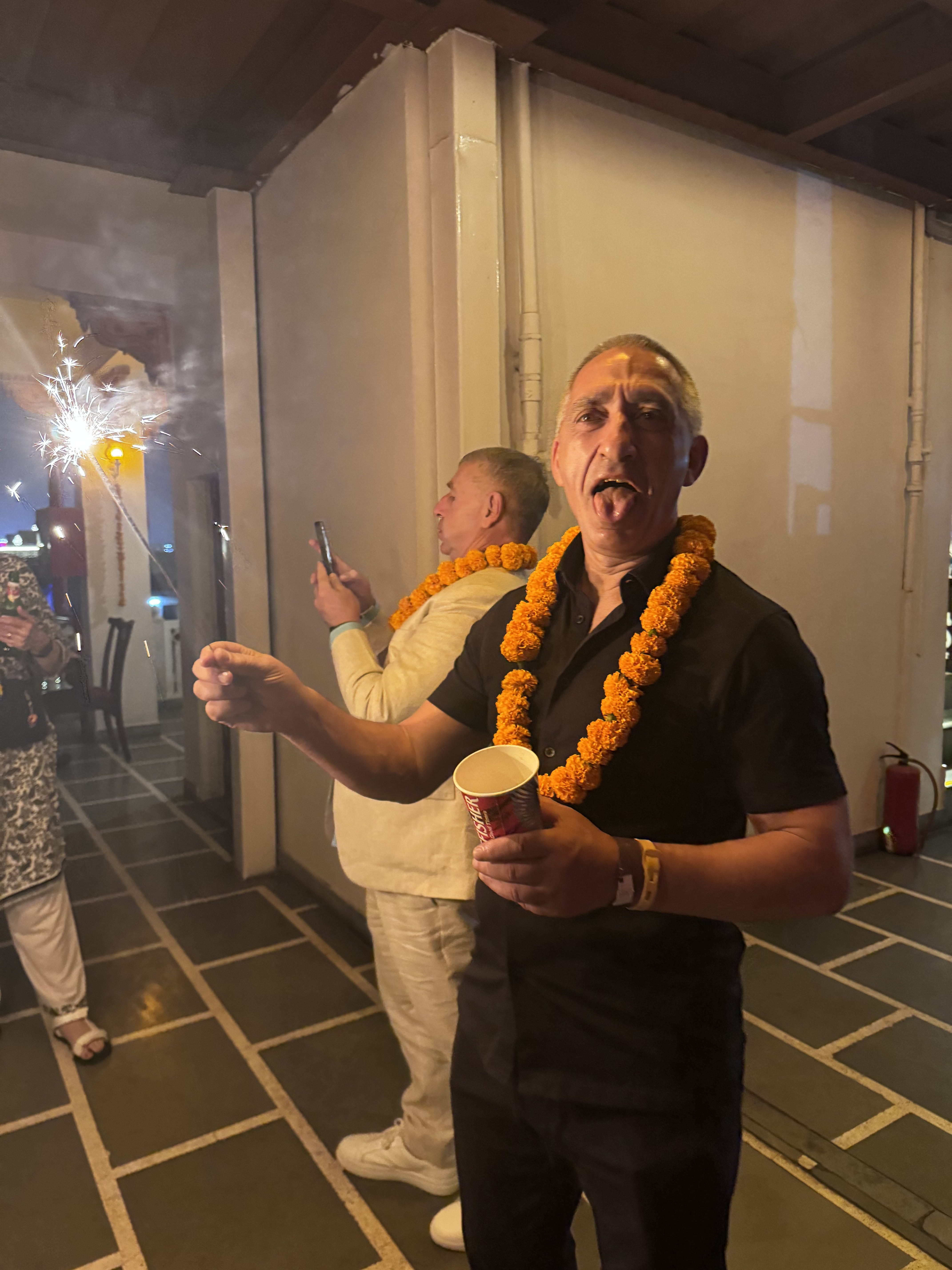
The Best Festivals in India for Tourists (Month by Month)
A month-by-month guide to the best festivals in India for tourists, from Diwali and Holi to camel fairs and desert celebrations.
India e-Visa Guide for Tourists (2026)
The India e-visa for tourists, step by step: who's eligible, what documents you need, what it costs, how long it takes and the mistakes to avoid.