Varanasi Travel Guide: India's Spiritual Heart
A first-timer's guide to Varanasi — the ghats, the Ganga Aarti, how many days you need, and how to experience the world's oldest living city respectfully.
On this page
No city divides first-time visitors quite like Varanasi — and almost everyone who gives it a real chance leaves changed by it. This Varanasi travel guide is for travellers from the US, UK, and beyond who want to understand what they're walking into: the ghats, the cremation grounds, the dawn boat rides, and the extraordinary intensity of a place Mark Twain called older than history itself. Go in with the right expectations and it becomes the most moving stop of an India trip.
Quick answer: Two nights (one full day plus two dawns) is the sweet spot for Varanasi. Do a sunrise boat ride along the ghats, witness the evening Ganga Aarti at Dashashwamedh, walk the old-city lanes, and treat the cremation ghats with quiet respect. It's an intense, deeply spiritual city — not a relaxing beach stop.
Why Varanasi Feels Unlike Anywhere Else
Varanasi (also called Kashi or Benares) sits on the west bank of the Ganges and is one of the oldest continuously inhabited cities on earth. For Hindus it's among the holiest places to pray, to bathe in the river, and to be cremated — which is why the riverfront hums with ritual from before dawn until late at night. That constant proximity to life and death is exactly what makes it profound, and occasionally overwhelming, for first-time visitors.
If Varanasi is your first taste of India's intensity, our first time India travel guide and is India safe for tourists are worth reading before you go.
The Ghats: What to See and How
The ghats are the wide stone steps leading down to the river, and they're the heart of the city. A few anchor your visit:
- Dashashwamedh Ghat — the main ghat and the setting for the grand evening Ganga Aarti.
- Assi Ghat — quieter, with a lovely morning aarti and a more relaxed café scene.
- Manikarnika and Harishchandra Ghats — the cremation ghats. Observe from a respectful distance, never photograph the cremations, and follow your host's or guide's lead.
The single best way to see them all is from the water. A sunrise boat ride — drifting past the ghats as the city wakes, prays, and bathes — is the quintessential Varanasi experience and far calmer than the crowded lanes.
The Ganga Aarti: Don't Miss It
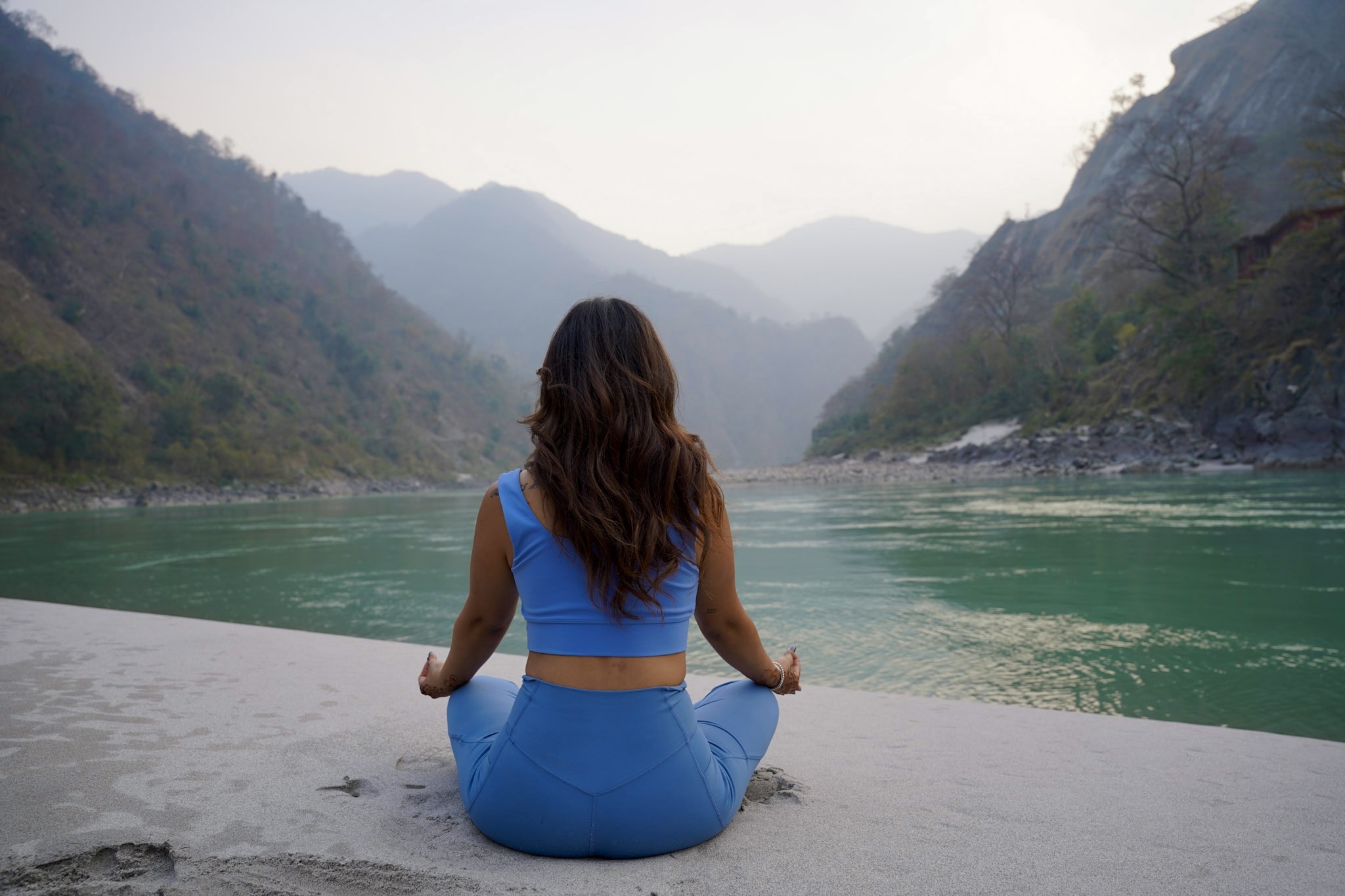
Every evening at Dashashwamedh Ghat, priests perform the Ganga Aarti — a choreographed fire-and-lamp ceremony with chanting, bells, and incense that draws thousands. Arrive early for a spot, or watch from a hired boat on the river for a quieter, unobstructed view. If you've seen the smaller riverside version in the Himalayan foothills, our Ganga Aarti in Rishikesh guide explains how the two differ — Varanasi's is grander and more crowded; Rishikesh's is more intimate.
How Many Days, and When to Go
Two nights is ideal — it gives you two dawns and one full day without rushing. The best months are October through March, when the heat eases and the light on the river is soft and golden. Avoid peak summer, and check our best time to visit India for the month-by-month picture.
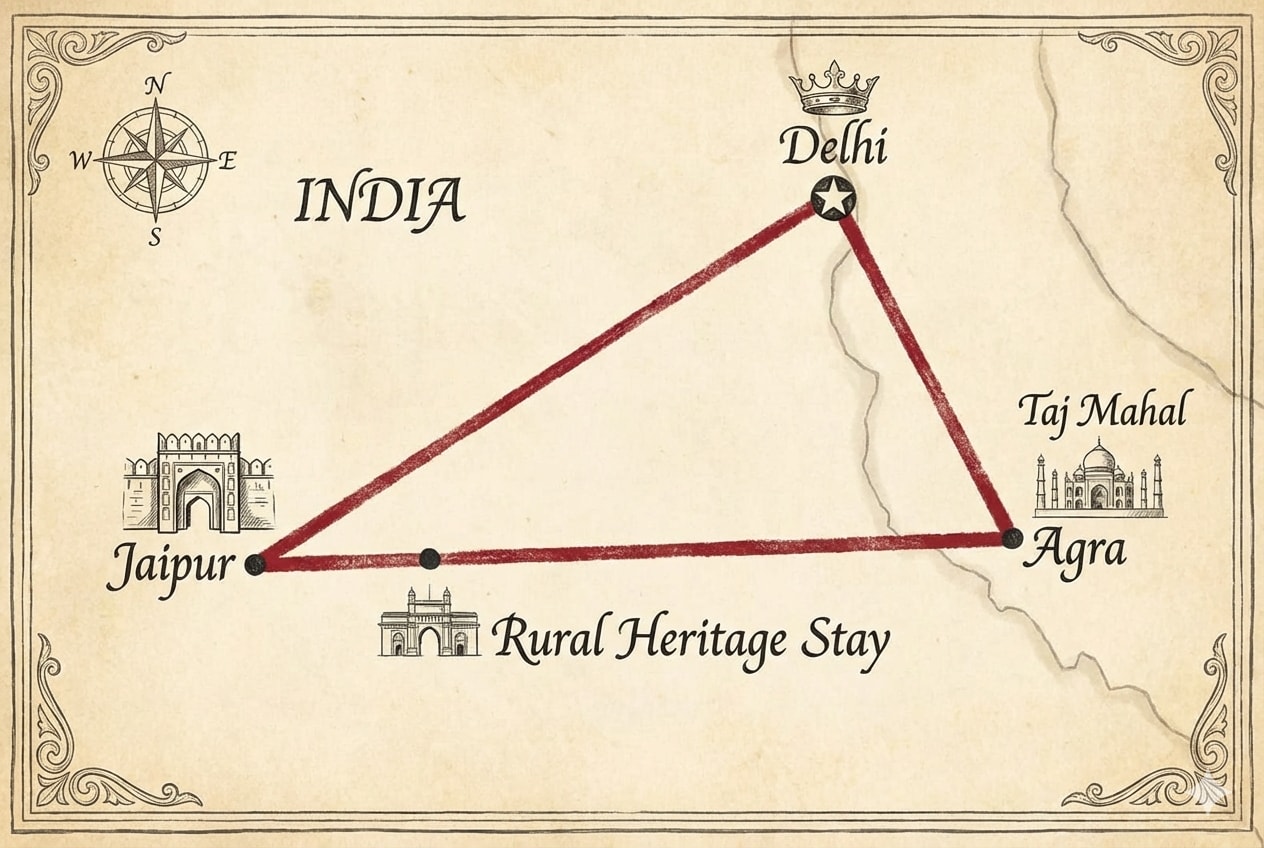
Varanasi pairs beautifully with a classic North India route. Many travellers add it after the Golden Triangle for a spiritual finale — a natural extension of the Delhi–Agra–Jaipur circuit covered in our Delhi, Agra, Jaipur first-timer guide.
Etiquette: Travelling Respectfully
Varanasi is a place of worship first and a sight second. A few things matter:
- Dress modestly — cover shoulders and knees near temples and ghats. See what to wear in India.
- Ask before photographing people, and never photograph cremations.
- Remove shoes where indicated at temples.
- Be gentle with the hard scenes. The openness around death is part of the city's meaning, not a spectacle.
For the wider picture on customs, our India etiquette do's and don'ts and responsible travel in India go deeper.
Practical Notes
- Getting there: Varanasi has an airport (VNS) with easy connections from Delhi; the train is scenic but long.
- Stay near the ghats if you can, so the dawn boat ride and evening aarti are a short walk.
- Health: the old-city lanes are dense and dusty — our how to avoid getting sick in India tips apply doubly here.
- Cash: keep small notes for boat rides and offerings; see money and tipping in India.
Experience It With a Small Group
Varanasi rewards having someone who knows it — which boatman to trust at dawn, where to stand for the aarti, how to read the cremation ghats with the right respect. That local knowledge is the difference between feeling lost and feeling let in. Our cultural departure is built around exactly this kind of deeper, respectful immersion: the [Soul of India: Golden Triangle Cultural Tour, 16–23 September 2026](/destinations/beyond-taj-sep-2026), hosted personally by Anna, capped at 12 travellers, priced at $999 in USD for international guests. Browse all upcoming dates on our destinations page.
Frequently Asked Questions
Is Varanasi worth visiting?
For most travellers, yes — it's one of the most spiritually powerful and visually unforgettable cities in India. It's intense rather than relaxing, so go in expecting to be moved and occasionally confronted, and it becomes a highlight.
How many days do you need in Varanasi?
Two nights is ideal. That gives you two sunrise boat rides, one evening Ganga Aarti, and a full day to walk the ghats and old-city lanes without rushing.
Is Varanasi safe for tourists?
Yes, with normal city caution. The lanes are crowded and easy to get lost in, so stay aware of your belongings, and going with a guide or small group makes the intense scenes much easier to navigate.
What is the best time to visit Varanasi?
October to March offers the most comfortable weather and beautiful soft light on the river. Summer is very hot, and the monsoon raises the river level and can affect boat rides.
Ready to See India's Spiritual Heart?
If Varanasi speaks to you, our [Soul of India: Golden Triangle Cultural Tour, 16–23 September 2026](/destinations/beyond-taj-sep-2026) is our next culture-first departure — small group, hosted by Anna, priced in USD for international travellers. See other routes and dates on the destinations page.
Keep reading
More guides to help you plan the same trip.
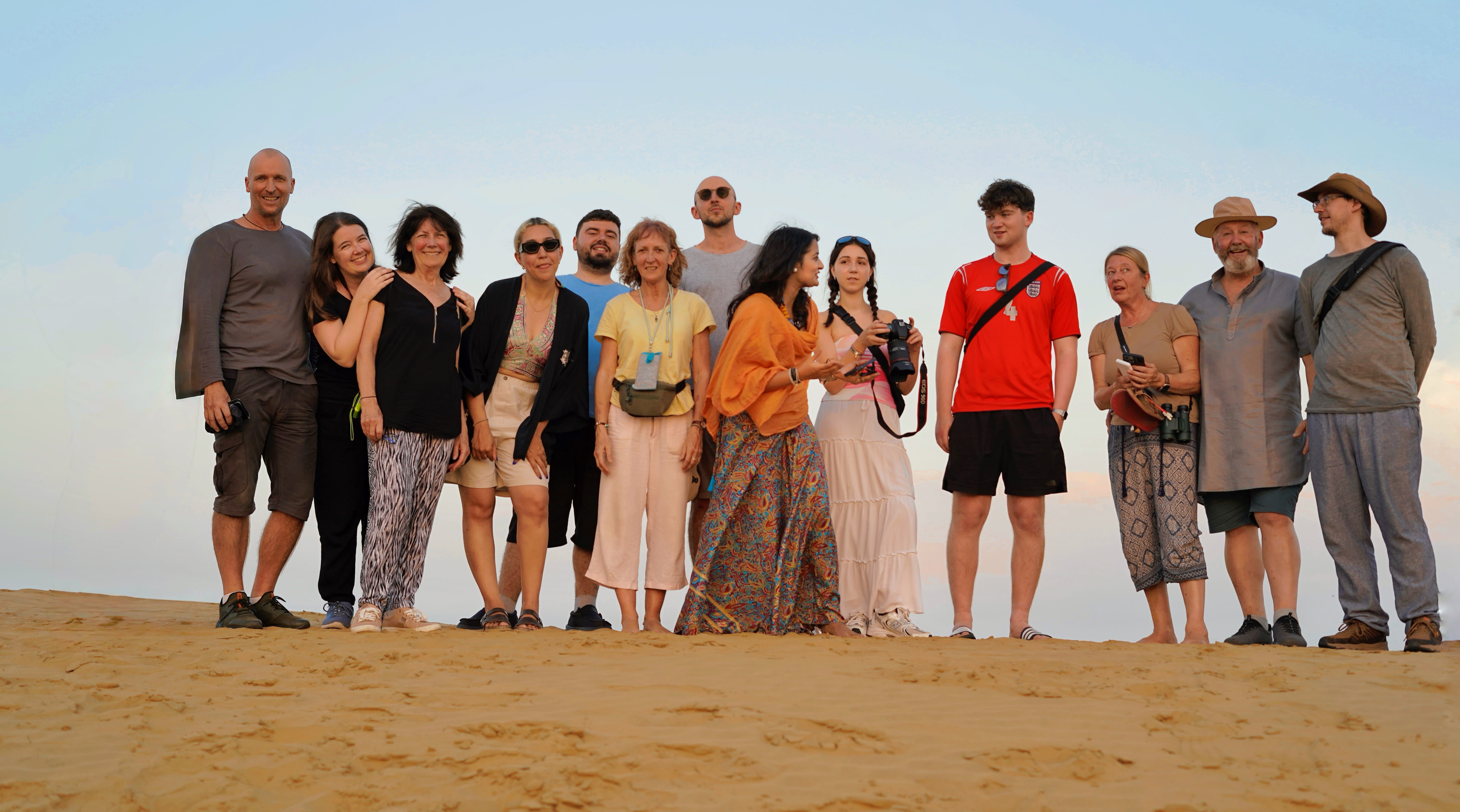
Jaisalmer Travel Guide: The Golden City & Thar Desert
Jaisalmer for US, UK and Europe travellers: the living fort, the havelis, camel safaris in the Thar Desert, when to go and how long to stay.
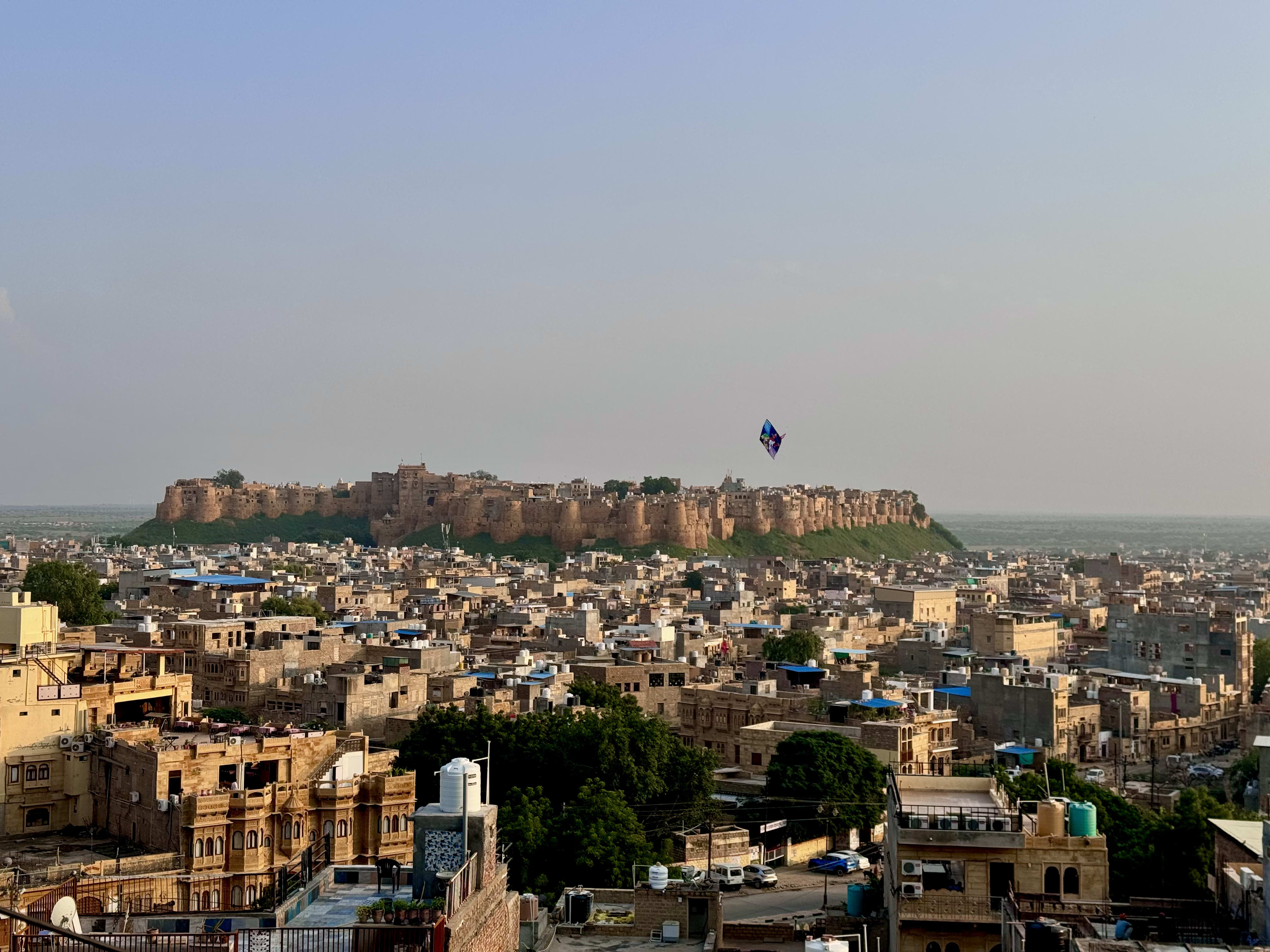
Jodhpur Travel Guide: Exploring the Blue City
Jodhpur for US, UK and Europe travellers: Mehrangarh Fort, the blue old town, the best viewpoints, when to go and how many days you need.

Mumbai Travel Guide for First-Time Visitors
Mumbai for US, UK and Europe travellers: the big sights, colonial architecture, street food, safety, and how many days you need.
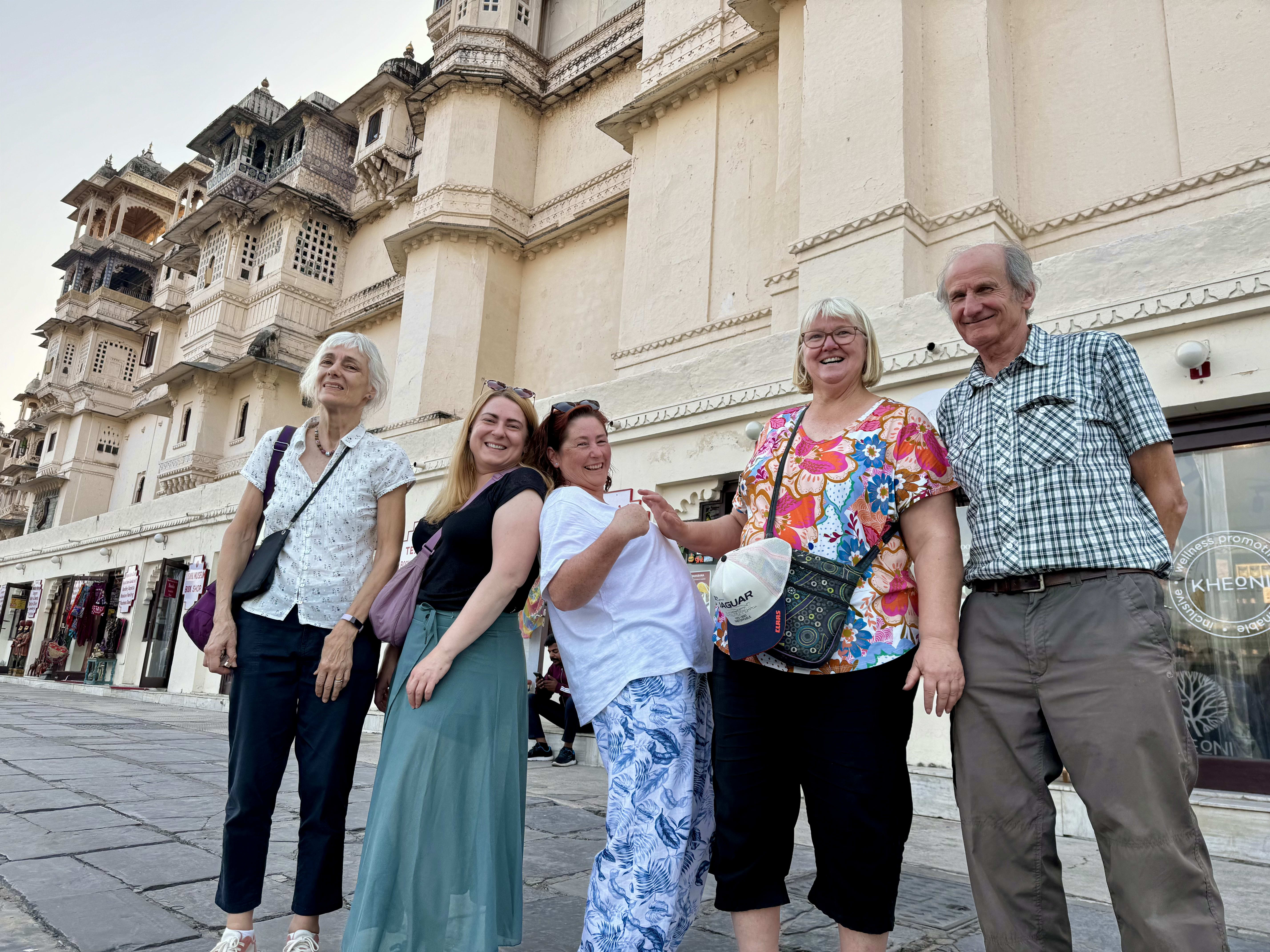
Udaipur Travel Guide: India's City of Lakes
Udaipur for US, UK and Europe travellers: the best sights, when to go, how many days you need, and how to slot the City of Lakes into a trip.
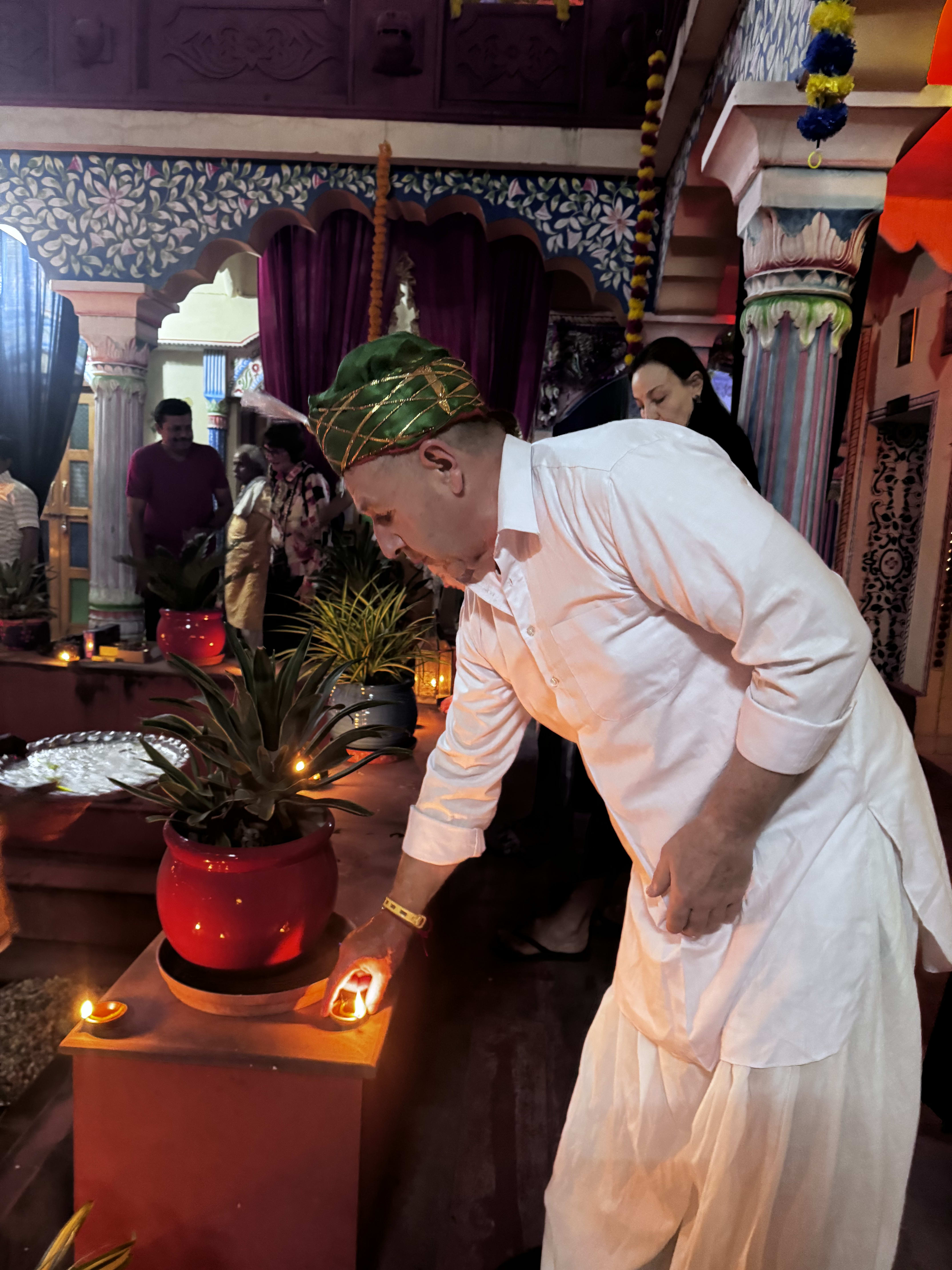
The Ganga Aarti in Rishikesh: A Traveller's Guide
Every evening, lamps and chanting honour the Ganges at Rishikesh. What the aarti is, where to see it, and how to attend respectfully.
Golden Triangle Itinerary: How Many Days Do You Need?
Three days or ten? An honest day-by-day look at how long Delhi–Agra–Jaipur really takes, and the itinerary that does it justice.