Your First Trip to India: What to Really Expect
A warm, honest guide to what to expect on your first trip to India — the arrival, the surprises, the real challenges, and how to enjoy it from day one.
On this page
If you're nervous and excited in equal measure, you're normal — almost everyone is. Knowing what to expect on your first trip to India is less about memorising rules and more about arriving with the right frame of mind: curious, patient, and ready for a country that is louder, warmer, and far more layered than any guidebook photo suggests. We've hosted first-timers on this exact route many times, and the ones who thrive are simply the ones who came prepared to be surprised.
Quick answer: Expect sensory overload in the best and hardest ways — colour, noise, warmth, and constant motion. Your first day will feel disorienting, your stomach needs a gentle week to adjust, and small courtesies go a long way. Plan a slow arrival, keep an open mind, and India rewards you fast.
The First 48 Hours: Arrival and Overload
Landing in Delhi or Mumbai is a jolt to every sense at once. The air is warm and thick with incense, exhaust, and cooking; the airport road is a swirl of horns, rickshaws, and lane markings that seem more like suggestions. This is completely normal and not a sign anything is wrong.
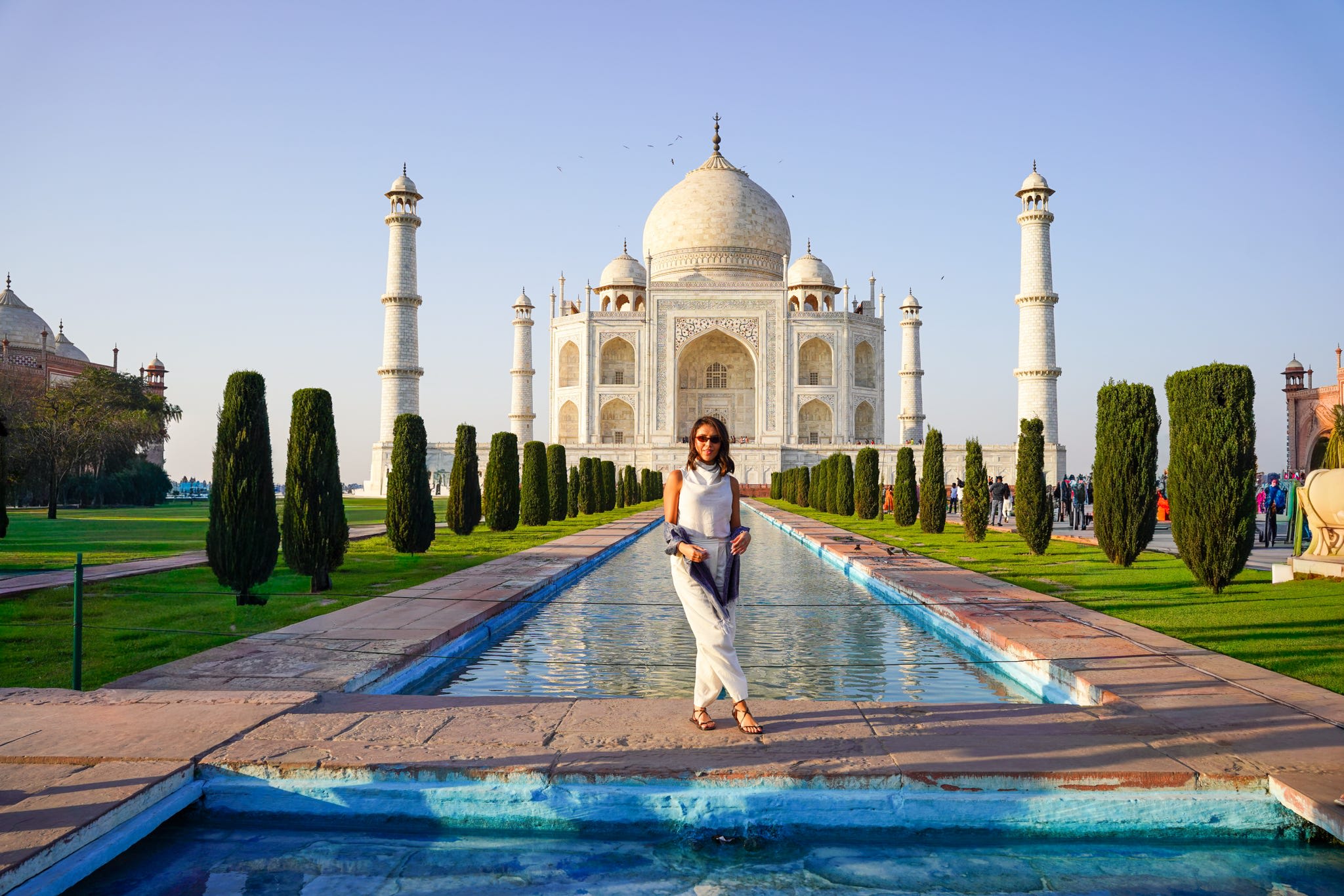
Give yourself a genuine recovery day. Do not schedule the Taj Mahal for the morning after a 15-hour flight. A slow breakfast, a short walk, and an early night will do more for your trip than any monument. Our first time India travel guide covers the practical arrival steps, and giving yourself a genuinely gentle first day matters most if the idea of the airport chaos is what's keeping you up at night.
What Will Surprise You (in the Best Way)
First-timers almost always tell us the same thing at the end: it was warmer and kinder than they feared. A few things that catch people off guard:
- The hospitality. Strangers will invite you for chai, help you find a train platform, and want a photo with you. It's genuine.
- How organised the chaos is. The traffic looks lawless but flows; the markets look overwhelming but have their own logic.
- The food beyond curry. Regional breakfasts, street snacks, and sweets you've never heard of — there are far more approachable dishes than you'd guess, so you can order with confidence once you know a few names.
- The quiet moments. A dawn Ganga aarti, an empty fort at golden hour, a rooftop dinner — the calm is as real as the noise.
The Honest Challenges
We don't do hype, so here's the straight version. It helps to know what might rattle you before it does:
| What first-timers fear | What's actually true |
|---|---|
| "I'll get sick immediately" | Most upsets are mild and avoidable with simple food-and-water habits |
| "It's not safe" | It's broadly safe for tourists; normal city street-smarts apply |
| "The poverty will be unbearable" | It's present and confronting, but so is dignity, energy, and joy |
| "I'll be scammed constantly" | A few classic tourist scams exist and are easy to sidestep once you know them |
For the practical side of those worries, is India safe for tourists and common scams in India and how to avoid them are the two pieces we'd hand every guest before they fly.
Food, Water, and Staying Well
Your stomach needs about a week to acclimatise, so ease in. Drink only bottled or filtered water, skip ice unless you trust the source, and eat where it's busy and freshly cooked. Street food is one of India's great joys — just choose stalls with high turnover; our is Indian street food safe to eat guide explains how to pick well. If spice is your worry, it's manageable: simply ask for dishes prepared mild and you'll be fine. And read how to avoid getting sick in India once before you go; the basics genuinely work.
Money, Connectivity, and Getting Around
A few logistics remove most of the friction:
- Cash and cards. Cards work in hotels and larger restaurants; keep rupees for markets, tips, and rickshaws. See how much cash to carry in India.
- A local SIM or eSIM. Data makes maps, ride apps, and translation effortless — best SIM card for India walks through the options.
- Getting around. Distances look short and take longer than you think, so prebooked cars and drivers beat improvising — especially in your first jet-lagged days when you least want to be haggling at a taxi rank.
This is also where a first trip gets tiring if you're doing it all yourself. On our small-group departures the airport pickup, the hotels, and the day-to-day driving are handled, so your only job is to show up and enjoy it. Our next classic first-timer route — the [Soul of India: Golden Triangle Cultural Tour, 16–23 September 2026](/destinations/beyond-taj-sep-2026) — is hosted personally by Anna, capped at 12 travellers, and priced at $999 in USD for international guests. It's built around exactly the gentle-arrival, cities-first rhythm we recommend above.
Culture and Etiquette: Small Things That Matter
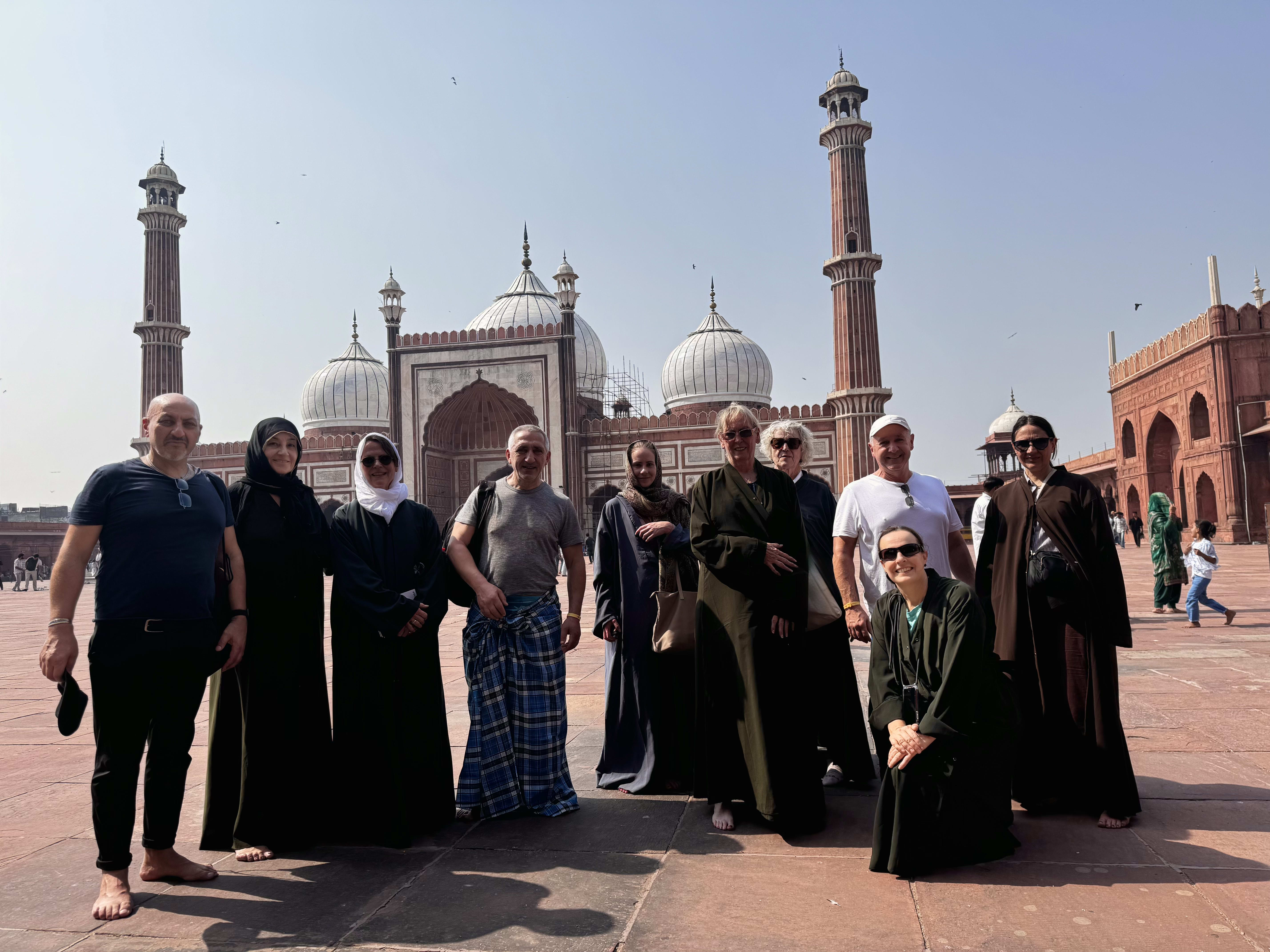
You don't need to be an expert, but a little awareness earns a lot of goodwill. Dress modestly at temples and in smaller towns (shoulders and knees covered), remove your shoes before entering homes and shrines, and use your right hand for eating and giving. Our India etiquette dos and don'ts covers the details, and what to pack for India makes sure you land with the right clothes and layers for the season you're visiting.
Frequently Asked Questions
Is India a good destination for a first-time traveller?
Yes, with a little planning. India is welcoming and endlessly rewarding, but it's intense on arrival, so first-timers do best with a gentle first day, sensible food-and-water habits, and — for many — a guided or small-group trip that handles the logistics.
Will I get sick on my first trip to India?
Most travellers have no more than a mild adjustment if they stick to bottled water, freshly cooked food, and busy eateries. Give your stomach about a week to settle and carry basic remedies, and you'll likely be fine.
How much should I plan versus improvise?
Plan your arrival, transport between cities, and the first few days carefully; leave room to wander once you've found your feet. First-timers who over-improvise the logistics tend to burn out, while those who lock the structure and stay flexible on the details enjoy it most.
What's the best first itinerary for India?
The Golden Triangle — Delhi, Agra, and Jaipur — is the classic first loop for good reason: iconic sights, short hops between cities, and easy access. Our Delhi, Agra, Jaipur first-timer guide maps it out day by day.
Ready for a First Trip That Just Works?
If you'd rather arrive to a sorted plan than a pile of logistics, our [Soul of India: Golden Triangle Cultural Tour, 16–23 September 2026](/destinations/beyond-taj-sep-2026) is our next first-timer-friendly departure — a small group hosted by Anna, priced in USD for international travellers, with the gentle pacing this guide recommends. Browse every upcoming date on our destinations page.
Keep reading
More guides to help you plan the same trip.
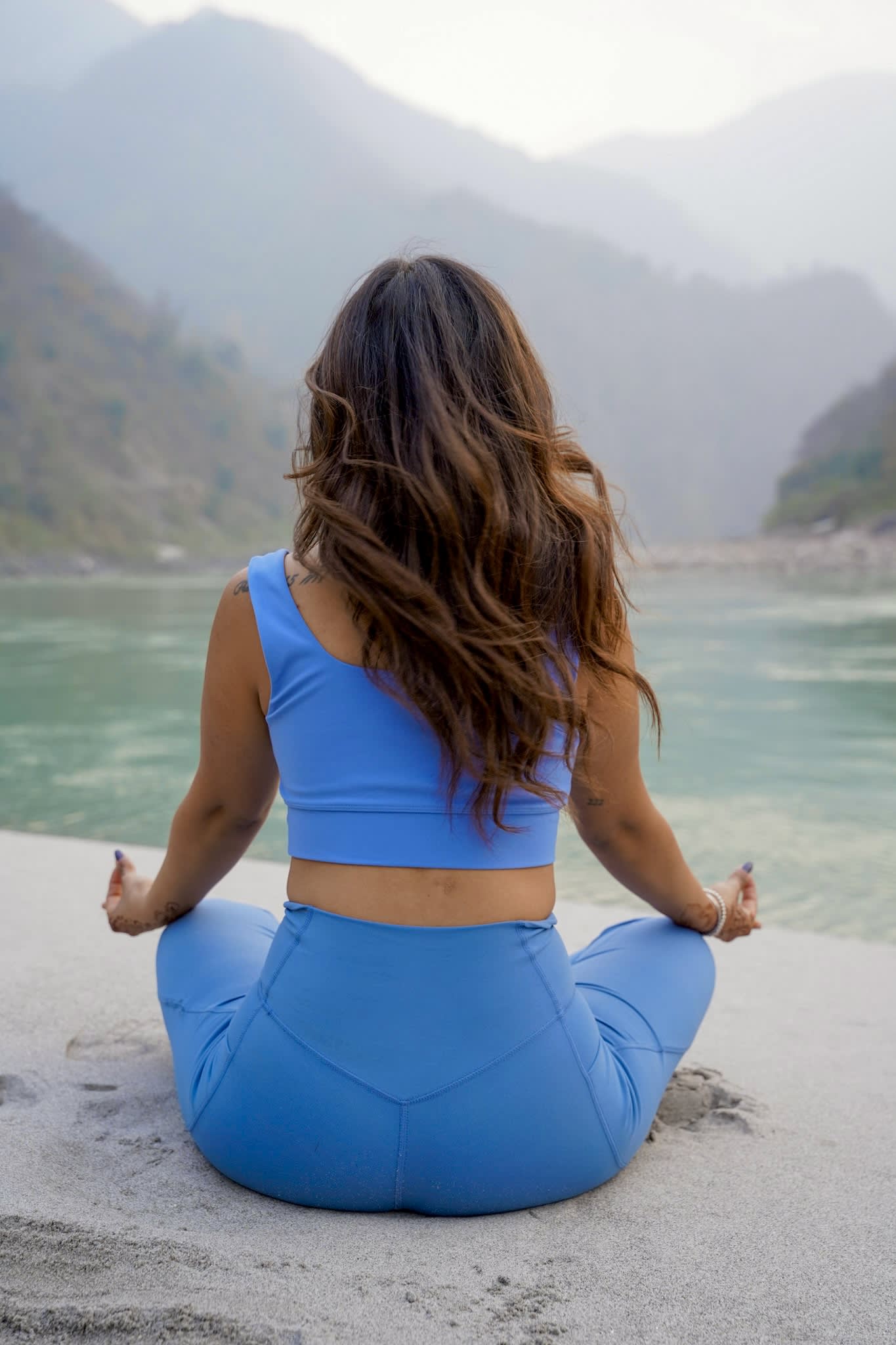
Ayurveda for Beginners: A First-Timer's Guide in India
Your first Ayurveda retreat in India, explained simply: what the treatments involve, what a day looks like, what it costs and what to pack.

First Time in India: The Complete 2026 Travel Guide
Visa, money, SIM cards, what to wear, staying healthy and where to start — the no-overwhelm primer for a first trip to India.
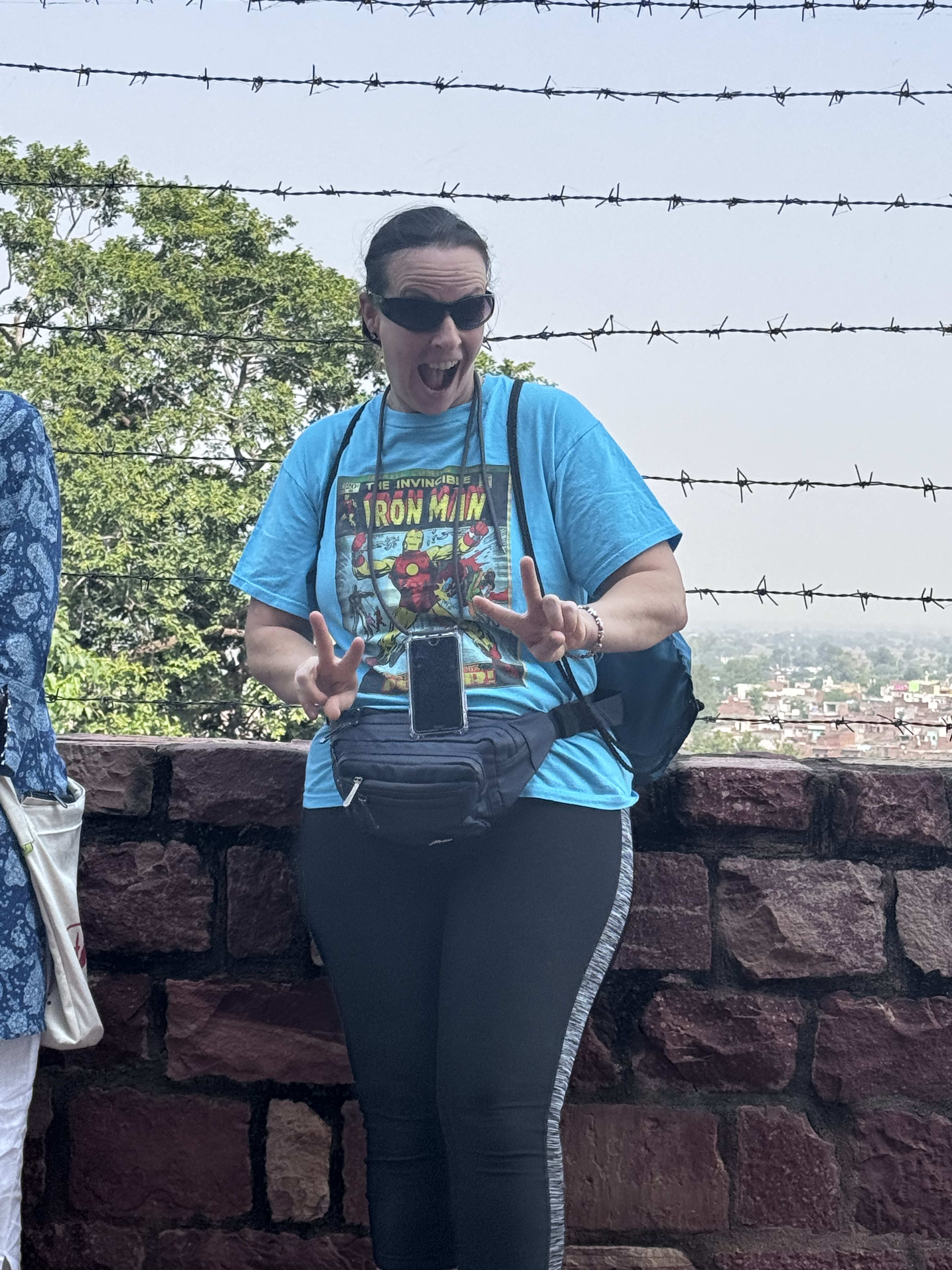
India for British Travellers: The Complete Primer
What UK travellers need before a first trip to India: visas, flights from Britain, jabs, money, plugs and the cultural basics.
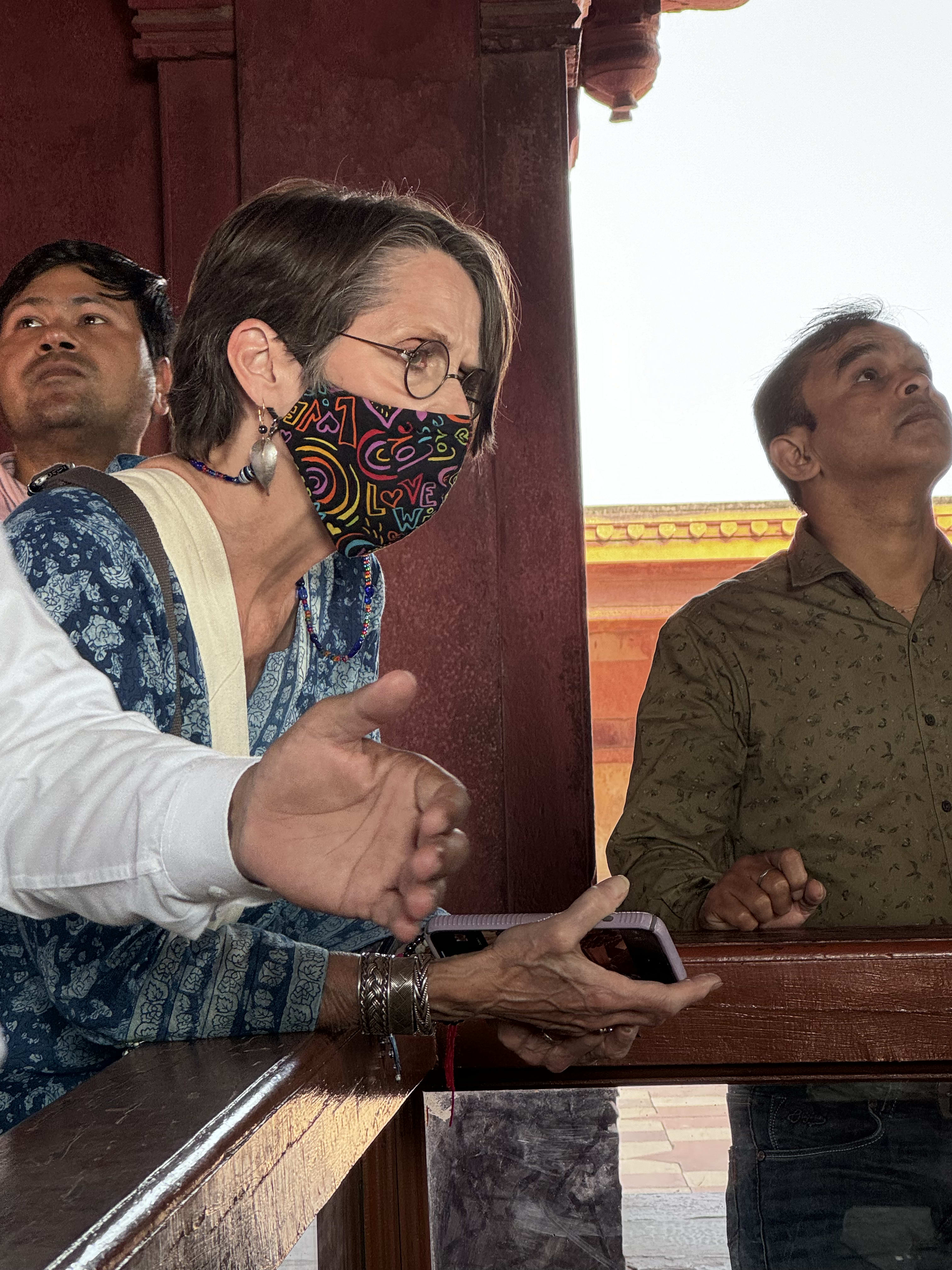
India for Nervous First-Timers: How to Feel Ready
Nervous about visiting India? An honest, calming look at the common worries, what's actually true, and how to arrive feeling ready.

India in December 2026: Weather, Crowds & Where to Go
India in December brings cool, clear days, festive Delhi-Agra-Jaipur crowds, and the best Himalayan foothill weather of the year.

North vs South India: Which Should You Visit First?
Deciding between north or south India first? Here's an honest comparison of monuments, food, climate, and pace to help first-timers choose.